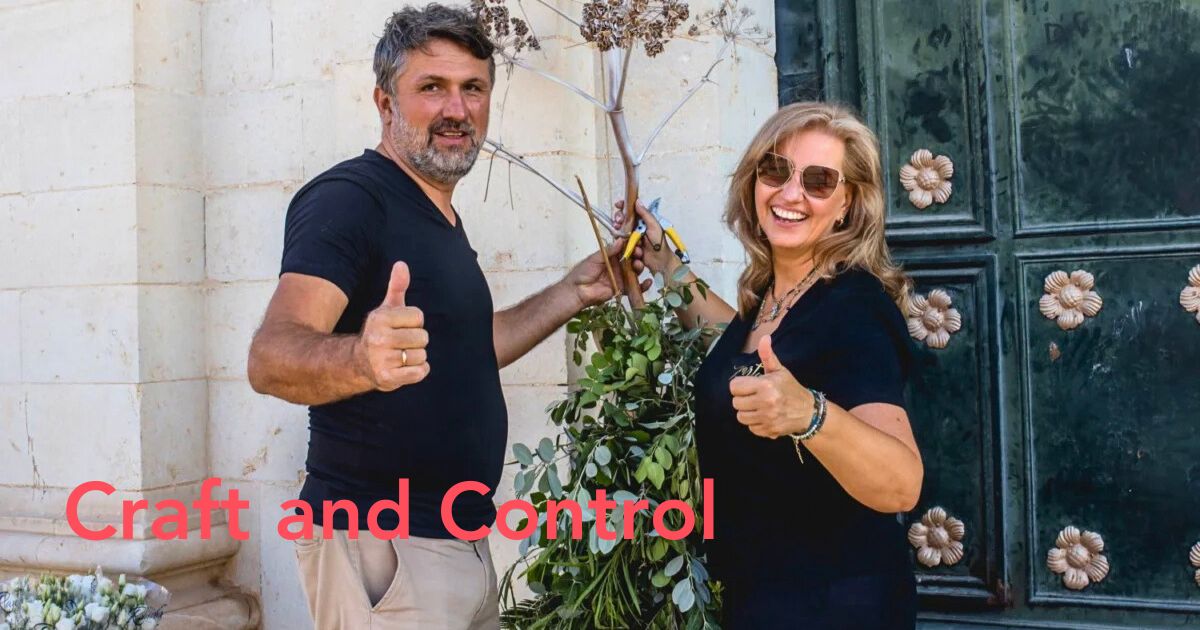
When Monika and I started more than thirty years ago, floristry was driven by instinct. It meant long nights before major flower holidays and early mornings at the flower market. We were searching for varieties that would set our offer apart. I remember the exhaustion, but also the sense of anticipation. Every delivery meant possibility.
At that stage, we were not thinking about strategy or business models. We focused on whether the bouquet felt right and whether the customer would connect with it. Floristry was heart. Only later did I understand that heart alone is not enough to sustain a company for decades.
Maturing as Spouses and Business Partners
Over time, we grew not only as spouses but also as business partners. A natural division of responsibilities developed. It feels obvious today, but at the beginning it was not. Monika immersed herself in form, color, quality, and customer relationships. She shaped the artistic direction and ensured that every arrangement carried intention.
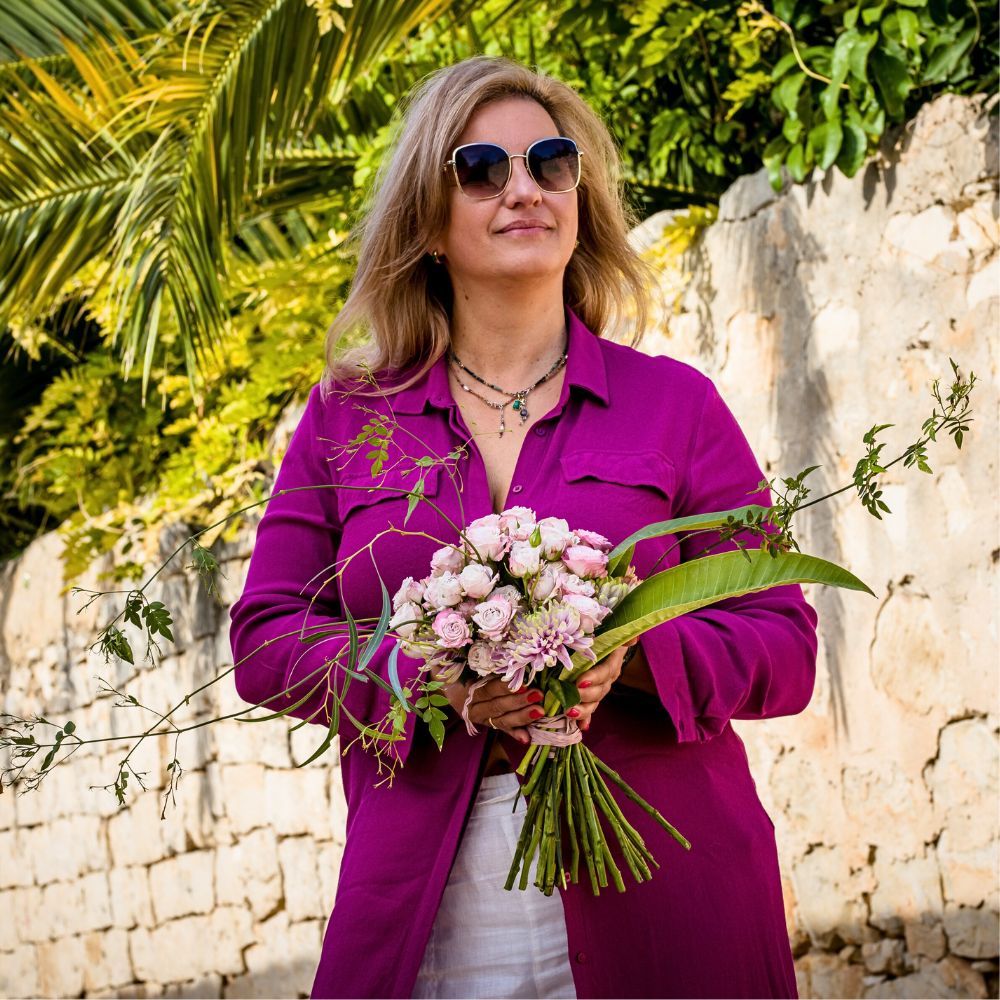
I gradually began looking at the company through a different lens. I focused on costs, investments, stability, and decisions that were not always exciting but were necessary. This division was not created through a strategic document. It came from experience. Reality tested us quickly and removed any illusions about what it takes to run a floral company long-term.
When Passion Meets Responsibility
Running a floral business today requires managerial thinking. Not because the industry has lost sensitivity, but because it has become more demanding. Energy costs rise. Salaries increase. Transport is more expensive. Customers compare prices–seasonality shifts. One weak investment decision can slow development for years.
At some point, you stop asking only whether the bouquet looks good. You begin asking whether your pricing model is sustainable, whether your margins allow reinvestment, and whether your company's structure supports future growth.
That is when passion meets responsibility.
No floristry course teaches cash flow management. We learn composition, technique, and trends. Financial management is learned in practice, often through mistakes. With time, I realised that numbers are the invisible foundation of the business. They are not visible in the shop window, and they do not impress customers. Yet they determine whether a company survives a weak season, whether it can hire another team member, and whether growth is possible.
Emotions help sell flowers.
Stability is built on decisions.
How Responsibility Changes Perspective
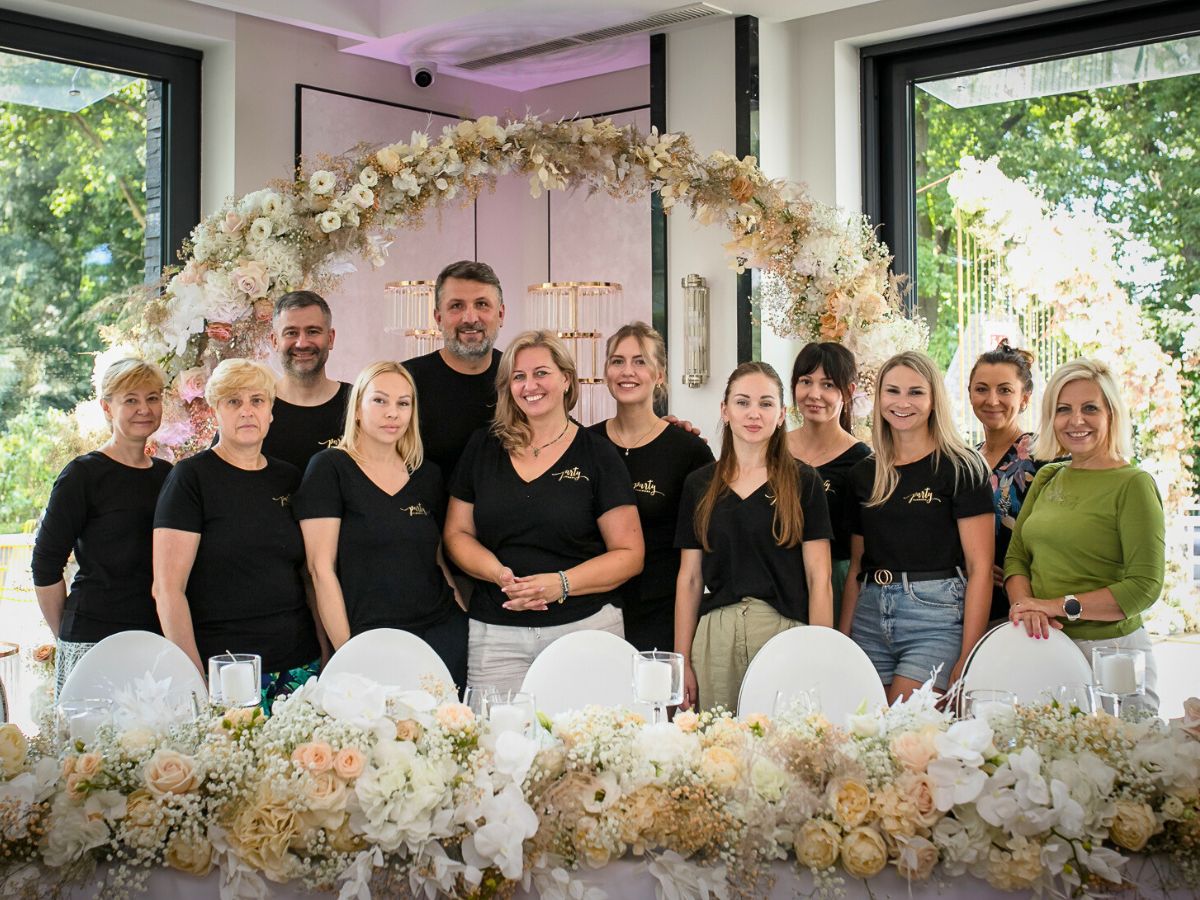
When you employ people, your perspective changes. You are no longer only a creator. You are responsible for someone else’s income and security. Every decision about pricing, promotion, or investment affects more than just you.
Improvisation may work in a small workshop. In a developed company, it becomes a risk.
Floristry as a passion allows intuition.
Floristry as a business requires structure, planning, and consistency.
Every five-year period brought growth and clearer structure. We learned that specialisation creates strength and that defined responsibilities improve efficiency. Monika focused on artistic direction and quality. I focused on structure, financial discipline, and long-term decisions.
Yet during the most demanding moments, such as major flower days, large projects, or complex installations, we still work side by side. We organise the team together and carry both the pressure and the satisfaction together. When the intense period ends, we return to our respective roles because it works better. It is more effective.
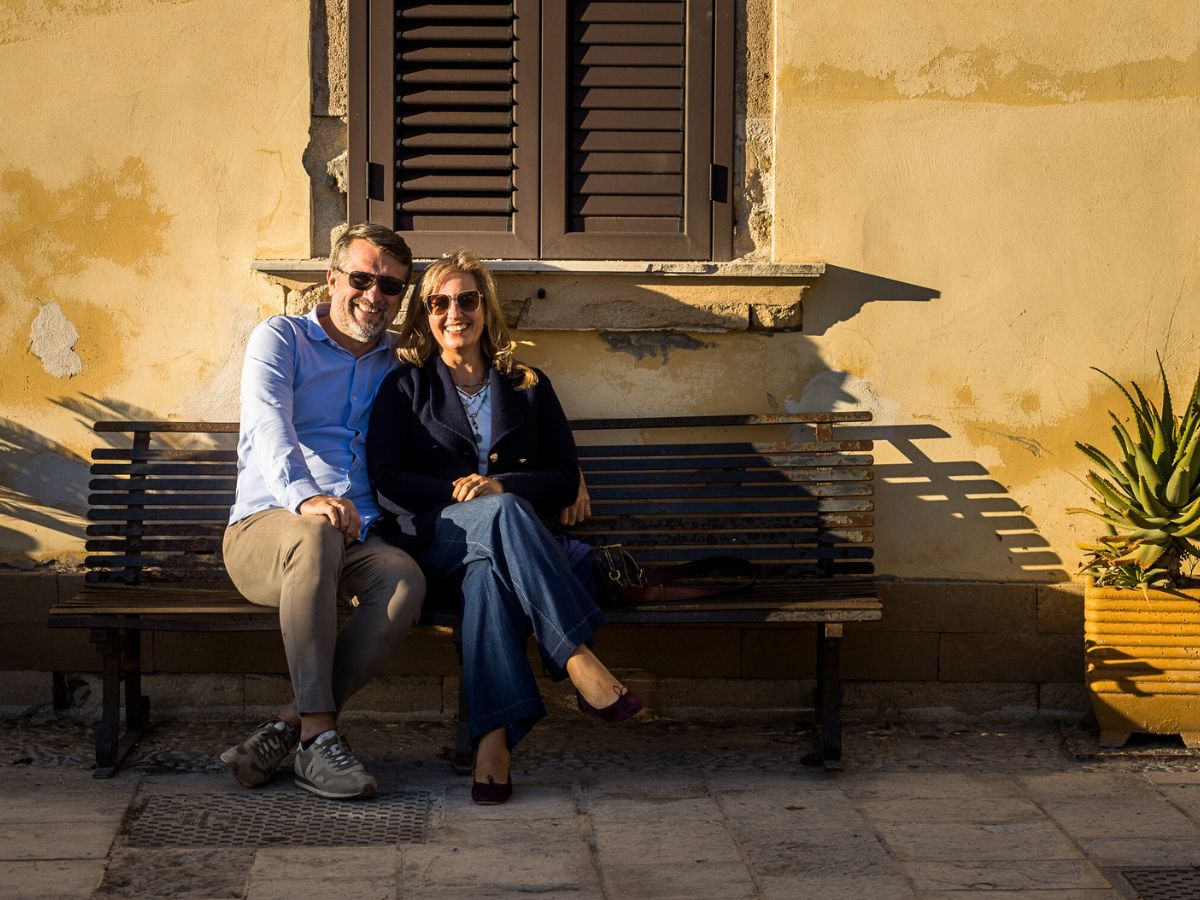
At the beginning, many people told us that combining marriage and business would not succeed. Over time, we proved otherwise. Working together and sometimes independently became our advantage.
So, is it passion or business?
The answer is not one or the other.
Sometimes together.
Sometimes separately.
But always in balance.
All pictures courtesy of @wsparcieflorystow.pl.