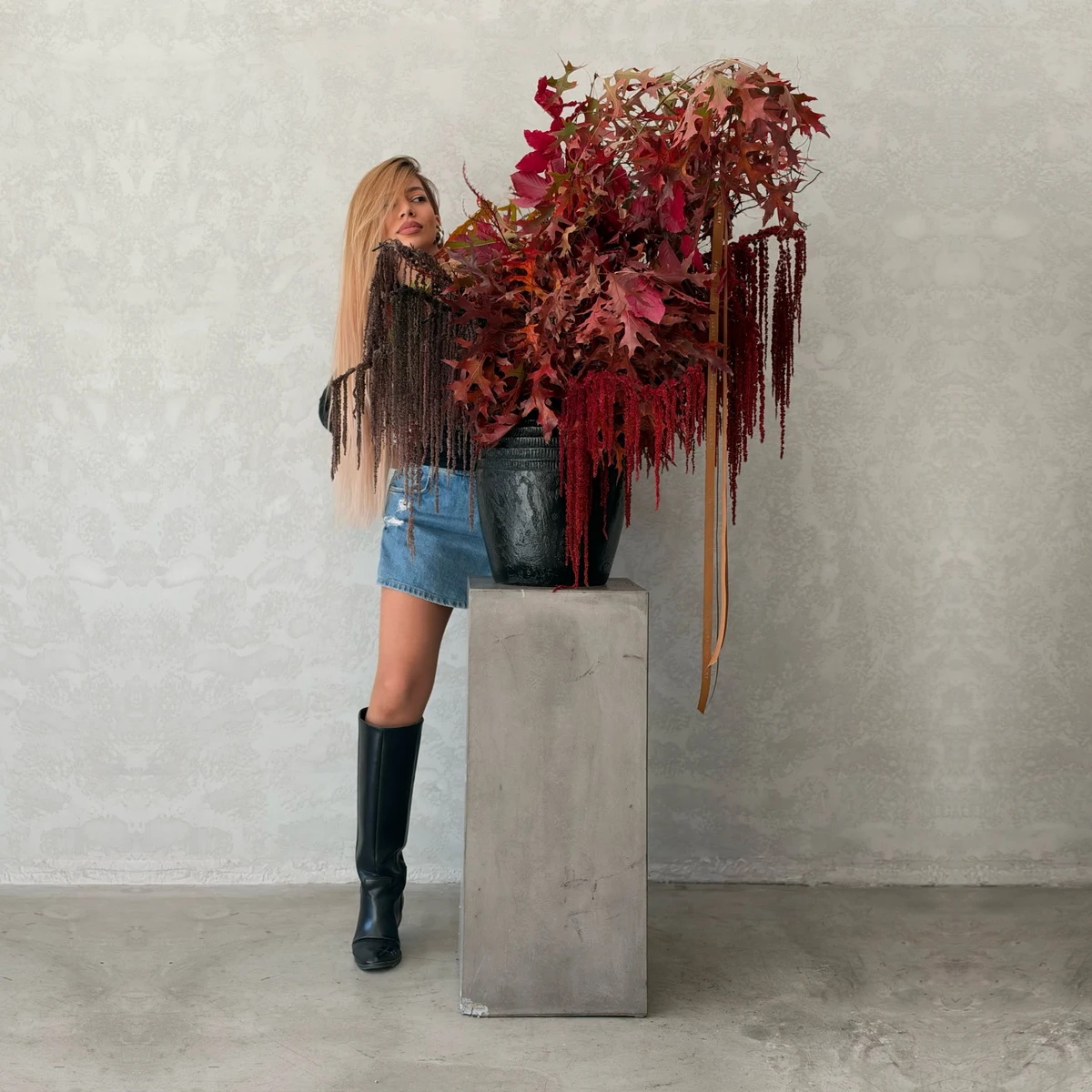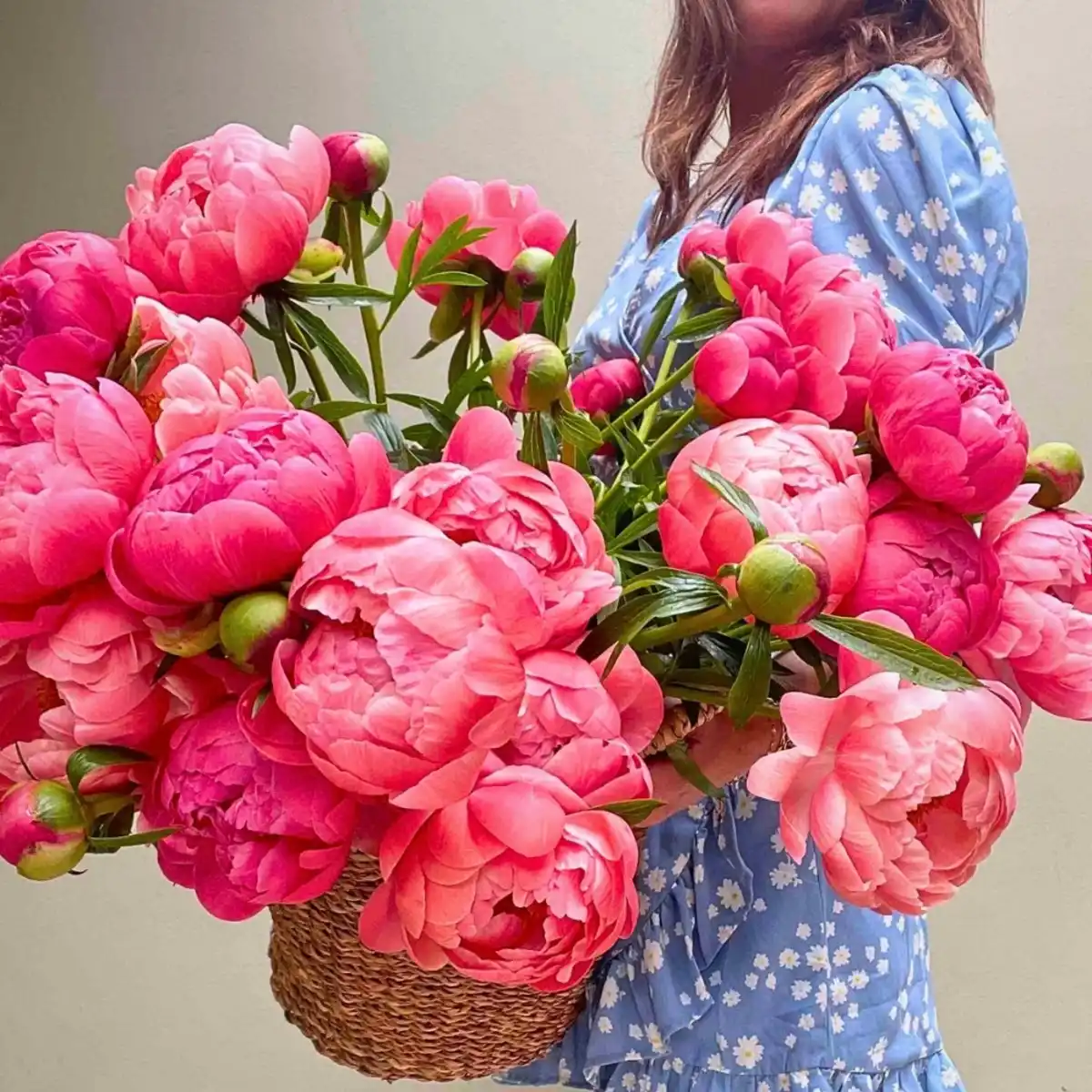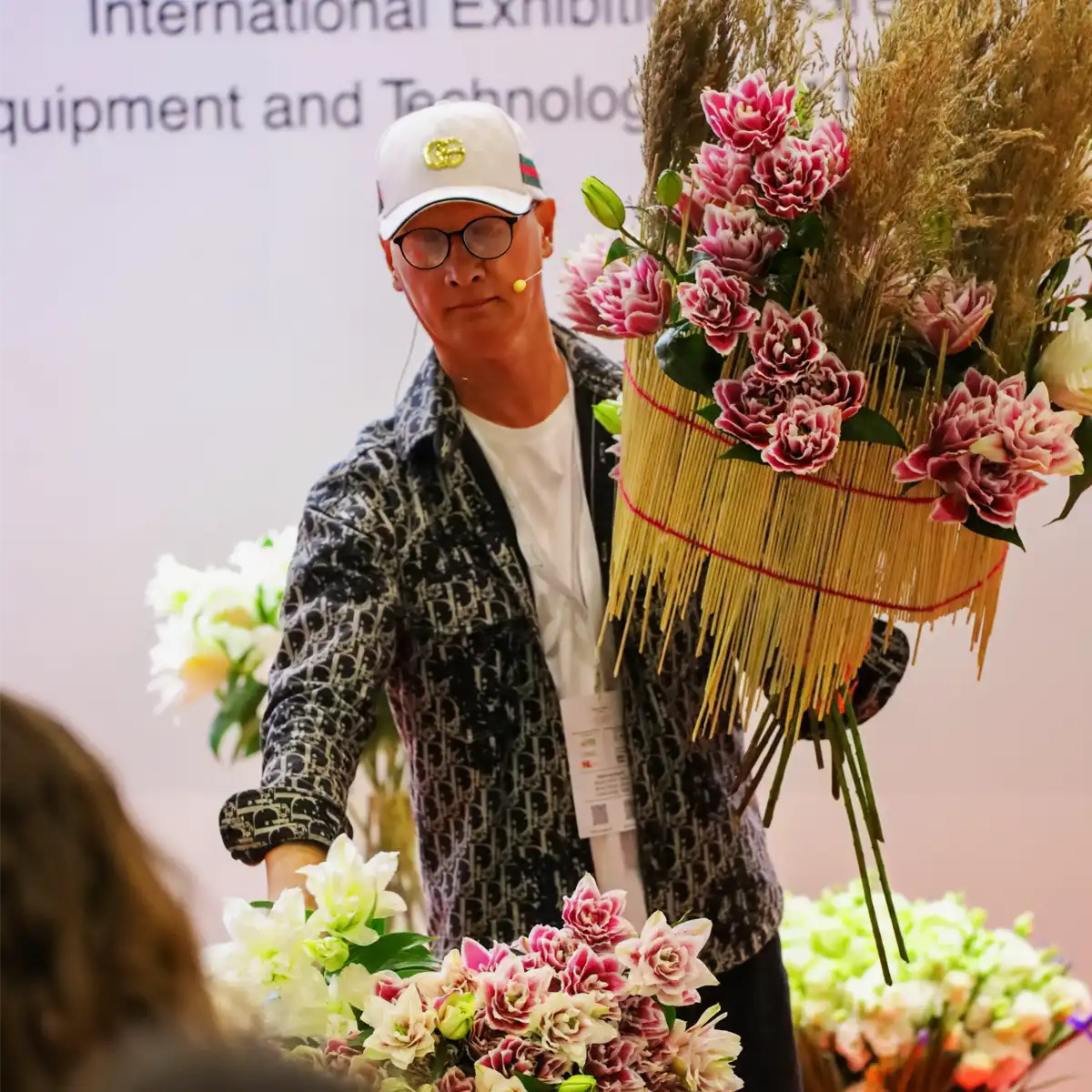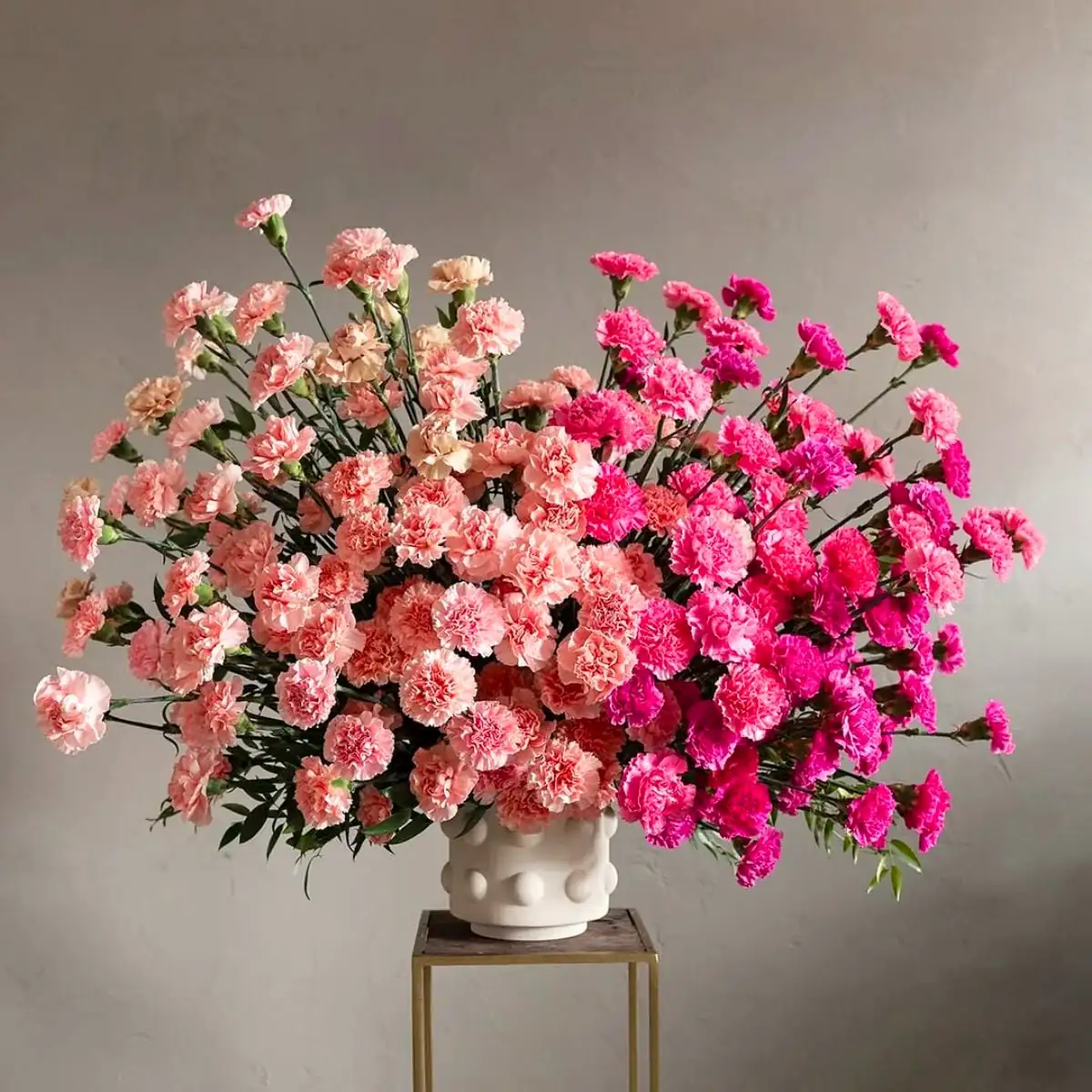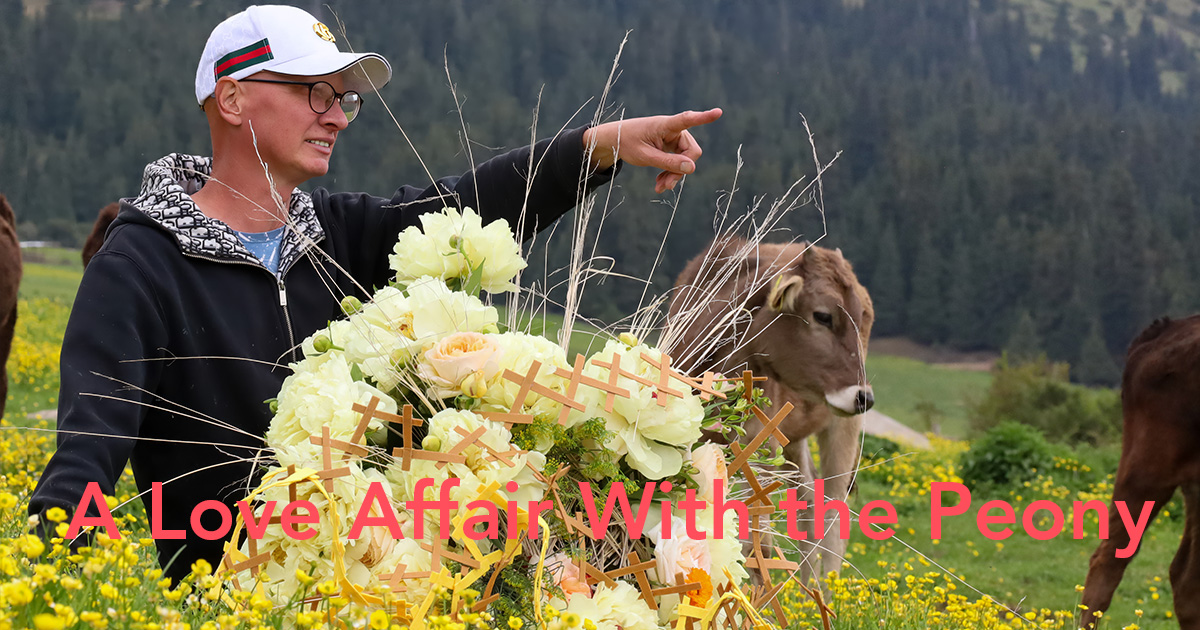
I would like to tell you about a plant that has been one of my true passions for many years: Peonies.
Most people first encounter peonies in flower shops. For many, they are large pink or white flowers with layers of petals and a beautiful fragrance. This is the image of a peony that we have all become familiar with. But in reality, the world of peonies is far more diverse and interesting.
A Fascinating Ancient Plant
The peony (botanical: Paeonia) is a very ancient plant. It has its own fascinating biology, an enormous diversity of species and cultivars, and a very interesting history of breeding.
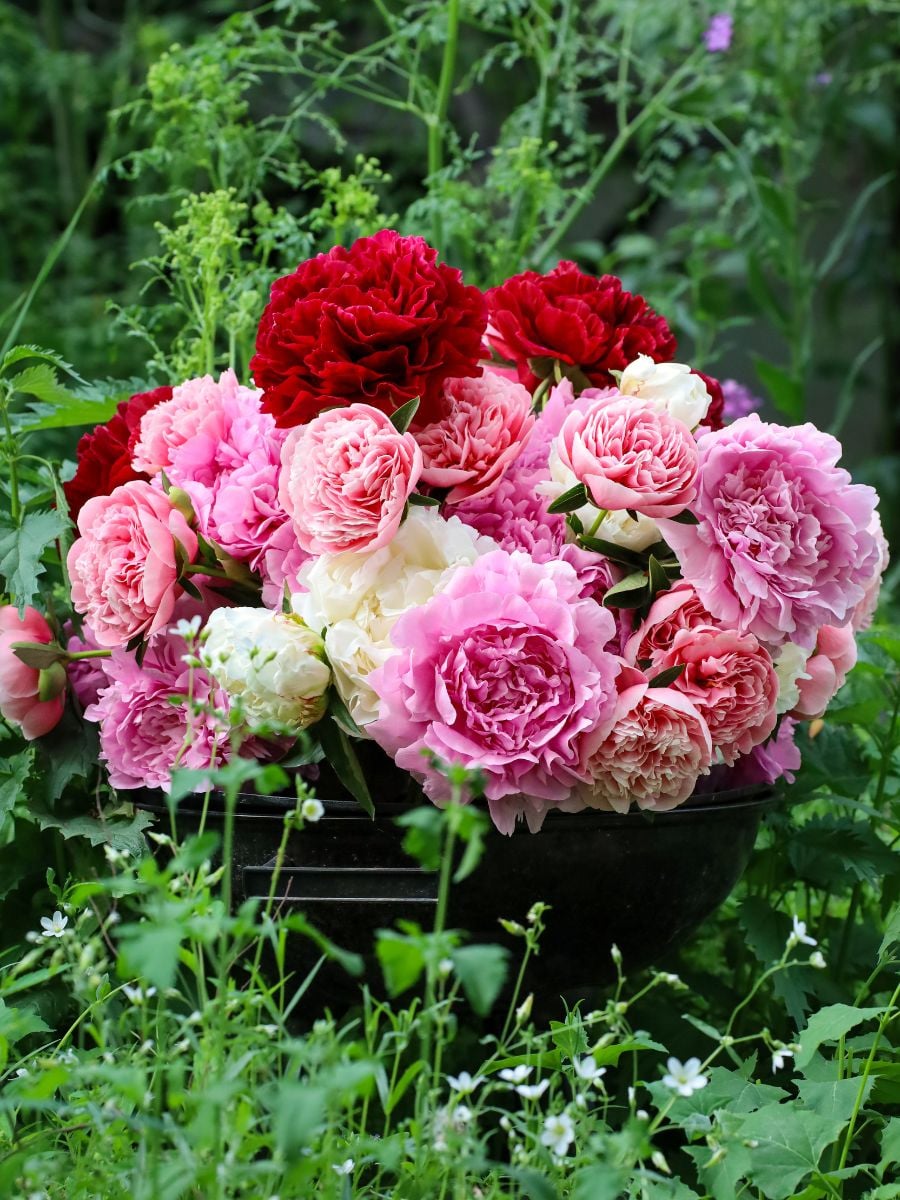
Even when it comes to fragrance, peonies can surprise you. If you love them mainly for their scent, I may have to disappoint you a little. Not all peonies smell pleasant. Some cultivars have a rather specific fragrance that some people may even find unpleasant. And there are also peonies that have almost no fragrance at all.
When it comes to color, things become even more interesting. Today, peonies are no longer limited to the familiar white and pink shades. Modern breeding has given us cream, coral, burgundy, and yellow flowers, as well as many complex transitional shades.
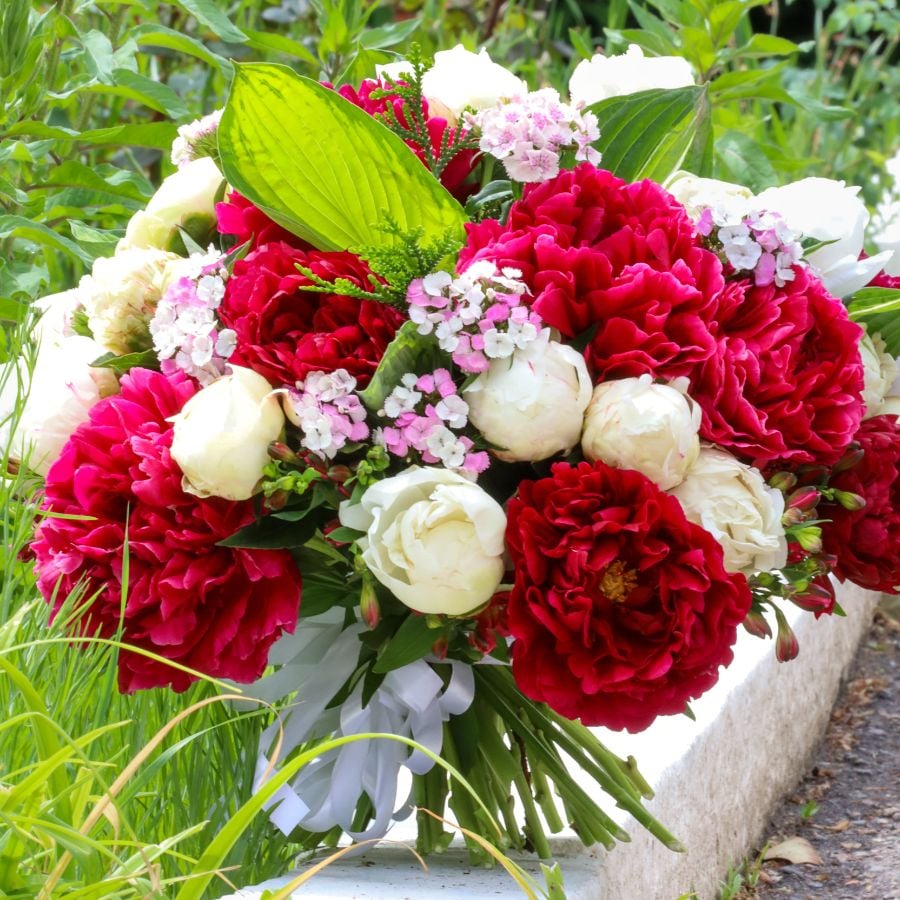
There are even true chameleon peonies that change color as the flower opens. Sometimes the same flower can look completely different at the beginning of flowering and several days later.
Perhaps the only color that still does not exist in peonies is true blue. But there are cultivars with lilac and purple tones. ‘My Lilac’, for example, shows just how unusual the modern peony color palette can be.
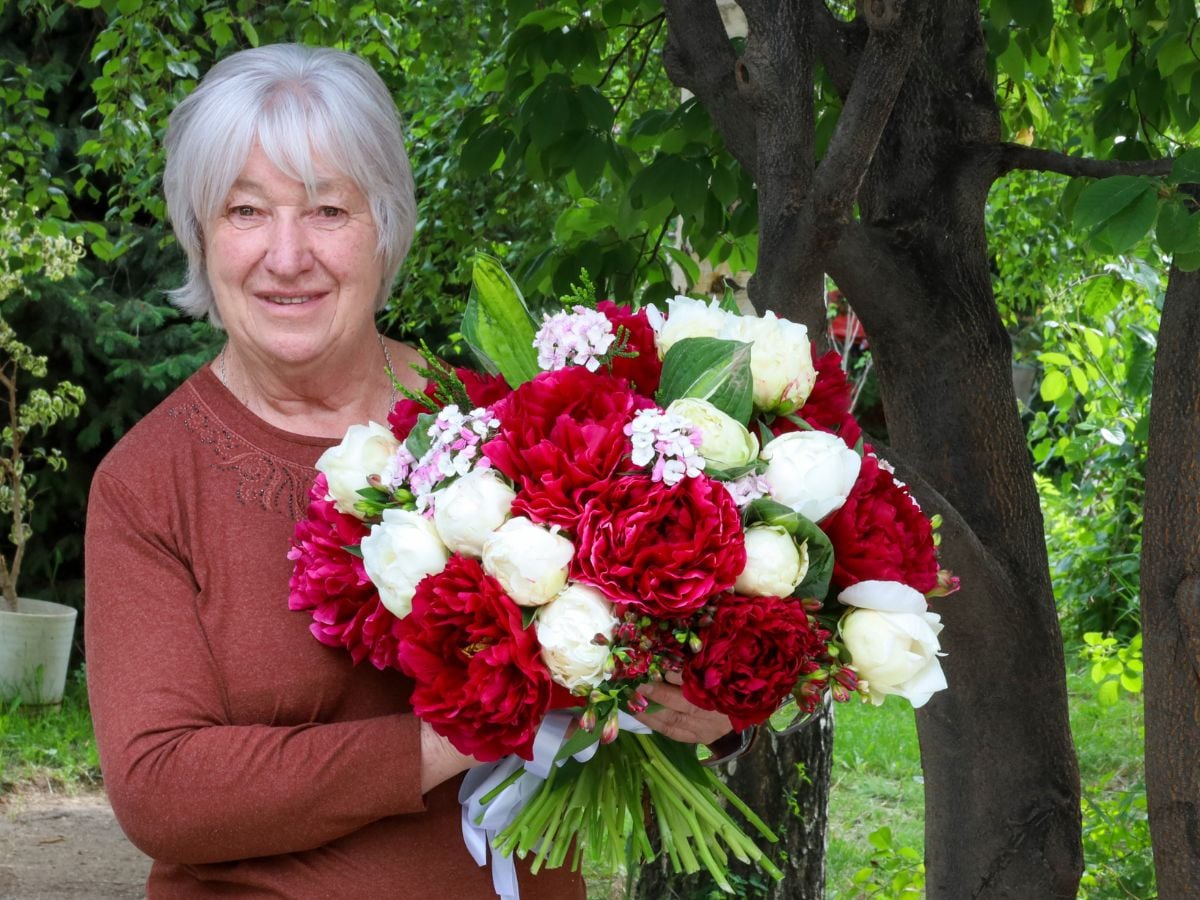
I work with peonies in several different ways. I am a florist, I grow them as a gardener, and I have also been breeding peonies for about fifteen years. Because of this, I can look at the same peony from very different perspectives.
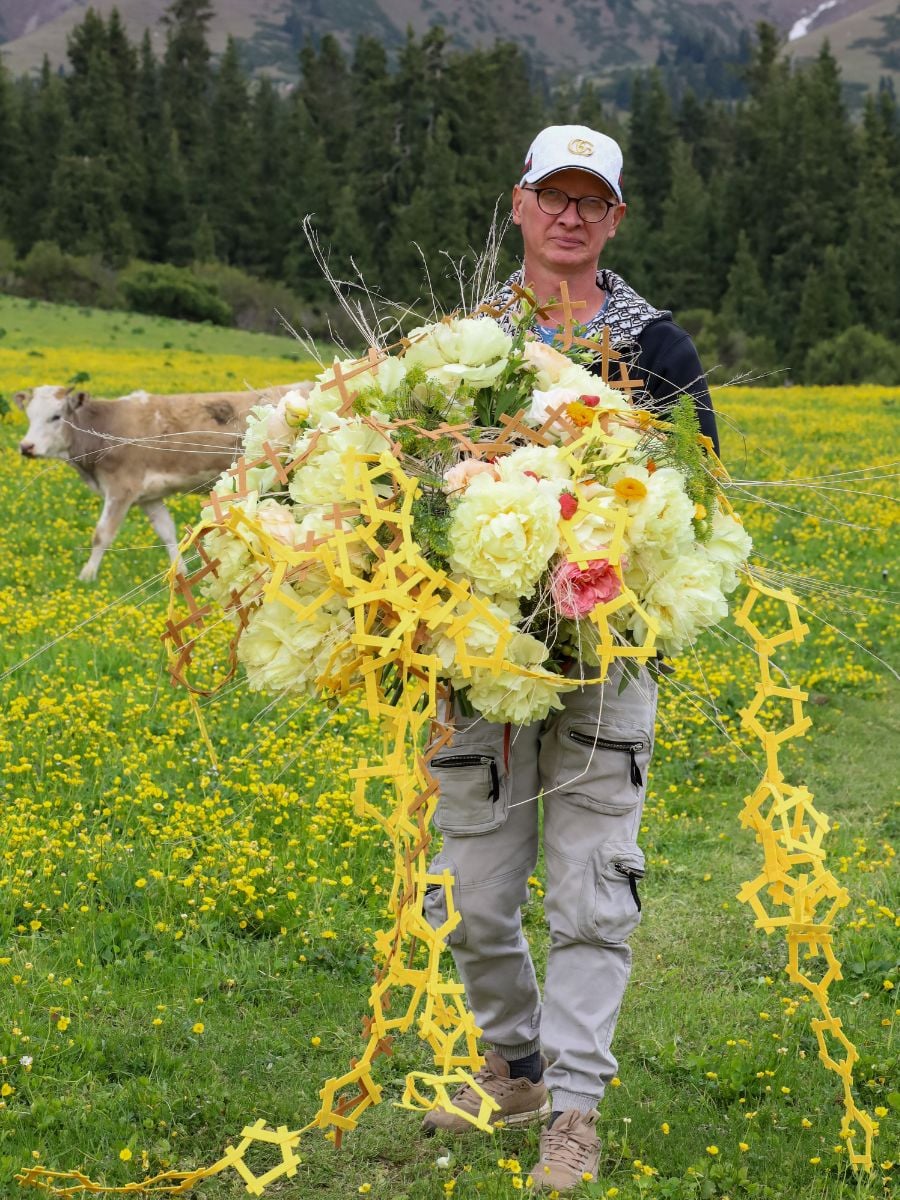
A Peony Through the Eyes of a Florist
As a florist, the first things I notice are the color and the shape of the flower. But for professional work, that is not enough. I often notice that florists love peonies but do not always know very much about individual cultivars. We often see a peony simply as a beautiful seasonal flower and choose it by color, bud size, or a photograph.
But different cultivars can behave very differently as cut flowers. One peony may look magnificent in the garden but turn out to be less suitable for commercial floristry. Another may look more familiar but tolerate transportation and storage very well, open beautifully, have strong stems, and remain fresh for a long time.
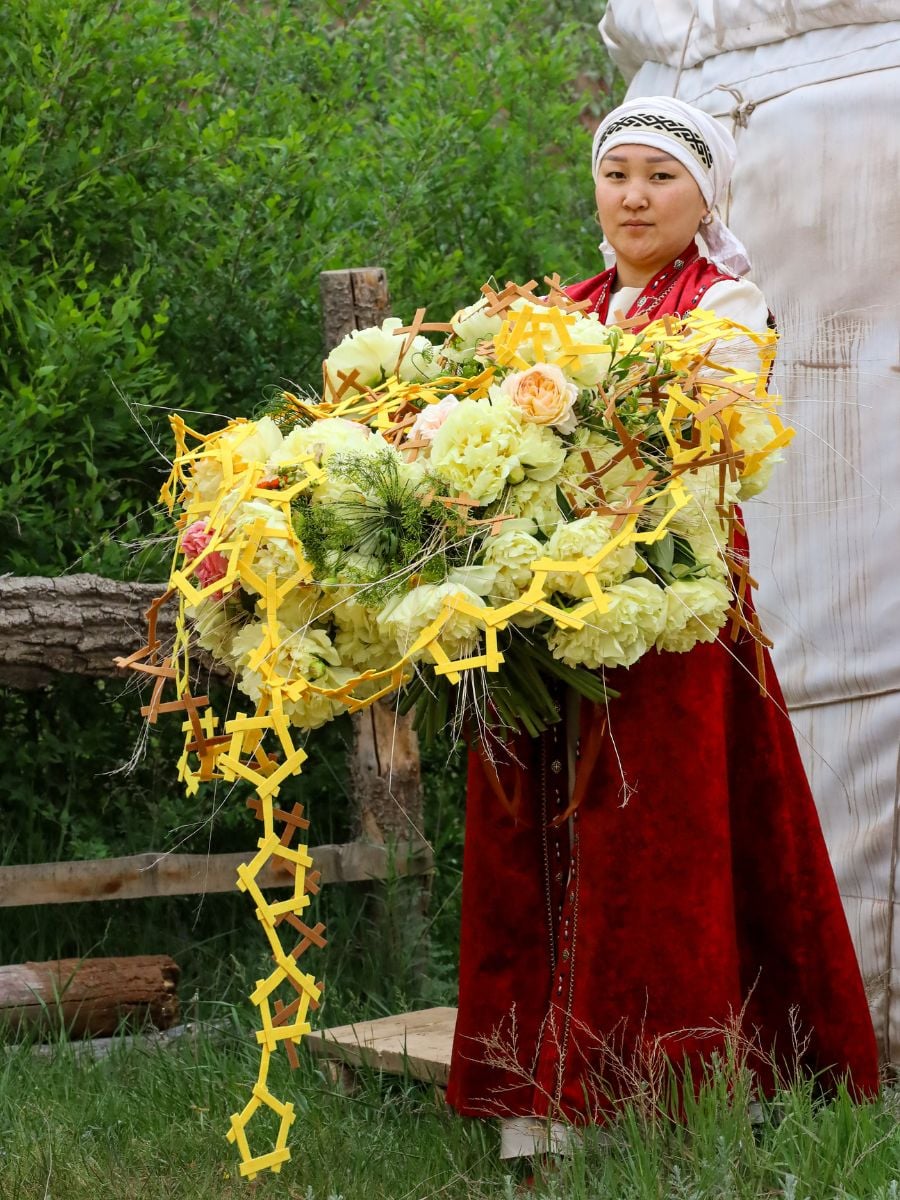
So a beautiful peony and a good cut peony are not always the same thing. A good example, of course, is Peony Sarah Bernhardt. Why is this old cultivar still so popular and grown in such enormous quantities around the world?
Sarah Bernhardt belongs to Paeonia lactiflora. I have grown this cultivar and worked with it as a cut flower for many years. From my own experience, I can say that it combines several qualities that are extremely important to a florist. One of its main advantages is how well it keeps after cutting.
In recent years, breeding has given us an enormous number of cultivars with much more unusual colors. But a beautiful flower does not automatically make a good commercial cultivar.
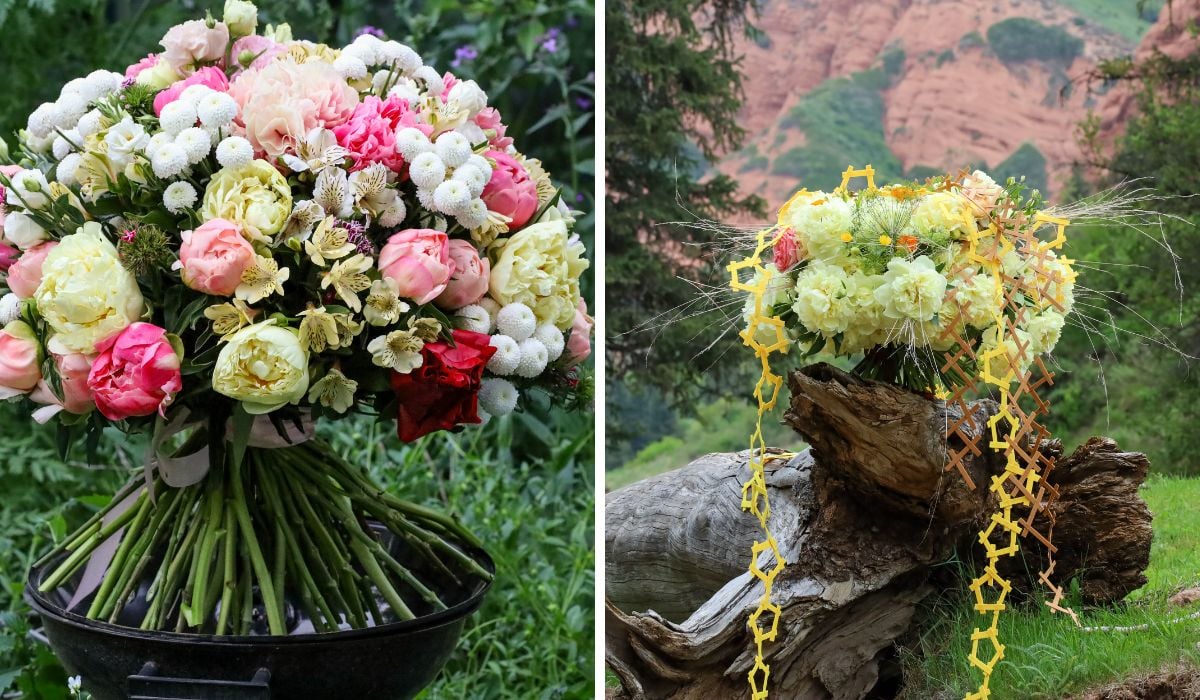
If we take Sarah Bernhardt as a kind of benchmark, not every modern peony can compete with it in the combination of qualities that a florist needs. This becomes particularly noticeable when we look at modern hybrids.
Hybridization Has Given Us Many Unusual Colors
Hybridization has given us many of the unusual colors that we see today. But there is something I would like florists to be aware of. In my experience, many hybrid peonies do not last as long after cutting as good commercial lactiflora cultivars.
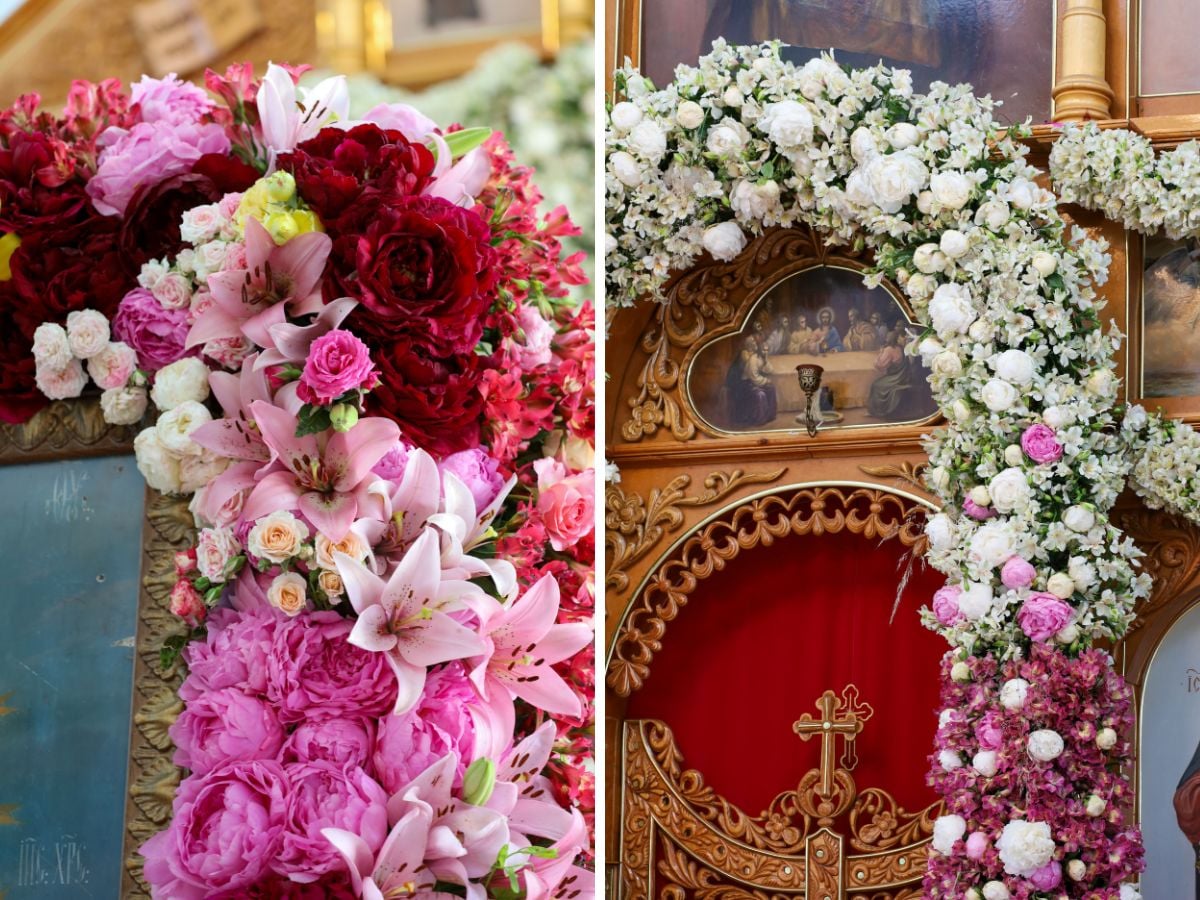
Of course, this cannot be said about every hybrid. There are exceptions. But it is something worth considering, especially when flowers need to be transported, stored for some time, or purchased in advance for an event.
Sometimes we see an incredible color in a photograph, order a new cultivar, and expect it to behave in the same way as the cut peonies we already know. Then we discover that its vase life is considerably shorter.
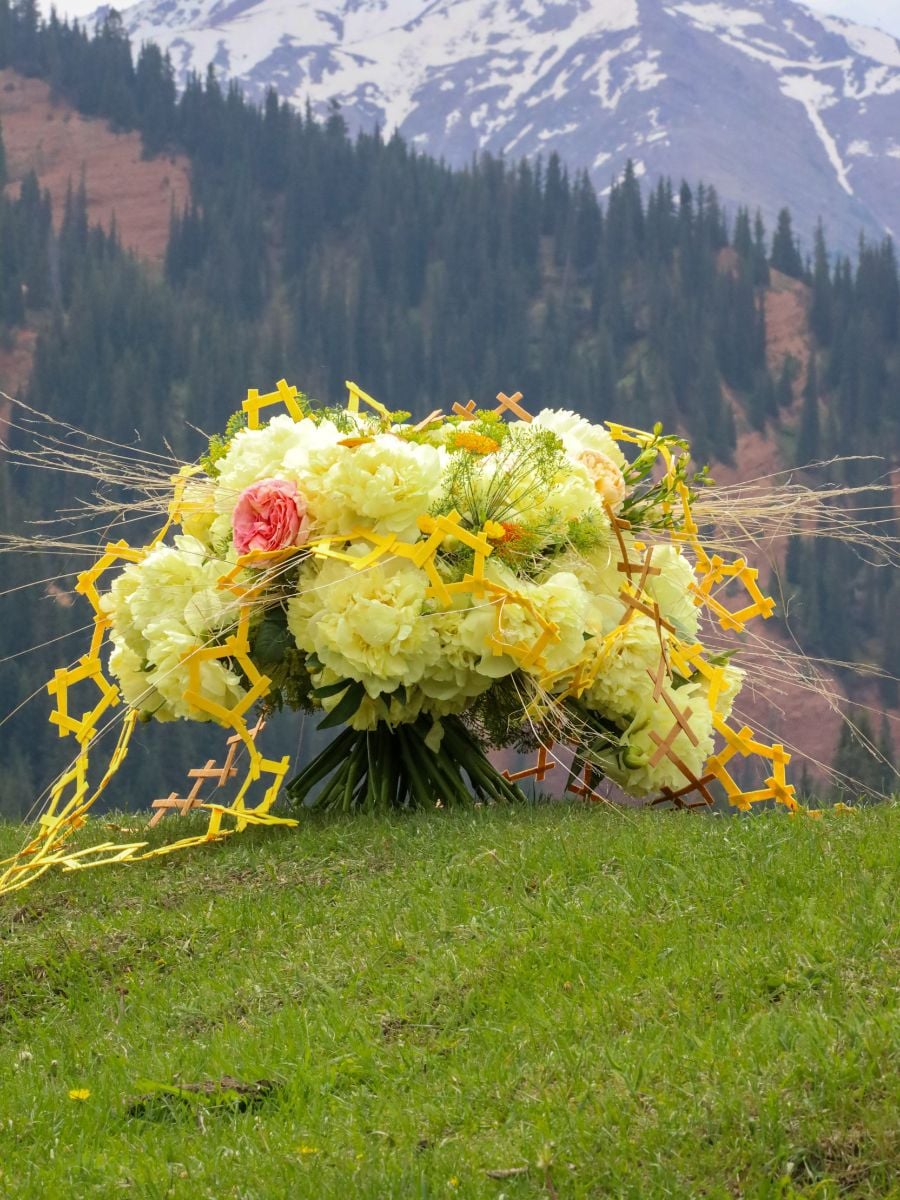
Of course, the extraordinary color palette of hybrids often makes up for this disadvantage. In my collection, for example, I grow the yellow Peony Seidl’s Super. It can be seen in some of the photographs accompanying this article.
I know this cultivar well and have worked with it many times. Compared with other yellow hybrids in my collection, it performs quite well and, in my conditions, remains fresh noticeably longer than many other yellow cultivars.
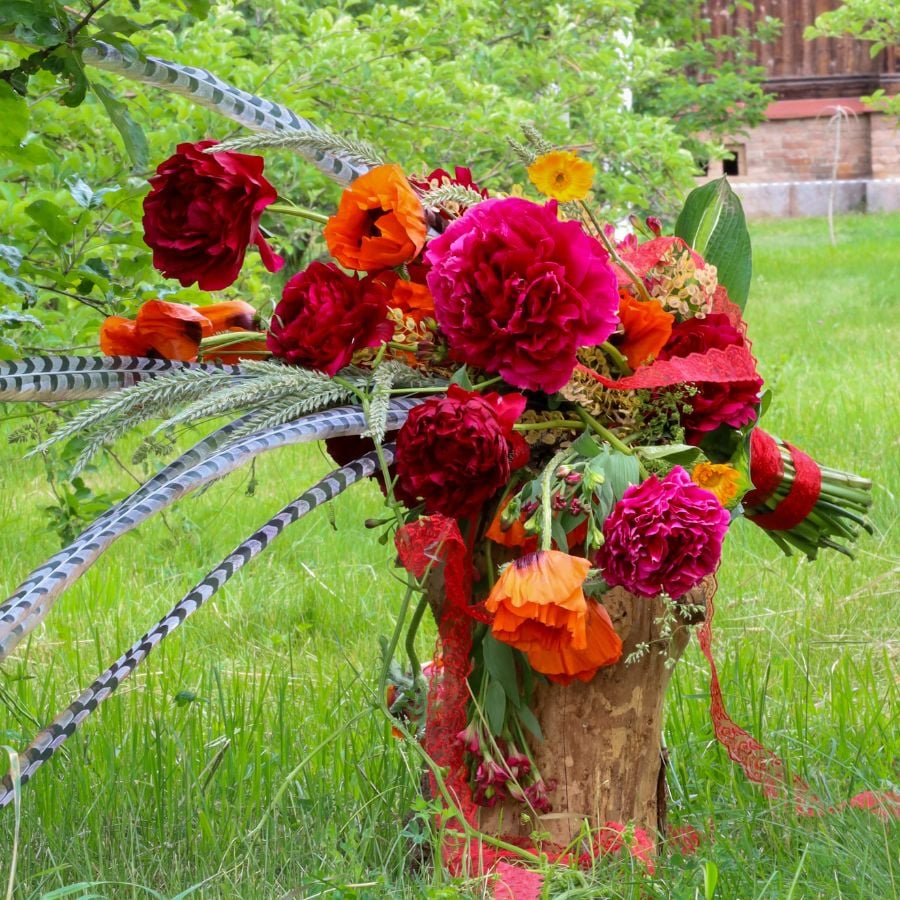
There is another peony that I definitely want to mention: Peony Old Faithful. It is one of my favorite cultivars. It has a beautiful deep burgundy color that looks almost like velvet. Despite being a hybrid, it performs extremely well as a cut flower.
In my experience, among the hybrid peonies I have worked with, Old Faithful is a real record holder when it comes to longevity after cutting. For a florist, this is a wonderful combination. An unusual color, a beautiful flower form, and very good performance as a cut flower.
A Peony Through the Eyes of a Gardener
But peonies interest me not only as cut flowers. As a gardener, I also pay attention to the plant itself. When we talk about the color of a peony, we almost always mean the color of its petals. But the plants themselves can also have very interesting coloration.
This is especially noticeable in spring, when peonies are just beginning to grow. For example, Peony Golden Angel develops very interesting yellow and orange tones in its young shoots and foliage at the beginning of the growing season. There are also completely different cultivars.
Some have stems with a rich dark burgundy color. Sometimes they are so dark that they appear almost black. I have peonies like this in my own collection, and I particularly enjoy them for this characteristic.
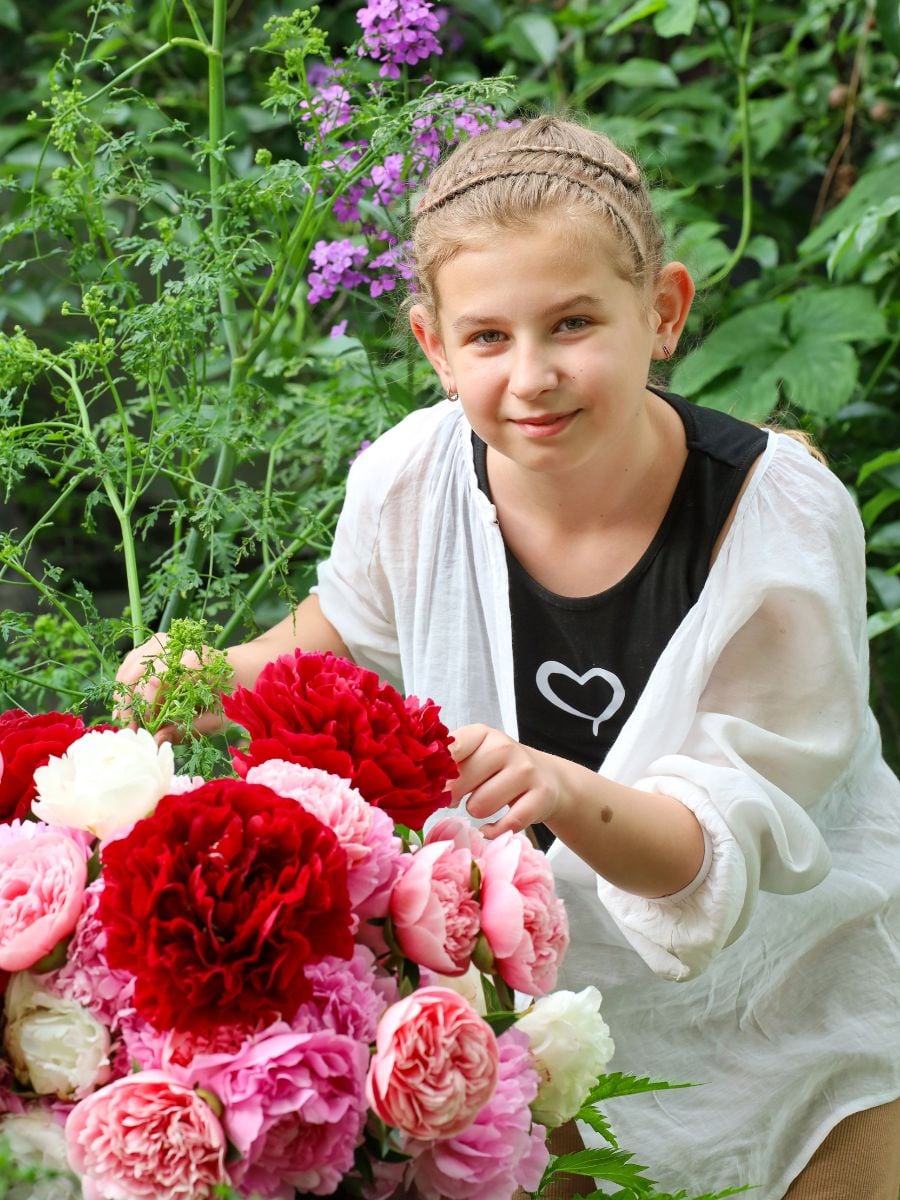
Dark burgundy stems against fresh young green foliage create a beautiful contrast. Such a plant is already decorative long before the first flower appears. This is another reason why peonies are so interesting to me. Sometimes the most fascinating part begins long before flowering.
A Mysterious Yellow Peony
Did you know that among cultivated peonies there is one cultivar whose origin remains something of a mystery? Today it is best known as Peony Oriental Gold. But this peony has so many names that even professionals sometimes become confused. It can also be found under the names Huang Jin Lun, Golden Wheel, Goldmine, Yokihi, Aurea and Minuet.
But the plant itself is far more interesting than the confusion surrounding its names. Peony Oriental Gold has yellow flowers. Its young growth also has characteristic yellowish coloration. But perhaps the most interesting feature is hidden underground. Even its roots have an unusual yellow color. These characteristics have raised questions about the origin of this peony for many years.
Research into the evolutionary history of the genus Paeonia, including the work of Tao Sang, has shown that the origins of modern peonies are quite complex. There were lineages in the history of the genus that have not survived to the present day.
There is an interesting hypothesis that one of these extinct lineages, characterized by unusual yellow pigmentation, may have played a role in the ancestry of Peony Oriental Gold. For now, this remains a hypothesis and has not been conclusively proven. But I find the possibility itself fascinating.
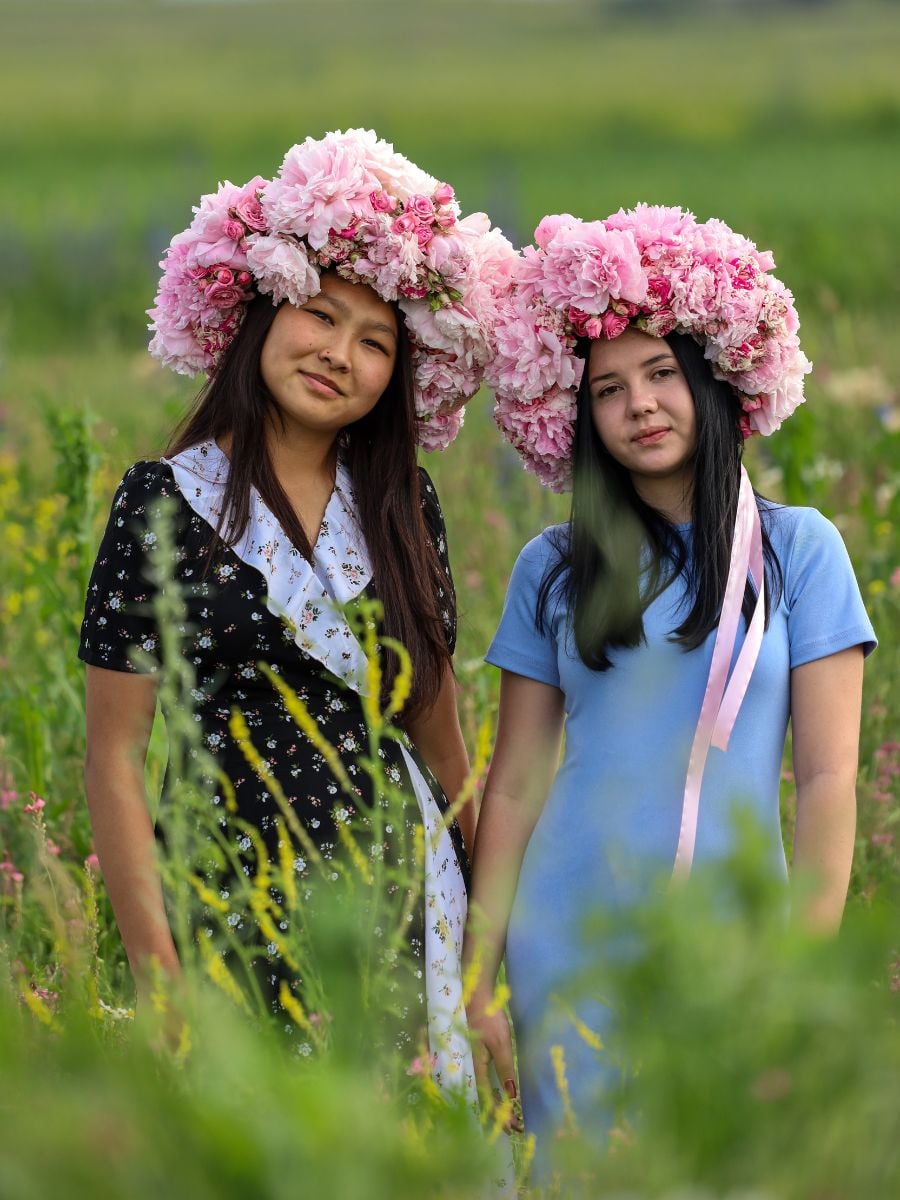
It could mean that a plant growing in our gardens today may have preserved in its genetics a trace of a peony lineage that no longer exists in nature. At the same time, Oriental Gold is similar in many respects to Paeonia lactiflora and can be crossed with lactiflora peonies.
This is where I begin to look at it as a breeder. A florist sees an unusual yellow flower. A gardener notices the coloration of the whole plant and even its roots. A breeder wants to understand where this characteristic came from, how it is inherited, and what might happen if the plant is used in hybridization.
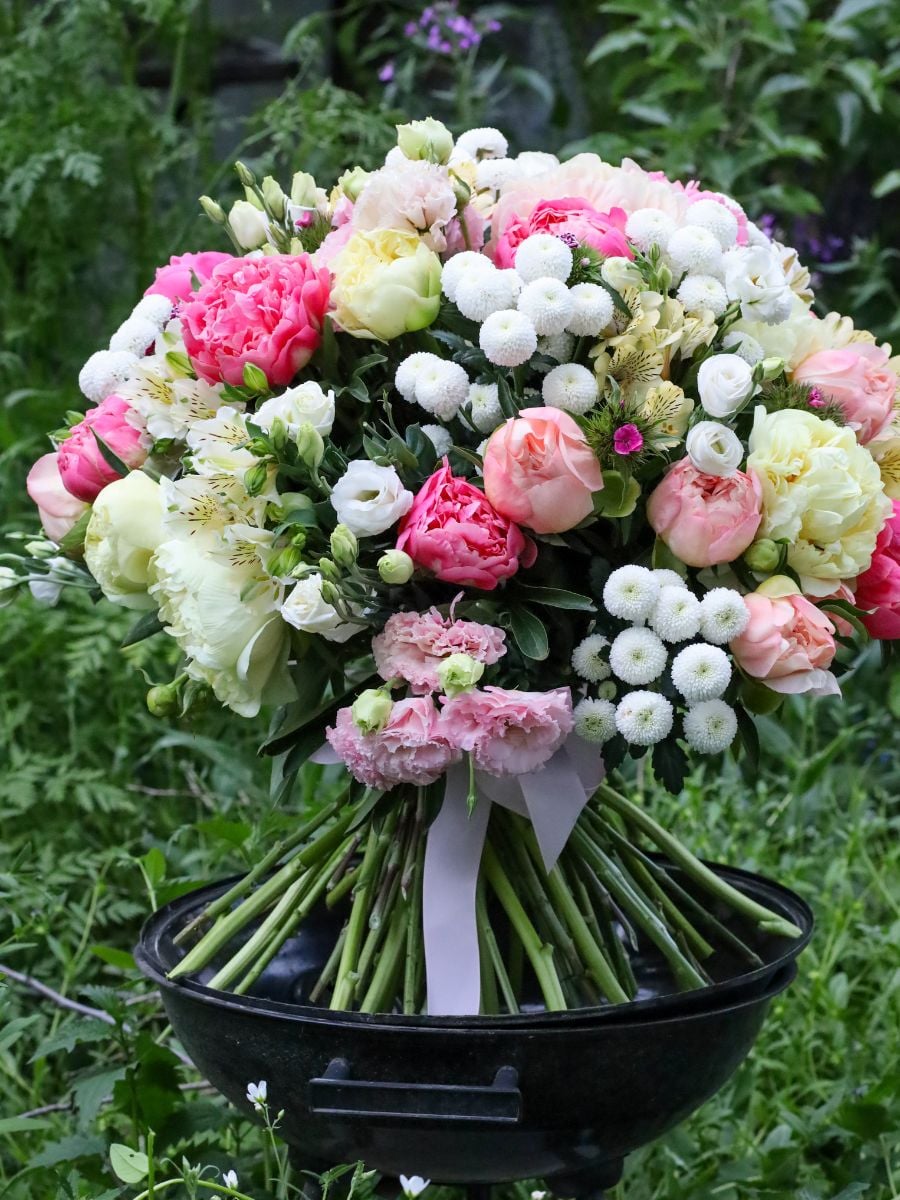
I find it remarkable that sometimes a cultivar can be more than simply a beautiful plant. It can be a kind of living archive. Its genetics may preserve a history that we still know very little about.
My Peony Breeding
I have been breeding peonies for about fifteen years. If this work has taught me one thing, it is patience. There is simply no way to hurry with peonies. Even their seeds have a rather complex germination cycle. After sowing them, you may have to wait a long time before seeing any results.
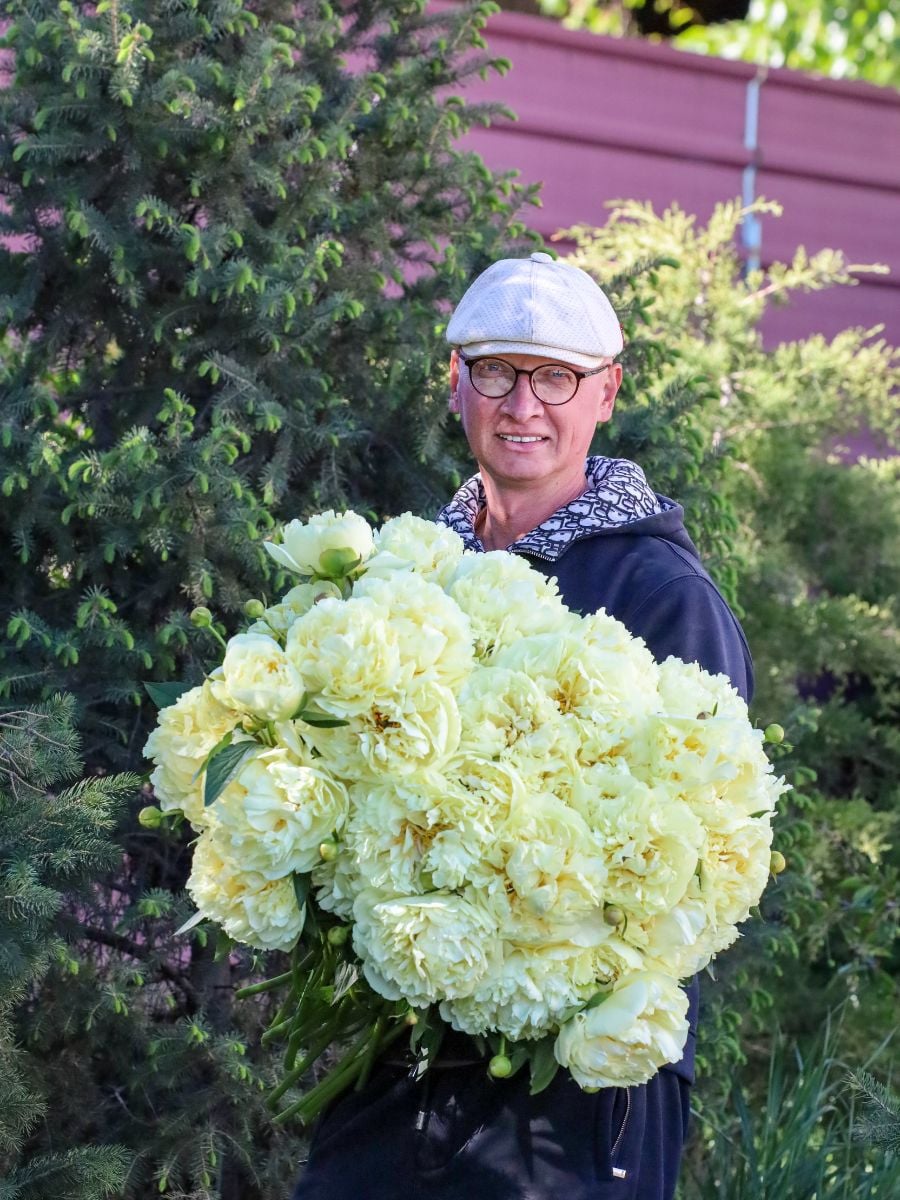
In breeding, time is measured in years. First, you make a cross and obtain seeds. Then you grow the seedlings and wait for their first flowers. But even after the first flowering, you cannot immediately say that you have created a new cultivar.
You need to continue observing the plant. You need to see how it develops, how consistently it repeats its characteristics, how it flowers, how strong its stems are, and how the flower itself performs.
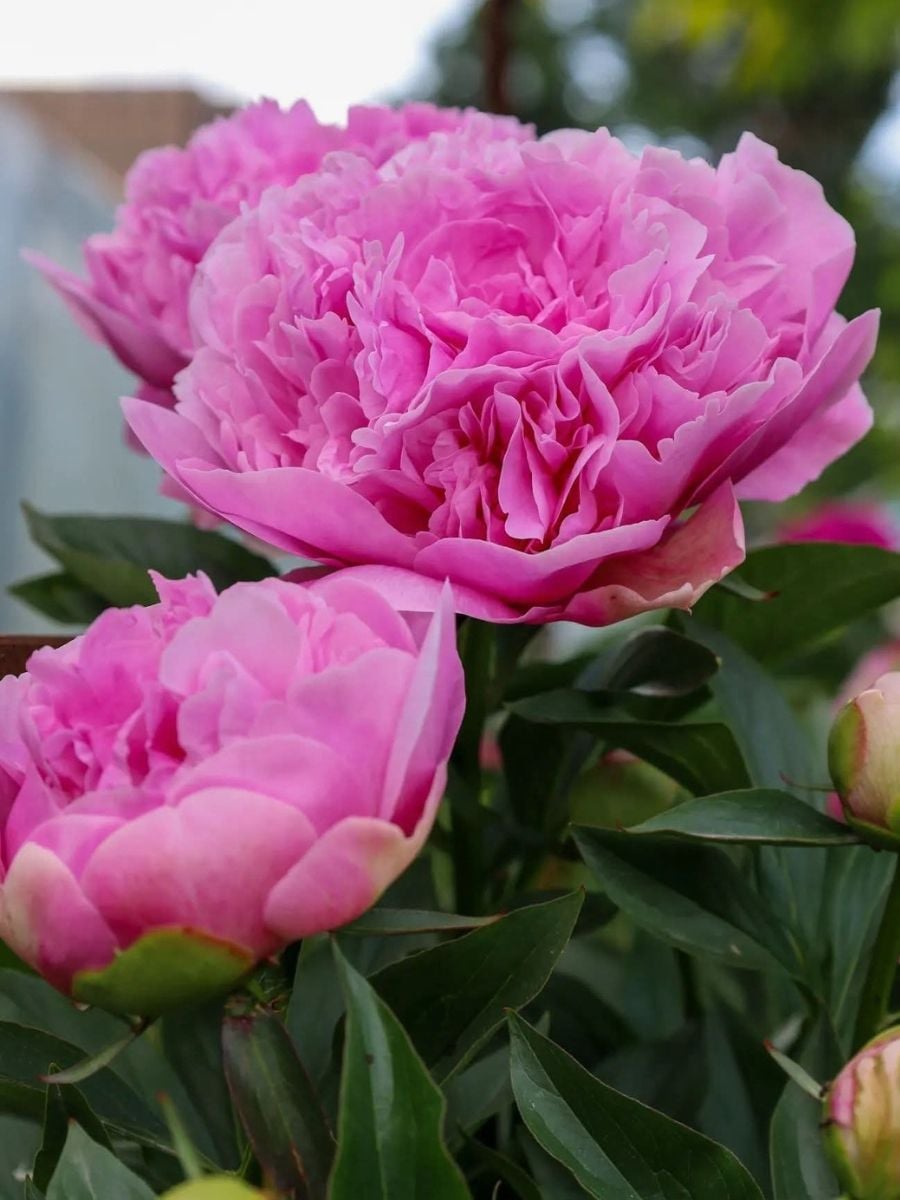
Out of a large number of seedlings, only a few turn out to be truly interesting. This year, something very important happened for me. In 2026, my first peony cultivar, Zhildiz, was registered with the American Peony Society.
For someone who is not involved in breeding, this may look like simply another new cultivar name. For me, that name represents about fifteen years of working with peonies. Crosses, seeds, seedlings, years of waiting, the first flowering, selection, and further observation. That is why the registration of Peony Zhildiz was such an important event for me.
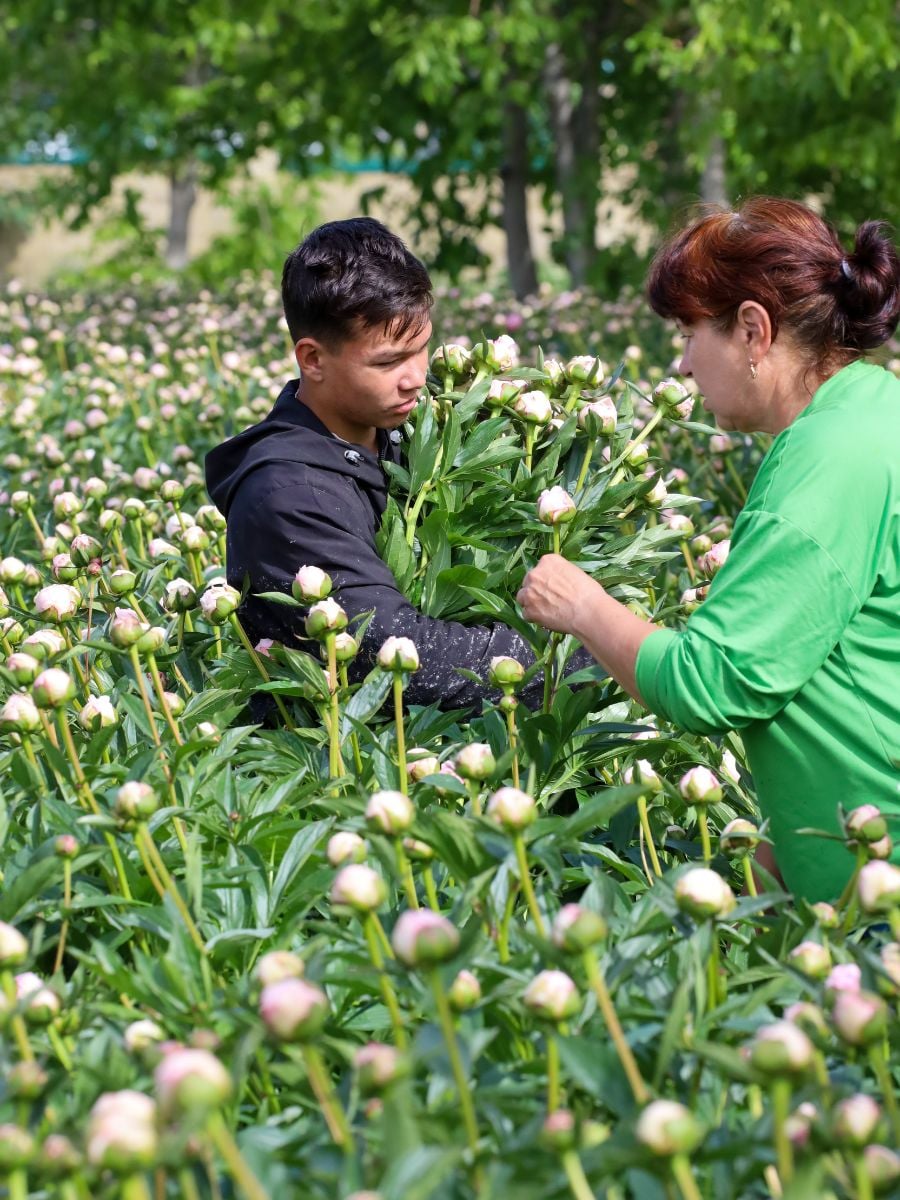
For now, it is my first and only officially registered cultivar. But I hope it will not be the last. At the same time, I understand that my experience as a florist has a strong influence on the way I approach breeding. When I see a new seedling, a beautiful flower alone is not enough for me.
Of course, I look at its color and form. But at the same time, I pay attention to the stem, the way the flower opens, how strong it is, and how it might potentially perform as a cut flower. I think about whether this flower will be interesting to a florist not only in a photograph, but also in real work. Perhaps this is why peonies have remained so fascinating to me for so many years.
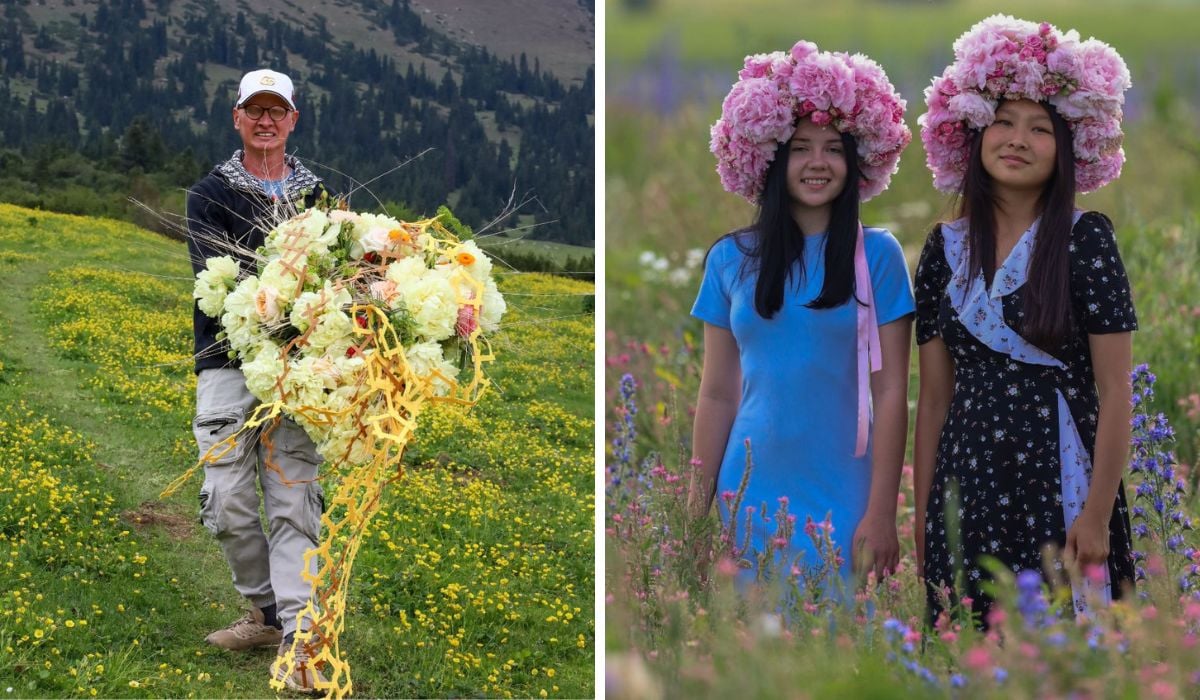
For a customer, a peony may simply be a beautiful flower. For a florist, it is a material to work with. For a gardener, it is a plant with its own character and many interesting qualities. And for a breeder, it is an opportunity to create something that did not exist before. I have been working with peonies for many years, but the more I learn about them, the more I realize how much there still is for me to discover.
Photos: Petr Anokhin.