Cultivated in China for nearly 4,000 years, valued in Japanese imperial tradition, and bred across continents for very many years, not many flowers convey the weight of history as peonies do. These popular wedding flowers have gone from wild hillsides to some of the most refined floriculture programs in the world.
So, the blush-pink Sarah Bernhardt peonies you may find in a florist's bucket in early summer are pretty much the result of a process that could have taken years, even decades, to complete. So how does peony breeding work? What happens from a breeder's initial cross to when one brings a bunch home?
Origins of Peony Breeding
The genus Paeonia includes roughly 35 species native to temperate regions of the Northern Hemisphere, including Asia, Southern Europe, and Western North America, where true wild peonies, like Paeonia officinalis in Europe, Paeonia mascula in the Mediterranean, and Paeonia brownii in western North America, grow without human intervention. But these flowers have been cultivated in Chinese gardens for over a millennium and arrived in Japan in the 8th century.
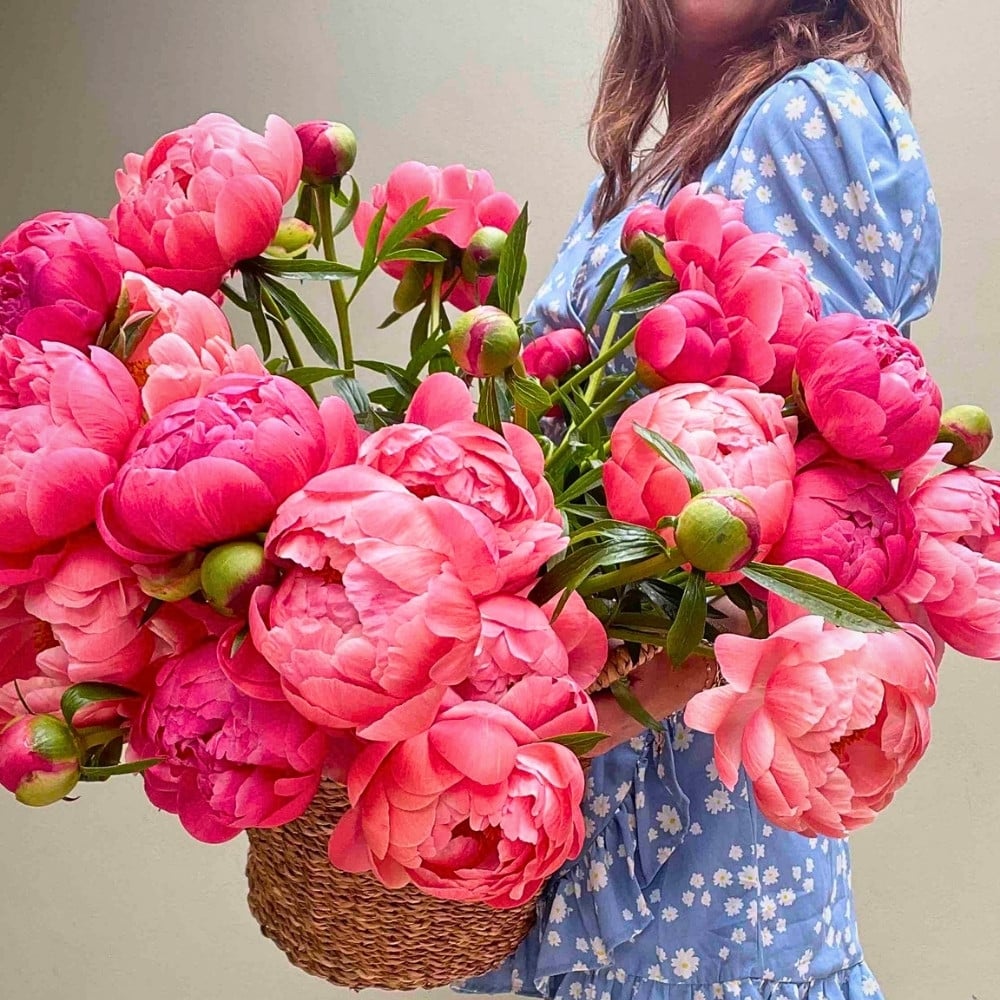
Eventually, they traveled to Europe, where 19th-century French breeders produced many varieties still commercially popular today. Sarah Bernhardt, the most widely traded peony globally, was introduced by the French breeder Lemoine in 1906. Duchesse de Nemours dates to 1856 and was also French. And Dr. Alexander Fleming, one of the deepest-pink classics in current production, was the result of a cross between Sarah Bernhardt and Bunker Hill in 1950, developed by a Dutch breeder named Blonk.
The fact that century-old varieties remain commercially dominant is not just a tribute to the elegance of these early breeders, but a reflection of how slowly peony breeding works and how hard it is to produce a flower that really improves on the classics already trusted by growers and florists.
Why Are Peonies Complex to Breed?
Commercial peony breeding works primarily with two major groups: herbaceous peonies, most of which are derived from Paeonia lactiflora, and tree peonies, belonging to the Paeonia suffruticosa complex. A third, newer category, the intersectional or Itoh hybrid, bridges the two and has become one of the most commercially significant developments in modern peony breeding.
Peony breeding is unusually demanding because of the combination of biological constraints that are not easily overcome to the same degree as in most other commercial cut flowers. Peonies exhibit high heterozygosity and poor self-compatibility, meaning that controlled crosses between parent plants produce offspring with enormous genetic variation, and self-pollination rarely yields viable results.
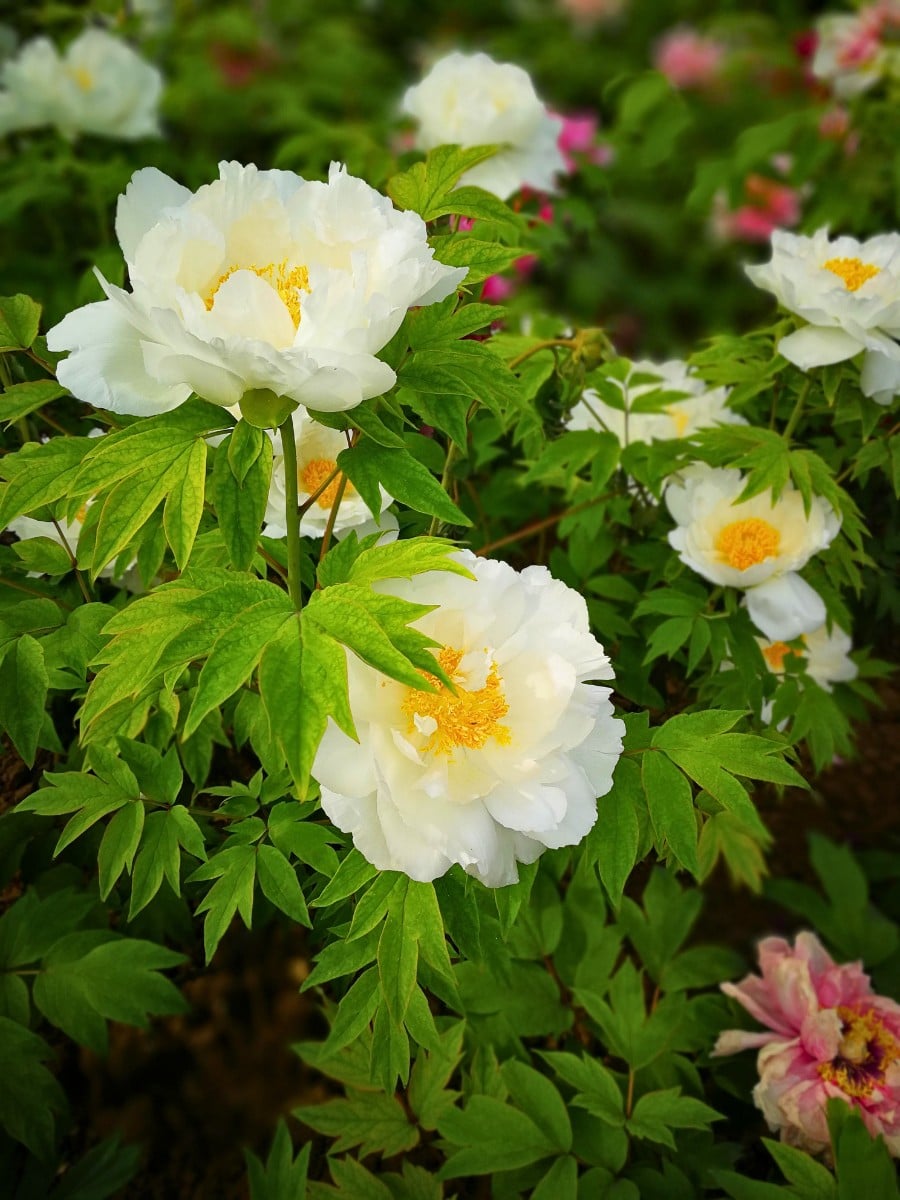
Essentially, every seedling from a cross is genetically unique, which is why peonies raised from seed never reproduce their parent plant. This forces breeders to evaluate huge numbers of seedlings before identifying an individual worth advancing. Compounding this is the juvenile period, which lasts more than three years before a seedling flowers under natural conditions; some species even take up to seven years.
A breeder who makes a cross today may not see the first flowers from the cross until the middle of the decade, and commercial-scale availability of any resulting variety may still be a decade or more later. In essence, a promising cross made today might not reach commercial availability for twenty years.
What Breeders Seek When Creating New Varieties
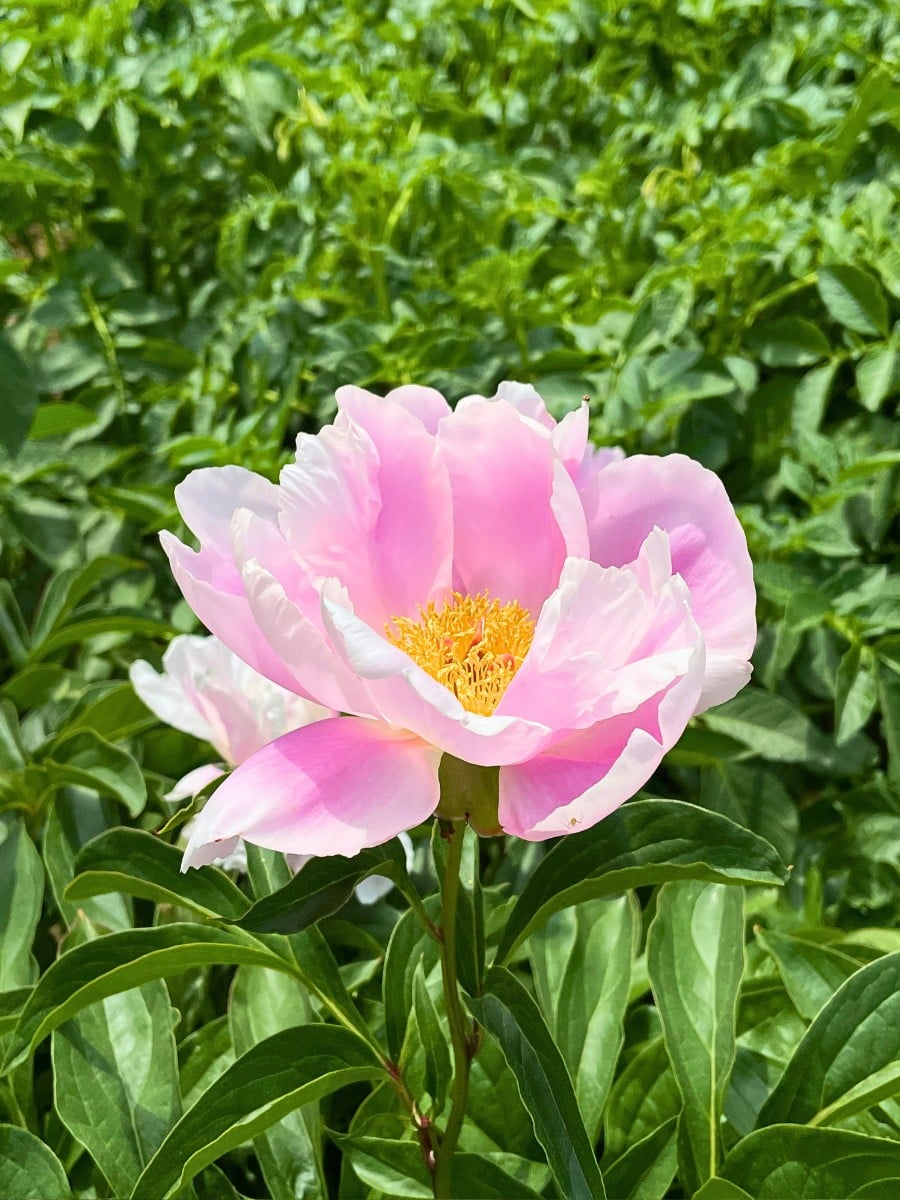
Modern peony breeding or hybridization targets a defined commercial brief. Breeders often look for unusual colors and robust plants with larger flower buds, along with early and late-flowering varieties that extend the season way past its natural limits. Stem strength is also crucial for cut flower use, as is the ability to hold up during storage and transport.
Fragrance remains valued but is not always a primary target for commercial cut flower varieties. Vase life, which typically runs five to eight days for most varieties but can reach two weeks in modern hybrids, is also a growing priority.
What breeders also seek to solve is seasonal flexibility. The natural peony window in most growing zones is narrow, concentrated in late spring and early summer. Varieties that flower early or late, combined with production across different climate zones, are how the industry stretches this window to closer to year-round availability.
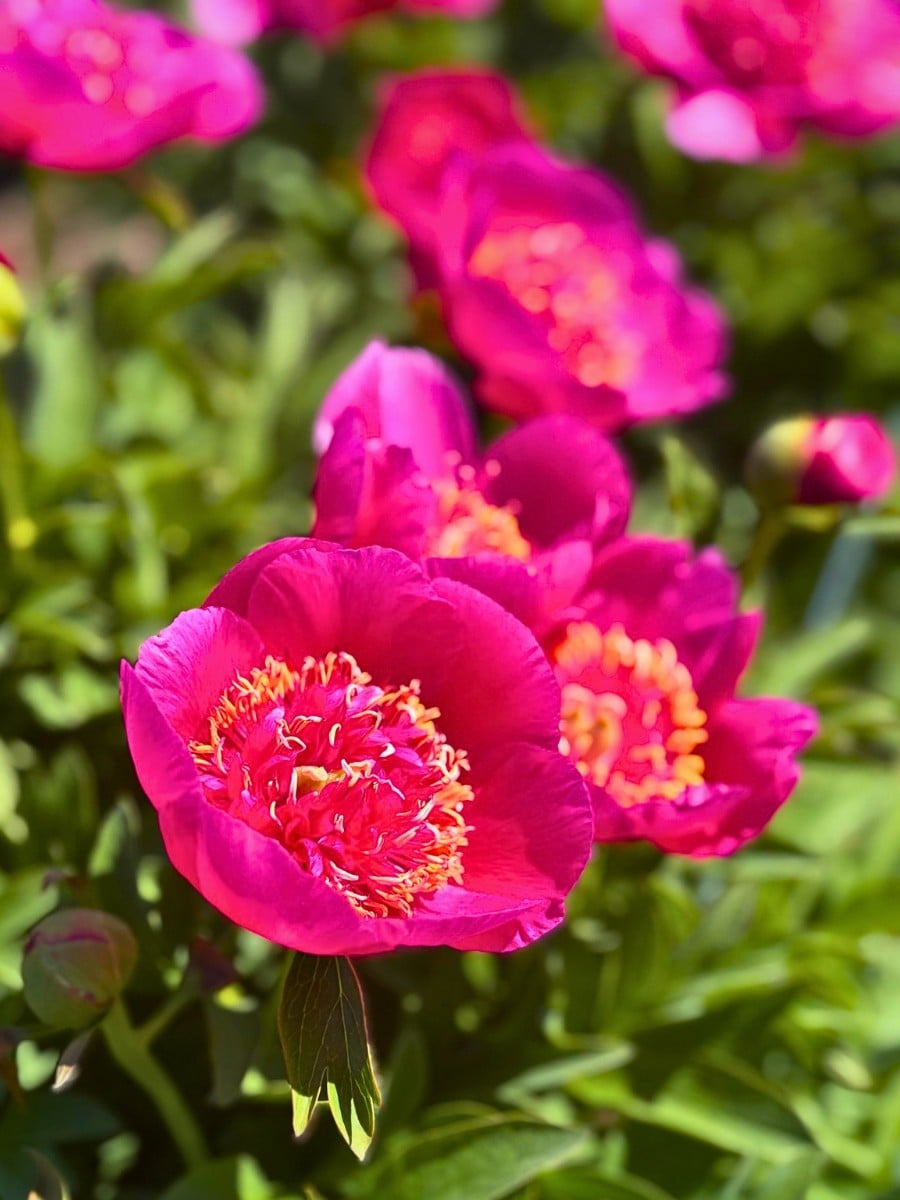
Disease resistance, particularly against botrytis, which is the most damaging fungal pathogen in cut peony production, rounds out the target list. A beautiful variety that collapses under disease pressure in a commercial greenhouse is not commercially viable, regardless of how good it looks.
Controlled Pollination, the First Step in Peony Breeding
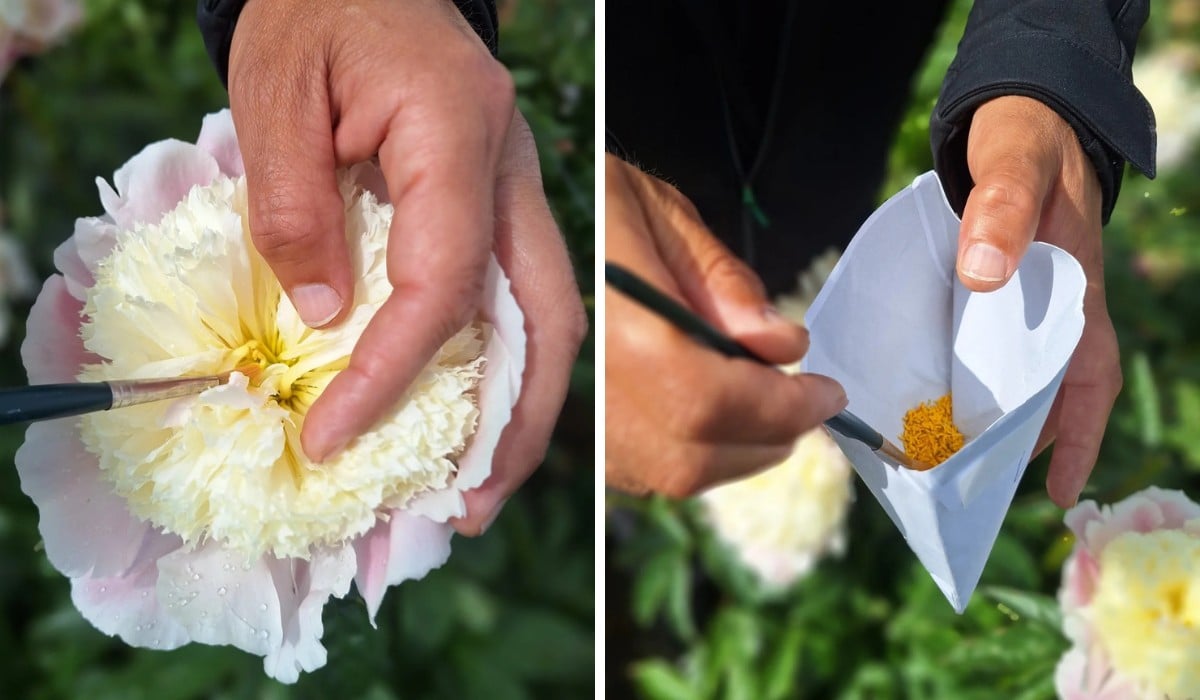
The real creation of a new peony starts with a careful cross between two parent plants chosen for complementary traits. The goal is to produce offspring with desired traits that neither parent solely delivers. A breeder selects one as the seed parent, removes its stamens before the flower opens to prevent self-pollination, and applies pollen from the chosen male parent directly to the stigma.
Timing is important because peonies do not all flower at the same time, and species with non-synchronized flowering present practical challenges. For this reason, pollen storage at 4°C and at -20°C has been developed for hybridization among cultivars and species that would not otherwise overlap in their flowering periods. So, breeders collect pollen at peak viability and store it until the target parent is ready to receive it.
Once a cross is made, the seed parent develops seed pods over the summer. Seed collection timing is critical, with optimal harvest occurring from September to October before the pods have fully dried or cracked open. This timing affects germination rates significantly in subsequent handling.
The Germination Challenge and Double Dormancy
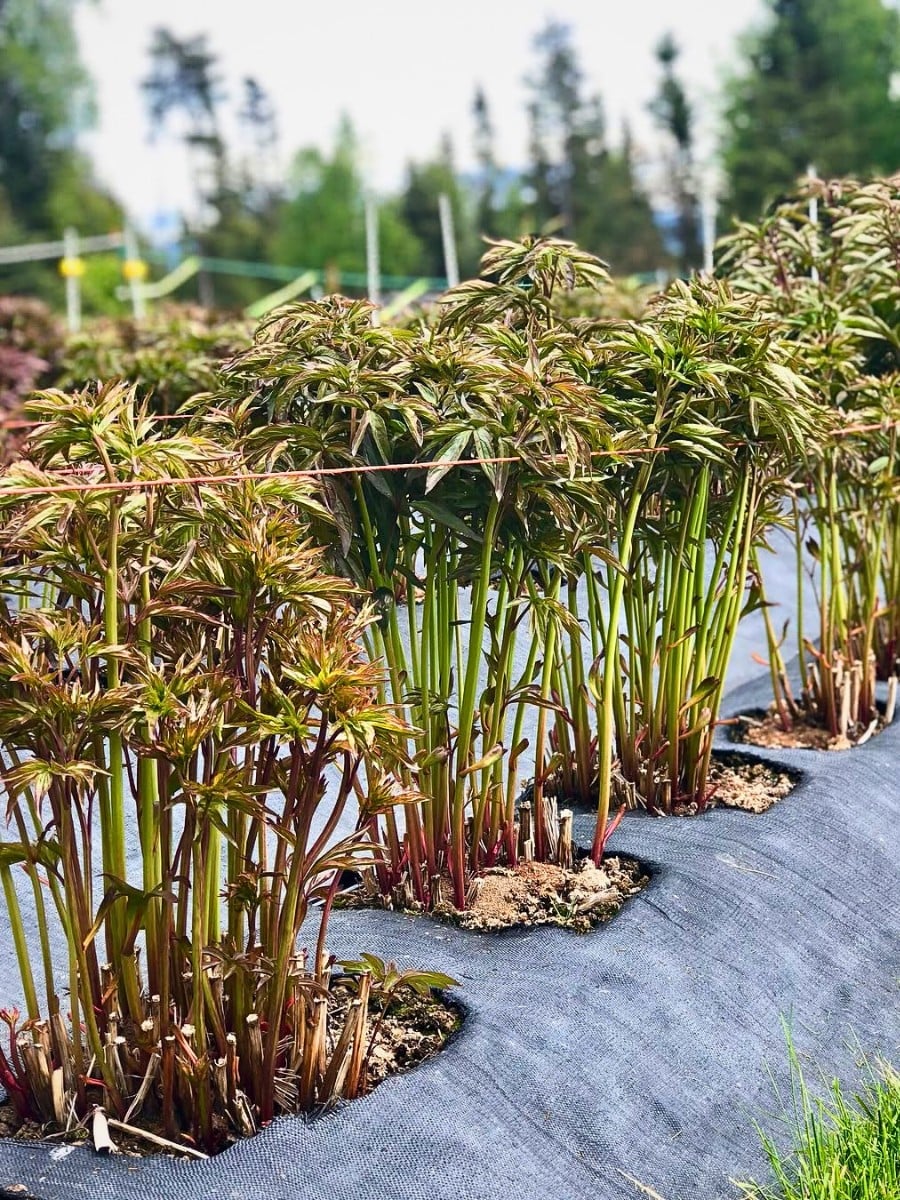
Peony seeds do not germinate like most other commercial cut flower seeds. They exhibit double dormancy, requiring distinct chilling and warming phases for germination. The hypocotyl, which forms the root system, breaks dormancy in autumn with warm temperatures. The epicotyl, which forms the shoot, only breaks dormancy the following spring after a winter cold period. Under natural outdoor conditions, it takes six to seven months for seeds to break dormancy, and in some cases, seeds with a fully hardened outer coat could take two growing seasons to germinate at all.
To accelerate this process, the breeding timeline can be shortened to as little as 27 months by raising seedlings in containers under controlled environmental conditions, replicating the necessary chilling and warming phases in sequence. This technique, developed after years of peony physiology research, is now used by serious breeding programs to shorten the time between a cross and first flowering. Even so, a three-year wait before a seedling flowers remains the baseline in most programs.
Selection of the Ones Worth Keeping
Once seedlings flower for the first time, selection work begins. One cross may produce dozens to hundreds of genetically distinct seedlings. Breeders evaluate against a set of criteria that typically includes flower color, form, fragrance, stem strength, petal count, flower size, disease resistance, and performance across climate conditions.
Modern breeding programs increasingly use molecular marker tools to accelerate this work. SSR, SRAP, AFLP, and ISSR markers have all been applied to the early identification of peony hybrids, allowing breeders to confirm hybrid authenticity and screen for specific genetic traits before the seedlings reach flowering age, reducing the cost of maintaining unpromising plants for years before assessing them visually.
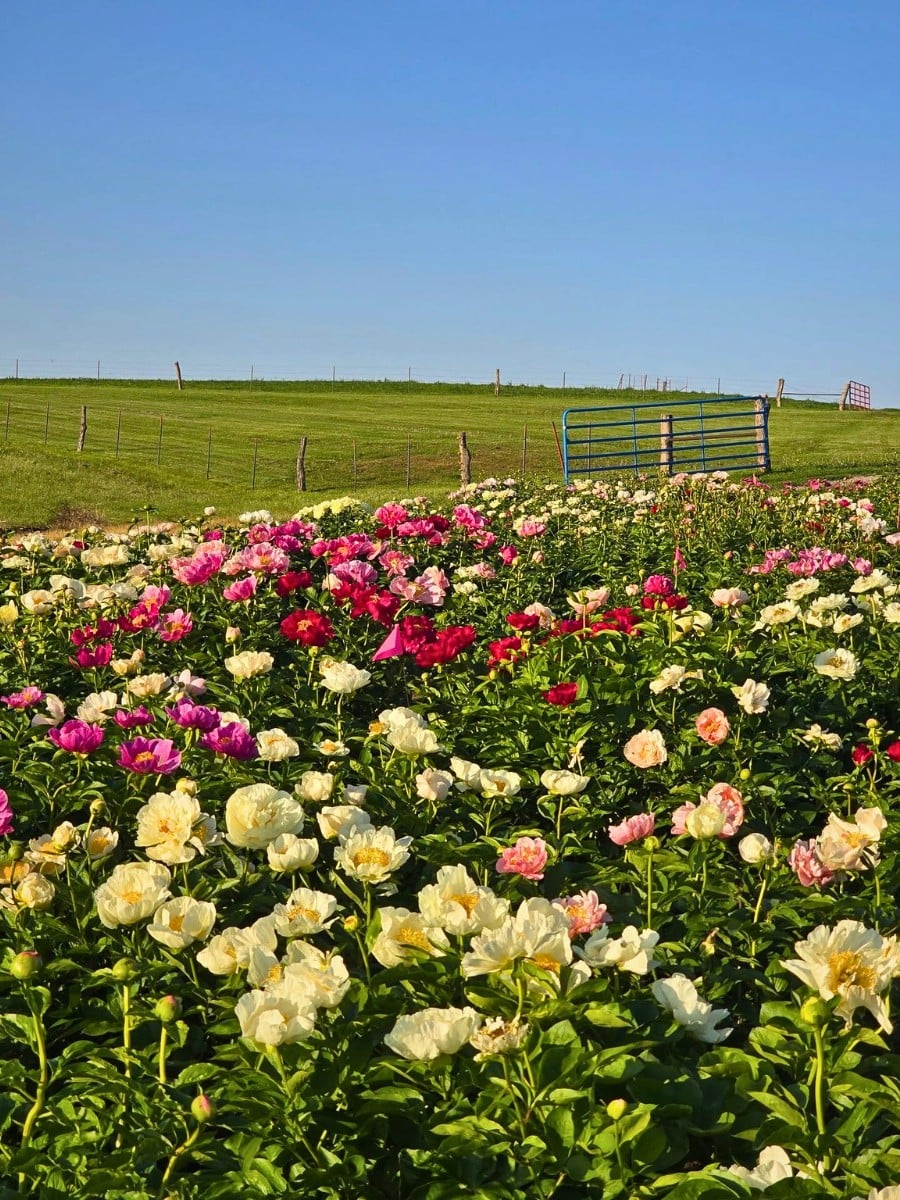
The Introduction of germplasm from different geographic sources and hybridization between species that are highly adaptable to specific climatic conditions is a key strategy for producing cultivars with improved disease resistance and wider growing ranges. Selection of varieties adapted to greenhouse forcing programs, which advance the natural flowering season by one to three months, has also become a breeding priority as year-round peony availability becomes a bigger commercial expectation.
Most potential candidates are eliminated in this selection phase. A promising selection is then grown for more seasons to confirm the stability of its characteristics and its reliability under varying conditions. Breeders like Hollingsworth Peonies describe a slow pace of evaluation, often holding seedlings for several flowering cycles to verify that a variety is really reliable before registering a name, and only introducing a variety to the catalog once enough propagation stock has been built up.
All new peony cultivars are registered with a designated authority to receive formal recognition. In North America, the American Peony Society is the International Cultivar Registration Authority, maintaining the official record of named varieties. Breeders also seek plant variety protection and patents to protect their investments.
How the Itoh Hybrid Changes Everything
No account of peony breeding is complete without mentioning Toichi Itoh. For much of the 20th century, crossing herbaceous peonies with tree peonies was considered genetically impossible. The two groups belong to different botanical sections within Paeonia, diverged over millions of years, and have reproductive timings and flower structures that seem incompatible. In 1948, after 20,000 failed attempts, Japanese horticulturist Toichi Itoh succeeded in crossing the tree peony Paeonia x lemoinei with the herbaceous peony Paeonia lactiflora 'Kakoden'.
The successful cross produced 36 seedlings, nine of which showed tree peony characteristics. Itoh died in 1956 without seeing the flowers he crossed. American horticulturist Louis Smirnow later bought the surviving plants from Itoh's widow and in 1974 registered four varieties as Itoh Smirnow hybrids, naming them 'Yellow Crown', 'Yellow Dream', 'Yellow Emperor', and 'Yellow Heaven'. Breeders Roger Anderson and Don Hollingsworth later expanded the group further.
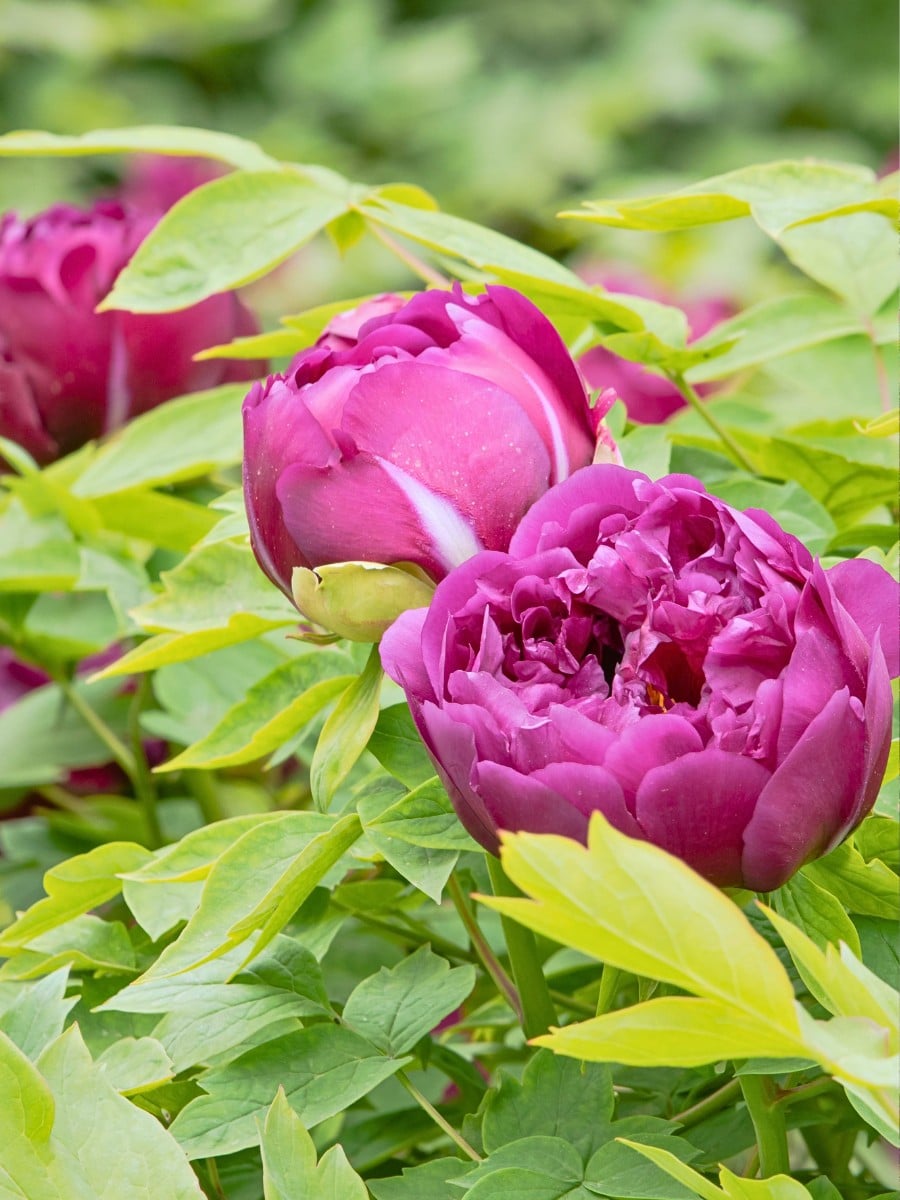
The Bartzella variety, introduced by Anderson in 1986, became one of the most commercially recognized Itoh hybrids ever released. Today, intersectional peonies combine the woody stems and large flower forms of tree peonies with the herbaceous die-back and cold hardiness of P. lactiflora, creating plants with wider adaptability, extended vase life, and flower forms previously inaccessible to breeders working within one section.
Propagation and Moving From Seedling to Commercial Supply
After a promising new variety is identified through selection, a new challenge emerges. Seed propagation is employed only by breeders, and commercial growers cannot use seed because every seedling would differ from the parent. The only way to maintain the identity of a selected cultivar is through vegetative propagation, and in peonies, this means crown division.
Crown division is where the root crown of an established plant is dug up and cut into sections, each with three to five growth eyes and an adequate root system. Young roots, ideally from two-year-old stock, propagate most successfully. This division also encourages new root growth and produces more freely flowering plants than undivided clumps.
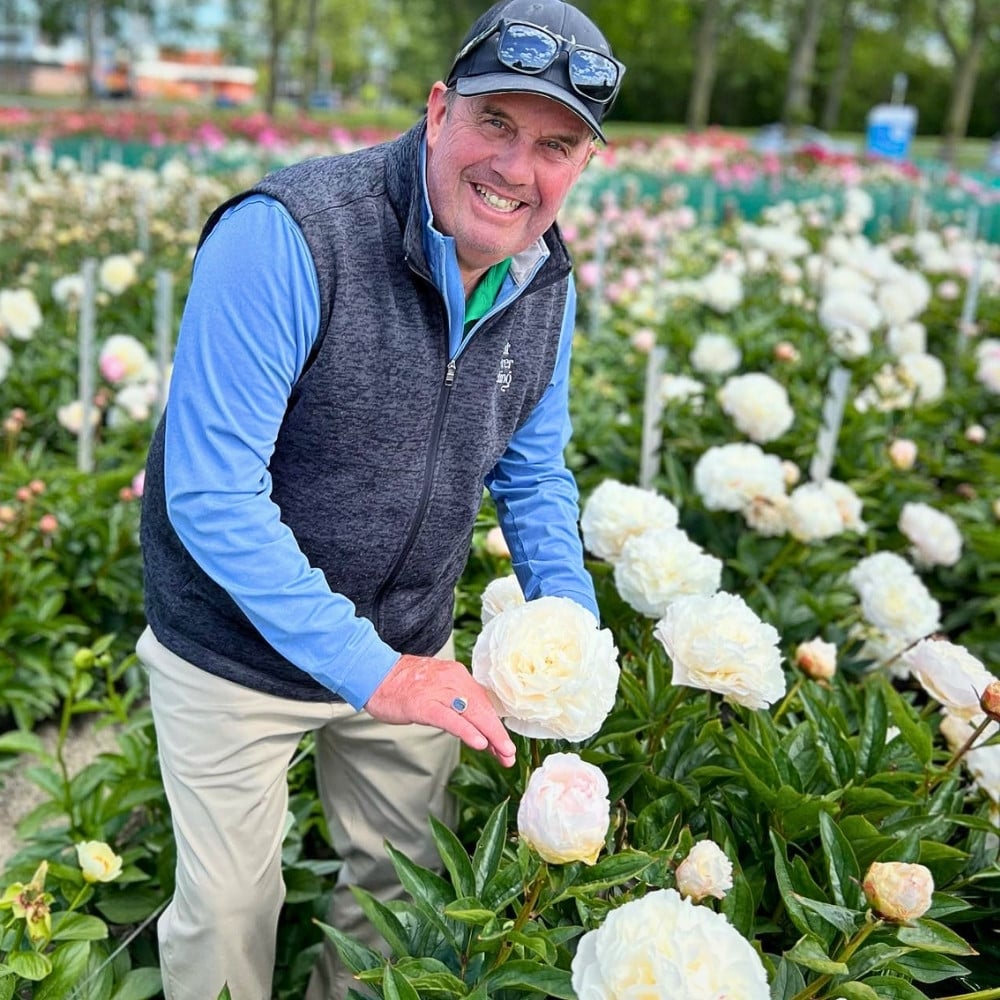
While this method is reliable, it is also slow. A peony plant produces a limited number of divisions per season, which means scaling up a newly selected variety to commercial quantities can take many years. Development of reliable in vitro tissue culture protocols for fast multiplication is therefore an active area of research because it would facilitate the fast introduction of new varieties and disease-free material into markets.
From Root Division to the Grower’s Fields
Commercial peony production cuts across an impressive geographic range, driven by the need to extend the natural season. The world's largest peony producers span the globe as spring moves through both hemispheres and include the Netherlands, Europe, Australia, New Zealand, the U.S., Israel, Chile, and more recently, Alaska.
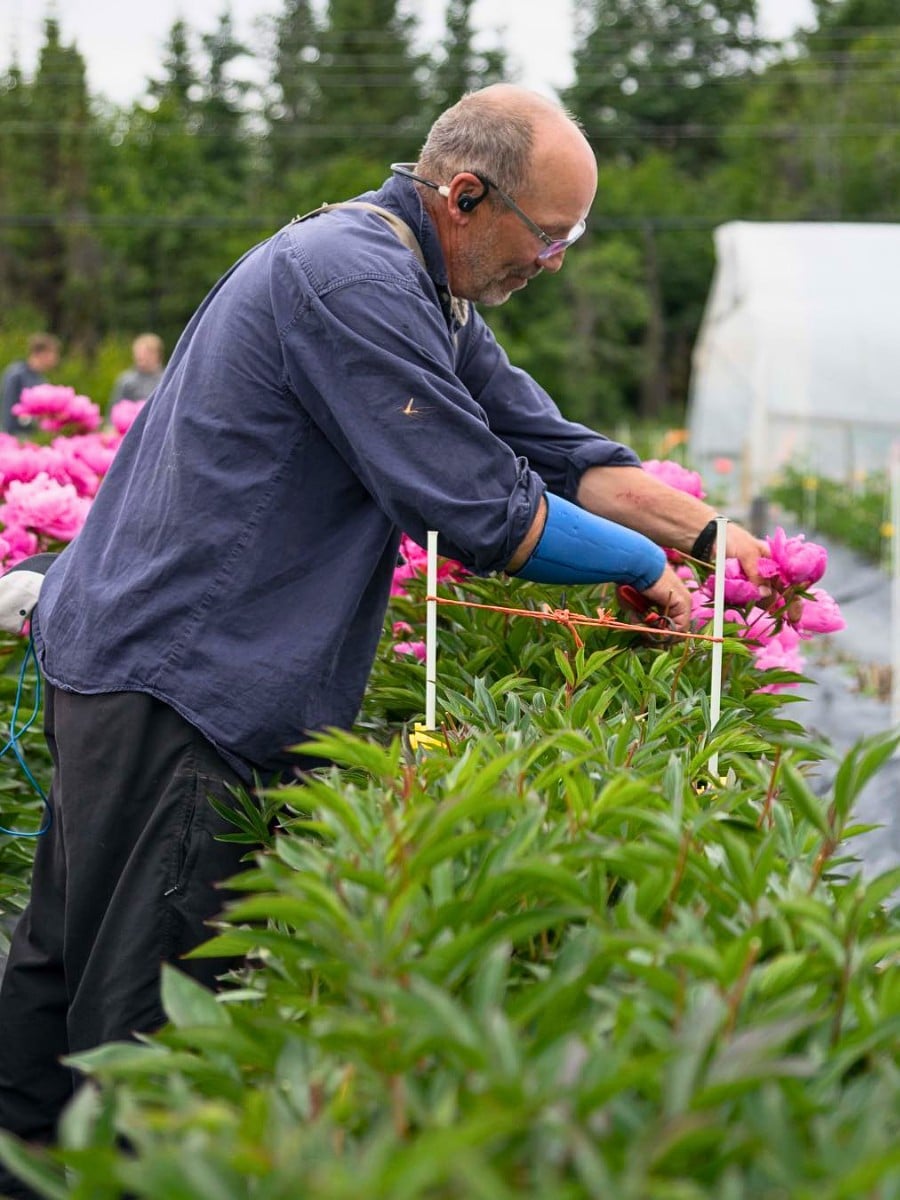
The Netherlands dominates European production. It is a central hub for peony propagation material, cut flower production, and wholesale distribution. France supplies early-season material, and Alaska's extreme summer day-length and cool temperatures produce exceptionally large, well-colored buds with superior vase life.
In the Netherlands, for instance, Paeon BV, based in Benningbroek, trades more than 2 million peony stems annually and continuously advances its assortment of varieties, maintaining a cutting garden that works as a nursery for future commercial varieties. WBM Pioenen, operating more than 21,000 square meters of greenhouse space in the Dutch Noordoostpolder, grows several varieties year-round, including Gardenia, Monsieur Jules Elie, Duchesse de Nemours, and Sarah Bernhardt.
My Peony Society, based at De Kwakel, brings together expert growers to produce and supply premium peonies wholesale across different markets, with a full-bloom guarantee attached to their batches. Delta Peony, a My Peony Society member based in Sommelsdijk, is a family operation, growing established varieties, classics, and newer introductions. The grower benefits from the southern Dutch location to begin shipping earlier in the season than growers in North Holland.
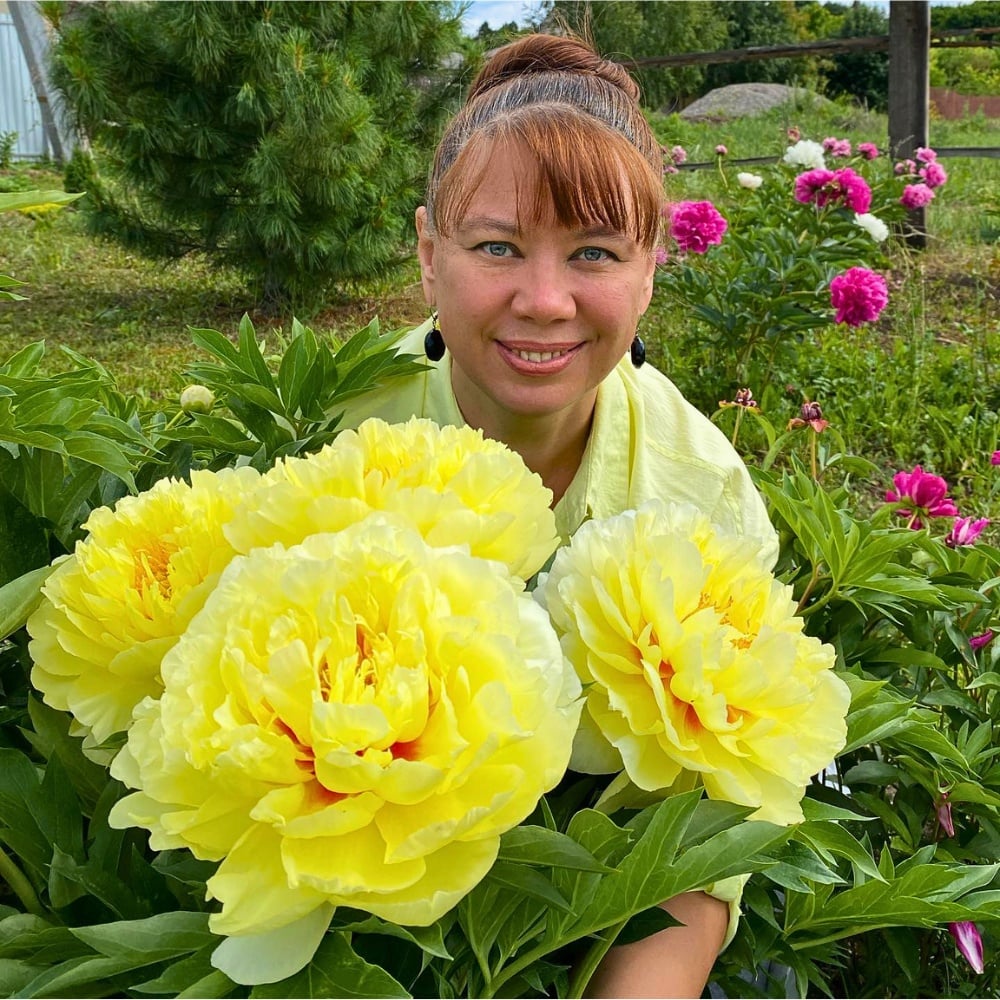
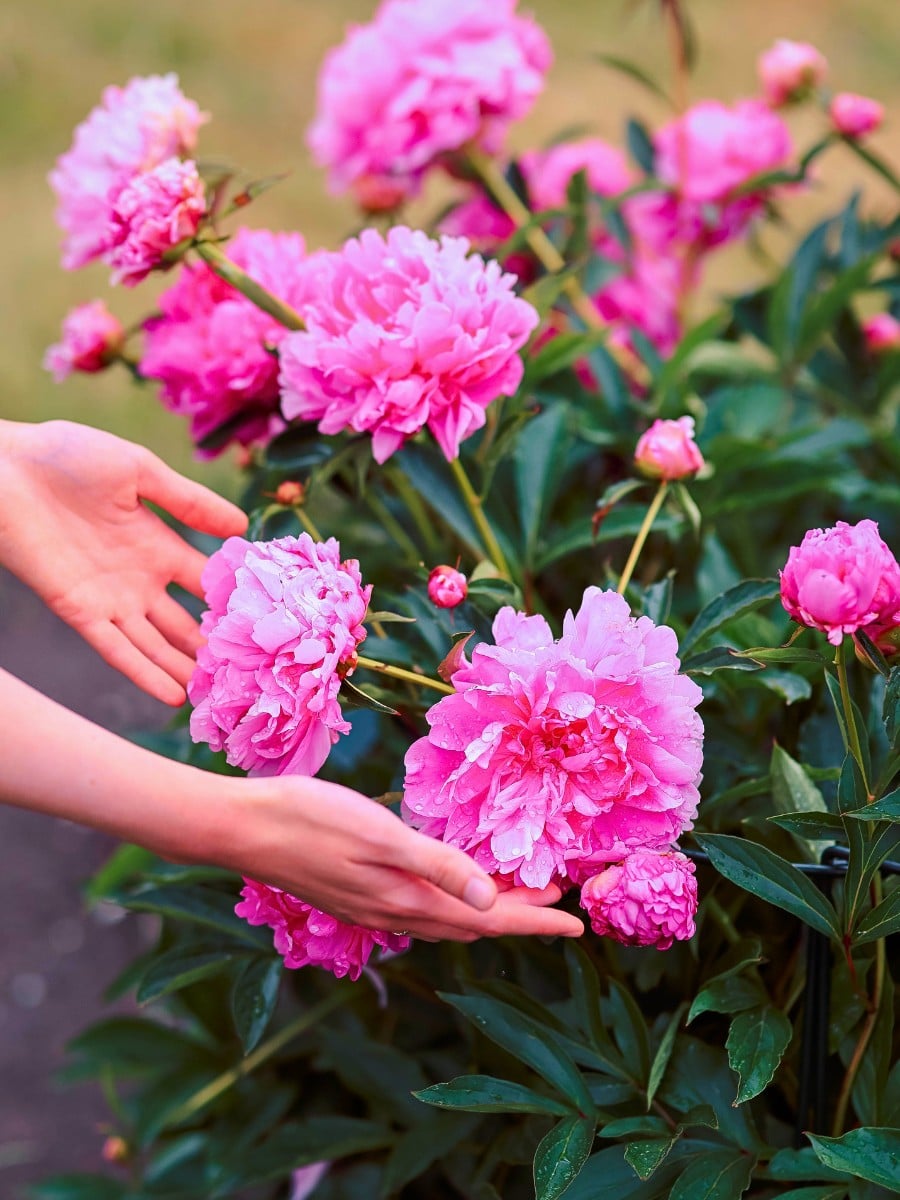
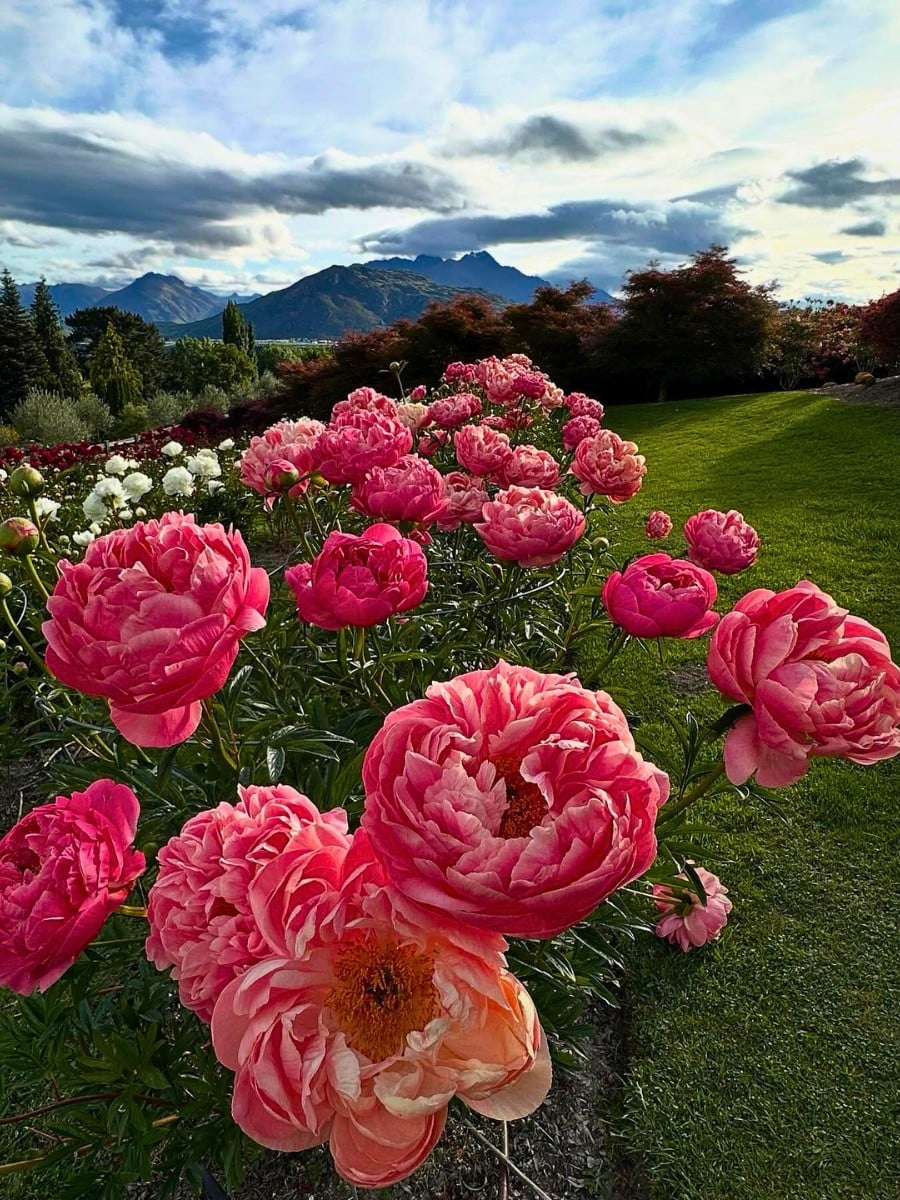
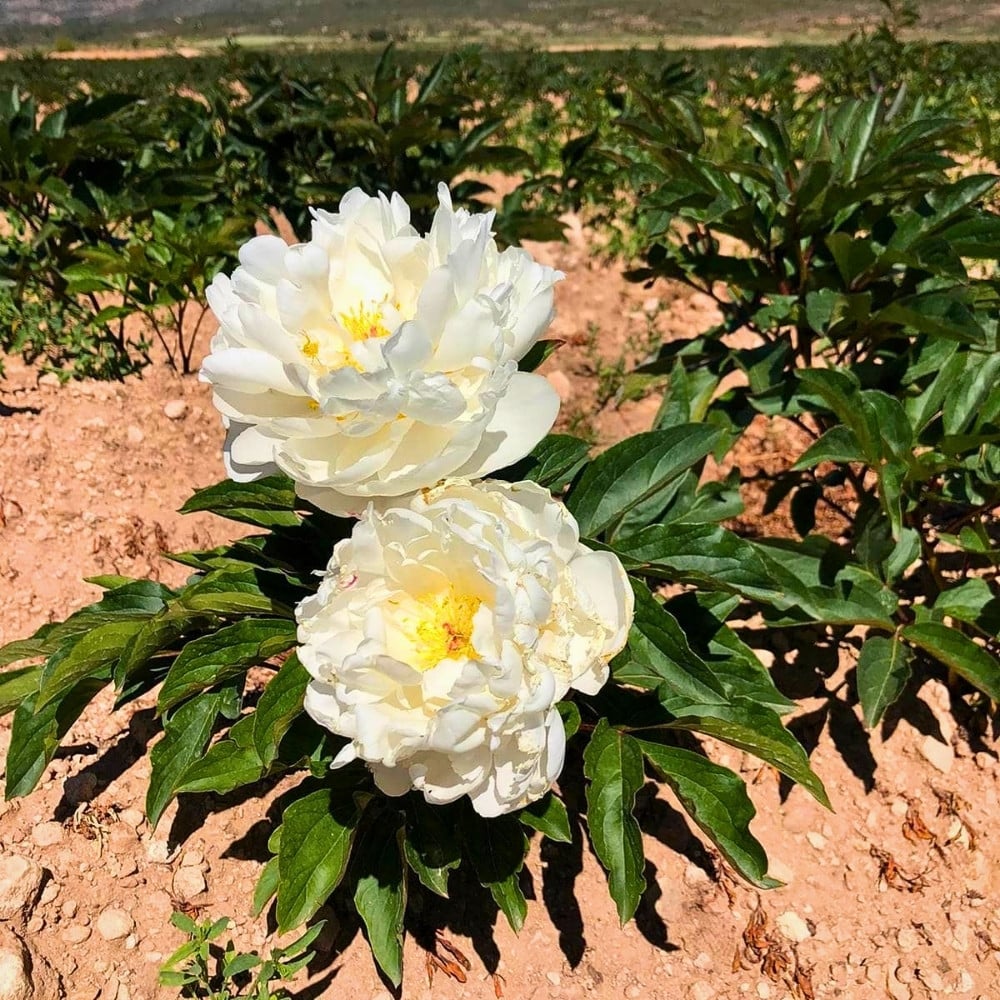
Notably, classic commercial varieties with long pedigrees continue to dominate market supply. Sarah Bernhardt remains by far the most widely grown peony for cut flower production. Dr. Alexander Fleming is also a long-lasting commercial fixture. Duchesse de Nemours remains a white peony standard after more than a century and a half in cultivation. Others are coming up based on these classics.
Harvest, Storage, and the Consumer Stage
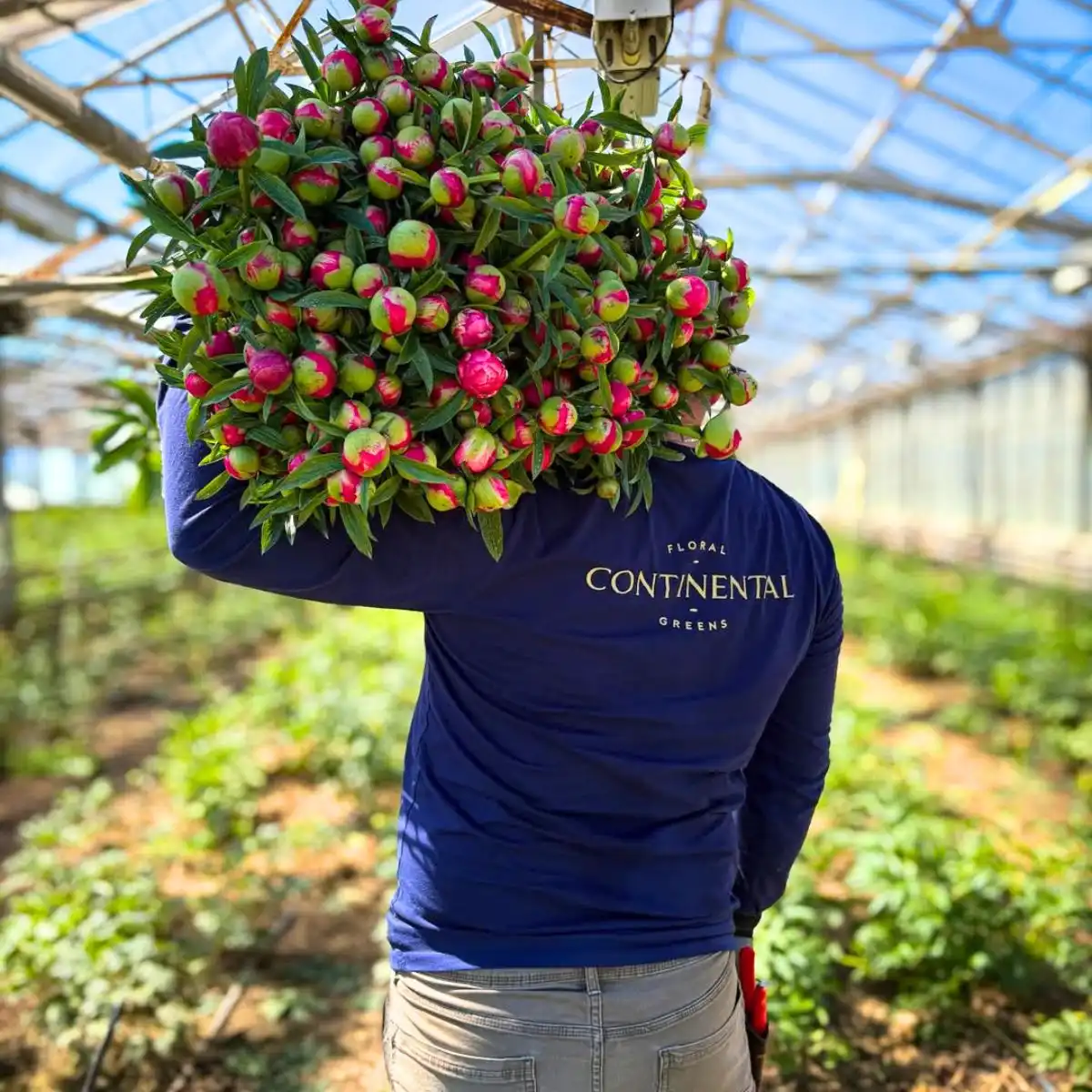
Cutting peonies at the right stage is one of the most skill-dependent steps in the supply chain. Cutting them too early produces buds that will not open in the vase, or too late, when flowers are already fully open in the field, reduces vase life. When harvested correctly, peonies last seven to ten days in the vase and can be opened on demand just by transferring them from cold storage to room temperature water.
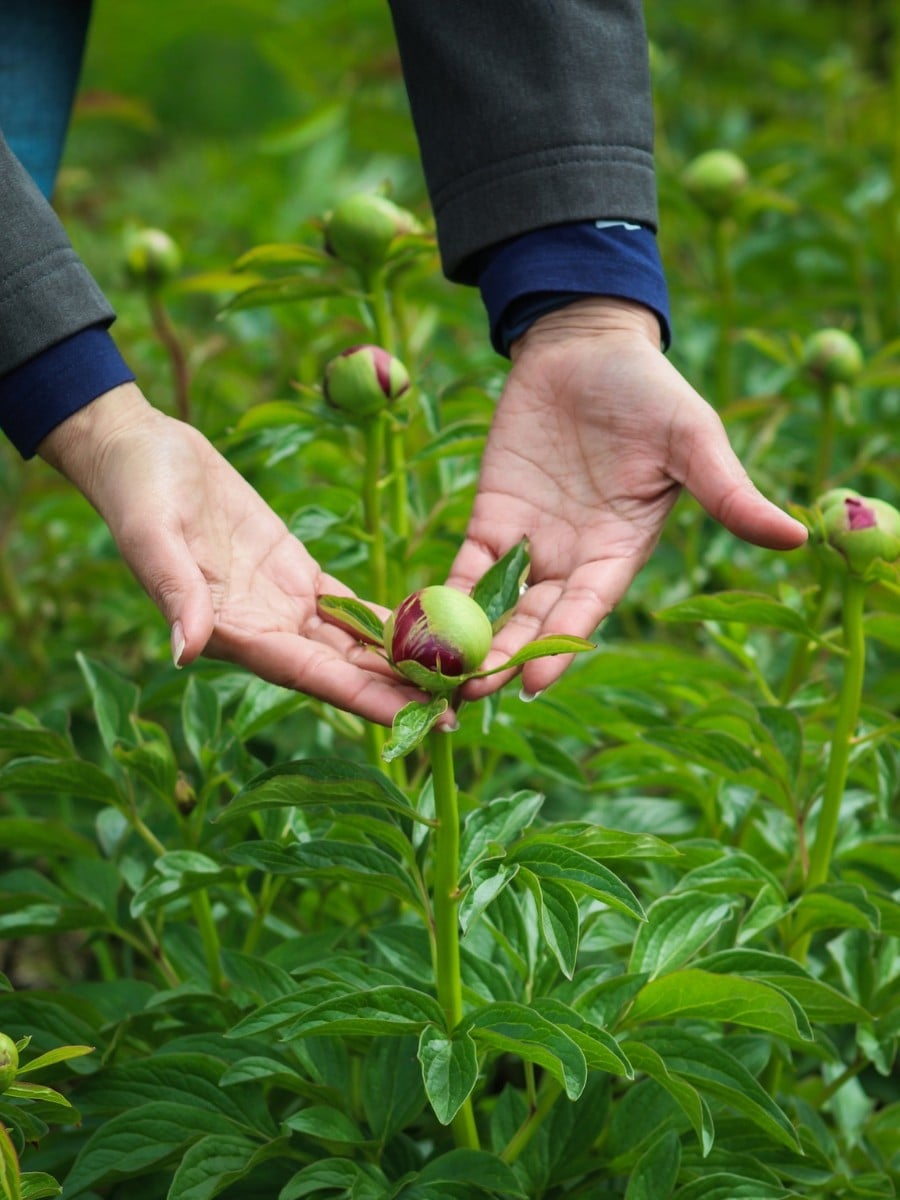
Most experienced growers describe ideal cutting as at the ‘marshmallow' stage, when the bud feels soft and slightly spongy when gently squeezed but is not yet showing separated petals, quite like pressing a slightly stale marshmallow. Though different varieties require different stages, experienced harvesters learn each one’s specific behavior over time.
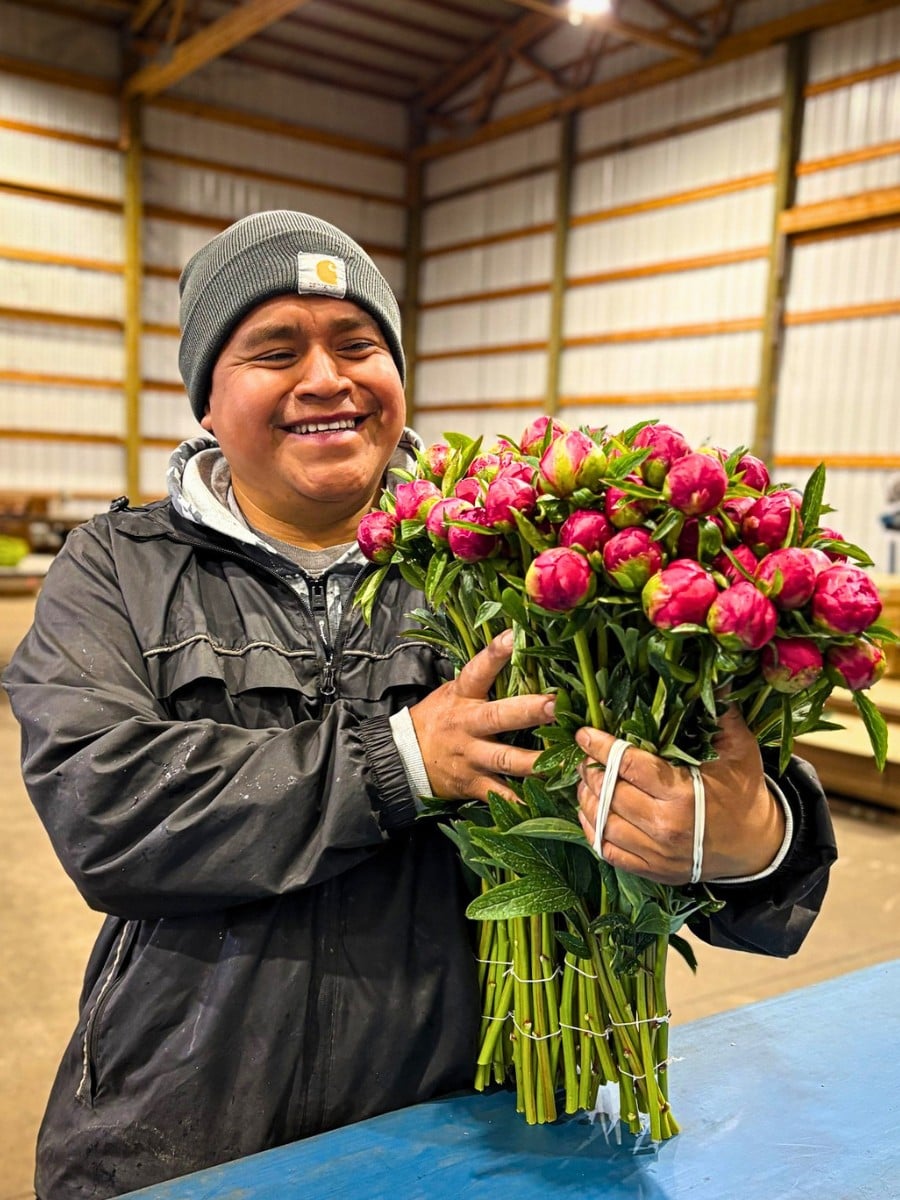
One of the most commercially useful qualities of the peony at this stage is its suitability for cold dry storage, where buds suspend development and can be held for weeks, which allows handlers to extend the effective peony season well past its natural window. Florists can then be supplied with opening-ready flowers even when the field season is long closed.
Featured image by @borst_flowers. Header image by Agnieszka Kwiecień.