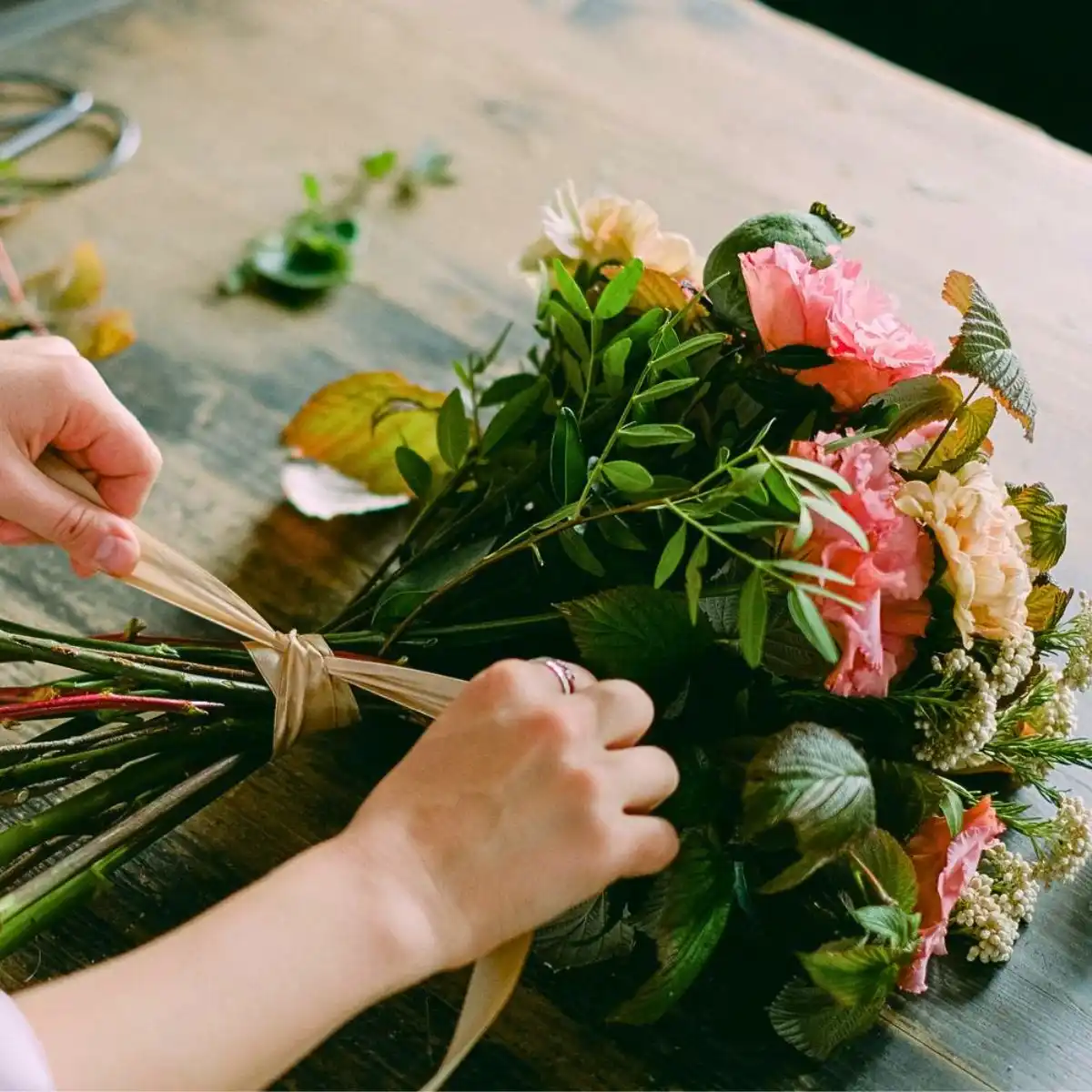

Each year around Valentine's Day, florists globally prepare to meet a surge in demand for roses. A symbol of love, these flowers also find themselves at the center of one of the most debated topics in our industry: pesticide use. For several years now, I have been keen on understanding the veracities behind the topic, even as I design with the flowers.
So, this year again, just as I did in 2025, I decided to take a biological test carried out after Valentine’s Day to assess the potential presence of pesticide residues in my body. While the idea might sound unusual (a florist taking a toxicology test), I sought to demystify some facts we often overlook.
Why I Chose to Get Tested
Florists handle large volumes of flowers daily, especially during peak seasons like Valentine’s Day or Mother’s Day. Depending on their origin and cultivation practices, these flowers can sometimes carry chemical residues used during their growth, harvest, and transport. Over time, there has been increasing concern about how these residues might affect professionals who handle them every day, from the growers to packers, and florists arranging bouquets, who breathe in the floral air of their shops.
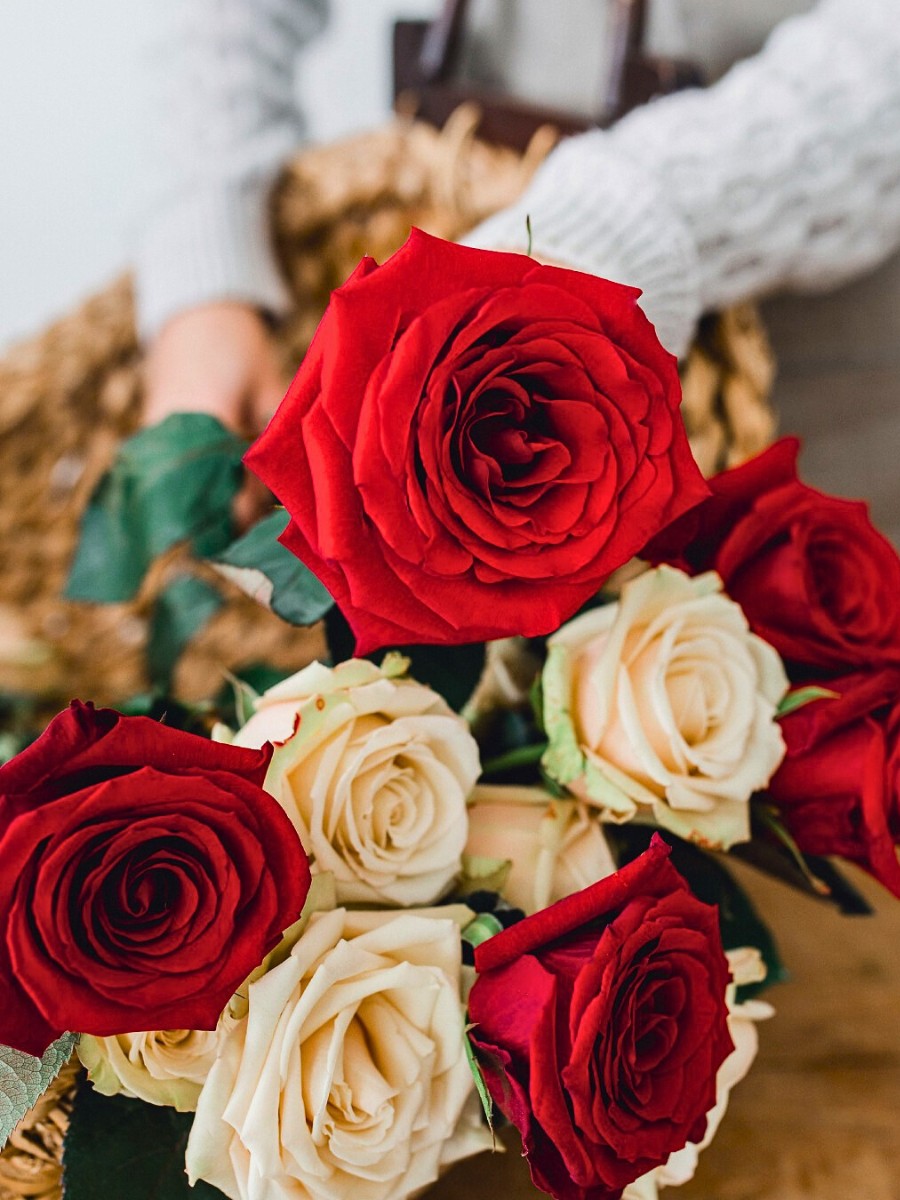
I wanted concrete data, so I entrusted my analysis to the pharmacology-toxicology laboratory at my local university hospital and Eurofins, a leading international player in pesticide bio-monitoring, to conduct the specialized test. The result showed no detectable traces of pesticides or herbicides in my system.
What This Result Means (And What It Doesn’t)
It is essential to be transparent. This result doesn’t mean that the flowers I work with are totally pesticide-free. Numerous studies, as well as some investigations by consumer associations, have shown that cut flowers such as roses, Chrysanthemums, and Gerberas can contain pesticide residues. In fact, researchers sometimes find several dozen different molecules on a single bouquet.
However, and this is where nuance matters, the presence of residues on a flower does not automatically mean exposure or contamination of the florist’s body. Factors such as how we handle the flowers, what protective measures we use, how we ventilate our workspaces, and how careful we are with hygiene all influence whether those residues make contact in any significant way. That is the main message from my little experiment. Data helps us differentiate between perception and assessable reality.
Why Floristry Needs Science and Balance
Discussions about pesticides in floriculture often turn emotional, and understandably so. We are talking about health, the environment, and the products we associate with beauty and love. Yet too often, these conversations rely on generalizations, fear-driven narratives, or incomplete data.
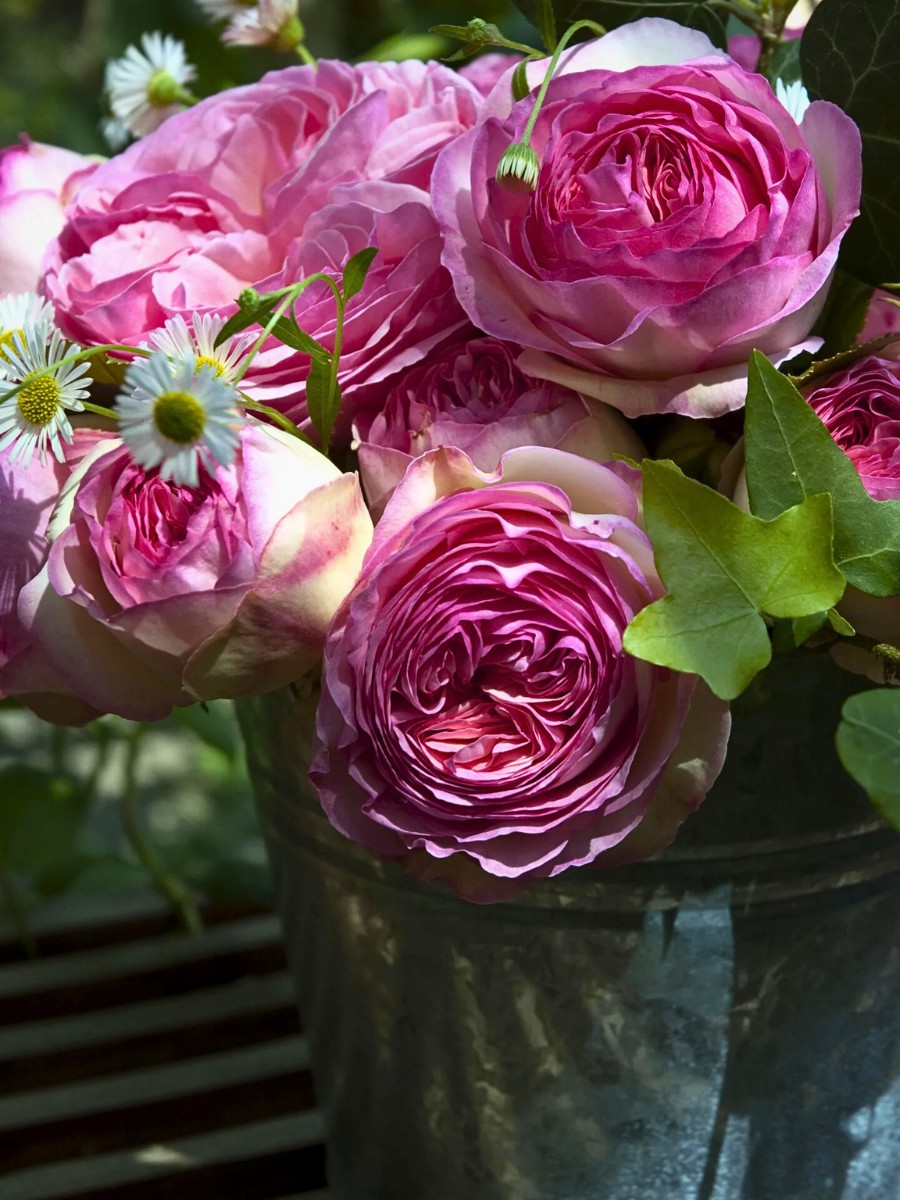
As a professional in this field, I believe our industry deserves better. It deserves better data, better dialogue, and better understanding. Instead of drawing quick conclusions, we need structured research involving scientists, occupational physicians, flower producers, distributors, and florists. The goal should not be to point fingers but to improve collectively.
If we better understand the exposure methodologies and risks, we can focus our efforts where they matter most, and that is to develop safer practices, implement cleaner supply chains, and protect everyone involved in the journey of a flower.

Aligning Passion for Flowers With Respect for Health and the Environment
Conducting a personal pesticide bio-monitoring test is, of course, a small feat. But it is symbolic of a desire to align my passion for flowers with respect for health and the environment. Our profession has always balanced art, science, and human connection. To add environmental responsibility to that list is a duty and an opportunity.
When I received my test results, I felt reassured. This was not because I proved anything definitive, but because I took an evidence-based step within an emotive topic that is often treated abstractly. The facts, in this case, spoke evidently, and they motivate me to keep asking questions, seeking more knowledge, and sharing what I learn.

I know that one individual’s results cannot represent everyone’s experience. We need comprehensive studies, more volunteers, and greater institutional support to monitor pesticide exposure among florists and agricultural workers, because shared knowledge is the first step toward progress.
Let’s Keep the Conversation Going
My goal in sharing this is not to declare victory or to suggest that florists have nothing to worry about. Neither did I share my experience publicly to minimize any risk or start a controversy. I did so to bring facts to a discussion that too often lacks them. As we work with either imported or local flowers, it is crucial to keep evaluating how we can reconcile the three pillars that sustain our profession: human health, environmental protection, and the joy of offering flowers.

To my fellow florists, researchers, and anyone else who cares about this topic, my door is always open for discussion. Let’s exchange ideas, methods, scientific resources, and concrete solutions. If we stay curious and cooperative, we can make the floral industry more beautiful and even more conscious. Flowers are, after all, meant to bring joy and not to spark fear.
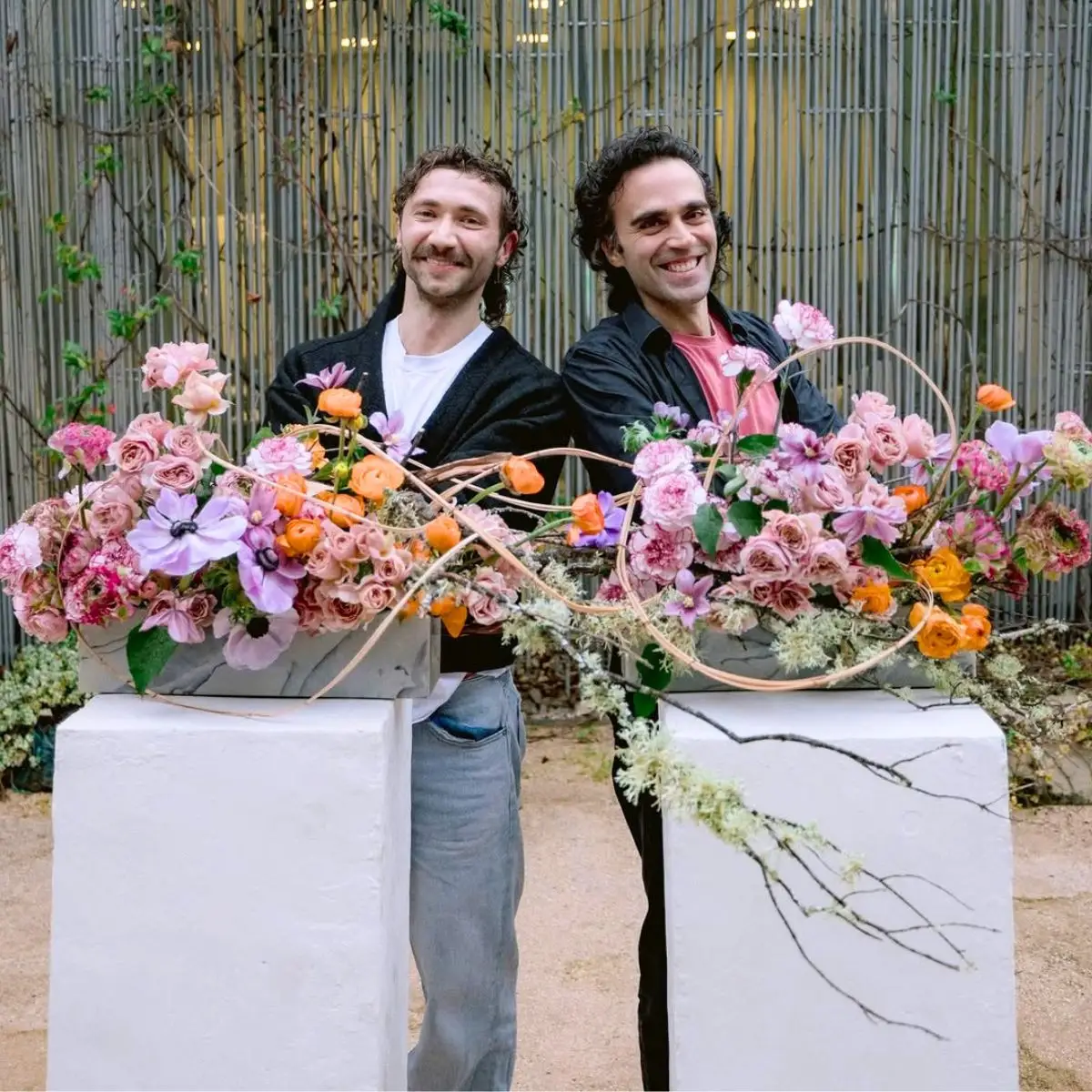
Header image by @coccinelle_masterflorist