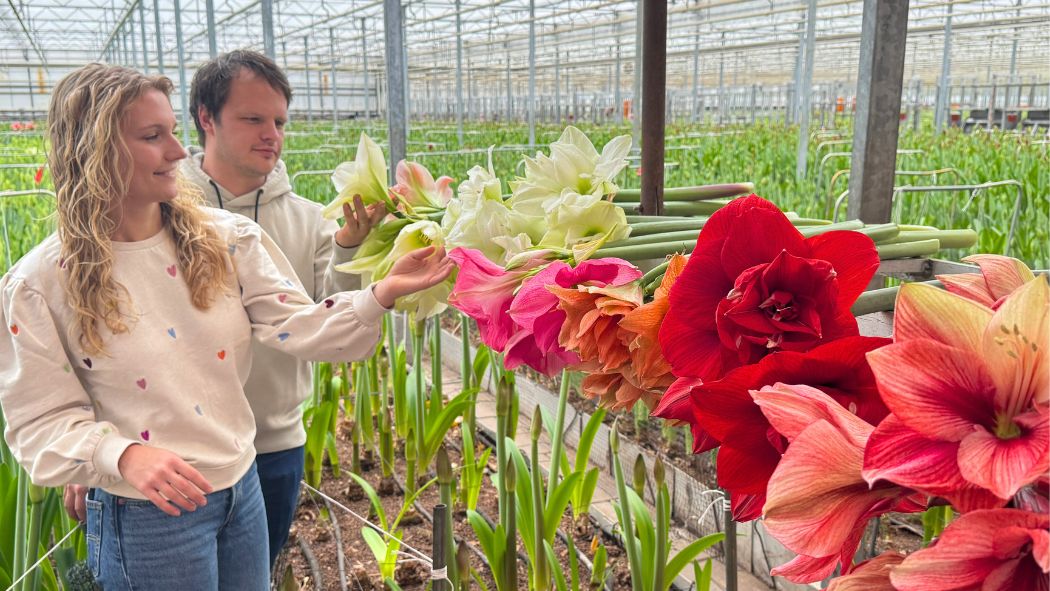
Nested in the beautiful region of North Limburg, near Venlo, Wijnen Amaryllis stands out as a family business dedicated to developing and cultivating exclusive Hippeastrum varieties. With over 25 years of expertise, this company combines tradition with innovation, ensuring a great future for this flower. During my visit, Stan and Daphne Wijnen, third-generation growers, shared insights into their work, breeding philosophy, and the evolving industry landscape.
For readers who want to explore the diversity of Amaryllis even further, the inspiration platform helloamaryllis.com offers an excellent introduction to varieties, colours, and styling ideas.
Wijnen Amaryllis: A Strong Family Foundation
The story of Wijnen Amaryllis begins with Stan's father, who, after experimenting with various crops, committed entirely to amaryllis cultivation. His early focus on plant breeding was ahead of its time and remains the cornerstone of the company's success today.
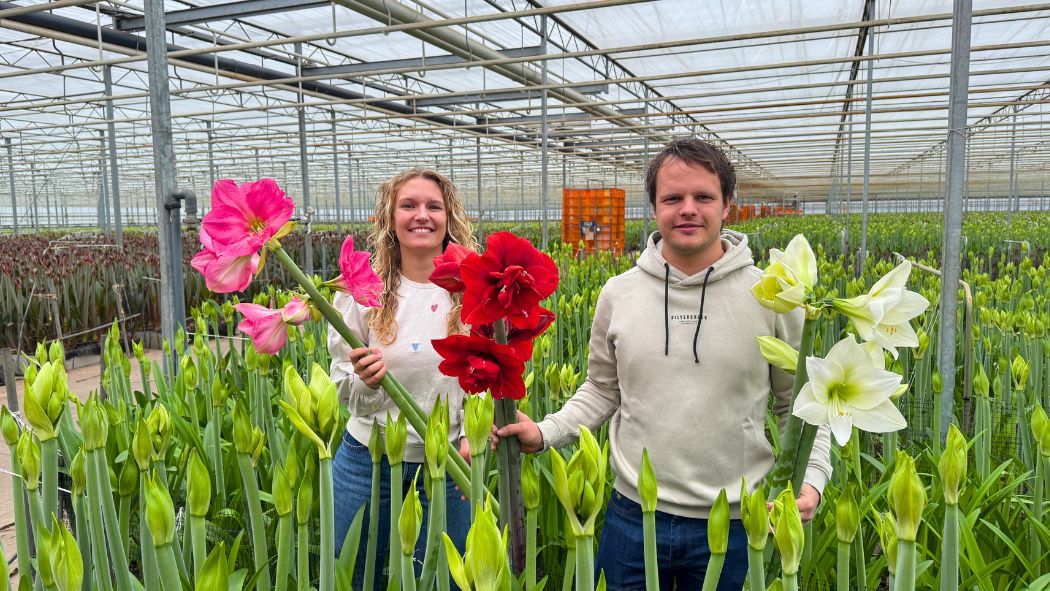
Today, Stan and Daphne manage the farm together. Stan oversees cultivation, climate control, sales, and staffing, while Daphne leads the breeding efforts and daily operations. Their father remains actively involved, working alongside them every day.
"We are proud to be the third generation in horticulture," Stan explains. "And the second generation focused specifically on amaryllis breeding. For us, this is truly a life’s work."
Exclusive Varieties Through In-House Breeding
All the Hippeastrum varieties grown by Wijnen Amaryllis originate from their own breeding lines. This unique position allows the company to focus on exclusivity and distinctive quality, serving markets that value innovation and distinctiveness.
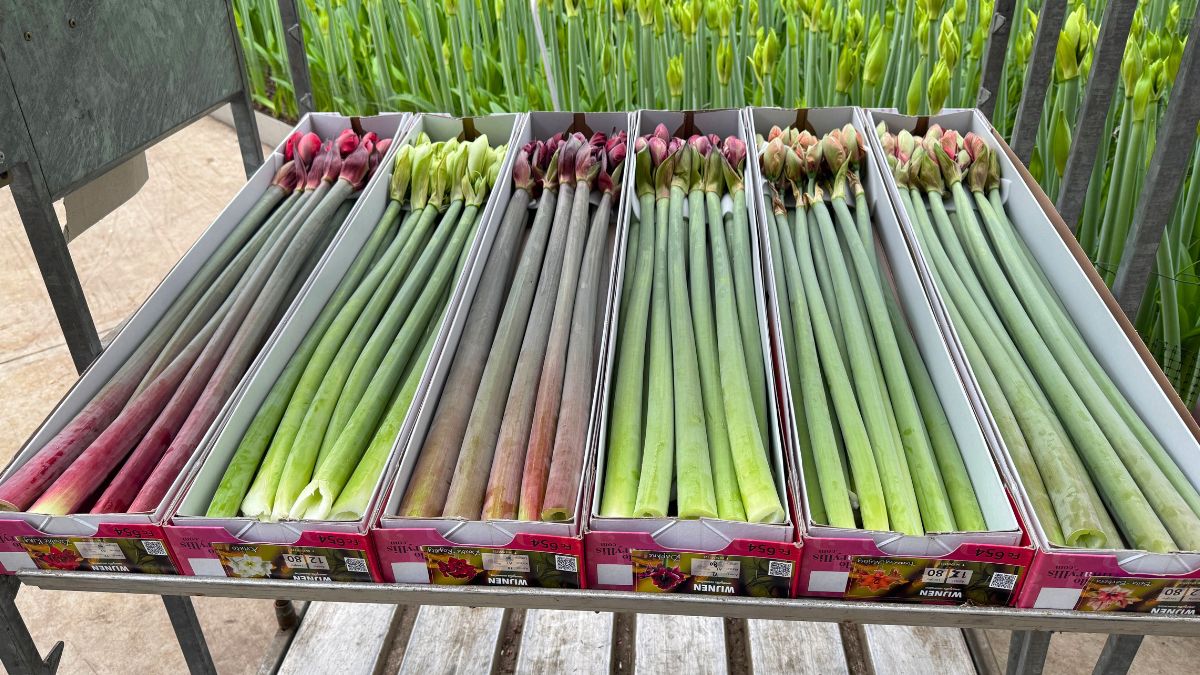
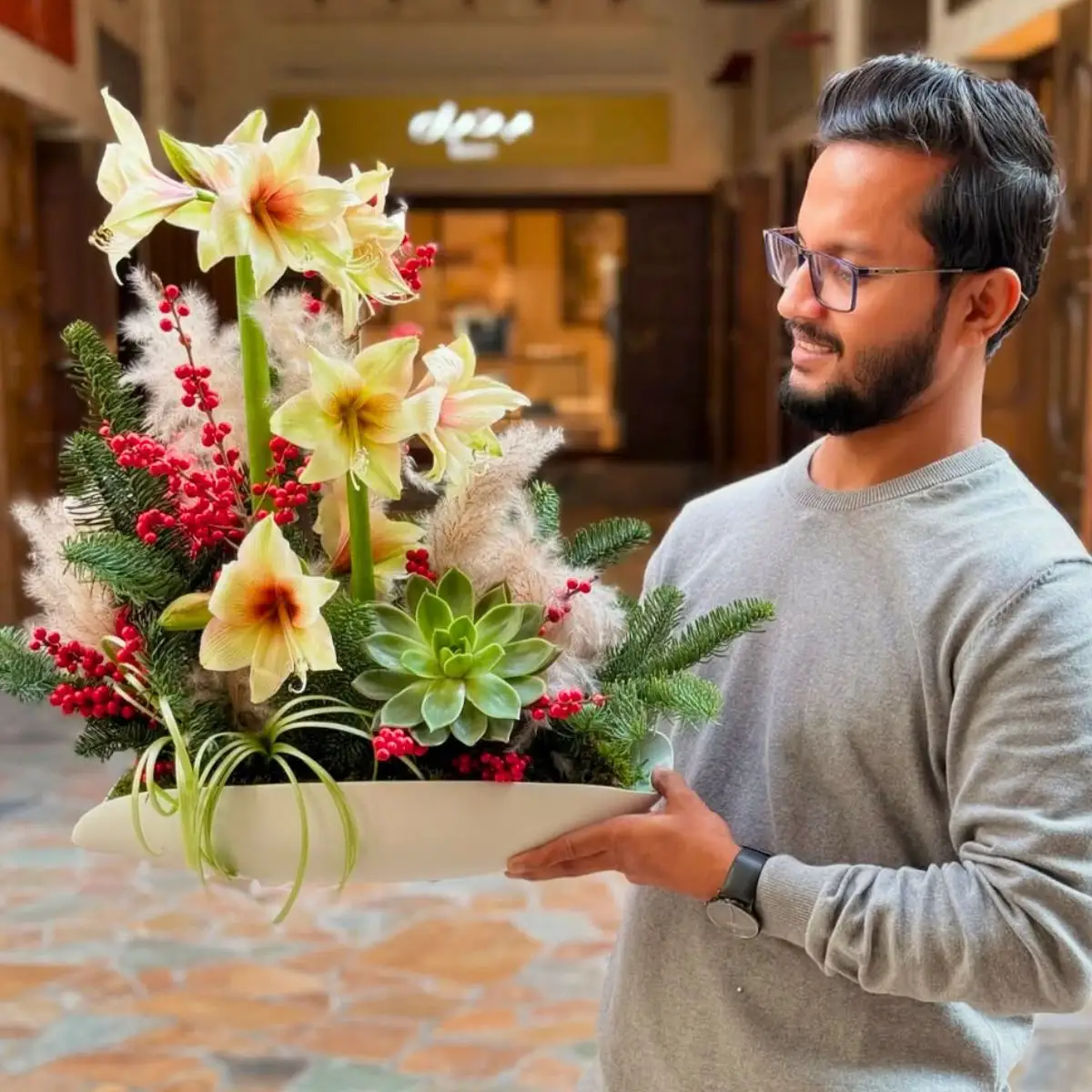
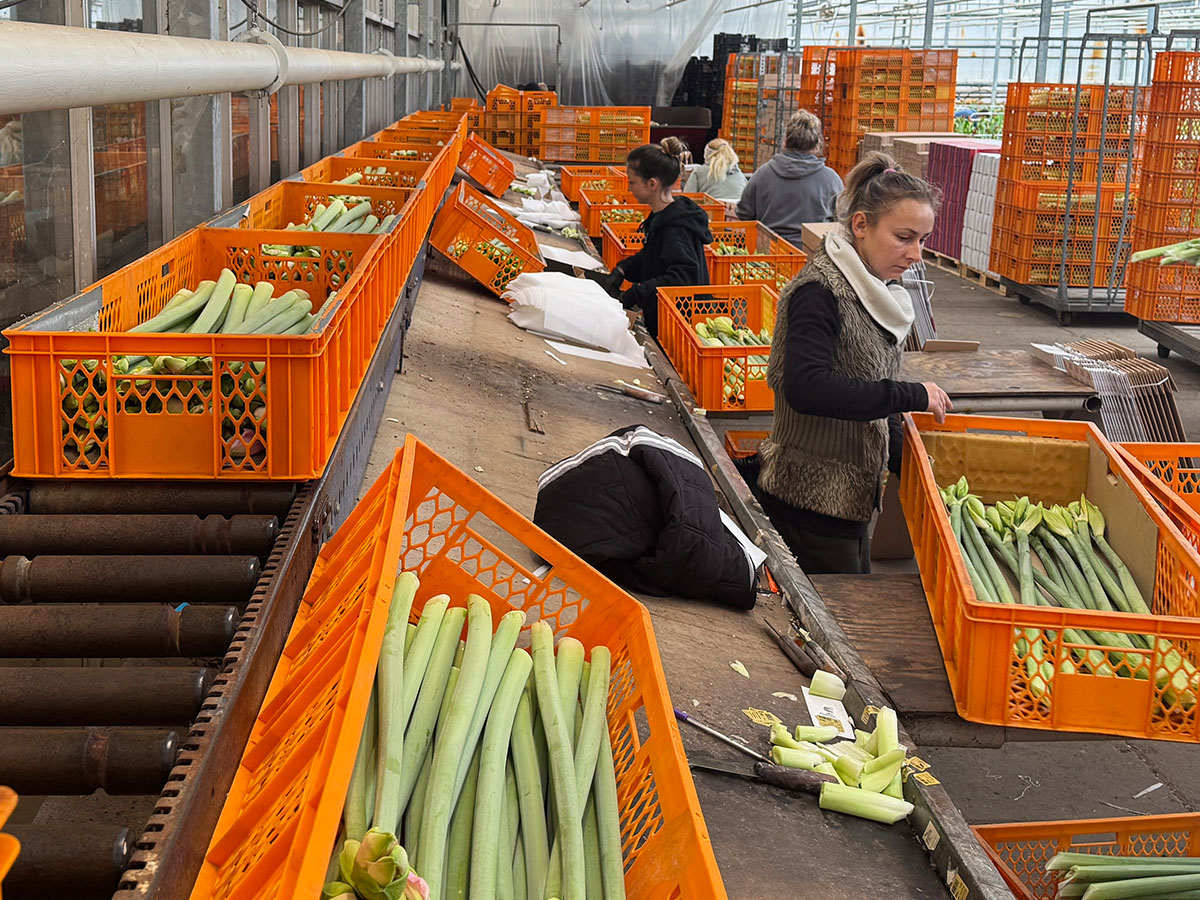
Their primary markets include the trade centers of Aalsmeer, Rijnsburg, and Naaldwijk, where premium quality and exclusivity are essential. Their international reach extends from European wholesalers to worldwide projects, such as wedding floral arrangements in Dubai.
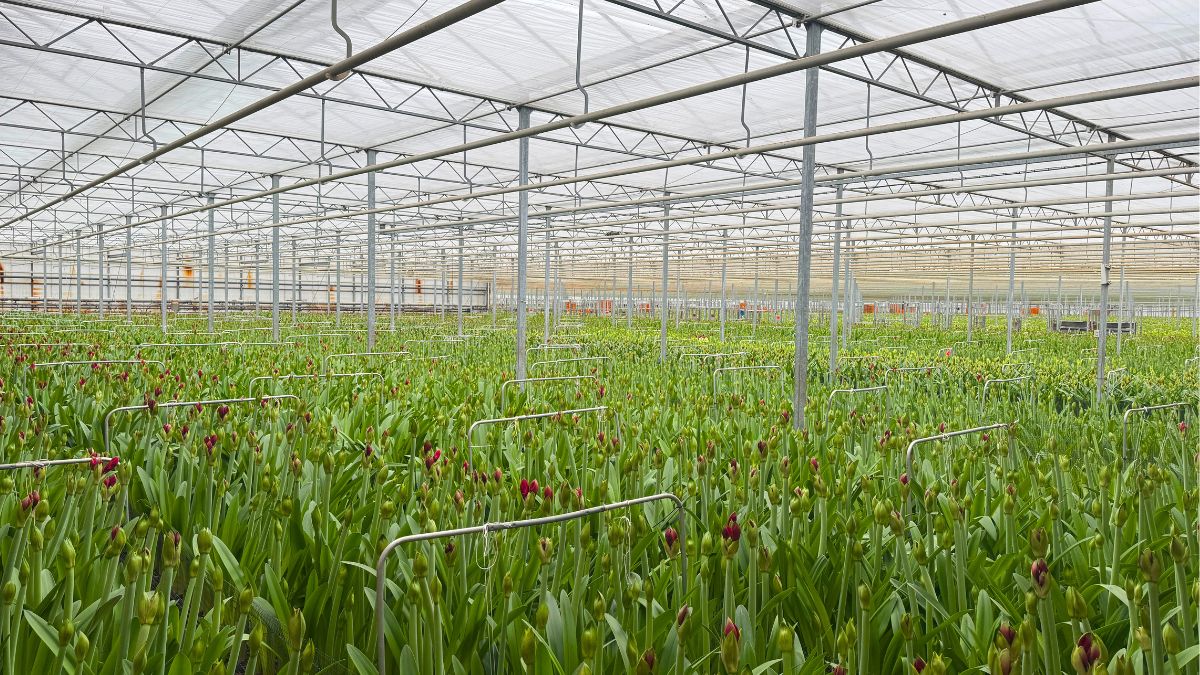
Currently, Wijnen Amaryllis has 16 varieties in production, including seven new lines undergoing small-scale testing. An additional 40 to 50 breeding lines are maintained with growers across Europe.
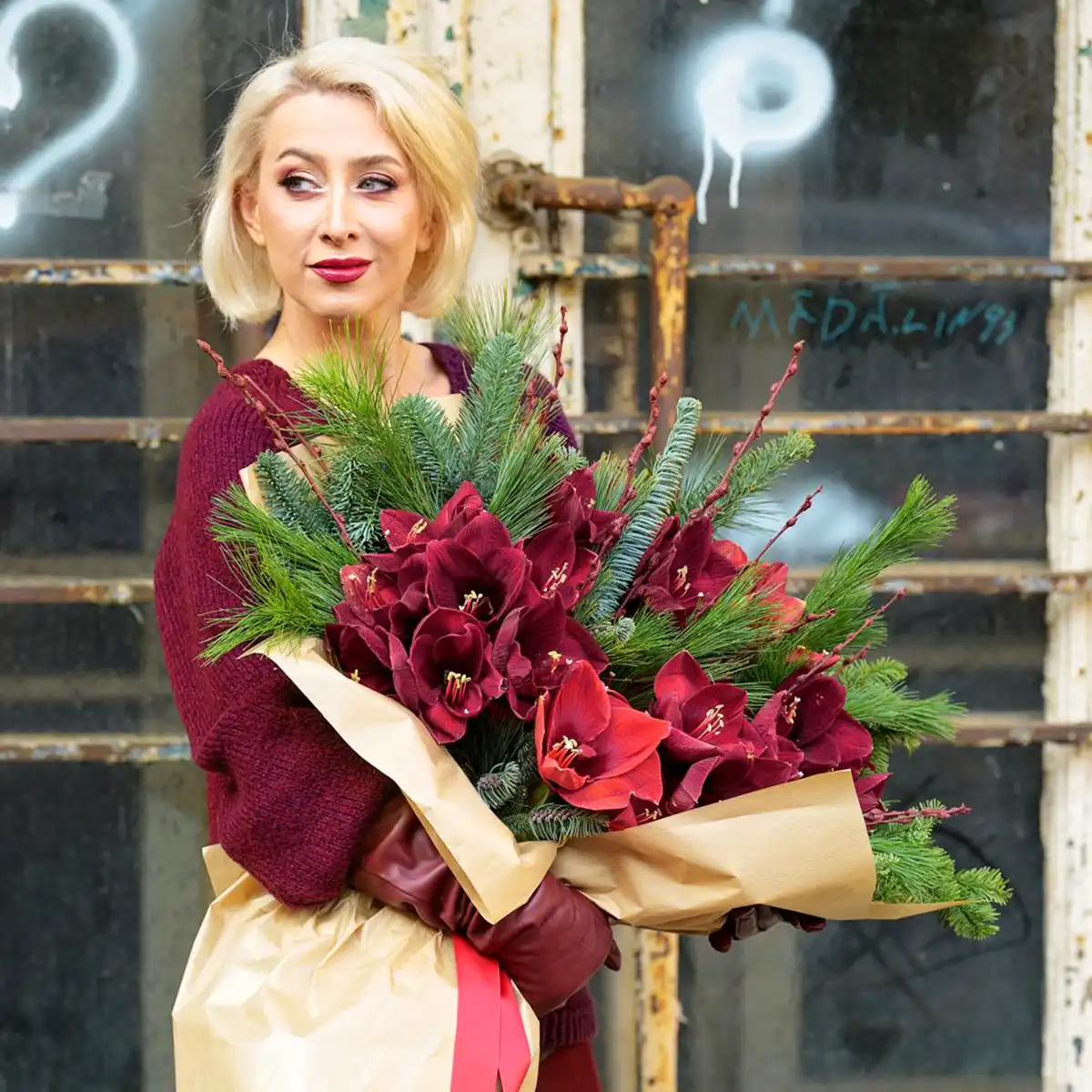
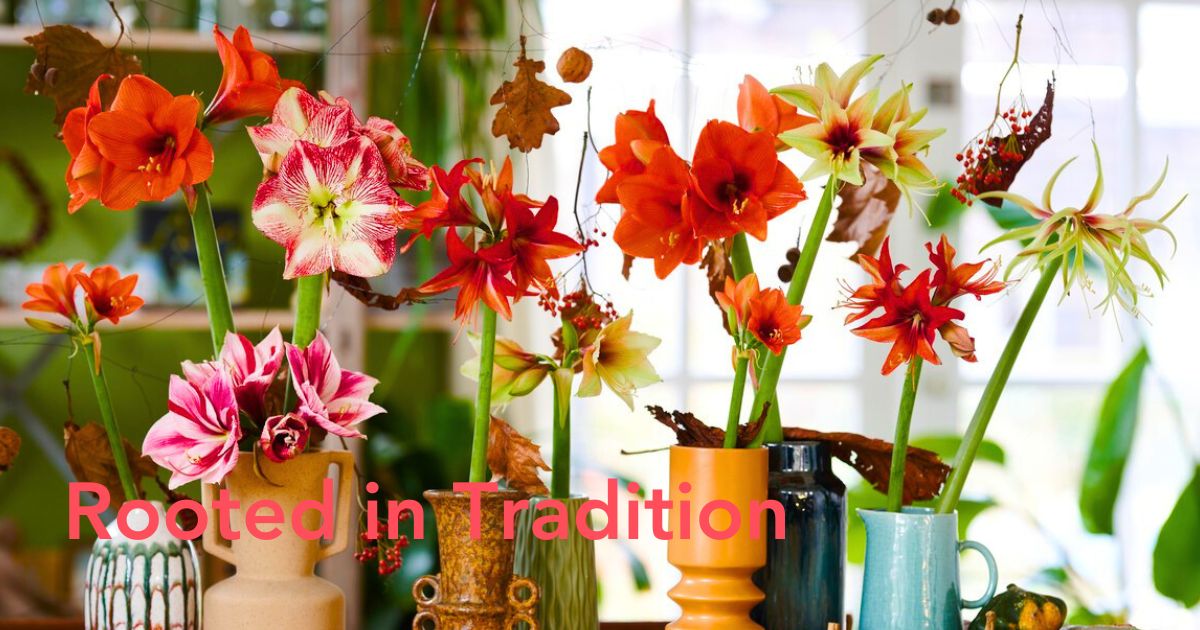
If you're interested in seeing how these unique breeding choices translate into colors and forms, you can browse inspiring examples on helloamaryllis.com, where numerous premium varieties are showcased.
The Long Road of Breeding
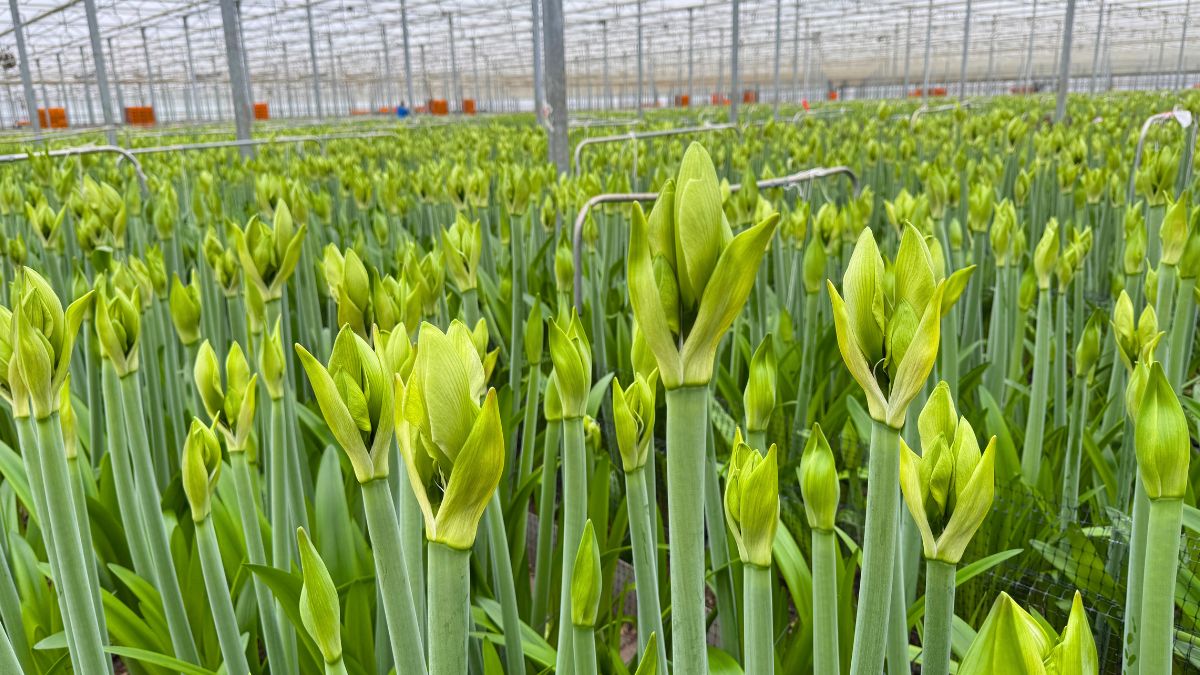
Developing a new Amaryllis variety is a lengthy process. From seed to first bloom, it takes approximately three years. Once flowering begins, the real selection process starts, often spanning up to fifteen years before a variety is ready for commercial release.
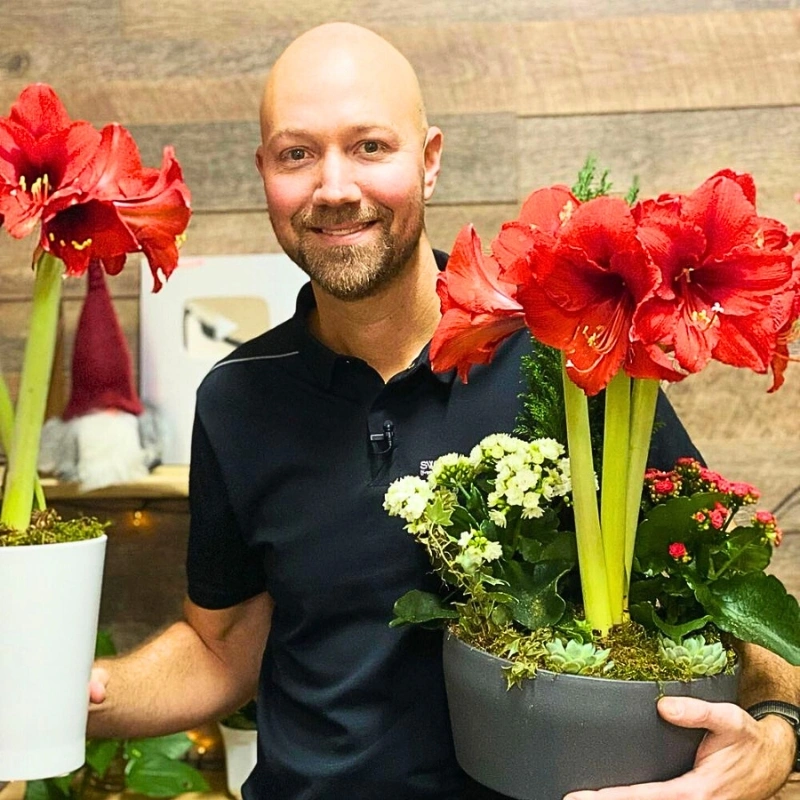
Daphne emphasizes the meticulous nature of the process: "Initially, we determine the purpose of the variety. For potted Amaryllis, we need short, sturdy stems and double blooms. For cut flowers, we focus on stem length, thickness, flower shape, and presentation in the box. It’s an intensive and detailed journey."
Because of this extensive timeline, Wijnen Amaryllis only sells tested, proven varieties. They do not market untested seedlings, ensuring customers receive the highest quality.
Aging and New Opportunities
While the horticultural sector faces ongoing challenges with an aging workforce, Stan notes a promising shift:
"Five years ago, I didn’t expect to see such an influx of young growers, but now we have eight or nine new entrepreneurs entering the scene. That’s a real boost of energy."
However, he also warns of potential risks: the industry must maintain sufficient volume. Without enough scale, amaryllis risks becoming a niche product, losing visibility among retailers and consumers. The recent market disappearance of seven million stems that were not replenished signals a shifting balance in supply.
From Spot Market to Strategic Partnerships
A notable trend is the shift toward long-term, direct collaborations between growers and buyers. Stan observes that "price is no longer the main factor. It’s about trust and certainty. Major retailers now commit to specific growers, something that was almost unthinkable nine years ago."
These partnerships require stability and elevate the profile of distinguished products like Amaryllis. Companies that invest in collaboration tend to grow more sustainably than those that compete only on price.
A Diverse Portfolio as a Strategic Asset
When asked about their favorite varieties, Stan and Daphne prefer to highlight their broad assortment rather than singling out specific types. Their strength lies in offering a wide range of options: single and double-flowered varieties in various colors for different applications.
"The beauty of our approach is that we can meet the needs of many different customers," Stan explains. "This diversity keeps our work exciting and the market dynamic."

Wijnen Amaryllis Is Looking Ahead
Wijnen Amaryllis exemplifies a family business rooted in tradition, driven by innovation, and focused on sustainable growth. Their dedication to breeding high-quality, exclusive varieties positions them well for the future, where trust, collaboration, and diversity will remain key drivers in the competitive world of ornamental horticulture.
It All Starts With Amaryllis
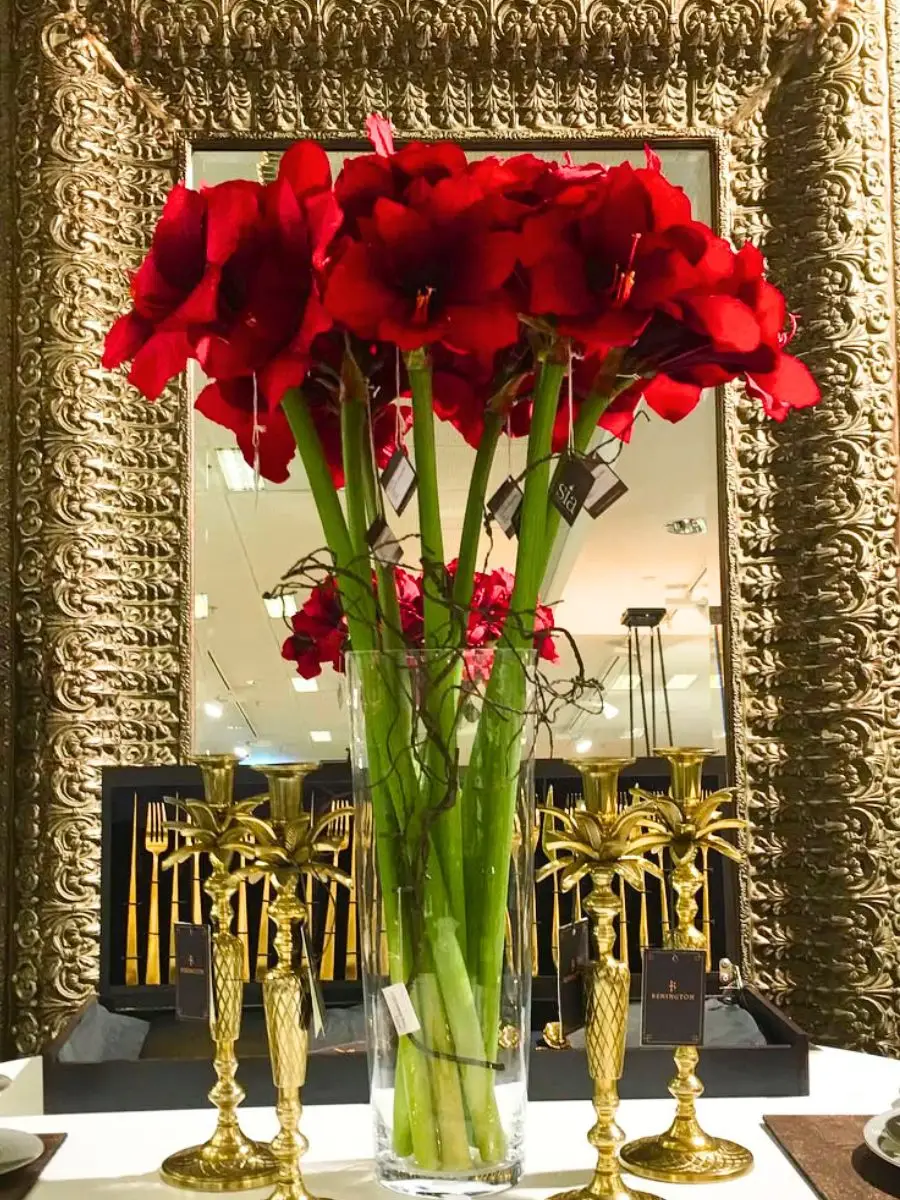
For anyone wishing to dive deeper into the versatility of Amaryllis – from classic reds to the latest breeding lines – the inspiration platform helloamaryllis.com is an invaluable resource. There you’ll find:
- the complete range of varieties and colors
- styling ideas for events and festive seasons
- cultivation insights and trend articles
- interviews and stories from across the industry
You may also like to read the blog Small but Fine – Small powerhouses within the Amaryllis assortment, to learn that size isn't everything.

Header image by @Wijnen Amaryllis Innovation.