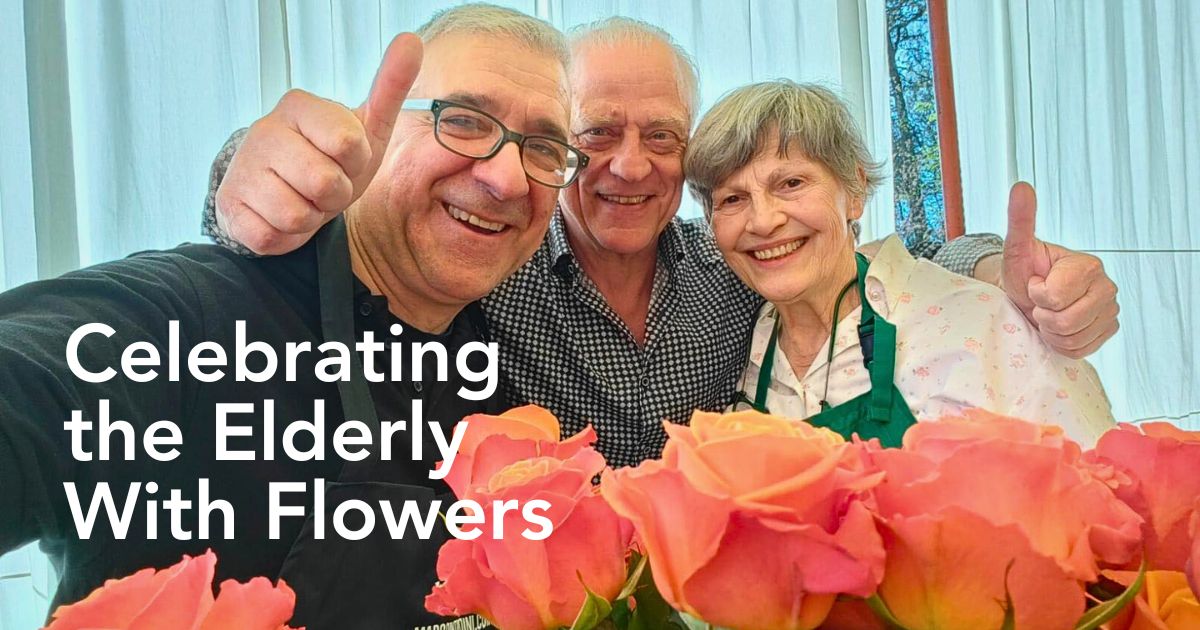
Ask a florist in Rome when they start pulling stock forward for the grandparents, and you get a date, not a guess. Grandparents' Day in Italy is celebrated on 2 October, the same date every year. Italians call it the Festa dei Nonni, and it has been fixed since 2005.
That fixed date is unusual. Most countries hang the day for grandparents on a Sunday that drifts across the calendar, which makes it hard for anyone in the chain to plan around. Italy did the opposite. The reason it could is that a small group of flower people spent eight years pushing for it.
Why the Festa dei Nonni Is on 2 October
The choice was deliberate. 2 October is the feast of the Guardian Angels in the Catholic Church, and the parallel was the whole argument: the figure who watches over a child without being asked, and without being thanked. Put that next to the important role grandparents play in an ordinary family and the case makes itself.
It also solved a practical problem. A saint's day does not move. Anchoring the celebration there meant schools, parishes, town councils, and florists could all work to one day without checking a calendar each year. For a trade that buys three weeks ahead, that matters more than it sounds.
Is It a National Holiday?
No. The Festa dei Nonni is officially recognized but it is not a national holiday, so shops, schools, and offices stay open. Recognition came from the Italian Parliament on 31 July 2005, with the approval of law No. 159. Twenty years on, that law is still the reason the date holds.
Who Started It
The history begins in 1997, inside the flower sector rather than in politics. Arturo Croci and Franco Locatelli, then president of UNAFLOR, the growers' organization, worked the idea alongside Valter Pironi, Cosimo Pagano, Mara Verbena, and two Dutchmen, Wim van Meeuwen and Charles Lansdorp. An Italian celebration, then, with Dutch fingerprints on it from the first meeting.
Lansdorp, now president of the Grandparents' Day Foundation, has never been sentimental about the purpose. "We must show the unique power of flowers and plants; they can connect people and this is desperately needed at this time," he told Thursd. The foundation, in his own description, "aims to connect generations, in the fight against loneliness."
Eight years of committee work and slow institutional persuasion sit between that 1997 conversation and the July vote. Grassroots is an overused word. Here it is accurate.
How Italians Celebrate Grandparents Day
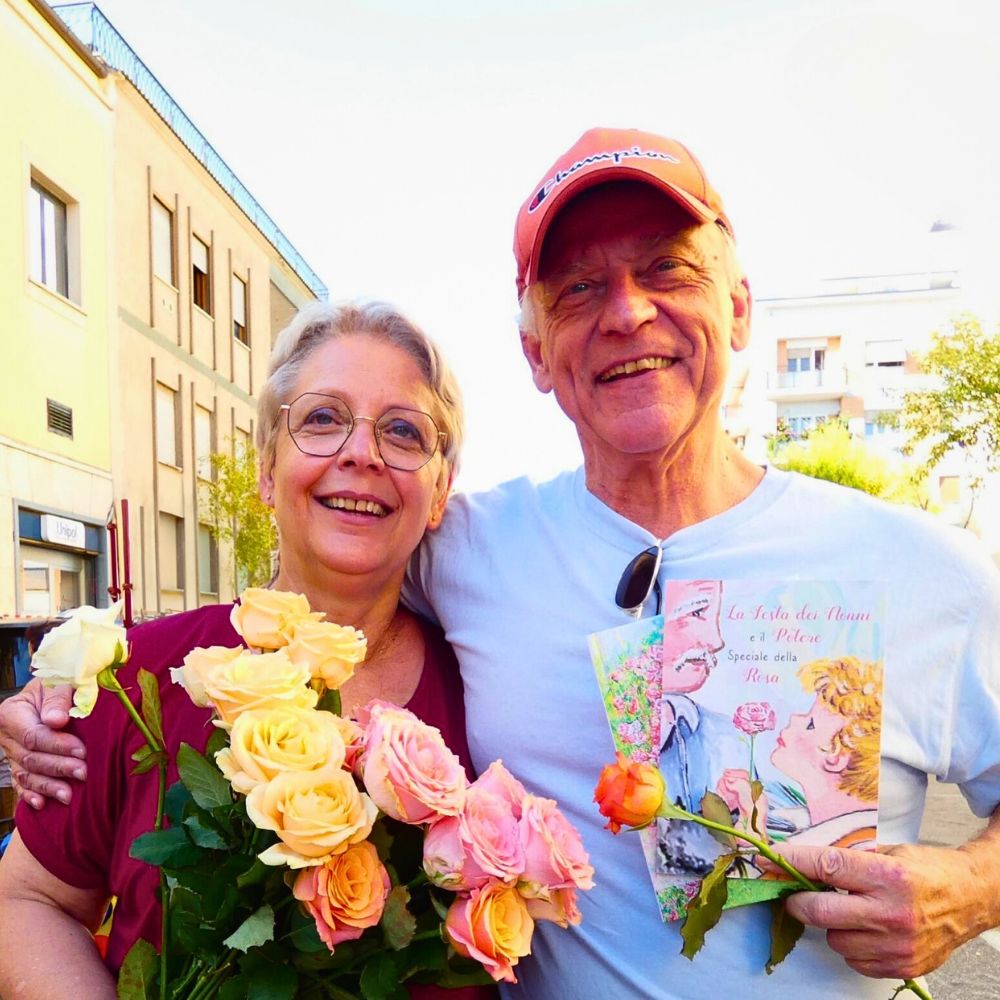
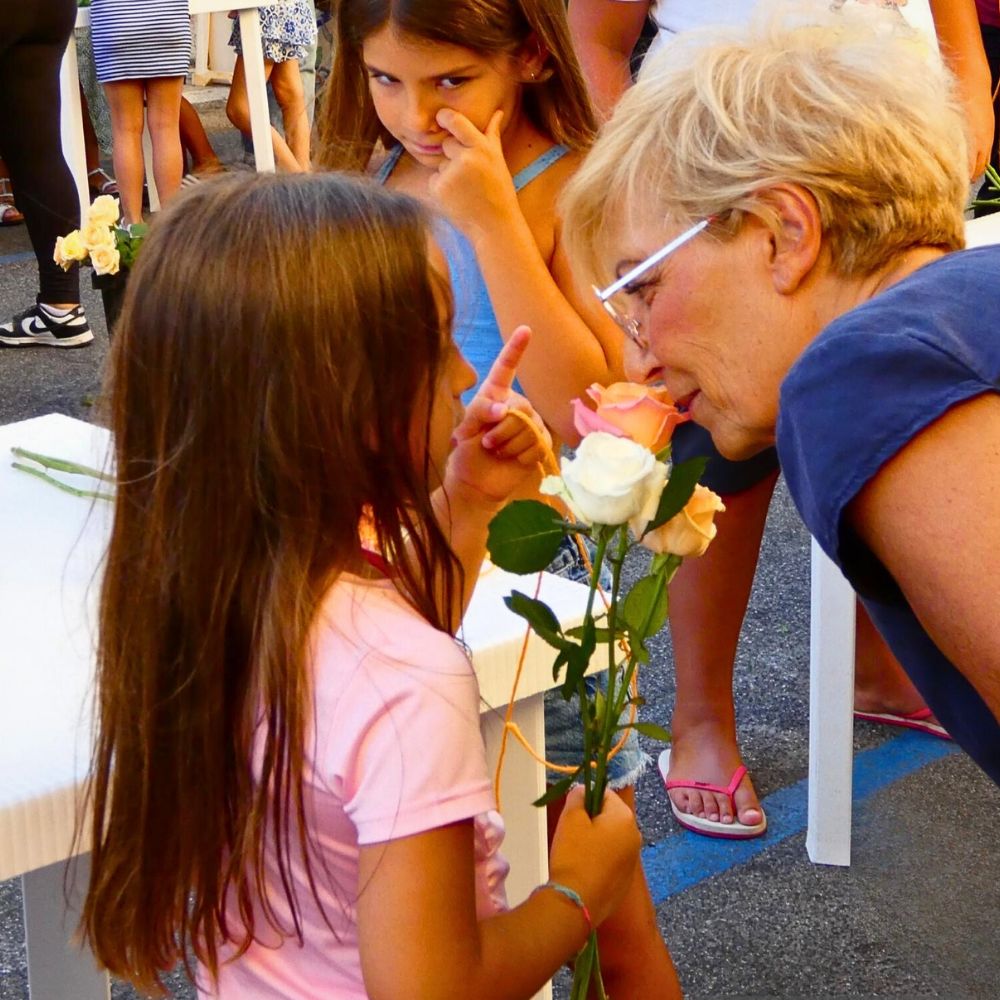
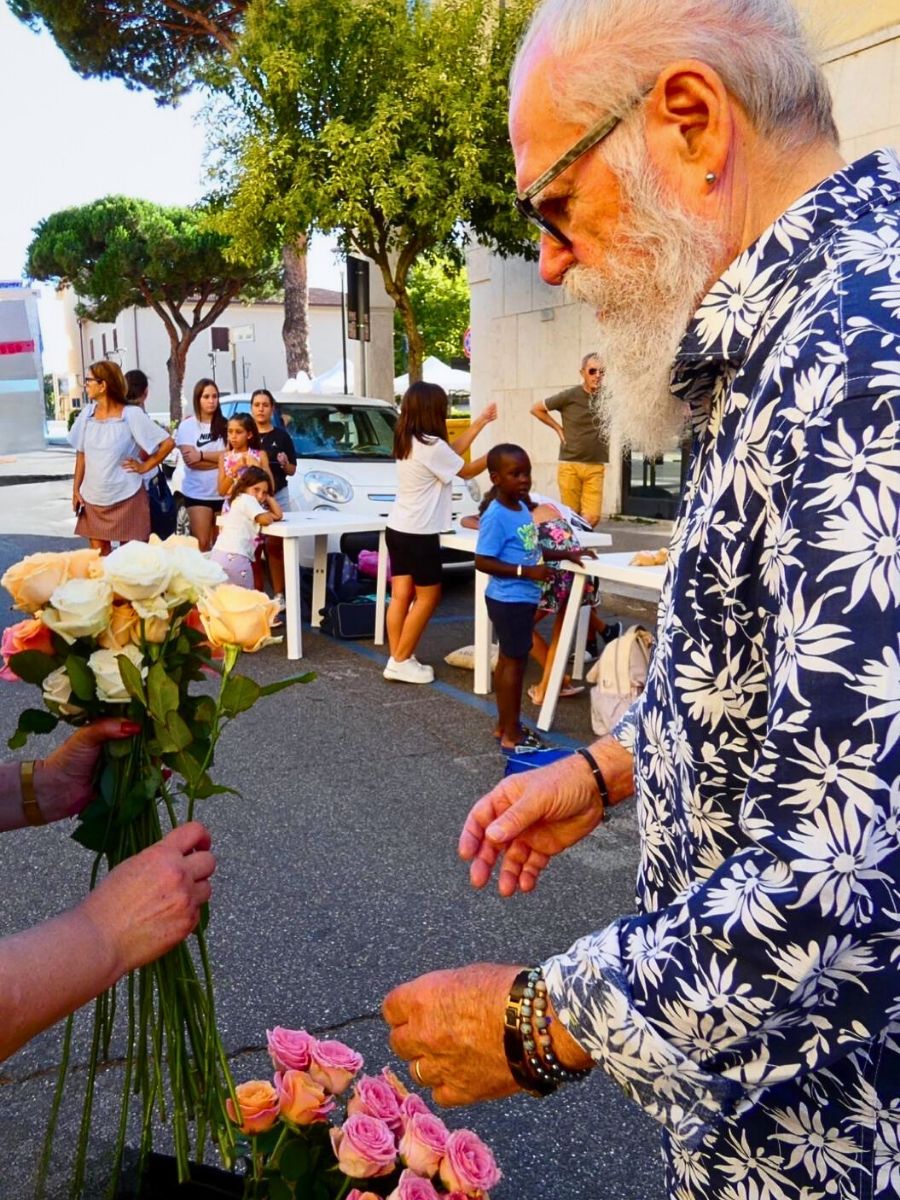
The celebration is not a wreath-laying. It runs through workshops, schools, and care homes, and flowers are the working material rather than the decoration. Children make the arrangements. Grandchildren hand them to their grandparents. Stories told across two generations reach an audience that does not otherwise sit down together, and the grandchildren pick up a family history nobody thought to write down.
Family gatherings follow the same shape as elsewhere, with cakes cooked at home and a moment set aside to honor the oldest people at the table. What is different is how much of it runs through institutions rather than households.
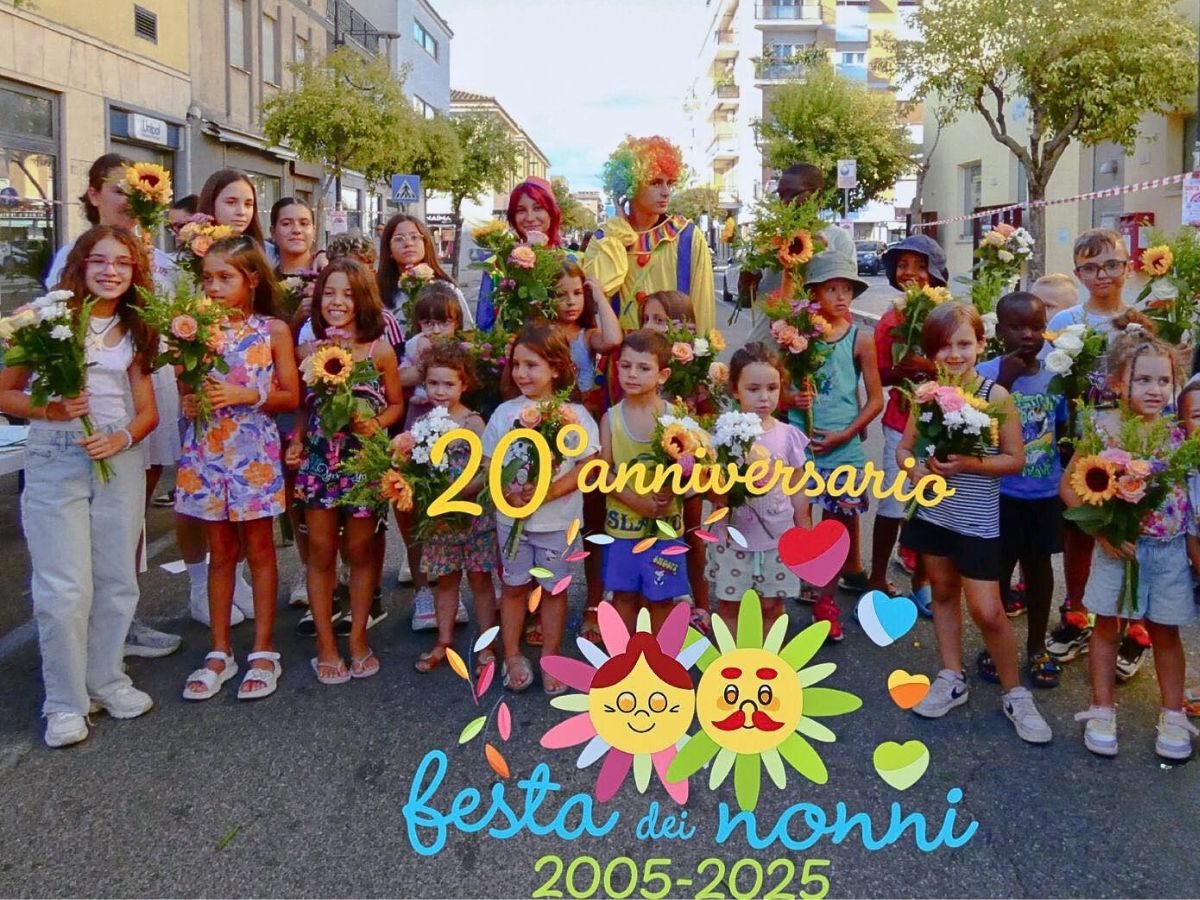
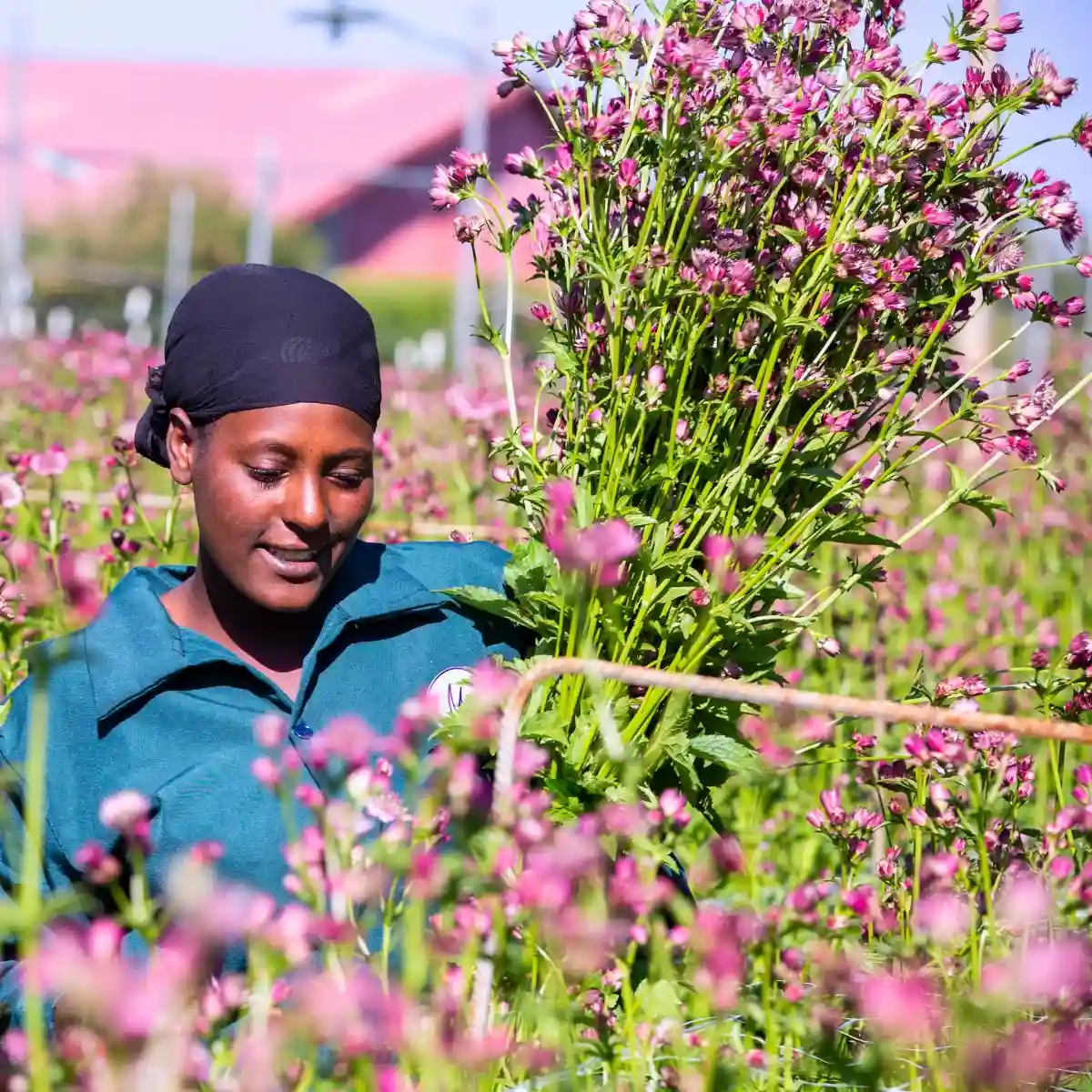
For the twentieth anniversary, floral workshops ran at the Romantica flower event in Bugnara and at Estrosa in Aprilia, both with the Grandparents' Day Foundation. The flowers came from the trade: HilverdaFlorist, De Opstal Spray Roses, Anthura, Coop Del Golfo, and Berg Roses, with OZ-Hami and DiNino handling logistics.
Which Flowers to Give
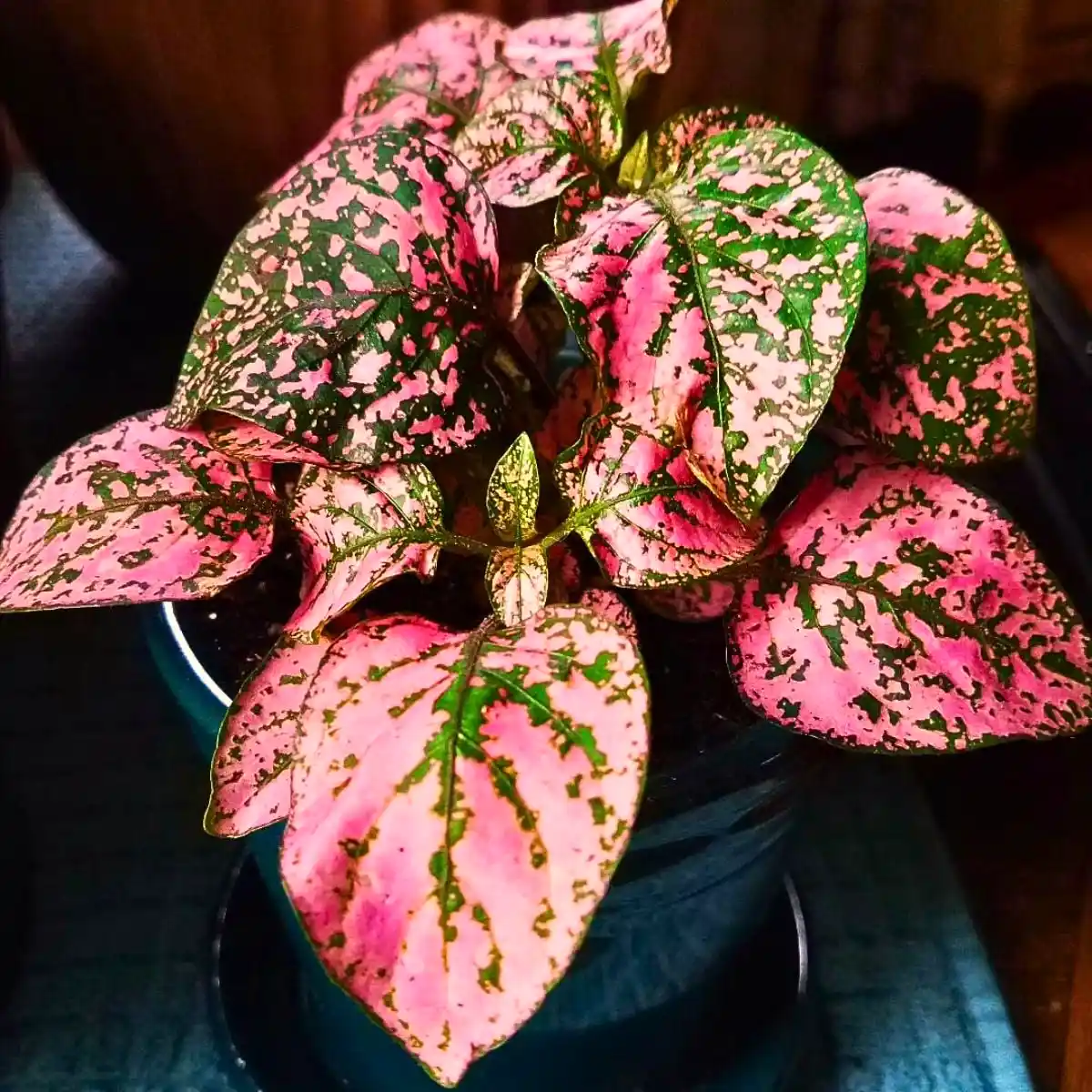
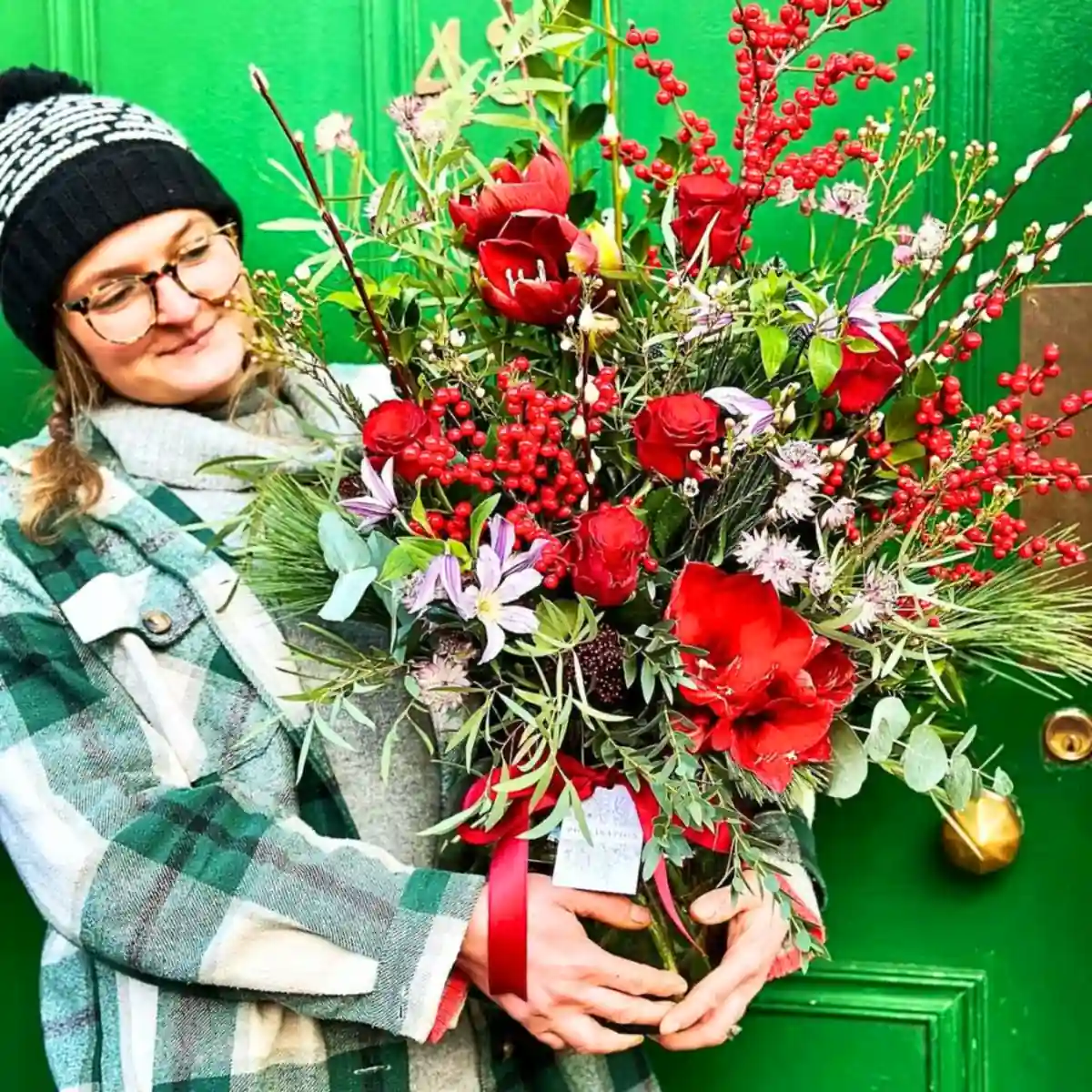
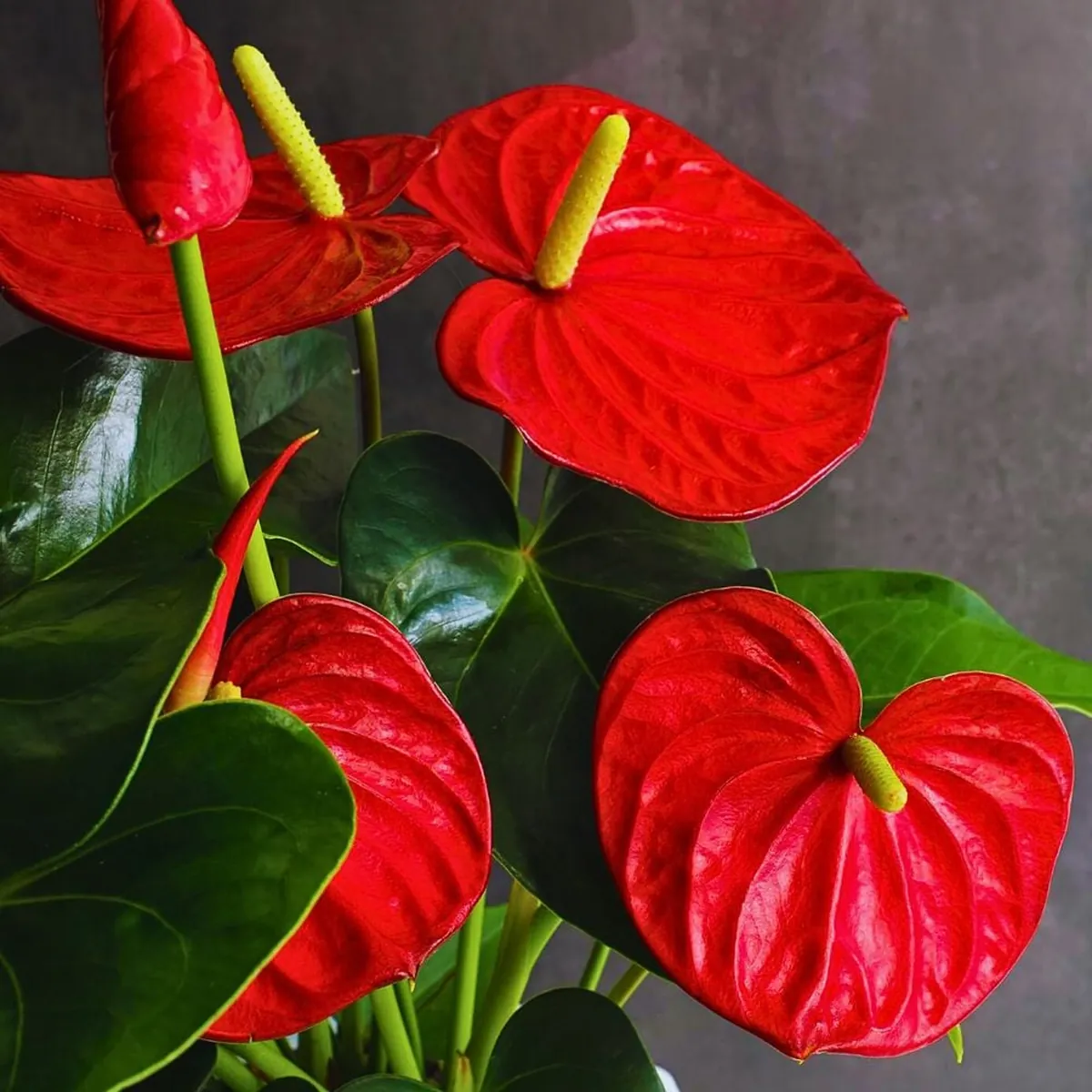
No single flower is mandated. Roses carry most of the volume, and a gift of flowers is the way most people express gratitude here on this day, much as a gift of chocolate is elsewhere. Growers who plan for it treat early October as a small, dependable window rather than a lottery. A plant is the other common gift, since it lasts past the week.
The Rose With a Footballer's Name
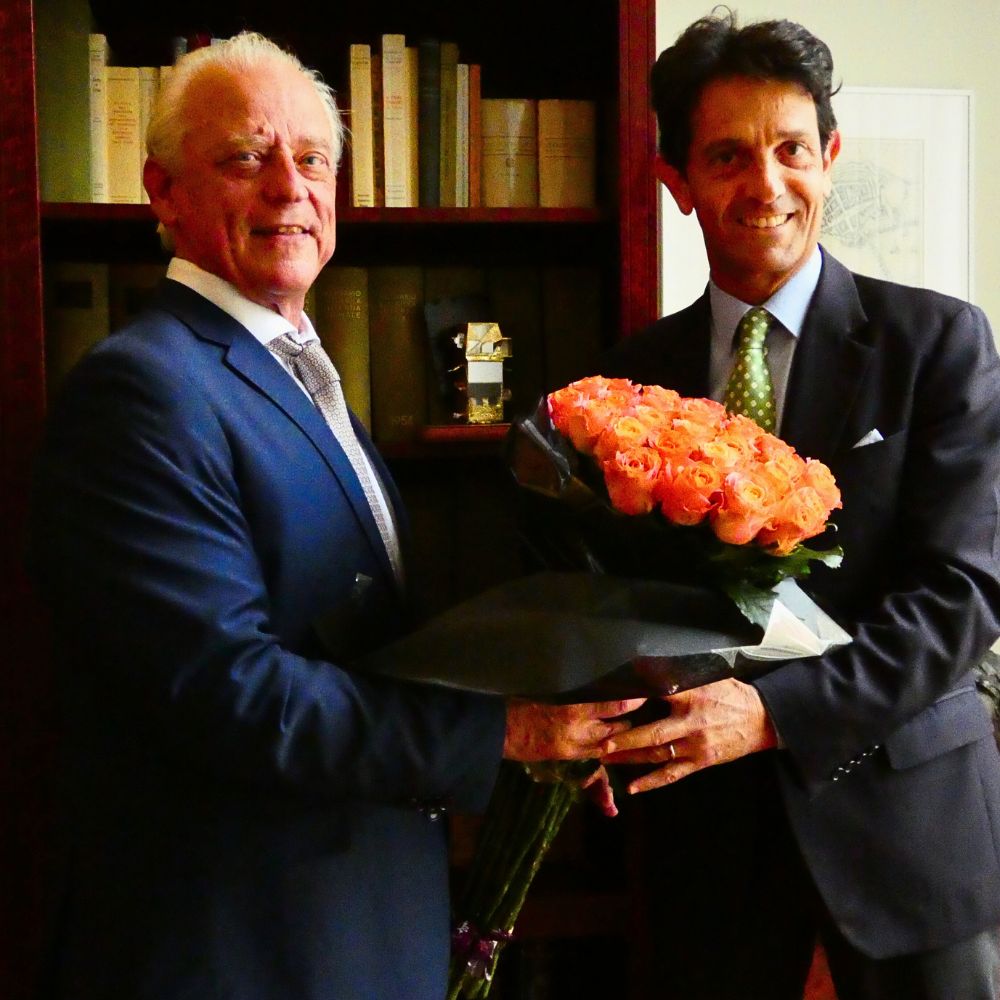
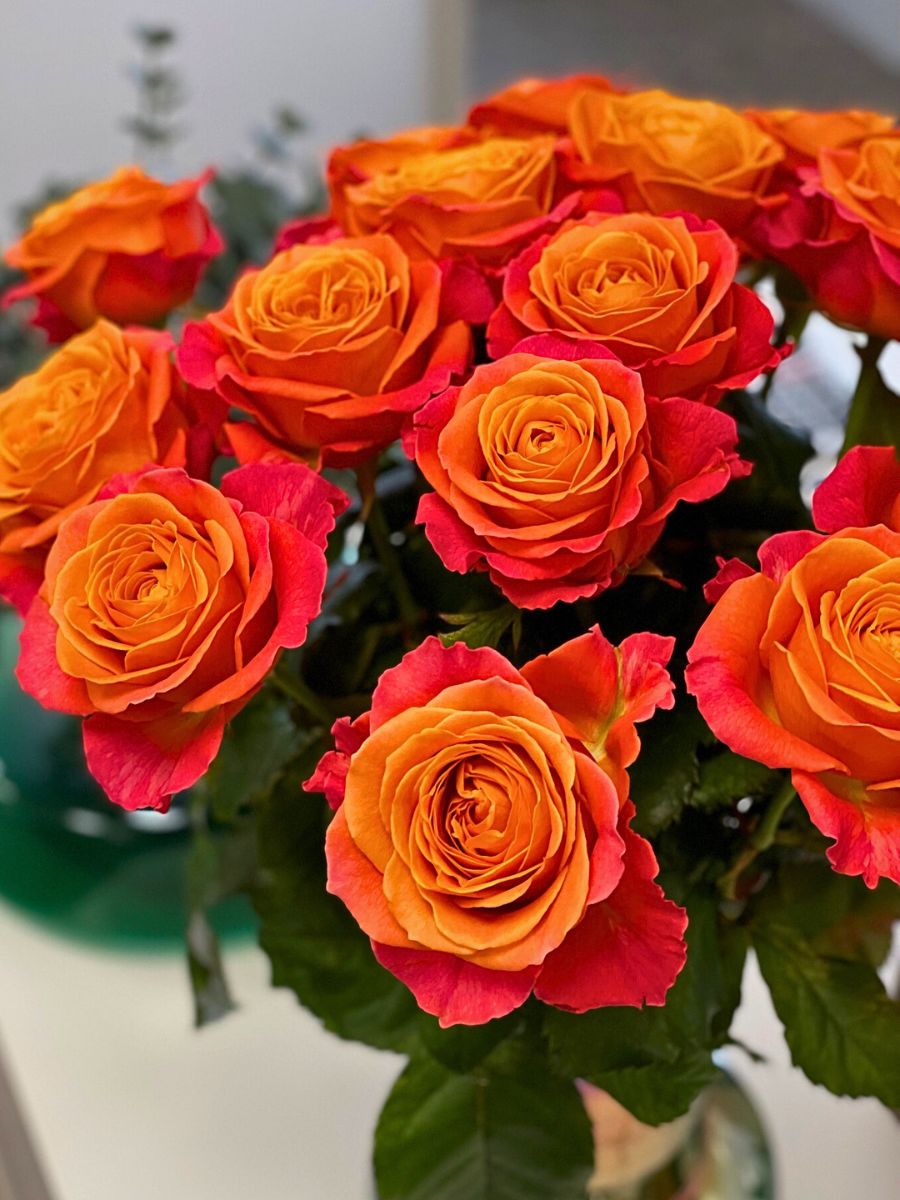
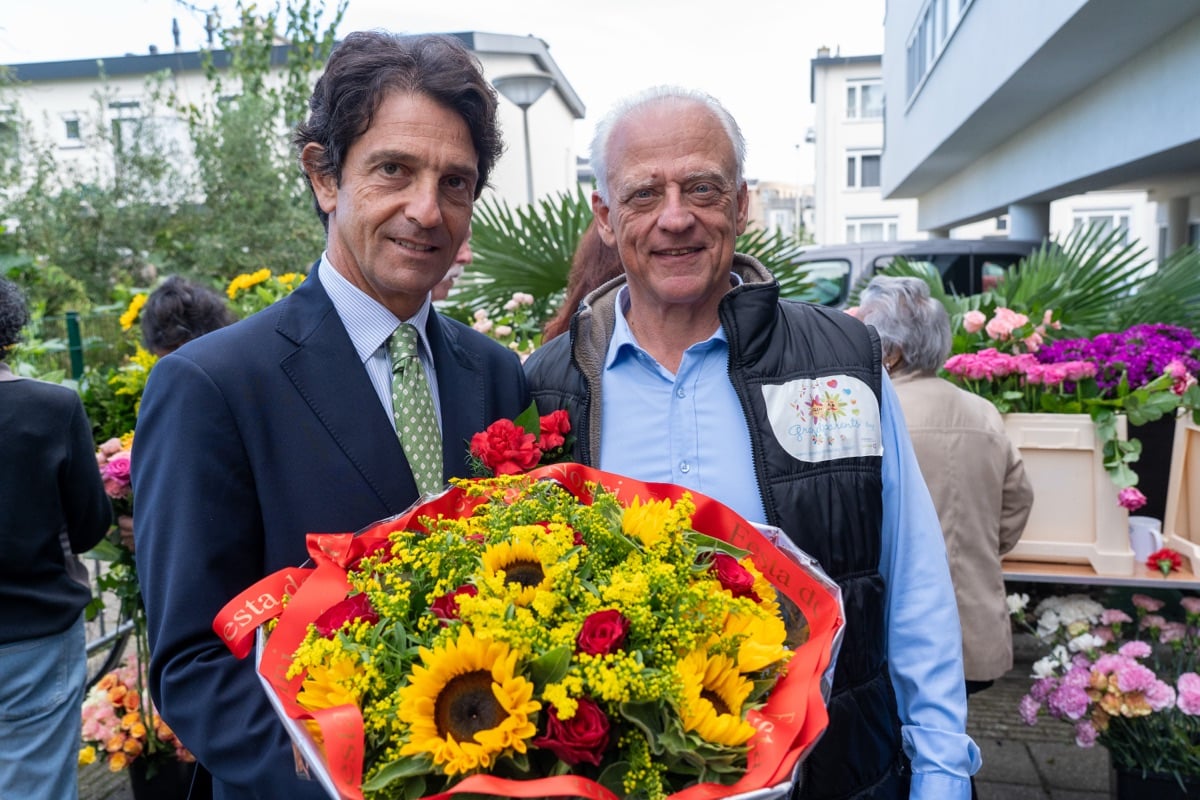
There is a variety attached to the day. Rose Clarence+ is named for Clarence Seedorf, the former Dutch AC Milan midfielder, who serves as ambassador of the Festa dei Nonni. When the Italian Ambassador to the Netherlands, Augusto Massari, met Lansdorp at The Hague for the twentieth anniversary, the bouquet he was handed was Clarence+. Orange, which for a Dutch delegation needs no explaining.
The name itself goes back to Expo Milano 2015, where the foundation honored Seedorf in the Dutch pavilion by naming a rose after him: Clarence+. In The Hague on 2 October 2026, the same rose went home with the children. "For me, that is a beautiful example of how a flower, even years after it got its name, can still tell a social story," Lansdorp says.
What the Day Is Actually For
The stated purpose is not sentiment. It is loneliness. Elderly people living alone or in care lose the social network that family and work once supplied, and the foundation treats a visit and a bunch of flowers as a way to interrupt that. Children from local schools deliver arrangements to elderly residents who get no visitors at all.
Underneath sits an argument about what grandparents are worth to society. They carry traditions, they hold the family's stories, and in a lot of households they do the childcare that lets both parents work. The importance of that is easy to state and easy to ignore. A date on the calendar makes it harder to ignore, and gives people one fixed moment to show respect and gratitude to the grandparents in their lives.
From Jubilee to Partnership: The Festa dei Nonni in 2026
So, what came after the jubilee? Well, the 2025 anniversary year was never only a diplomatic bouquet. During the Week against Loneliness, the foundation ran activities in Amsterdam with the City of Amsterdam and the childcare organization Partou, using flowers to bring children and elderly people together. Amsterdam backed the initiative again in 2026, and this time Cordaan, one of the large care organizations in the city, joined as a partner; that linked Partou's childcare locations directly to Cordaan's residential care homes.
The new element was an animated film, based on the foundation's own Grandparents' Day fairy tale: Grootouderdag en de Kracht van de Roos, Grandparents' Day and the Power of the Rose. It premiered at Partou's De Marathon location in Amsterdam, and the children voiced it themselves, together with their location manager. The film was then shown at Cordaan locations as well.
All of that led up to 2 October in The Hague. About a hundred children and elderly people came together at De Participatie Keuken to celebrate the Italian tradition, with Ambassador Augusto Massari present, an Italian lunch, flower workshops, and the foundation's ambassador Gerda Lenten-Havertong. Clarence Seedorf, an ambassador of the initiative since 2006, sent a video message. And every child went home with a Clarence+ rose, to give to a grandparent or to another older person who deserves the attention.
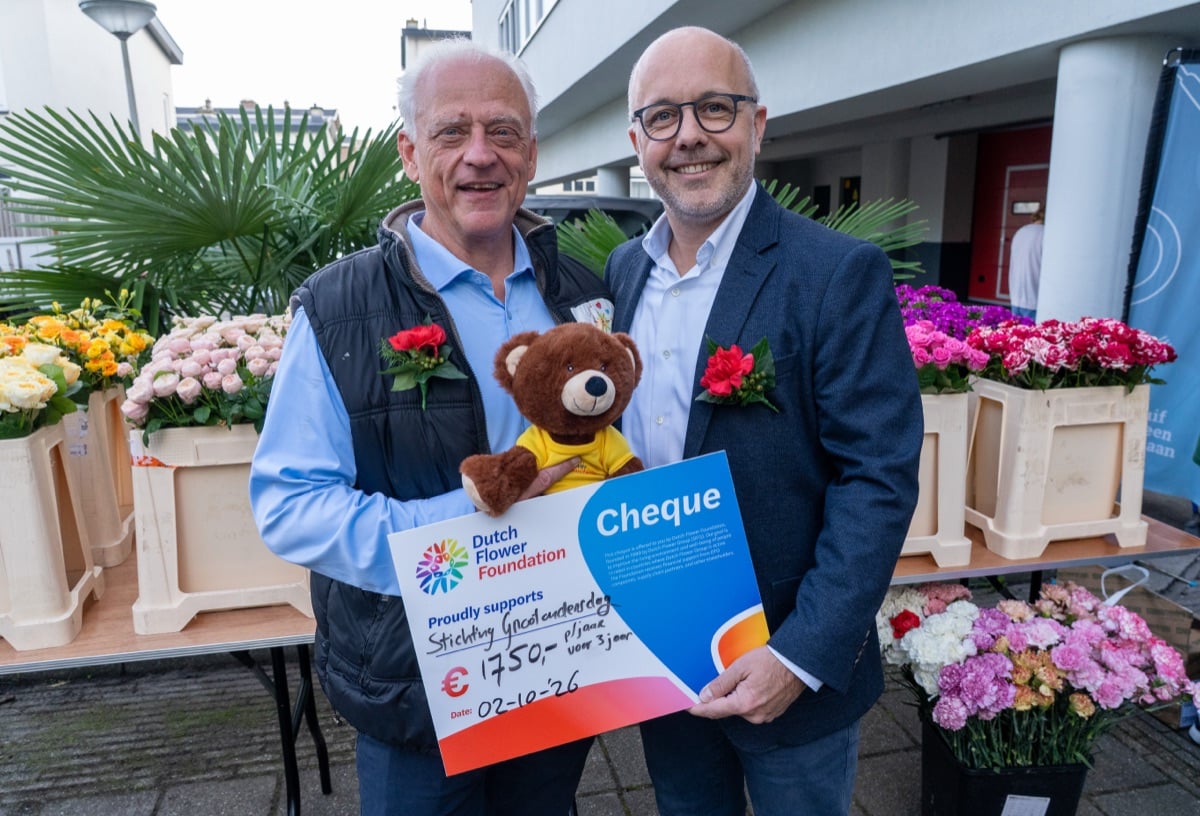
Lansdorp puts the shift plainly. "The most important difference from the jubilee year is that in 2026 we took a next step: from a festive commemoration to a broader social collaboration between childcare, elderly care, and the flower sector," he told Thursd in November 2026. The Dutch Flower Foundation has decided to support the foundation's activities financially for three years, which, he says, gives them the confidence to develop these social flower projects further.
How Other Countries Celebrate
Grandparents Day is celebrated all over the world, on a lot of different dates, and only some of those holidays are connected to each other.
United States
National Grandparents Day is celebrated on the first Sunday after Labor Day, in September. It has nothing to do with the Italian line. It came from West Virginia, where Marian McQuade campaigned through the 1970s until President Carter signed it into law in 1978.
Germany
Germany marks Grosselterntag on the second Sunday of October, which in 2027 lands on 10 October; the 2026 edition, on 11 October, was the fourth in Rudolstadt. That one does trace back to Italy, through the same foundation, and has been building out from Thuringia.
Elsewhere
France holds a grandmothers day, the Fete des Grand-Meres, on the first Sunday in March. Mexico, Brazil, and South Korea all honor old age and the family bond on their own dates. The Netherlands has no date in law yet, and securing one is what the foundation is working toward next. Given that Dutch growers were in the room in 1997, that circle is still open.
What It Means if You Sell Flowers
The useful part is the fixed date. 2 October 2027 is a Saturday, so the day itself falls on a buying weekend. Compare that with a floating Sunday and the planning advantage is obvious.
Is it a Mother's Day for florists yet? Not yet, and Lansdorp is careful about it. In Italy, the Festa dei Nonni now has a fixed place on the calendar, and more and more florists and online flower shops respond with special bouquets and arrangements. "Still, I would not want to compare the commercial significance with Mother's Day at this point. Reliable national sales figures are lacking for that," he says. What he would rather see is a florist working with schools, childcare organizations, care homes, and local associations, so that young people learn how valuable it is to give someone attention with flowers. This year, the foundation also named the actor, cabaret artist, and comedian Enrico Beruschi Italy's Nonno dell'Anno, Grandfather of the Year.
The wider point is about the calendar itself. The trade complains, with some justice, that the holidays are full and there is no room for anything new. Italy is the counter-example. Twenty years ago there was no Festa dei Nonni in Italian law; now there is a fixed date, a rose, an ambassador, and a foundation running events in three countries. Nobody discovered that occasion. A handful of growers and marketers argued it into existence, and then a parliament wrote it down.
The lesson is not really about grandparents. It is that an occasion can be created, if somebody is prepared to spend a decade creating it.
Photos by Charles Lansdorp (_grandparents_day).
About the author: Brian Okinda is an editor at Thursd and a trained journalist specializing in agriculture, science, and sustainable floriculture. He covers the flower industry from the inside, from farms and expos to the people behind the flowers. Connect with Brian on LinkedIn.