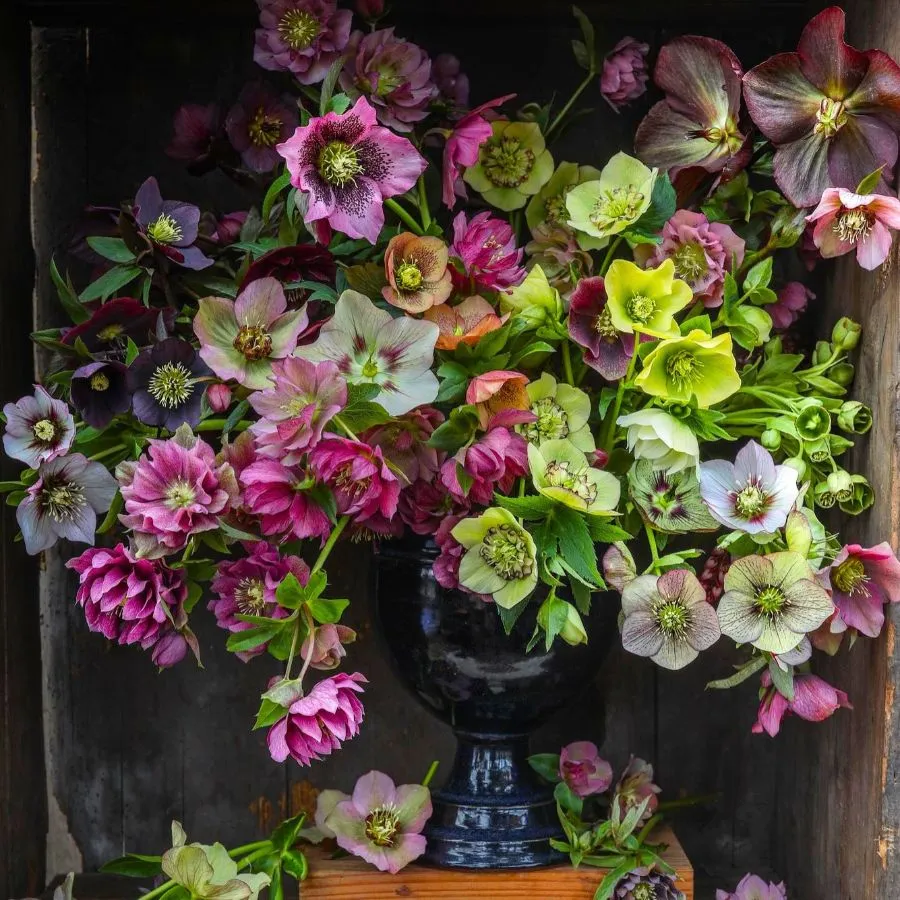
Ethiopia is best known for roses. When international buyers picture Ethiopian floriculture, they naturally imagine high-altitude, long-stemmed roses glowing under the equatorial sun. For years, roses have been the undisputed ambassador of the country's floral industry. However, across the far-reaching altitudes of Holetta, Ziway, Meki, Koka, Bishoftu/Debre Zeyit, Wonji, and the cool highlands surrounding Addis Ababa, alternative crops are emerging.
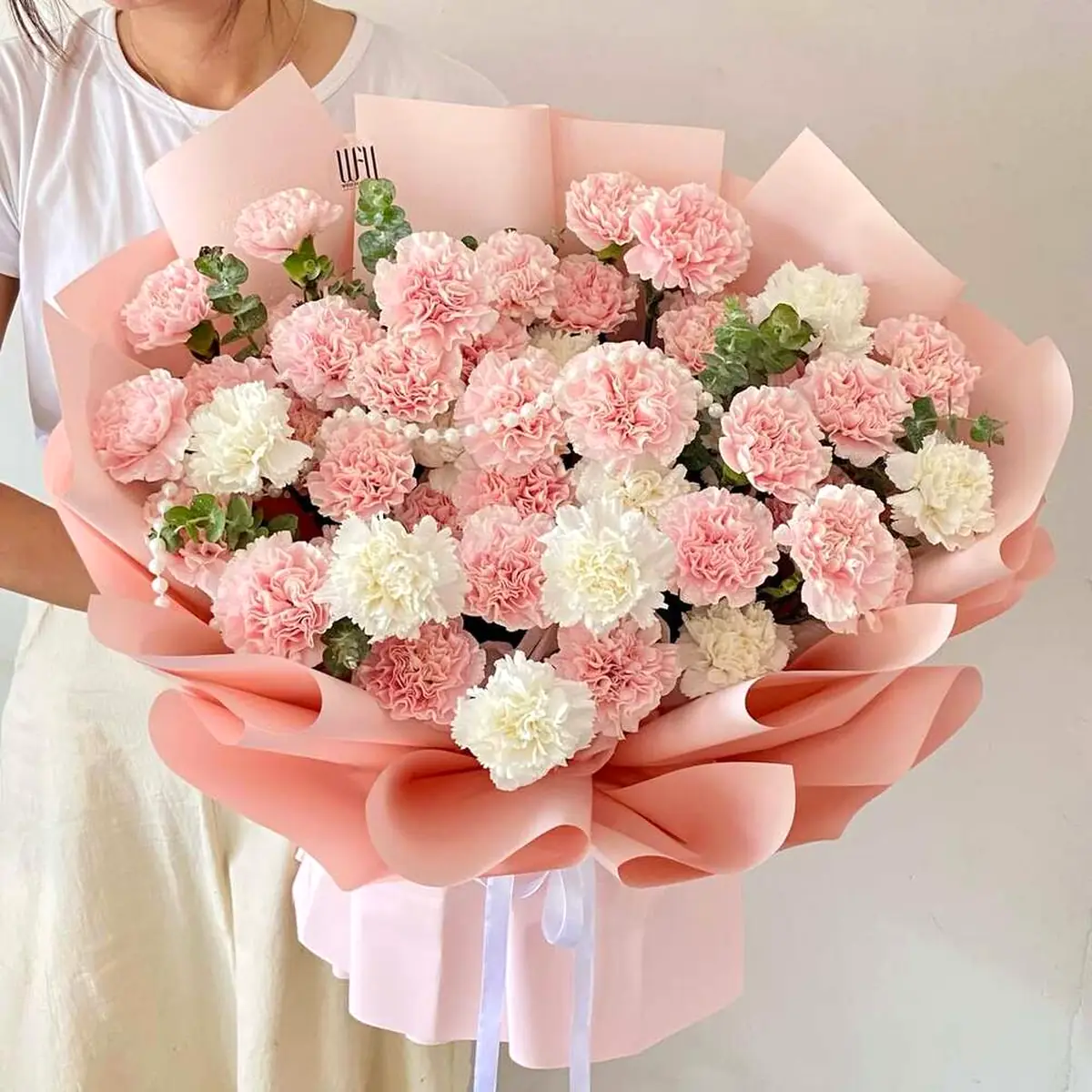
Driven by the proactive thinking of the Ethiopian Horticulture Producer Exporters Association (EHPEA), local flower growers are fast expanding their floral portfolios and are now shipping Gypsophila, Limonium, Hypericum, Eryngium, carnations, and even Alstroemeria and Eucalyptus foliage, among many others, to buyers abroad. This means Ethiopia is steadily converting its floricultural identity from being a single-flower powerhouse into a comprehensive, one-stop sourcing hub for global floral markets.
Strategic Product Diversification and Why It Is Essential
For years, the international floral supply chain functioned on a fragmented model: wholesalers, bouquet makers, and mass-market retailers sourced focal flowers from one region, filler stems from another, and structural foliage from yet another region. Since the current logistics environment is defined by high air freight rates, strict carbon accounting, and tight delivery windows, such a multi-source strategy creates unnecessary operational drag.
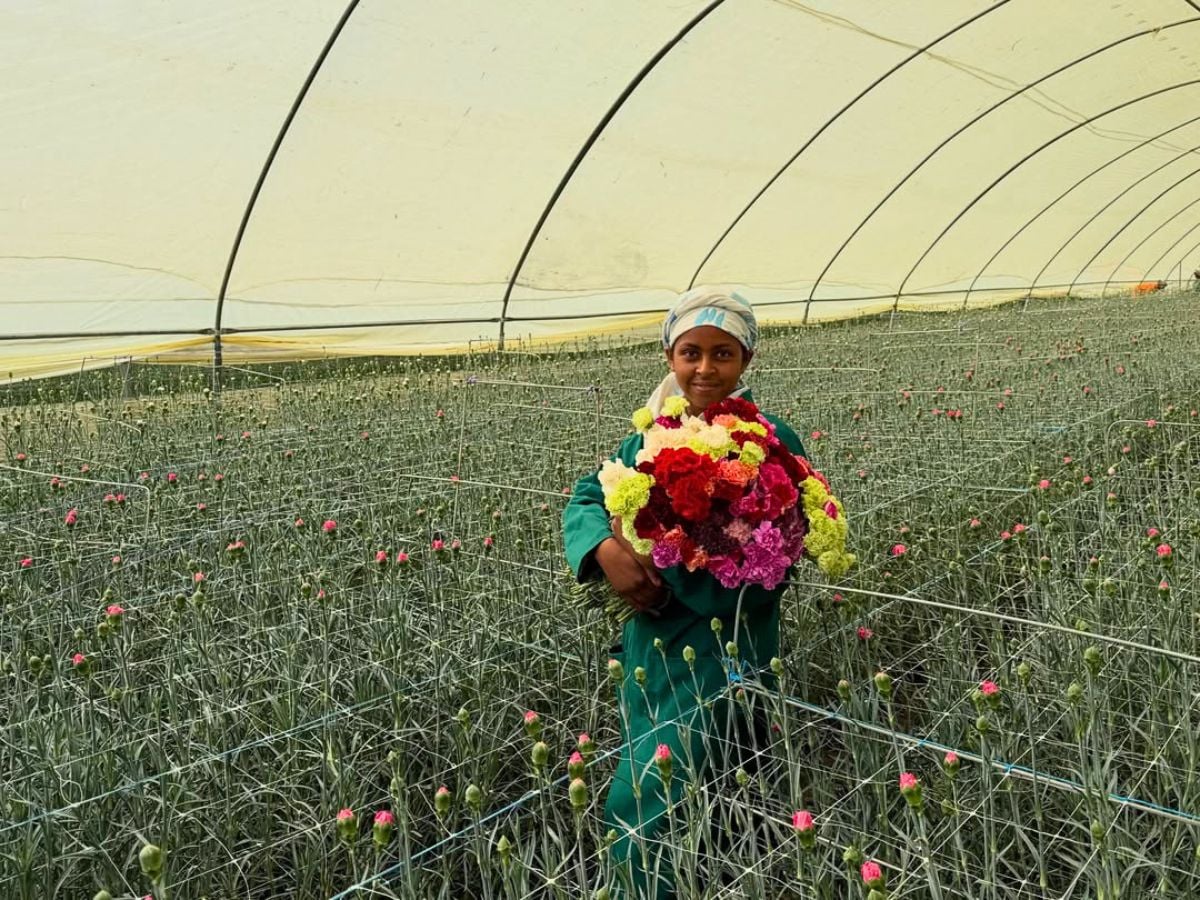
Taking note of these market dynamics, EHPEA has been supporting its member farms in widening their product lines, which has seen numerous economic and logistical benefits for international importers. These include:
- Single-origin consolidated air freight: Importers can build mixed pallets combining premium flowers, colorful summer fillers, and greens into one temperature-controlled shipment departing from Bole International Airport via Ethiopian Airlines Cargo.
- Lower landed costs: Consolidating shipments at the origin point reduces handling overhead, customs processing delays, and airport transfers.
- Continuous supply windows: Ethiopia’s unique topography, ranging from warm rift valley floors to cool high-altitude zones exceeding 2,200 meters above sea level, allows growers to maintain stable, year-round production of diverse varieties without seasonal production dips.
Why Growers Are Widening the Range
Roses still lead Ethiopian export volumes. But relying on one crop is risky when prices or buyer tastes change. Summer flowers and foliage spread this risk across more products and more selling seasons.
These specialty crops also suit the highland conditions that favor Ethiopian roses. Cool nights and strong sunlight produce dense, saturated flowers with a long shelf life. And EHPEA applies the same Code of Practice to these newer crops, so buyers see consistent standards across the whole range.
Some of the Summer Flowers Leading the Diversification
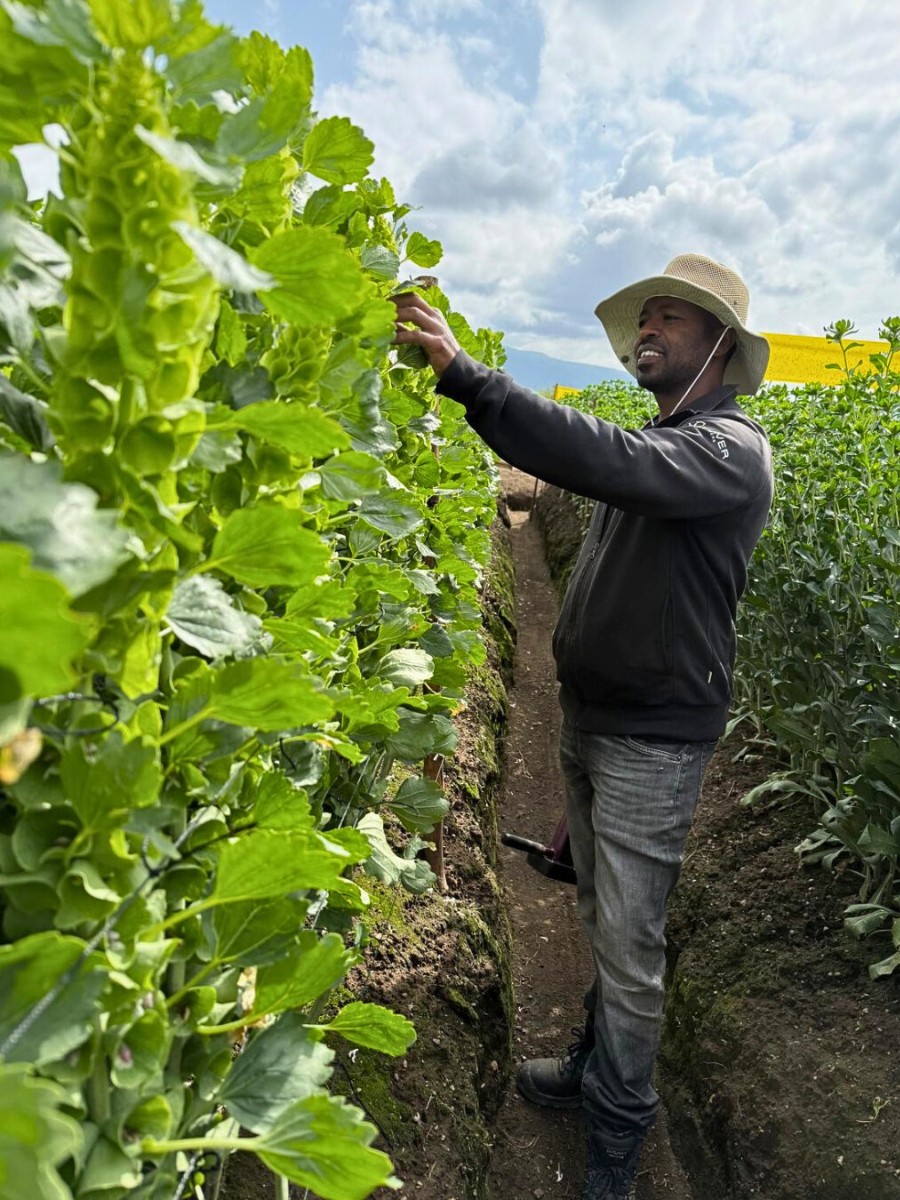
Gypsophila is the strongest success story in this segment. Dutch grower Klaver Flowers first tried lilies at its Wondo Tika farm near Hawassa, and then moved to Gypsophila after finding it suited local conditions and export logistics better. At least 60 of the grower’s roughly 90 cultivated hectares grow Gypsophila, yielding around 50 million stems a year. Limonium covers about 20 hectares and produces up to 20 million stems annually. Rotating the two crops helps keep the soil healthy. Others like Craspedia and Moluccella complete the grower’s range.
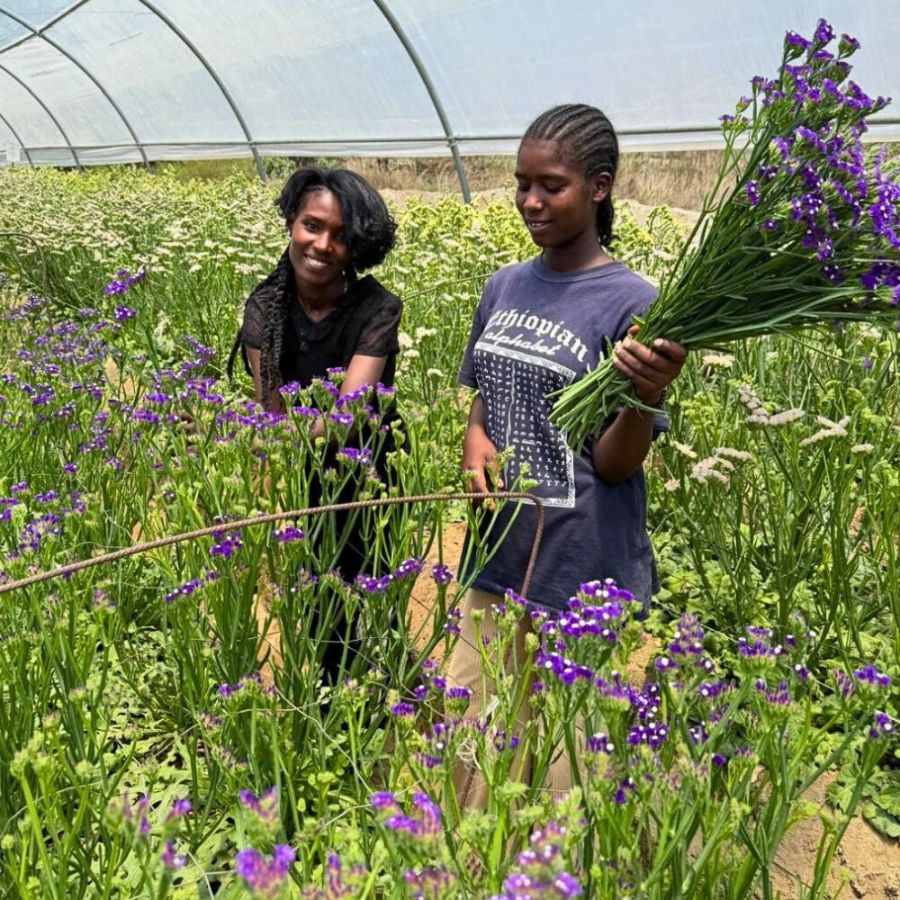
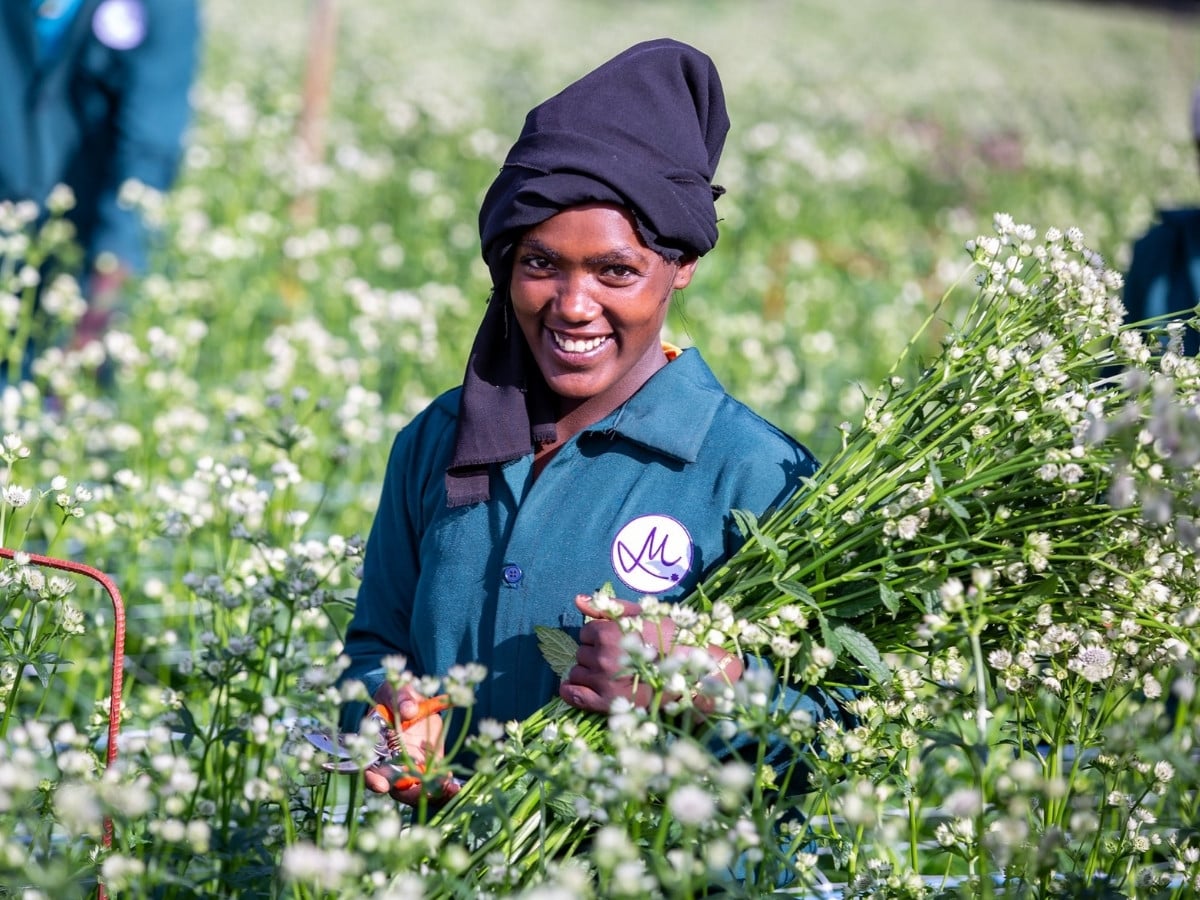
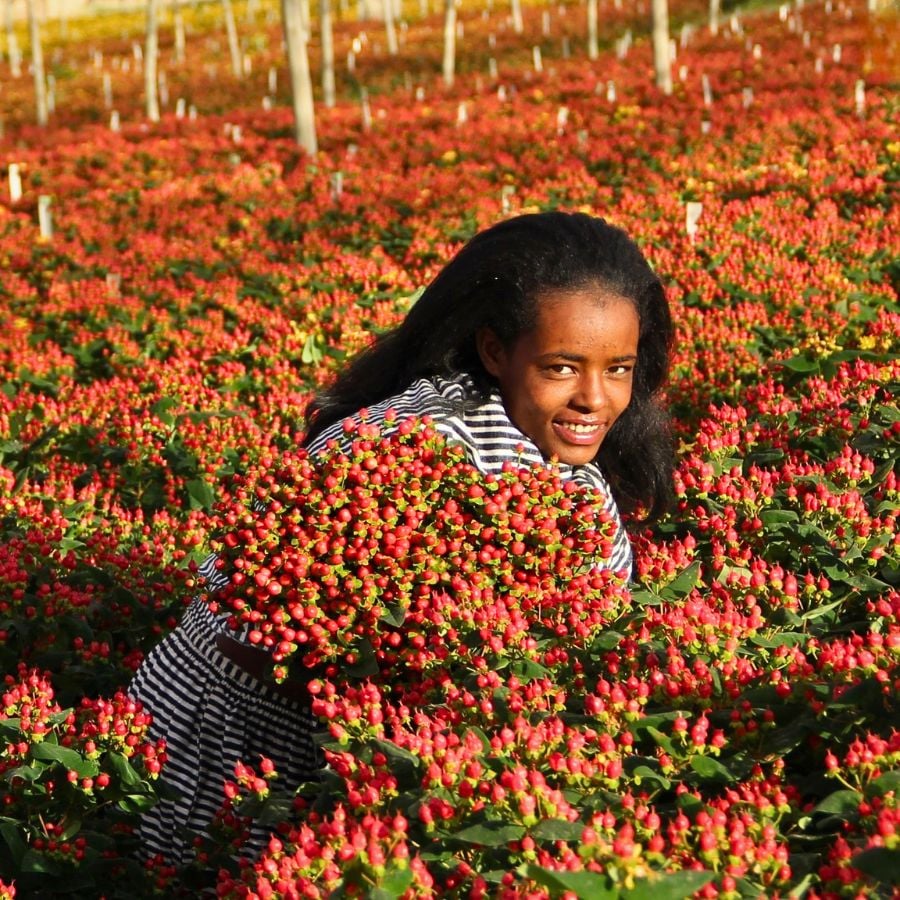
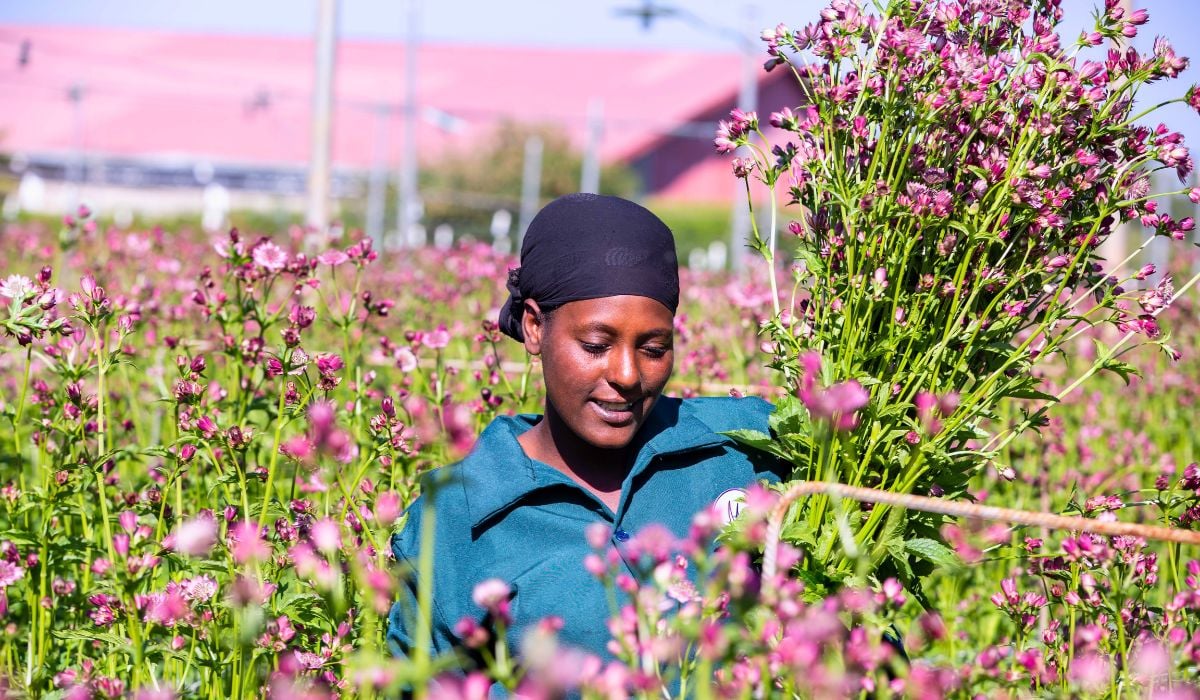
Higher up, Marginpar grows specialty flowers near Holetta at about 2,500 meters, including the Eryngium Questar series, Astrantia, Agapanthus, Ammi, and Daucus. Eryngium suits the cool Holetta climate well, since its sturdy, spiky blue heads add texture to bouquets and hold up during transport. Hypericum and carnations, meanwhile, have appeared on Ethiopian export lists for roughly two decades and still anchor many mixed bouquets, giving buyers reliable color and volume alongside the newer specialty flowers.
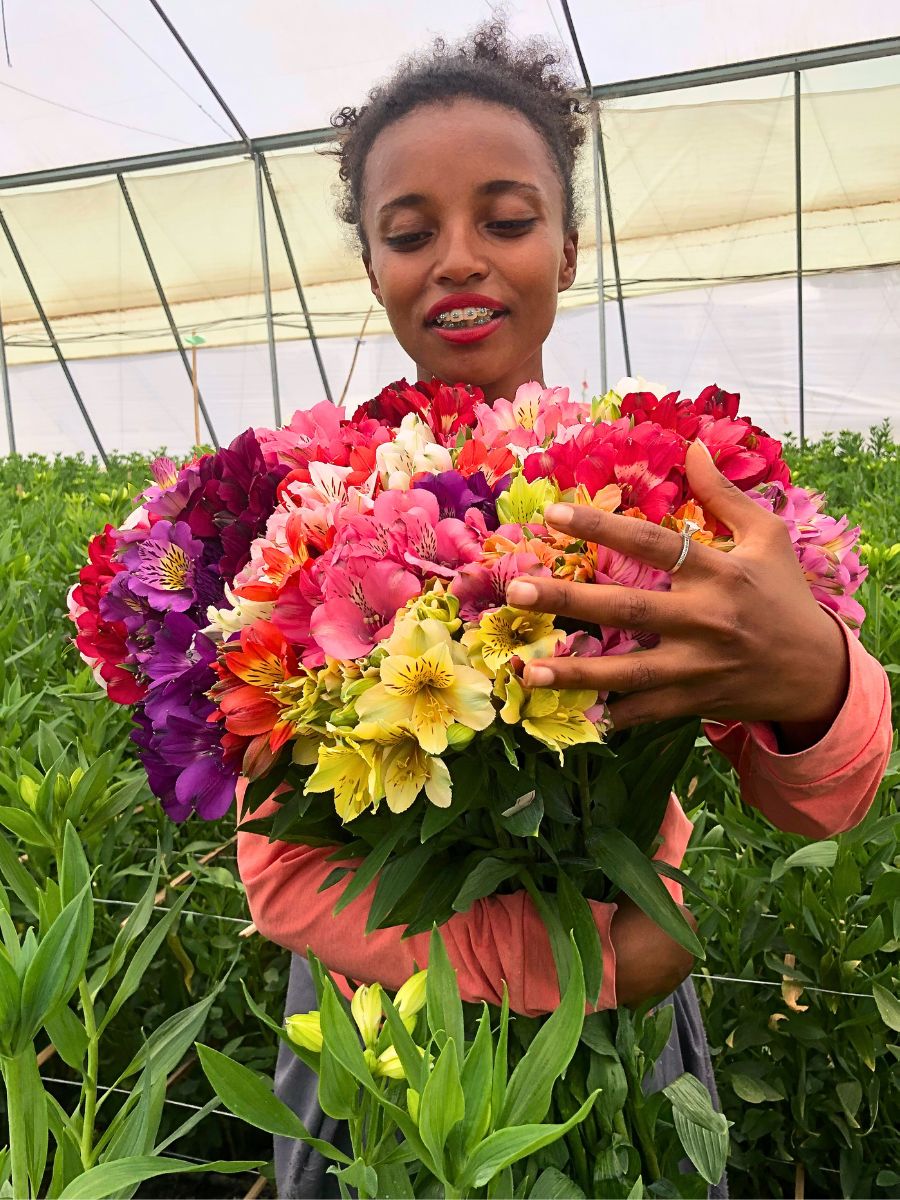
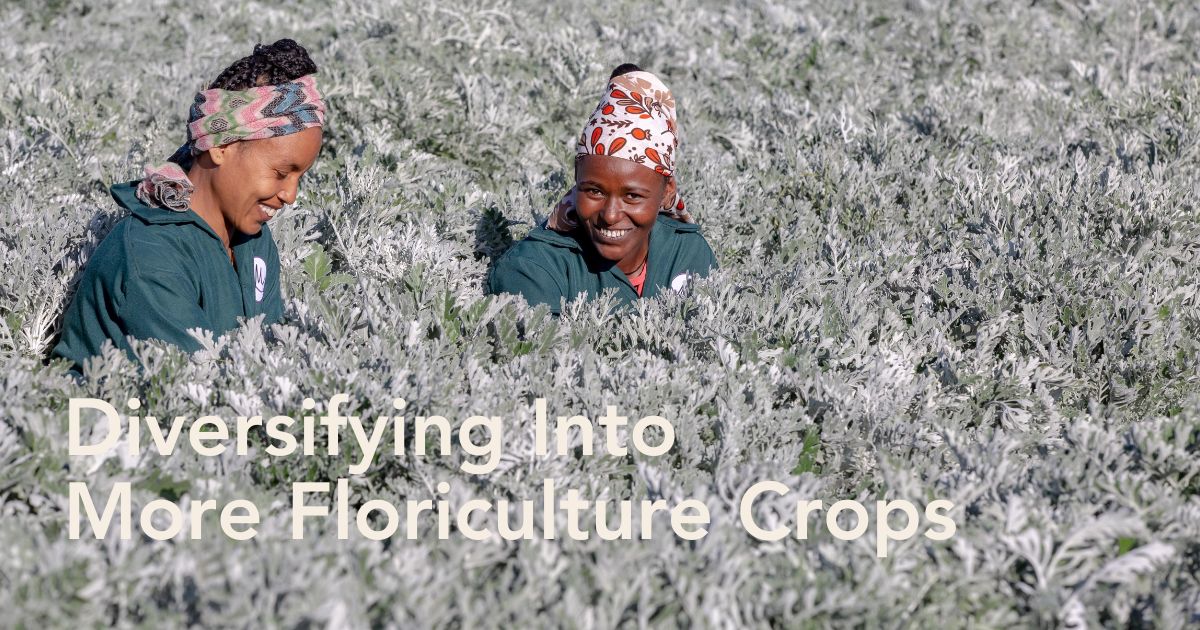
Elsewhere in Bishoftu, AQ Roses grows Alstroemeria in an expanding phased production model. Cut foliage is one of the newest additions to the Ethiopian floriculture industry’s assortment. Afri Flower, Gallica Flowers, and Friendship Flowers have introduced crops like Eucalyptus types such as silver dollar, baby blue, Pinus parviflora, Italian Ruscus, and lemon bush, among others, which designers use as fillers.
Breeder Partnerships and Trial Sites
This rapid crop diversification and expansion is largely the result of collaboration between international plant breeders and EHPEA member farms. Leading breeders from the Netherlands, Israel, Germany, and other regions recognize Ethiopia's geographical advantages, including its high daily solar radiation, warm days, and cool nights. To leverage these conditions, breeders have established on-farm trial sites across several major production clusters, so such new crops reach commercial scale only after thorough testing.
Growing flowers at Asella Flower Farms PLC. Reel by @floralchaingroup
Klaver Flowers, for instance, buys mother plants from breeders including HilverdaFlorist, Danziger, and Selecta Cut Flowers, then propagates and multiplies them on their Wondo Tika nursery, which secures planting material year-round. The trial farms evaluate crops like Delphinium, Statice, Veronica, Lepidium, and Helianthus before wider planting. Marginpar likewise does phased expansion with breeding partners to trial and scale varieties suited to local conditions.
Also, the trial sites maintained by these growers double as practical educational hubs where local agronomists, farm supervisors, and plant managers master specific pruning, pinching, and irrigation techniques tailored to non-rose crops.
Certification Standards Across the Farms
But variety alone does not win flower orders. Buyers also want proof of responsible production, and EHPEA's Code of Practice gives them a common benchmark. Klaver Flowers holds the EHPEA Code of Practice Silver accreditation, follows GlobalG.A.P. benchmarks, carries MPS-ABC certification, and complies with the Floriculture Sustainability Initiative (FSI).
Marginpar Ethiopia, on the other hand, reports 100% FSI compliance across its flower farms. Because these standards apply to summer flowers as well as roses, an importer can audit a mixed order against one framework instead of several. The growers also support their workforces and surrounding communities, which many European retailers now view as a purchasing requirement.
Post-Harvest Excellence for Non-Rose Varieties
Different varieties have distinct post-harvest requirements. A cold-chain or hydration protocol built for a hybrid tea rose can damage delicate herbaceous flowers or cause flower drop in varieties like Gypsophila. Under the guidance of EHPEA’s Code of Practice framework, farms have, as a result, updated their workflows to support diversified crop lines:
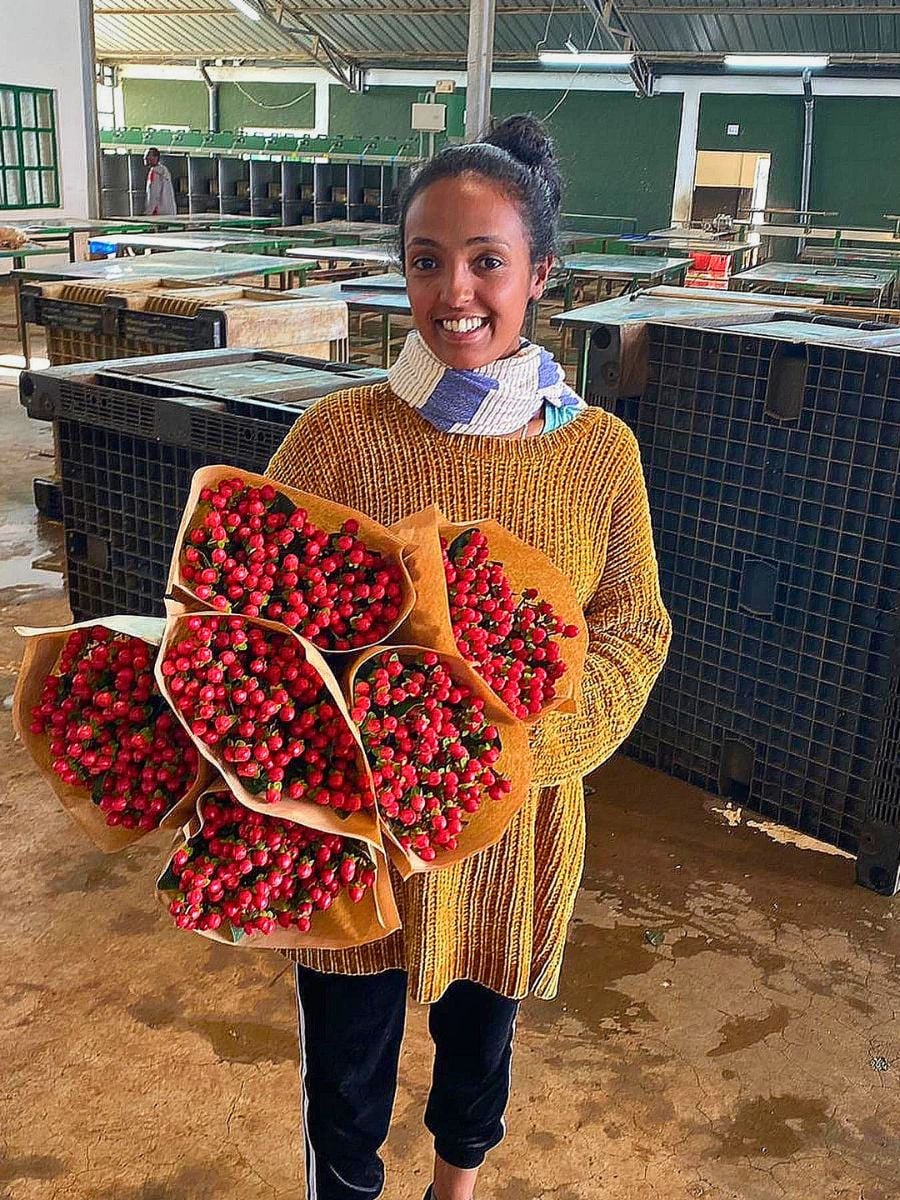
- Targeted hydration formulations: Varieties like Eryngium and Hypericum receive custom post-harvest hydration formulas immediately after cutting to prevent vascular blockage and ensure clear water uptake.
- Anti-ethylene protection: Sensitivity to ethylene gas varies across different varieties. Carnations and other delicate summer flowers are treated with specialized anti-ethylene solutions in temperature-controlled staging areas to prevent premature senescence.
- Calibrated cold storage: Packhouse cold rooms are calibrated to maintain precise humidity levels and temperatures between 2°C and 4°C, protecting flowers like Gypsophila from condensation and Botrytis during transit.
Diversification Is Building a Stronger, More Resilient Floral Sector
For Ethiopia's floriculture industry, diversification matters as much for economic stability as for product design. Expanding beyond a rose-only production model, therefore, helps insulate growers from market fluctuations, protects against holiday demand swings, and creates varied job opportunities across the flower clusters and rural communities.
Feature image by @marginpar.