If you’ve not quite noticed it, some of the most stunning flowers around do not wait for warmer days to bloom. They do so regardless of the conditions, pushing through the frost and cutting through grey wintry skies, just so they can add color to what many assume is generally a flowerless season.
Perhaps you have a small container garden that you tend, or a sprawling backyard garden; an idea of which flowers bloom in winter, and those that are right for you, can completely change how you experience the colder months. So, here is a wide-ranging guide to cold-season flowering plants, their growing needs, and how to get the most from them.
Yes, There Are Flowers That Bloom in Winter
To start with, a common assumption for many is that the garden goes dormant the moment temperatures drop. But in reality, a wide range of flowering plants has been naturally equipped to do the opposite.
There are flowers that bloom in winter, in late winter, and even through frostiness, and many of them rank among the most charming and resilient that you can grow. For gardeners and those enthusiastic about flowers and plants, these cold-season flowering plants offer a great opportunity to keep a garden alive 365 days a year.
What Makes a Flower Bloom in Winter?
Not every plant can survive, let alone flower, when temperatures fall and daylight shortens. The ones that do share a set of traits.
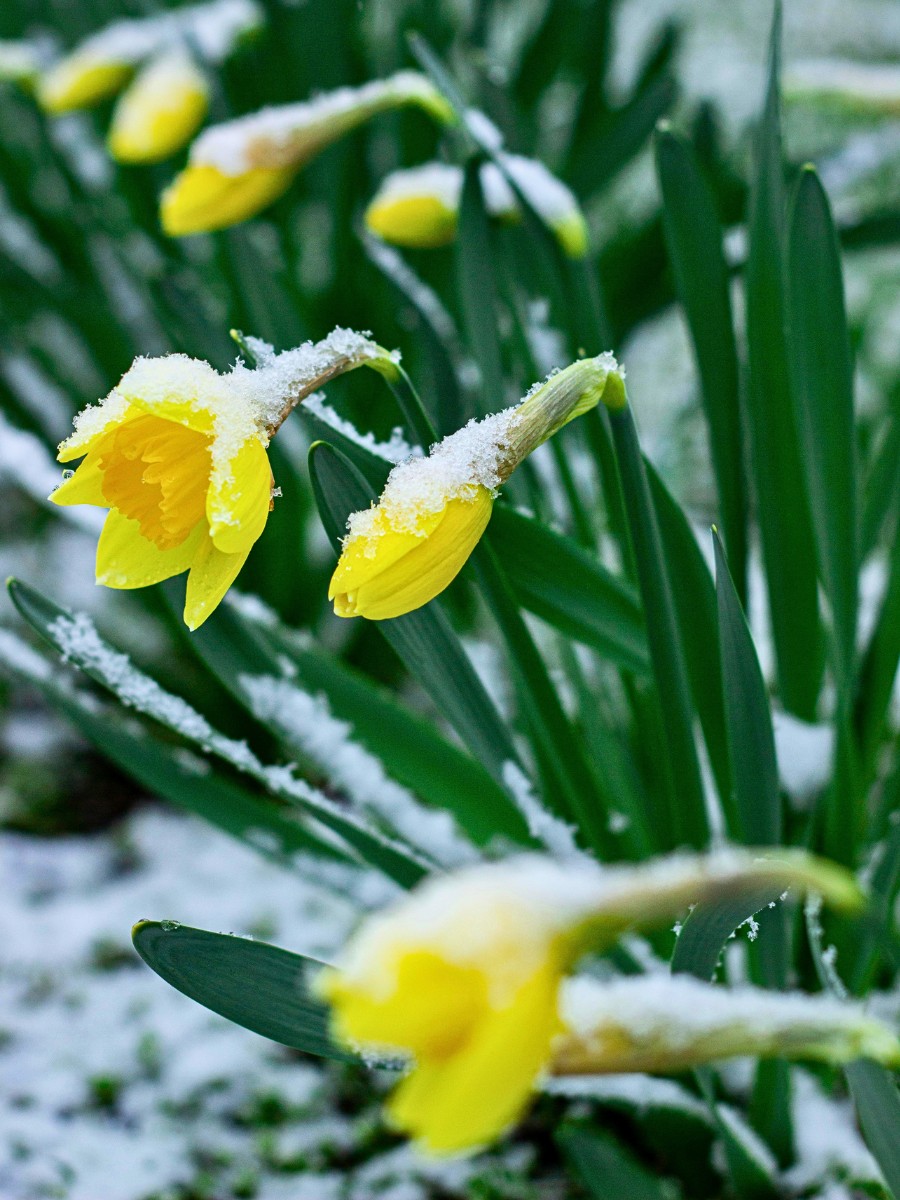
- Cold hardiness is built into their biology: Winter-blooming plants have evolved mechanisms that prevent their cells from freezing and rupturing. Many produce natural antifreeze compounds, while others rely on protective wax coatings on their petals or the insulating layer of their own dense foliage to shield developing flower buds from the worst of the cold.
- A different relationship with daylight: Most flowering plants are triggered into bloom by increasing day length, which is why spring and summer are so flower-rich. Winter bloomers work differently. Many are triggered by the shortening days of autumn, which prompt them to prepare their buds well before temperatures drop. By the time winter arrives, their buds are already set and ready to open at the first mild spell.
- Deep, well-developed root systems: Perennial winter bloomers like Hellebores, witch hazel, and Daphne invest heavily in their root systems before their above-ground flowering begins. These roots draw on stored energy reserves to push flowers even when the soil is cold, and photosynthesis is limited, which is why established plants flower more reliably than newly planted ones.
- Pollination strategies suited to the season: Because pollinating insects are scarce in winter, many winter-blooming flowers are strongly fragrant to attract the few bees and flies active on milder days. Others, like snowdrops and winter aconite, time their opening to coincide with the warmest part of the day to maximize the chances of a visit.
- Structural resilience: Winter-blooming flowers tend to be thicker-petaled and more durable than their spring and summer counterparts. They are made to withstand rain, wind, and frost without collapsing, which is why a Camellia flower or a Hellebore can remain in good condition for weeks.
It is important to understand these qualities since they help explain not just which flowers bloom in winter, but also why they perform so reliably when everything else in the garden has stopped.
What Are the Flowers That Bloom in Winter?
Hellebores (Helleborus spp.)
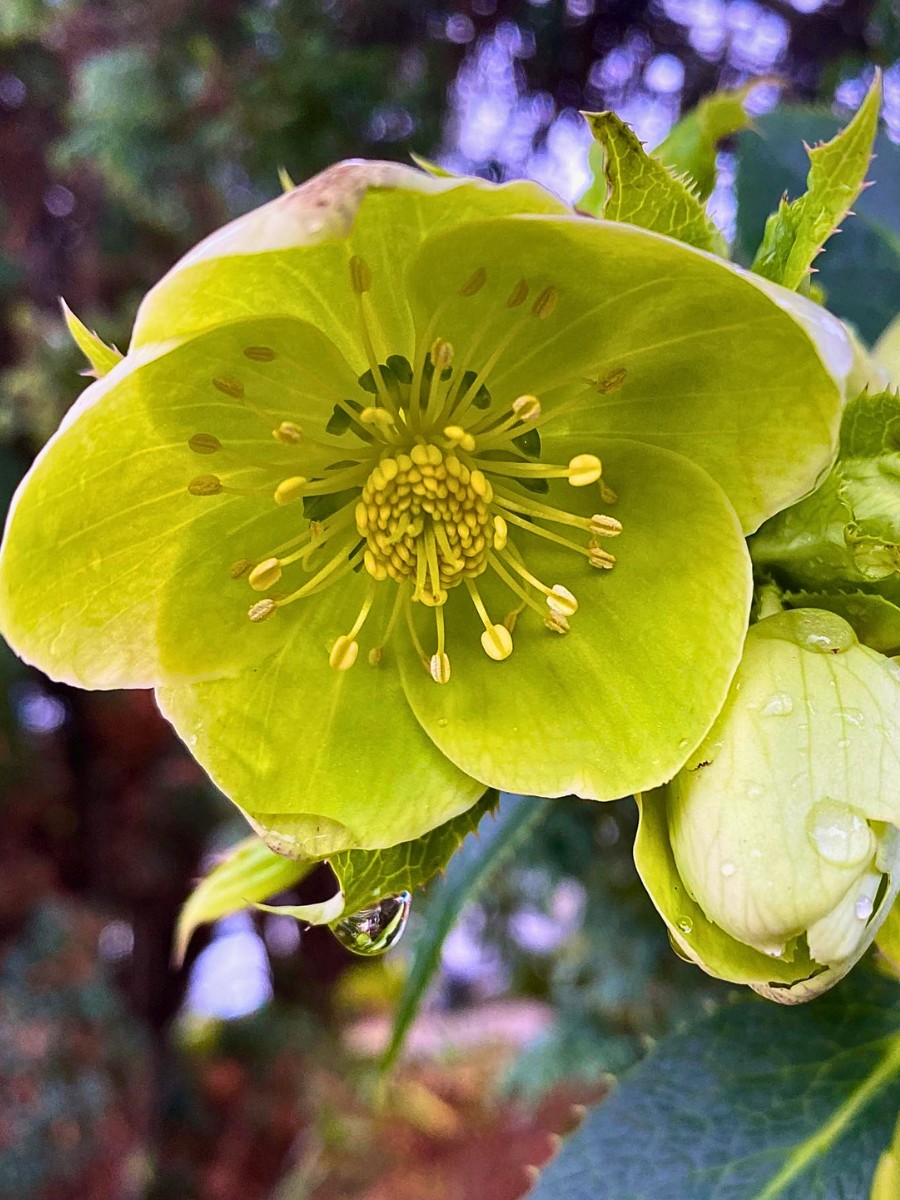
Hellebores are perhaps the most celebrated of all flowers that bloom in winter. Also called Lenten roses or Christmas roses, depending on the variety, these perennials produce nodding, cup-shaped flowers in white, deep burgundy, soft pink, slate purple, and near-black. They begin flowering as early as December and continue well into spring.
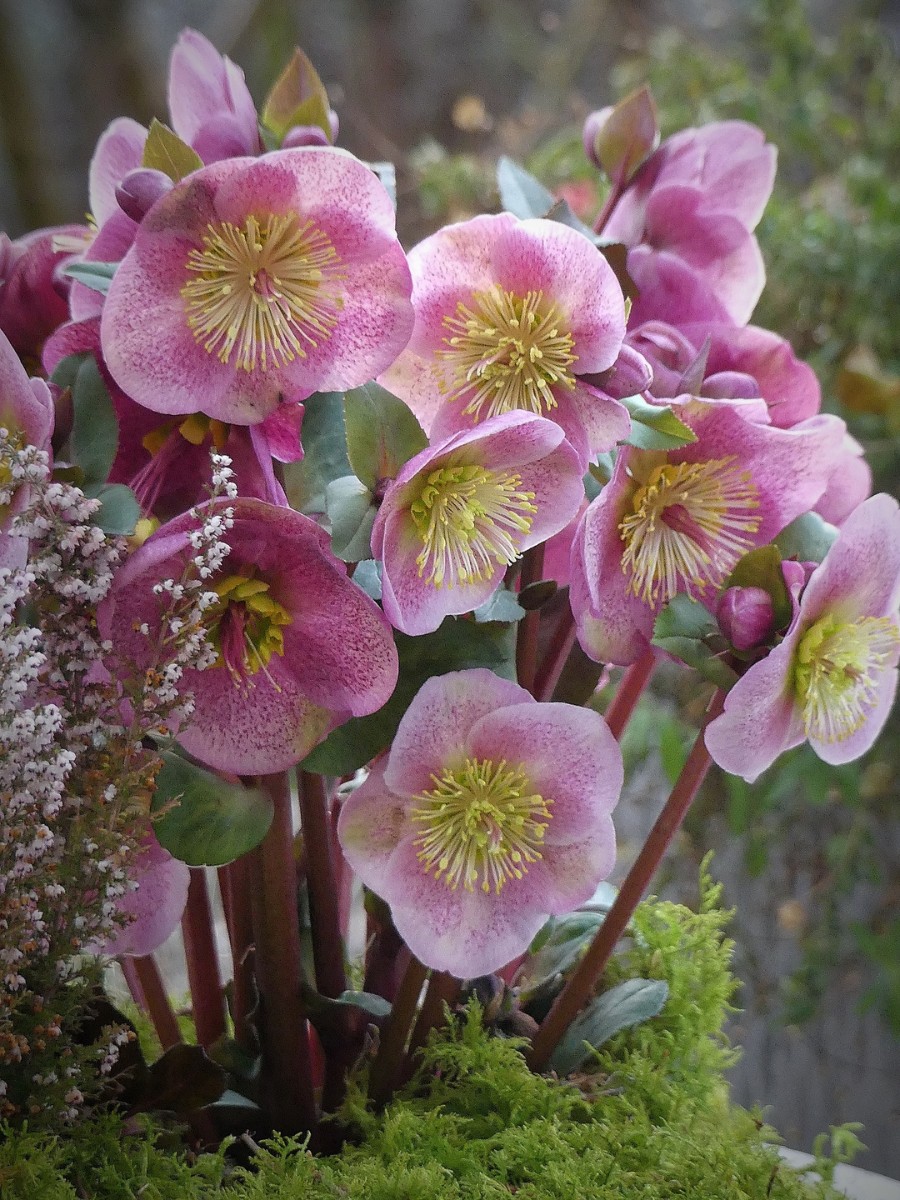
Hardy in USDA zones 4 through 9, Hellebores prefer partial to full shade and well-drained soil. Once established, they are drought-tolerant and self-sufficient, with evergreen foliage that stays attractive year-round. Because their flowers face downward, planting them on a slope or raised bed gives you a better view of the markings inside each flower.
Snowdrops (Galanthus nivalis)
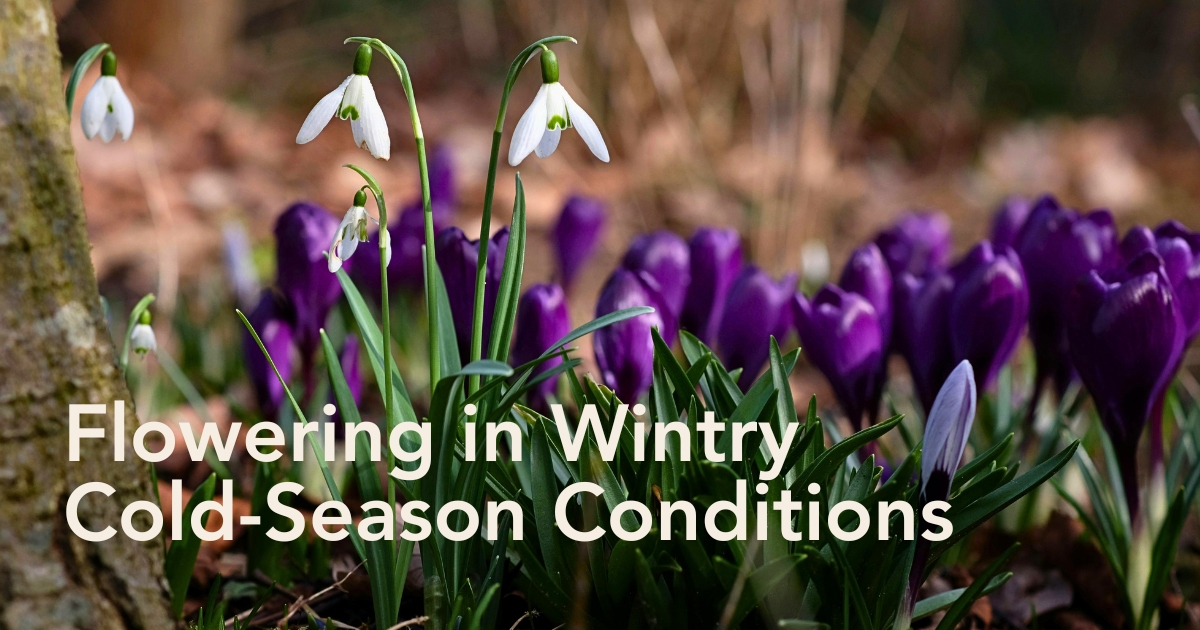
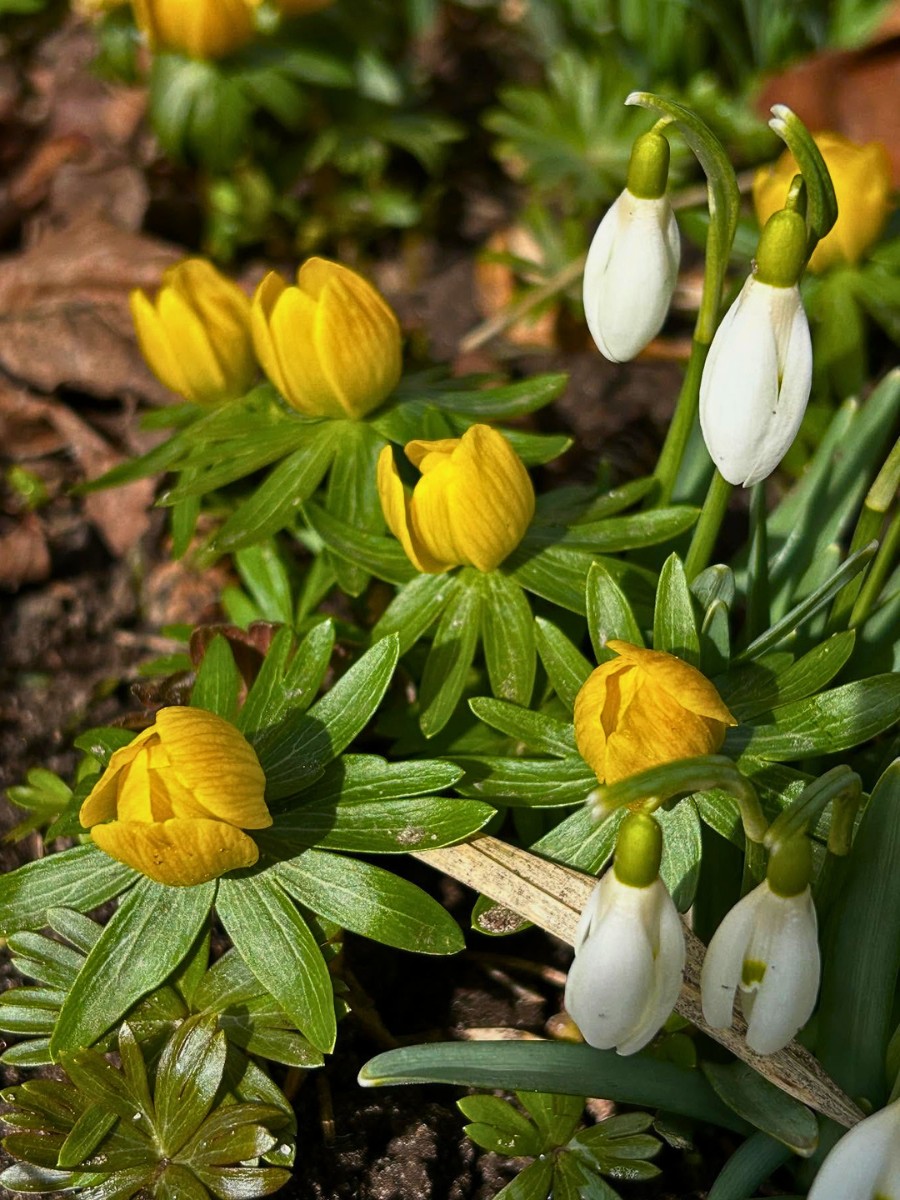
Snowdrops are among the first flowers that bloom in late winter, often appearing in January or February while snow is still on the ground. Their small, white, pendulous flowers carry a subtle fragrance and possess a graceful delicacy that belies their toughness.
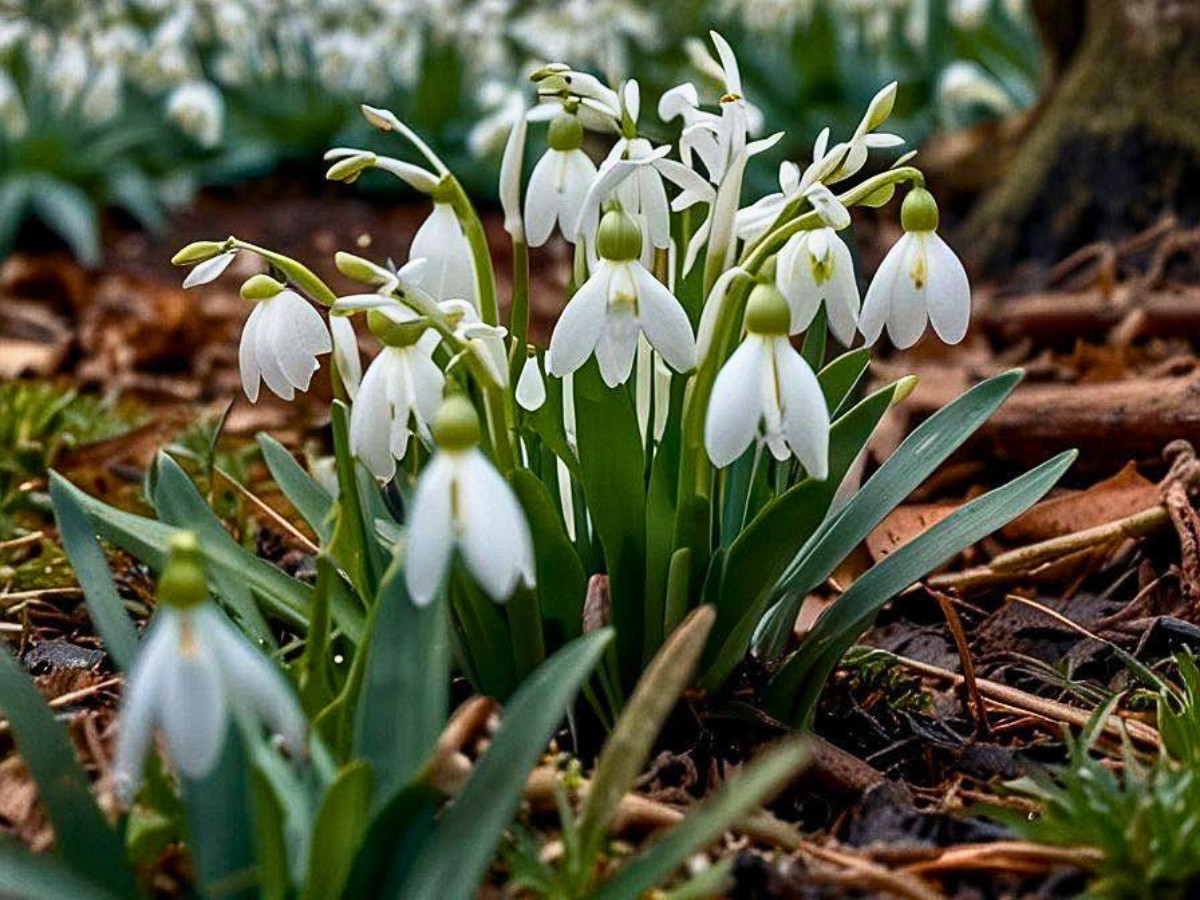
These bulbous perennials naturalize well beneath deciduous trees, in lawns, and along shaded borders. Hardy in zones 3 through 7, they thrive in cool, moist soil and dappled light. Plant them in generous groups for the greatest effect.
Witch Hazel (Hamamelis spp.)
Witch hazel is one of the most dramatic flowering shrubs of winter. Its spidery, ribbon-like flowers in yellow, orange, or red appear on bare branches from December through February, and the blossoms are sweetly fragrant, perfuming a garden from several feet away.
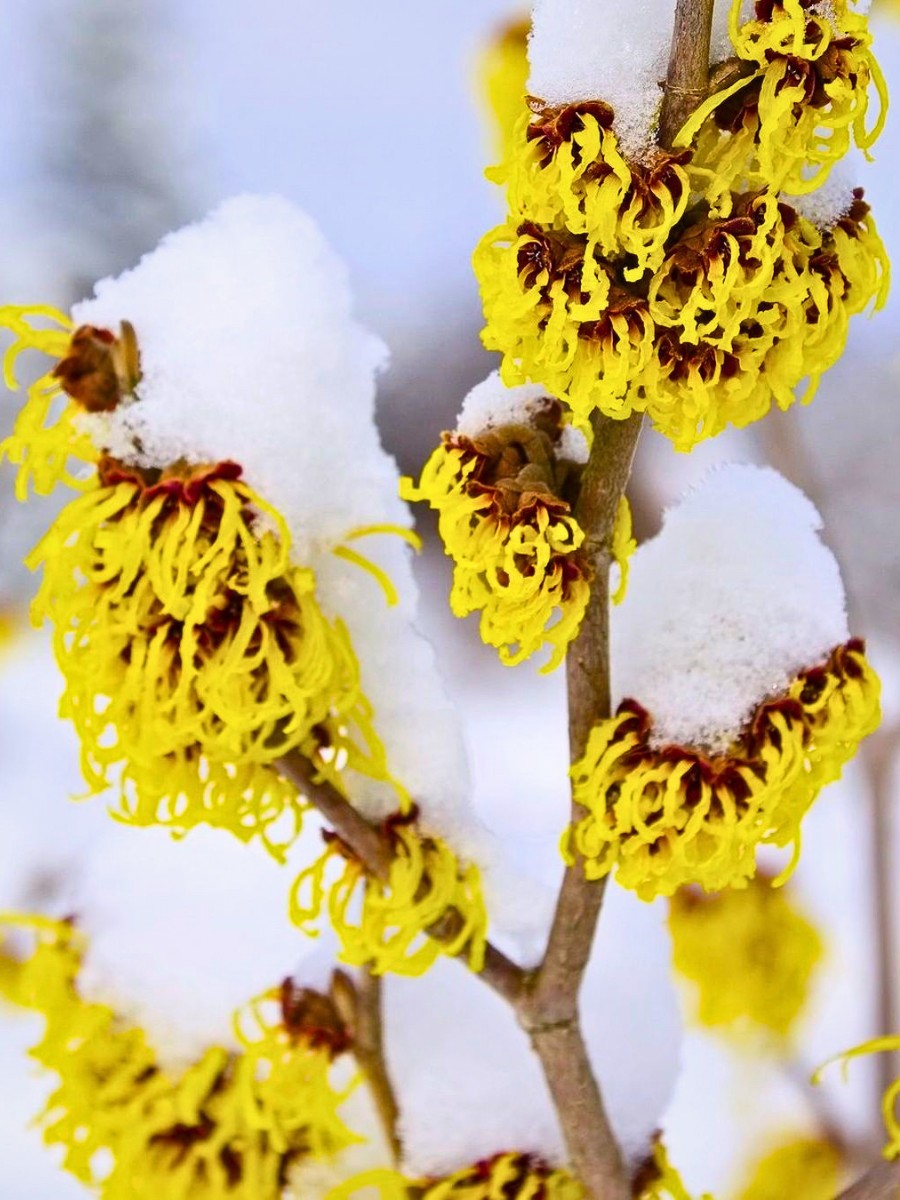
Native species like Hamamelis virginiana are hardy across much of North America. Cultivated hybrids such as 'Arnold Promise' and 'Jelena' offer excellent color and reliable winter performance. Plant it where you can see and smell it from indoors, in full sun to partial shade, and moist, acidic soil.
Pansies and Violas (Viola spp.)
Pansies and violas are the hard workers of the cool-season garden. Available in an almost limitless range of colors, from pure white to near-black and in solid and multicolored patterns, they are among the most accessible flowers that bloom in winter for gardeners at every experience level.
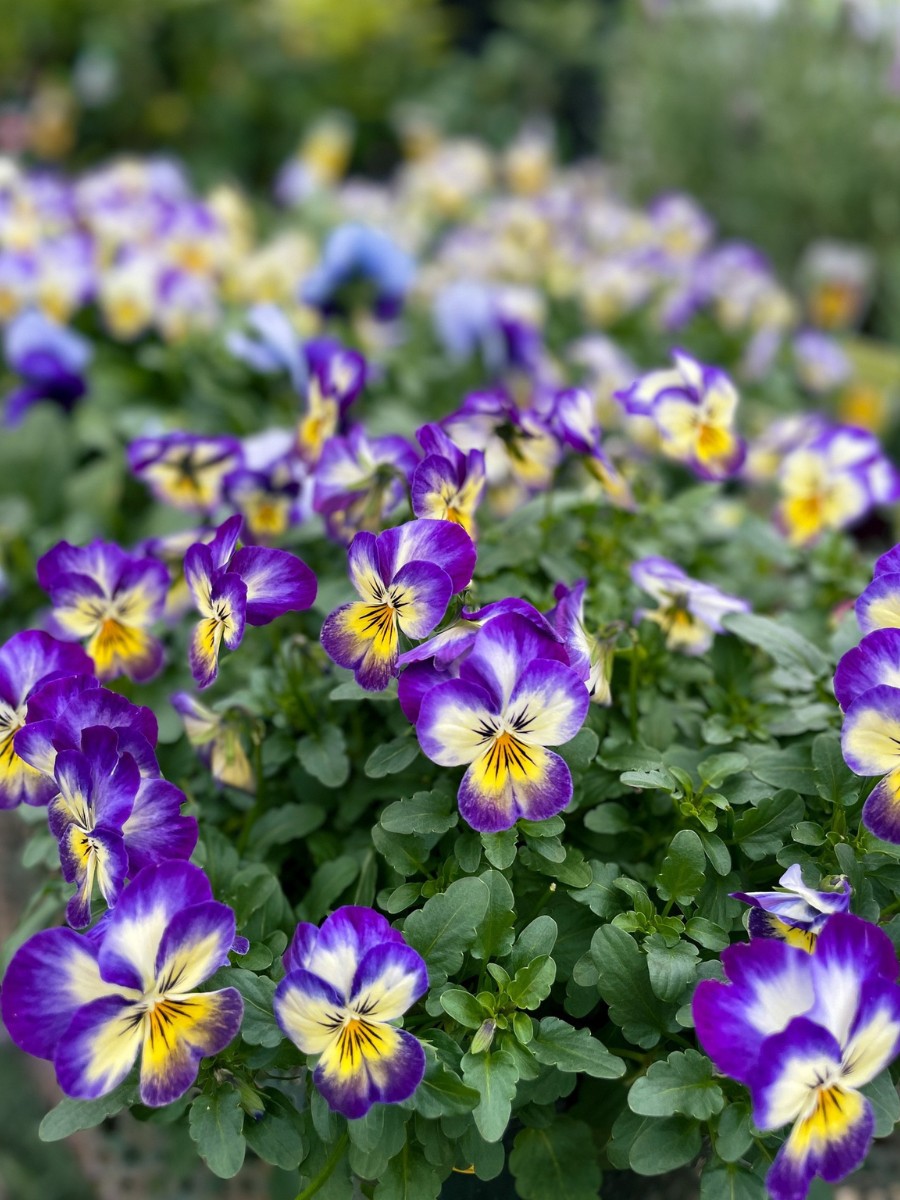
Pansies tolerate frost well and flower through most of the winter in zones 6 and warmer. In colder climates, they are planted in the fall and again in early spring. They perform well in containers, window boxes, and borders, and regular deadheading extends their flowering period considerably.
Camellias (Camellia japonica and C. sasanqua)
Camellias rank among the most elegant flowers that bloom in the winter. Camellia sasanqua varieties flower from October through December, while Camellia japonica cultivars carry the season forward into spring. Their flowers resemble roses or peonies in form and come in white, soft pink, and deep red.
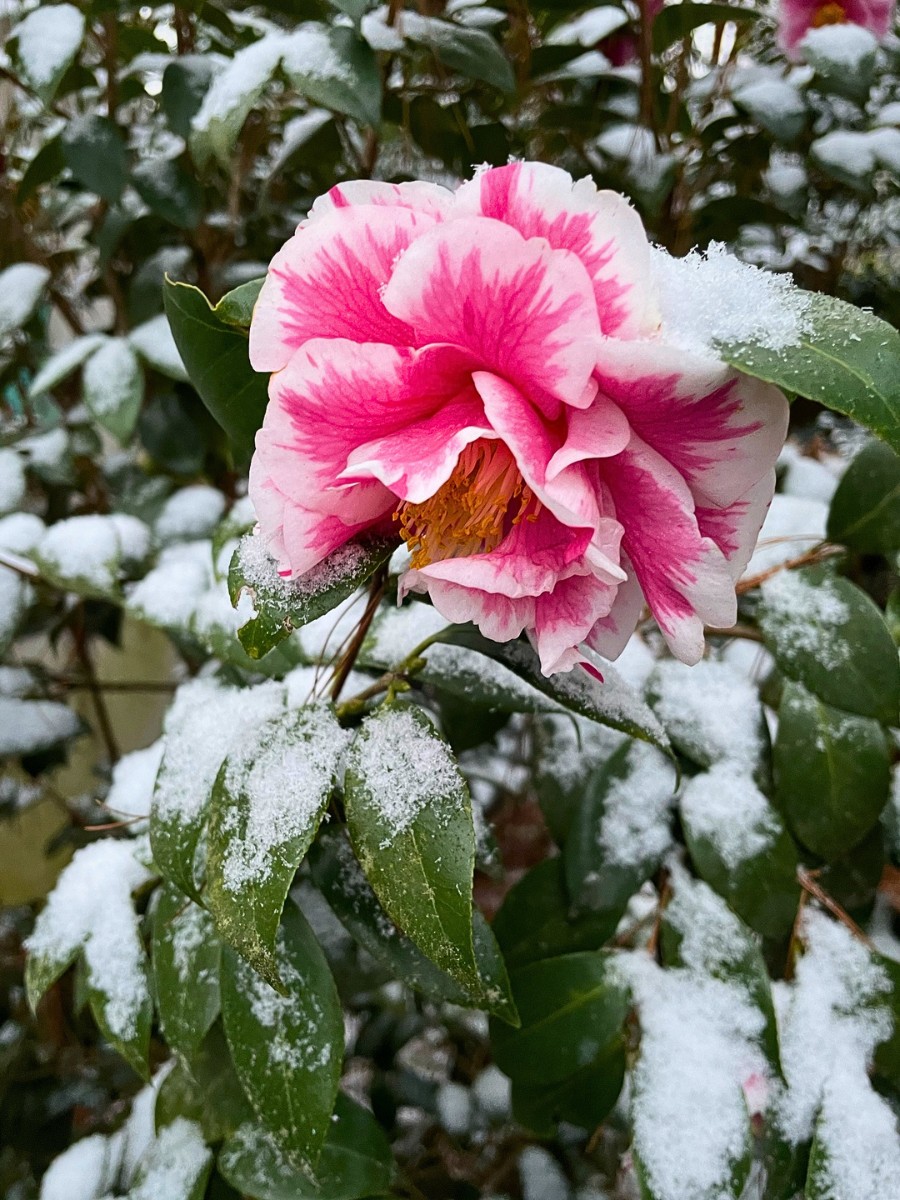
Hardy in zones 7 through 9, Camellias prefer acidic, well-drained soil and protection from harsh afternoon sun. With hundreds of cultivars available, there is one to suit nearly every landscape style.
Winter Aconite (Eranthis hyemalis)
Winter aconite is a low-growing perennial that produces small, golden-yellow, buttercup-like flowers from January through March. Each flower sits on a collar of deeply cut green leaves. It naturalizes well beneath trees and in lawns, forming golden carpets in large numbers. Hardy in zones 4 through 7, plant the tubers in the fall, and the plants will spread gradually by self-seeding over time.
Daphne (Daphne odora and D. mezereum)
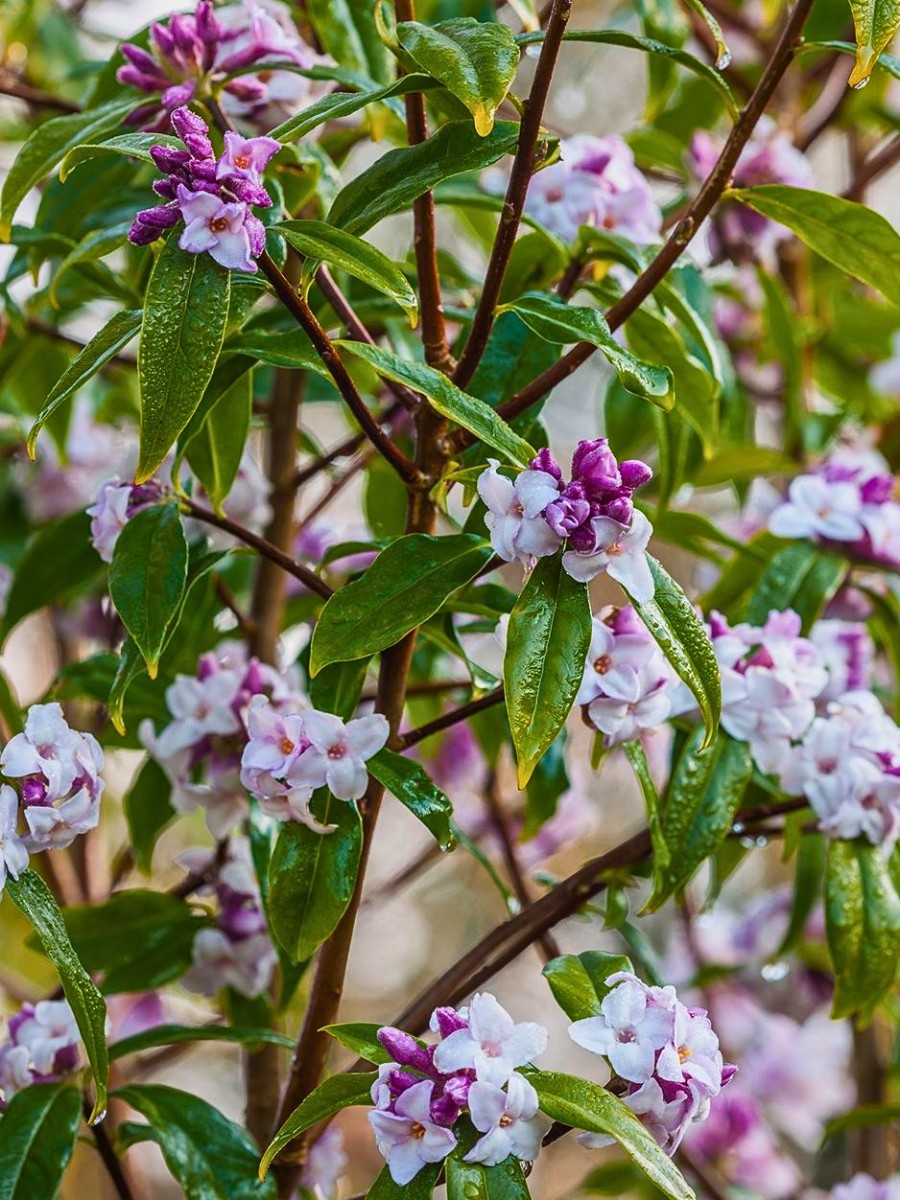
Few plants produce a fragrance as powerful and sweet as Daphne in winter. Daphne odora begins flowering in late winter with clusters of pink and white blooms that carry an extraordinary scent. Daphne mezereum flowers even earlier, often in January, with lilac-pink flowers along bare stems.
Hardy in zones 7 through 9 (D. odora) and 4 through 7 (D. mezereum), these shrubs prefer well-drained soil and partial shade. A position near an entry or path allows you to fully appreciate their powerful winter fragrance.
Other Examples of Flowers That Bloom in Winter
Several other plants merit a place in the winter garden. Wintersweet (Chimonanthus praecox) produces waxy, pale yellow flowers with a spicy-sweet fragrance on bare stems from December through February, and Viburnum x bodnantense 'Dawn' carries clusters of deep pink, intensely fragrant flowers through most of winter and is reliably hardy in zones 5 through 8.
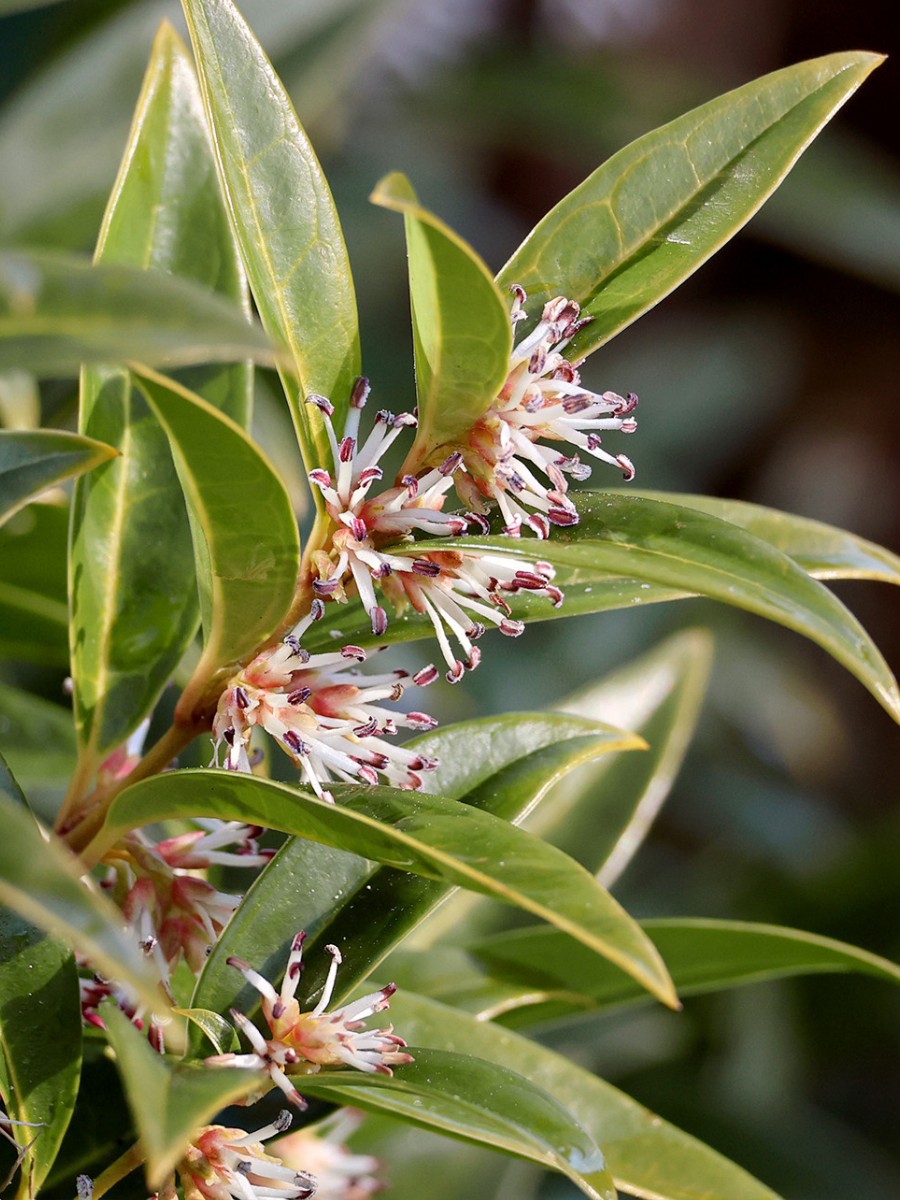
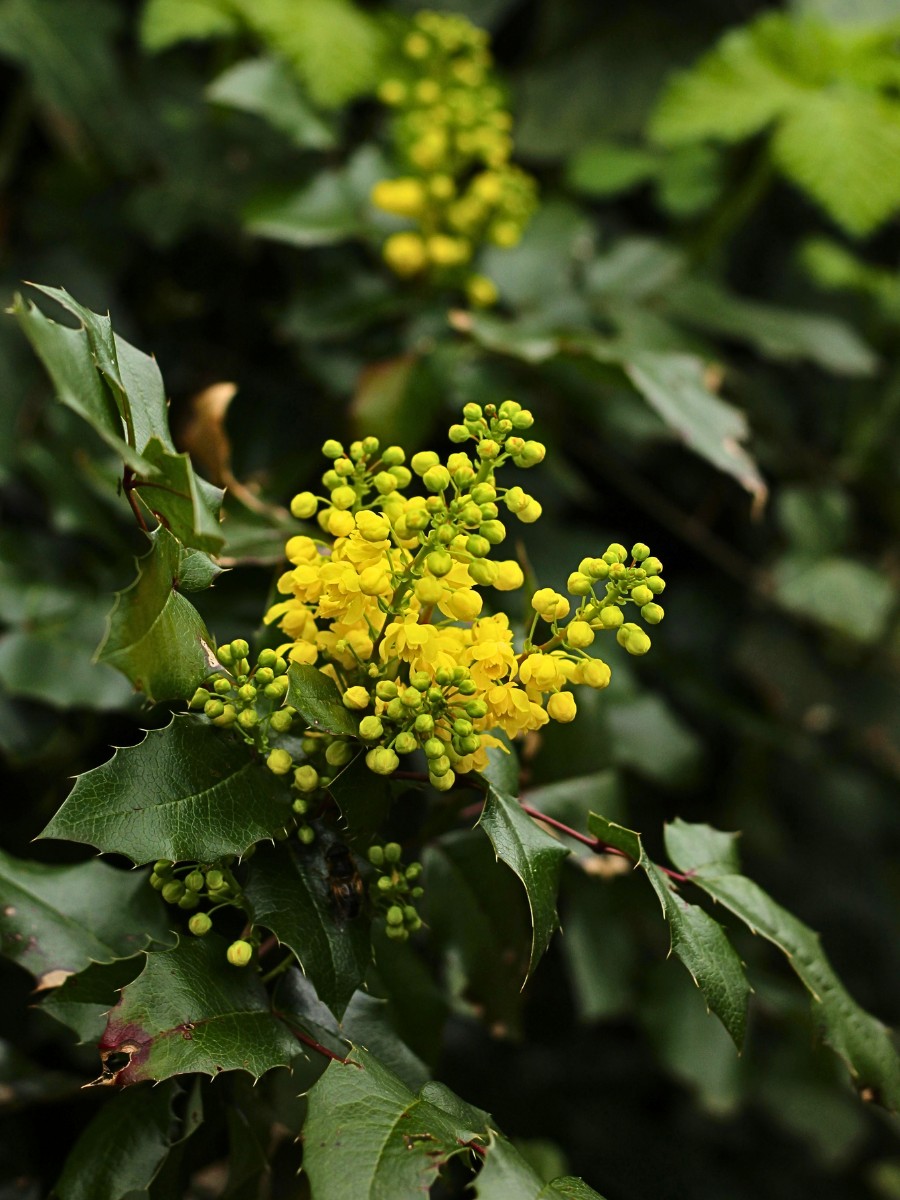
Sarcococca, or sweet box, offers honey-scented white flowers from January through March and thrives in deep shade where few plants will perform, while Mahonia produces arching sprays of bright yellow, sweetly scented flowers from November through February alongside bold, architectural foliage.
Bergenia delivers clusters of pink flowers in late winter, and its large leaves often deepen to red in the cold, while Iris unguicularis rounds things out with lavender-purple, honey-scented flowers that appear directly from ground level through the coldest months.
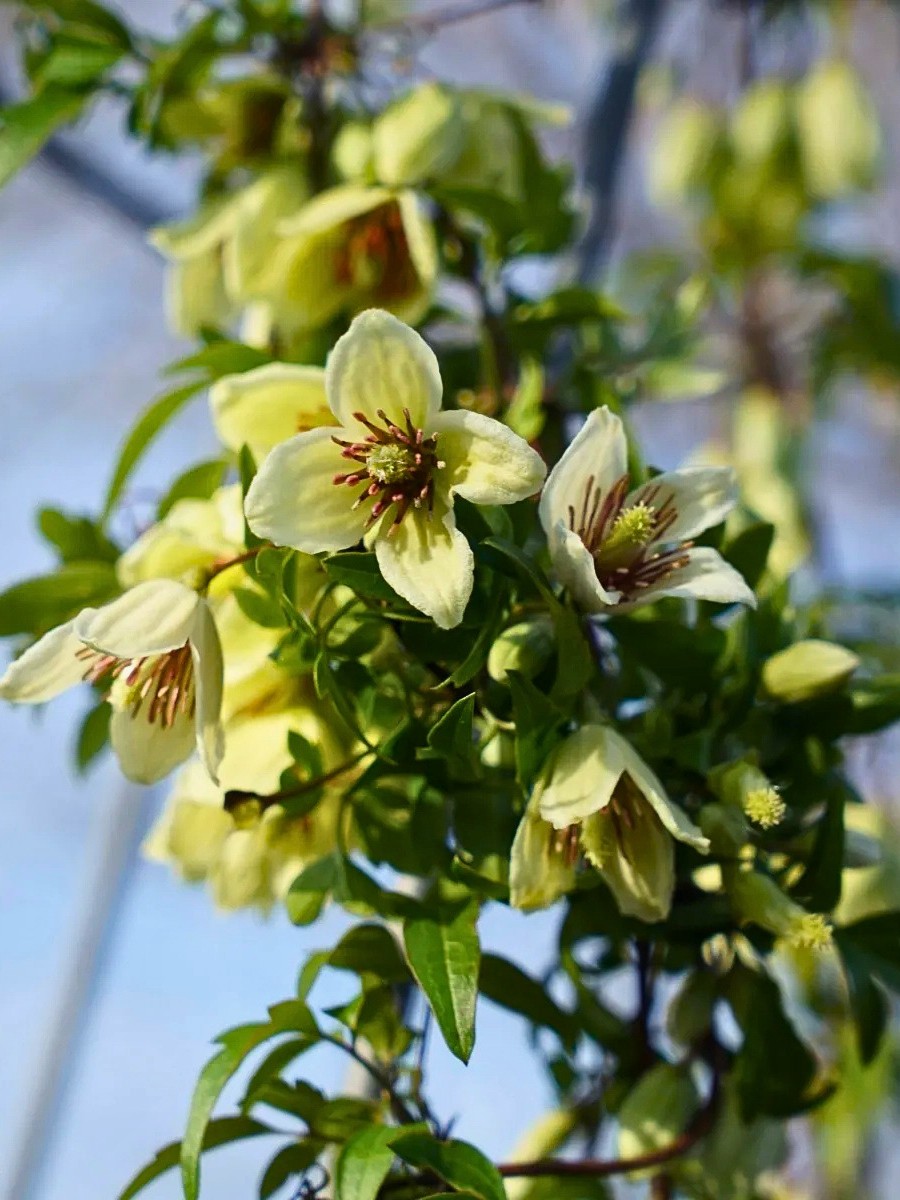
There are also ornamental kales and cabbage (Brassica oleracea), Pulmonaria (Lungwort), Leucojum vernum (Spring Snowflake), Winter-flowering Clematis (Clematis cirrhosa), and Nemesia, among others.
Flowers That Bloom in Late Winter
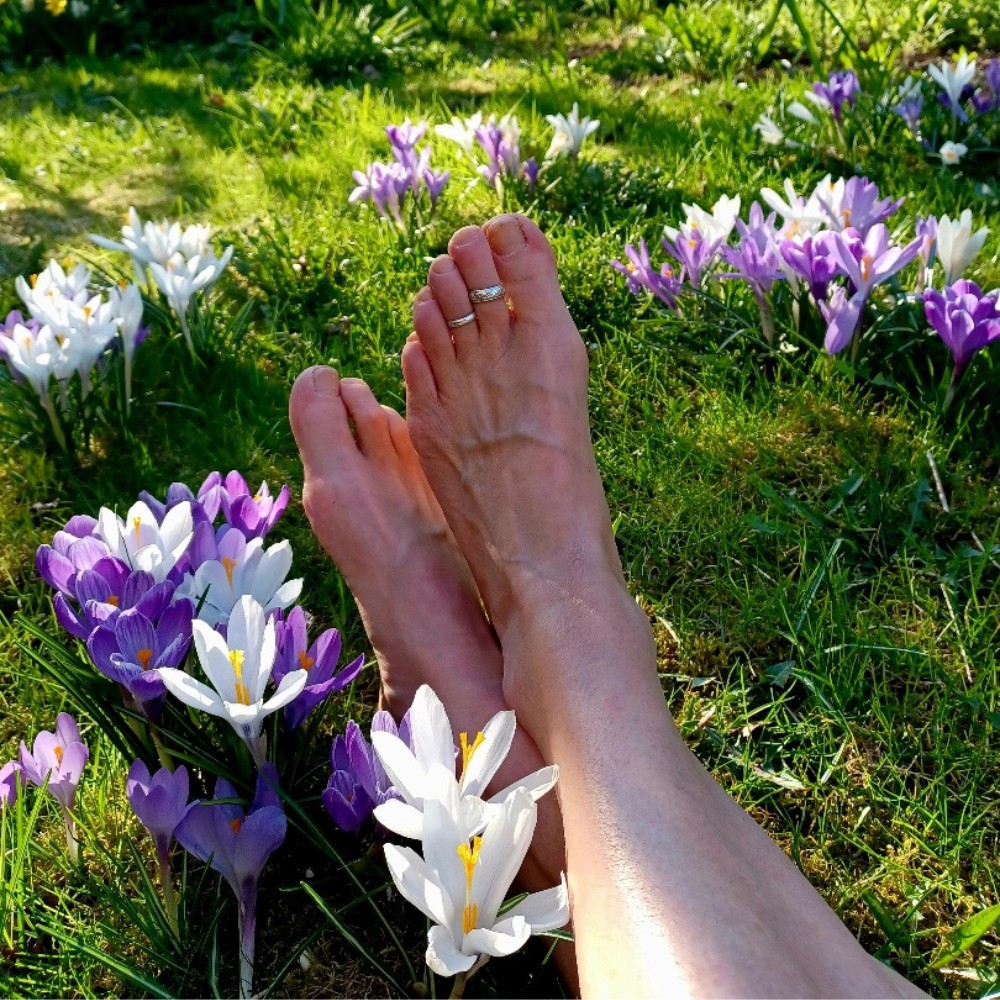
In late winter, a second group of late-winter flowering plants prolongs this flowering season. Crocuses are among the first bulbs to emerge, producing cheerful flowers in purple, white, yellow, and striped combinations that naturalize easily in lawns and borders, while winter heath (Erica carnea) produces small, urn-shaped flowers in pink, white, or red and, unlike most heathers, it tolerates alkaline soils.
Iris reticulata, a miniature bulbous iris with deep purple or blue flowers marked with yellow and white, is also outstanding in containers and rock gardens. Then there is Forsythia, which closes the season with a wave of bright yellow flowers on bare stems and is generally hardy across different conditions.
Growing Tips for Flowers That Bloom in Winter
Getting the best from flowers that bloom in winter requires forthright preparation. Match plants to your USDA Hardiness Zone first, and prepare planting areas in the fall with compost and ensure good drainage, since waterlogged roots suffer most in freezing conditions.
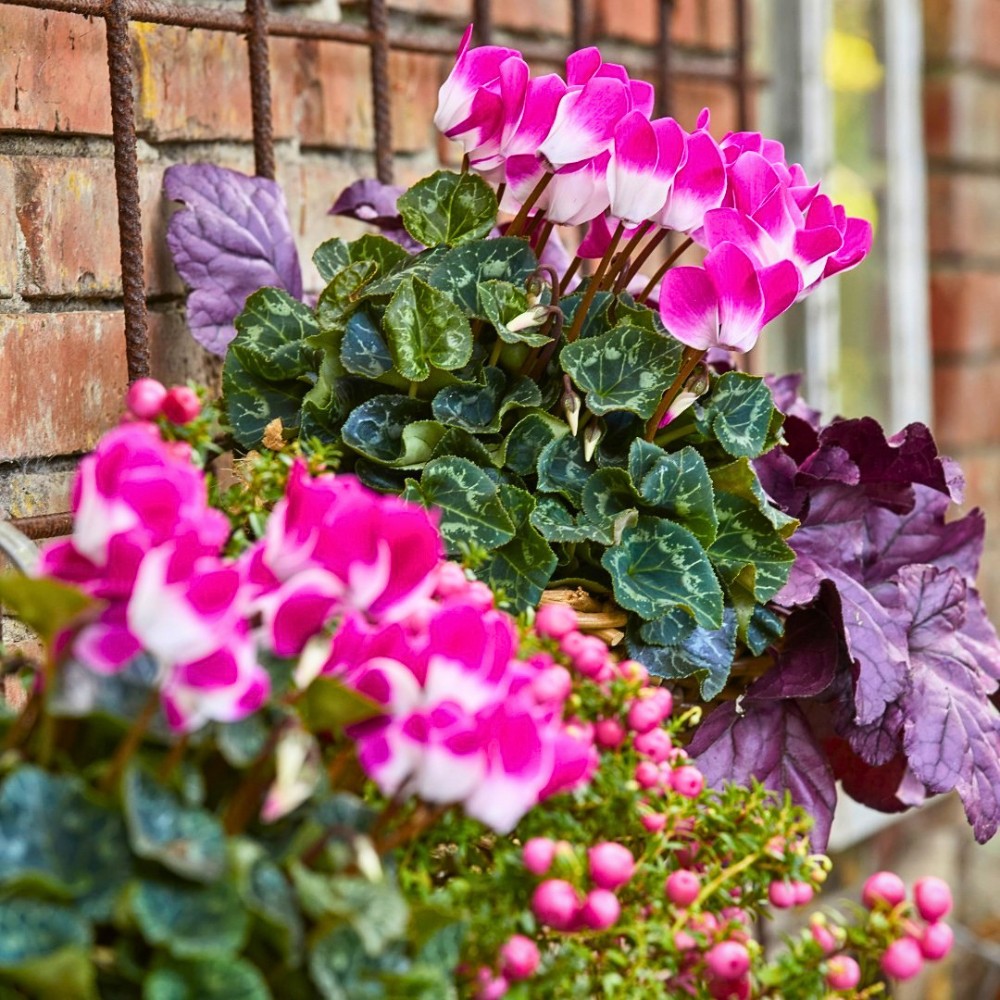
Use containers for pansies, cyclamen, and compact Hellebores so you can move them to prominent positions when flowering. In colder zones, mulch around marginally hardy shrubs like Camellias and Daphne to protect their roots during extreme cold snaps.
Also, note that climate directly shapes the types of winter-blooming flowers available. In mild Southern and Western climates (zones 8 to 10), Camellias, pansies, and cyclamen thrive freely through the cooler months. Pansy beds planted in October remain colorful right through to early spring, and cyclamen in sheltered spots will flower for weeks at a time.
In the Mid-Atlantic and Southeast (zones 6 to 7), Hellebores, witch hazel, winter jasmine, and Daphne all perform well. The mild, wet winters of the Pacific Northwest support one of the widest selections of winter-blooming plants, with Camellias, Sarcococca, and winter-flowering Clematis all thriving in that region's moderate conditions.
In the Midwest and Northeast (zones 4 to 6), snowdrops, winter aconite, Hellebores, and witch hazel are the most reliable choices, and even a small planting of each can bring color and fragrance to the garden through the coldest months.
Featured image by Natalia Sevruk. Header image by Roman Biernacki .