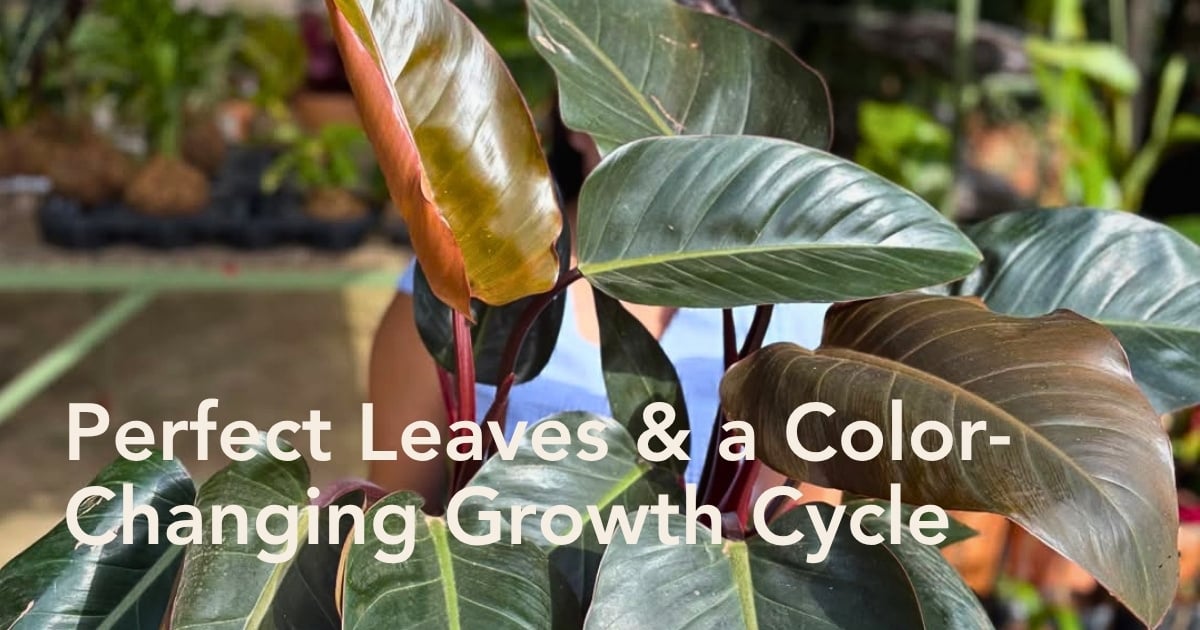
Looking for a houseplant that changes color right in front of you? That should be the Philodendron Imperial Red. This plant opens with leaves in a deep red hue, turns burgundy as it matures, and finishes in glossy dark green. It is compact, forgiving, and easy to place in almost any room. And the impact would be immediately seen. Here is everything you need to know before bringing one home.
What Is Philodendron Imperial Red?
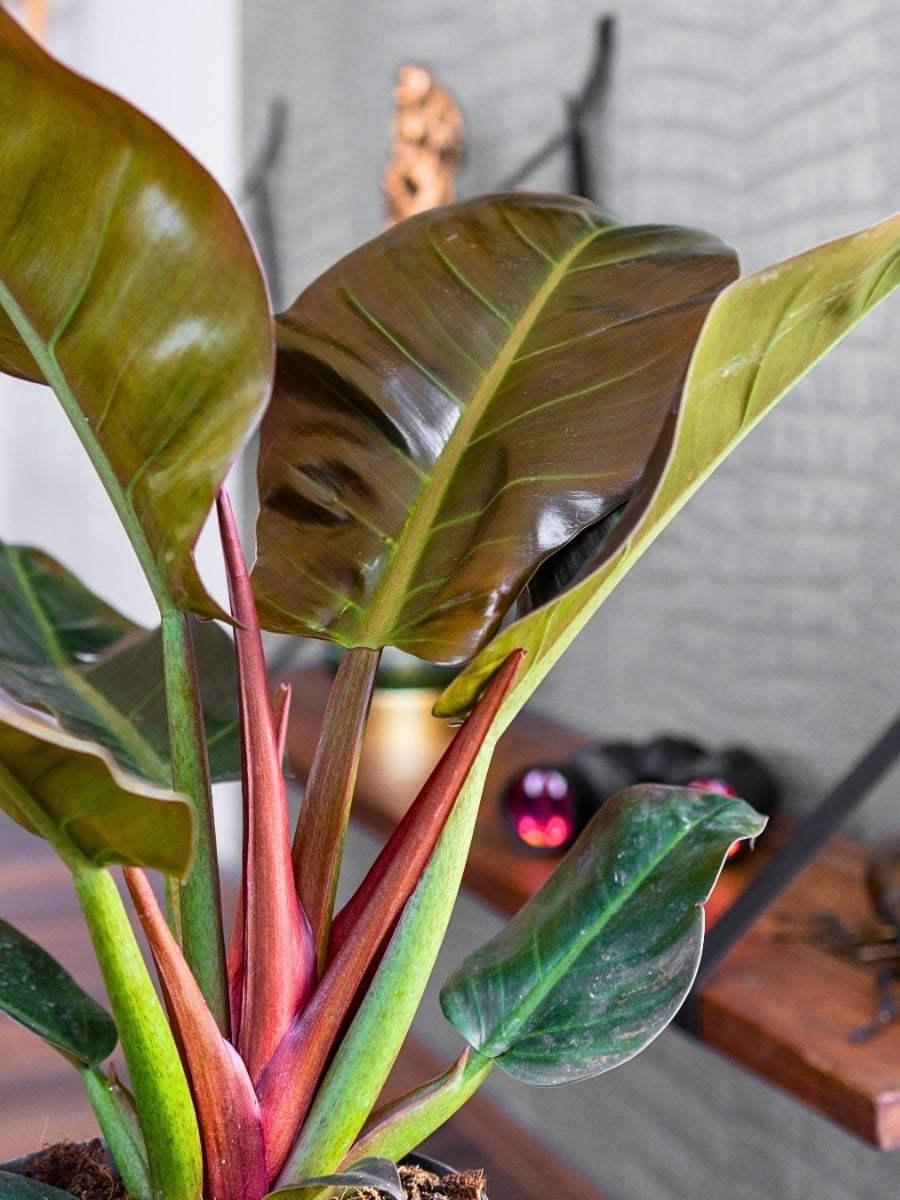
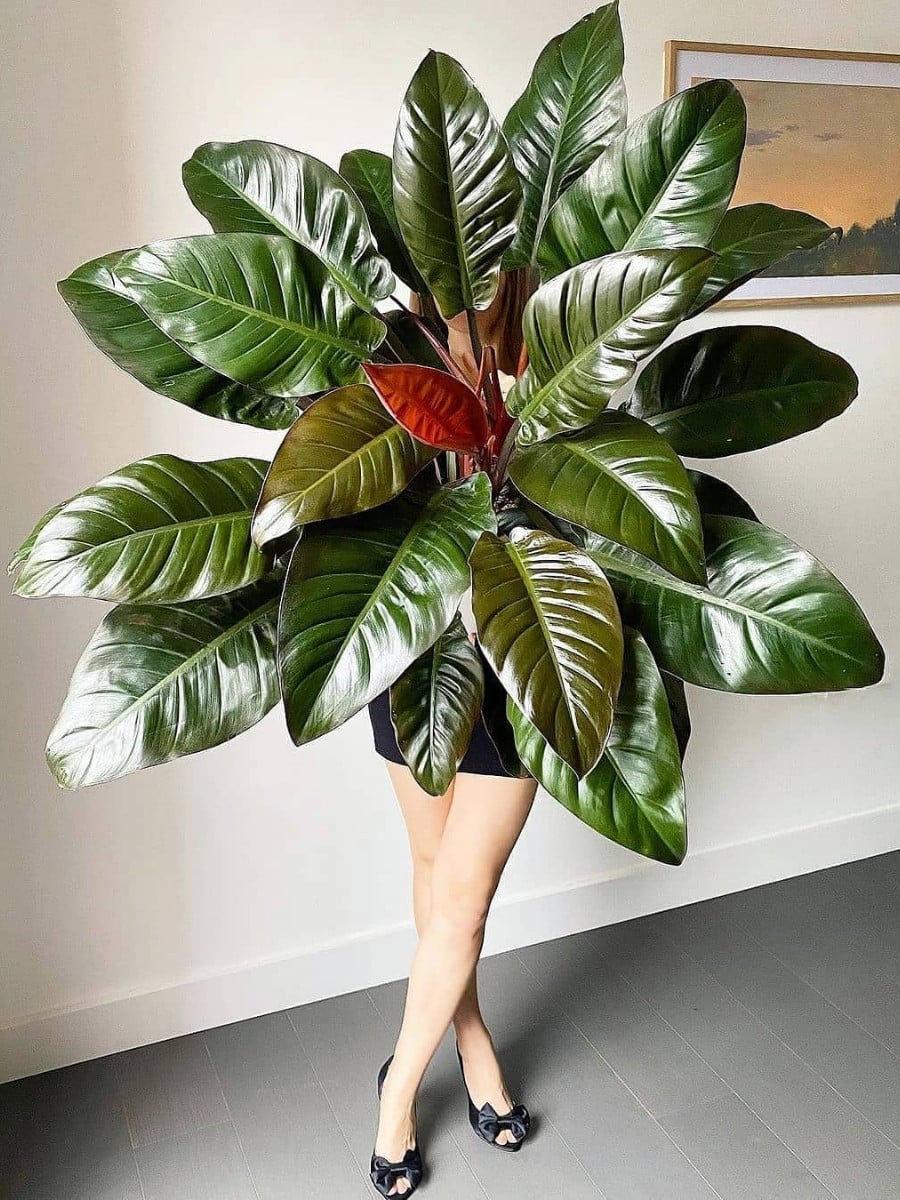
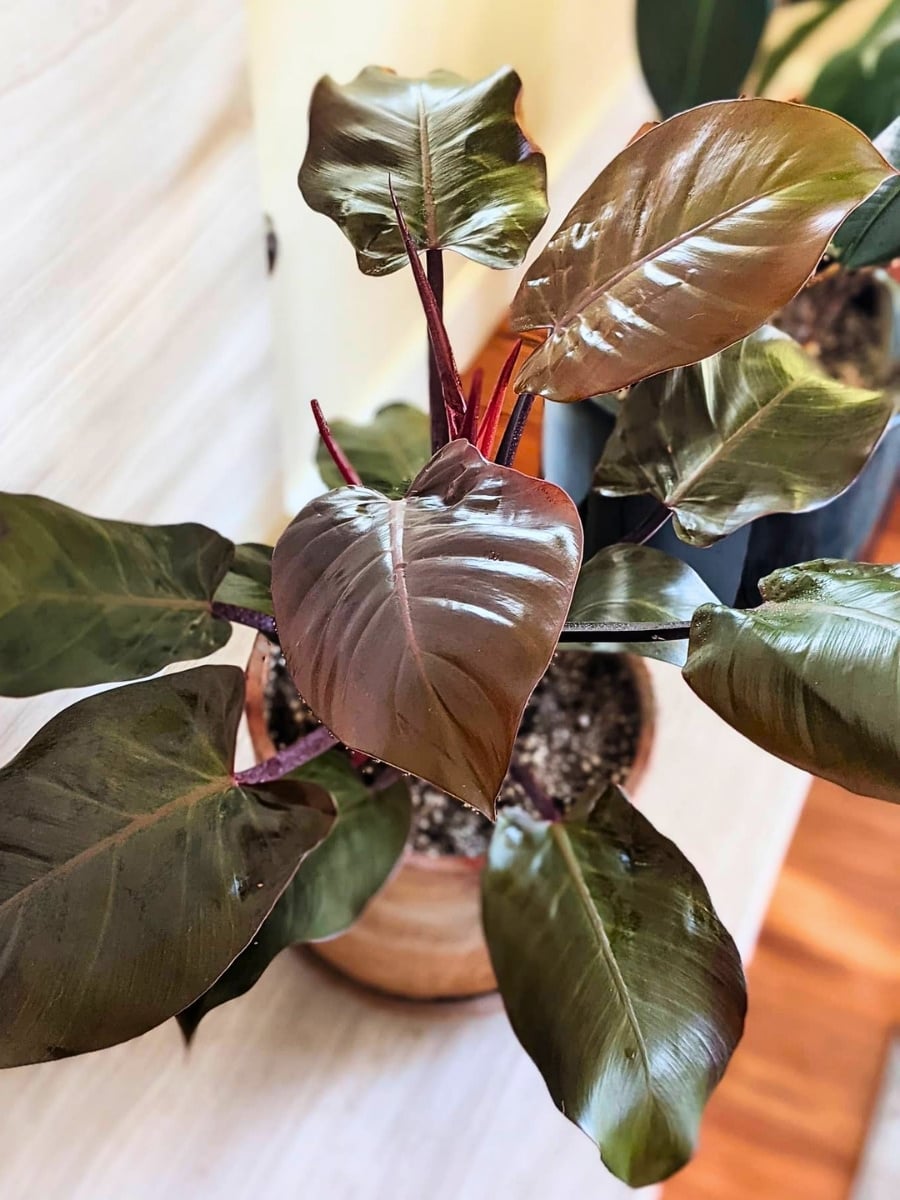
Philodendron Imperial Red, sometimes labeled Philodendron erubescens 'Imperial Red,' is a hybrid cultivar prized for its thick, leathery, oval leaves and its color-changing growth cycle. New leaves unfurl in a bright crimson shade, deepen to a burgundy red-purple as they mature, and settle into a dark, glossy green once fully grown. The habit stays compact and bushy, which is partly why the plant works so well as a table accent when young and as a floor plant once it fills out.
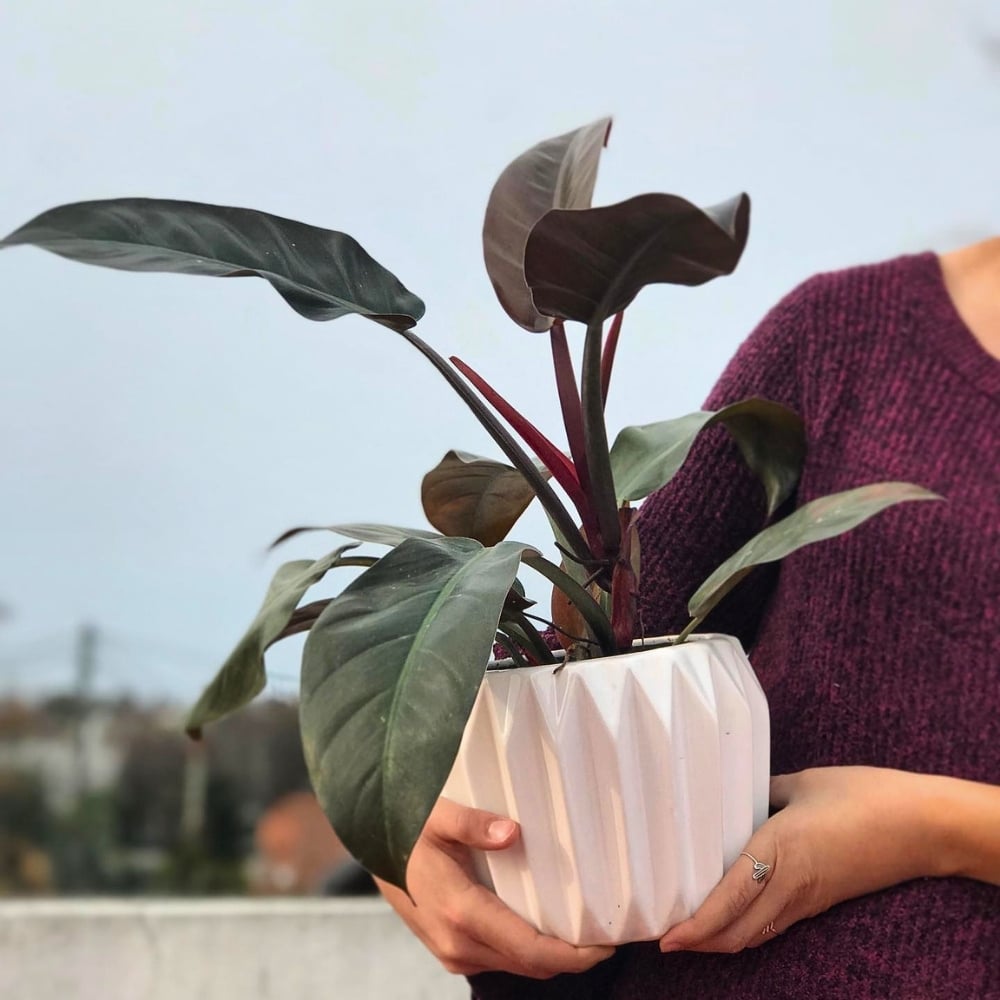
This red leaf philodendron is also known by a couple of nicknames in the houseplant trade, including the Blushing Philodendron and simply Red Philodendron. Whatever name you see on the tag at the garden center, you are looking at the same plant. And it looks just as amazing!
Red has had a moment in the plant and flower world for a few years now, even being the floral trend color in 2023, a strong, confident shade that works equally well indoors and outdoors. Philodendron Imperial Red fits into this color story while asking very little of its owner in return.
Where Philodendron Imperial Red Comes From
Philodendrons as a group have decorated American homes since the Victorian era, and their wild relatives have grown in tropical forests across Central and South America for a much longer stretch of time. Philodendron Imperial Red itself is a more recent arrival. Growers developed this hybrid within the Philodendron erubescens line, a group of aroids known for glossy foliage and a self-heading growth pattern rather than a climbing or vining one.
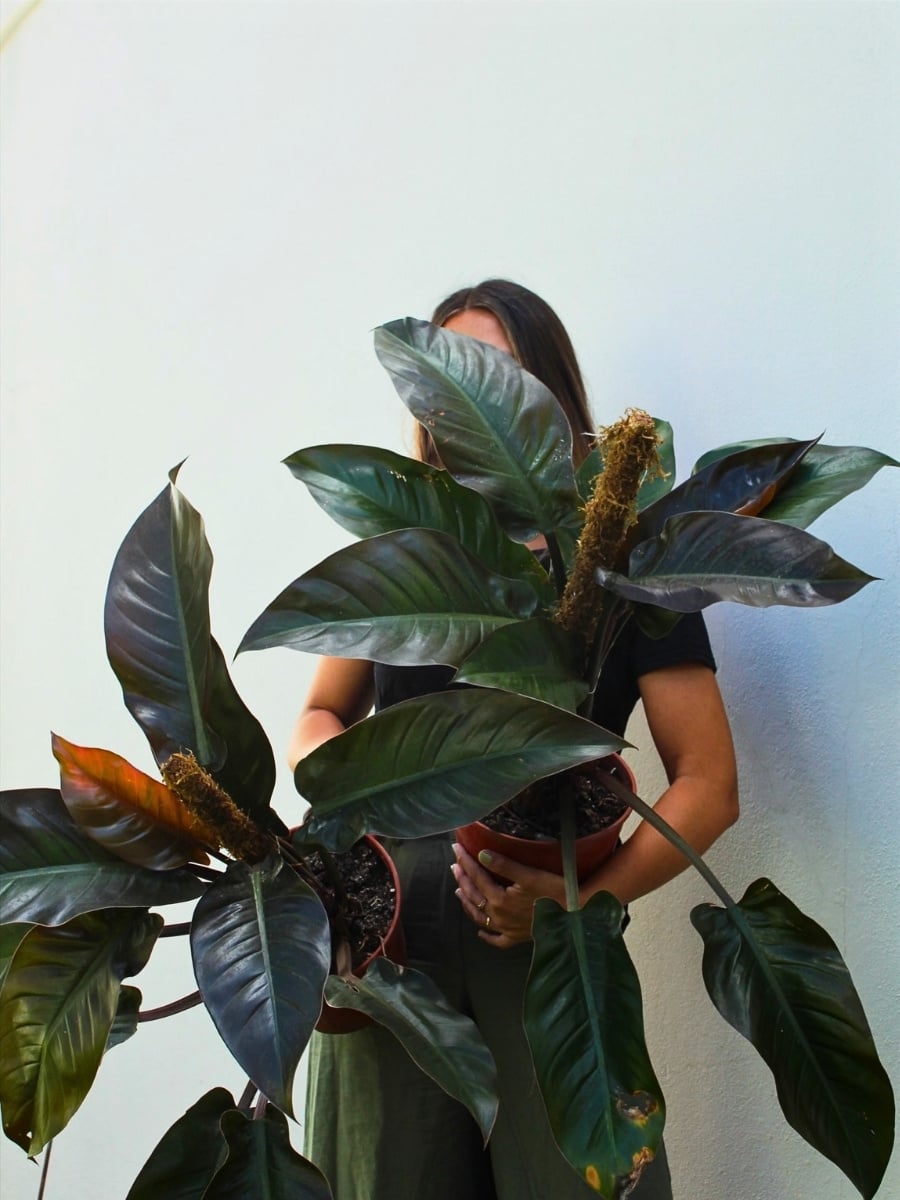
The plant belongs to the Araceae family, commonly called aroids, which also includes Monstera, Anthurium, and Pothos. If you already grow one of those, you will find that Philodendron Imperial Red asks for a similar routine. Because it is self-heading, it does not need a moss pole or trellis the way climbing philodendrons do. Instead, it forms a tidy rosette of leaves that spreads outward as the plant ages, eventually turning into a substantial floor specimen in a bright corner.
Why This Houseplant Deserves a Spot in Your Indoor Plant Collection
A few qualities set Philodendron Imperial Red apart from the average houseplant:
- Color that keeps changing. Few houseplants shift shade the way this one does, moving from red to burgundy to green as each leaf matures, so a single plant can display several colors on its stems at once.
- Low upkeep. It tolerates a bit of neglect, handles average household humidity, and does not demand daily attention.
- Air quality benefits. Like many aroids, it helps filter common indoor air contaminants such as formaldehyde, which makes it a practical choice for a home office or living room.
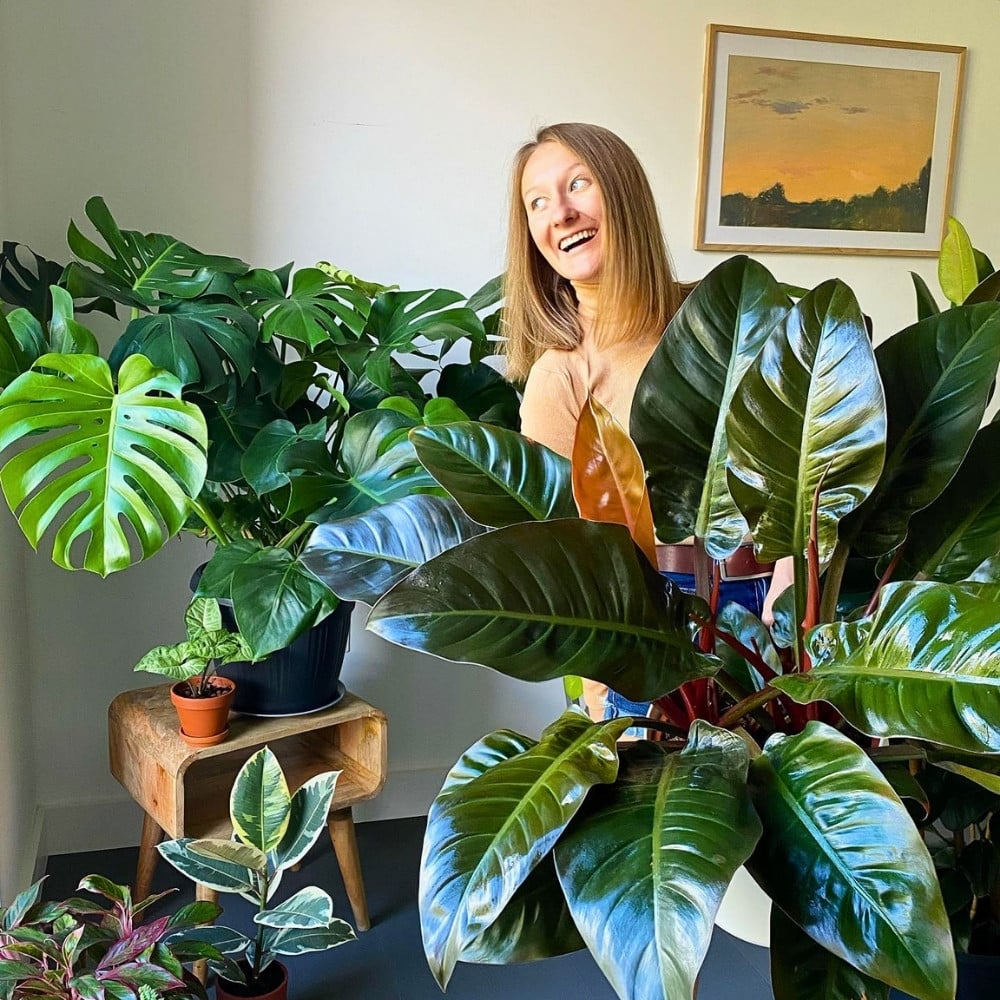
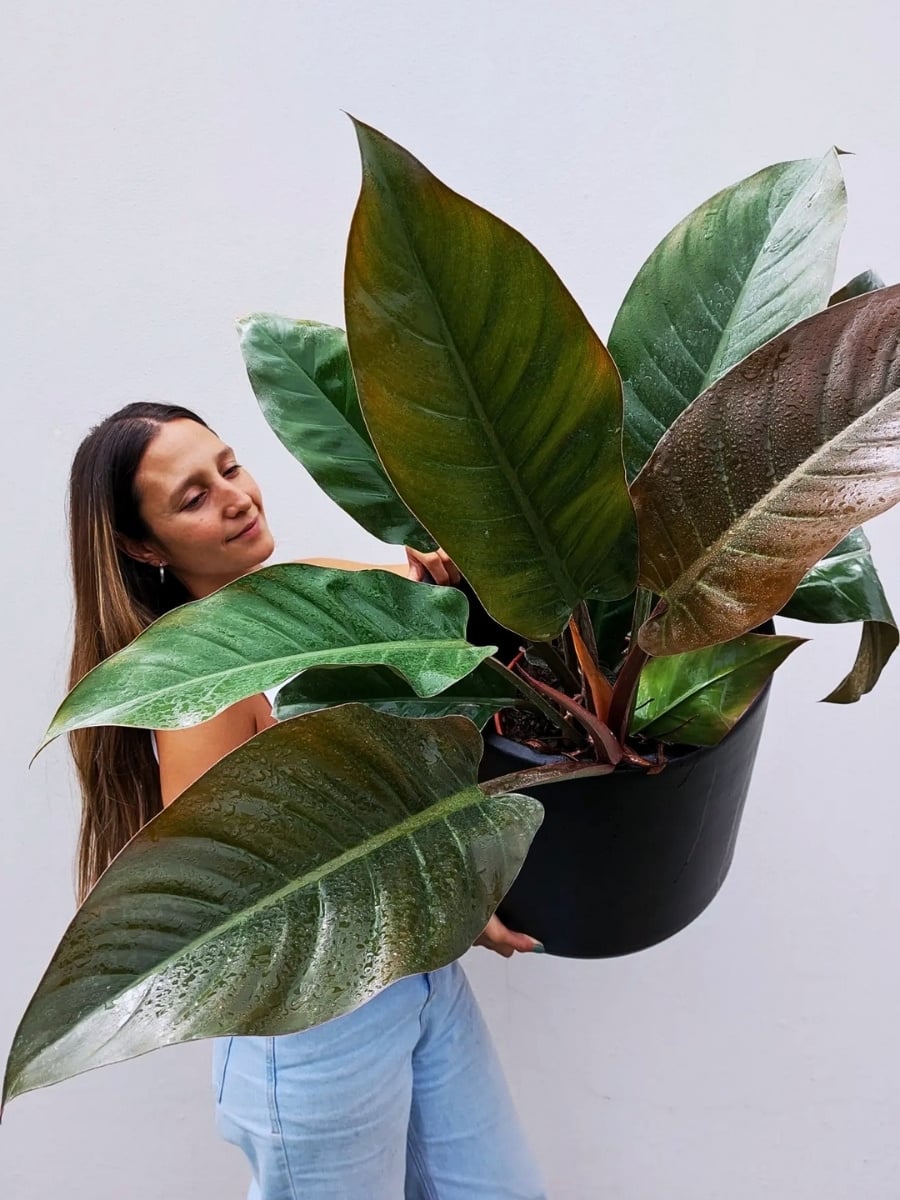
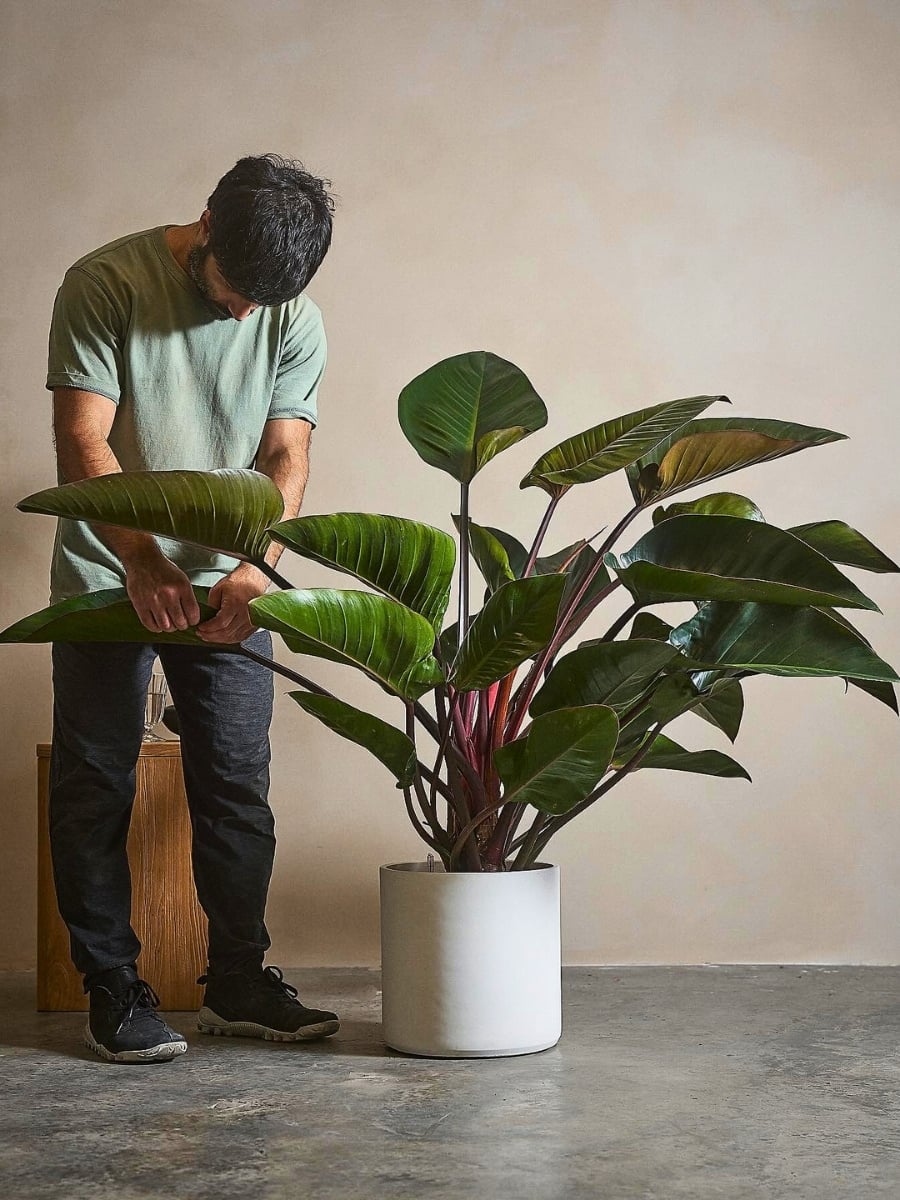
- Manageable size. Indoors, it typically tops out around two to three feet, so it fits apartments and offices as easily as larger homes.
If you are building out a general indoor garden, this guide on plants that may help clear indoor air is a useful companion read, as is the roundup of other easy-care aroids like the Rhaphidophora tetrasperma or Mini Monstera.
How to Care for Philodendron Imperial Red
Getting the basics right will keep this plant compact, colorful, and healthy for years. Here is what it needs.
Light Requirements
Philodendron Imperial Red prefers bright, indirect light, though it will tolerate a shadier spot better than many houseplants. Direct, hot sun will scorch the leaves and fade the red and burgundy tones that make this plant worth growing in the first place.
An east-facing window or a spot a few feet back from a south- or west-facing one usually works well. For a deeper look at matching light levels to different houseplants, this indoor plant lighting guide breaks down direct, indirect, and artificial lighting in plain terms.
Watering Needs
Keep the soil moist but let the top inch or two dry out before watering again. Overwatering is a far more common problem than underwatering with this plant, since soggy roots can lead to root rot fairly quickly. Use room-temperature water when possible, and always empty any standing water from the saucer or outer pot after each watering session.
Temperature and Humidity
This philodendron is happiest in average to warm household temperatures, generally between 18°C and 29°C. It can handle brief dips down to around 13°C to 15°C, but sustained cold or drafty conditions will stress the plant and slow its growth.
It is hardy outdoors year-round only in USDA zones 10 through 11, so most growers in the United States keep it as a container plant indoors, moving it outside for the warmer months if desired. Moderate humidity of 40% to 60% suits it well, though it will adapt to typical indoor conditions without a humidifier.
Soil and Fertilizer
Plant it in a well-draining, organic potting mix formulated for aroids, which usually includes ingredients like bark, perlite, and peat or coco coir. Fertilize only during the active growing season, from spring through early fall, using a balanced, urea-free liquid fertilizer diluted to half strength. Two to three feedings across the growing season are typically enough. Skip fertilizing in fall and winter, when growth naturally slows down.
Repotting and Pruning
Because Philodendron Imperial Red grows fairly slowly, adding roughly six to twelve inches of height per year indoors, it only needs repotting every two to three years rather than annually. When you do prune, remove fully yellowed or damaged leaves at the base and avoid cutting into the main stem or aerial roots, which can slow the plant's recovery.
Common Problems and How to Fix Them
Even a low-maintenance plant runs into occasional trouble. Here are the plant’s issues that owners report most often, along with easy fixes.
- Yellowing older leaves with green new growth usually points to natural aging. Simply remove the older leaf near the base.
- Yellowing new leaves with darker green veins often signals an iron or magnesium deficiency. A chelated iron foliar spray or a diluted Epsom salt drench (about one teaspoon per gallon of water, applied monthly) typically resolves it.
- Brown, crispy leaf tips are commonly caused by low humidity, chlorinated tap water, or a buildup of mineral salts in the soil. Switching to filtered or rainwater and flushing the soil thoroughly during a watering session can help.
- Soft or blackened stems are a sign of root rot from overwatering. Remove the plant from its pot, trim away any black or mushy roots, repot in fresh mix, and hold off on watering for about ten days.
- Fading color or loss of that compact, bushy look often traces back to inconsistent watering, temperature swings, or too little light. A steady care routine and a brighter (but still indirect) location usually bring the color back over the next few growth cycles.
Is Philodendron Imperial Red Safe for Pets and Children?
This is an important point to flag before you bring one home: Philodendron Imperial Red is toxic if ingested. Like nearly every plant in the Araceae family, it contains calcium oxalate crystals throughout its leaves, stems, and sap. Chewing or swallowing plant material can cause irritation and swelling of the mouth, lips, and tongue, along with drooling and, in more significant cases, difficulty swallowing.
Cats, dogs, and small children are all at risk, and the sap can also irritate skin on contact, so it is worth wearing gloves when repotting or pruning. If a child or pet chews on a leaf, remove any plant material from the mouth right away and rinse with water. Watch closely for swelling or breathing trouble, and contact a veterinarian or the ASPCA Animal Poison Control Center (or a pediatrician or poison control center for a child) if symptoms appear or seem serious.
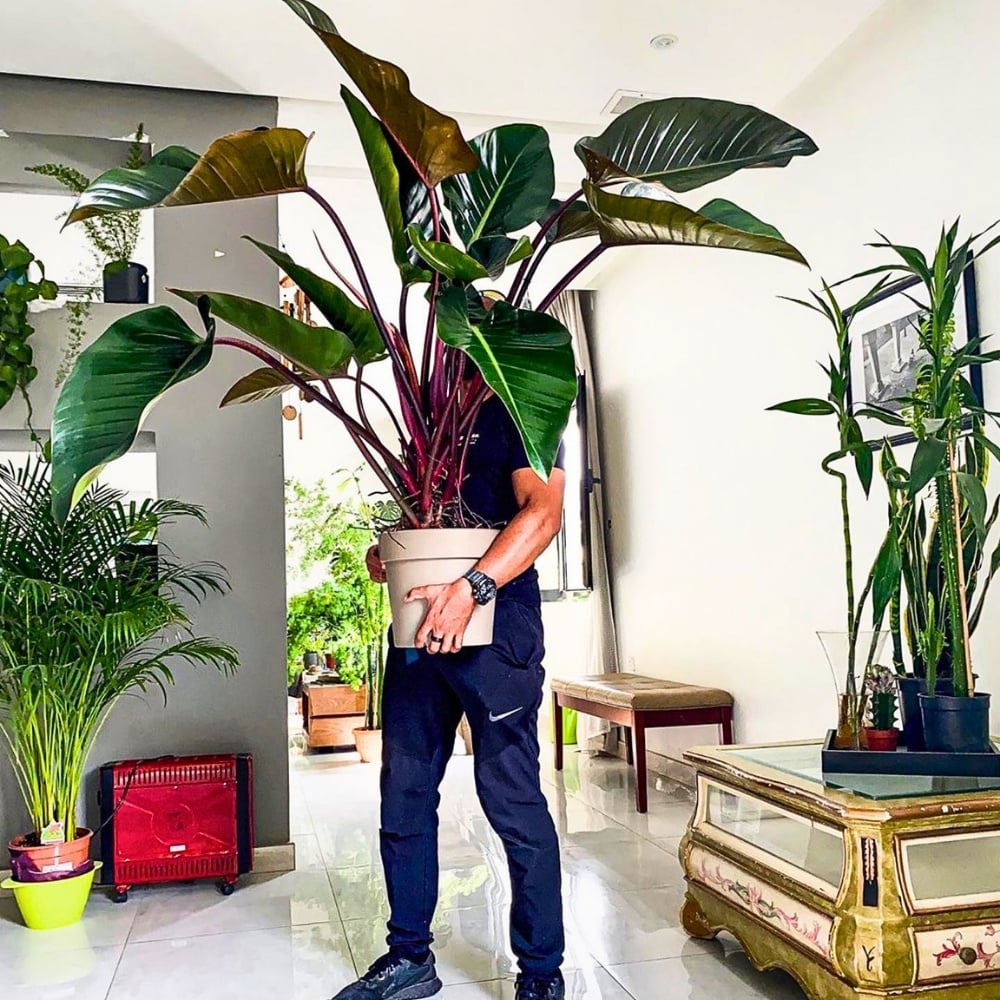
Given the toxicity, it is best to keep this plant well out of reach in homes with curious pets or young kids, perhaps on a high shelf or in a room they cannot easily access.
Where to Buy and How to Style Philodendron Imperial Red
Philodendron Imperial Red has become widely available at independent nurseries, garden centers, and online plant retailers across the United States, a reflection of just how popular red and burgundy foliage has become in home decor over the past several growing seasons. When shopping, look for a plant with firm, unblemished leaves and no signs of soft or blackened stems, which can indicate root problems before you ever get it home.
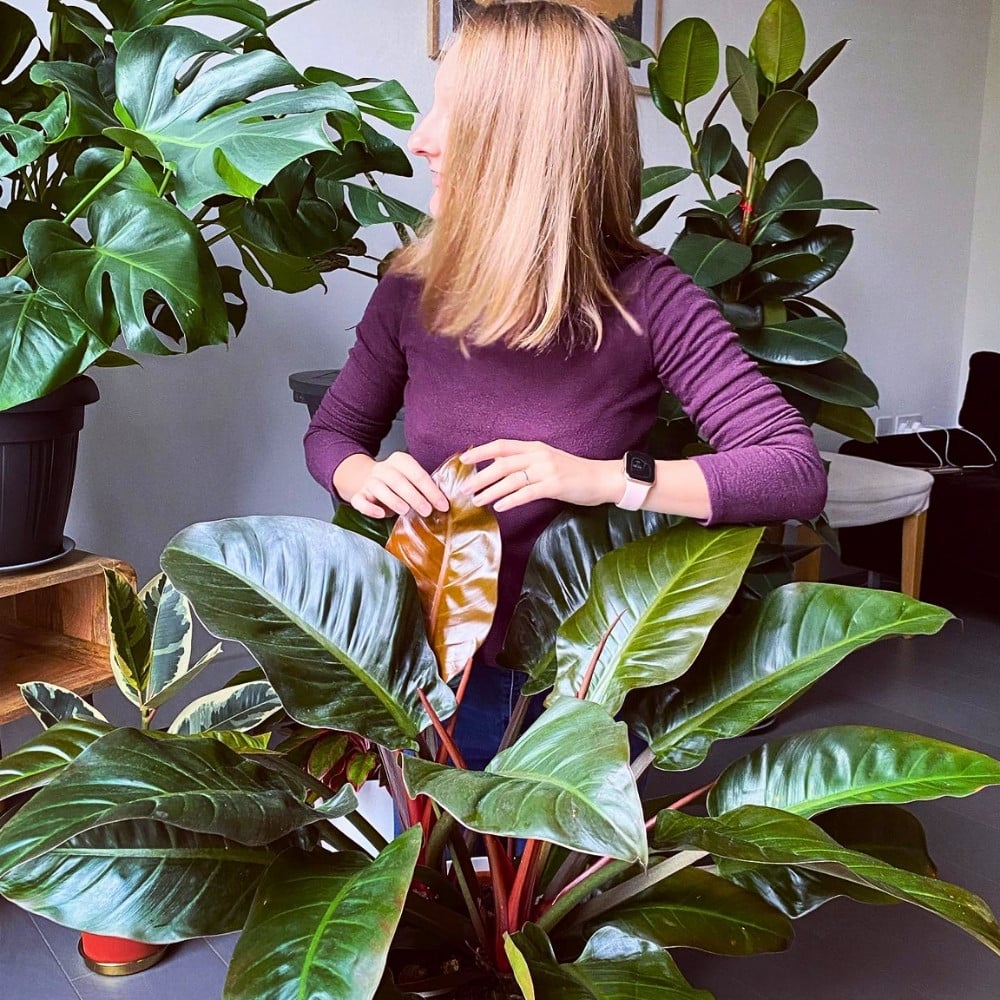
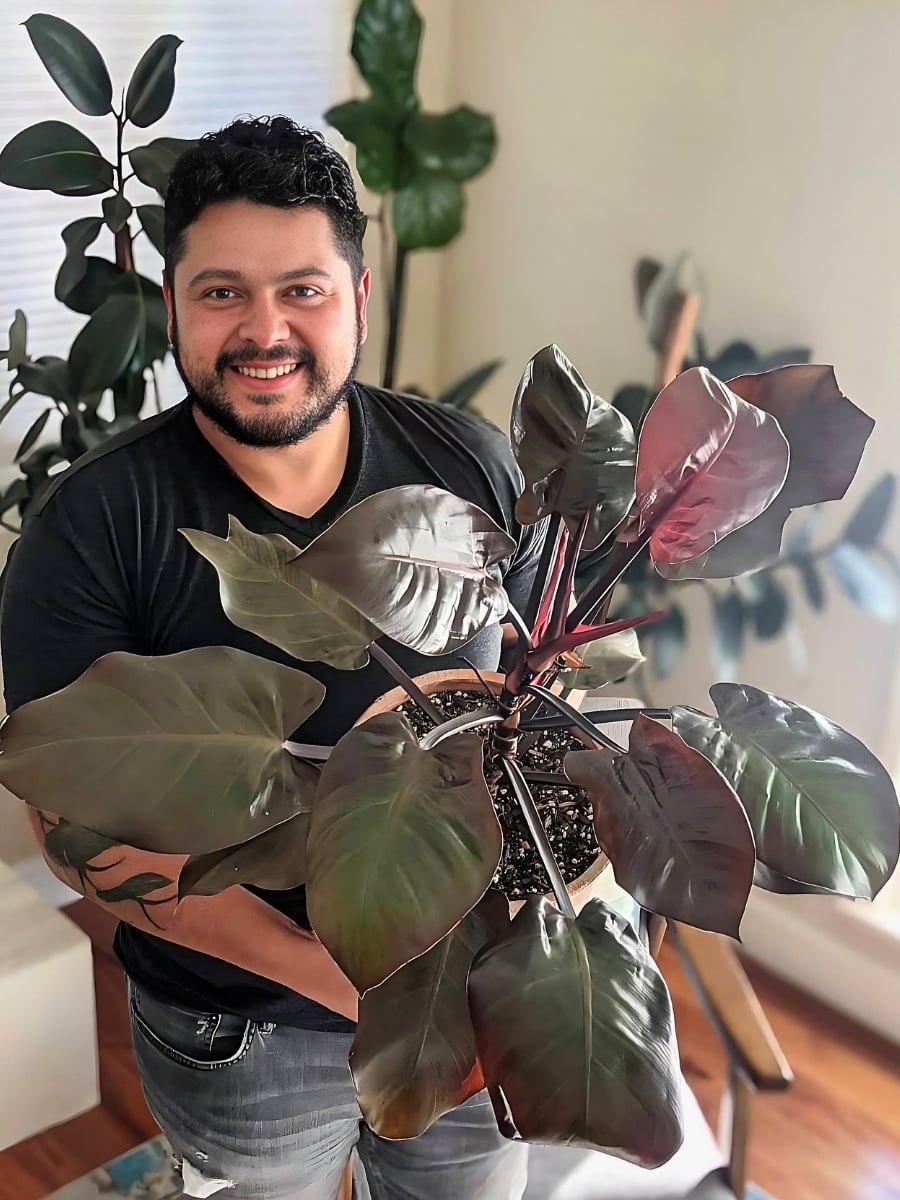
Styling-wise, this philodendron pairs naturally with warm terracotta or matte black planters that let the red and burgundy tones stand out. As a young plant, it works well on a desk, side table, or shelf. Once it matures and spreads laterally, move it to the floor in a bright corner where its full, bushy silhouette has room to develop. Grouping it with other aroids, such as a Mini Monstera or a Calathea orbifolia, also raises the humidity around the plant slightly, which it tends to appreciate.
Featured image by @neednewplant. Header image by @verdemusgopy.