While most people think blueberries begin and end with the fruit, the truth is that that is quite far from reality. Adomex, the specialists in cut and decoration greenery, know better, having built their expertise on identifying hidden potential in decorative greens.
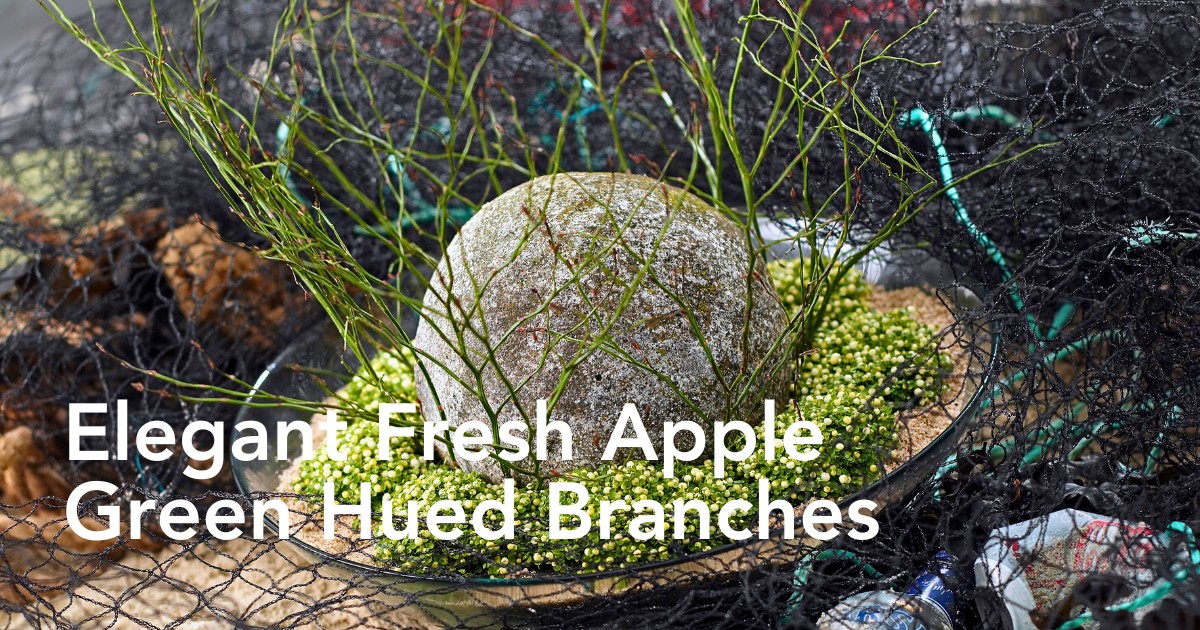
Heidelbeer (Vaccinium myrtillus) perfectly shows this. Adomex brings this plant's elegant, bare branches to florists and decorators, its apple-green stems lending floral arrangements a refined, woodland beauty.
So, What Is Heidelbeer?
Heidelbeer is quite a fascinating plant. While it is loved for its fruit (European blueberries), it also has a separate use as a perennial heather. Its branches, stripped of foliage and berries, are sought-after materials for floral design.
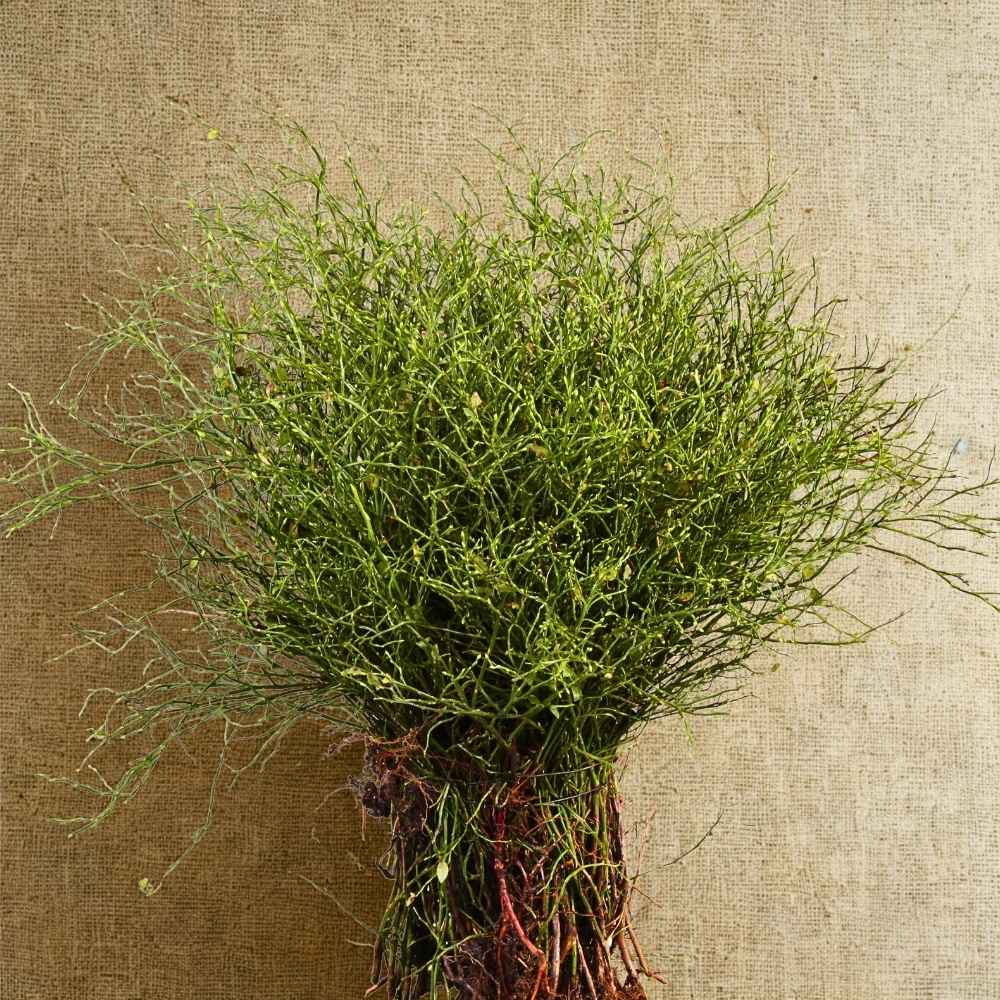
This plant grows primarily in open deciduous and coniferous forests in Germany and Ukraine, thriving in the dappled light and acidic soils these regions provide. It is rarely cultivated on commercial farms but grows naturally in woodland and roadside settings, making the harvest more artisanal. Cutting the Heidelbeer is a permit-based process, in consultation with the forestry authorities in Germany.
Adomex has this official permit and imports these branches primarily from Germany, where it has built strong, time-honored relationships with carefully selected suppliers who understand the specific requirements for quality cut greenery that meet its standards.
Heidelbeer Harvest Process
Bringing Heidelbeer to the florist requires considerable patience and timing, as it is not harvested year-round and has specific seasonal requirements. Harvesters wait until late autumn, allowing nature to complete its cycle, and only when the leaves have fallen from the branches naturally does cutting begin. Since it is the bare branches that are required, premature cutting isn’t advisable, as it would leave one with leafy stems, which are hardly the clean, architectural branches that make Heidelbeer desirable.
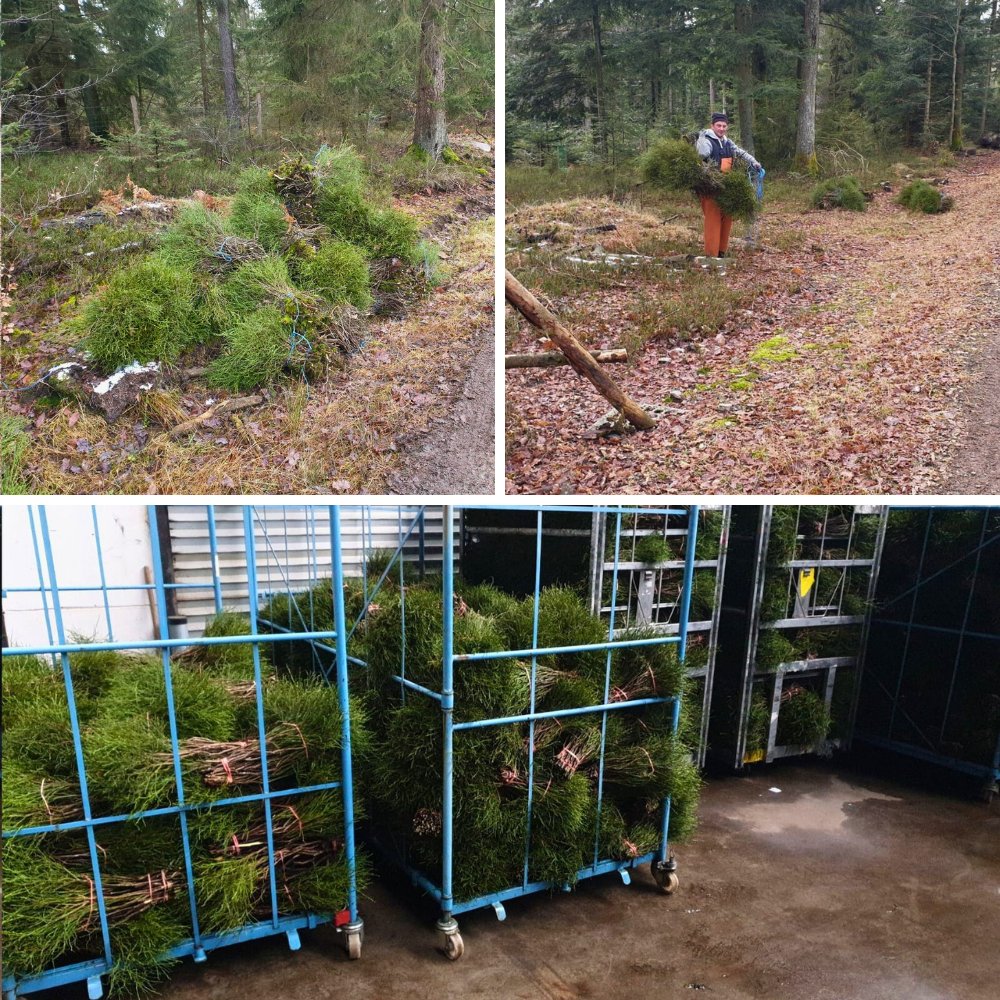
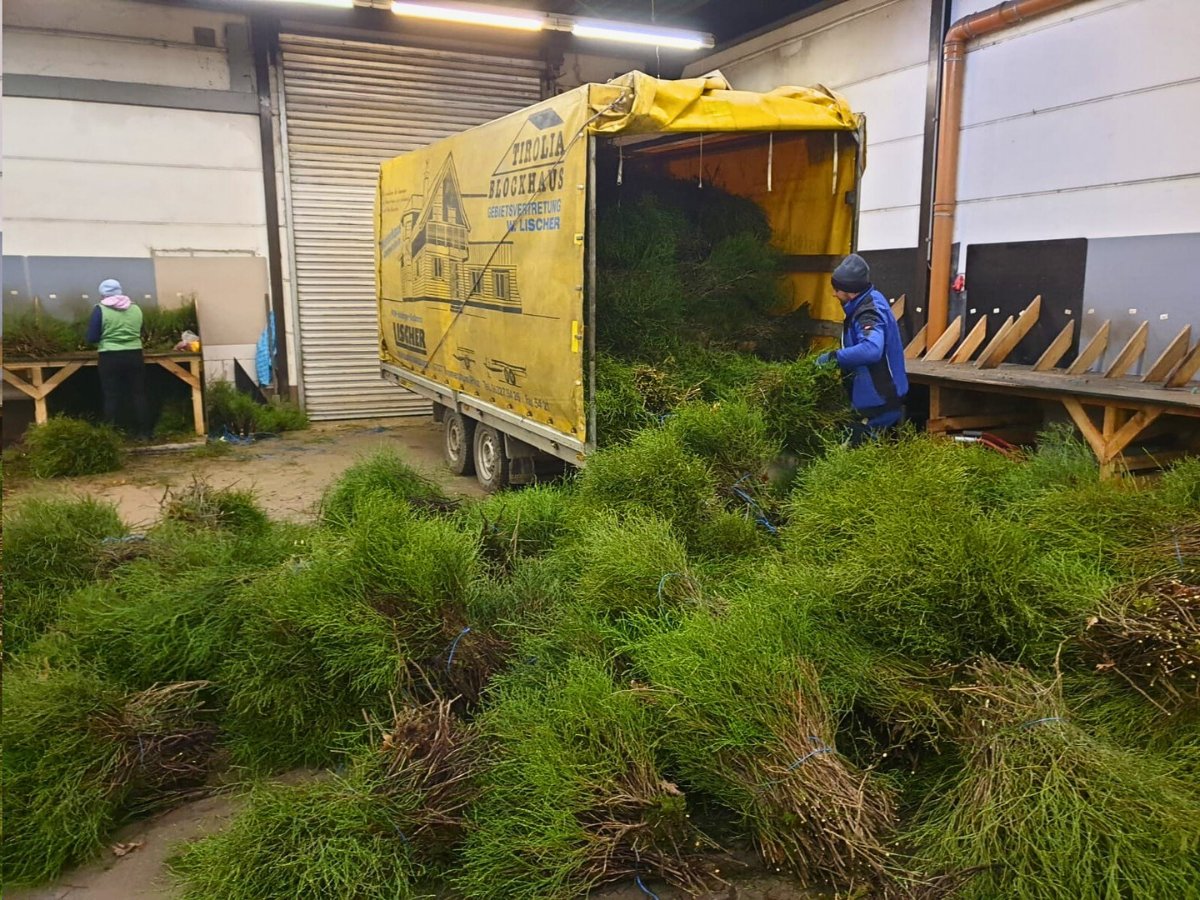
Once the leaves have dropped, harvesters carefully cut the branches, which are then bundled into large bunches right there on the forest roads and taken to the processing shed. The bundles are then thoroughly inspected, with branches sorted according to length and quality. The standard length ranges from 40 to 60 centimeters, though this can vary slightly depending on that year's growing conditions. This process ensures florists receive consistent, high-quality material they can rely on for their designs.
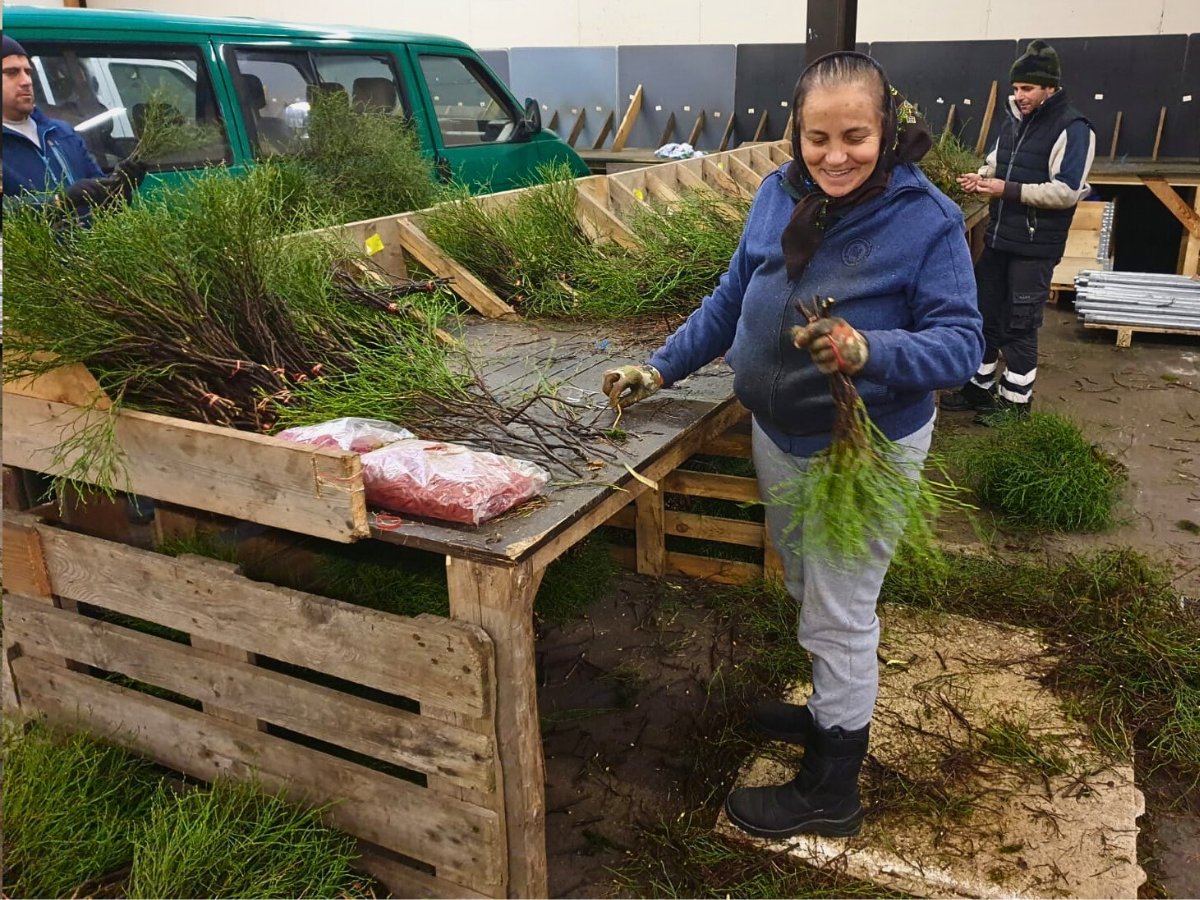

From November through March, Heidelbeer branches grace the market, perfectly timed to coincide with the late autumn and winter months, when fresh greenery is used in designs. This also aligns well with the spring tulip season, creating a natural transition for designers.
Design Applications of Heidelbeer
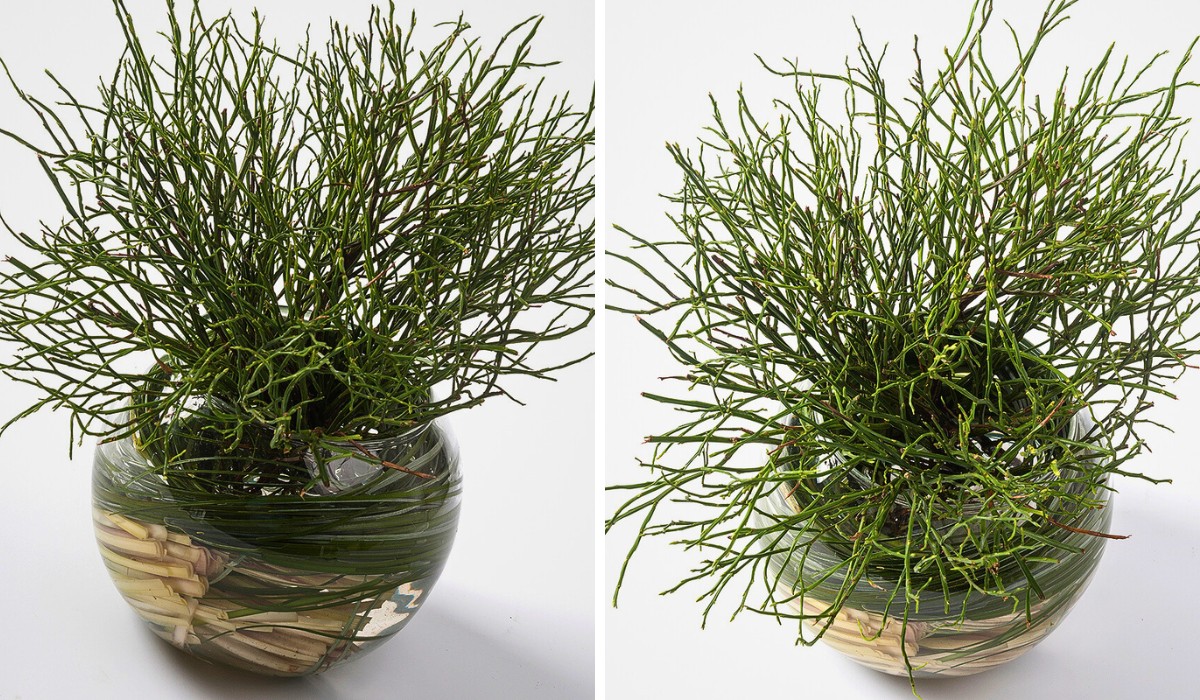
The color of Heidelbeer is, remarkably, so appealing. The fresh apple-green hue evokes the promise of spring, even in winter. When paired with tulips, the combination creates arrangements that feel like they herald springtime's arrival. Combine some broom into the mix, and you have an arrangement that exudes spring energy.
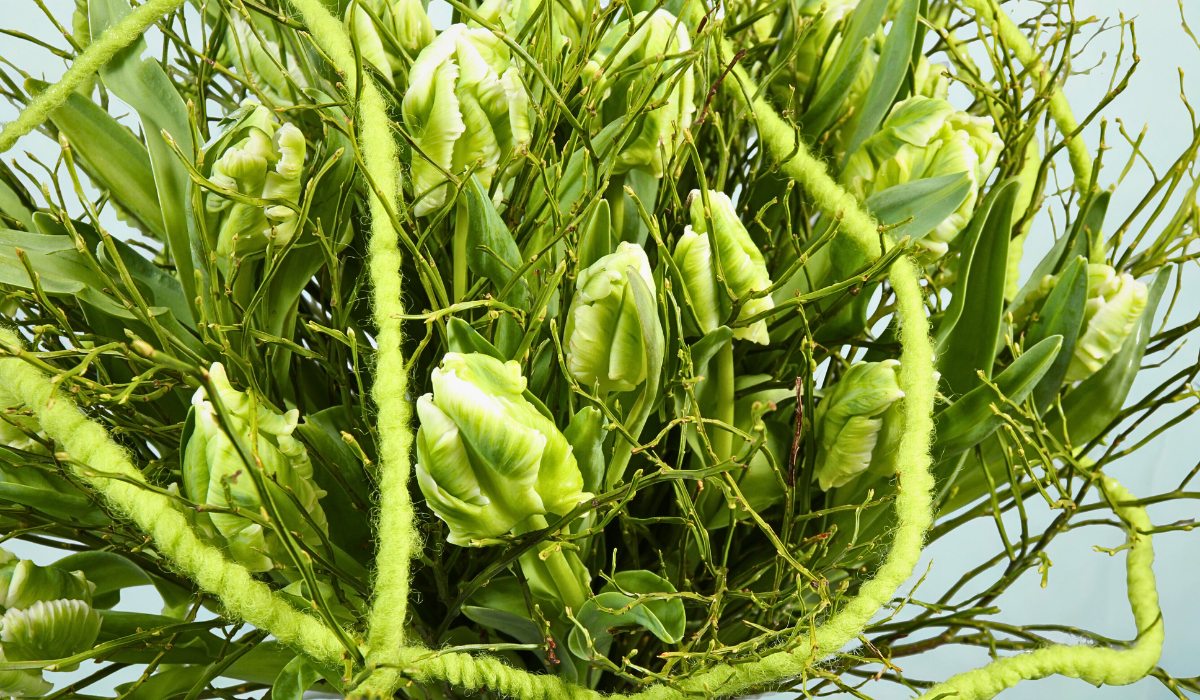

Heidelbeer is therefore popular for creating transitional arrangements. As winter fades and spring approaches, these branches bridge the seasonal gap, offering designs tied to natural cycles and evoking springtime scenes.
For florists, Heidelbeer is a reliable performer. The branches hold their structure well in arrangements, providing height and texture. They do not overpower the more delicate flowers. Their neutral color works across different design styles, from rustic woodland themes to sleek modern compositions.
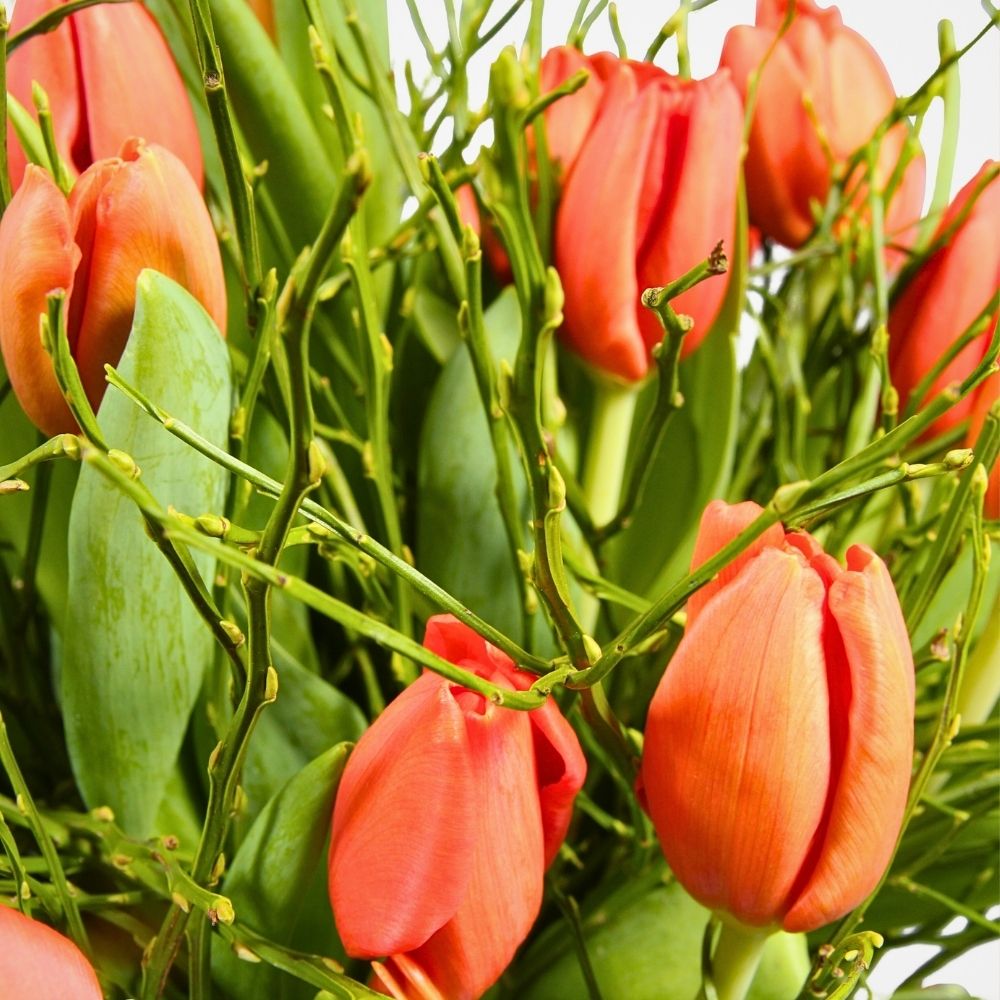
The bare branches also create negative space in arrangements, which is increasingly sought after in contemporary floral design. Instead of filling the arrangement with flowers all over, designers can use Heidelbeer to create breathing room, allowing the flowers to shine while maintaining design cohesion.
For those seeking something outside of the traditional apple green of the Heidelbeer, it also comes ‘flocked’ or treated in different colors for a bouquet in the right (spring?) mood. The flocking process gives the branches a soft, almost velvety texture while maintaining their elegant form, a treatment that proves particularly popular for seasonal decorations and themed events where a specific aesthetic is required.

This gives more creative approaches for designers who want to match specific color palettes or create more stylized arrangements. Whether one needs branches in soft pastels for a spring wedding or bold colors for a statement piece, these treated Heidelbeer branches can be adapted to create the desired impact.
Heidelbeer Is Particularly Important From a Sustainability Perspective
It is fascinating how people can be so familiar with one part of a plant while remaining completely unaware of another’s resourcefulness. Blueberries have long been eaten without recognizing that the same plants also offer unique floral design materials in their branches.

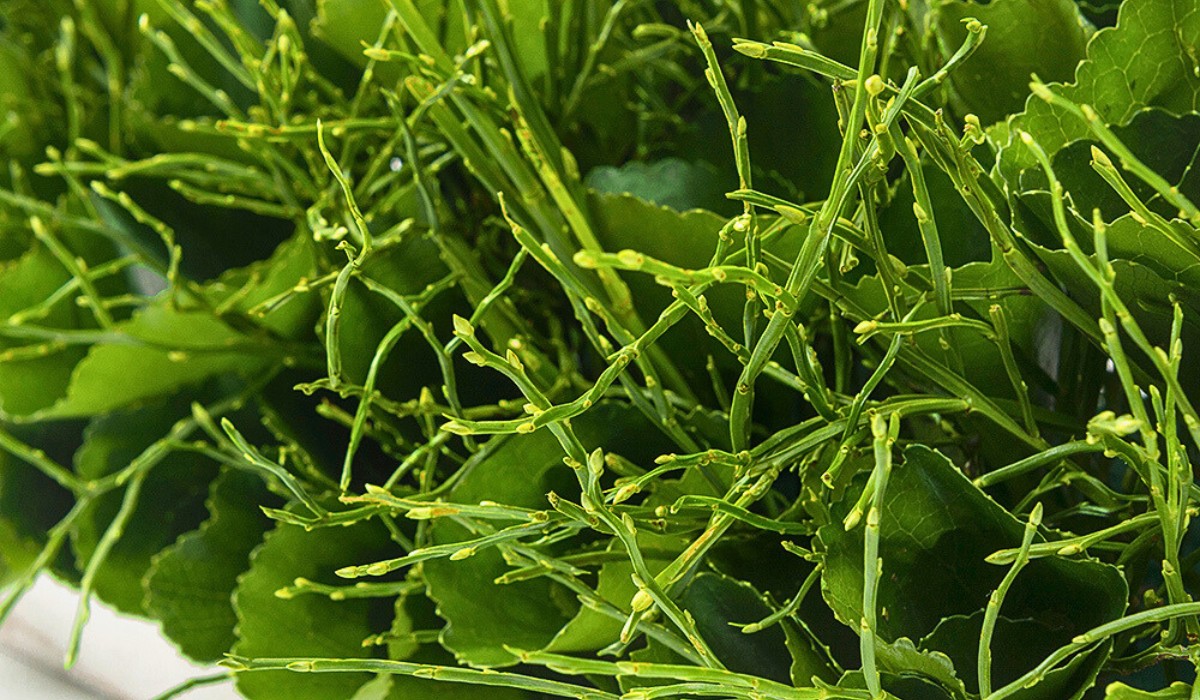
Heidelbeer is particularly noteworthy from a sustainability standpoint because it uses the entire plant. While the fruit industry harvests berries for consumption, the floral design industry uses the branches, meaning nothing goes to waste.
The seasonal, forest, and roadside harvest also means Heidelbeer maintains a relatively small environmental footprint. These plants grow naturally where they thrive. They need no irrigation systems, artificial heating, or intensive cultivation methods.
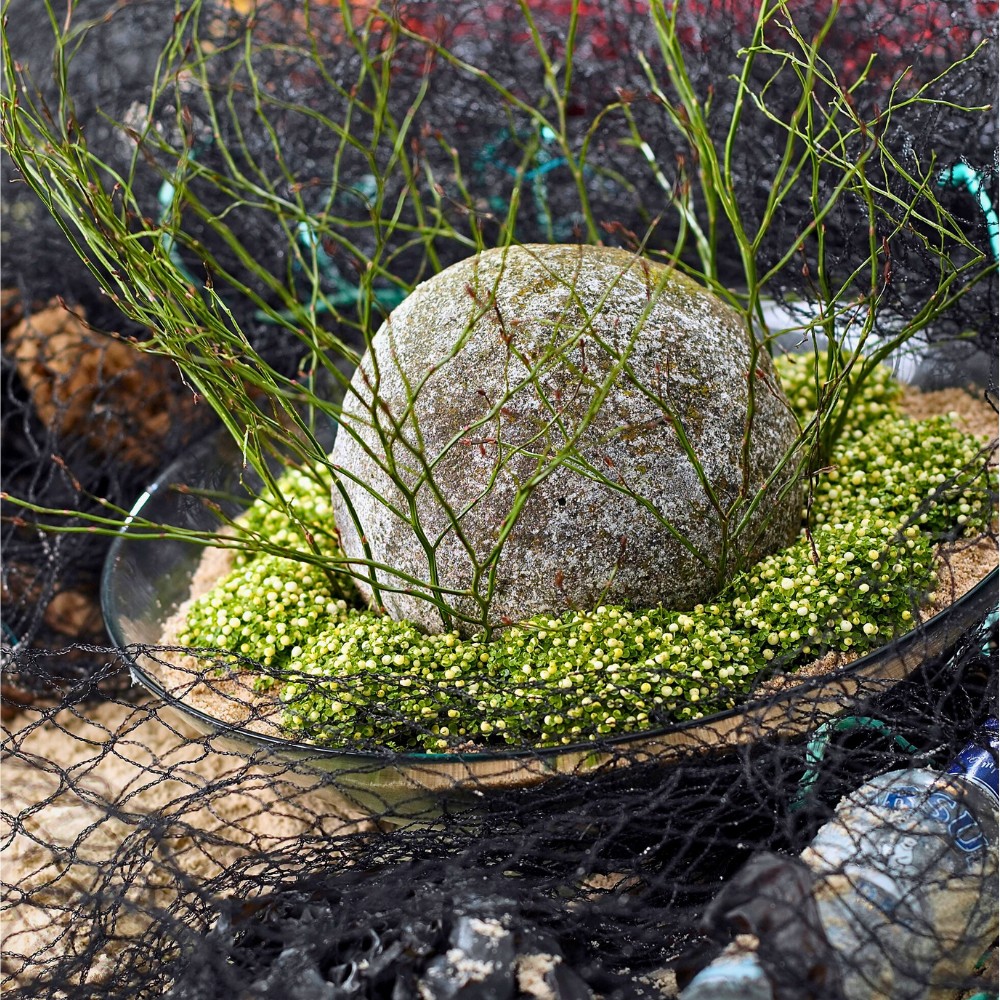
This is how, through Adomex's supplier network, these naturally growing branches reach florists and designers. Of course, you wouldn't mind a piece of the forest or that roadside planting in your floral designs!
Photos by Adomex International.