
The festivities are here, and did you know you can gather fresh festive decoration materials from your neighborhood? Such naturally growing elements also carry authenticity and warmth. Knowing where to look and how to harvest them sustainably could help you create festive designs that recognize both the aesthetic traditions of the season and the ecosystems sustaining them.
Understanding Your Neighborhood Landscape
Before you go out to forage, familiarize yourself with the plants growing in your region. Winter offers surprising abundance in virtually every climate zone if you know where to look. The key is to move away from the typical single-species approach and discover the different greenery available during the cooler months.
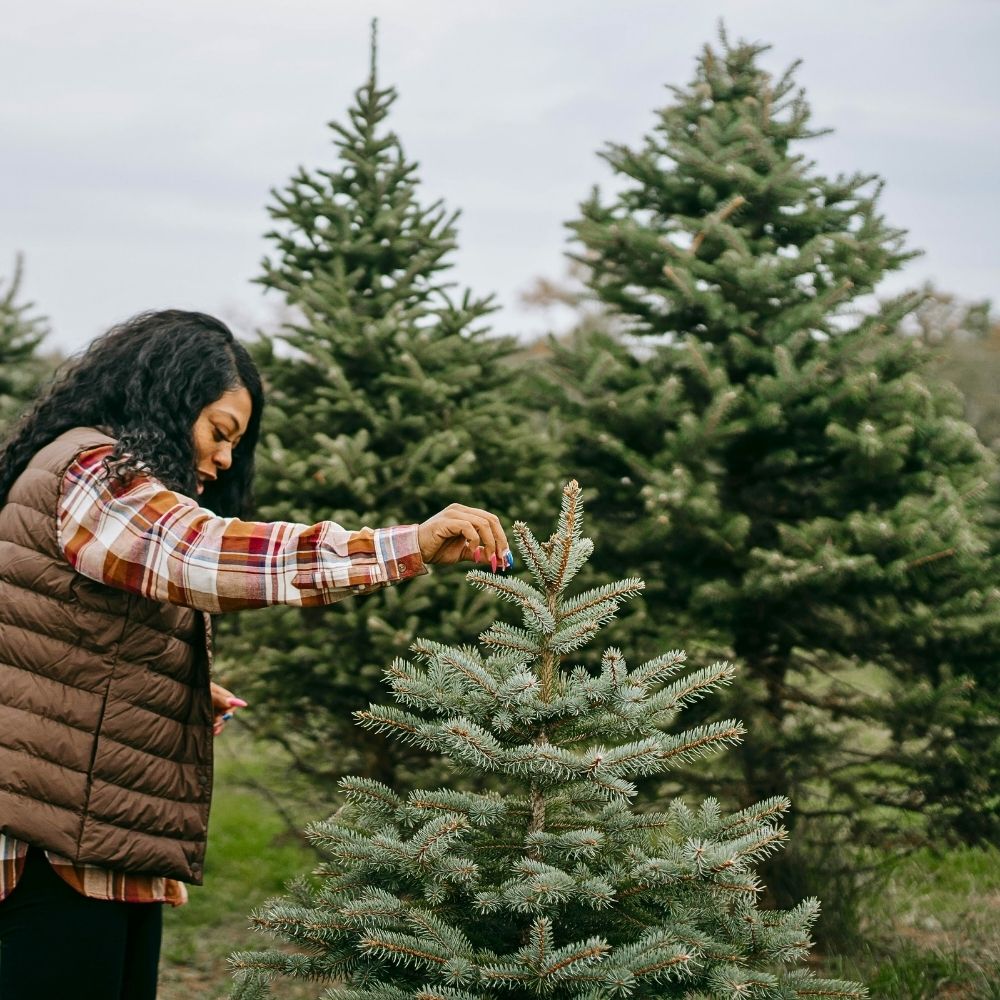
Start with what is immediately accessible. Walk your own garden first, because many plants are specifically suited to the purpose. Ornamental evergreens, which thrive in many growing zones, offer foliage perfect for arrangements.
Culinary herbs like rosemary, sage, and bay laurel are just as ideal for cooking as their texture and fragrance add depth to holiday displays. If you have cultivated ornamental grasses or retained seed heads from dried hydrangeas, these materials get new relevance in festive arrangements. Your garden could be the foraging ground that requires no permission.
Explore your immediate surroundings. Parks, reserves, and open spaces managed by local authorities often contain evergreen shrubs and native trees suited to your region. Native species, whatever they may be in your area, provide architectural branches with natural character.
Look for shrubs with interesting foliage variations and trees that carry visual appeal year-round. Before collecting anything, however, confirm that gathering is permitted. Many parks have specific guidelines about plant collection, and respecting these rules protects both the ecosystem and your legal standing.
The Rules of Ethical and Sustainable Harvesting
Responsible foraging is all about restraint and respect. These guidelines protect plant populations, ensure food sources remain available for wildlife, and preserve habitats. These are not restrictions meant to discourage you, but a way to ensure that you protect the natural spaces you visit.
Avoid endangered and protected species. Before you cut anything, confirm that the plant is not rare or threatened in your region. This requires knowledge, so consult local botanical guides, park rangers, or connect with regional native plant societies. When in doubt, leave the plant alone. Uncertainty is permission enough to move on.
Practice the one-third rule. Never harvest more than one-third of any individual plant or stand of plants. If you find a particularly abundant patch of ivy, for instance, take from only a few plants and only cut a portion of each. This leaves plenty for the plant to recover and for wildlife to access. Slower-growing species deserve even more caution; in some cases, harvesting less than one-third is the more ethical choice.
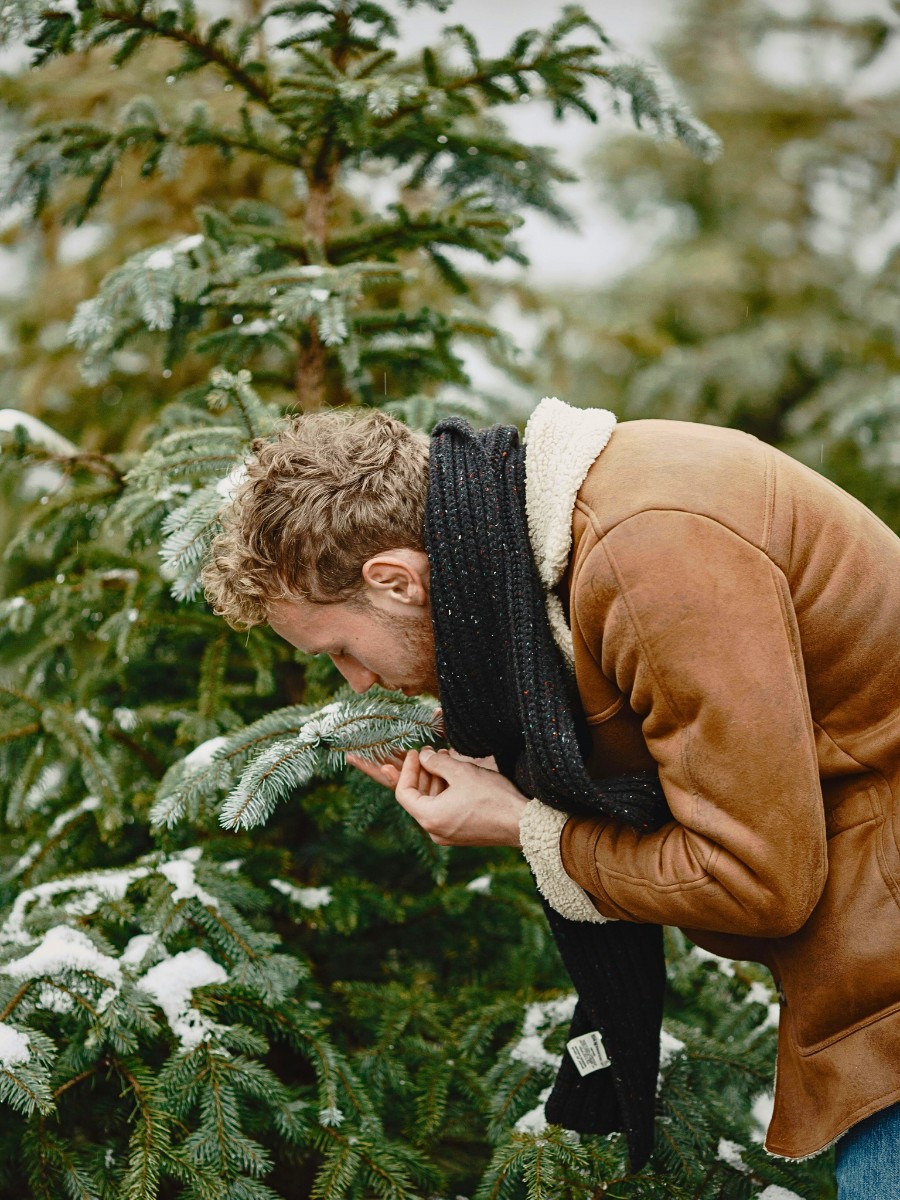
Mind the reproductive cycle. Many of the most appealing materials for centerpieces are seeds, flowers, or berries. These are precisely the plant parts necessary for reproduction and survival. Before collecting seed heads or berry-laden branches, consider whether the plant needs those structures for next year's growth. For annual species that depend entirely on seeds to regenerate, restraint is essential.
Lastly, select abundant materials first. Nature has a hierarchy: while some plants are prolific and resilient, others are delicate and rare. Begin your search for evergreen foliage that is common in your area. Explore different paths and locations, and do not repeatedly revisit the same trees. Spread your impact across multiple plants instead of focusing on a single convenient location.
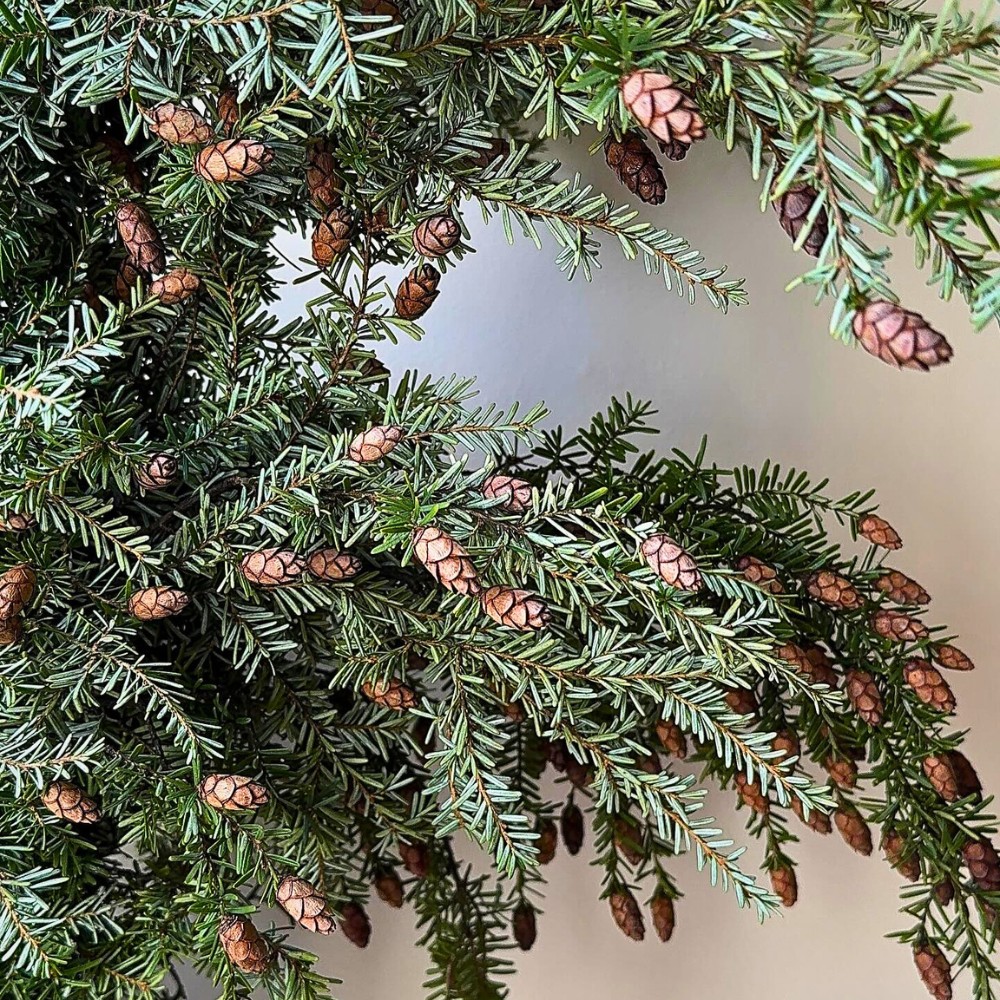
So, which winter greenery is worth gathering?
Evergreen Conifers
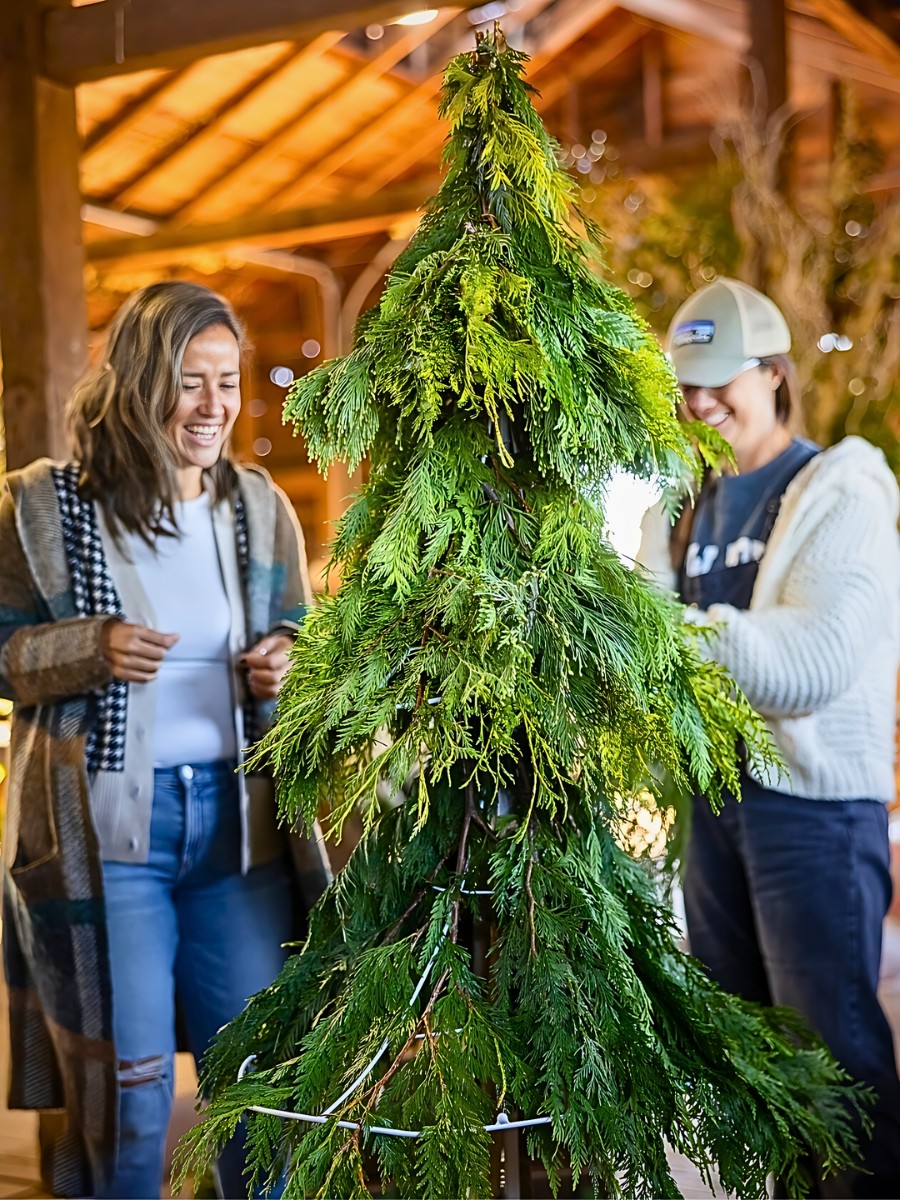
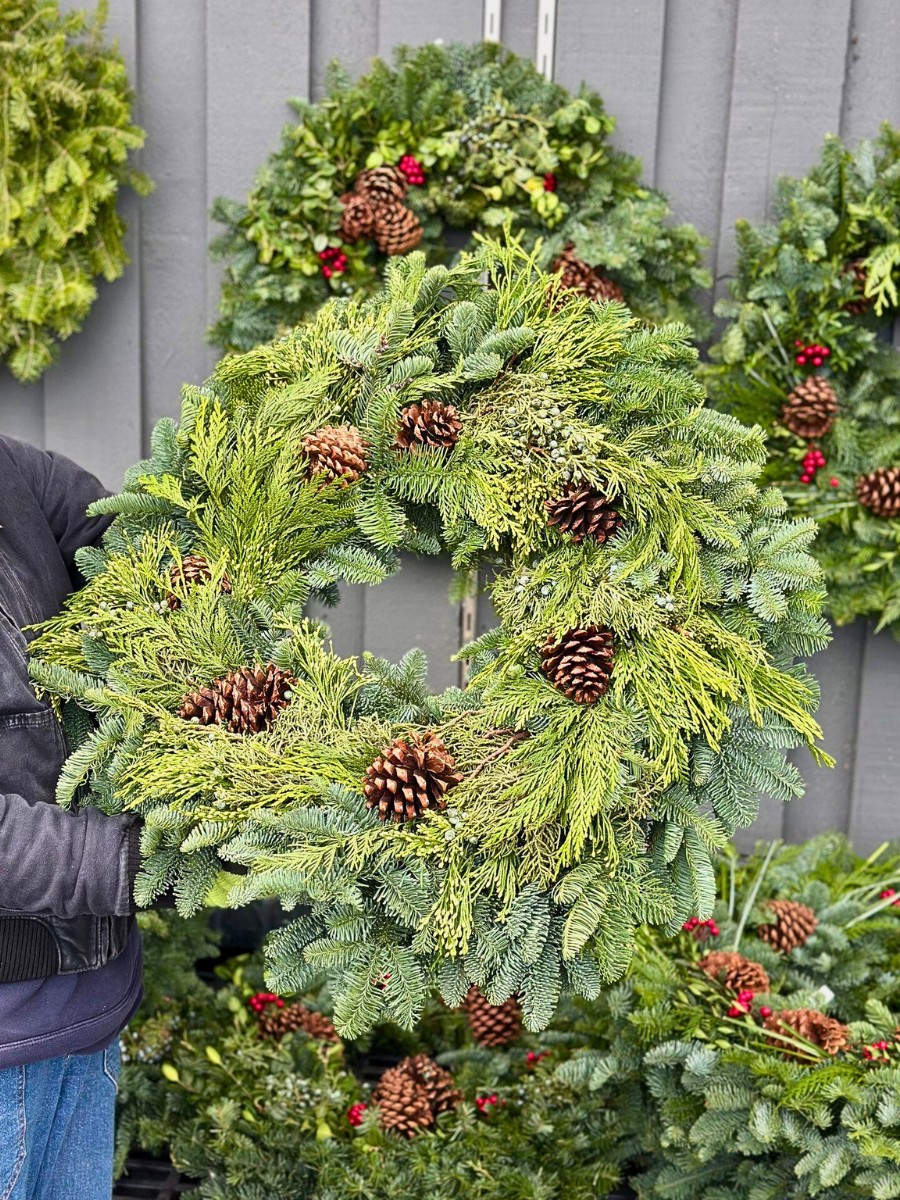
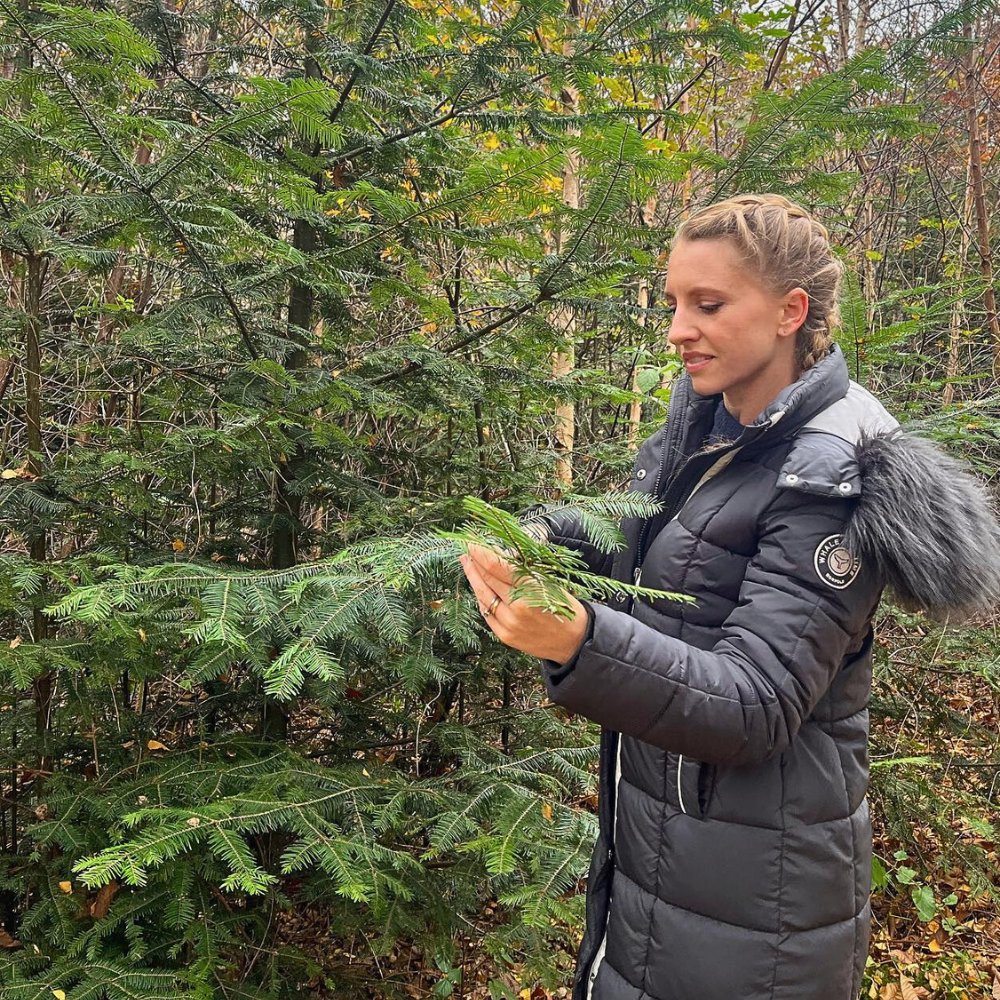
If you have access to pine, spruce, fir, or cedar species in your region, the soft, fresh branches of these trees create an excellent foundation for arrangements. The needles retain their color for days, just as their natural fragrance fills rooms. Harvest from branches already at hand level when possible, avoiding anything that requires climbing or damages the main structure. Cut only small segments from different trees, not stripping one branch bare.
Holly and Similar Berry-Bearing Shrubs
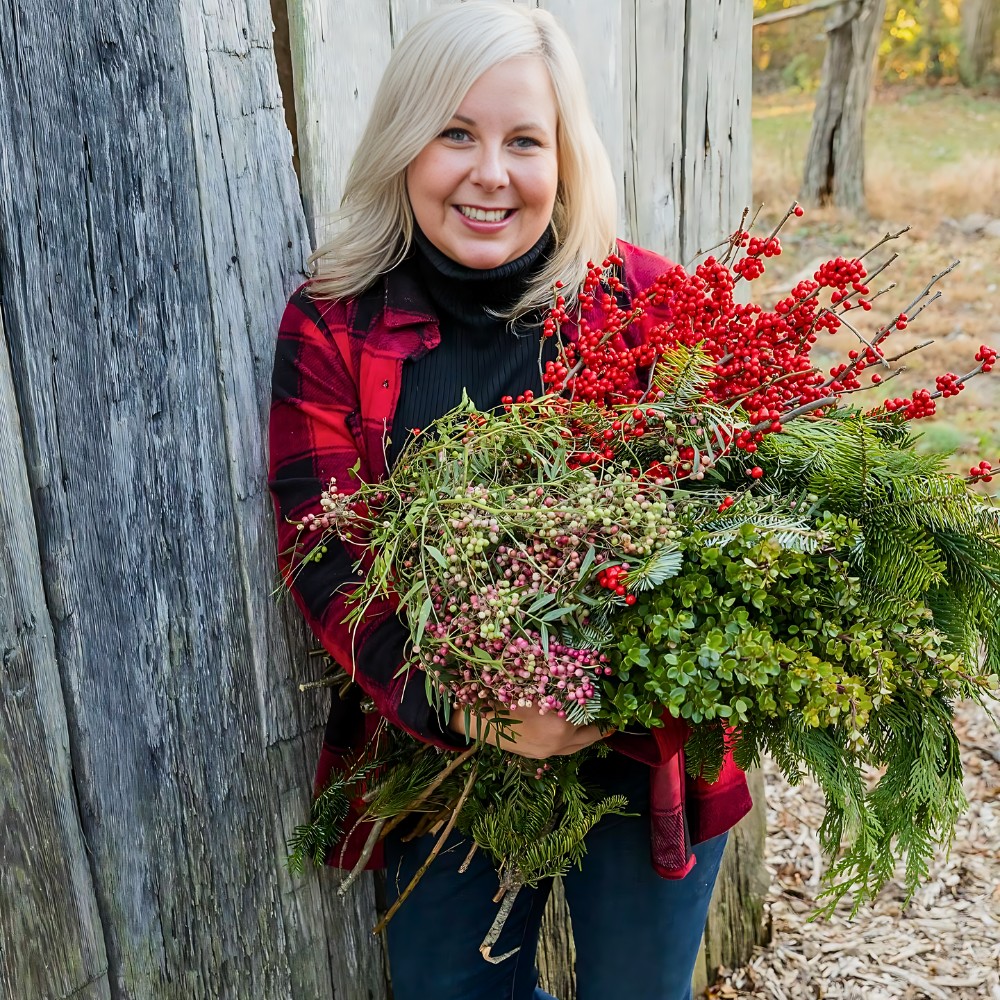
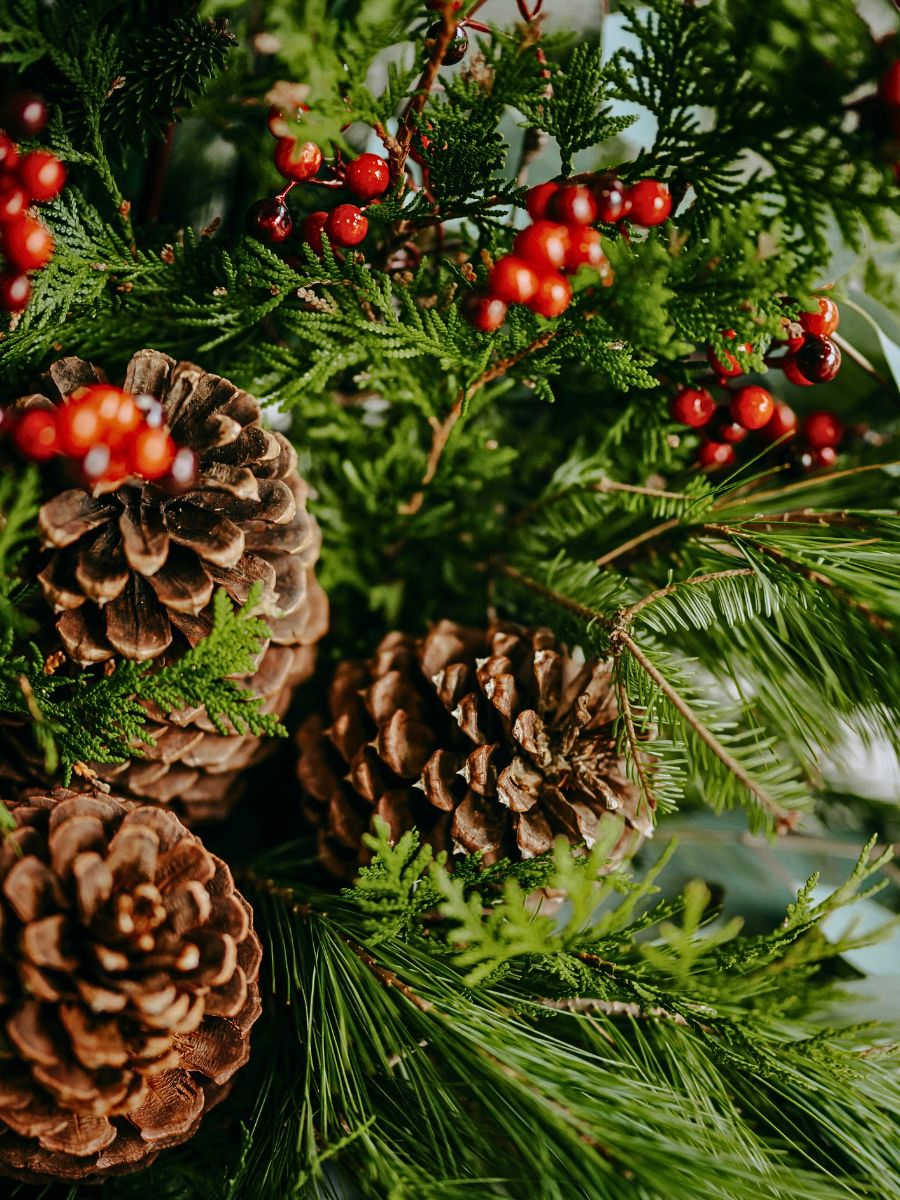
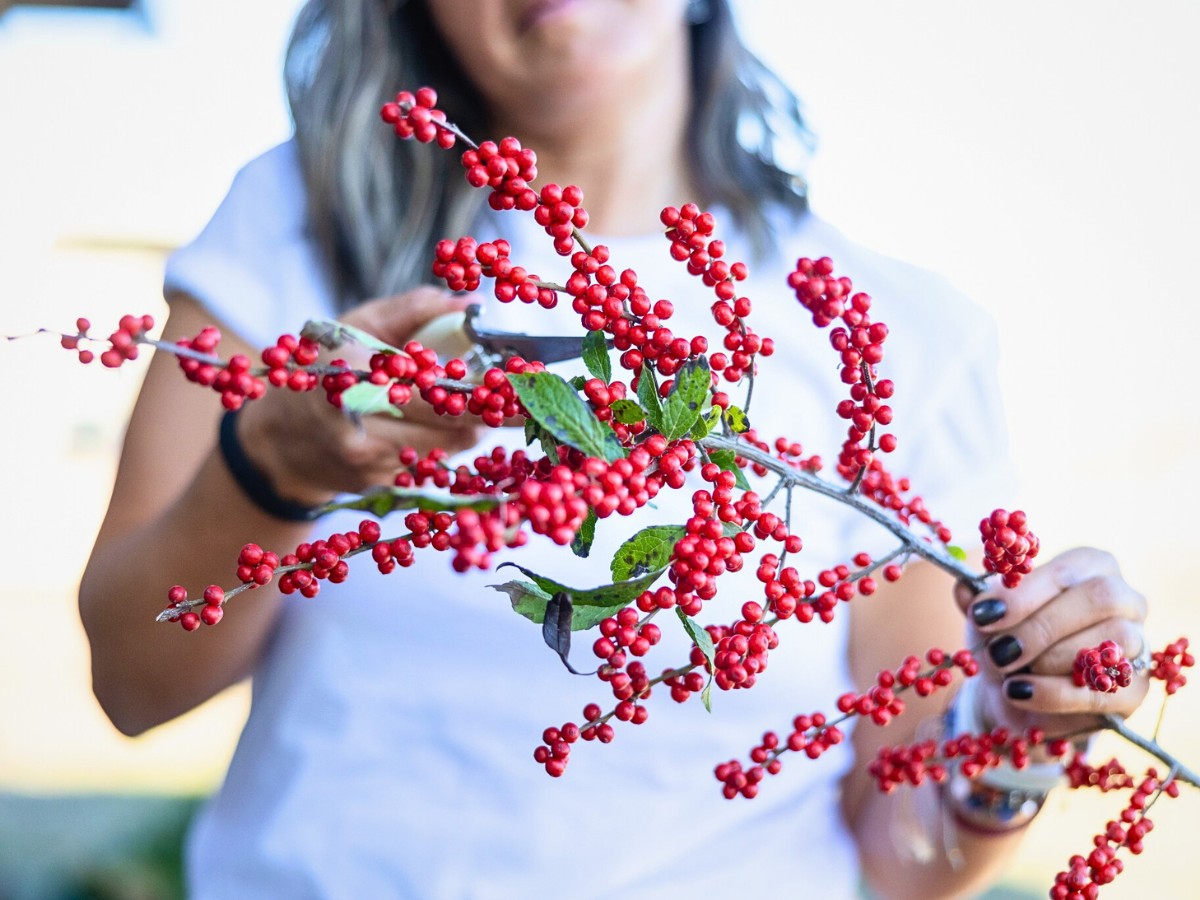
Native berry-bearing shrubs in your region offer glossy leaves and colorful berries that are Christmas standouts. However, many berries are poisonous to people and pets, so use them for decoration only. The berries are essential winter food for birds, so harvest sparingly. Take only a few sprigs, never entire branches, and leave the majority of berries for wildlife.
Ivy and Climbing Vines
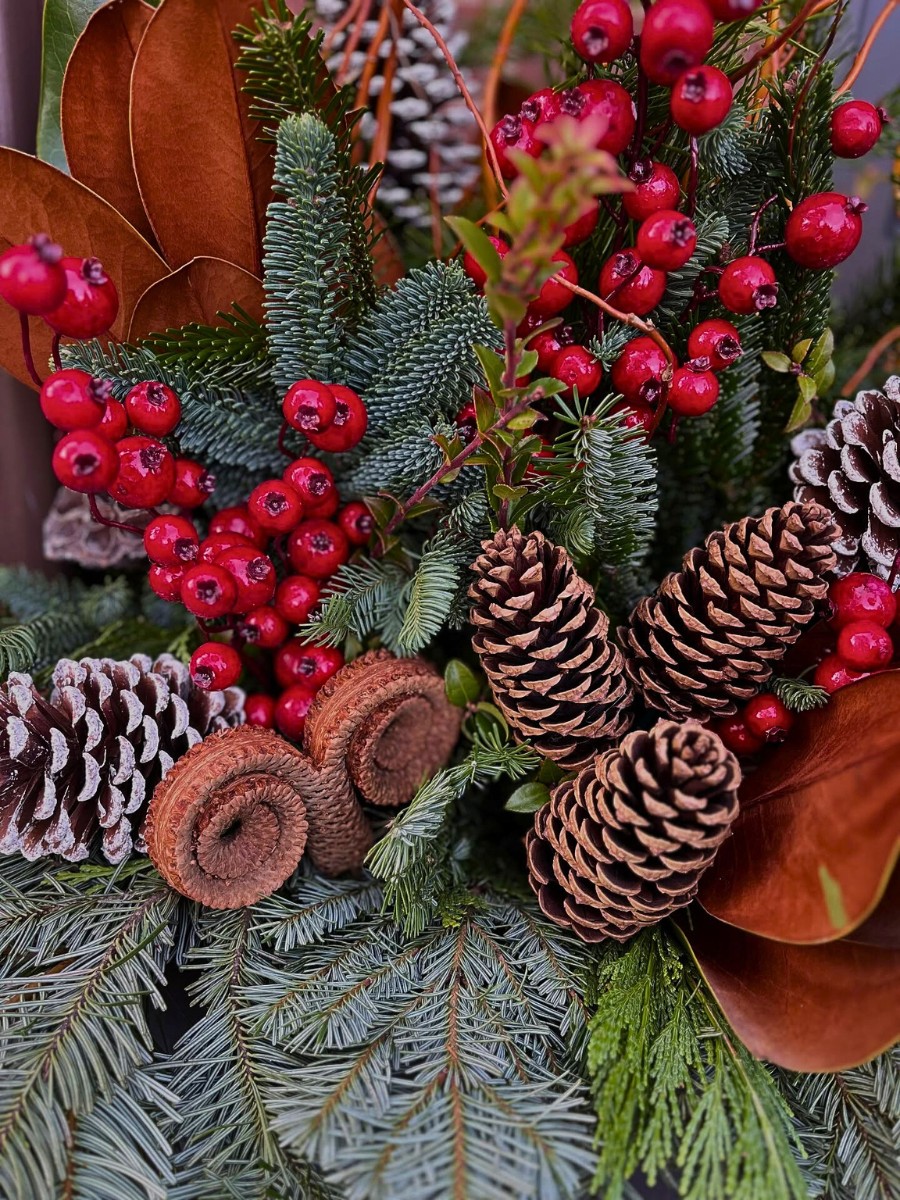
Many ivy species are vigorous and prolific, making them excellent foraged material. They weave gracefully through arrangements and have an elegant, natural appearance. Climbing vines and ornamental species that are common in your area work just the same way. These plants often appreciate gentle pruning, so harvesting is almost a favor to them.
Dried Materials
By winter, many plants have set their seed heads or dried flower structures. Look for grasses with architectural seedheads, dried teasel or similar flowers, fallen branches with interesting shapes, and persistent seedpods. These materials are often free of the need to worry about plant damage because they are already in their final form. Gather fallen branches and twigs from the ground instead of cutting green growth.

Native Deciduous Branches
Even trees that have lost their leaves offer visual interest through their branch structures and bark textures. Twisted branches, gnarled stems, or the architectural bones of native trees add dimension to arrangements. When collecting branches, take only those that are already fallen or prune dead growth. Do not strip living wood from healthy trees.
The When, Where, and How of Sustainable Harvesting
Timing matters. Winter is ideal for gathering evergreen materials because deciduous trees have already dropped their leaves, leaving evergreens clearly visible. However, early morning is the best time to cut, when plants are fully hydrated, and materials are at their most rigid and longest-lasting. Avoid harvesting during rain or immediately after rain when plants are waterlogged, as they deteriorate faster in arrangements.
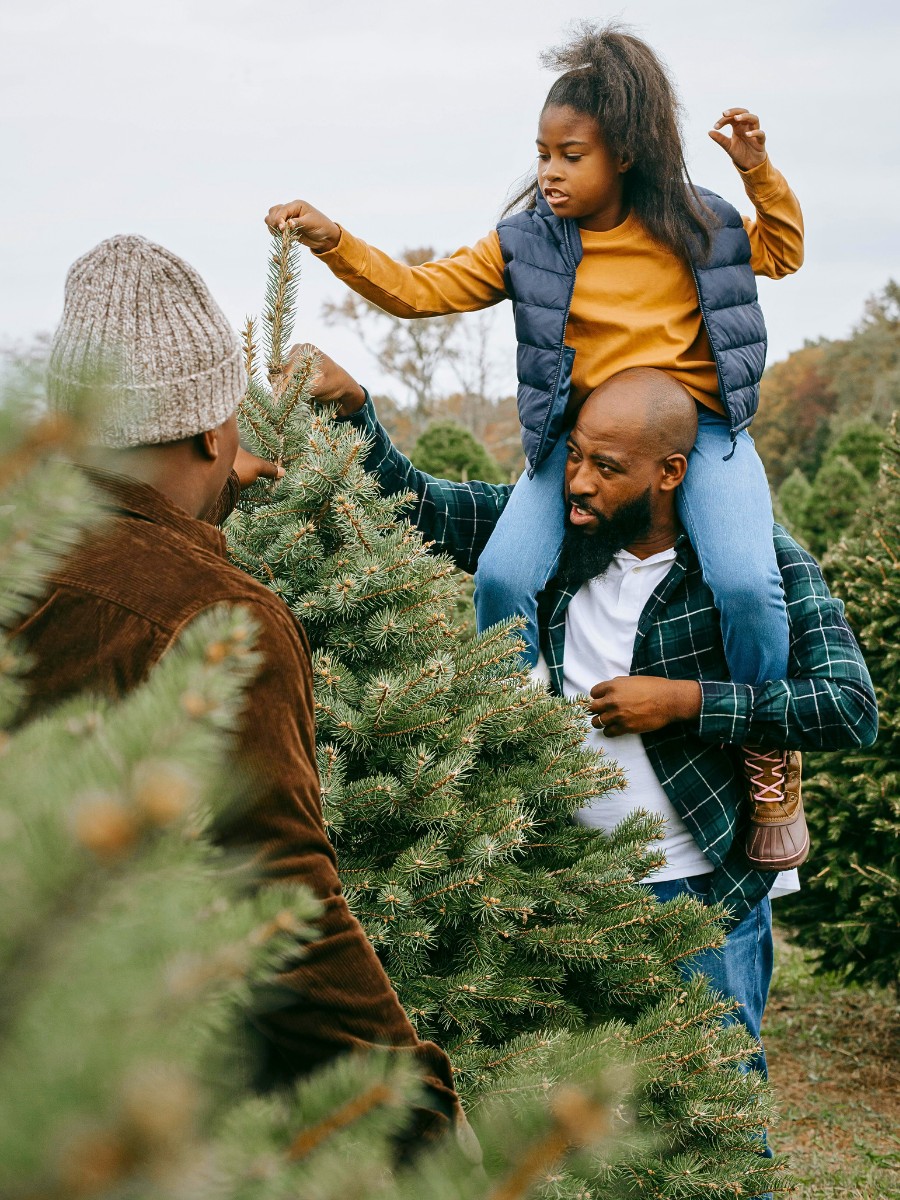
Use proper tools. Dull or blunt tools can cause damage, making plants vulnerable to disease and pests. Carry clean, sharp bypass pruners or a small, sharp knife. Make clean cuts just above a leaf node or branch junction. This promotes healing and allows the plant to grow properly. Never yank or twist plant material, as this can cause tearing and harm the plant.
Gather during daylight and with permission. This is not just sensible, but it also shows respect for landowners and community spaces. If you forage on private land, ask the owner, explaining what you are gathering and how you intend to use it. Most landowners appreciate honesty. If you gather in public spaces, confirm that collection is permitted. Adhering to these practices builds goodwill and ensures this resource remains available for the next season.
Protecting Wildlife While You Harvest
The berries and seeds you find attractive during winter are essentially survival resources for birds and small mammals. Winter is challenging for wildlife, and many animals depend on these food sources when other options vanish. Before stripping a berry-laden branch, ask yourself whether other food sources are abundant or whether this plant is an essential winter resource.
Various bird species rely on berries throughout the cold months. Rodents, squirrels, and other small mammals depend on nuts, seeds, and persistent fruit through winter. When you harvest berry-bearing branches, do so lightly. Take only what you need for decoration, and leave the majority for wildlife. The same philosophy applies to branches that provide shelter and nesting.
Creating Your Design Sustainably
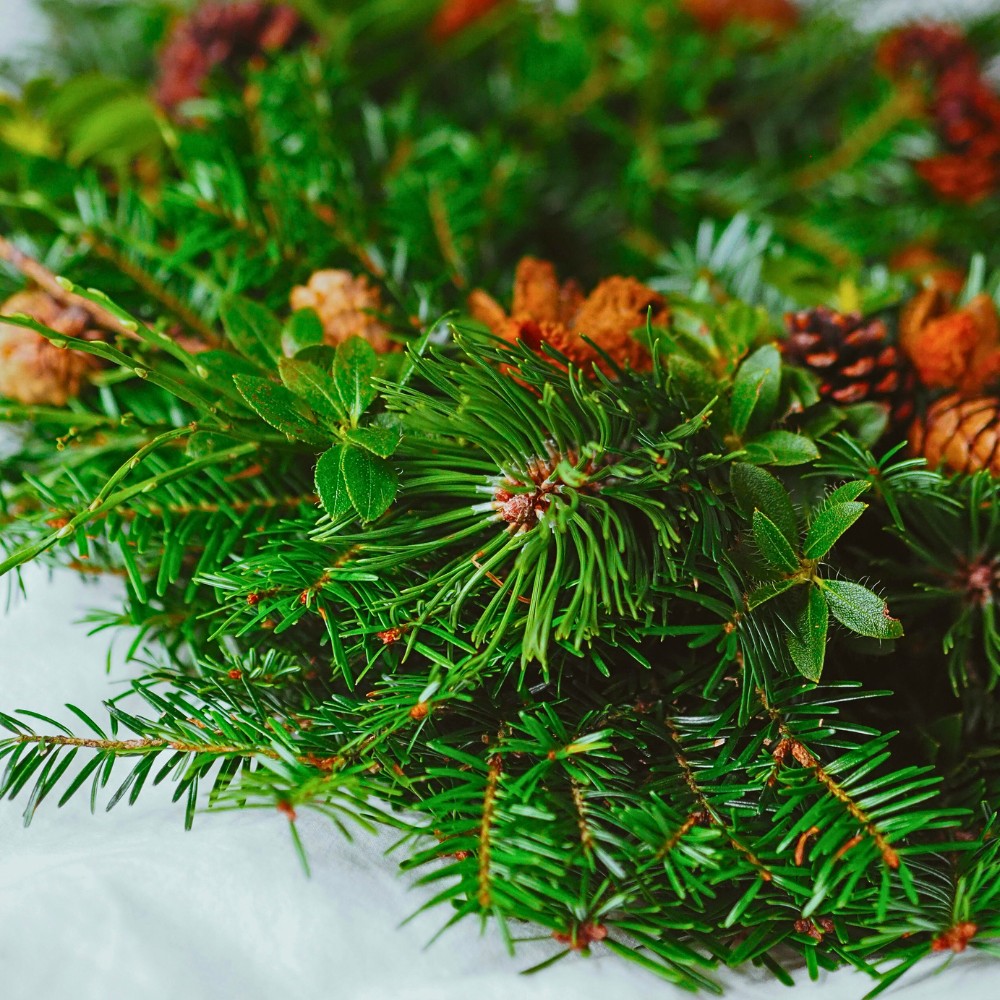
Once you have your materials, the arrangement is an exercise in simplicity. Unlike floral arrangements that require constant water and maintenance, foraged arrangements often improve with age. As materials dry slightly, they become lighter and more sculptural, taking on earthy tones that enhance their appeal.
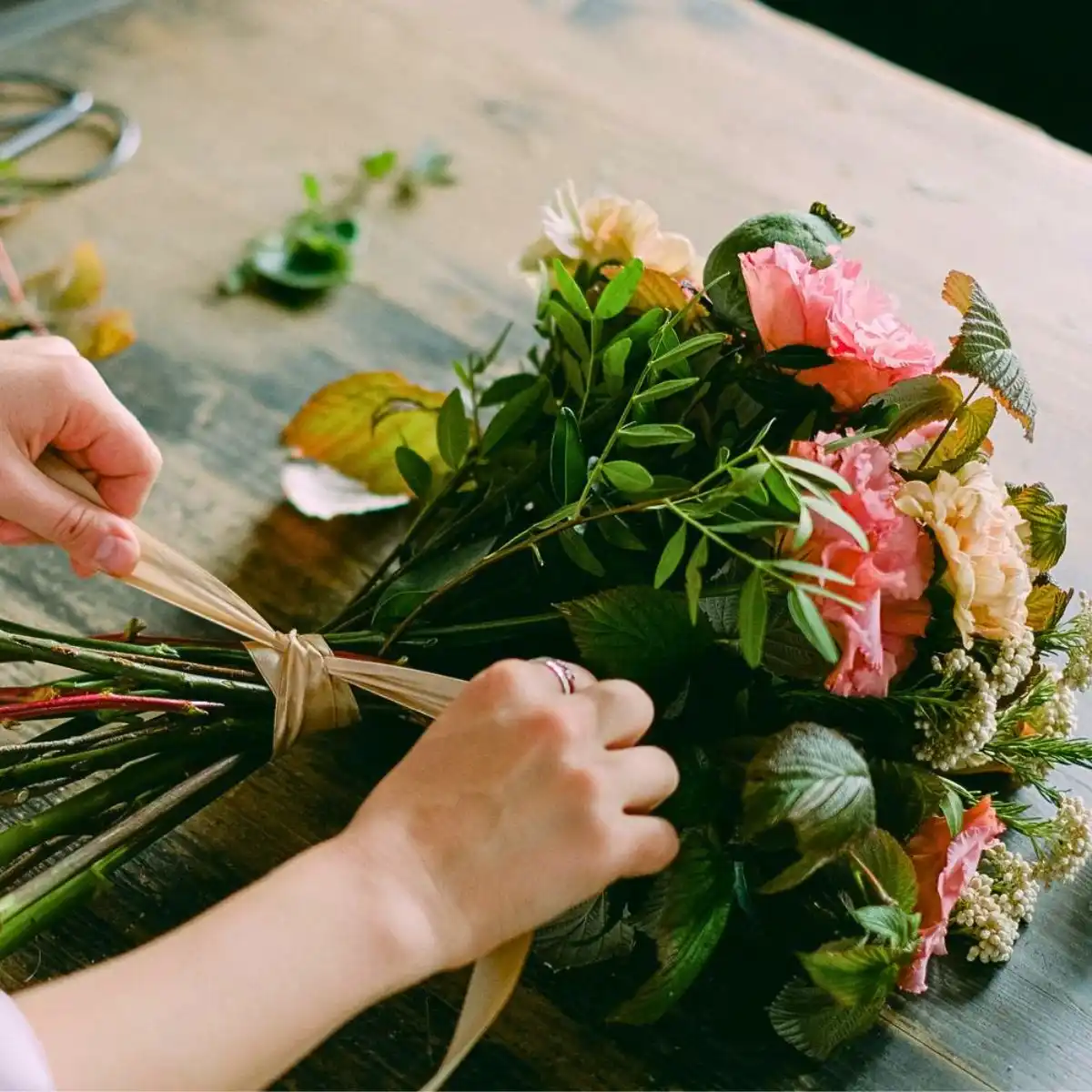
Start with a base of evergreen foliage in a clean vase or container filled with water. Add structural branches at varying heights. Add finer materials like dried grasses, seed heads, or dried flowers. Incorporate any berries or decorative elements sparingly, because you are aiming for an appearance of natural gathering and not quite heavy ornamentation. Step back frequently to assess balance and composition. Often, the most striking arrangements are those that look almost accidentally beautiful.
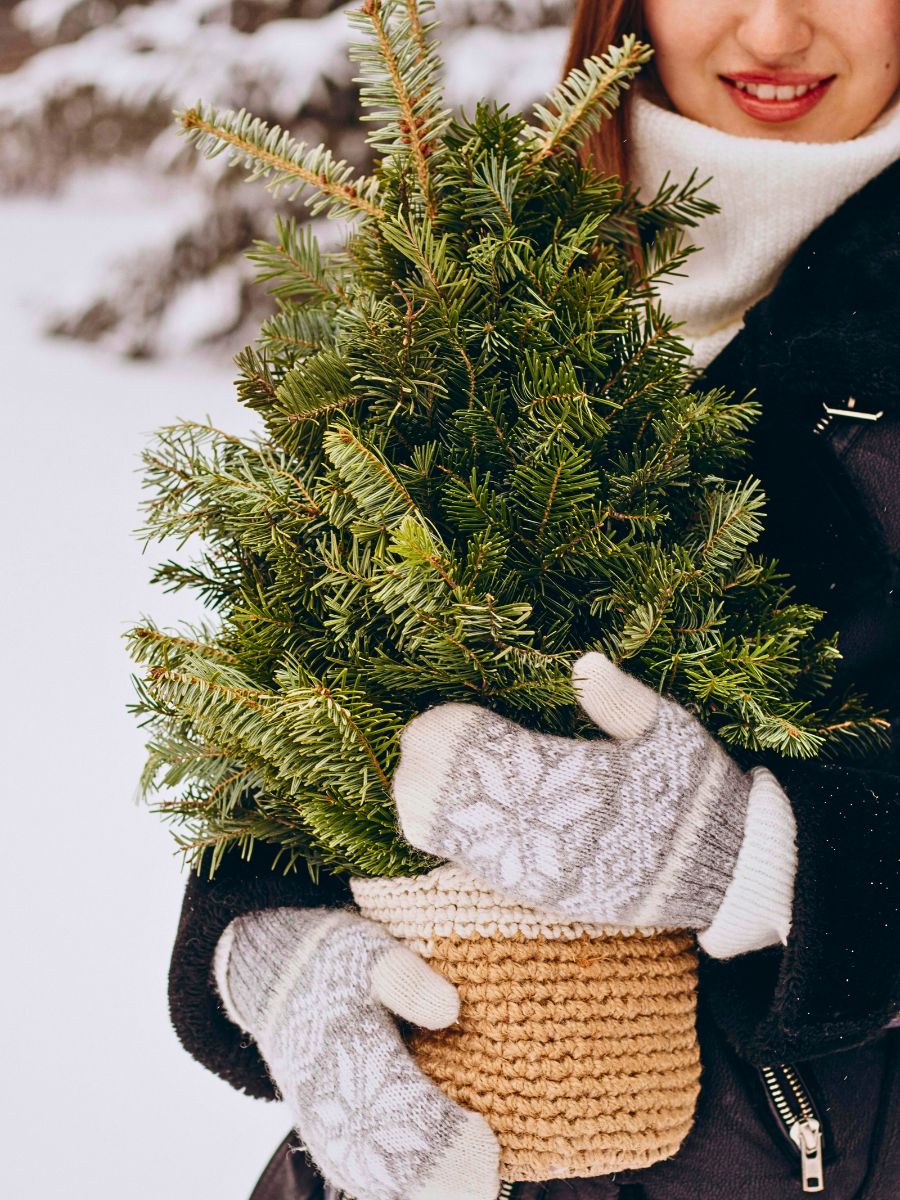
If you prefer arrangements that don't require water, you can use sustainable foam or place materials directly in a container or basket. Slightly dried foraged materials last longer without water. Some people combine fresh and dried elements, anchoring the fresh greenery in water while the dried materials stand freely above, extending the arrangement's lifespan.
After the Season, It Is Time for Return and Renewal
When the arrangements have served their purpose and the holidays have passed, resist the urge to throw them away. Most foraged materials are entirely compostable. Dried greenery, branches, and seed heads break down quickly, returning nutrients to the soil. If you have a compost system, these materials enrich it while reducing the amount of waste sent to landfills. Even if home composting isn't an option, many communities offer yard waste collection. Composting your arrangements means completing a cycle that recognizes both the effort of gathering and the source materials.
Composting also sets a framework for next year's gathering; when materials return to the soil, they stimulate more growth. The plant from which you harvest a sprig this season will regrow for next season. This year, you could consider trying something different, like bundling up, heading outside, and seeing what winter has to offer. All you need for beautiful decorations could be closer than you think. But harvest it sustainably!
Feature image by @suffolksisters. Header image by Denisse Leon.