Every florist has favorite flowers. Roses, lilies, tulips, hortensias, or seasonal specialties often receive most of the attention. Yet when you look closely at how floral designs come together, it becomes clear that flowers are only part of the story.
Behind many successful bouquets, event installations, sympathy arrangements, and everyday floral designs is a carefully selected collection of greens. They provide structure, movement, texture, contrast, and often the personality that makes a design feel complete.
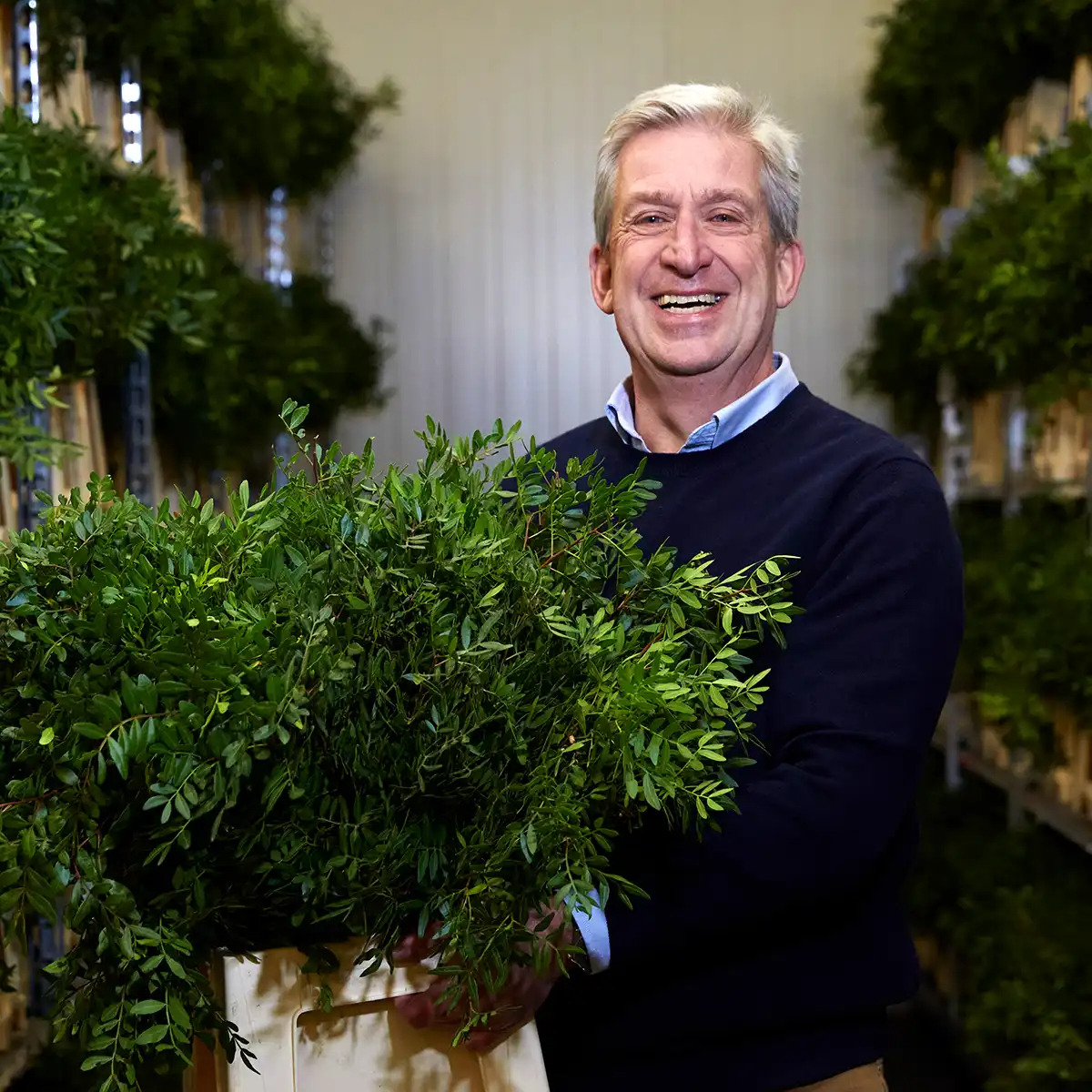
For florists across Europe and beyond, Adomex has become a trusted source for that green toolbox.
Greens as Architectural Elements
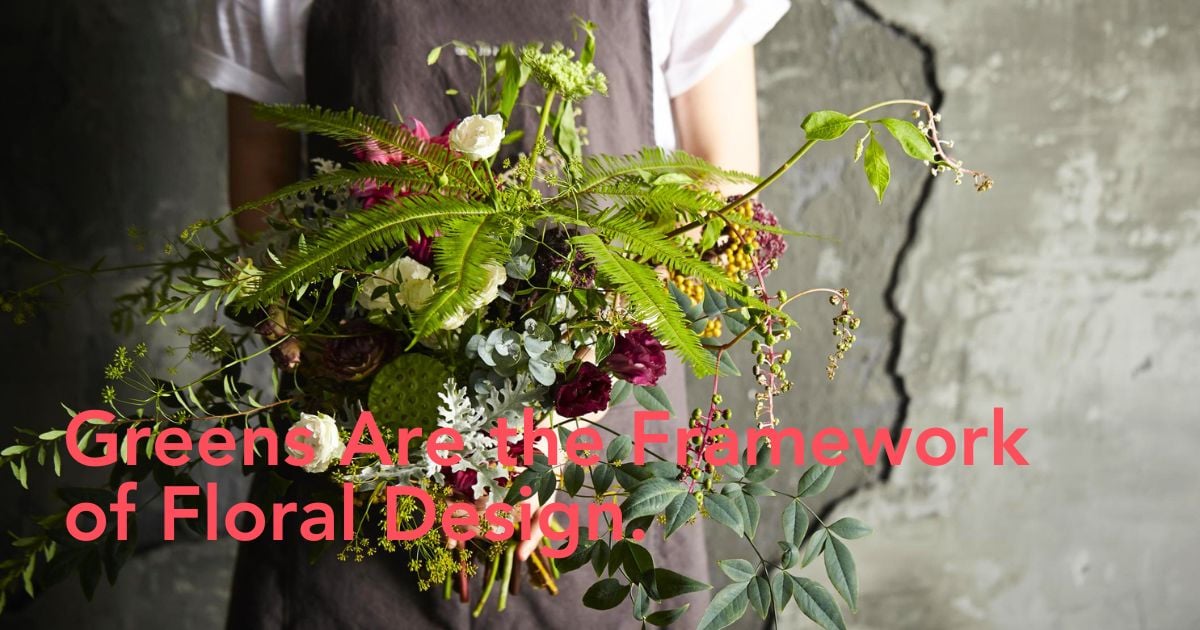
The idea that foliage is simply a filler has long disappeared from contemporary floristry. Today's designers use greens as architectural elements. They create shape, establish rhythm, introduce texture, and influence how flowers are perceived. A single rose can look entirely different when paired with eucalyptus than when combined with tropical foliage or delicate ferns.
Greens can soften a design, make it feel natural, add drama, or create a modern minimalist look.
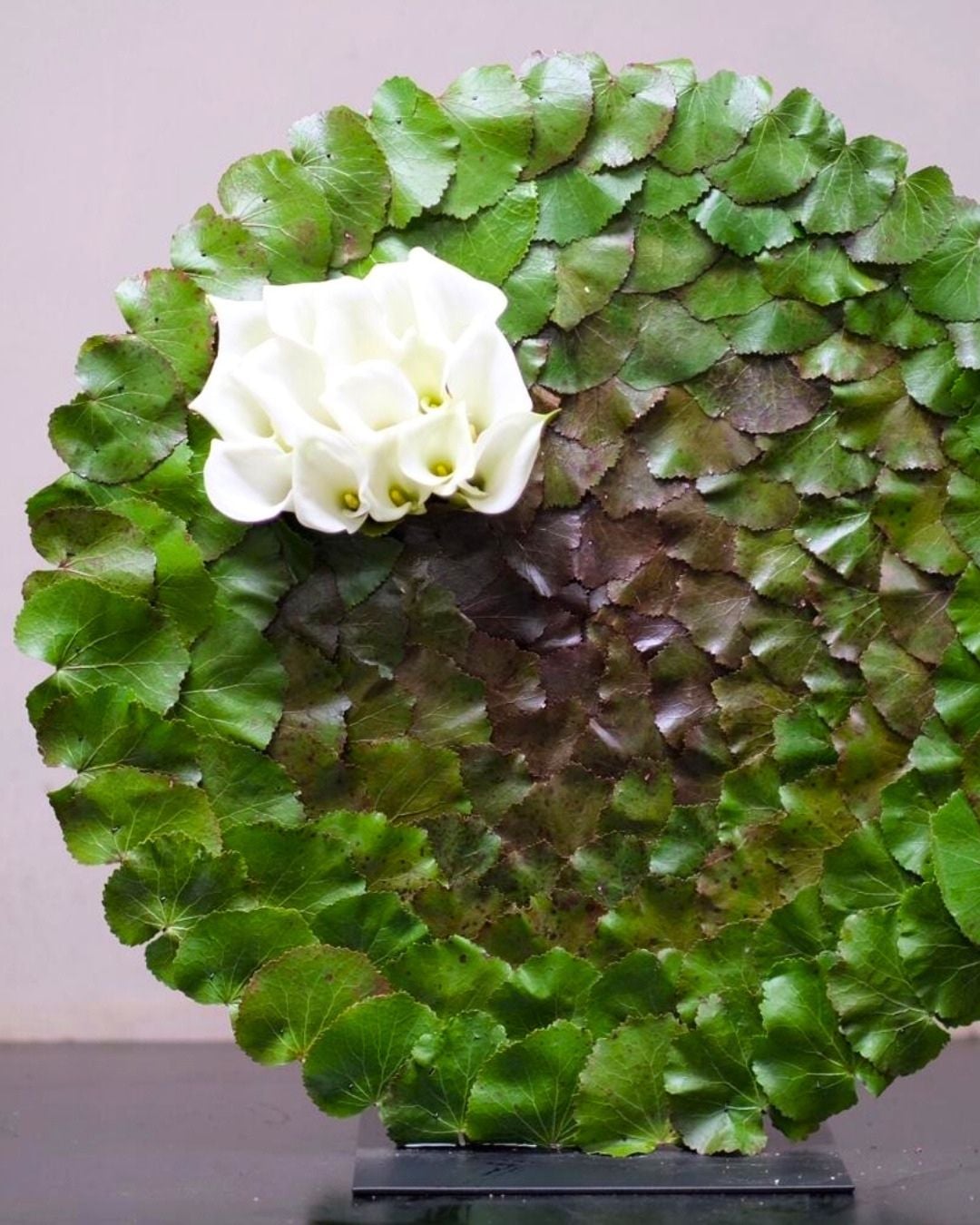
Nele Ost:
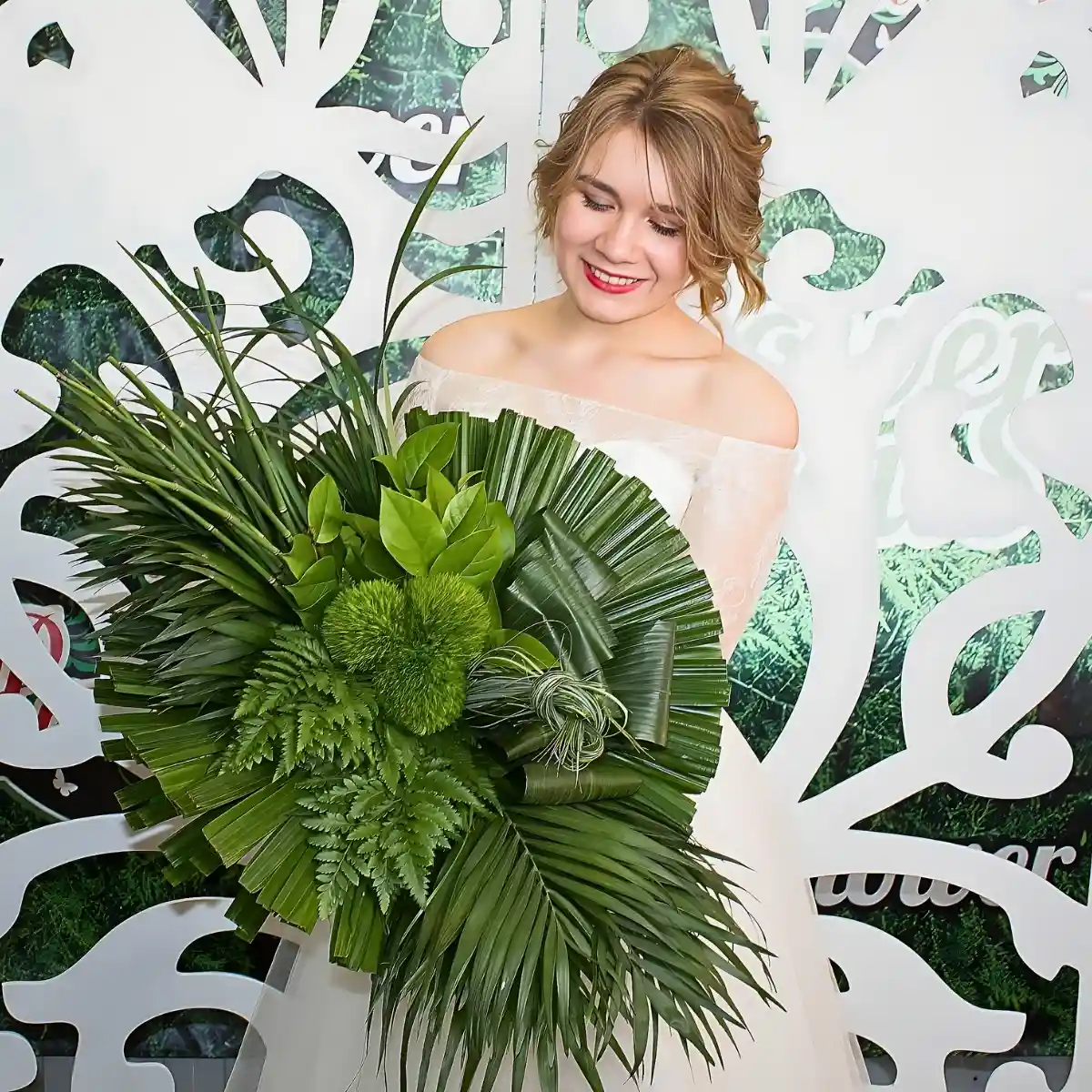
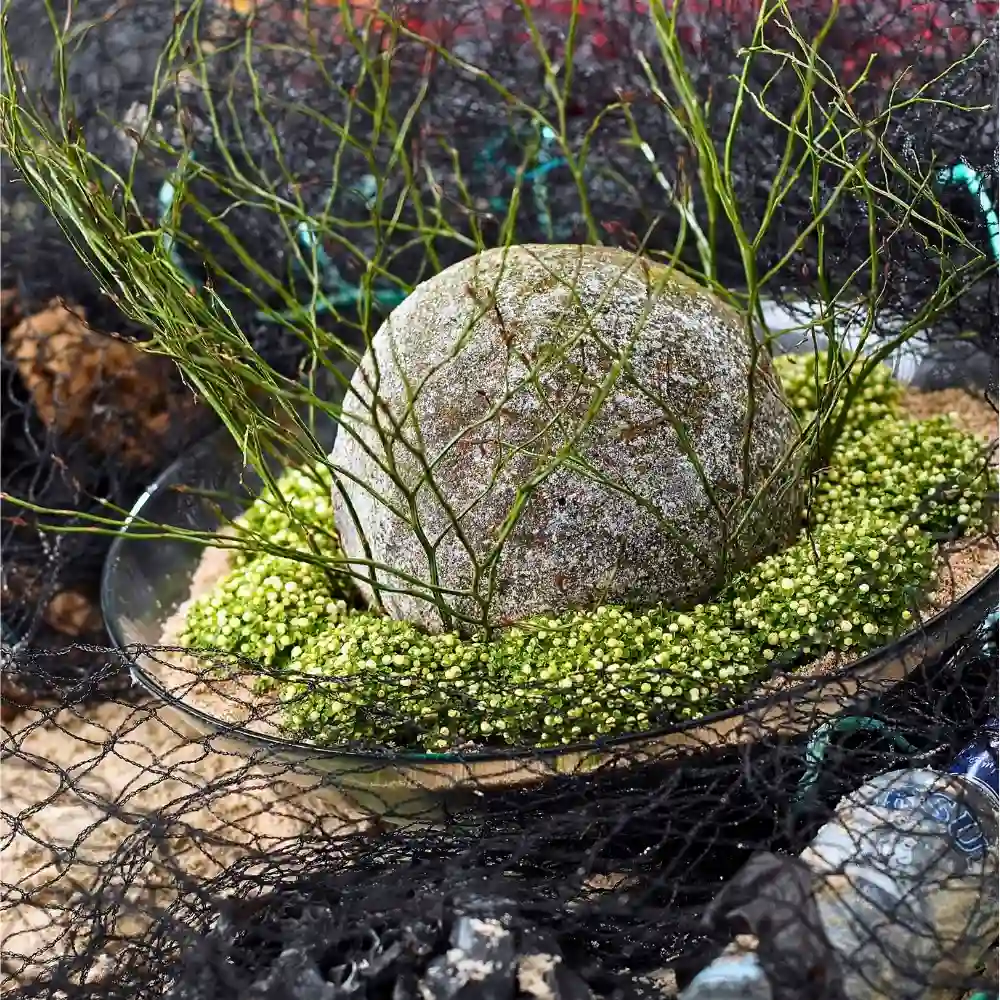
"Some of the most interesting floral creations begin where convention ends.
A reminder that floral design is not bound by expectations. Sometimes, the most striking bouquets emerge when we choose a different path."
A Toolbox Filled With Possibilities
Walking through the Adomex assortment is much like opening a toolbox. Each variety serves a different purpose.
Some greens provide volume and coverage. Others introduce movement and lightness. Tropical leaves create strong graphic lines, while finer materials bring softness and detail.
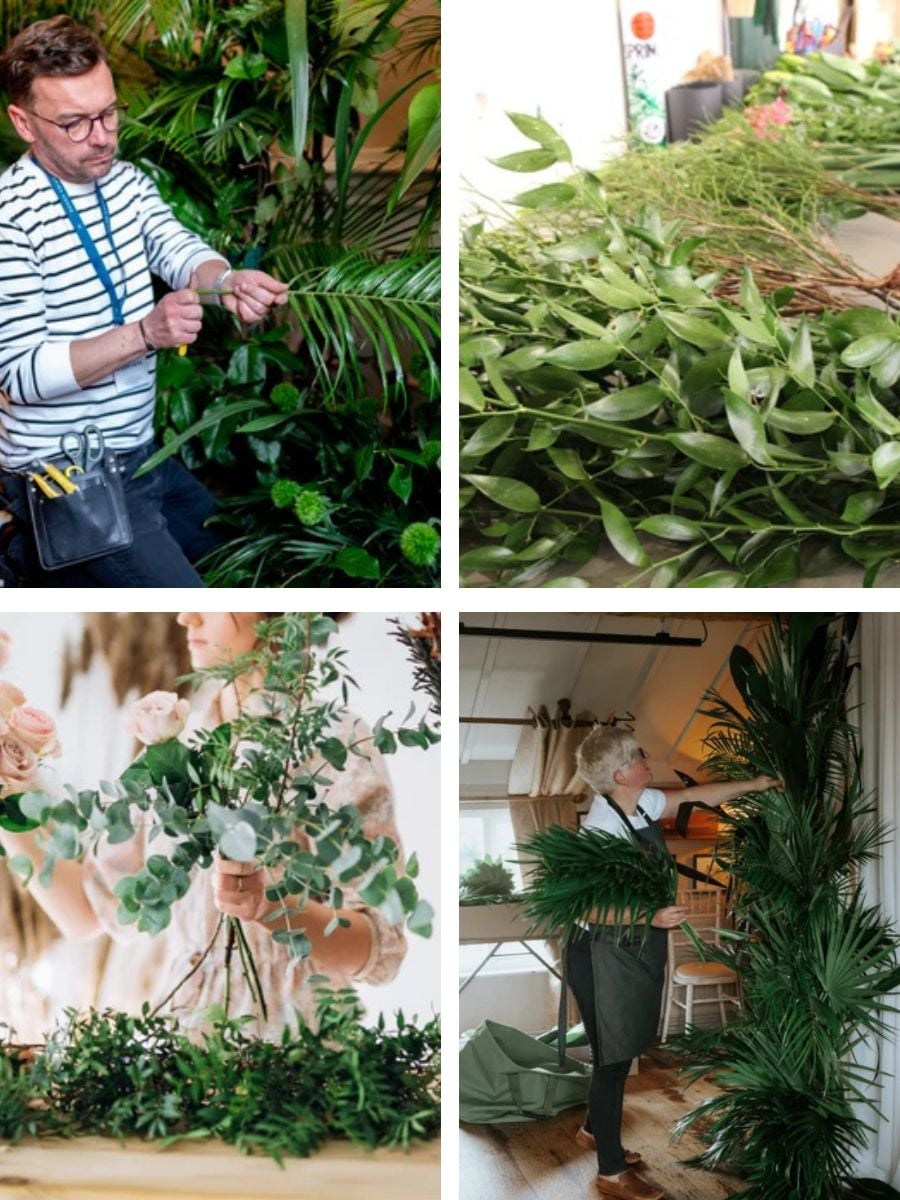
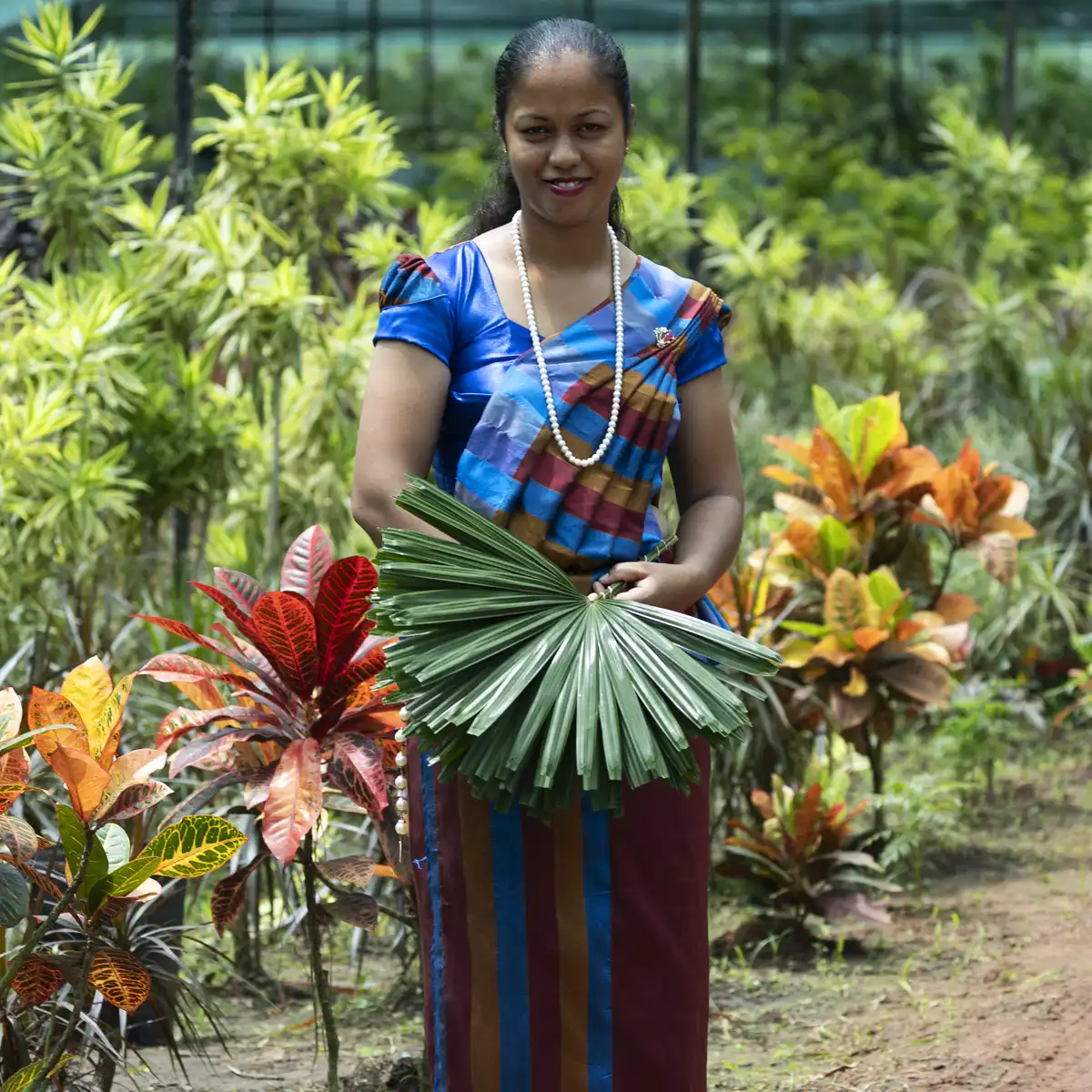
Large-leafed varieties such as Fatsia instantly create impact and structure. Palm foliage introduces bold shapes and a tropical feel. Eucalyptus remains a favorite because of its natural movement, subtle color, and versatility across different design styles.
At the same time, finer foliage and textural materials allow florists to create depth and connect different elements within a design.
Building Structure Before Flowers
Many professional florists start their design process with greens.
Before a single flower is added, foliage helps establish the framework of a bouquet or arrangement. It defines the shape, determines the movement, and creates the foundation that supports the flowers.
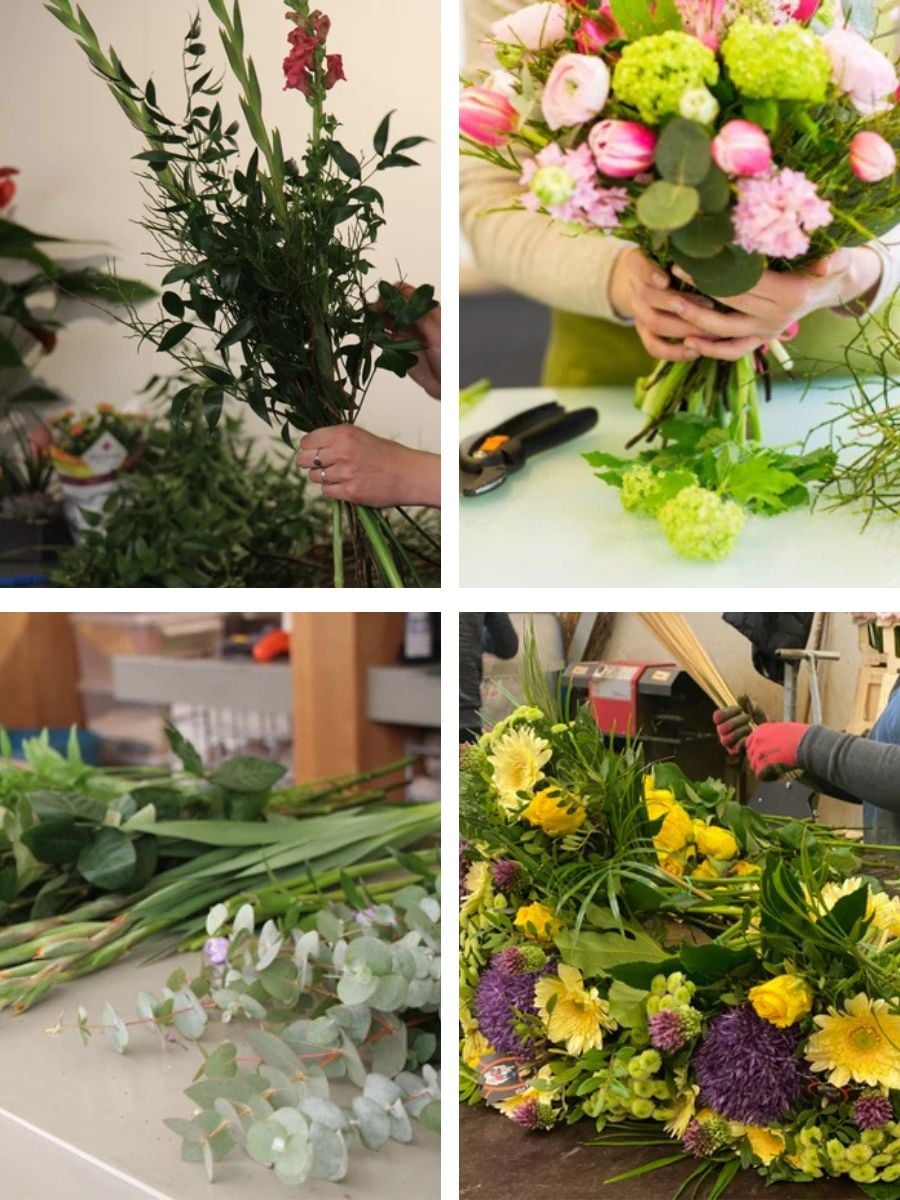
This approach is visible in many contemporary floral designs where greenery is no longer hidden in the background. Instead, it becomes an active part of the composition. The greens create the stage on which the flowers perform.
Texture Creates Emotion
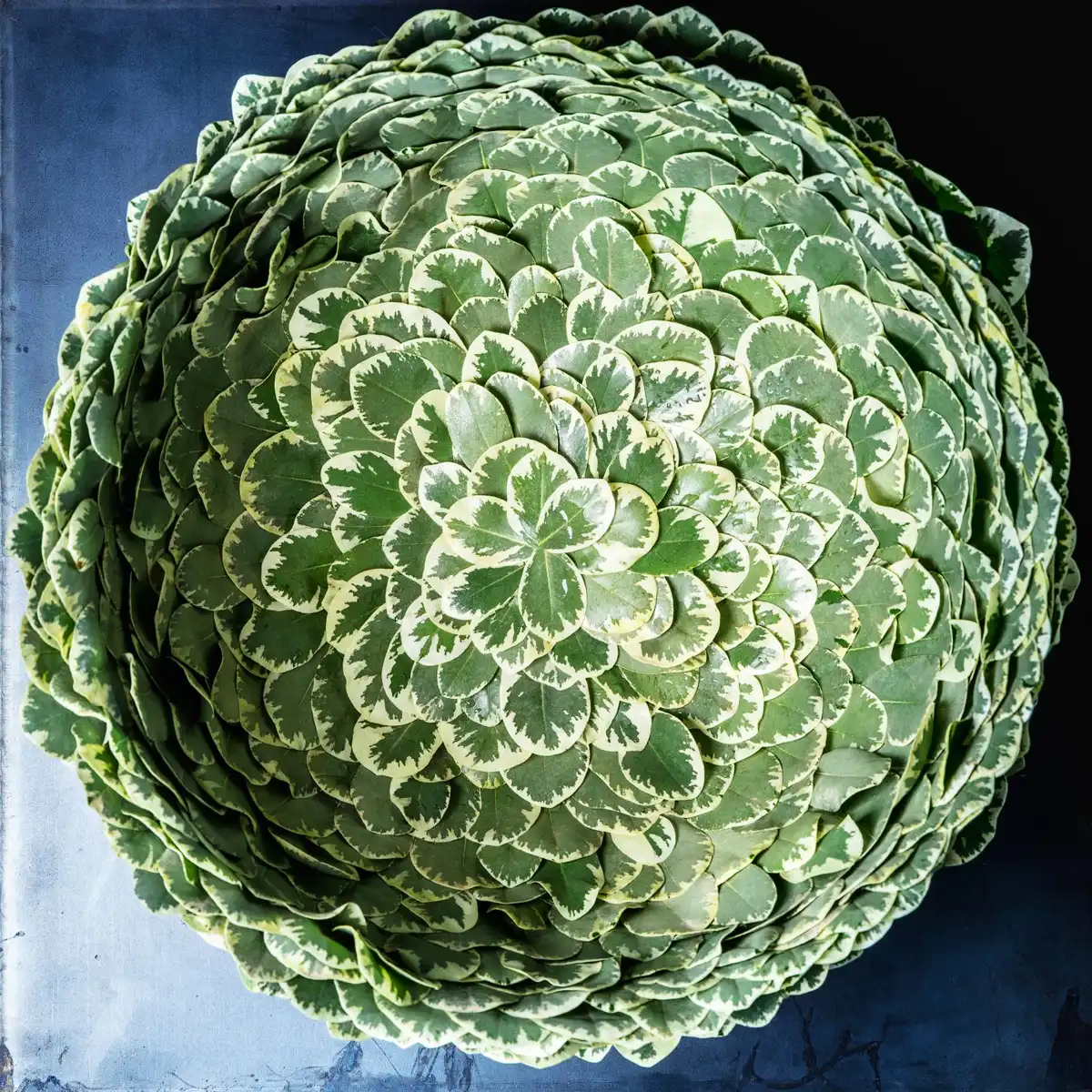
One of the most overlooked roles of foliage is texture. Texture influences how a design feels. Soft ferns create a different emotional response than glossy leaves or structured tropical foliage. Designers frequently combine multiple foliage types to create layers of visual interest. Fine textures can soften stronger flowers. Bold leaves can emphasize delicate blooms. Airy materials add movement and natural character. This layering helps create floral work that feels dynamic rather than flat.
Sustainability Through Smarter Design
Modern floristry increasingly focuses on sustainability, and greens play an important role in that conversation. Foliage can extend visual volume without requiring large quantities of flowers. Carefully selected greens often provide longevity, flexibility, and opportunities for reuse in installations and event work. Many designers also appreciate that foliage allows them to create impactful designs while working more efficiently with available materials.
As you can see in the next picture at West Side Flower Fest, Nicu Bocancea created an Urban Garden, where greens play the lead role.
Nicu:
"We created an urban garden designed to be experienced with all the senses. The vegetation, light, movement, and the gentle sound of wind chimes transform a simple walk into a moment that invites you to slow down, breathe, and reconnect with nature."
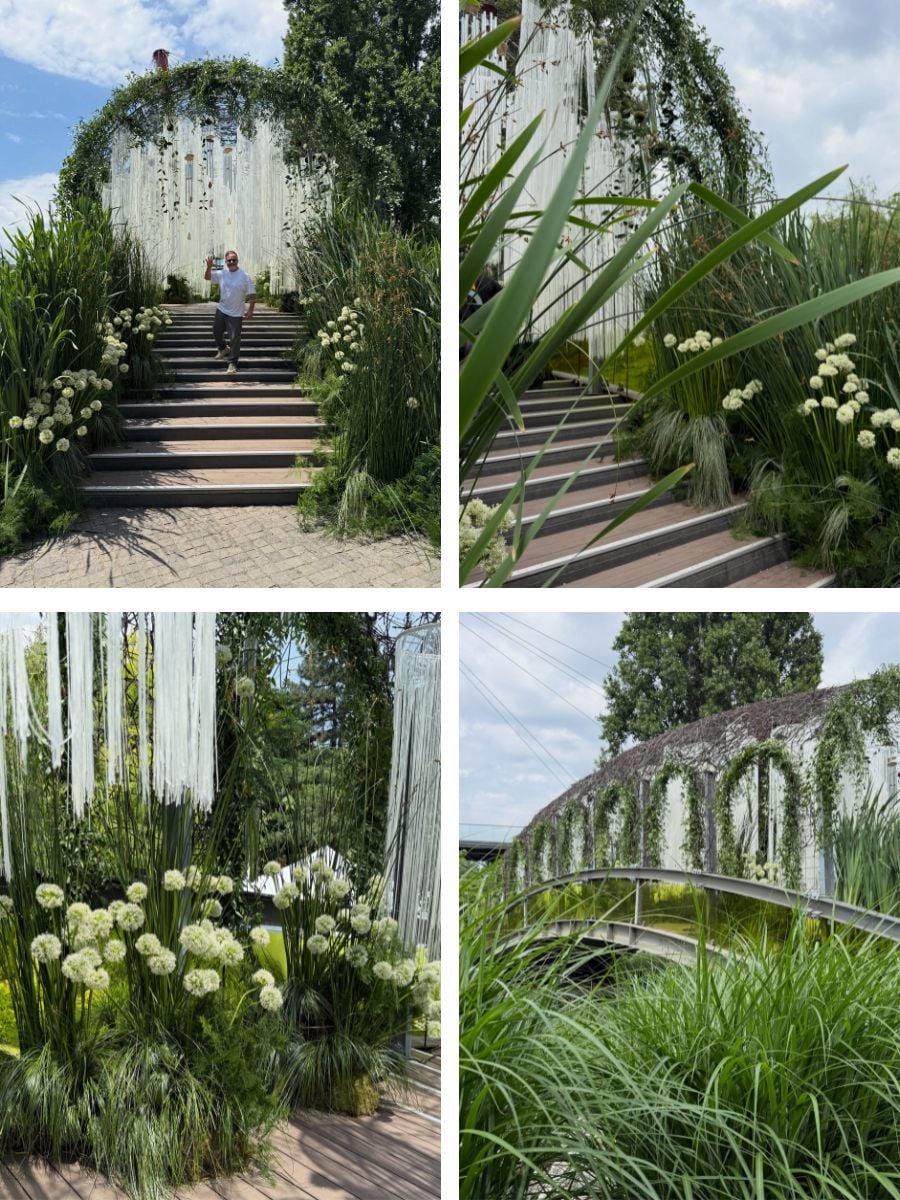
Nicu Bocancea Florariairis
Why Greens Deserve More Attention
Flowers may capture attention, but greens often determine whether a design feels balanced, natural, contemporary, or memorable.
They provide structure where structure is needed. They introduce movement to bring a design to life. They add contrast, texture, and personality. For today's florist, greens are not supporting actors. They are essential design tools.
And when viewed through that lens, the Adomex assortment becomes much more than a collection of foliage. It becomes the green toolbox that helps florists bring their creative ideas to life.
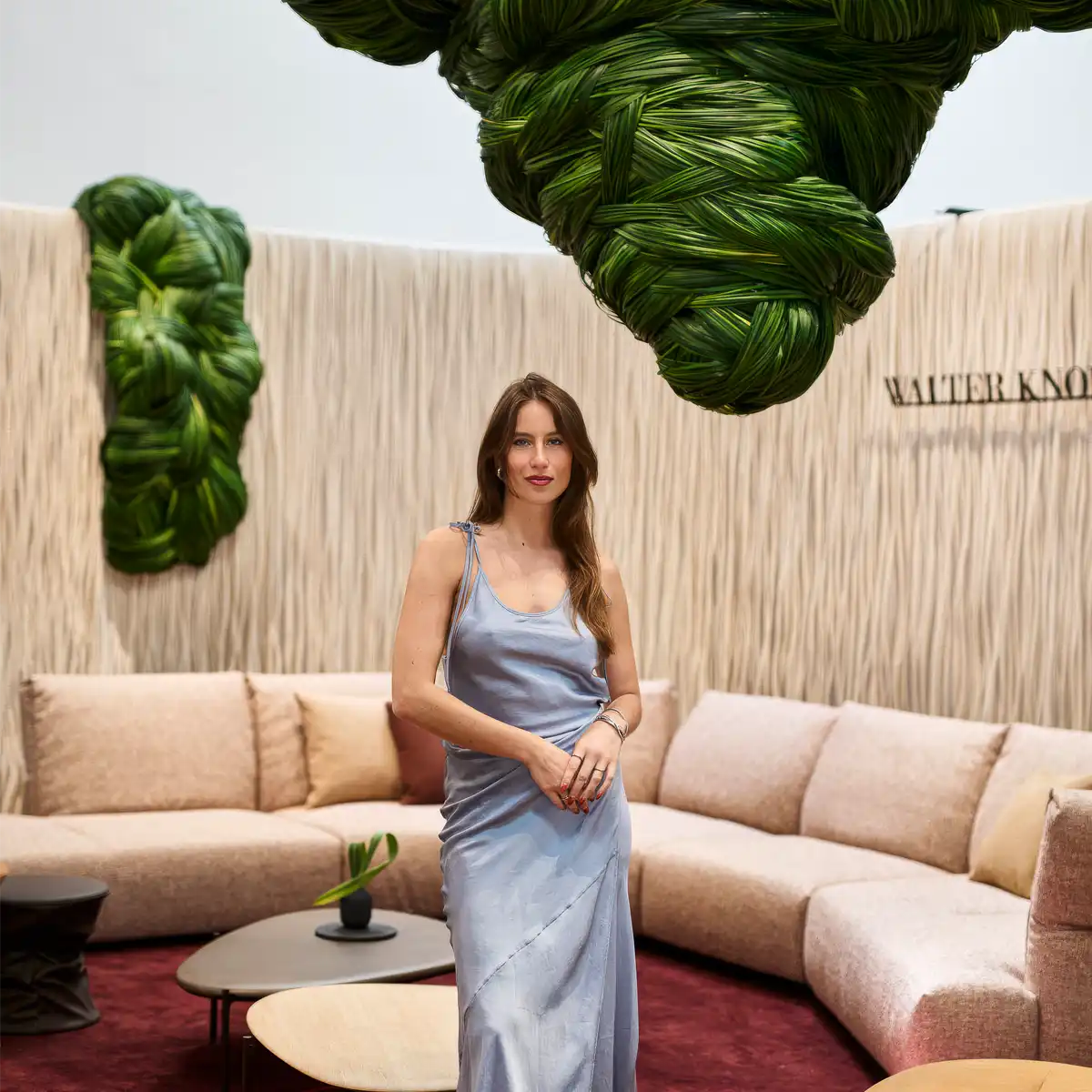
Featured and Header Picture by Samambaia Flowers.