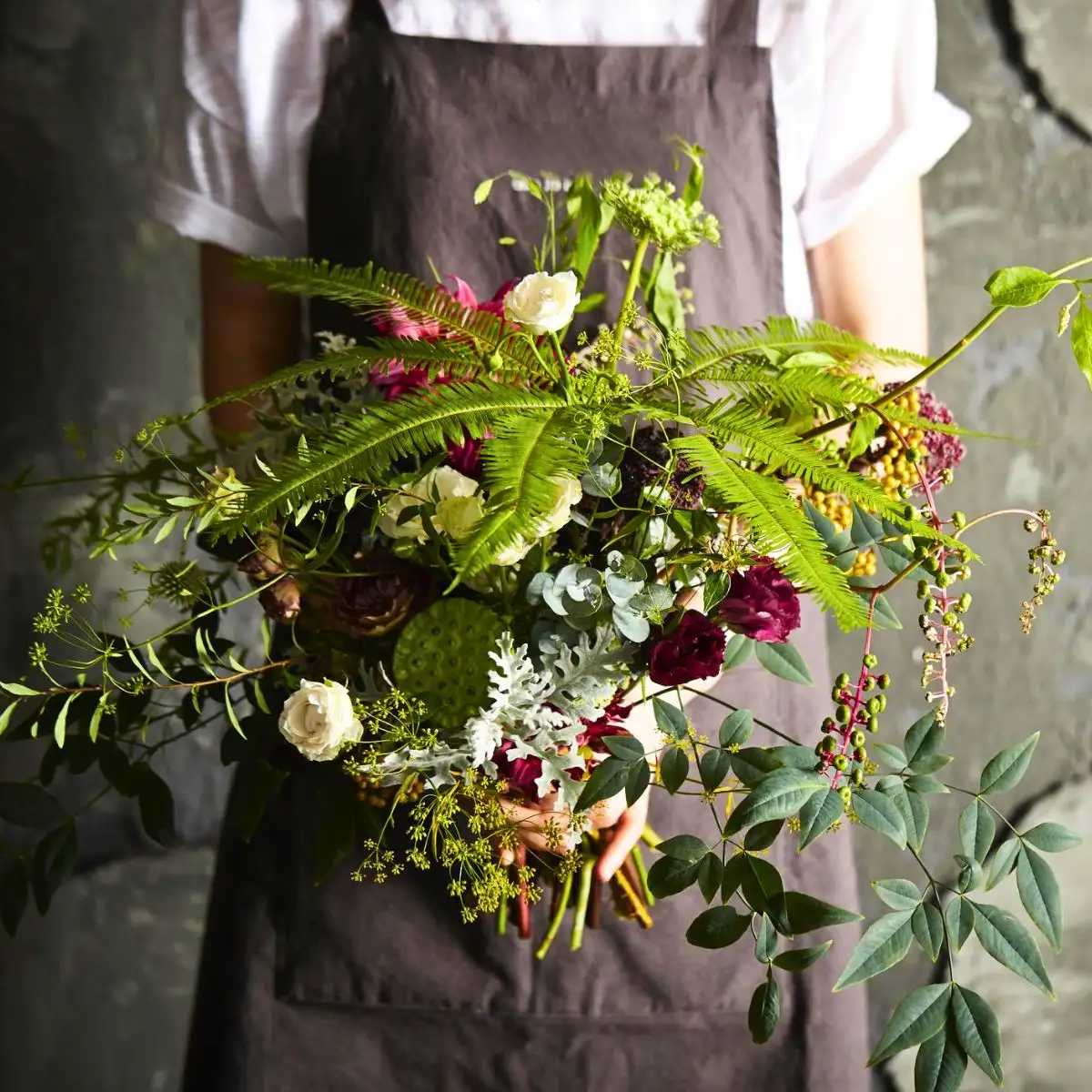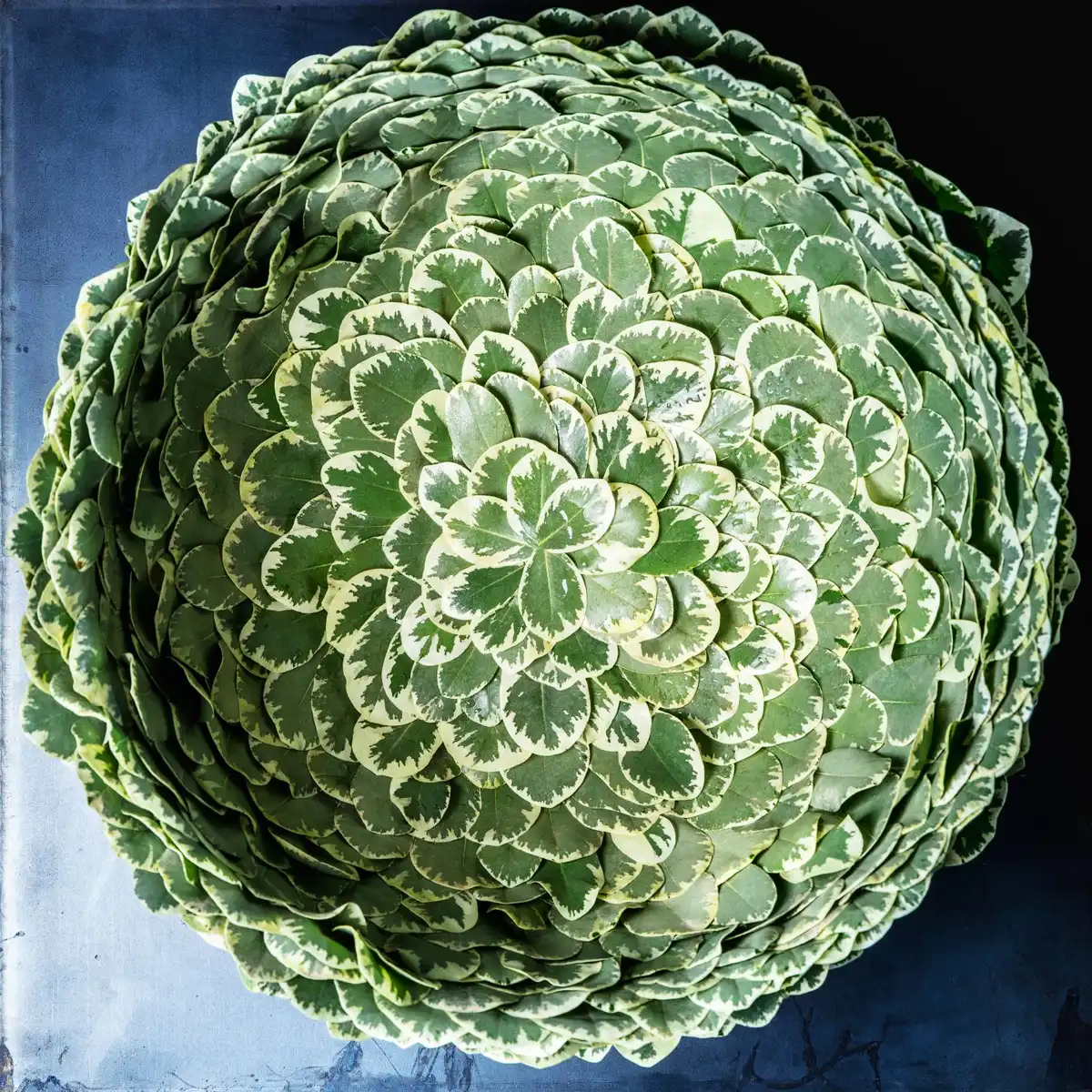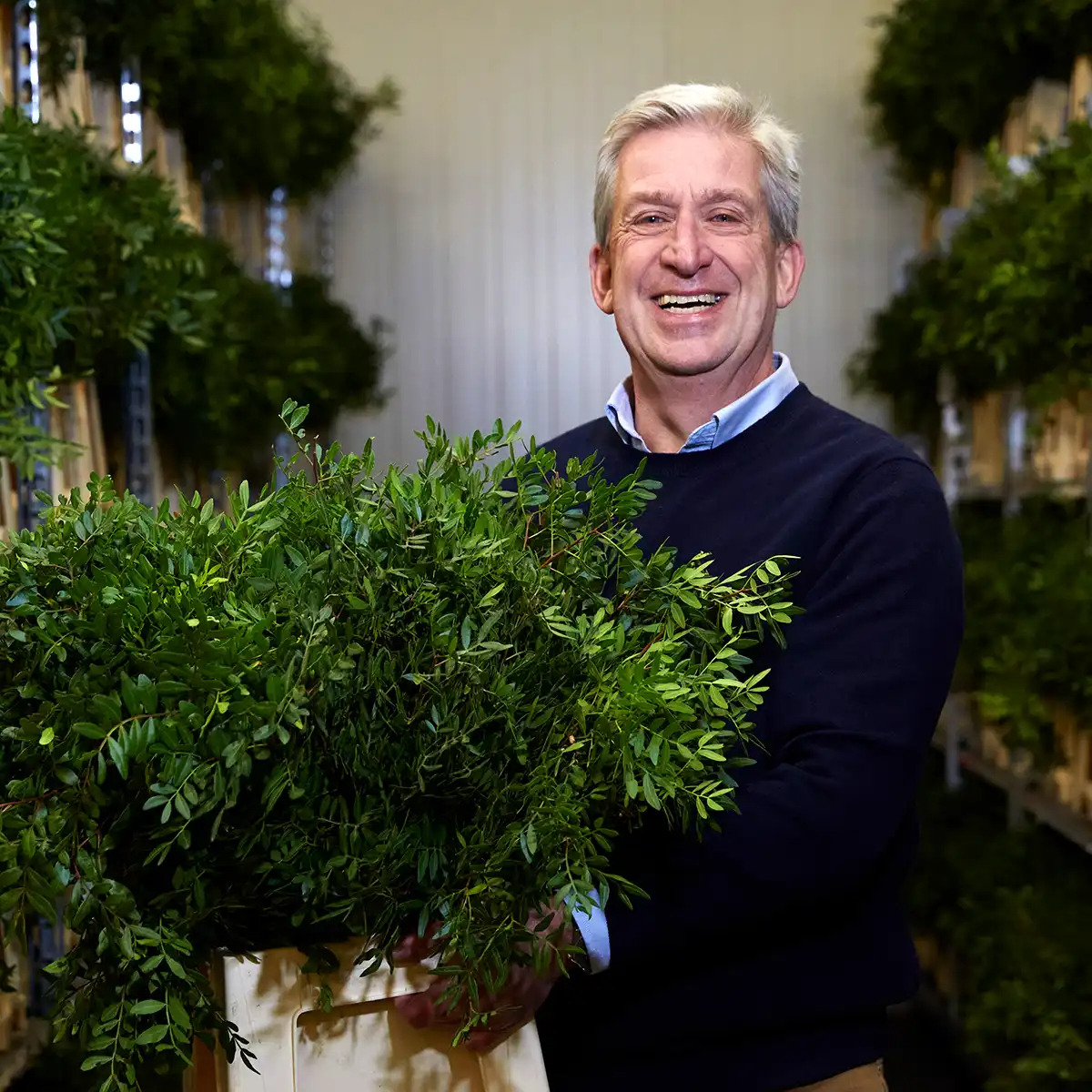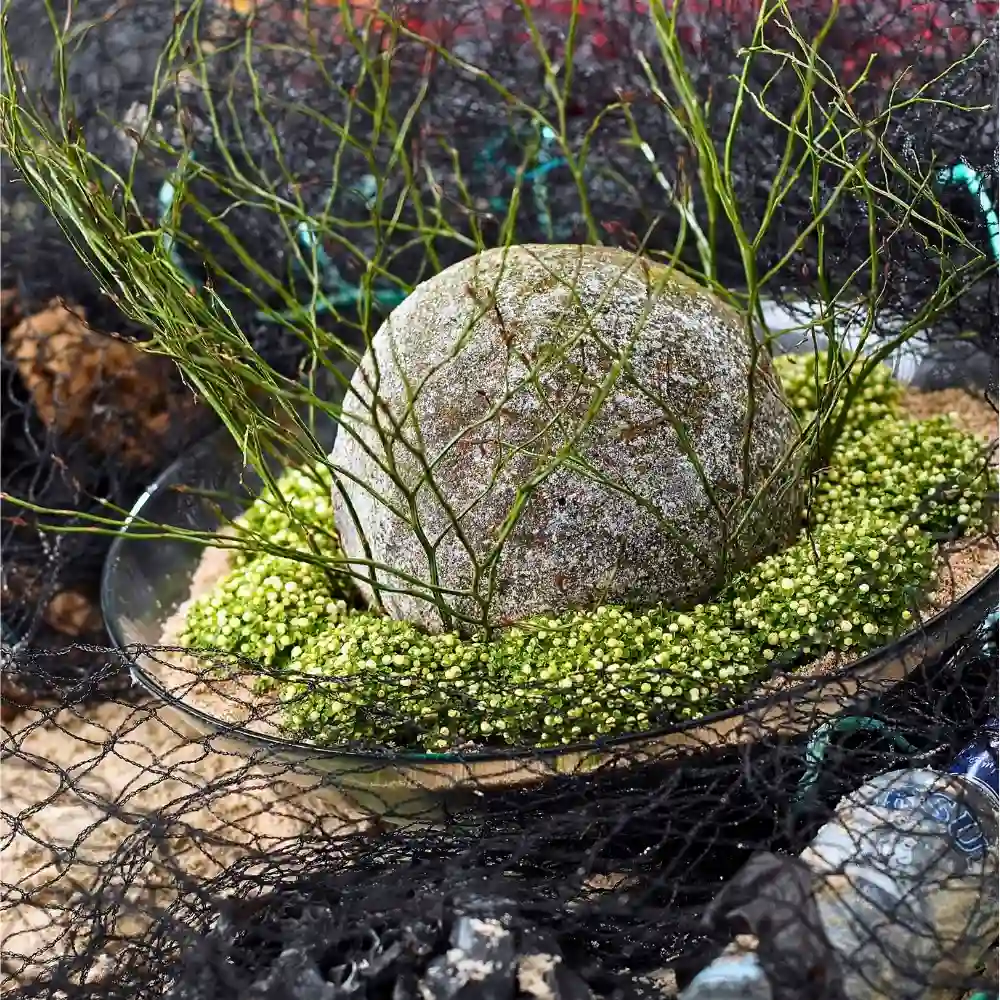
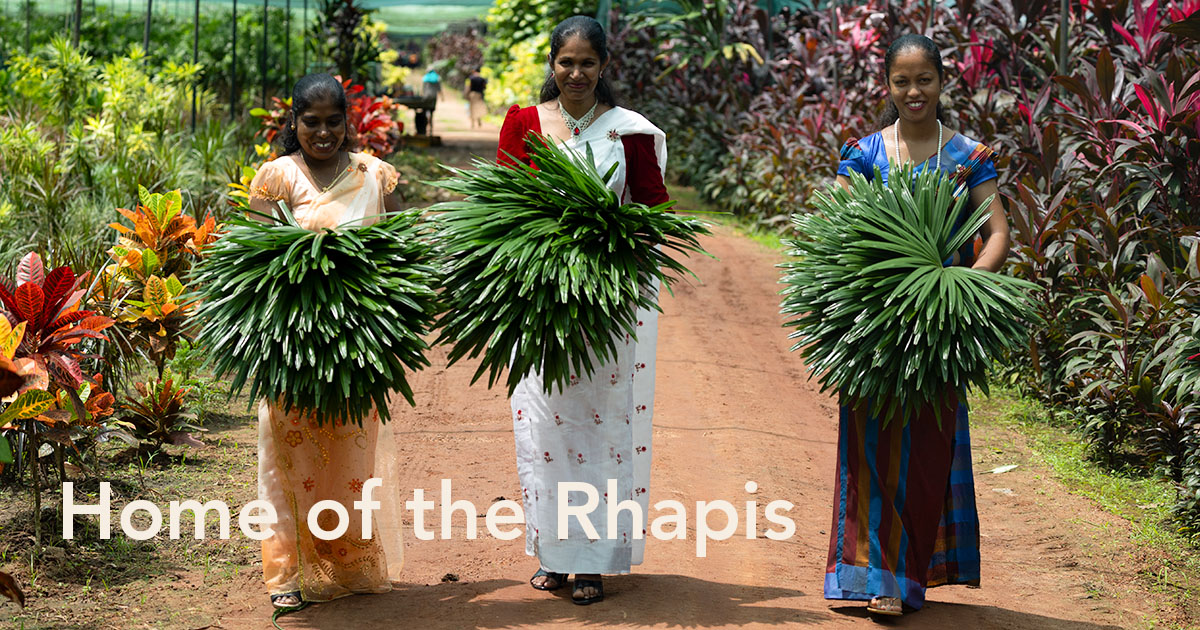
Some companies are easy to place in one product category. Spado Im- & Export is not one of them. Yes, the Dutch-Sri Lankan family business is known for its tropical cut foliage, plants, pottery, and natural decoration materials. But once you look a little closer, another story comes forward, one that is just as much about people, trust, and staying steady when conditions get rough.
You'll see that Spado is not a company that only talks about products. Listening to director Floor van Doorn, you quickly get the sense that people come first. That feeling is closely tied to the farms, the teams, and the communities around them.
A Company With Deep Roots in Sri Lanka
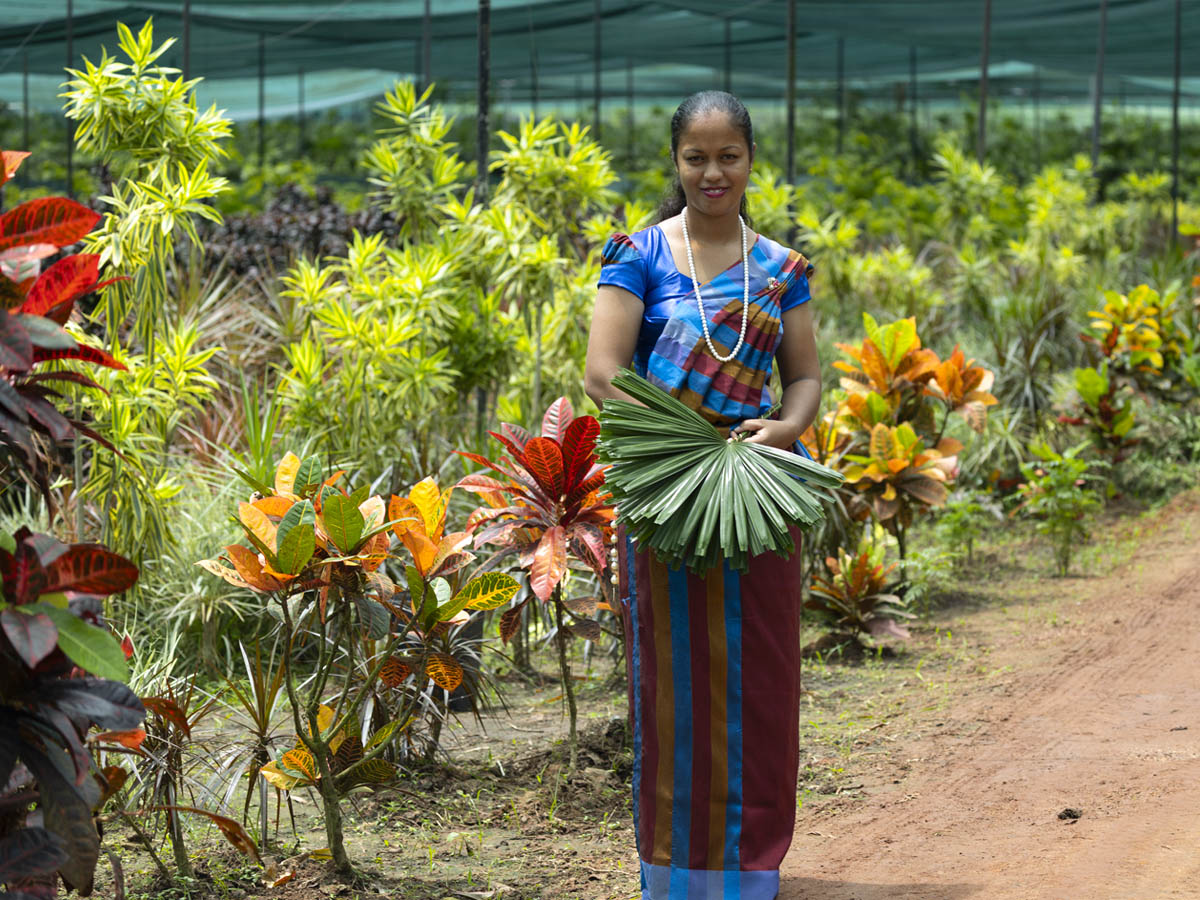
Founded in 1991 as an import and export hub in the Netherlands, Spado expanded its agricultural operations in Sri Lanka. Over the years, the company added new farms and built a strong position in horticulture, with weekly shipments to Europe and a clear focus on sustainable production. One of their finest products is the cut foliage Rhapis, as you will learn later in this interview.
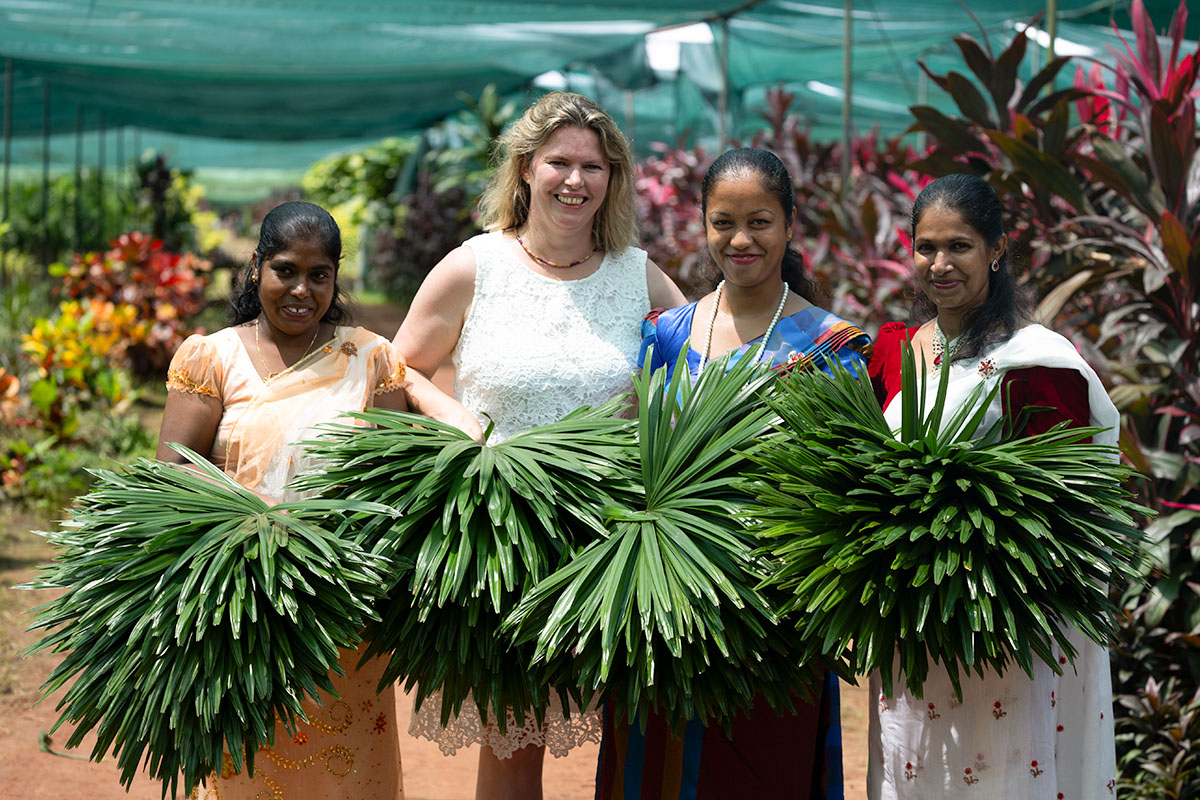
Producing and shipping top-quality cut foliage is merely the business side of the story. The human side, however, runs just as deep in the company's roots. Speaking with Floor, it becomes clear what moved her and her family to run this business in a tropical country on the other side of the world.
Floor:
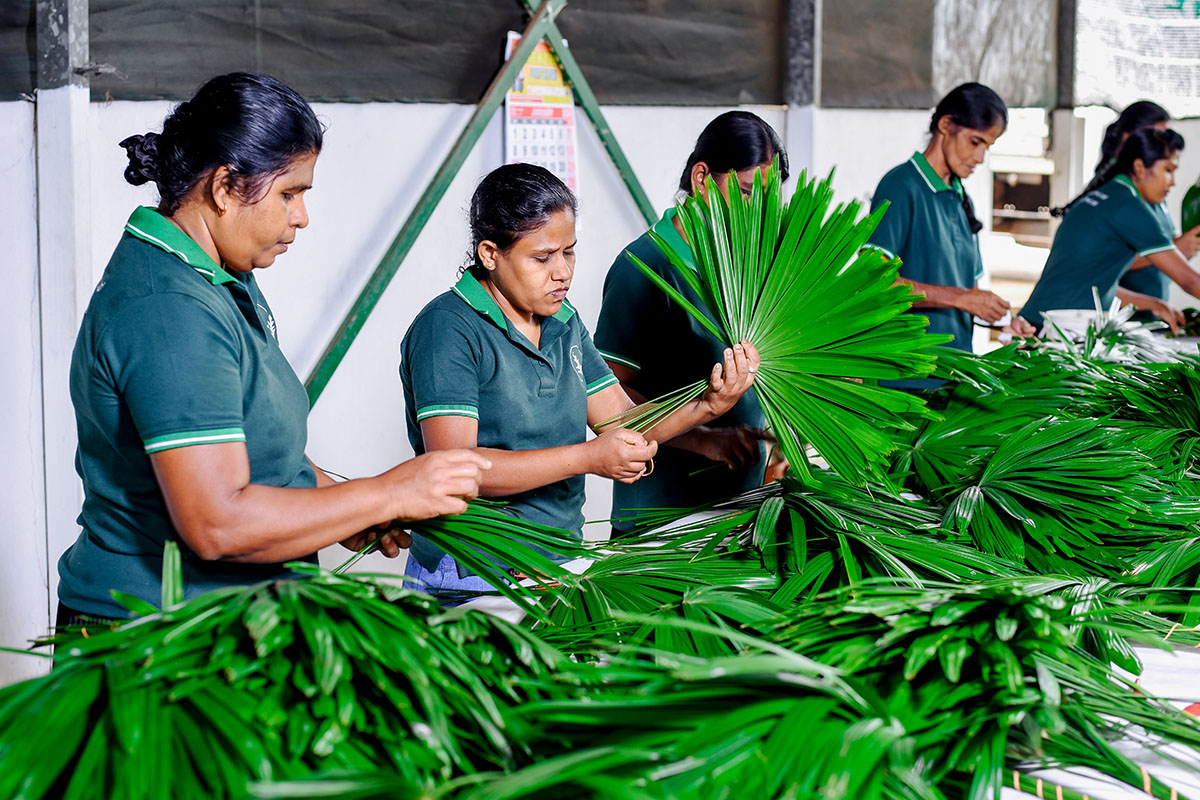
"We see ourselves as a very social company. It really feels a bit like a community. People take care of each other. At our facilities in Pallama, for instance, it is almost like a small village, and some people have worked with us for thirty years. They never leave."
That way of working has practical consequences too. Spado is not just focused on crop output, but on the lives connected to the business.
"If a partner passes away, we help with funeral costs. If people want to build a house and cannot get a loan, they can come to us and see what is possible. If they want training, we look at that too."
The social side matters even more when outside circumstances get rough. And in Sri Lanka, the past years have asked a lot from growers, workers, and their families. For instance, during last year's cyclone.
When the Cyclone Hit
At the end of November 2025, cyclone 'Ditwah' brought heavy rain to Sri Lanka, resulting in flooding and landslides that hit the area hard. For Spado, the damage was not only agricultural. It reached homes, families, and the wider community around the farms.
Floor:
"It was intense. Almost everyone had water in their house. People lost their belongings, and in general, they do not have that much to begin with. So what they had was gone too. We tried as much as possible to look at what people needed."
There was significant crop damage, especially among many plants. But what stayed with Floor most was the team's response once the water started to go down:
"Two or three days after the cyclone had passed, the water dropped. The manager was stuck on the farm upstairs and could not get out. After that, everyone who worked for us came back and started cleaning up. They even came voluntarily. They refused to be paid for this. They all came on their own, even though water had also been in their homes."
That says something about the company's culture. In a business where supply chains, transport, and pricing often dominate the conversation, this was a reminder that horticulture is still very much about people showing up for each other.
Dutch Flower Foundation’s Aid After the Storm
In the period after the cyclone, the Dutch Flower Foundation (DFF), the charitable foundation connected to Dutch Flower Group (DFG), played a practical and meaningful role in supporting the people around Spado. The help was not abstract. It was directed at the basics that families needed to rebuild daily life.
Floor says:
"DFF made a contribution for the people, and we used that to buy building materials. Or people simply told us what they needed. Bedding, mattresses, that kind of thing, because once it has been wet, you cannot use it anymore.
What I also really appreciated is that they did not leave us sitting there thinking, well, then we will just buy those products from competitors. They were genuinely patient and said, just do what you can. That really stayed with me."
That kind of patience matters. It gives growers room to recover without forcing impossible decisions in the middle of a crisis.
Here's a 1-minute impression of Spado's cut foliage and pot plant facilities and pottery atelier:
Growing With Sustainability in Mind
Spado’s long-term direction has also been moving toward lower chemical use and more biological solutions. On the farm side, that is not presented as a trend. It is simply the route the company believes makes sense.
Floor:
"If it is not necessary, you should definitely not use chemicals. We have been busy for a long time trying to use as little as possible. We started specializing in fungi as a control method, and we have been working on that for several years now."
That line fits well with the broader Spado story. The company combines traditional growing knowledge with research, testing, and practical application, while keeping one foot firmly in day-to-day horticulture. And also why Adomex was eager to start a relationship with this company when the opportunity knocked.
Why Adomex Matters to Spado
The relationship with Adomex is not a quick market match. It is a partnership that has grown over time and stayed steady because both sides understand how the other works.
Floor:
"We started with Adomex in 2013, when Marc van der Ban called to ask if we wanted to supply them, after our business partner went bankrupt. We quickly built trust with them. Adomex protects its suppliers and is realistic. I can call Hans de Vos from the purchasing department day and night. They can always call us too. We know they will not leave us for one cent cheaper somewhere else. They know how we work, that we are very social in that too, and that we take good care of our people. Actually, I think we have a bit of the same DNA."
That is probably the strongest summary of the partnership. In the floral business, shared character and views often mean more than a contract on paper ever can.
Rhapis as Decorative Green With Staying Power
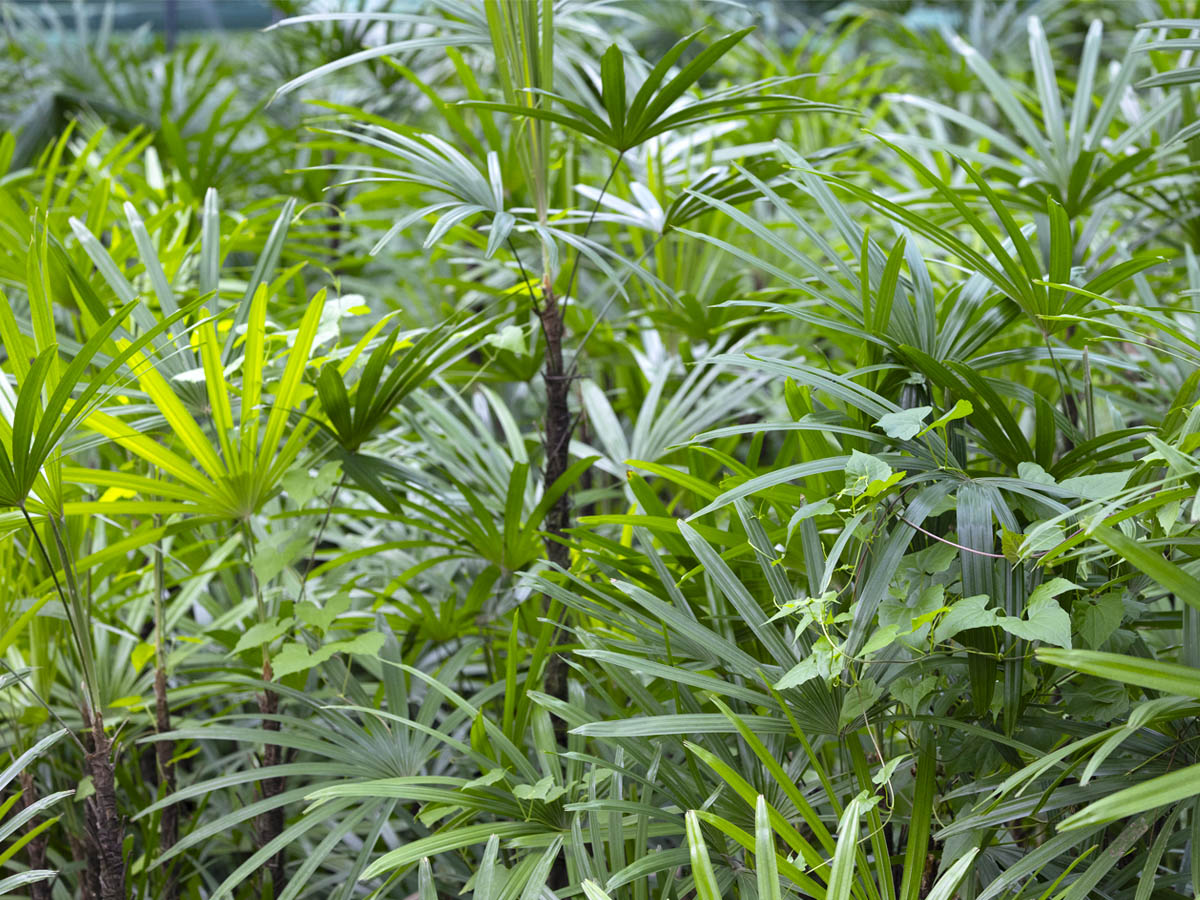
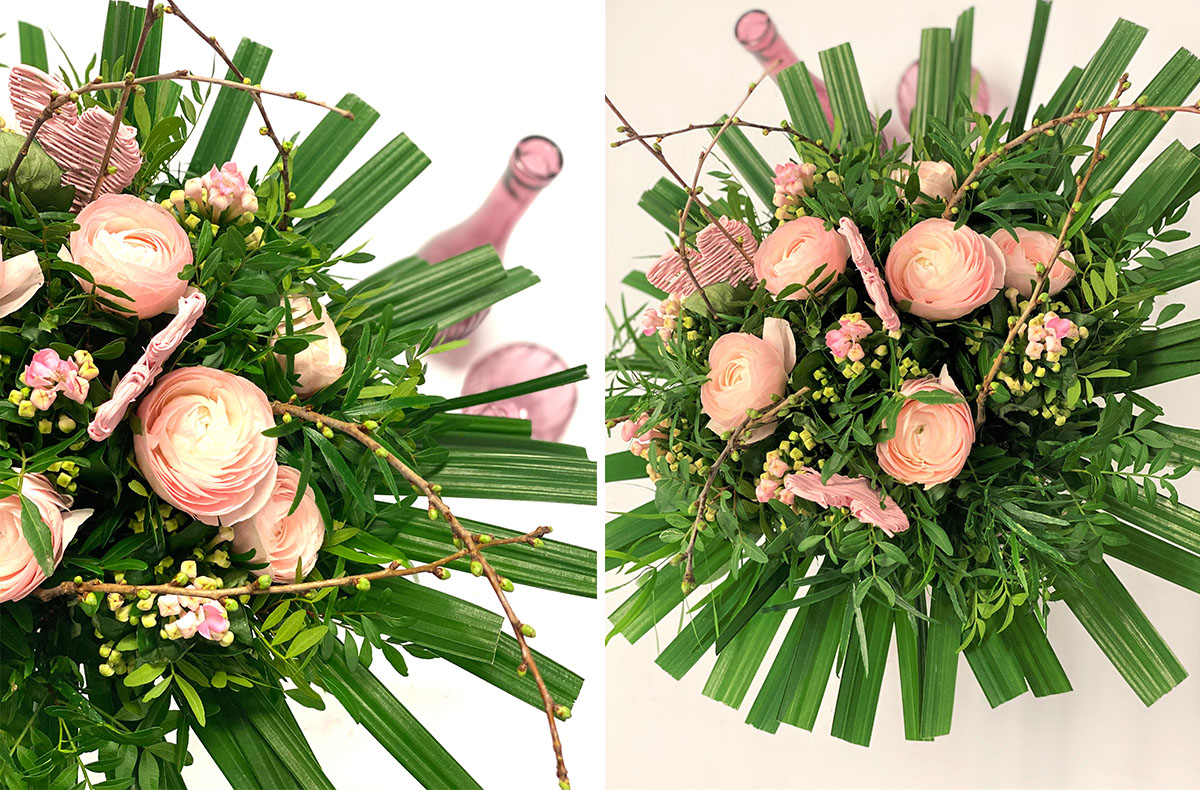
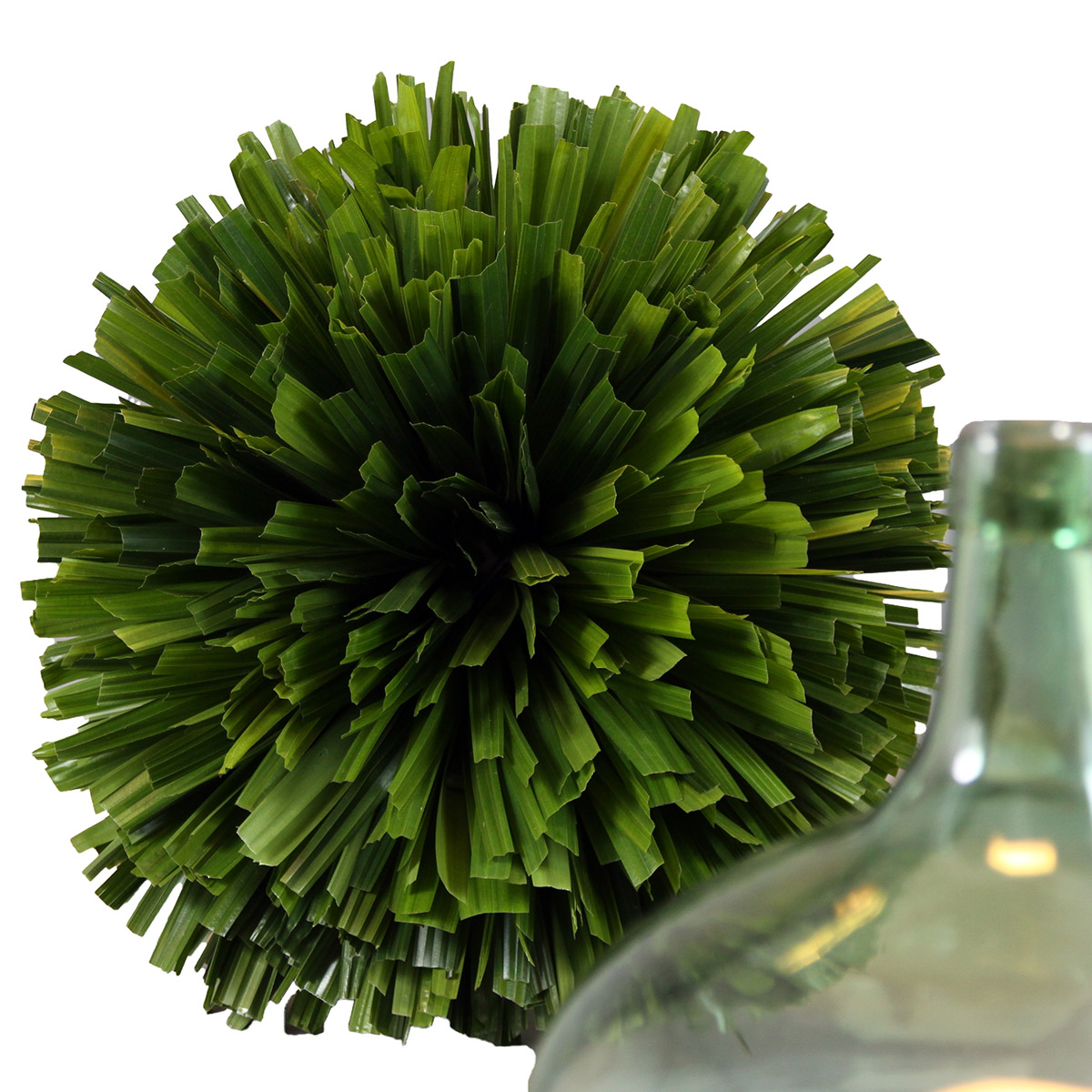
One of the strongest products in the wide assortment is Raphis excelsa, commonly known as just 'Raphis'. It is a decorative cut green, useful and flexible for design work, and Floor clearly believes in it.
Floor:
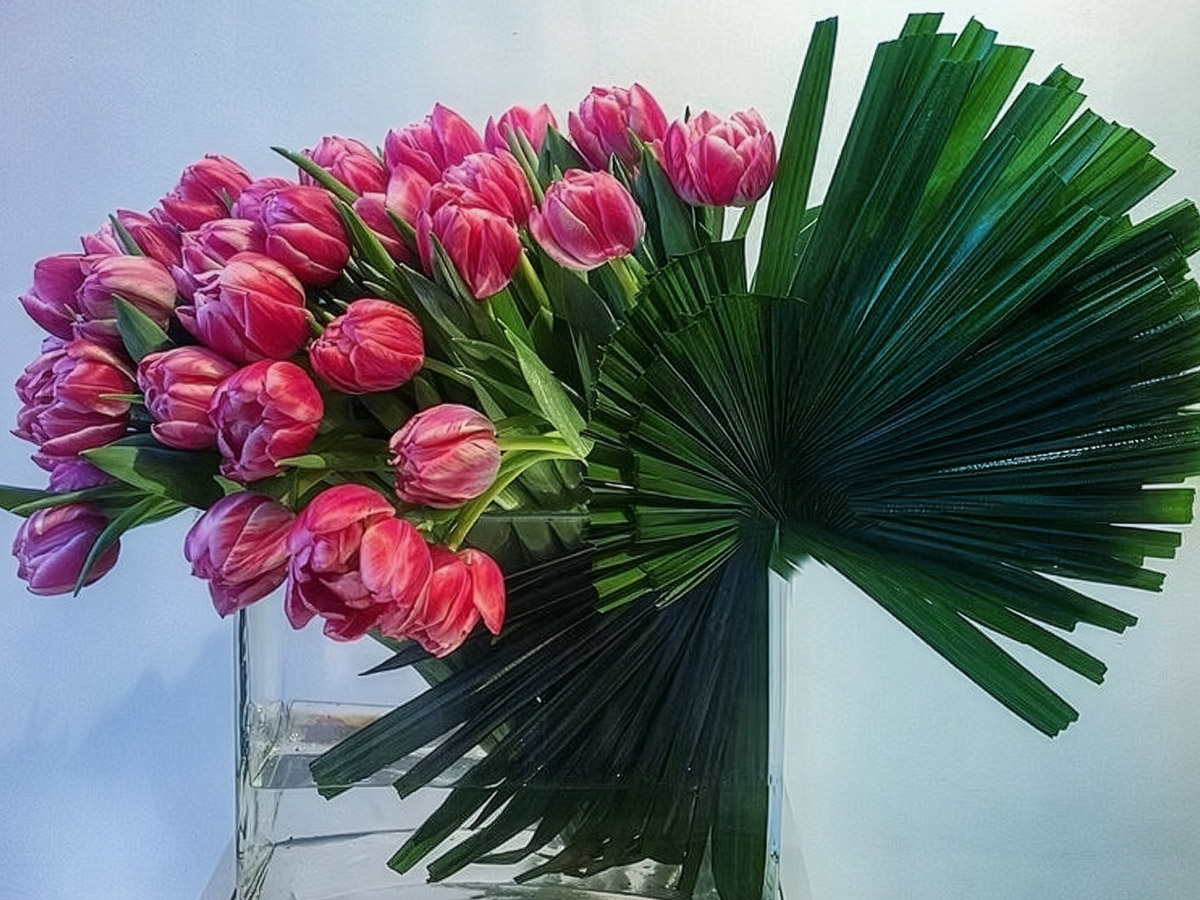
"You can work with Rhapis for a very long time. I think around eight weeks or so, if you handle it properly. It always keeps a good dark green color. What I also like is that the stem is not so thick, but the leaf still gives a lot of volume in a bouquet or arrangement."
That makes it a good product for florists who want shape and body without creating a heavy feel in the work. And there is another point Floor is clear about: Rhapis does not need to be overworked to be beautiful:
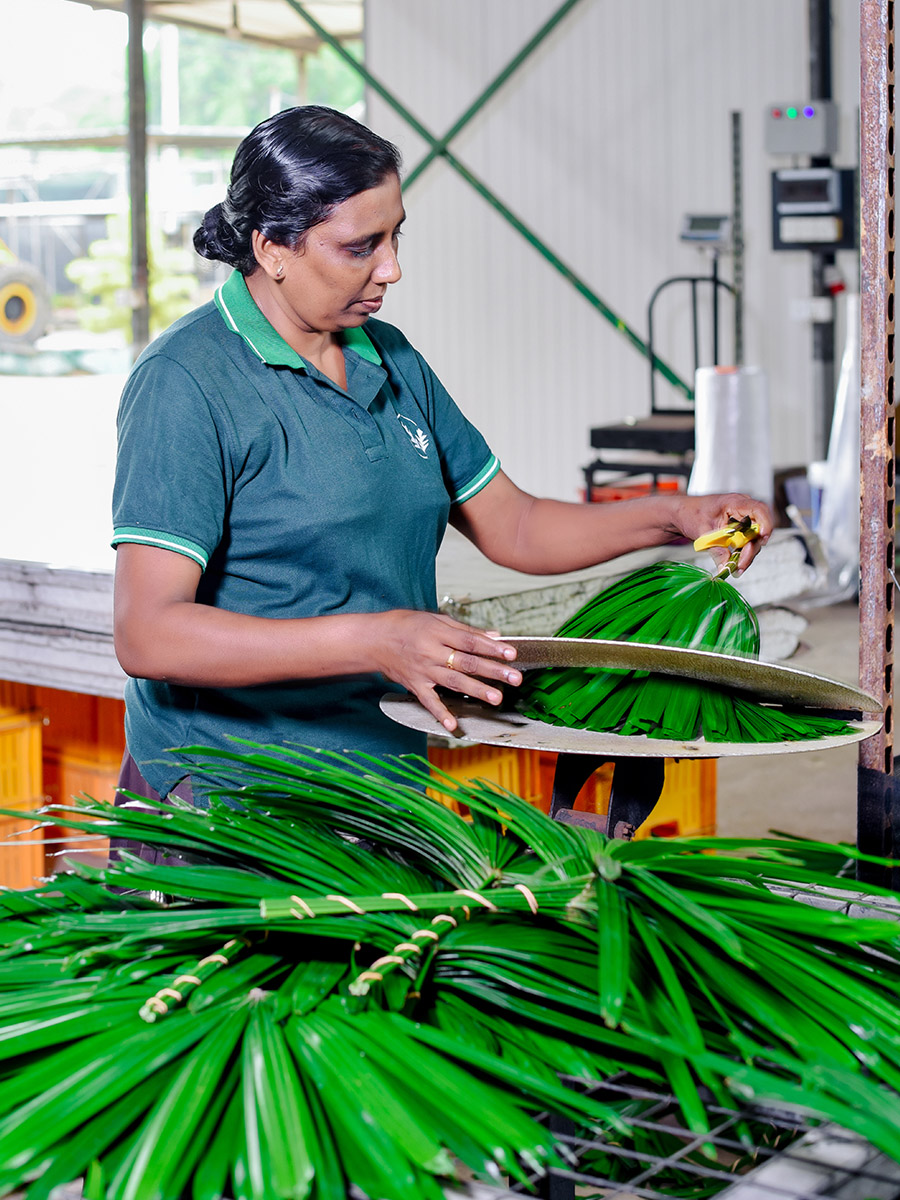
"It is a beautiful fan-shaped leaf. It is often sold as a clipped leaf. Suit yourself, you can always cut it yourself, so you can make your own creation from it. But I actually think the natural shape is more beautiful. We really hope people will start buying more of it in that form."
Raphis as a Very Sustainable Foliage
What gives Rhapis an even more central role in this story is how it performed during the cyclone period. While other shade-grown crops were badly affected, Rhapis stayed in place.
"Fortunately, the Rhapis stayed good, so it handled it really well and did not suffer from it. It is incredibly strong. Rhapis grows very slowly, so it is very deeply rooted, and that means it is not affected that much. It can also handle a bit more light. It was really quite severe, but I have to say we got through it fairly well. Once it is growing, you hardly have any work with it anymore. It makes a new shoot by itself. It needs very little chemical control, it can handle drought very well, and it is one of the more sustainable products in that sense."
For florists, that backstory adds another layer. Rhapis is not only a useful cut green. It comes from a crop and a company that both know how to keep going.
Floor adds:
"For florists, wholesalers, and retailers, it is good to know that Spado is certitified GlobalG.A.P., MPS ABC (A+) and SMETA 4-Pillar, and the farm in Pallama is GlobalG.A.P.+. Unfortunately, a GlobalG.A.P. IDA add-on and a SMETA audit were scheduled to be added in May, but these have been postponed due to the November flooding. Our goal is to be fully certified according to the FSI standard this year."
More Than a Supply Story
Spado Im- & Export is about the product, of course. But that is not the full picture. The fuller picture is a company built on bridging Sri Lanka and the Netherlands, shaped by long-term farming, social responsibility, and stable market relationships. Adomex has become a major part of that story. And Rhapis, as one of the many beautiful tropical greens from Spado, quietly but clearly, sits right at the center. Not because it is flashy, but because it does what good green often does. It holds shape. It brings calm. It lasts. And in this case, it also says something honest about the people growing it.
Do you need any more reasons to give it a try? Rhapis from Spado is available at Adomex.
All photos courtesy of Spado Im- & Export, unless otherwise noted.