Most people can name a birthstone or a zodiac sign, but far fewer can name the birth flowers tied to their birth month. Yet this tradition is just as personal. Birth month flowers are a compact language of season, memory, and style, useful when you are celebrating birthdays, building a bouquet for a loved one, or choosing a motif for jewelry, tattoos, or stationery.
Think of this as a handy birth flower guide: a clear look at birth flowers by month, with quick symbolism, simple growing notes, and the personality traits people often associate with each month’s flower. If you like to keep a list on hand, here is a rapid scan of birth flowers by month. Use it to plan bouquets, garden beds, and small gestures that feel intentional. Seasonal flowers, meaningful flowers, and well-chosen flowers make the biggest difference. These birth flowers are the classic “flowers for each month” set:
- January: carnation and snowdrop
- February: violet and iris
- March: daffodil and jonquil
- April: daisy + sweet pea
- May: lily of the valley and hawthorn
- June: rose and honeysuckle
- July: delphinium and water lily
- August: gladiolus and poppy
- September: aster & morning glory
- October: marigold and cosmos
- November: chrysanthemum
- December: holly and narcissus
Birth Flowers by Month and Why Some Months Have Two Birth Flowers
Birth flowers by month developed from overlapping regional calendars. In the Northern Hemisphere, the growing season drives what is available in gardens and markets, so lists naturally cluster around flowers that reliably appear at that time. Over centuries, these lists were refined by florists, gardeners, and publishers, which is why you will see two birth flowers for certain months and, in a few cases, a secondary flower used as an alternate.
Symbolic meanings also vary depending on culture. Many myths, religious customs, and local folklore shaped how flowers were used for decorative purposes, rituals, and gifts. The legends surrounding each flower are part of the appeal: the same flower can speak of new beginnings, grief, loyalty, or blissful pleasure, depending on context.
January - Carnation and Snowdrop: Two Birth Flowers for a Winter Birth Month
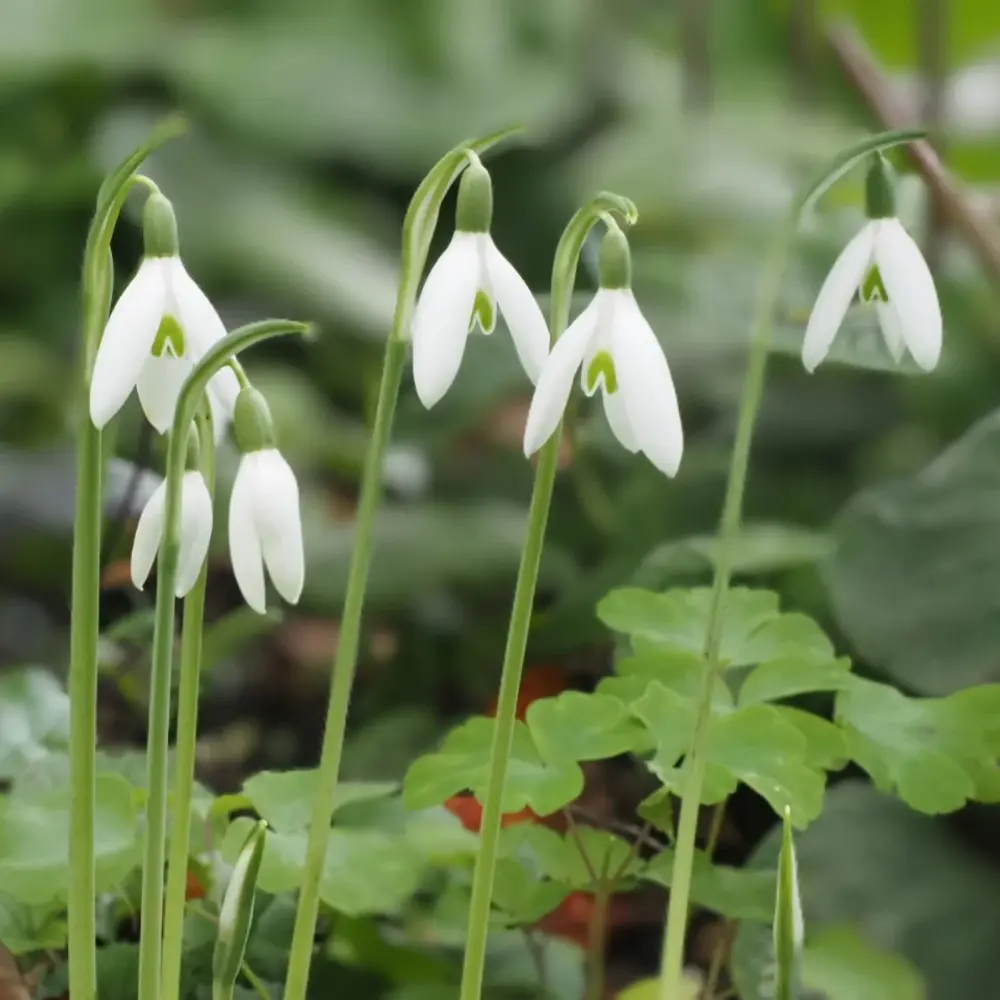
January's carnation and snowdrop are classic birth flowers for the coldest stretch of the year. Carnations (Dianthus) bring ruffled petals and dense color when the garden looks quiet, while snowdrops (Galanthus) often appear in late winter as some of the first flowers to show in cold ground.
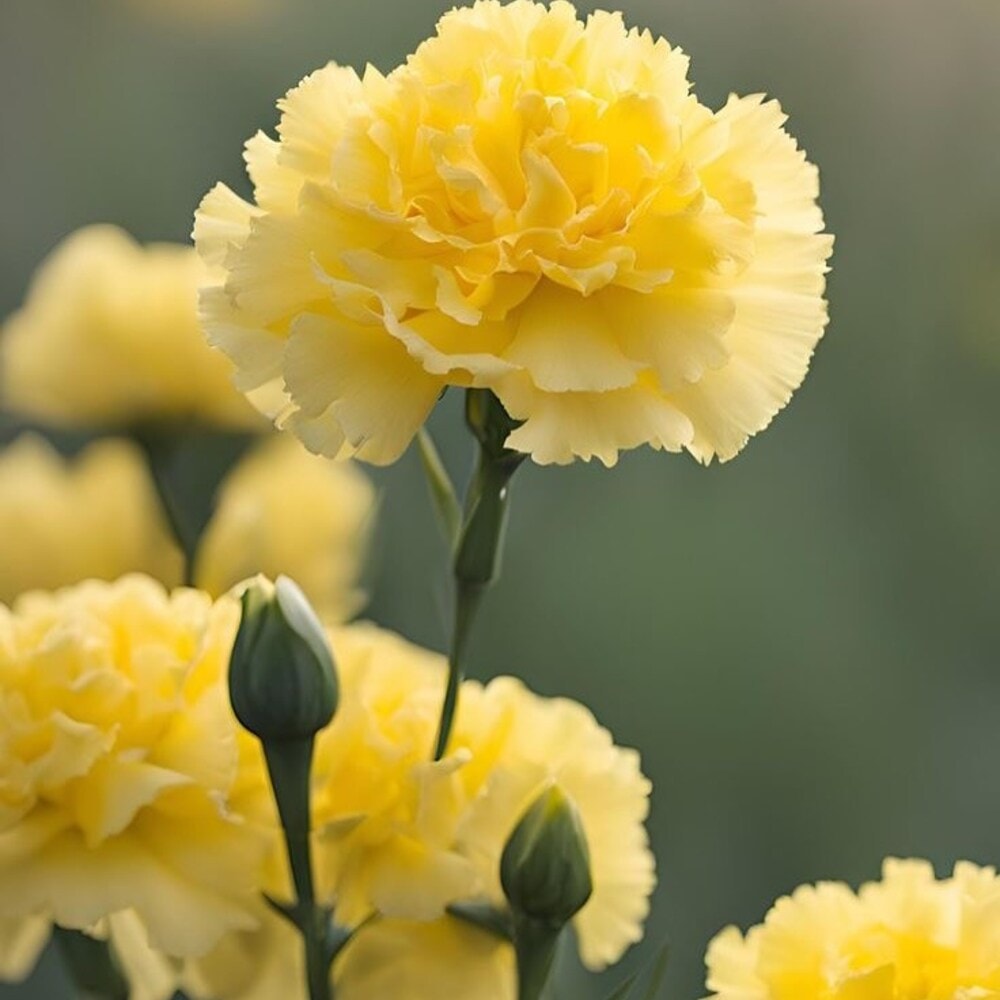
As birth flowers, carnations are linked with devotion, admiration, and steady affection, qualities that suit a winter season. Snowdrops, with their nodding white bells, add a gentler message: hope and resilience. Together, these two birth flowers keep January’s story balanced between warmth and endurance.
February - Violet and Iris: Spring’s First Hints
February’s birth flowers are violet and iris, a pairing that surprises anyone expecting roses. Violets symbolize faithfulness and modest devotion, which makes them a meaningful choice for February. In old garden writing, snowdrop February is also a common phrase because snowdrops may still be present in protected spots, bridging the month toward spring.
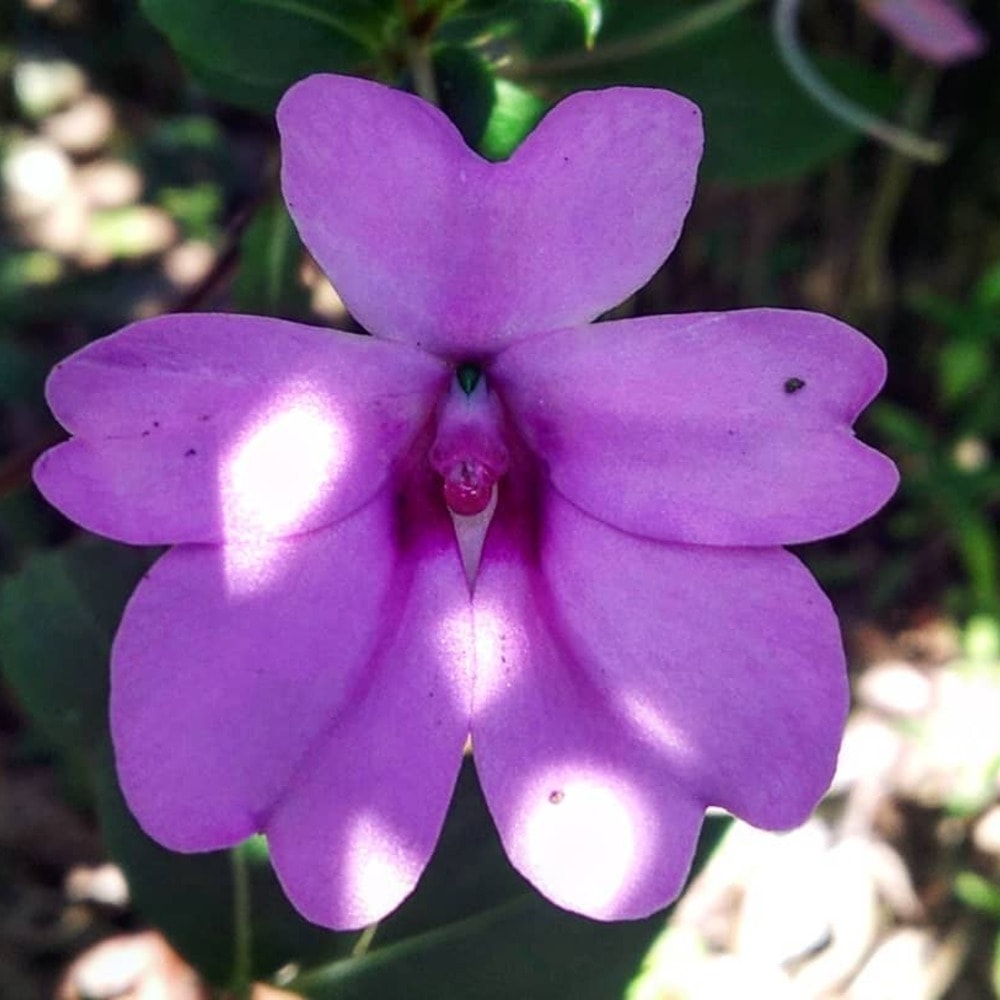
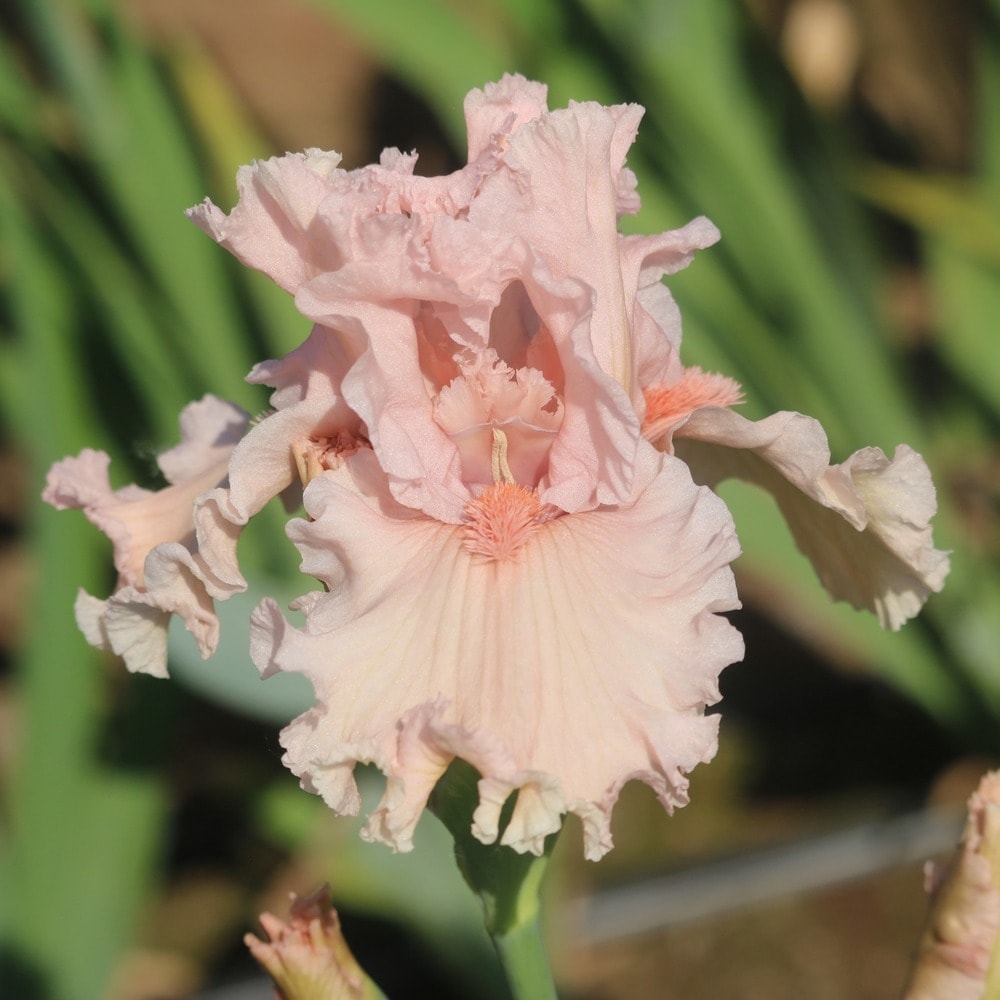
Violets carry a rich history. Ancient Greeks used violets in perfumes, wreaths, and remedies, and stories of love potions grew from their heart-shaped petals. Iris brings a sharper silhouette and a message of hope and wisdom; if you ever see “iris March” in a florist calendar, it is usually referencing early bulbs and the overlap between late winter and early spring rather than changing the official birth flowers.
March - Daffodil and Jonquil: Early Spring Icons for Your Birth Month
The March birth flower is the daffodil (Narcissus), with jonquil often listed as a secondary flower. March daffodil and jonquil arrive as spring begins, and their timing is part of their meaning: new beginnings, confidence, and a brighter outlook after winter.
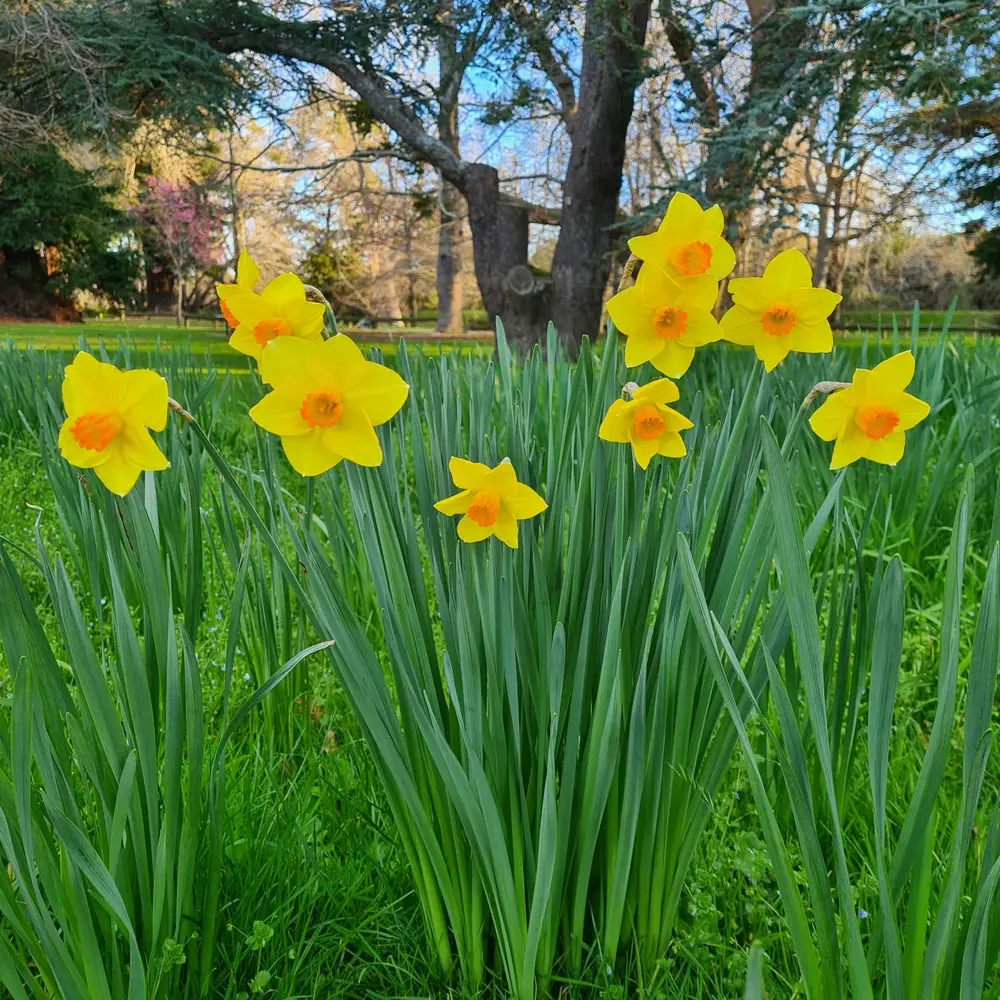
In the UK, daffodils are widely associated with Wales as a national flower, and their yellow forms are among the most recognizable cheerful flowers in the year. This pairing also shows why birth month flowers matter: a bouquet is not only pretty; it is seasonal.
Ancient Greeks linked Narcissus to self-reflection myths, while later writers framed daffodils as a hopeful return of light. Plant them in autumn for spring impact; they naturalize well and can return year round in the right conditions. For gift giving, the March birth flower works beautifully on its own or mixed with white flowers for contrast.
April - Daisy and Sweet Pea: Easy Charm for Your Birth Month
April's daisy and sweet pea are often discussed together in modern guides, even when local lists prioritize one over the other. You may even see jonquil April mentioned as a crossover note when early Narcissus still lingers in cool springs. The daisy daisies theme, simple faces that look like tiny suns, makes April’s birth flowers feel approachable and bright.
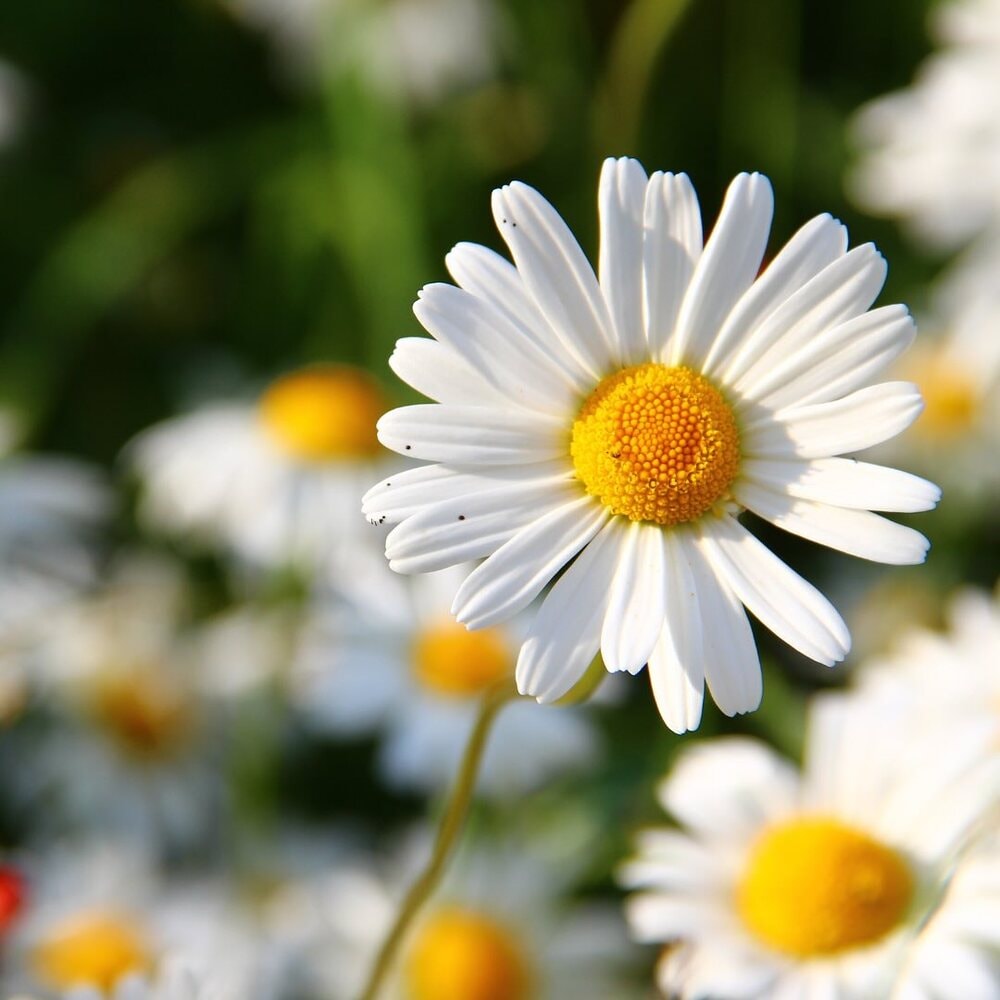
Daisies (Bellis perennis and close relatives) are delicate flowers with a sturdy spirit, associated with innocence, loyalty, and fresh starts. Sweet pea adds fragrance and softness. In bouquets, daisy and sweet pea combinations feel light and optimistic, perfect for an April birthday celebration and for cheerful blooms that do not feel over-designed. These notes also work well in baby showers, because many people believe these flowers represent fertility and gentle care.
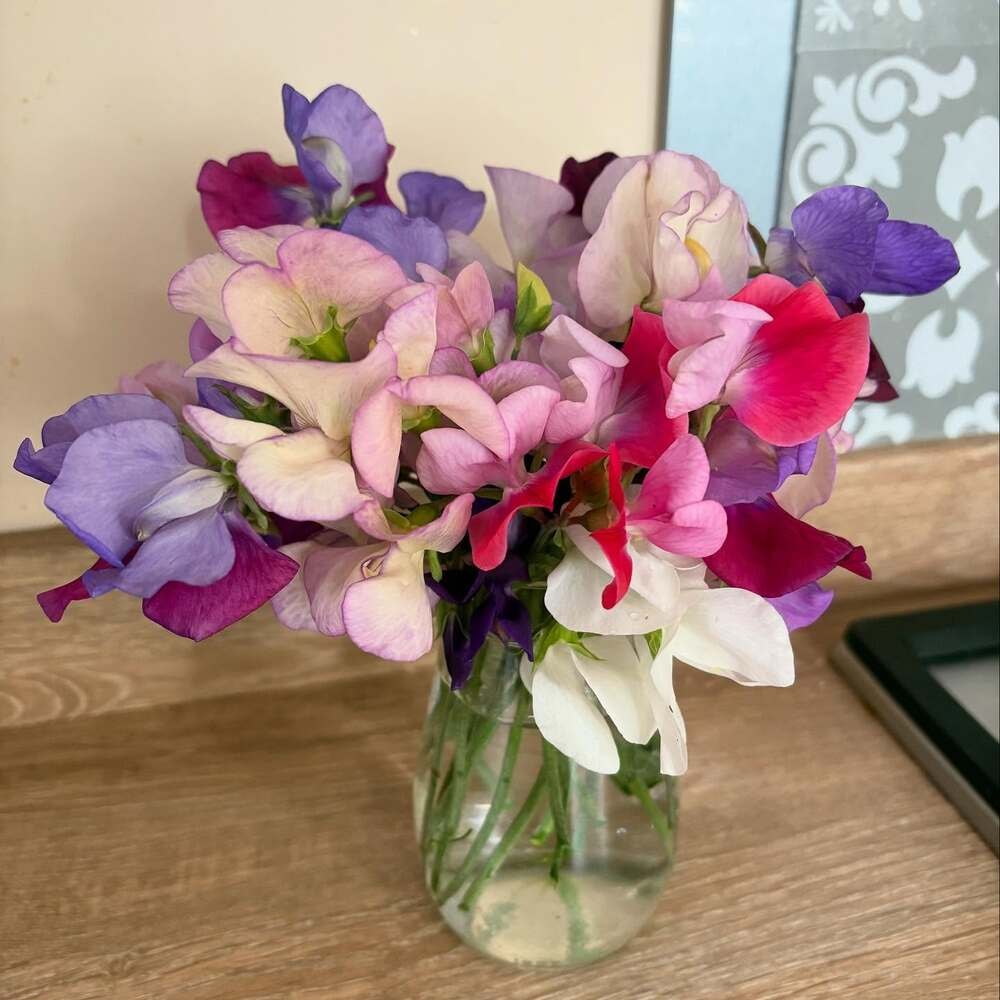
If you are planting, daisies tolerate a range of soils and can hold flowers for long stretches. Sweet pea prefers cooler weather and support; sow early, provide a trellis, and you will be rewarded with scent and color in spring.
May Birth Month Flowers: Lily of the Valley and Hawthorn
May is famously represented by lily of the valley and hawthorn. Lily of the valley is one of the most distinctive birth flowers: small bell-shaped flowers, a sweet scent, and an instantly recognizable form in bridal work. Hawthorns represent hope in folklore and are often linked with renewal and protection.
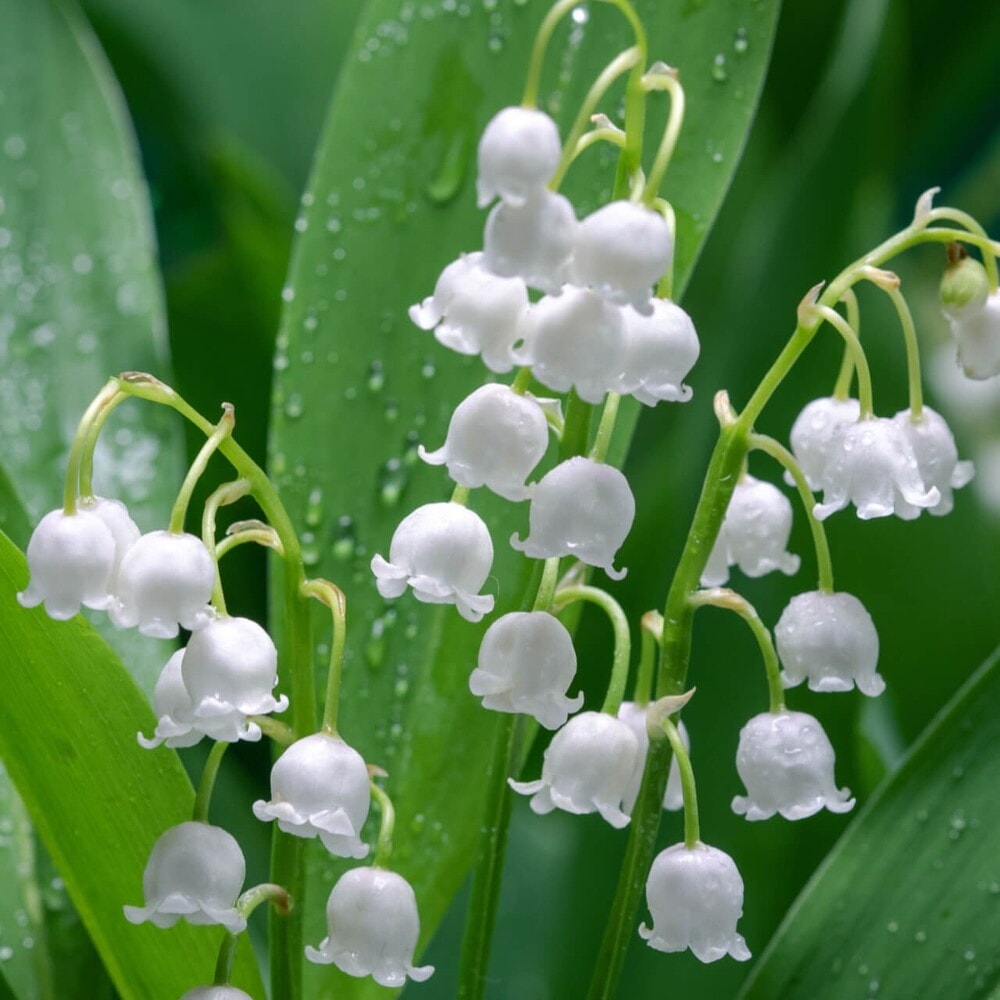
Lily of the valley appears in royal bouquets and classic spring arrangements, and lily of the valley remains a favorite for intimate gifts because a small cluster can feel meaningful. As month flowers go, it also carries strong symbolic meanings of humility and the return of happiness.
June - Rose and Honeysuckle: Roses With a Long History
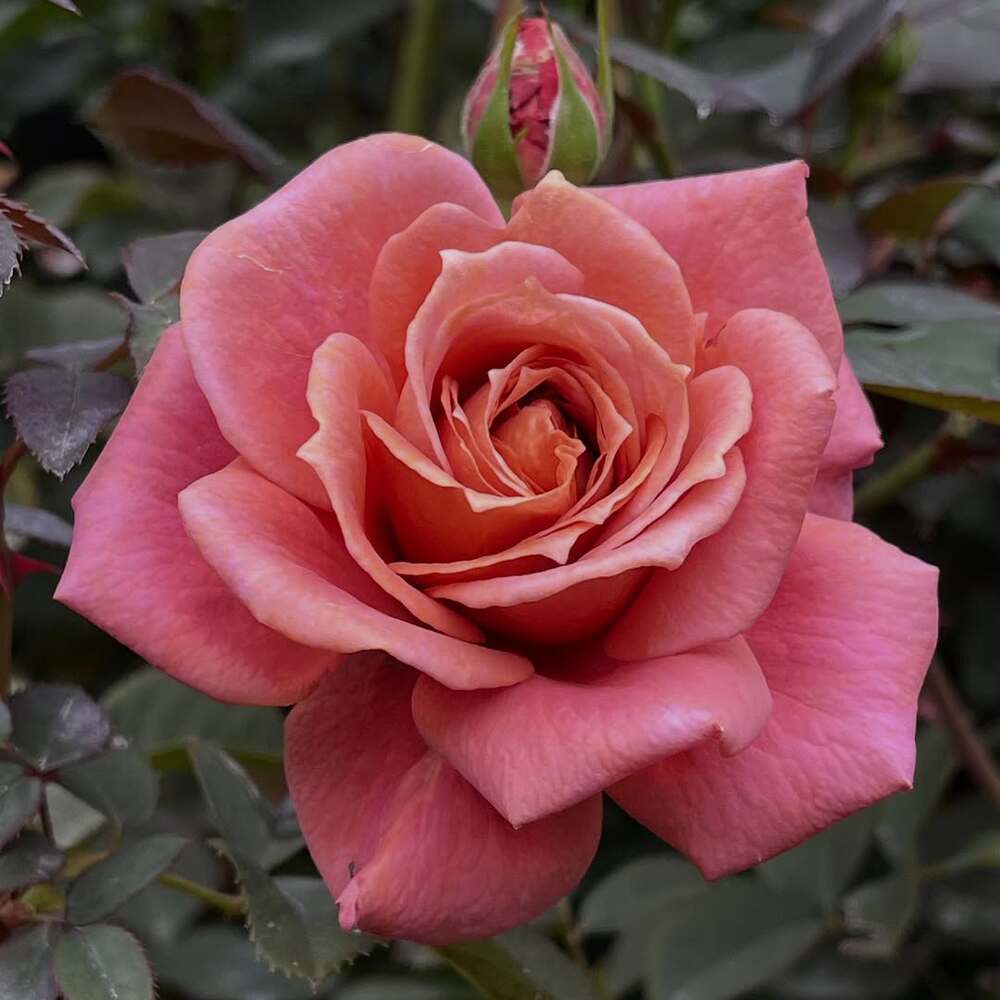
Rose and honeysuckle are the classic pair for June. Roses are among the most versatile birth flowers: from pale blush tones to deep reds, roses fit nearly every message. Florists lean on roses for centerpieces, roses for minimalist hand-ties, and roses for celebratory urns because the form reads as “occasion” in almost any setting. Honeysuckle adds sweetness and a sense of attachment.
Roses carry a long history that runs from ancient Roman times through Victorian floriography, from cottage gardens to terraces in Southern Italy where roses climb stone walls and scent evening air. In myth, Ancient Greeks tied roses to Aphrodite; later, European courts used roses as coded symbols in politics and art. Today, roses still dominate bouquets because their many meanings shift by color: red for passion, white for sincerity, pink for admiration, and yellow for friendship.
Honeysuckle’s twining habit makes it a natural emblem of bonds. In some regions of South America, honeysuckle is planted near homes for scent and folklore protection. In a June gift, pairing roses and honeysuckle keeps the message both romantic and warm.
July - Delphinium and Water Lily: High-Summer Birth Flowers
For July, many calendars emphasize delphinium and water lily, while also celebrating honeysuckle July as a seasonal companion in gardens. The headline pairing, delphinium and water lily, captures land and water at midsummer.
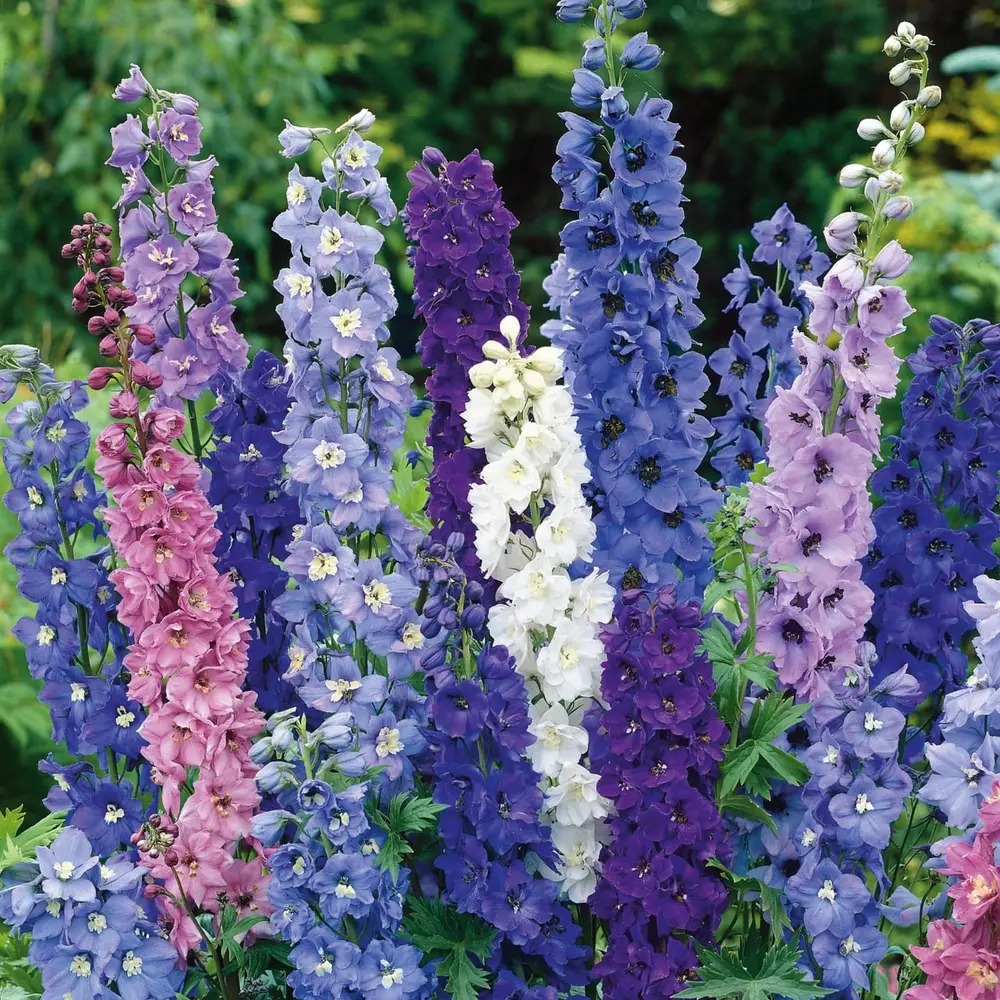
Delphinium spikes bring height and drama; their blue shades are often linked to dignity and spiritual wisdom. Water lilies, by contrast, float calmly and suggest purity and reflection. In ponds and bowls, water lilies create a still, mirror-like scene, and water lilies have long been used as symbolic flowers for calm focus. Together, July's delphinium and water lily themes feel balanced: energy above, serenity below.

If you are gifting, choose delphinium for vertical floral arrangements and water lilies for bowl displays in still water; water lilies look especially striking with simple foliage and quiet vessels. As long-stemmed birth flowers, they are memorable, and they feel special without needing complicated styling.
August Gladiolus and Poppy: Sword Lily Drama and a Secondary Flower Story
For August, gladiolus and poppy are bold, theatrical birth flowers. Gladiolus is the famous sword lily, named from a latin word for sword, and it carries associations of strength, honor, and moral clarity. Poppy adds softness and deep symbolism, from remembrance to imagination. As month flowers go, this pair is ideal for late-summer parties because stems stand tall and colors read strongly in a room.

Gladiolus can be a secondary flower in certain regional lists that prefer a single emblem, but in most guides it is a headline flower for August. Poppies are admired for their many myths and for their medicinal properties in plant history; always appreciated as story, not as instruction.

Aster and Morning Glory: September Birth Month Flowers With Contrast
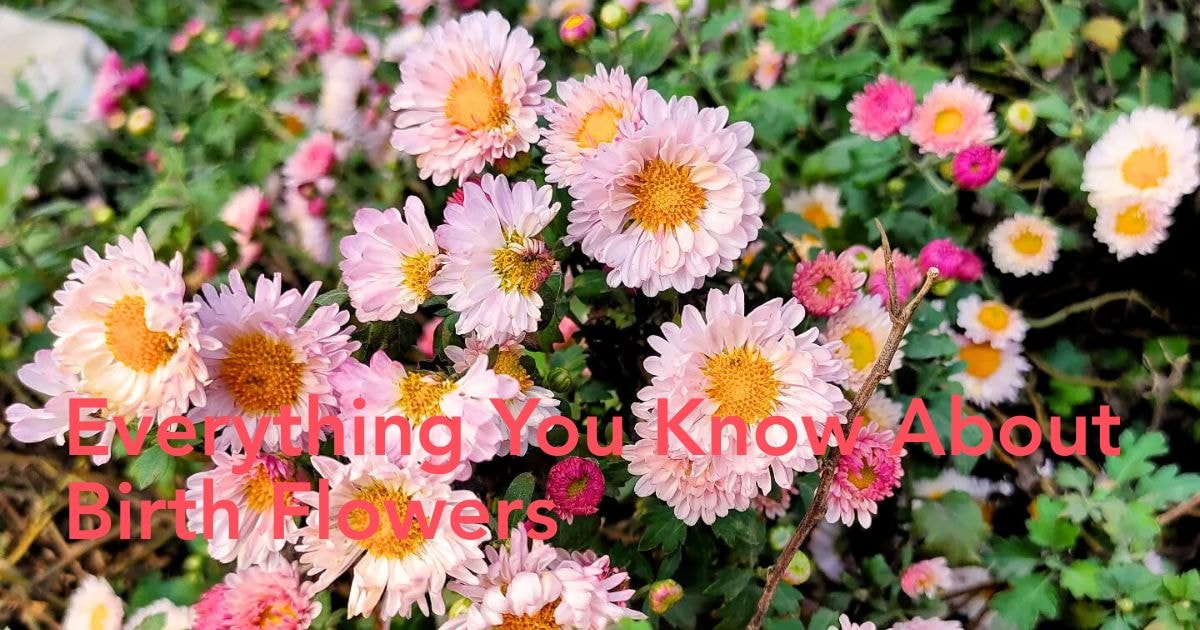
September is celebrated with asters and morning glories. These birth month flowers are visually different: aster flowers are starry and structured, while the dawn-opening vine feels fleeting. Together, they feel exactly right for early fall.
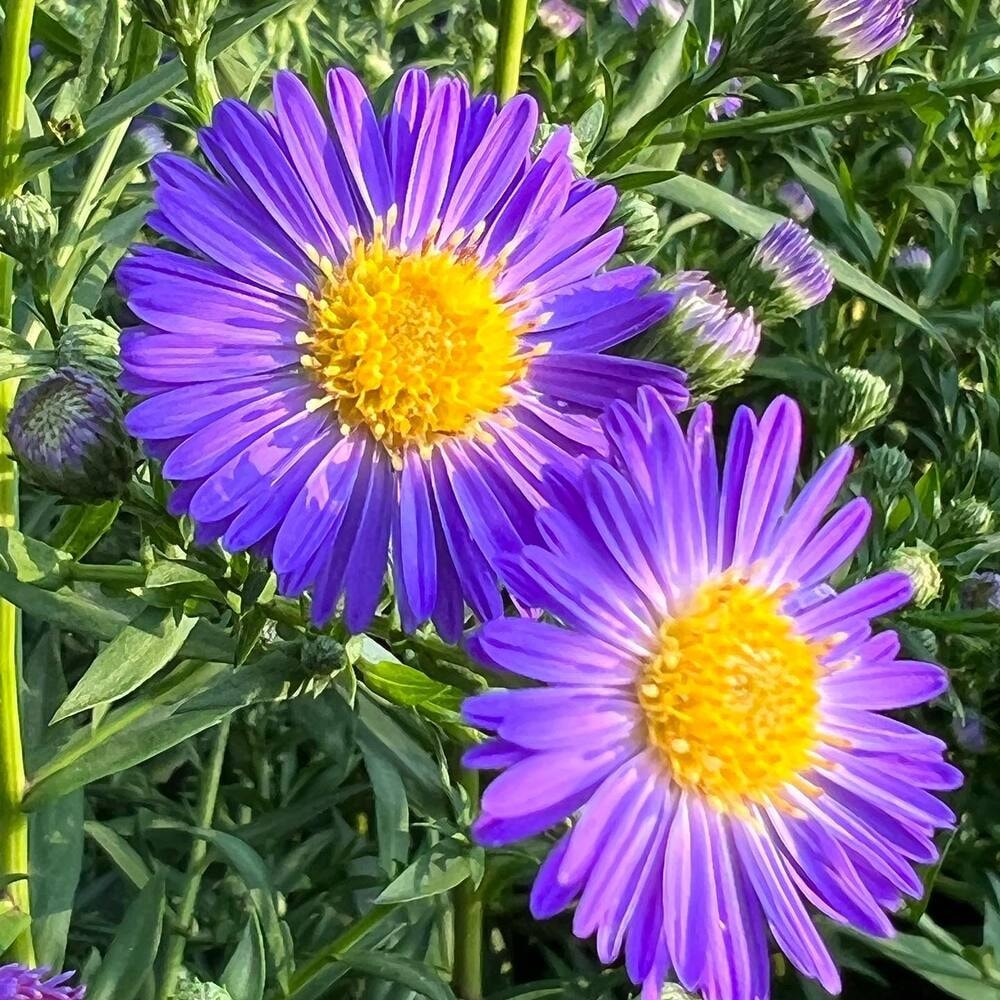
September's aster and morning glory pair well in mixed floral arrangements: asters add a dense, daisy like flowers effect, while the vine adds movement. For a September baby, the two flowers can read as steadiness plus curiosity, two personality traits that fit the month’s transition.
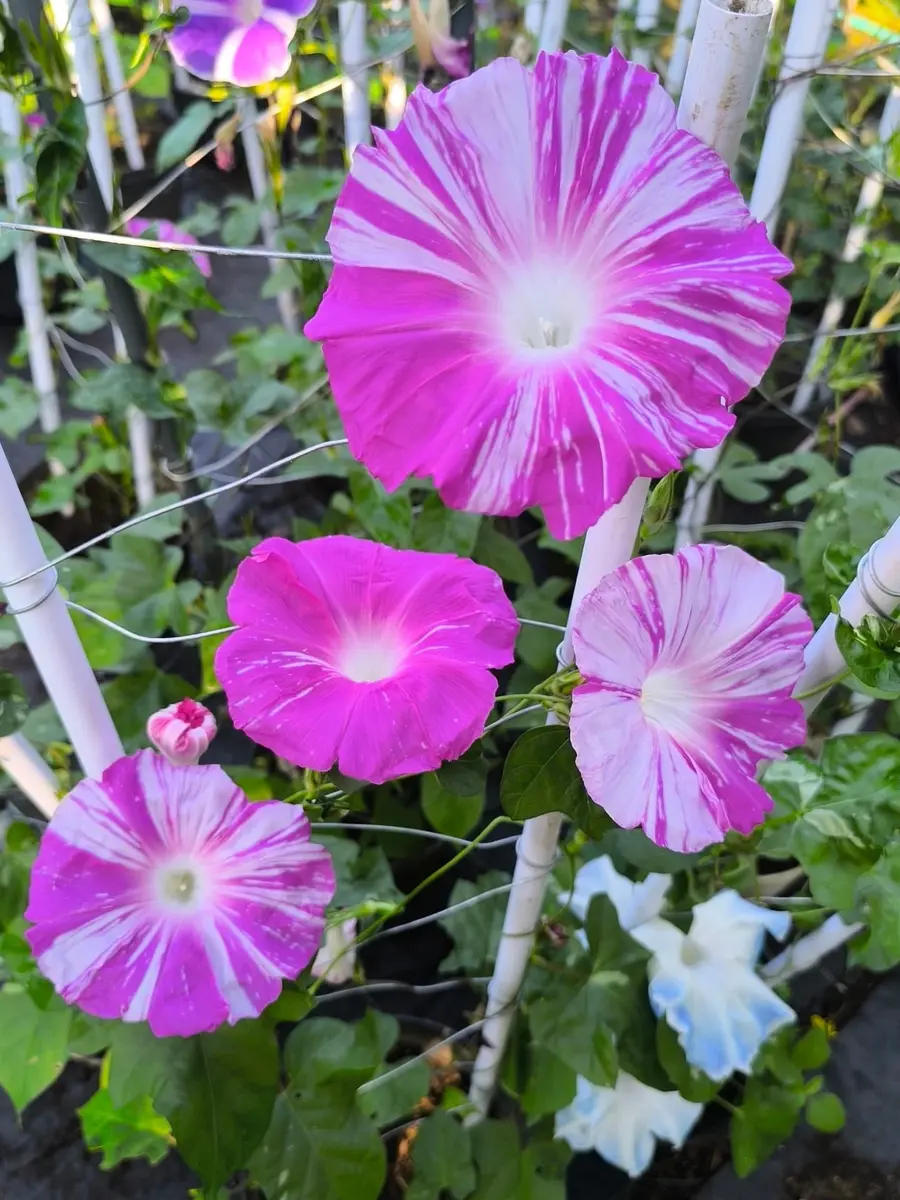
Aster, from a Greek word meaning “star,” has a gentle, classic look that works in bouquets and borders. Morning glory often symbolizes renewal and fleeting beauty. If you ever see “poppy September” in casual lists, it is usually a mix-up with August poppies; the standard aster and morning glory pairing remains the best reference.
October - Marigold and Cosmos: Month Flowers for Warm Color
October is represented by marigold and cosmos. October's marigold and cosmos are easy to grow, easy to gift, and hard to ignore: marigold brings a spicy scent and saturated color, while cosmos adds airy petals on tall stems.
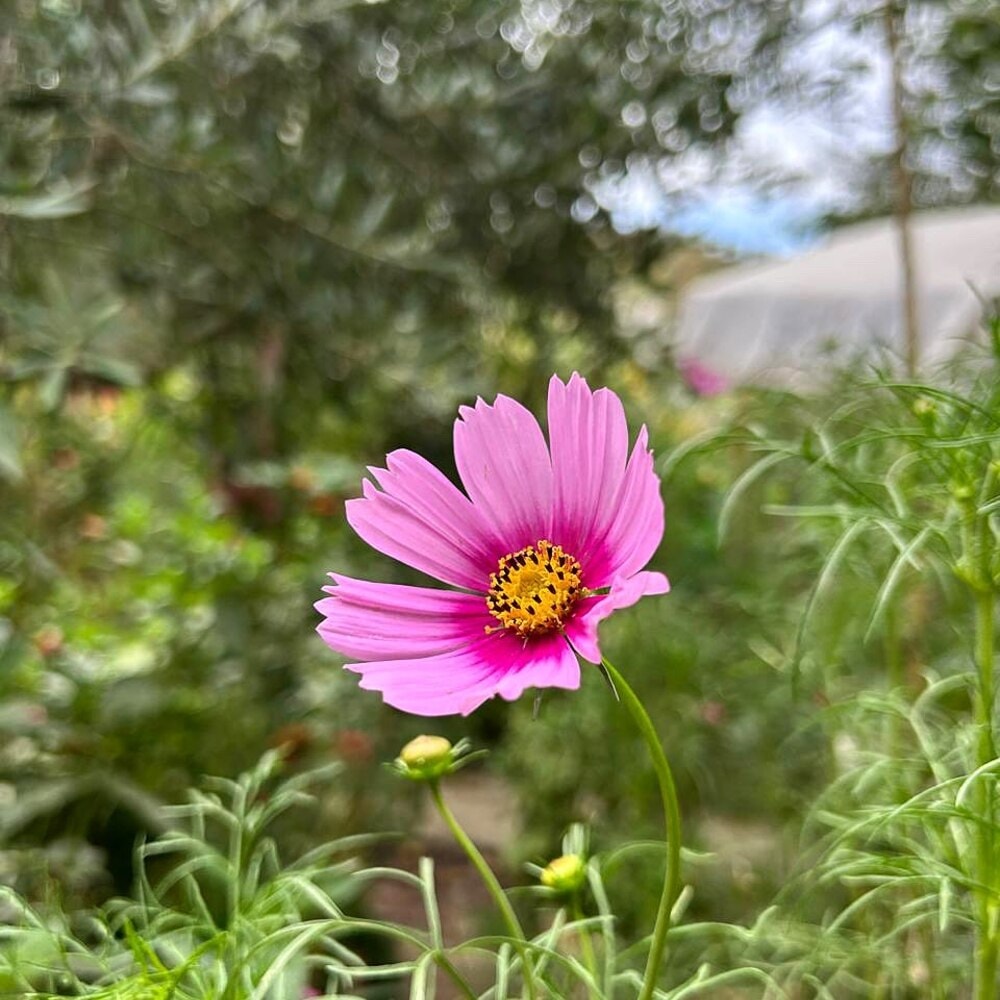
Marigold has a deep connection to remembrance in several cultures, while cosmos emphasizes harmony and simple beauty. Together, these two flowers make October feel both grounded and light.
November Birth Flower Traditions: Mums
The November birth flower is chrysanthemum, prized for strong stems, layered petals, and long vase life. Some guides also name peony as a secondary flower, which is why you may hear about secondary flower choices for November gifts.
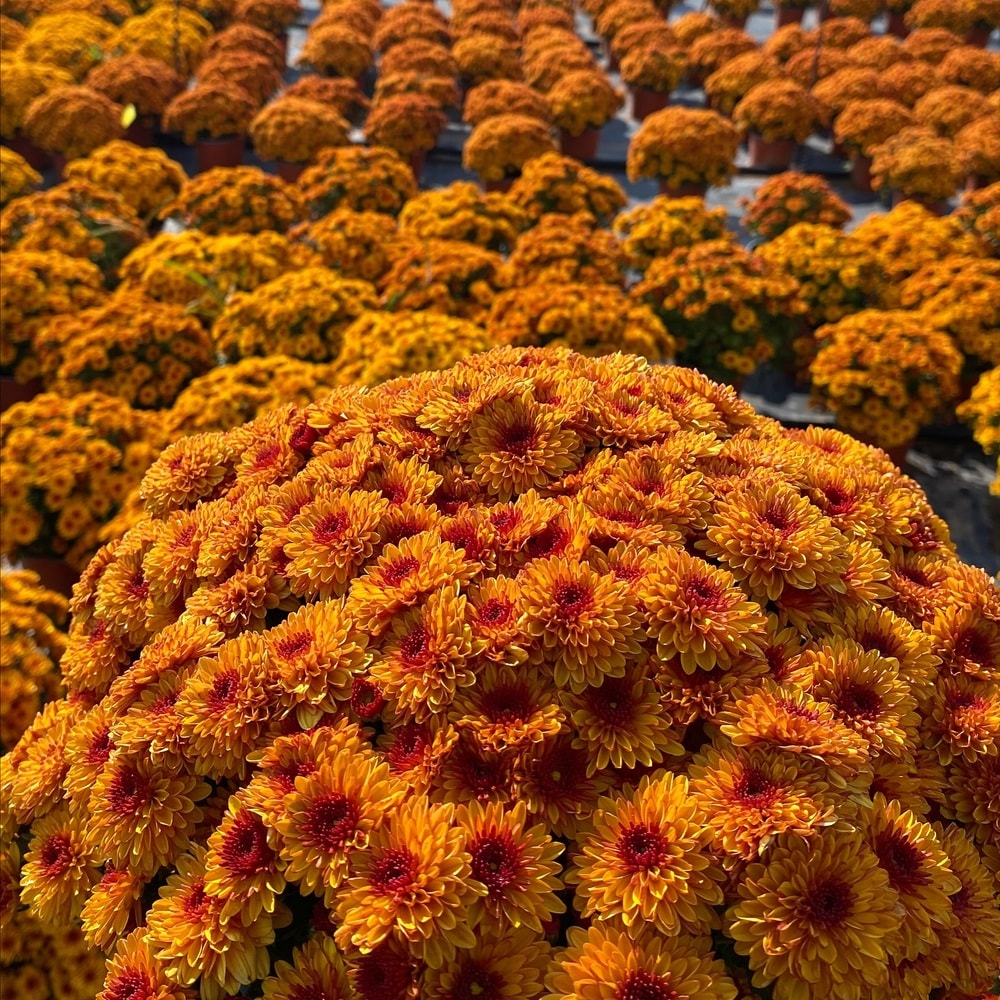
Chrysanthemums have a rich history in China and Japan, where they symbolize longevity and respect. Their meanings vary depending on color, but overall they read as friendship, good fortune, and calm strength. If you are searching cosmos November, you are likely thinking of late garden color; cosmos can linger, but November’s birth flowers are anchored by chrysanthemums.
December Birth Month Flowers: Holly and Narcissus
December’s birth flowers are holly and narcissus, often represented by paperwhite narcissus. Tradition places chrysanthemum with November and keeps December focused on winter greenery and fragrance.
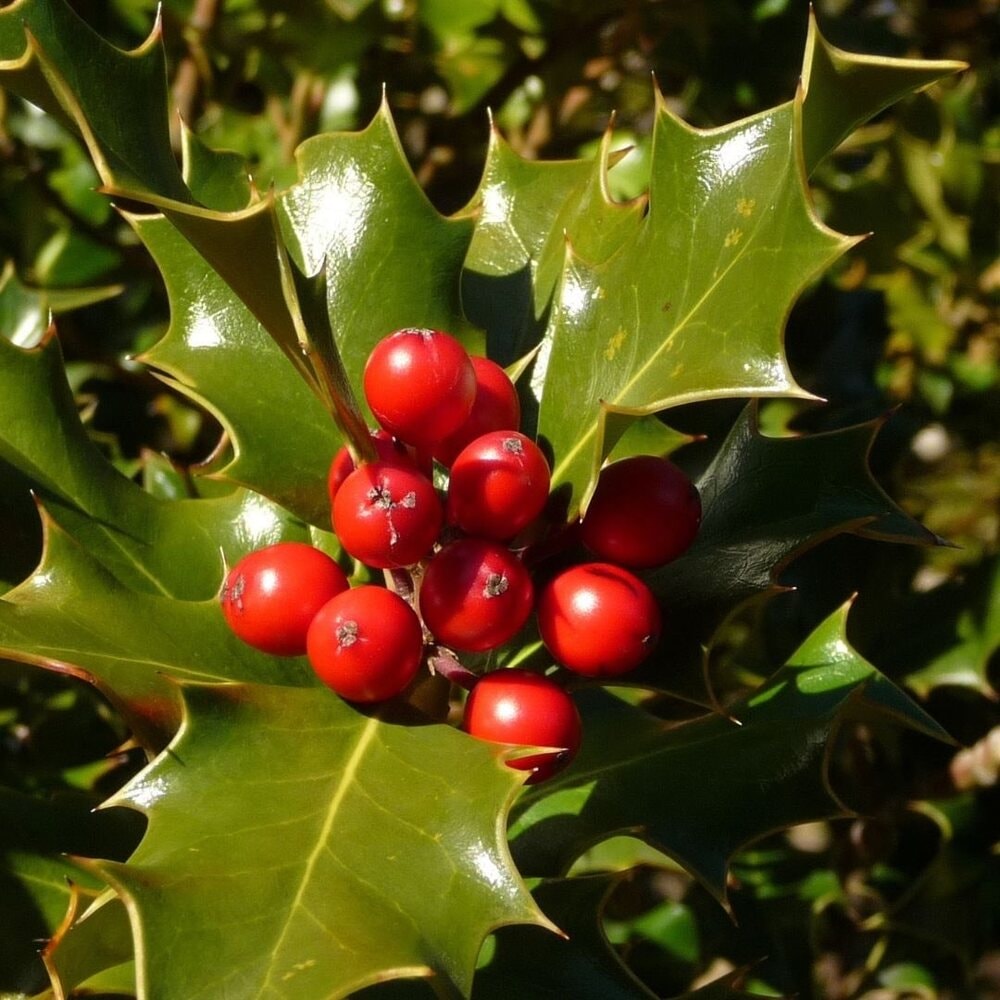
Holly is unforgettable for its dark green leaves and bright red berries, a classic contrast in winter arrangements. In folklore, holly symbolized protection and good cheer; in modern styling, it is simply a strong shape that holds a display together. Paperwhite narcissus, brought indoors to flower, adds scent and softness when the outdoor garden rests.
Flowers for Each Month: How to Gift Birth Flowers With Confidence
Once you know the birth flowers by month, gifting becomes easier. Start with the flower tied to the birth month, then build around it: add roses for romance, sweet pea for fragrance, or daisy like flowers for an informal mood. Remember that a secondary flower can be used when the main flower is out of season or unavailable locally, and that is perfectly acceptable for modern bouquets.
Above all, keep the gesture personal. A single stem of lily of the valley, a simple cluster of September flowers, or a sprig of holly can say as much as a large floral arrangement. Birth month flowers and birth flowers are not about rules; they are about selecting flowers with meaning.
When you are choosing gifts, treat flowers like a small system rather than a single stem. Start with one or two focal flowers, add line flowers for height, then add filler flowers for volume, and finish with foliage that frames the flowers. This makes substitutions straightforward: if one variety of flowers is unavailable, you can swap in comparable seasonal flowers without losing the overall design. If water lilies are hard to source, use other floating flowers in a shallow bowl; if roses are scarce, choose rounded garden flowers; if sweet pea is unavailable, pick lightly scented flowers such as stock or freesias. The goal is coherence: let the recipient’s taste guide the flowers, and let the flowers carry the meaning of the moment.
Header image by @saimum.sharik