There is something deeply grounding about tending a garden. The rhythm of watering, pruning, and watching something grow from a seed into a flowering plant connects us to nature in a way that few other hobbies can. For many people, their garden is not just a hobby; it is a source of mental clarity, physical activity, and genuine pride.
But life does not always cooperate with our gardening schedules.
A sudden illness, a workplace accident, a family crisis, or a lengthy legal dispute can pull even the most devoted gardener away from their outdoor sanctuary for weeks or months at a time. The bills keep arriving. The medical appointments stack up. And meanwhile, the garden quietly suffers.
This guide is written for gardeners who have found themselves in exactly that situation. It covers how to protect your plants during difficult periods, how to manage garden expenses when money is tight, how to revive a neglected garden when you are finally ready to return, and which plants are most forgiving when life gets in the way.
Understanding What Your Garden Actually Needs to Survive
Before diving into crisis management strategies, it helps to understand the core needs of a garden. Most flowering plants and garden beds require four basic things to stay alive: water, light, nutrients, and protection from pests and disease.
Of these four, water is the most immediately critical. A plant can survive weeks without fertilizer and can tolerate poor light for a limited time, but most will begin to decline within days without adequate moisture, especially during warm months.
Research published in horticultural studies consistently confirms that water stress is the leading cause of plant death in home gardens, accounting for more preventable losses than pest damage, disease, or poor soil combined. This is important to understand because it tells you where to focus your limited energy when time and attention are scarce.
Light is the second priority. Most flowering garden plants, roses, dahlias, sunflowers, lavender, and marigolds, require a minimum of six hours of direct sunlight daily to bloom properly. If your garden is already established in a well-lit position, this is one less thing to worry about. If you have container plants indoors or on balconies, repositioning them before a period of reduced care can make a significant difference.
Nutrients matter over the long term but are far less immediately critical than water. A plant that is well-fed but under-watered will decline far faster than a plant that is slightly underfed but consistently watered.
Pest and disease management becomes more urgent the longer a garden goes unattended. Aphid populations, for example, can double in as little as a week under warm conditions. Fungal diseases spread rapidly when dead leaves and organic matter accumulate. Understanding these timelines helps you prioritize what to address first when returning to a neglected garden.
The Most Vulnerable Plants in Your Garden and Why
Not all plants respond equally to neglect. Knowing which plants in your garden are most sensitive to lapses in care can help you make smarter decisions when time and energy are limited.
Roses are among the most high-maintenance garden plants. They require consistent watering, typically one to two inches per week, regular feeding with a balanced fertilizer during the growing season, and vigilant monitoring for black spot fungus and aphid infestations. A rose left unattended for more than two to three weeks during summer can suffer significant dieback.
Orchids, particularly popular as indoor plants, are highly sensitive to irregular watering and humidity changes. Most orchid species prefer to dry out slightly between waterings, but extended drought will cause root damage that can take months to reverse.
Dahlias are vigorous growers but heavy feeders. They need consistent moisture and regular deadheading to continue producing blooms. Neglected dahlias will stop flowering and become susceptible to powdery mildew.
Hydrangeas are relatively forgiving in cooler climates but struggle significantly in heat without consistent watering. Their large leaves transpire water rapidly, making them particularly prone to wilting during periods of neglect.
Annual flowering plants, petunias, impatiens, zinnias, and cosmos, have shorter life cycles and less tolerance for stress than perennials. A week without water in mid-summer can be fatal for many annuals.
On the other end of the spectrum, succulents, sedums, lavender, ornamental grasses, and native wildflowers are significantly more resilient. These plants have evolved to tolerate drought, poor soil, and minimal intervention, making them ideal choices for gardeners who anticipate periods of reduced availability.
Setting Up Low-Cost Automated Watering Systems
One of the most effective things a gardener can do before an extended period of reduced availability is to install a basic irrigation or drip watering system. Modern drip irrigation technology has become remarkably affordable and accessible to home gardeners, with complete starter kits available for between twenty and fifty dollars at most garden centers.
Drip irrigation delivers water directly to the root zone of plants through a network of small tubes and emitters, reducing water waste by up to fifty percent compared to overhead sprinklers, according to research from the University of California Cooperative Extension. This method also reduces the incidence of fungal disease by keeping foliage dry.
Self-watering planters and containers with built-in water reservoirs are another excellent investment for container gardeners. These systems can sustain most plants for five to fourteen days without manual watering, depending on climate and plant size.
DIY bottle drip systems offer a zero-cost alternative. A standard plastic bottle with small holes punched in the cap, filled with water, and inverted into the soil beside a plant, can provide slow, consistent moisture release for two to three days.
While not a long-term solution, this method is widely used and genuinely effective for short absences.
Moisture-retaining mulch is one of the most underrated tools in a gardener's arsenal. A three to four-inch layer of organic mulch, straw, wood chips, shredded bark, or compost, applied around the base of plants, can reduce soil moisture evaporation by up to seventy percent, according to data from the Royal Horticultural Society. Mulching before a period of reduced garden care can dramatically extend the time your plants survive without additional watering.
Managing Garden Finances During Personal or Legal Hardships
Gardening is not an expensive hobby by most standards, but costs do accumulate. Quality soil amendments, fertilizers, seasonal plant replacements, pest control products, irrigation supplies, and tools represent a genuine ongoing financial commitment. When personal circumstances, particularly health crises, accidents, or legal disputes, place sudden pressure on a household budget, the garden is often one of the first things to be deprioritized financially.
There are several practical strategies for maintaining a garden on a significantly reduced budget.
Composting kitchen and garden waste eliminates the need to purchase commercial fertilizers and soil conditioners. A simple compost bin can be built from reclaimed timber or wire mesh at minimal cost. Finished compost improves soil structure, feeds plants gradually, and supports beneficial microbial activity in the root zone, often outperforming synthetic fertilizers in long-term plant health studies.
Propagating from existing plants is one of the most cost-effective ways to expand or refresh a garden without purchasing new stock. Many popular garden plants, including lavender, rosemary, hydrangeas, geraniums, and salvias, can be propagated from stem cuttings with a success rate of sixty to eighty percent when done correctly. Seeds collected from annual and perennial flowers can be dried and stored for replanting the following season at no cost.
Rainwater harvesting reduces reliance on mains water and the associated utility costs. A standard 200-litre water butt connected to a downpipe can collect sufficient water to meet the needs of a medium-sized garden during the wetter months in most temperate climates.
Plant swap communities have grown significantly in recent years, both online and in local neighborhoods. These informal networks allow gardeners to exchange surplus plants, cuttings, seeds, and bulbs freely, creating a genuinely circular and cost-free way to diversify a garden.
It is also worth acknowledging that financial hardship arising from accidents or personal injury can place extreme pressure on everyday household budgets, not just garden spending. For gardeners navigating legal claims or awaiting settlements, some have found it useful to explore financial bridging options to cover essential living expenses during the waiting period. Resources such as the ability to get a personal injury settlement loan have helped some individuals maintain financial stability while their cases are resolved, allowing them to eventually return, without financial desperation, to the routines and hobbies, including gardening, that support their overall wellbeing and recovery.
The Best Hardy Flowering Plants for Low-Maintenance Gardens
If a difficult season of life has prompted you to reconsider your garden's plant selection, transitioning toward more resilient varieties is a genuinely smart long-term strategy. The following plants combine visual impact with genuine hardiness and minimal care requirements.
Lavender (Lavandula angustifolia) is one of the most resilient flowering plants available to temperate gardeners. It thrives in poor, well-drained soils, tolerates drought exceptionally well, requires minimal feeding, and is highly resistant to most pests and diseases. Its aromatic properties also make it a natural deterrent to aphids and other common garden pests. Studies from agricultural research institutions in France and the United Kingdom consistently cite lavender as one of the highest-value, lowest-input ornamental plants for home gardens.

Photo: @curly.beard
Echinacea (Coneflower) is a native North American perennial that has been extensively studied for both its medicinal properties and its garden performance. It tolerates heat, drought, and poor soil with remarkable stoicism, produces bold, long-lasting flowers from midsummer through autumn, and self-seeds reliably, meaning a single plant can gradually colonize an area without any intervention.
Rudbeckia (Black-Eyed Susan) shares many of echinacea's hardiness characteristics and is similarly tolerant of neglect. It blooms prolifically from July through October, attracts pollinators, and requires no deadheading to continue flowering.
Sedum (Stonecrop) is an extraordinarily diverse genus that includes ground-covering varieties, upright border plants, and rockery specimens. All sedums share an exceptional tolerance for drought and poor soil, making them ideal for gardeners who cannot guarantee consistent care.
Marigolds (Tagetes) deserve special mention as perhaps the most forgiving annual flowering plant available. Beyond their cheerful, long-lasting blooms, marigolds have documented pest-suppressing properties. Research published in the journal Pest Management Science confirmed that French marigold root secretions effectively suppress soil nematode populations, providing genuine benefit to neighboring plants with zero additional effort from the gardener.
Ornamental grasses, including varieties such as Miscanthus, Pennisetum, and Festuca, provide year-round structural interest, require virtually no maintenance beyond an annual cut-back in late winter, and are extraordinarily tolerant of both drought and waterlogging.
A Research-Based Approach to Reviving a Neglected Garden
Returning to a garden that has been neglected for an extended period can feel overwhelming. The key is to approach the revival systematically rather than attempting to address everything at once.
Step one: Assessment before action. Walk through the garden and categorize plants into three groups: those showing healthy growth, those showing stress but recoverable, and those that appear to have died. Do not remove apparently dead plants immediately; many perennials, shrubs, and bulb plants that appear dead above ground retain viable root systems and will regenerate given time and appropriate care. Horticultural research from the RHS recommends waiting at least six to eight weeks after the end of a stress period before declaring a plant unrecoverable.
Step two: Rehydrate soil gradually. Soil that has been dry for an extended period often becomes hydrophobic; it repels water rather than absorbing it, causing water to run off the surface rather than penetrating to the root zone. Applying water slowly and repeatedly over several sessions, or using a soil wetting agent, allows gradual rehydration without waterlogging.
Step three: Clear dead organic matter first. Dead leaves, spent flowers, and accumulated debris create ideal conditions for fungal disease and pest harboring. Clearing this material before doing anything else reduces ongoing threats to recovering plants.
Step four: Feed gently and carefully. A recovering plant is not ready for heavy fertilization. Overfeeding a stressed plant can cause fertilizer burn and worsen the damage. A diluted liquid seaweed fertilizer, a product with extensive research support for promoting root recovery and stress resilience, is the appropriate starting point.
Step five: Prune strategically. Removing dead and damaged growth redirects the plant's energy toward healthy tissue. However, avoid heavy pruning of stressed plants until they show clear signs of active new growth.
Step six: Protect recovering plants. A fresh layer of mulch, protection from strong wind, and temporary shading during the hottest part of the day can all reduce the ongoing stress load on plants during the recovery period.
Building a Garden Support Network
One of the most underutilized resources available to gardeners facing difficult circumstances is community support. Gardening communities, both local and online, are among the most generous and collaborative hobby groups in existence. Local horticultural societies often have volunteer programs specifically designed to support gardeners who are temporarily unable to manage their plots due to health or personal circumstances. The Royal Horticultural Society in the UK and the
American Horticultural Society maintains community networks that can point gardeners toward local resources and support groups.
Neighborhood gardening groups, community allotment associations, and online platforms such as local Facebook gardening groups can connect you with fellow enthusiasts who may be willing to water plants, collect seeds, or simply offer advice during a difficult period.
There is genuine value, both practical and emotional, in allowing others to help maintain your garden during a difficult time. Research on gardening and mental health, including a widely cited 2017 study published in Preventive Medicine Reports, found that regular gardening activity is associated with measurable reductions in depression, anxiety, and perceived stress. Maintaining even a minimal connection to your garden during difficult periods, whether through the help of others or through small acts of care when energy allows, supports broader emotional and physical recovery.
Seasonal Replanting: Starting Fresh After a Setback
Sometimes, the most practical and emotionally satisfying response to a badly neglected garden is a considered fresh start. Seasonal replanting allows you to clear away the damage of the past and redesign your garden with your current lifestyle and capacity in mind.
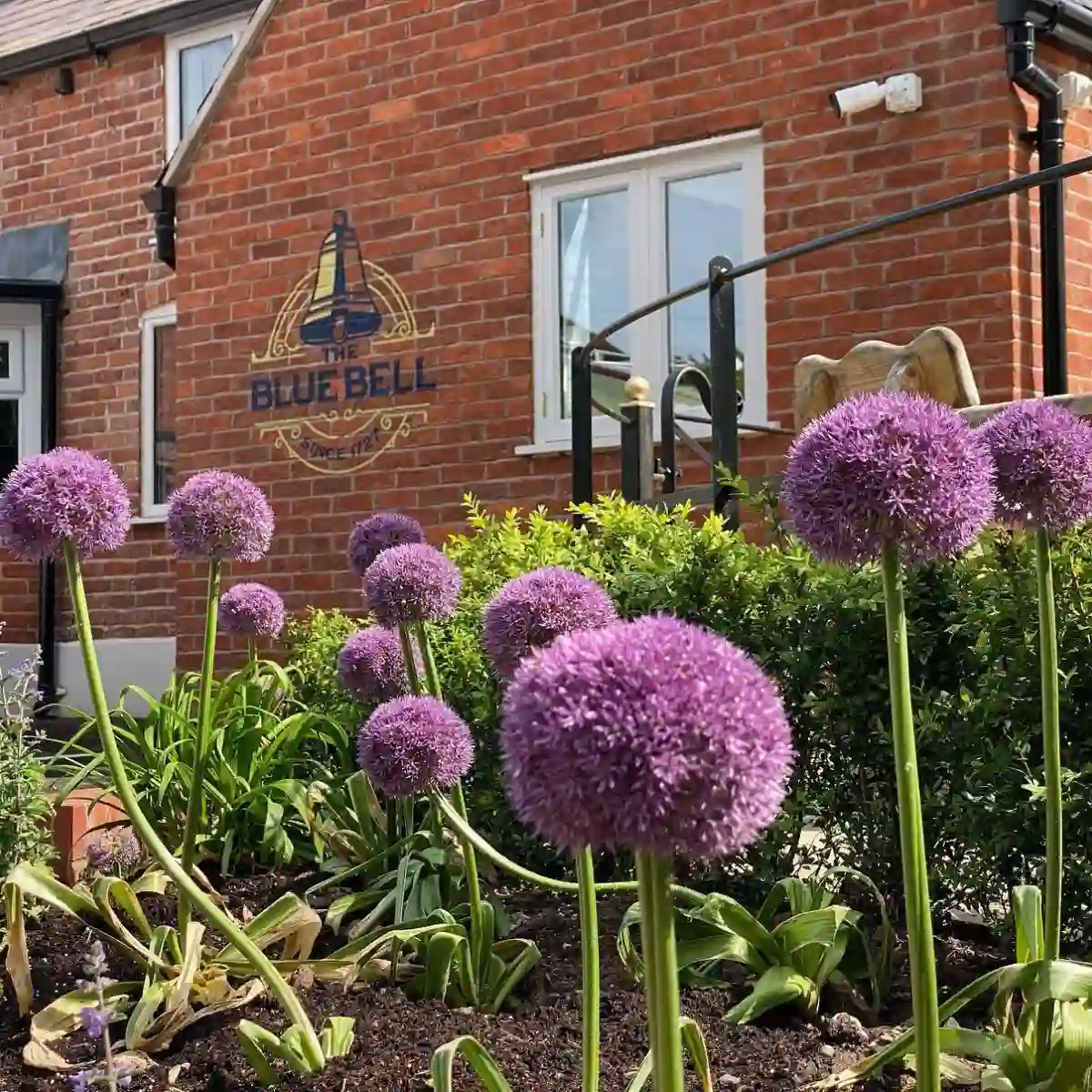
Spring replanting offers the widest range of choices. Bulbs planted in autumn, tulips, alliums, narcissi, and hyacinths, will already be emerging. Gap-filling with hardy annuals such as pansies, sweet peas, and stocks provides immediate color while slower-growing perennials establish.
Summer replanting should focus on heat-tolerant varieties. Zinnias, sunflowers, cosmos, and gazanias all establish quickly from young plants purchased at garden centers and will bloom within weeks of planting.
Autumn replanting is the ideal time to establish perennials and shrubs, as cooler temperatures and typically higher rainfall reduce the establishment stress on new plants. Ornamental grasses, asters, sedums, and hardy geraniums planted in autumn will be well-rooted and ready to perform strongly the following spring.
Winter is less a planting season than a planning season in most temperate climates. Reviewing what worked and what struggled in the previous year, ordering seeds for the coming spring, and making soil improvements, adding compost, correcting pH, and improving drainage, sets the foundation for a stronger garden the following year.
Gardens, Like People, Are Built to Recover
The fundamental truth about gardens is that they are far more resilient than they appear. Plants have evolved over millions of years to survive drought, damage, cold, and competition. Given even basic care and a reasonable chance, most garden plants will recover from periods of neglect more completely than their stressed appearance suggests.
The same is true of gardeners. Difficult periods, whether caused by health challenges, accidents, financial pressures, or legal disputes, are by definition temporary. The knowledge, the skill, and the love of growing things that brought you to gardening in the first place do not diminish during hard times. It waits, like a dormant bulb in winter soil, ready to resurface when conditions allow.
Approach your return to the garden the same way you would approach the revival of a struggling plant: with patience, with methodical care, and without expecting overnight transformation. The blooms will come back. They always do.