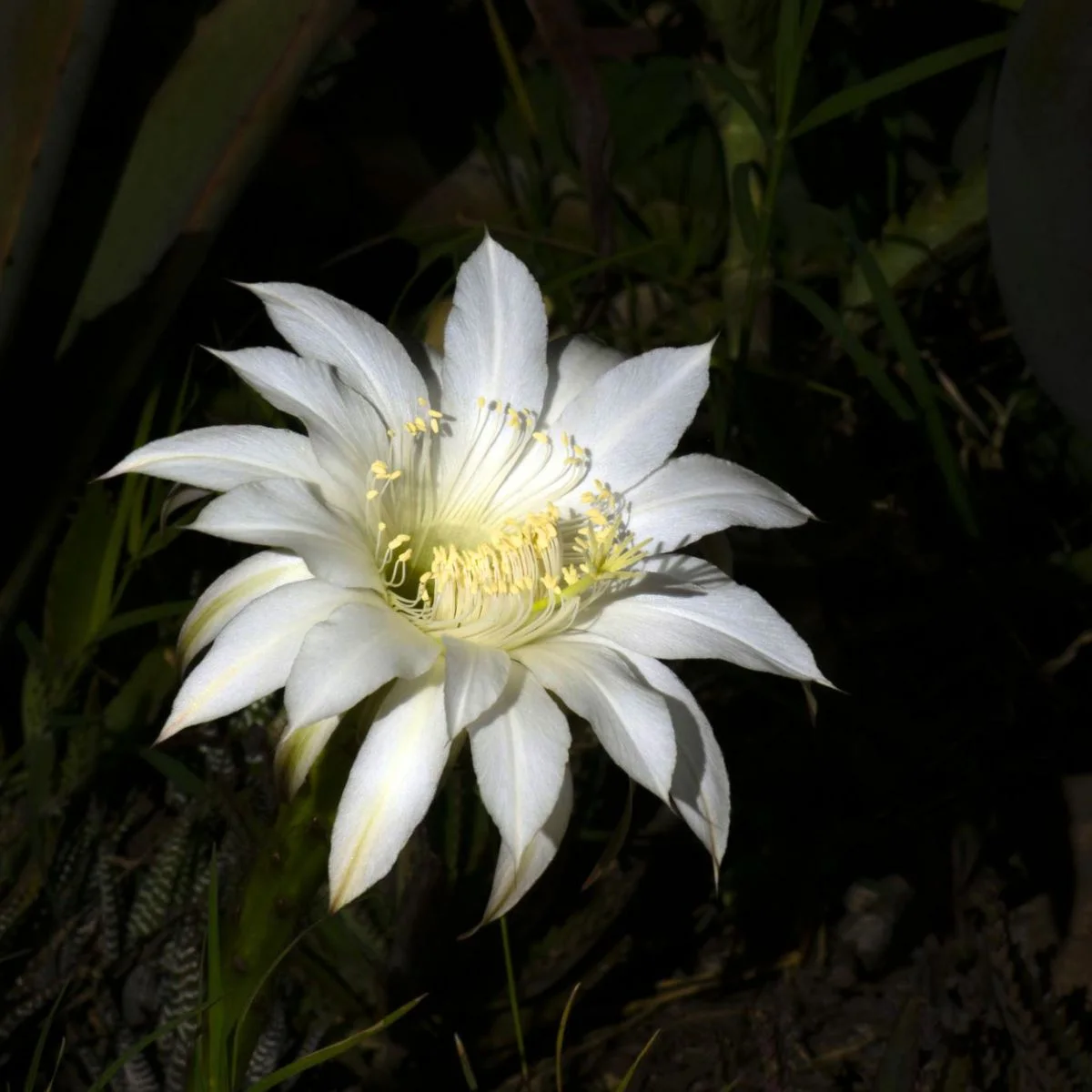
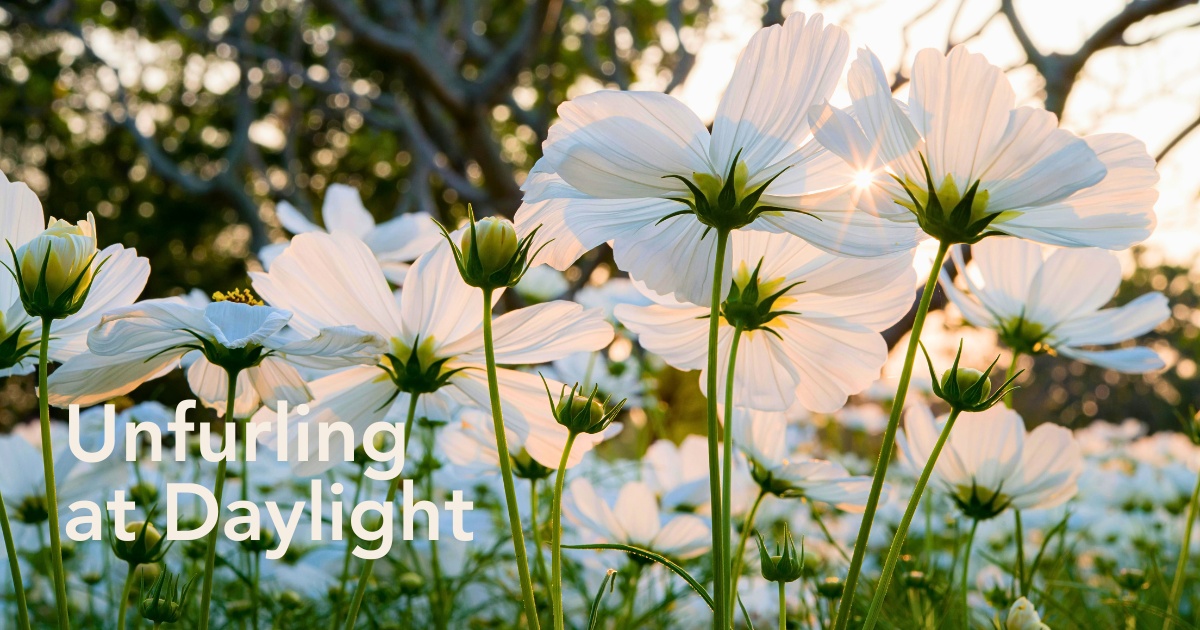
Some flowers open only during the day, while some do so at dusk (and in the night). But what is it about a flower that opens to welcome the sunrise and seemingly closes its petals at sunset as dusk settles in? It feels almost like the plant needs to be somewhere else (or do something else), and so it keeps its time. But then again, in its very sense, it does.
The idea behind why certain flowers open only during the day comes down to evolution, ecology, pollinator behavior, and the biological rhythms that govern almost every living thing. But how do all these combine to work?
The Plant’s Clock
Plants, like animals, run on an internal biological clock called a circadian rhythm. The word ‘circadian’ comes from the Latin circa dies, meaning ‘around a day,' and refers to the roughly 24-hour cycle that regulates a plant's internal processes. This clock guides when a plant produces certain hormones, when it opens its stomata to exchange gases, and yes, when it opens or closes its flowers.
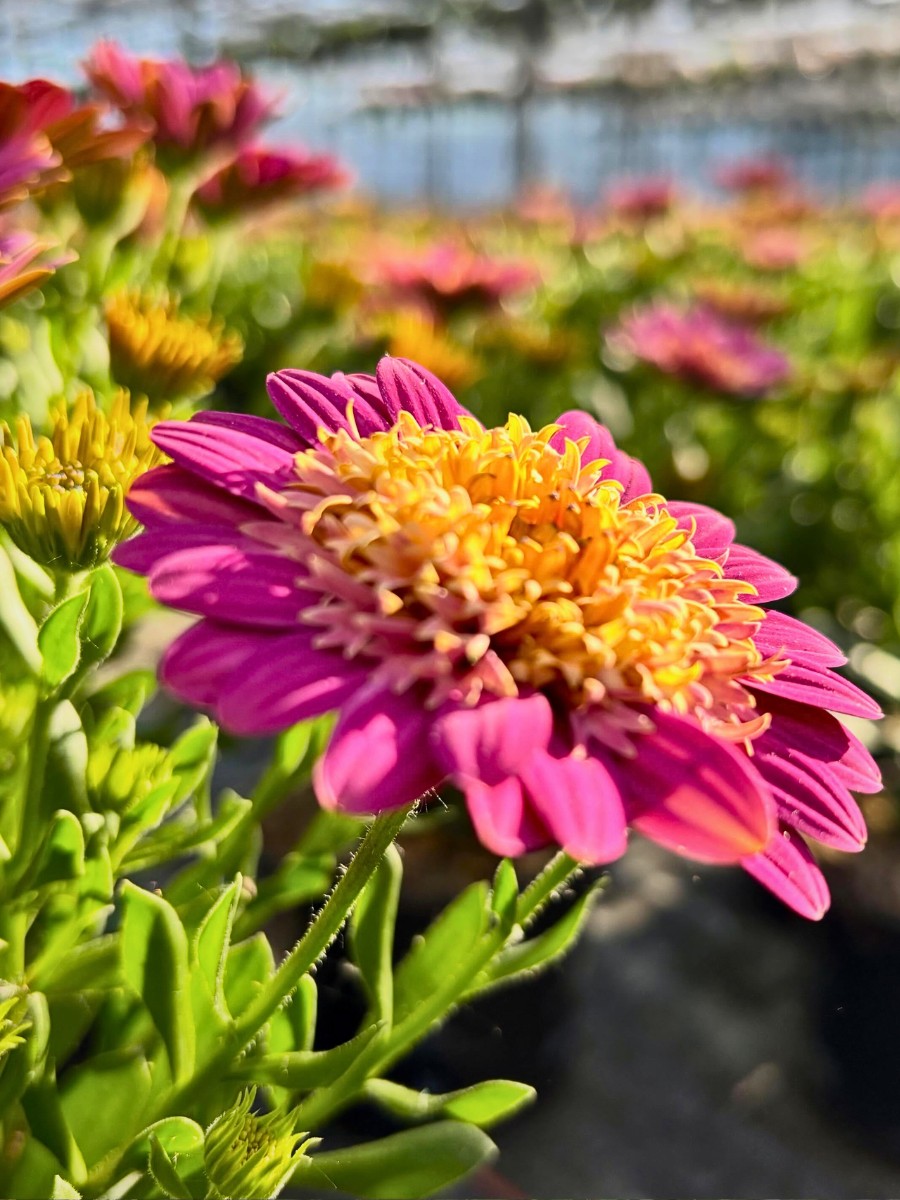
But the clock alone is not it all. Light is the trigger that sets it. A key mechanism here is photonasty, where light intensity activates petal opening. Specialized motor cells in flower petals detect changes in light intensity, and depending on the species, they either swell with water to open or contract to close.
This process, called nyctinasty, is the primary mechanism behind day-opening and dusk-closing of flowers. As morning light comes, when it hits the petals, one side of the petal grows faster than the other, causing the flower to unfurl. When light fades, the process reverses, and the cells shrink, causing the petals to close.
Temperature often works alongside light as a secondary trigger. Many flowers respond to warmth and not brightness alone, which is why a cloudy day can sometimes keep a normally day-opening flower half-closed even at noon.

Most of It Boils Down to Pollinators
The biggest reason why flowers follow a daytime schedule has everything to do with who they need to attract. Because pollination is the whole point of a flower, they have co-evolved with their pollinators to be open for business just when those pollinators are active. Most bees, for example, are diurnal, meaning they are active during daylight hours. Butterflies are the same.
They all rely on warmth and sunlight to stay active, and tend to forage between mid-morning and late afternoon when temperatures are at their most comfortable. Flowers that depend on bees and butterflies have developed to match that window. Opening during the day ensures the flower is accessible, fragrant, and displaying its colors right when the right visitors are flying.
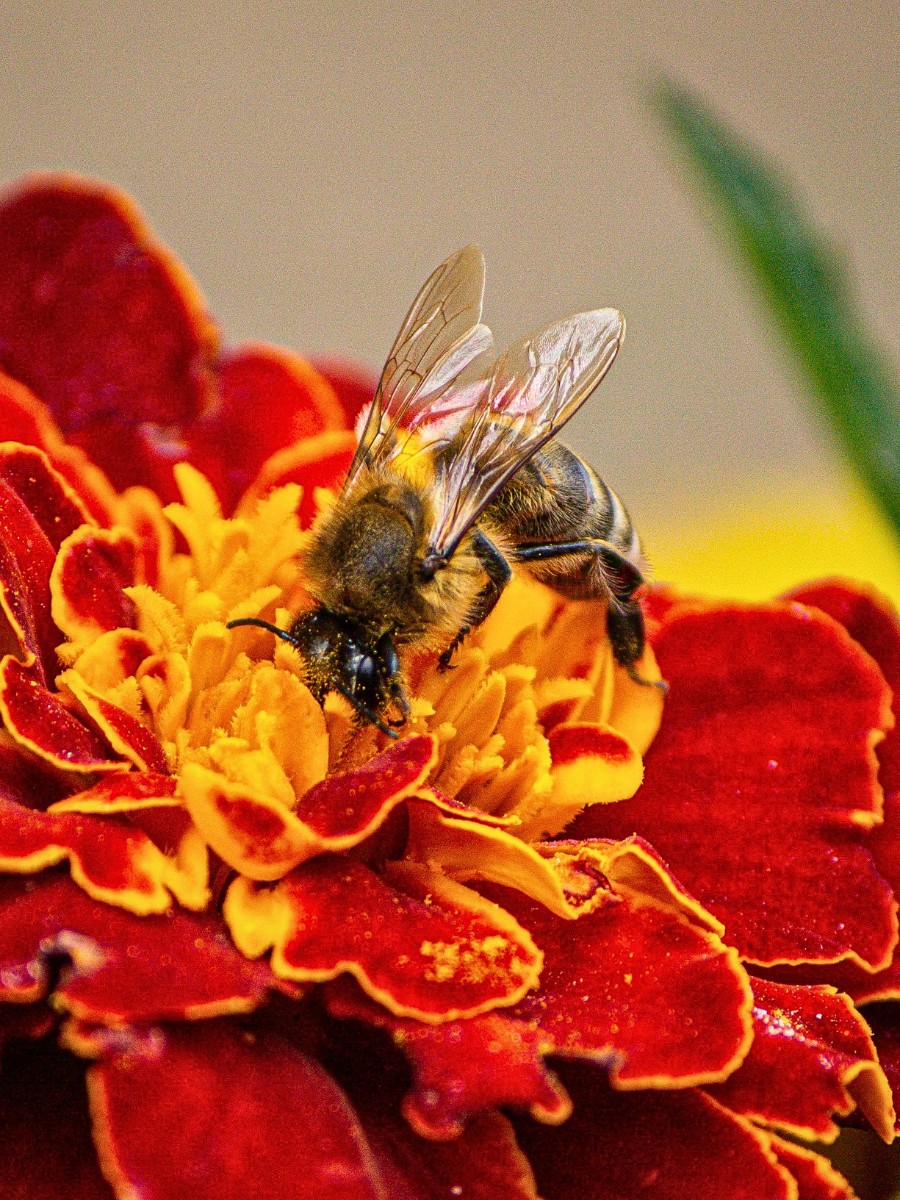
There is also an efficiency element to it. Producing nectar costs the plant energy, so keeping a flower open all day and all night, offering nectar to creatures that cannot use it in the dark, would be wasteful. Opening only during peak pollinator activity ensures that the plant gets maximum return on its investment.
Contrast this with night-opening flowers like evening primrose or moonflower, which time their openings for moths and other nocturnal pollinators. Their petals are often white or pale yellow to reflect moonlight well, and they tend to produce heavy, sweet fragrances to guide visitors through the dark. Each strategy is designed by the same logic, which is to open only when its respective pollinators are ready and available.

Color and UV Light
Bees do not see color the way humans do. They cannot detect red, but can see ultraviolet light. Many day-opening flowers have UV patterns on their petals that are invisible to the human eye but appear as vivid ‘landing guides’ to bees.
These patterns, sometimes called nectar guides, point directly to the center of the flower where the pollen and nectar are. This is another reason why daytime opening is important. Because UV vision only works in sunlight, a flower that opens at night would lose one of its most effective visual tools.
Some Famous Day-Opening Flowers
A few well-known examples help show the range of plants that follow this pattern. California poppy closes at night and on overcast days, almost like it is protecting its reproductive parts from the cold and damp. Dandelions, often dismissed as weeds, are refined in their timing, closing tightly in the evening and reopening with impressive reliability every morning.
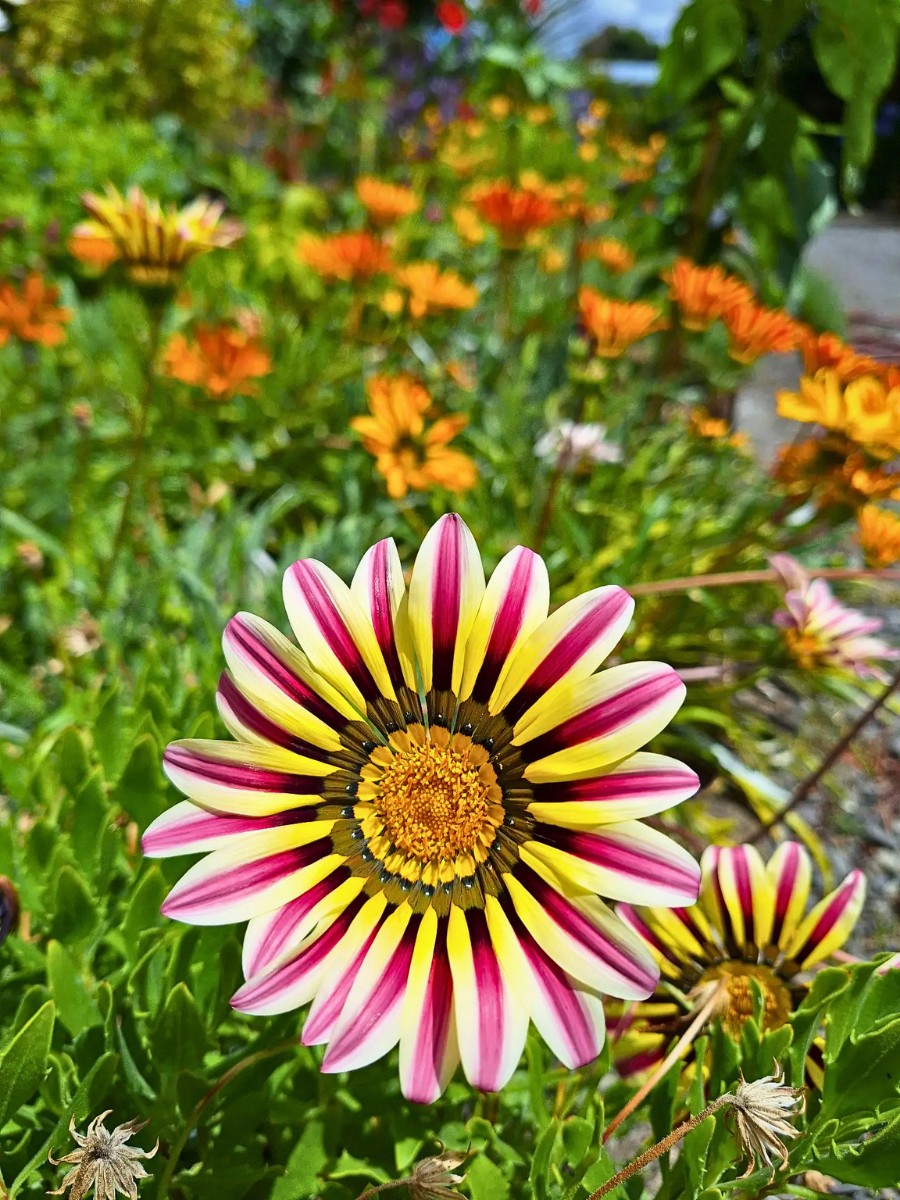
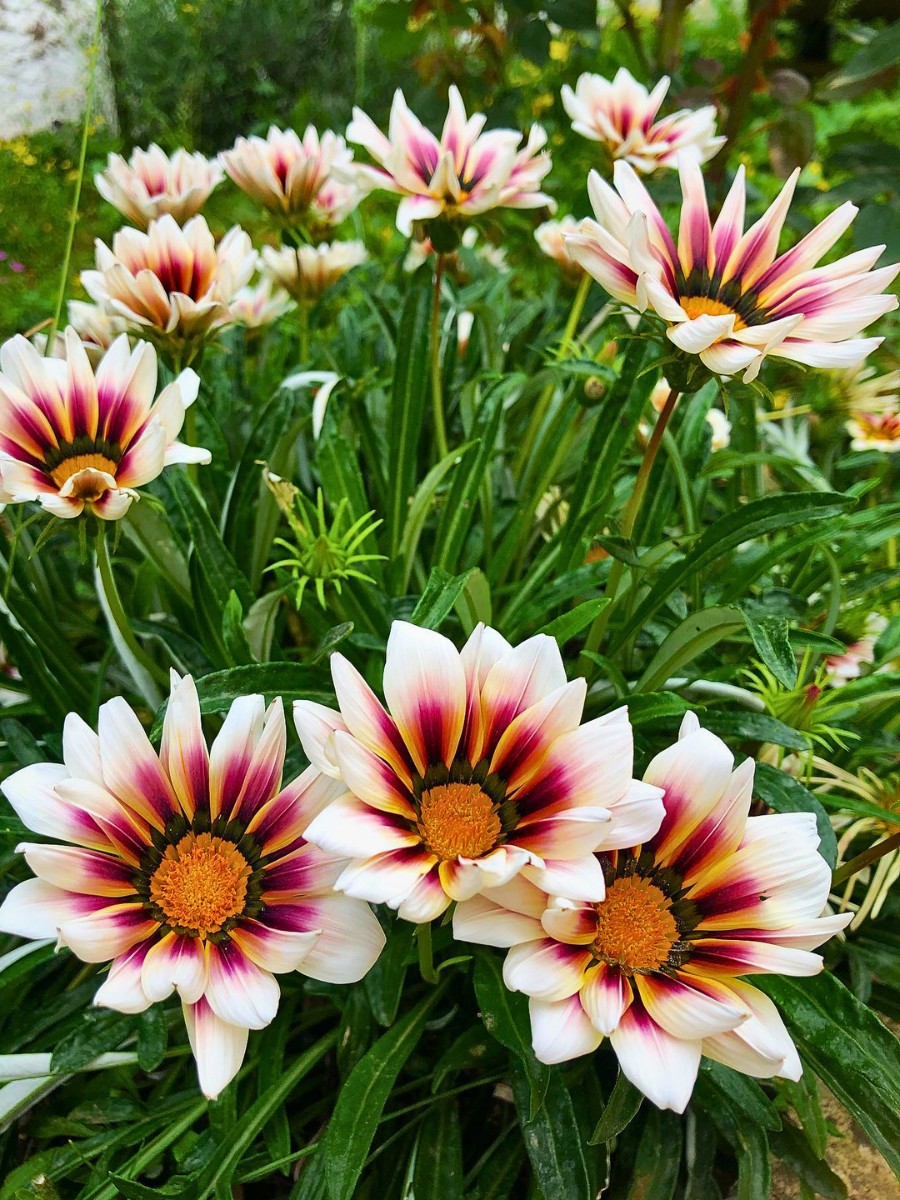
Gazanias, Osteospermum, and many South African daisies are so strictly day-opening that a garden full of them can look completely bare by sundown. The tulip is another interesting case, whose opening and closing are driven primarily by temperature instead of light. They respond to the warm air of a spring day such that if you bring cut tulips indoors into a warm room, they open even under artificial light.
A Guide for Practicing Gardeners
As a gardener, knowing how this process works and the general plant behavior has some value. If you want your outdoor space to feel alive during evening hours, you’ll need to be keen on including night-opening plants. Nicotiana, evening primrose, and night-blooming jasmine are good choices for a garden intended to be enjoyed at dusk.
On the other hand, if you want a cutting garden that looks spectacular on a Sunday afternoon, day-opening flowers are what you want. Plant them where they catch the most sun, because reduced light exposure during the day can keep them partially closed even in the middle of summer.
Timing is also important for harvest. Cutting day-opening flowers early in the morning, before they have fully opened, helps them last longer in a vase because they have not yet spent energy on a full display.
A Kind of ‘Working’ Agreement
The idea of day-opening of flowers is mostly about the relationship between the sun and the plants and pollinators. Plants and their pollinators have a kind of agreement to be present, open, and ready when the right moment comes, as the sun rises.
Essentially, the flower does not open because the sun is beautiful, but because it has work to do; the sun informs the plant when the workday has started. While that might make flowers sound a little less romantic, the reason behind the whole process makes it no less satisfying to watch a garden wake up and come alive on a bright sunny morning.
Featured image by Juliano Astc. Header image by Pitipat Usanakornkul.