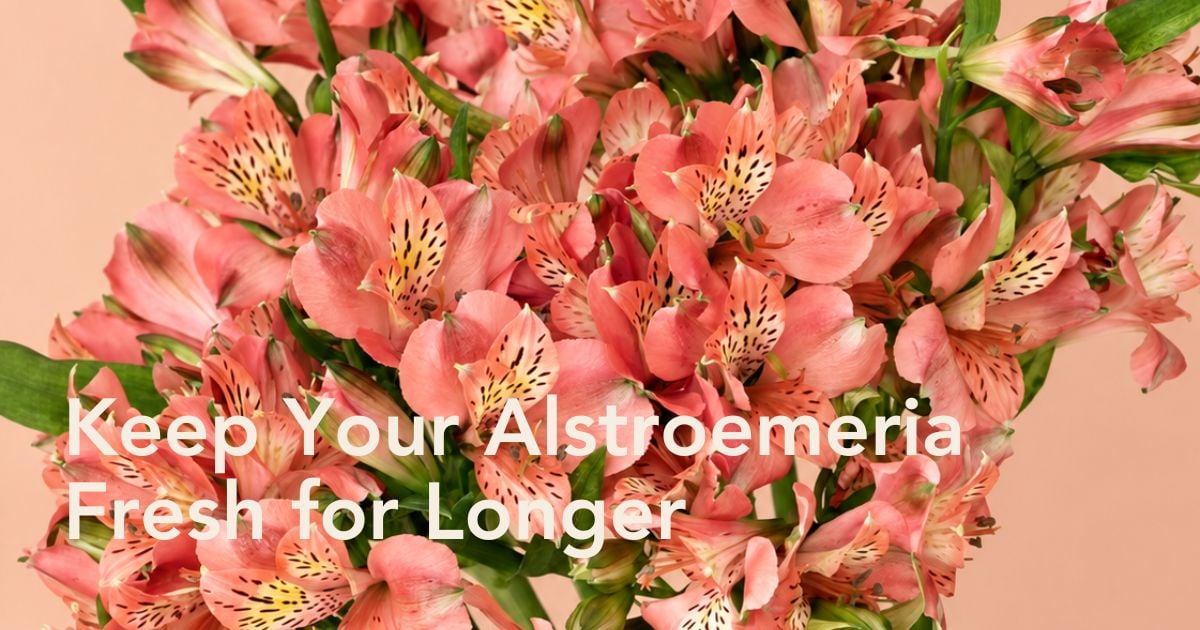
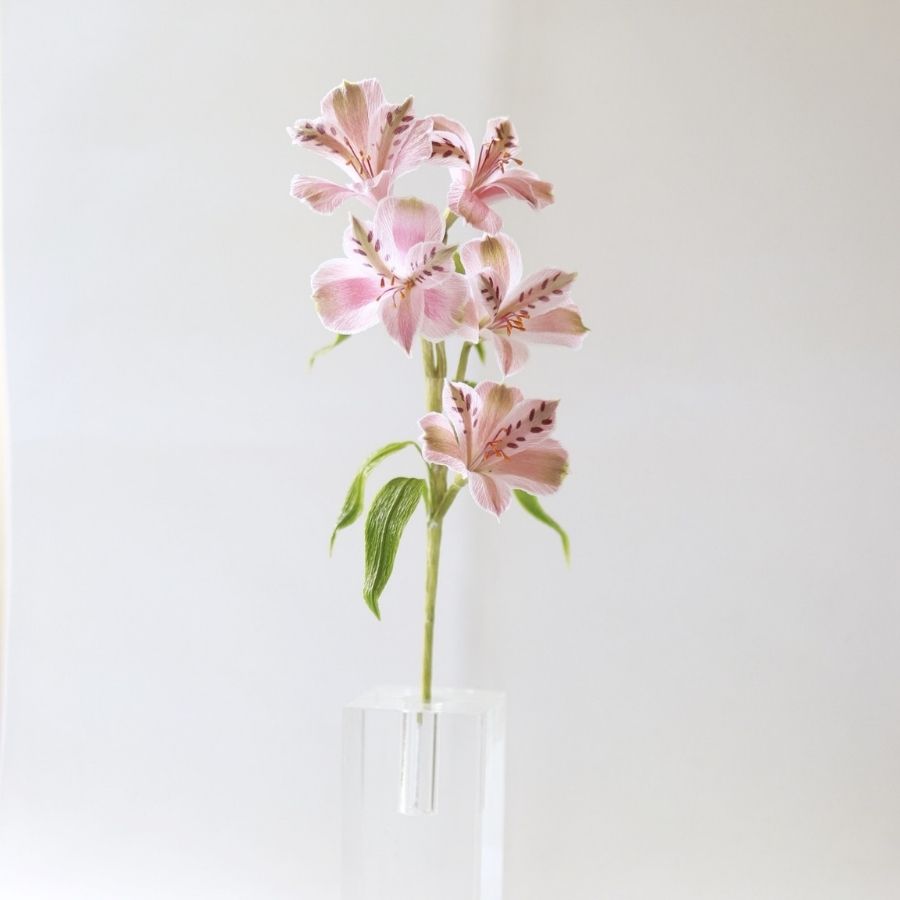
Alstroemeria produces several trumpet-shaped flowers on a single stem, often streaked or freckled in contrasting colors. These distinctive markings give the petals an almost hand-painted appearance. In floral designs, the branching stems add color, volume, and movement, while their impressive vase life makes them particularly practical. With so many varieties available, there is an Alstroemeria for almost every color palette and design style.
From harvest to consumer, every step matters. That's where Chrysal's expertise makes a measurable difference – let’s find out more!
Why Florists Keep Coming Back to Alstroemeria
For florists, that combination of beauty and practicality is hard to ignore. Its naturally branching, multi-headed stems create volume with relatively few stems, making Alstroemeria especially useful in bouquets, weddings, and event work.
It also holds up well in mixed bouquets and is less prone to bruising than many more delicate flowers. With proper care, Alstroemeria can last two weeks or more.
That said, Alstroemeria does come with a few specific care challenges. It is notably sensitive to ethylene, the natural plant hormone that accelerates aging. Exposure can cause premature leaf yellowing, bud drop, and a shortened vase life. The foliage can also begin to yellow while the flowers themselves still look fresh, making proper post-harvest care particularly important.
Managing those sensitivities begins at the farm, immediately after harvest.
Beauty of Alstroemeria From the Slopes of Mount Kenya
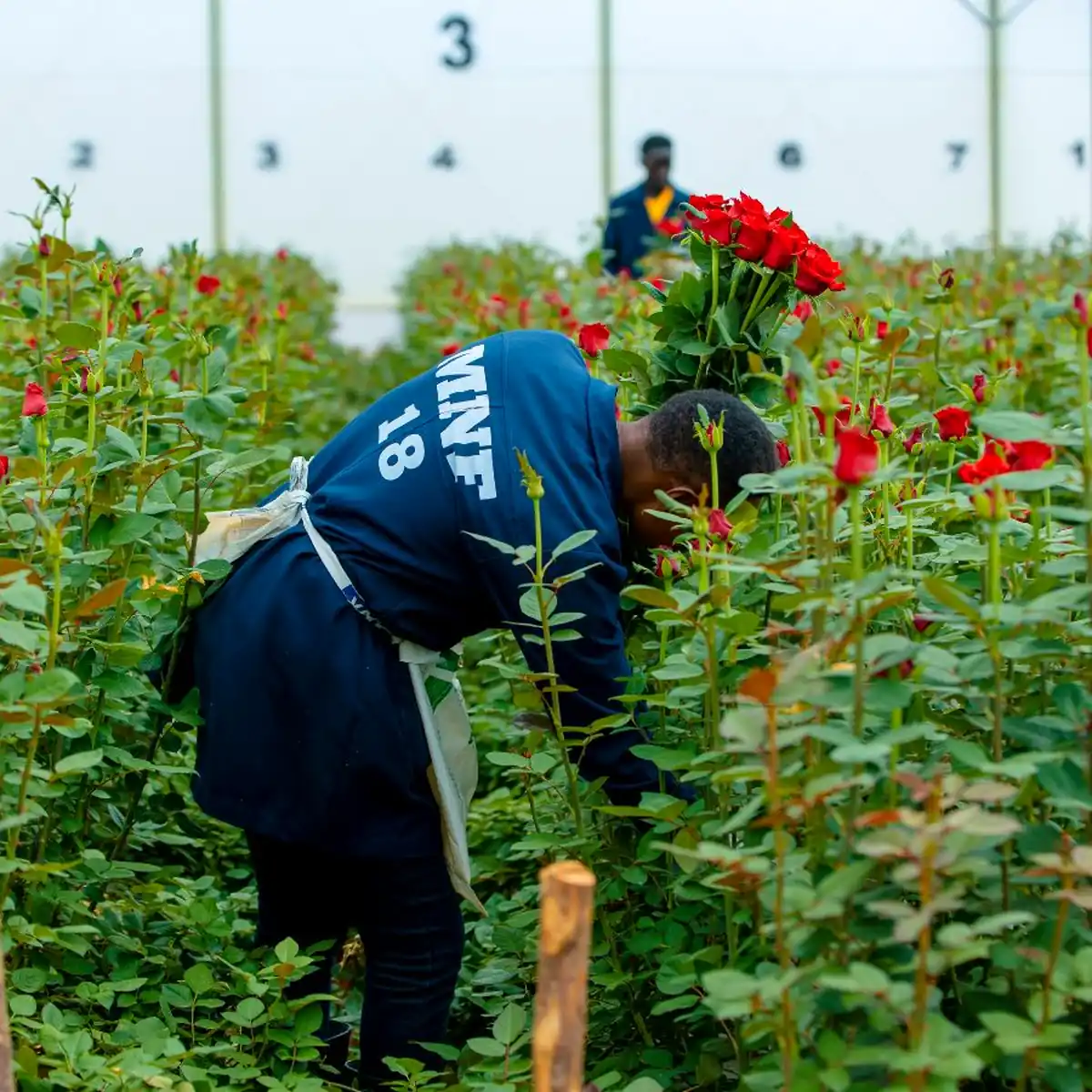
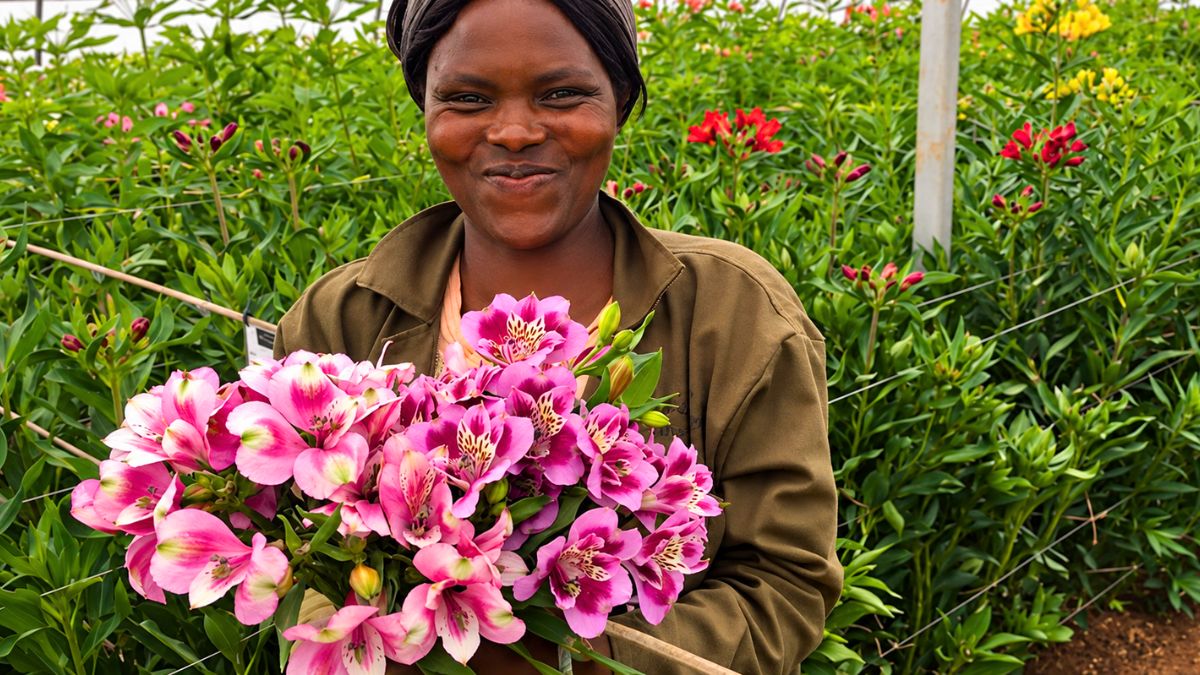
One of the growers bringing Alstroemeria to markets worldwide is Batian Flowers, part of the Black Tulip Group since 2019. The 35-hectare farm is located on the slopes of Mount Kenya in the Timau region, at an altitude of 2,450 meters above sea level.
Batian specializes in standard and spray Alstroemeria (Florincas), as well as carnations and spray roses. Its Alstroemeria forms part of Black Tulip Group’s extensive bouquet assortment and is grown for customers in markets across Europe, the Middle East, the Far East, Australia, and New Zealand.
Once these flowers are harvested, preserving the quality achieved at the farm becomes the next priority. And with Alstroemeria, those first post-harvest steps can make a noticeable difference later in the supply chain.
Protecting Alstroemeria After Harvest
From the moment Alstroemeria is cut, temperature, hydration, hygiene, and ethylene management influence how well the flower performs later. Effective post-harvest treatment helps protect the quality created at the farm and gives both flowers and foliage a better chance of arriving in good condition.
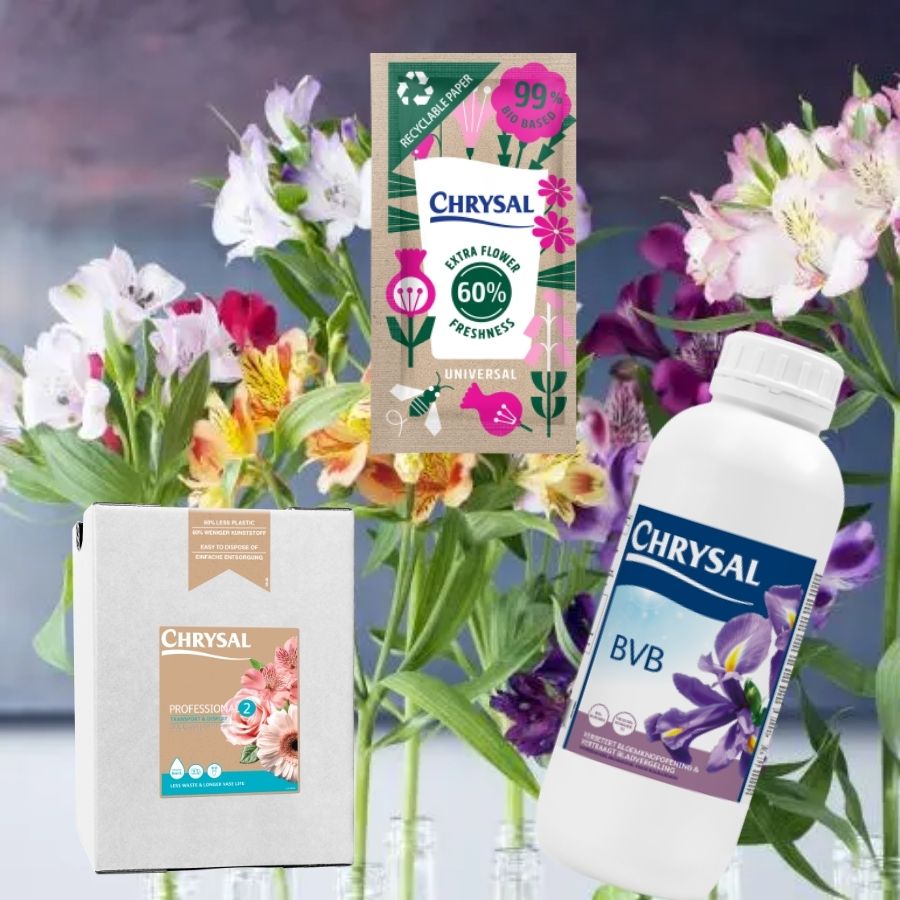
At the grower stage, Chrysal BVB can help prevent premature leaf yellowing. Applied directly after harvest, it helps prepare the stems for the journey ahead.
Ethylene protection is another important part of the process. Because Alstroemeria is sensitive to this natural plant hormone, Chrysal AVB helps protect the flowers against both internally produced and external ethylene during transport, storage, and display.
With good temperature management and hygiene, these treatments help Alstroemeria move through the supply chain while maintaining quality. By the time the stems reach the wholesaler or florist, the benefits become practical: better foliage, strong and green leaves, and flowers ready to perform.
For growers, the essentials are straightforward:
- Harvest at the recommended maturity stage.
- Cool flowers quickly after harvest.
- Treat stems immediately after cutting.
- Minimize ethylene exposure throughout the supply chain.
- Store the flowers at 2–5°C (36–41°F).
Keeping Quality Intact at the Wholesale Stage
Once Alstroemeria leaves the farm, the focus shifts from initial conditioning to maintaining hydration and hygiene. During storage and distribution, limiting bacterial growth helps preserve foliage quality and allows the flowers to continue developing evenly.
Chrysal Professional 2 is designed for this stage, helping maintain flower quality while the stems are being stored, handled, and distributed.
Clean buckets, freshly prepared treatment solution, good water quality, and an uninterrupted cold chain remain just as important. Wholesalers should also continue to keep Alstroemeria away from unnecessary sources of ethylene.
What This Means for Florists
For florists, good post-harvest care upstream translates into something very tangible: flowers that require less corrective work and perform more predictably in the shop and in arrangements.
When Alstroemeria reaches the florist, proper hydration supports the continued development of unopened buds while helping the foliage remain fresh and green. You can also use Chrysal Professional 2 at this stage to support the flowers during conditioning and handling.
Recut stems and place them directly into a fresh treatment solution. Keep buckets, tools, and display containers clean, and keep flowers away from ripening fruit and other ethylene sources.
These may be simple steps, but together they help reduce premature yellowing and waste while giving florists more usable stems and more confidence in the flowers they send to their customers.
From the Farm to the Florist
That continuity of care is what makes the difference. Quality does not depend on a single treatment or a single moment in the supply chain. It starts at the farm and continues through harvesting, conditioning, transport, wholesale, and florist handling.
For a flower already known for its generous blooms and long vase life, good care helps to make the most of its natural strengths. Less yellowing, fewer losses, and consistent flower development ultimately benefit everyone along the chain, including the person taking the bouquet home.
How to Care for Alstroemeria at Home
The final stage of the journey takes place in the vase at home. Alstroemeria continues to open after purchase, so a few simple care steps can help consumers enjoy both the open flowers and the buds still waiting to bloom.
- Use a clean vase and fresh water mixed with Chrysal Universal Flower Food. Flower food supports hydration and flower development while helping keep the vase water clean.
- Using a clean, sharp knife or pruning shears, cut about 2–3 cm (1 inch) from the base of the stems before placing them in the vase. Remove any foliage that would sit below the waterline, as submerged leaves can deteriorate and contaminate the water.
- Check the water level regularly and refresh the vase water as needed, following the directions for the flower food you use.
- Keep the vase away from direct sunlight, heat sources, drafts, and ripening fruit. Fruit releases ethylene, which can accelerate the aging of sensitive flowers such as Alstroemeria.
- Remove spent flowers as they fade so that the remaining buds and blooms continue to look their best.
With the right care at every stage, from Batian Flowers on the slopes of Mount Kenya to the vase at home, Alstroemeria can deliver exactly what makes it such a favorite: generous flowers, beautiful color, and an impressively long vase life.
Header image: Alstroemeria by @antonspaargaren.