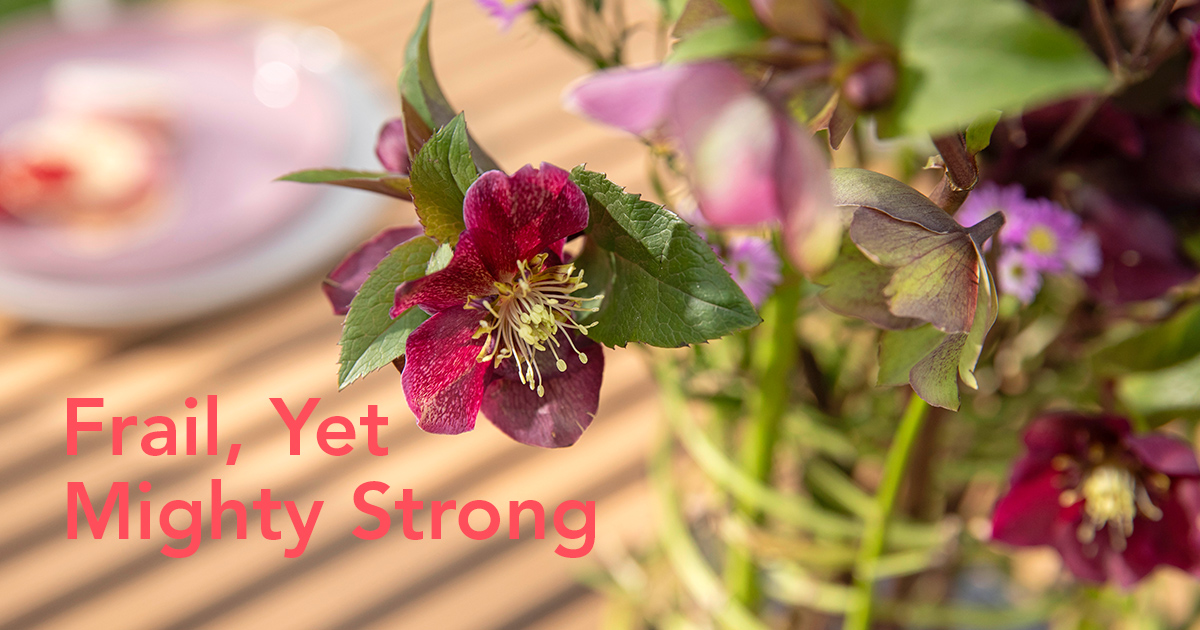
Helleborus is a typical wintery flower. They are commonly known as 'Christmas Rose' or 'Lenten Rose', since they bloom as early as Lent. But... do not treat them like a rose, because this flower has quite some other needs. And if you follow this lead, you will see that a frail flower can be mighty strong, too.
It's one of those stems that can appear calm and sturdy, then suddenly flop if the first steps are rushed. The good news: most problems are preventable with hydration, hygiene, and the right temperature strategy. Here’s a practical care guide built from post-harvest and chain insights from grower Marginpar, Chrysal’s handling notes, and some conditioning advice from Amy Balsters at The Floral Coach©.
The Quality of Helleborus Starts at the Farm
If you’re working with Helleborus from Kenya, performance is not just about what happens in the shop. Renowned African specialist grower Marginpar identifies three fundamentals of quality and vase life: breeding and selection, a moderate climate with cooler nights, and harvesting at the appropriate cutting stage. That last one matters a lot once the stems travel dry and need to recover fast.
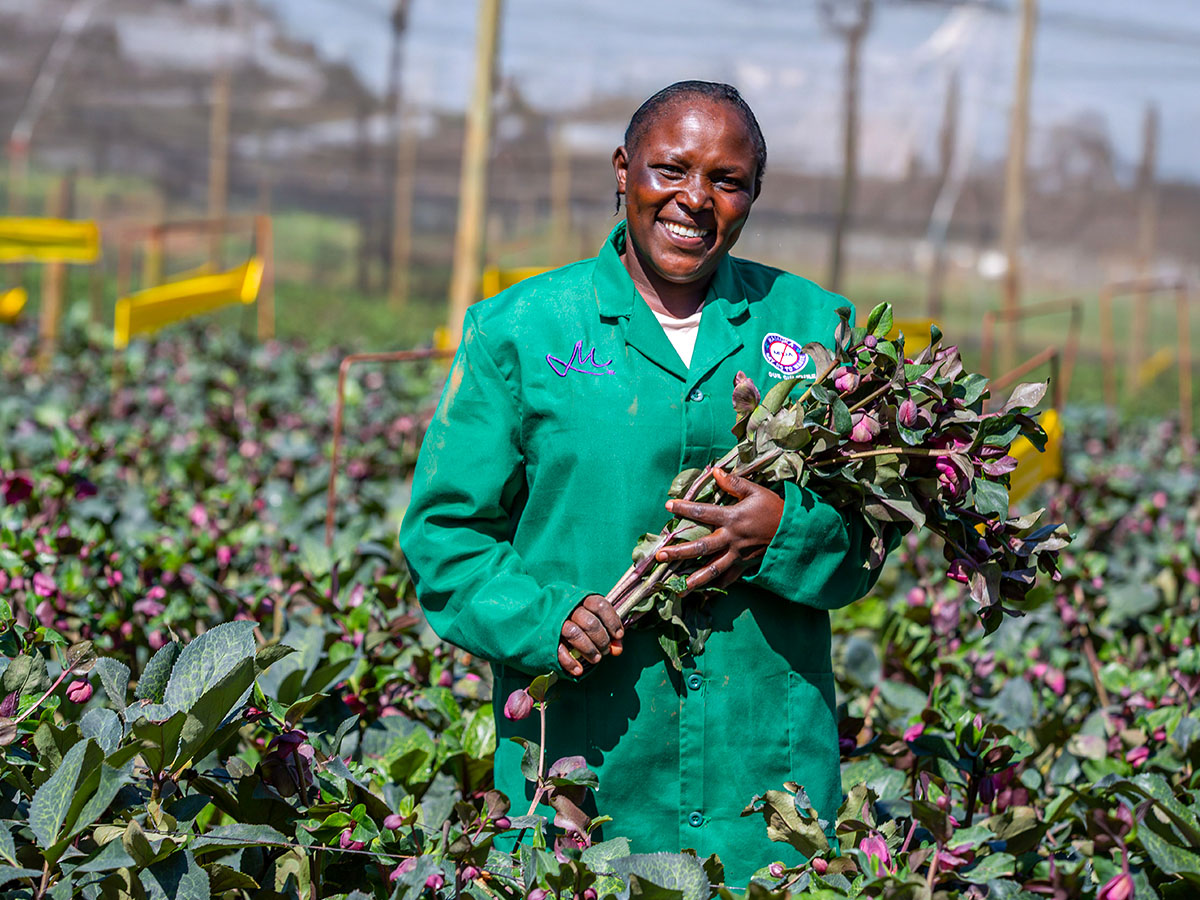
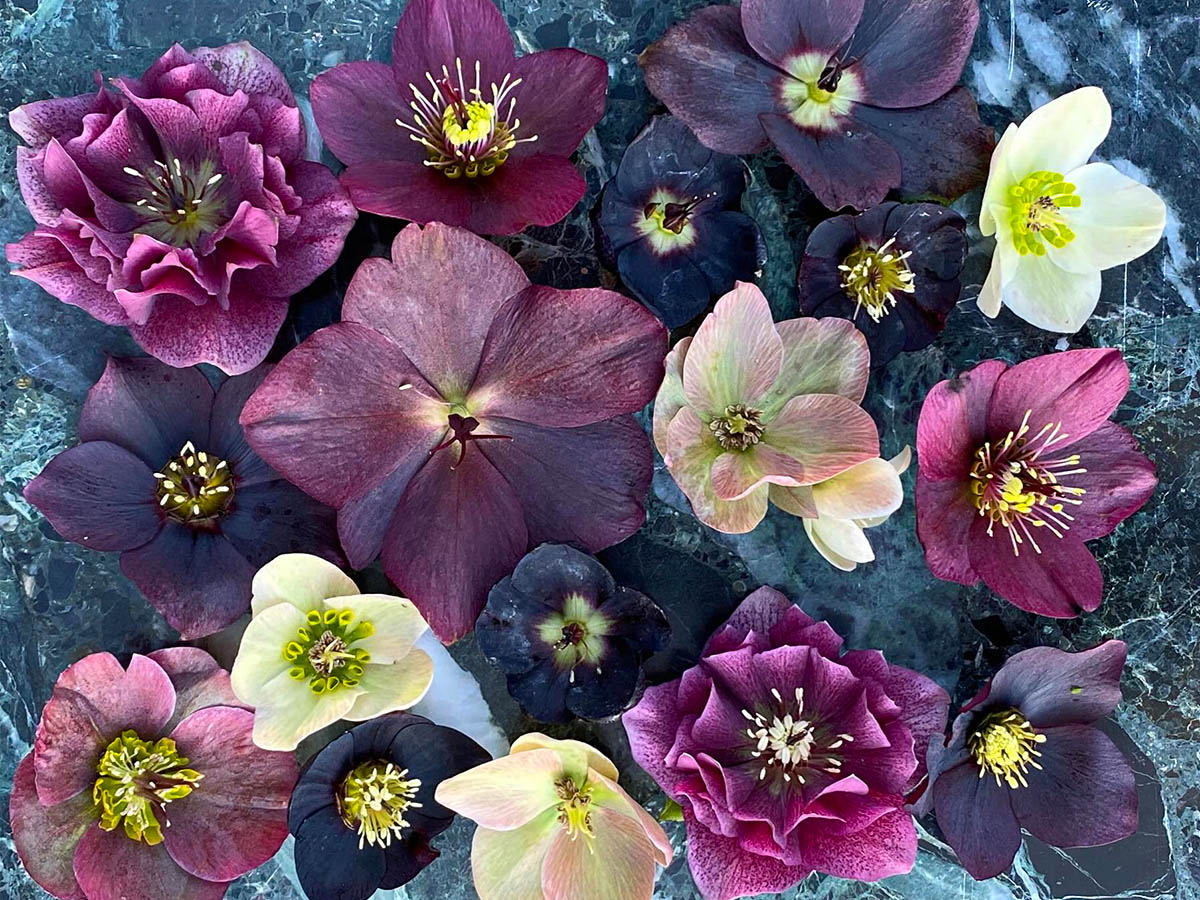
Marginpar adds a trade reality that helps when you’re ordering: riper ‘Classic’ stage stems may show a slightly duller tone, but they’re typically stronger on vase life, which can be a smart pick if you need reliability for events or longer shop display.
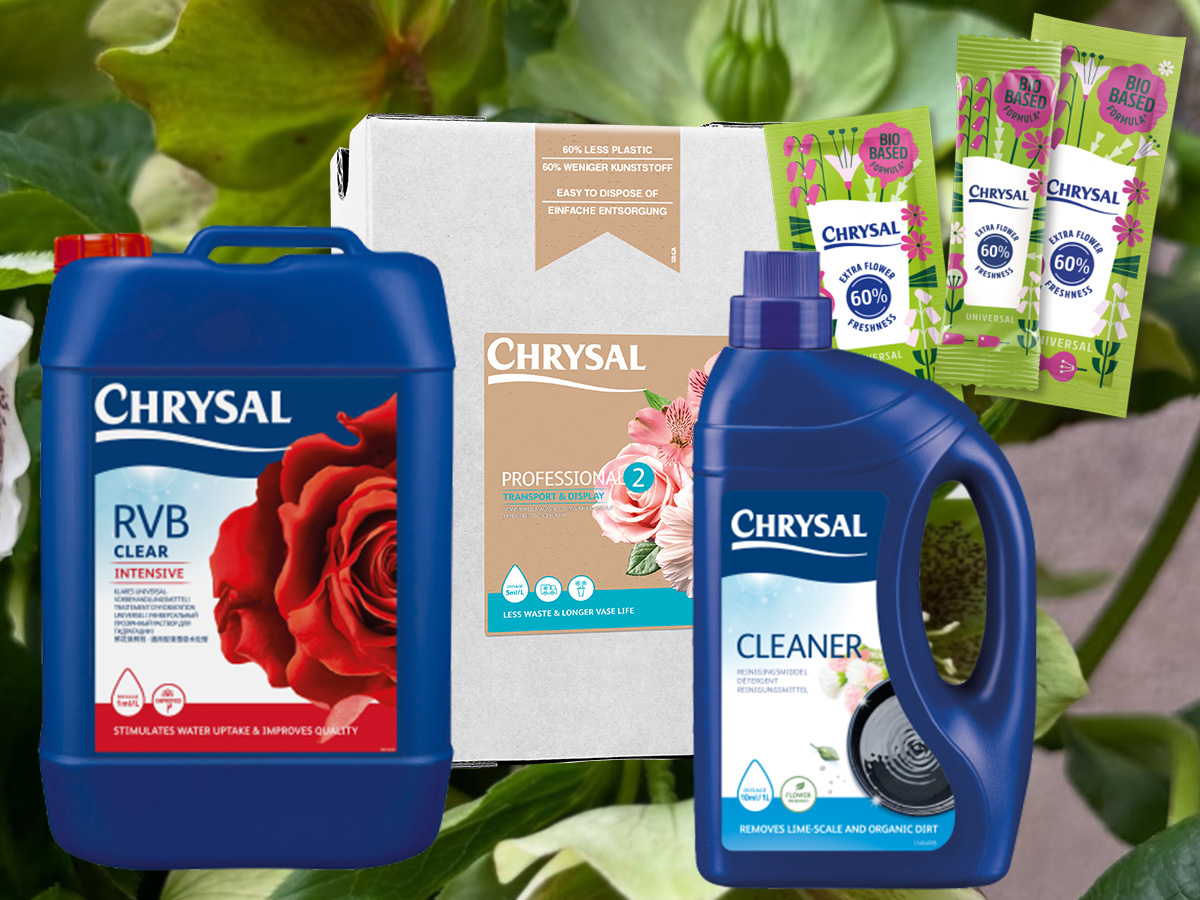
Chrysal offers Chrysal CVBN for European growers and Chrysal RVB Clear Intensive to growers to improve results with their hellebores.
First Processing in the Shop: The “Do This First” Checklist
Helleborus is prone to stem collapse, so hydration is not optional. Chrysal and Marginpar both lean hard on immediate water uptake support and clean conditions.
It seems like an open door, but for florists, it all starts with a clean bucket. Use deep, clean buckets with fresh water. (Deep water helps with hydration on these stems.) Re-cut with clean tools, so take a fresh slice off the stem base before it goes into water. Chrysal calls out gentle re-cutting and sufficient hydration time as key.
Use flower food or a professional conditioner. Marginpar recommends a solution that includes sugars (fuel) and suppresses bacterial growth, aimed at quick recovery after dry transport and preventing limp stems. Then, keep it cool – not freezing. Chrysal's solutions for both wholesale and florists include Chrysal Professional 2 and offering Chrysal Recyclable Flower Food Sachets to its customers.
Next to that, its guidance puts storage around 6–10°C (43–50°F) and warns against overly cold storage close to freezing. Consider sleeves/wraps early on, because if stems arrive stressed, a wrap can help slow evaporation while they rehydrate. Keep conditioning stems out of direct sunlight while they drink.
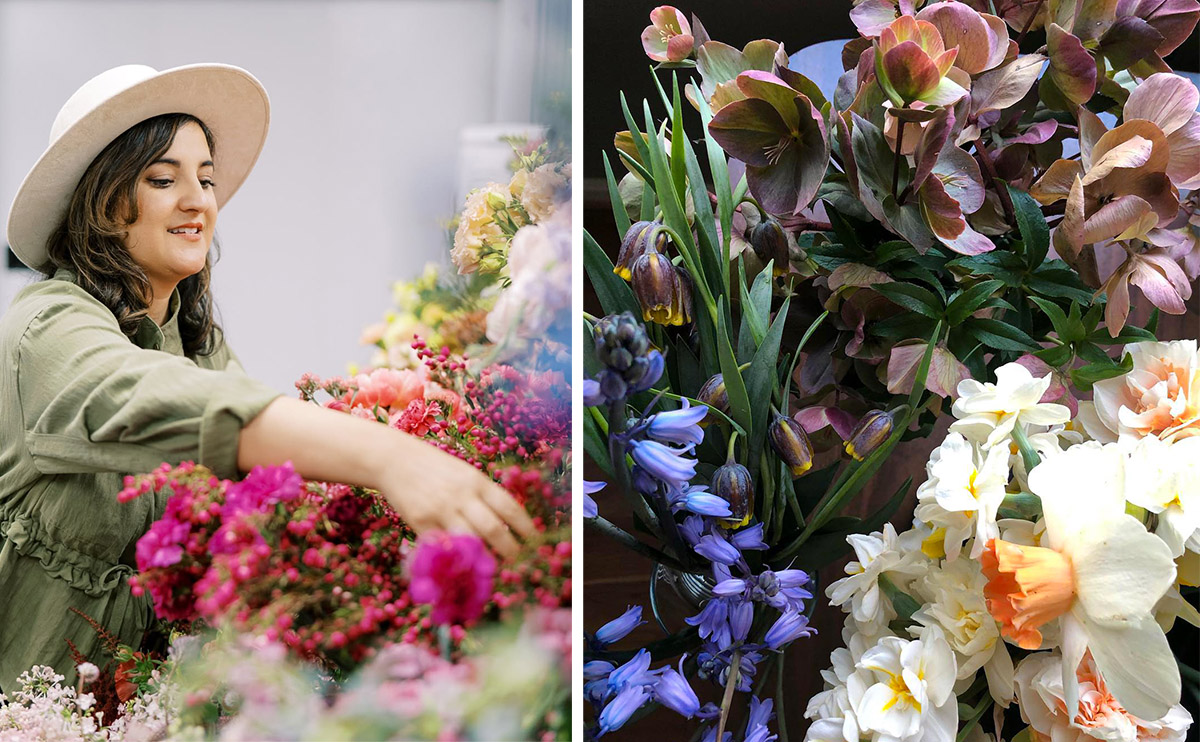
Amy Balsters is known for advising and styling work with her own business, The Floral Coach©, and US wholesaler Mayesh (you could have listened to the podcast Mornings with Mayesh). "If blooms still look stubborn," Amy notes that "fully submerging can help revive them. This is one of those 'use it when needed' tricks, not an everyday routine." Read more about Amy's hellebores in her own blog.
Finally, Chrysal flags Helleborus as ethylene sensitive, and also sensitive to humidity and Botrytis pressure. So keep them away from ripening fruit, smoke, and exhaust, and avoid wet, overly humid storage. Cool and dry beats cold and damp.
Designing and Display: Make It Easy on the Stem
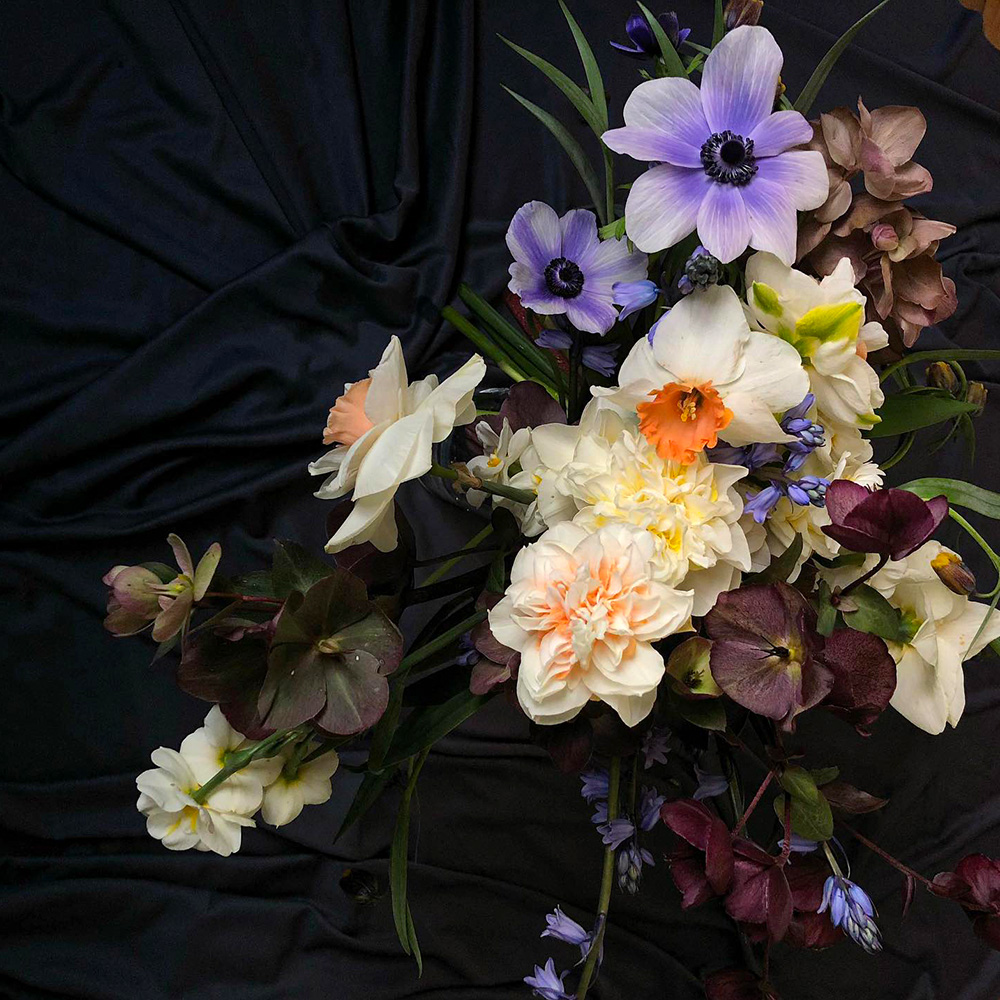
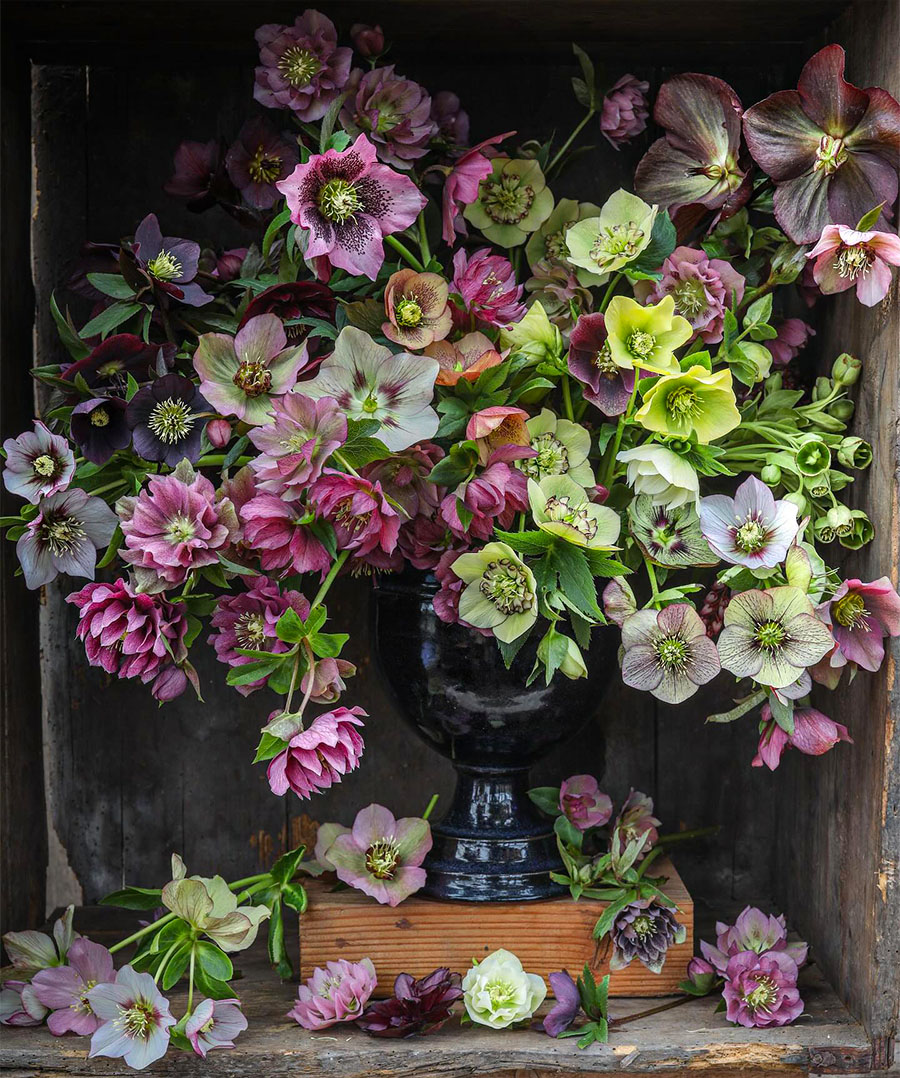
You might want to learn a few Helleborus-friendly habits that pay off in the shop. Perhaps the most important thing not to get you disappointed with this flower is to design with the nod: those naturally drooping heads are part of the look, not a flaw. Chrysal notes the nodding habit can make arranging tricky, so plan mechanics and angles accordingly. Note to keep finished work cool to reduce wilting risk.
Among the issues florists see most are stems going limp. This is usually caused by slow hydration, dirty water, or too-warm handling right after arrival. Marginpar’s prevention list is basically to re-cut, use a sugar + anti-bacterial solution, consider wrapping to slow evaporation, and keep them cool.
Mind to keep your storage cool and avoid excessive humidity. Chrysal explicitly calls out humidity management to reduce Botrytis pressure.
Order a bit more when you have to take earlier-stage stems, or choose riper ‘Classic’ stage where possible. Amy Balsters also notes that more mature blooms cut after time on the plant tend to be tougher.
The Consumer Version: A Simple Care Card You Can Share
As a florist, you are considered the expert by your consumer. So, talk to your store's visitors. Show them the ropes of good hellebore care. Position Helleborus as a specialty seasonal flower that likes a cooler spot at home. That little bit of expectation setting reduces complaints.
Chrysal’s home advice is straightforward and lines up with what florists already know.
- Re-cut stems before placing in a vase
- Use a clean vase and fresh water with flower food, such as a recyclable sachet of Chrysal bio-based flower food
- Place away from heat sources, drafts, and ripening fruit
- Keep it on the cooler side of the room for best results
Getting the Winter Wows Already?
Helleborus is your typical wintery flower, ideal for an astonishingly romantic winter bouquet (mind the winter weddings!). And with the above tips from the best, you will not only wow yourself, but your client as well. Happy Helleborus!
Header image by BLOOM's and @marginpar. Feature image by @derletztewolf.