
People who take their wellbeing seriously, who practise yoga, move their bodies, and eat with attention, often pour that care into every part of the day except the eight hours spent asleep. The bedroom tends to be the last room to receive any thought, furnished with leftovers and treated as somewhere to pass out rather than a space designed for rest. Yet sleep is where the day’s effort consolidates, the recovery that makes movement and mindfulness worth anything. A relaxing bedroom is not an indulgence; it is part of the practice.
The Bedroom as a Sanctuary
A bedroom works best when it is treated as a sanctuary rather than a multipurpose room that happens to contain a bed. The mind takes its cues from its surroundings, and a space that doubles as an office, a laundry pile, and a screen den keeps the nervous system mildly switched on when it should be standing down. Reserving the bedroom, as far as a home allows, for rest and quiet teaches the body that crossing the threshold means the day is ending. That association, built night after night, becomes a powerful cue for sleep in its own right. You can read more about Best Ideas for Flower Decoration for Bedrooms
Why Plants Belong in a Restful Room
Plants belong in a restful bedroom for reasons more grounded than the marketing around them tends to suggest. The popular claim that a few houseplants purify a room’s air is largely overstated; a person would need something closer to a small forest to measurably clean the air they breathe. The real benefit is psychological. A connection to living, green things lowers stress and softens a space in a way the mind reads as calm, an effect researchers link to a deep human affinity for nature. Plants also add a little humidity and gentle movement, and a room with greenery simply feels more alive and settled.
Choosing and Arranging Greenery
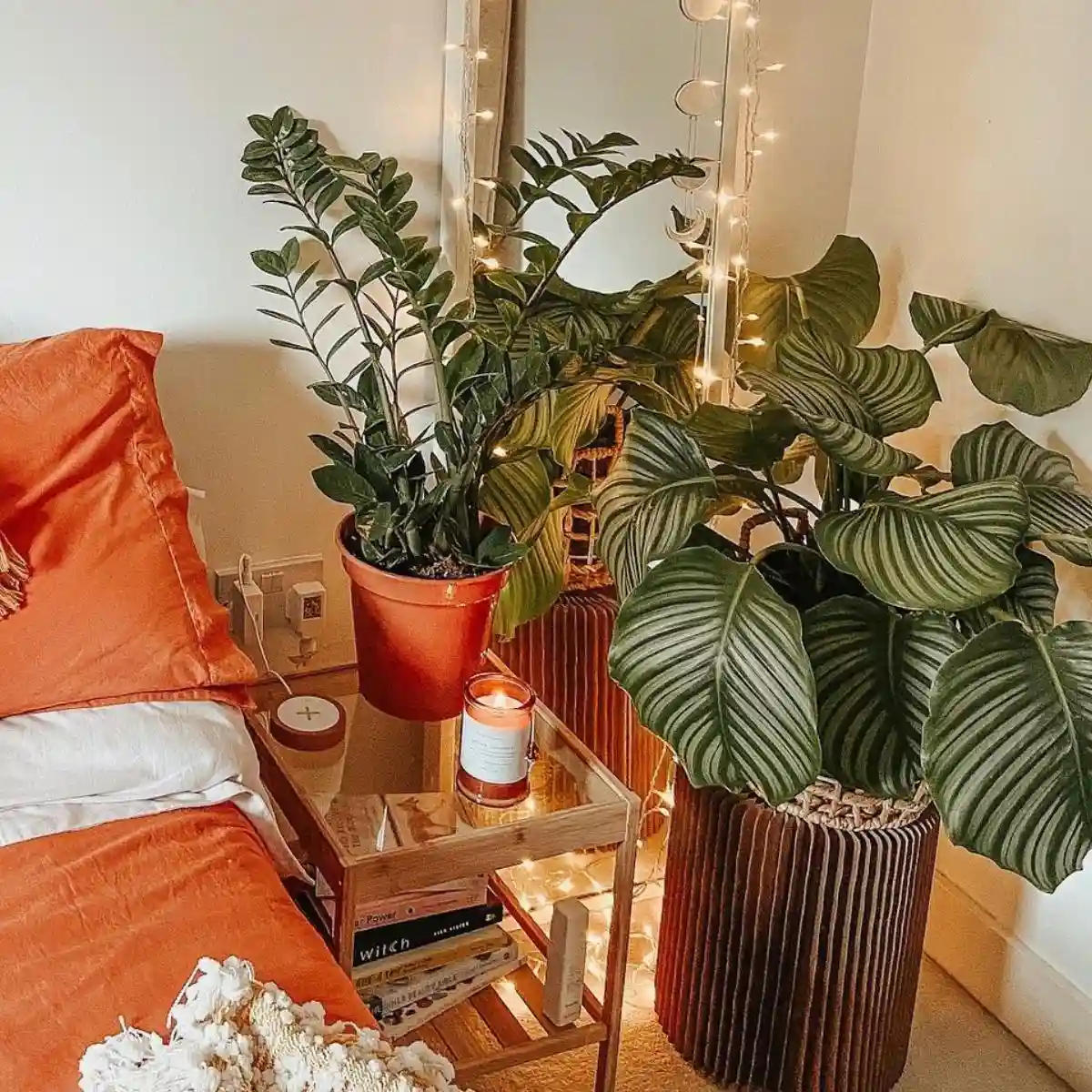
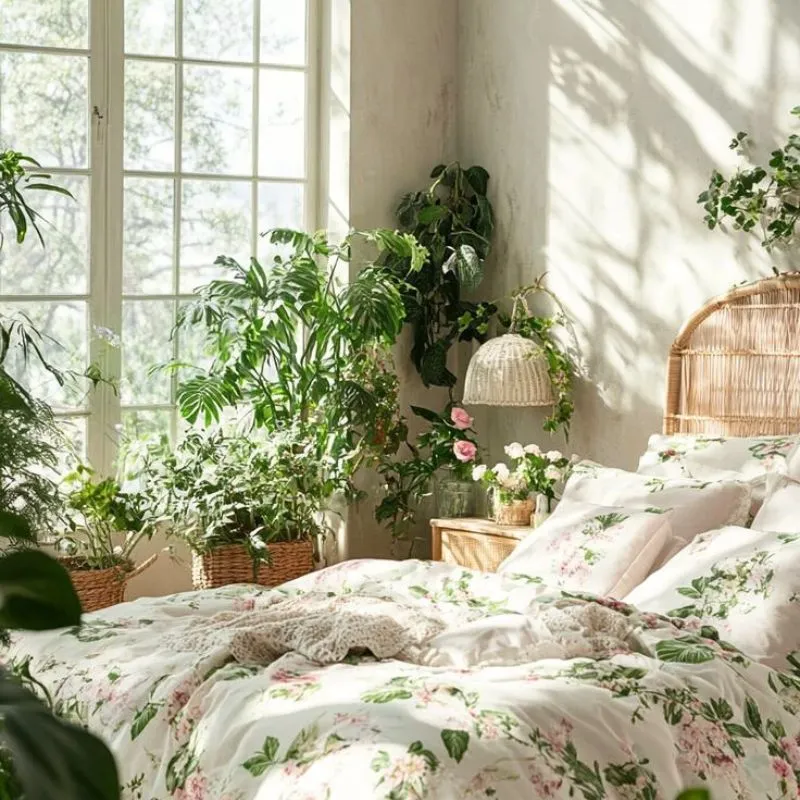
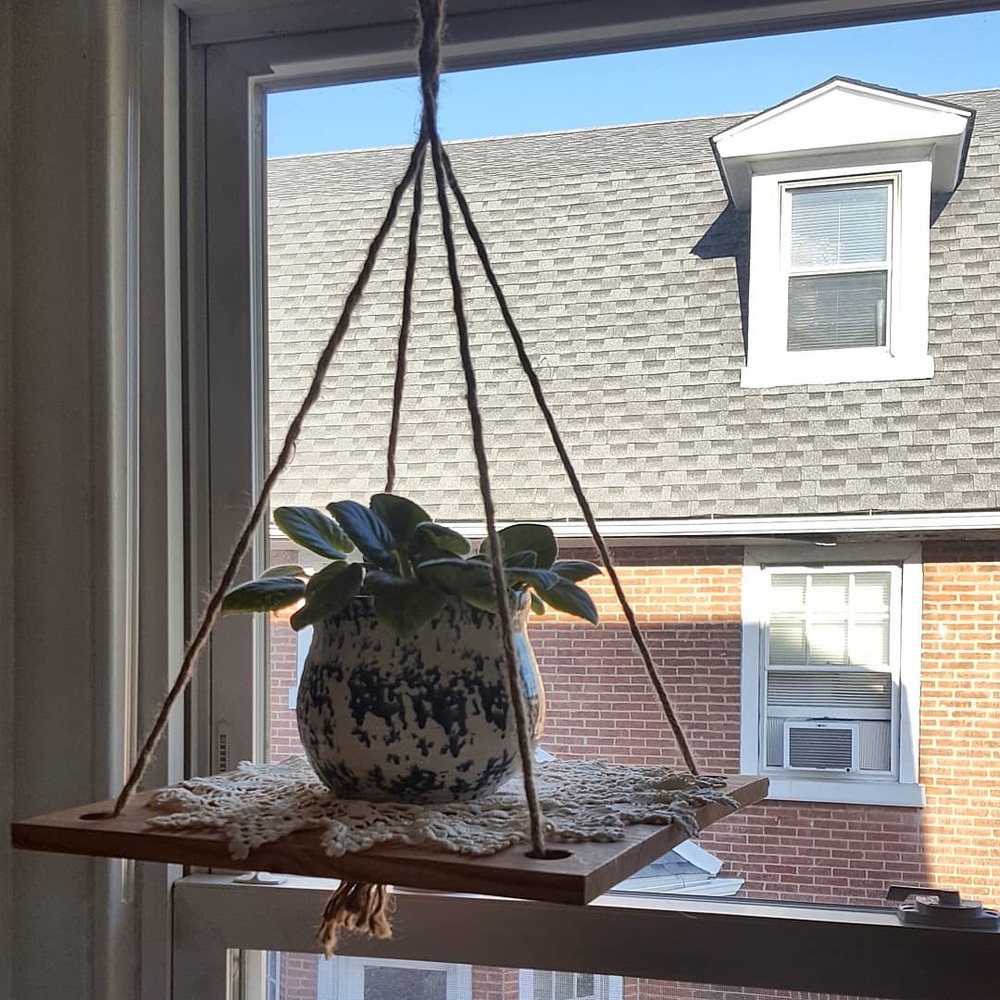
The trick is choosing plants that thrive in bedroom conditions rather than ones that become another source of worry. Bedrooms are often low-lit, so forgiving, shade-tolerant species earn their place: snake plants, pothos, ZZ plants, and peace lilies all cope with less light and irregular watering. The old fear that plants strip a room of oxygen overnight is negligible in practice and not worth a second thought. The aim is greenery that quietly looks after itself, because a plant that demands constant attention adds stress rather than removing it, which defeats the entire point.
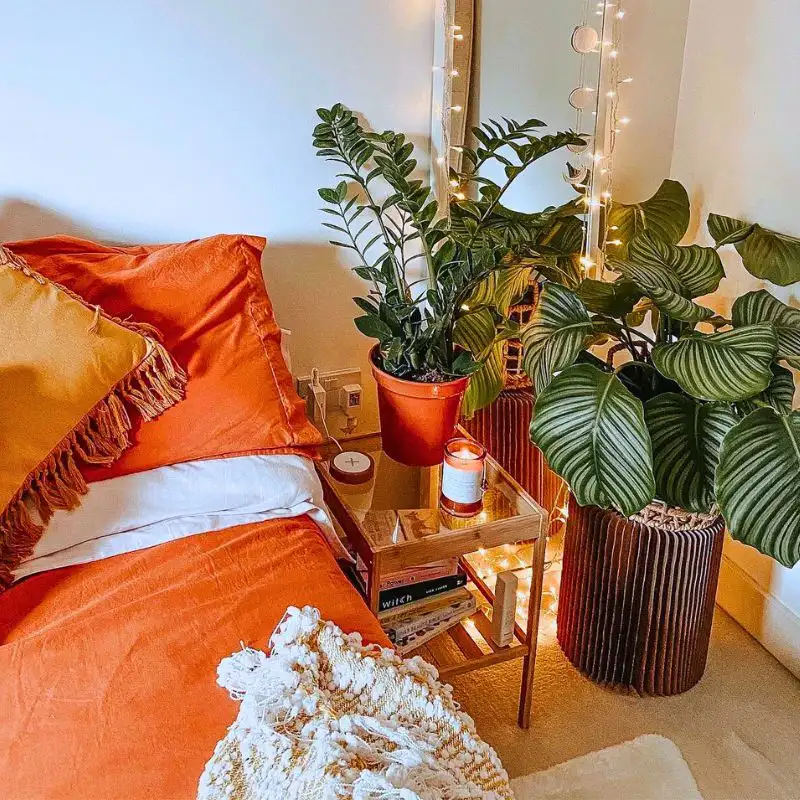
How the plants are arranged matters as much as which ones are chosen, since calm comes from order rather than abundance. A bedroom crammed with foliage tips from restful into busy, so a light hand serves far better than a jungle. Grouping a few plants together, varying their heights, and leaving plenty of clear space around them reads as considered and serene. One generous plant in a corner, a trailing one on a shelf, and something small on the bedside table is plenty. The goal is a touch of nature woven through the room, not a garden centre relocated indoors.

Light and a Calm Palette
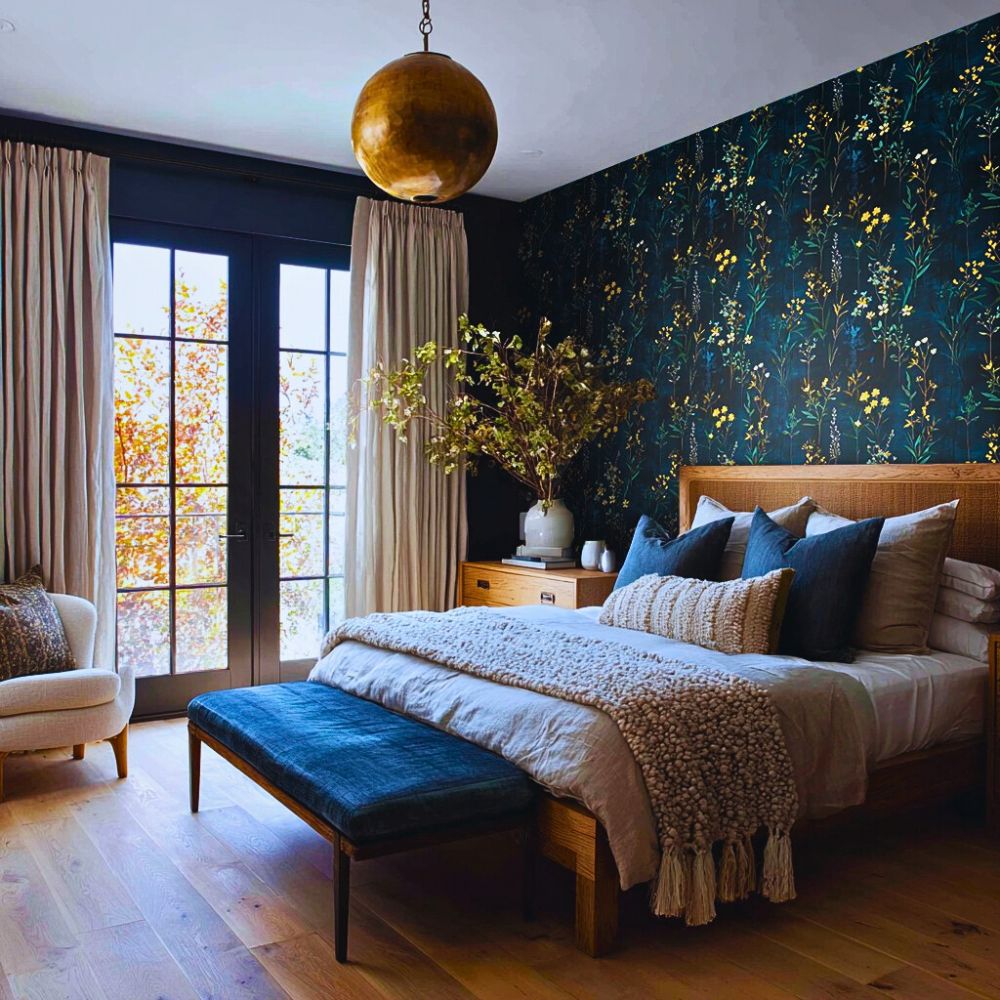
Light and colour carry much of the mood. Harsh overhead light keeps the brain alert, so layered, warm, dimmable lighting, a soft bedside lamp and a low glow for the evening, eases the body towards sleep, while proper blackout keeps the room dark once sleep arrives. A muted, natural palette completes the effect. Soft greens, warm stones, and earthy neutrals echo the plants and read as calm, where bright or busy colour pulls against the restful mood the room is meant to hold. The room should feel like an exhale rather than a stimulant.
Clearing the Clutter
Clutter is the quiet enemy of a calm bedroom, and clearing it is as much a mental exercise as a practical one. Visual mess registers as unfinished business and keeps the mind faintly busy, so clear surfaces and belongings given a proper home do more for a room’s calm than almost any decorative touch. A relaxing bedroom holds only what it needs, which is the same principle of paring back to the essential that runs through any mindful approach to living. Tidying the room is, in a small way, tidying the mind that has to settle in it.
The Bed at the Centre: The Right Mattress
Plants and a soft palette set the mood, but a relaxing bedroom is only ever as restful as the bed at its centre, and no amount of greenery compensates for a mattress that leaves the body aching. For most homes, the bedroom is a standard double, so getting double mattresses for a standard double bedroom right is the practical foundation the whole calm room rests on. A supportive, comfortable surface, chosen to suit how a person actually sleeps, is what turns a good-looking room into one they genuinely rest in, and it is the single element most worth getting right.
Scent, Sound, and Texture
The sensory layer is where a bedroom tips from looking calm to feeling calm. A natural scent, such as lavender, used lightly, signals wind-down to a brain that responds to smell faster than to anything it sees. Soft, natural textures underfoot and on the bed invite the body to unclench, and quiet, whether through furnishings that absorb sound or a steady, low background hum, keeps the room from jarring a person awake. These small touches engage the senses gently and tell the body, in several quiet ways at once, that it is safe to let go.
A Wind-Down the Body Recognises
None of this works in isolation from what a person does in the room, and here a wellness practice extends naturally into the evening. A short, consistent wind-down, a few gentle stretches, some slow breathing, a little reading by low light, with screens set aside, tells the nervous system that the day is closing. The same attention brought to a morning practice, turned towards the last half hour before bed, is what shifts the body out of its daytime gear and into the parasympathetic calm that deep sleep depends on.
Built this way, the bedroom becomes an extension of the care a person already gives their body, rather than the room where that care stops at the door. Greenery for calm, warm light and a muted palette, a clear and uncluttered space, a genuinely comfortable bed at its centre, and a mindful wind-down all combine into a room that does its one job, which is to let the body rest as fully as it can. Treated as part of the practice rather than an afterthought, the relaxing bedroom repays the effort every single night.