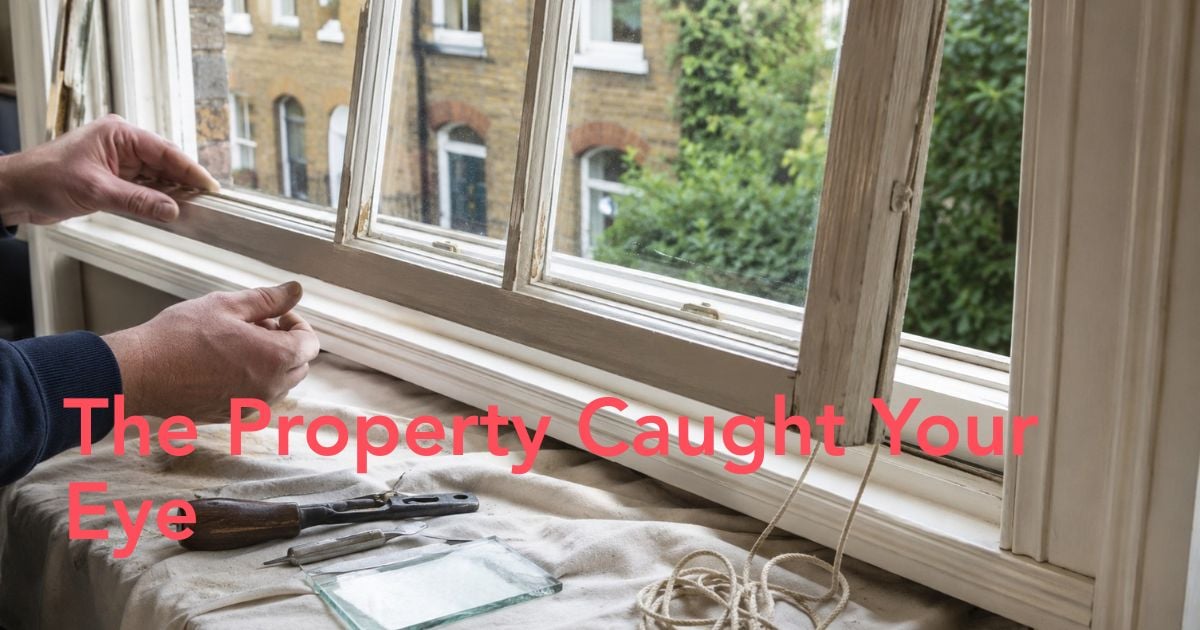
Windows in a conservation area are never just windows. They are part of the street, part of the house, and sometimes part of the reason the property caught your eye in the first place. Then real life arrives. The sash rattles when the wind gets lively, the paint starts peeling, the room feels cold, and suddenly those beautiful original windows begin to feel less like heritage and more like a very elegant inconvenience.
That is usually when the dangerous thought appears: “Maybe we should just replace them.” It sounds simple. New windows, warmer rooms, less noise, fewer draughts. Lovely. Except in a conservation area, a quick replacement can turn into a planning headache, an expensive mistake, or worse, a frontage that looks as if someone has edited the soul out of the building. Old houses are dramatic enough without giving them the wrong windows.
But here is the part many homeowners are relieved to hear: replacement is not the only escape route. Original sash windows often have far more fight left in them than they appear to have on a grey, miserable morning. They can often be repaired, draught-proofed, reglazed, or carefully upgraded before anyone reaches for the “rip them out” option. For homeowners who are not sure whether their windows are tired, repairable, or quietly begging for help, a survey from Six over Six Windows can show whether the existing timber is still strong enough to restore, improve, and keep working. That first look matters, because the best decision should come from the window’s real condition — not from frustration, guesswork, or one particularly depressing rainy Tuesday.
Why Are Windows So Important in a Conservation Area?
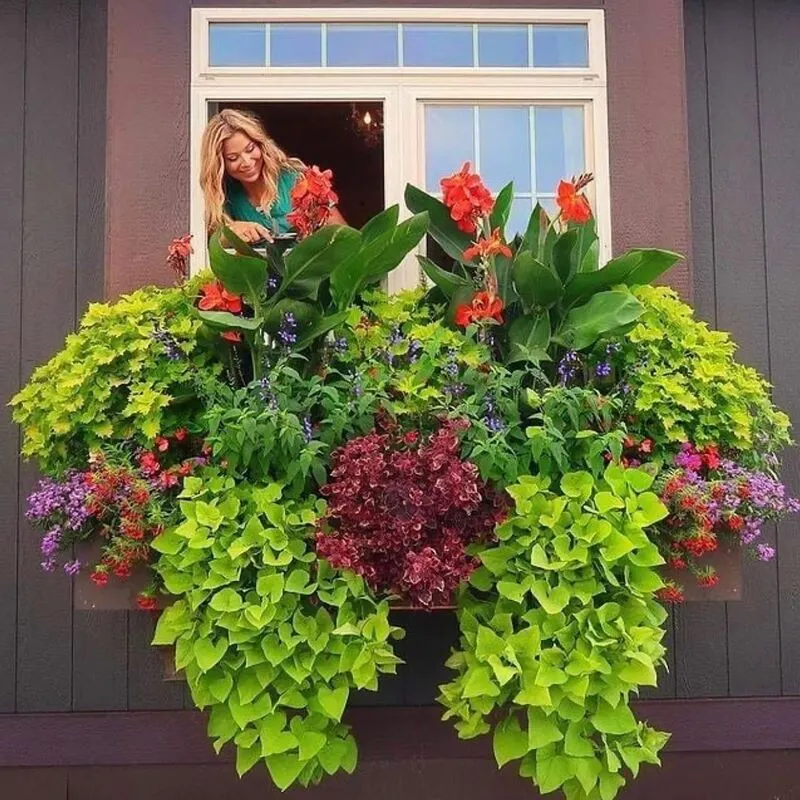
Windows shape the character of a period home more than many people realise. The depth of the frame, the slimness of the glazing bars, the way the sash sits back in the reveal, the paint colour, the glass pattern, and even the slight unevenness of old timber all help the building look right. Remove those details, and the house can lose its balance very quickly. You can read more about How to Elevate Your Home With Custom Window Boxes
This is why conservation area window decisions need more thought than a standard home improvement job. A modern replacement may perform well on paper, but if the frame is too chunky, the opening style is wrong, or the glazing bars look fake, the result can feel painfully out of place. It is a bit like wearing a sharp, tailored coat with neon running shoes. Technically, you are dressed. Visually, questions will be asked.
When Is Repair Better Than Replacement?
Repair is often the best place to start when the original timber still has life left in it. A sash window may look rough because the paint has failed, the cords have snapped, the putty has cracked, or the sill has a localised rotten patch. That does not automatically mean the whole window is finished. Timber is wonderfully repairable when handled properly, which is why old sash windows have often survived decades longer than many modern units ever will.
A proper sash window repair is rarely just one small job. It can mean easing painted shut sashes, replacing tired cords, rebalancing weights, repairing rails, splicing in new timber where rot has taken hold, renewing putty, adding discreet draught-proofing, and repainting the frame so it can actually face another British winter with some dignity. The beauty of this approach is that it keeps the window’s original proportions, timber, and movement intact while making it much easier to live with day to day. A sash window is a little piece of engineering as much as a design feature: cords, pulleys, weights, rails, and glazing all need to work together. Historic England’s guidance on historic windows reinforces this repair-first way of thinking, especially where older joinery helps define the character of the building.
Can Original Sash Windows Be Reglazed or Upgraded?
Yes, in many cases they can, but the word “carefully” is doing a lot of work here. Some sash windows may be suitable for slim double glazing, vacuum glazing, or another sensitive glazing upgrade. Others may be better suited to draught-proofing, secondary glazing, or targeted repairs. The right choice depends on the age, depth, strength, and condition of the sash, as well as the property’s planning context.
This is where homeowners need to slow down. A cold room does not always mean the glass is the only problem. Air gaps around the sashes, loose meeting rails, poor paint condition, failed putty, and worn cords can all make a window feel worse than it really is. Reglazing without sorting those issues is like buying a beautiful new coat and wearing it over wet clothes. Better, perhaps, but still not ideal.
What Can Go Wrong With Poor Replacement Windows?
Poor replacement windows can change the whole mood of a period house. The frames may sit too far forward, the glazing bars may be too thick, the material may look too flat, or the window pattern may not match the original rhythm of the building. From the street, these changes can be painfully obvious. You may get warmer rooms, yes, but you may also get a house that no longer looks quite like itself.
Before replacing windows, it is worth asking what you are really trying to fix. Is the problem heat loss, noise, rot, stuck sashes, poor previous repairs, condensation, or simple neglect? Each one may need a different solution. Jumping straight to replacement can solve one problem while creating another, especially when original windows are a visible part of the property’s character.
What Should You Check Before Making a Decision?
Start with the basics. Is the timber sound? Are the sashes moving properly? Are the cords, pulleys, and weights working? Is there localised rot or widespread decay? Does the window leak air because the glass is poor, or because the sash no longer fits tightly? Has the paint failed because of age, trapped moisture, or bad previous decoration? These answers tell you whether repair, reglazing, draught-proofing, or replacement deserves serious consideration.
It also matters where the window is. A sash window on the front of a conservation area home carries much more visual weight than a later window tucked away at the back. If it faces the street, every detail counts: the frame depth, glazing pattern, opening style, paint finish, and how the window sits in the brickwork. Before changing anything visible, homeowners should check local requirements, and the Planning Portal is a sensible place to understand why location, listing status, and local controls can affect the decision. Rules can vary from one property to another, so guessing is a bold strategy, and usually not the cheap kind of bold.

When Might Replacement Still Make Sense?
Replacement is not the enemy. Bad replacement is the enemy. There are times when a window is too damaged, too distorted, or too badly altered by previous work to restore sensibly. If large sections of timber have failed, the sash cannot be made safe, or the original design has already been lost, a well-made replacement may be the most practical long-term answer.
But even then, the replacement should respect the house. That means getting the proportions right, choosing appropriate materials, matching the style carefully, and thinking about how the window will look from the street, not just how it looks in a showroom. Conservation area homes do not need to be frozen in time, but they do deserve better than “close enough”.
How Do You Choose the Least Regrettable Option?
The safest route is to compare the options before committing. Repair may solve more than you expect. Draught-proofing may transform comfort without changing appearance. Reglazing may improve warmth and noise reduction while keeping the original timber in place. Replacement may still be right, but it should be the result of a clear assessment, not frustration after one cold winter.
Original sash windows have already lasted a long time because they were built to be maintained, repaired, and adapted. If you own a conservation area home, the aim is not to suffer for the sake of character. The aim is to make the house warmer, quieter, and easier to live in without stripping away the details that make it special. A good window decision should feel practical now and still look right ten years from now.