
Designers are calling 2026 the year of soft living. Homes are shifting toward gentler palettes, organic materials and nature-inspired layers that bring a sense of calm to everyday routines. Nowhere is that more visible than in the bedroom.
Bedrooms are becoming miniature sanctuaries, influenced by the same soft textures and botanical tones that define modern floral design. Think earthy greens, warm neutrals, natural fibres and textiles that feel as comforting as fresh linen in a morning breeze.
This movement represents more than just aesthetic preference. It reflects a deeper cultural shift toward wellness, mindfulness and a desire to create homes that nurture rather than overwhelm. As our lives grow increasingly digital and fast-paced, the bedroom has evolved from simply a place to sleep into a retreat that actively supports rest, reflection and renewal.
You can find more floral inspiration here: Eight Tranquil Bedrooms With Striking Nature Views
A Botanical Approach to Styling
Just as florists layer petals to build form and depth, interior stylists are layering textiles to create movement and softness. Lightweight throws, tonal bedding and tactile sheets transform simple spaces into quiet, restful compositions.
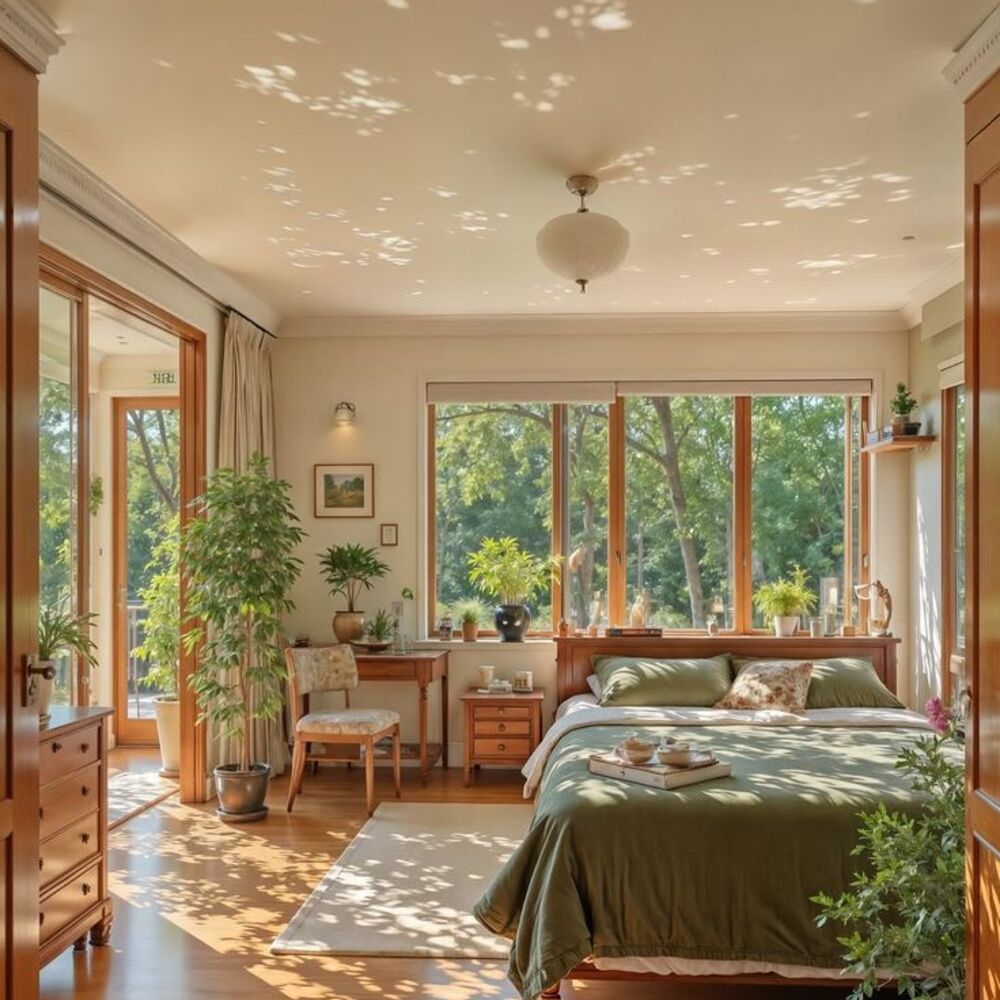
Among the materials gaining attention are natural plant-based fibres. Bamboo, for example, offers a silky softness that complements botanical palettes beautifully. Brands specialising in quality bedding, such as Lost Loom, have helped push this shift by focusing on natural comfort and refined craftsmanship that feels at home in these gentle, nature-grounded spaces.
The layering technique itself borrows directly from the principles of floral arrangement. Just as a skilled florist considers texture, height and colour variation to create visual interest, bedroom styling now incorporates multiple textile layers that interact with light and movement throughout the day. A lightweight linen coverlet might drape softly over crisp cotton sheets, while a chunky knit throw adds dimensional contrast at the foot of the bed.
This approach allows for seasonal flexibility as well. Layers can be easily added or removed as temperatures change, making the bedroom adaptable without requiring a complete redesign. The result is a space that feels curated yet effortless, intentional yet relaxed.
The Rise of Sustainable and Conscious Choices
The shift toward nature-inspired bedrooms goes hand in hand with a growing awareness of sustainability. Natural fibres like organic cotton, linen, hemp and bamboo are not only softer and more breathable than synthetic alternatives, they also carry a smaller environmental footprint.
Consumers are becoming more informed about the production processes behind their purchases. They want to know where materials come from, how they are processed and whether the people who made them were treated fairly. This transparency has become a key factor in bedroom design choices, with many opting for brands that prioritise ethical sourcing and low-impact production methods.
Bamboo bedding, in particular, has gained popularity due to bamboo's rapid growth cycle and minimal need for pesticides or fertilisers. When processed responsibly, bamboo textiles offer exceptional softness, natural moisture-wicking properties and durability that rivals traditional cotton. These qualities make bamboo an ideal choice for those seeking both comfort and conscience in their bedroom choices.
Colour Palettes Inspired by Nature
Warm sand, oat, clay and soft stone remain the most requested tones for 2026. These pair seamlessly with soft greens, moss tones and floral accents. The goal is to mimic the grounded, harmonious feeling of nature indoors.
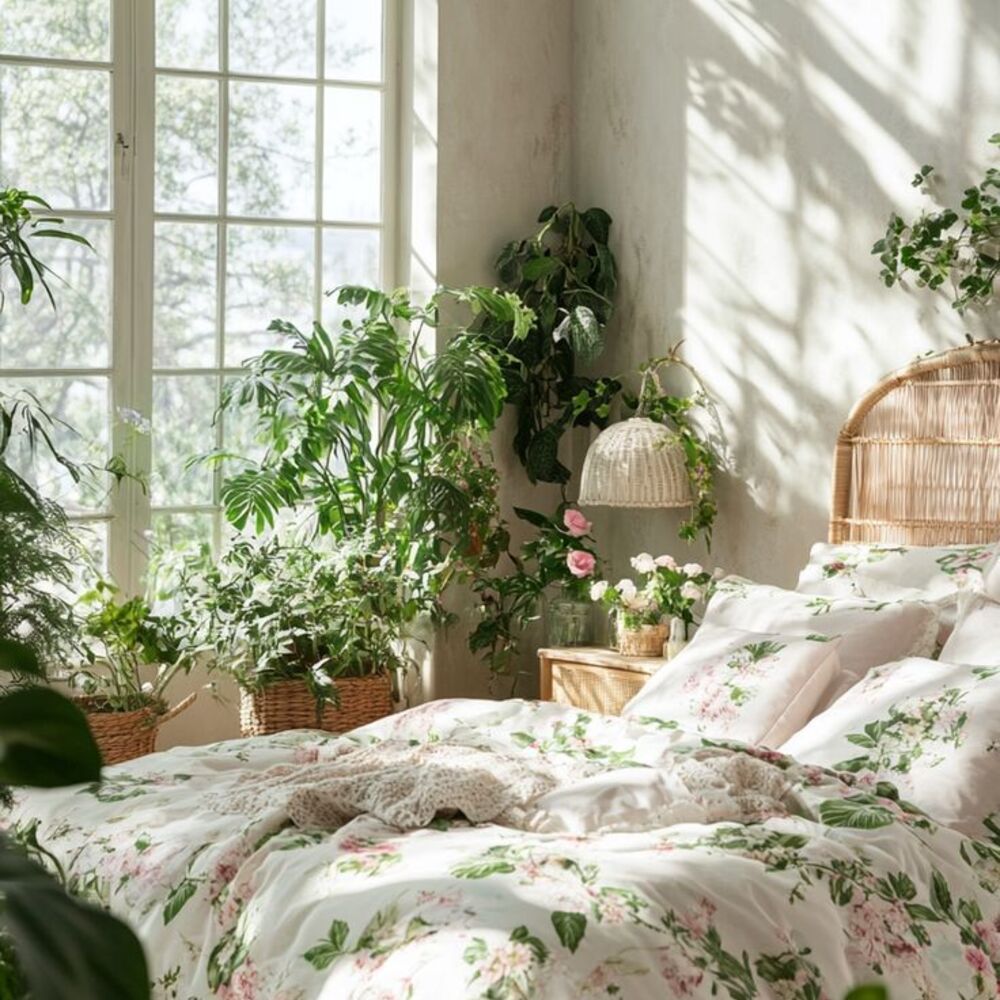
Unlike the stark whites and greys that dominated minimalist design in previous years, these warmer neutrals create a sense of cocoon-like comfort. They reflect the subtle variations found in natural landscapes: the pale beige of dried grasses, the gentle grey-green of eucalyptus leaves, the warm terracotta of sun-baked earth.
These colours work because they do not demand attention. Instead, they create a backdrop that allows other elements, natural light, shadows, texture and personal touches to take centre stage. They shift subtly throughout the day as light changes, adding depth without visual noise.
Accent colours drawn from nature are equally restrained. Rather than bright, saturated hues, designers are favouring the muted tones found in botanical elements: dusty sage, faded rose, soft ochre and pale lavender. These colours can be introduced through smaller textiles like cushions, throws or a single piece of artwork, adding personality without overwhelming the space.
Texture as a Design Language
In nature-inspired bedrooms, texture does much of the heavy lifting that colour once did. The interplay of smooth and rough, soft and structured, creates visual interest while maintaining the overall sense of calm.
Consider how different textures interact: a smooth bamboo duvet cover against nubby linen pillowcases, a soft wool throw draped over a cotton waffle-weave blanket, a jute rug grounding polished timber floorboards. Each texture tells its own story while contributing to a cohesive whole.
This focus on texture also engages multiple senses. A bedroom designed around tactile variety invites touch and interaction. Running your hand across different fabrics becomes part of the sensory experience of the space. This physical engagement with materials helps ground us in the present moment, a quality that aligns perfectly with the wellness focus driving this design trend.
Natural wood furniture, particularly pieces with visible grain and organic edges, amplifies this textural approach. Rather than high-gloss finishes, designers are favouring matte or lightly oiled surfaces that showcase the material's inherent character. Imperfections are celebrated rather than hidden, adding authenticity to the space.
Design That Feels Alive
Bedrooms are becoming places to reconnect with the sensory world. Soft fabrics, brushed textures, and natural materials give the room a sense of flow, much like petals arranged in a vase or foliage moving in natural light.
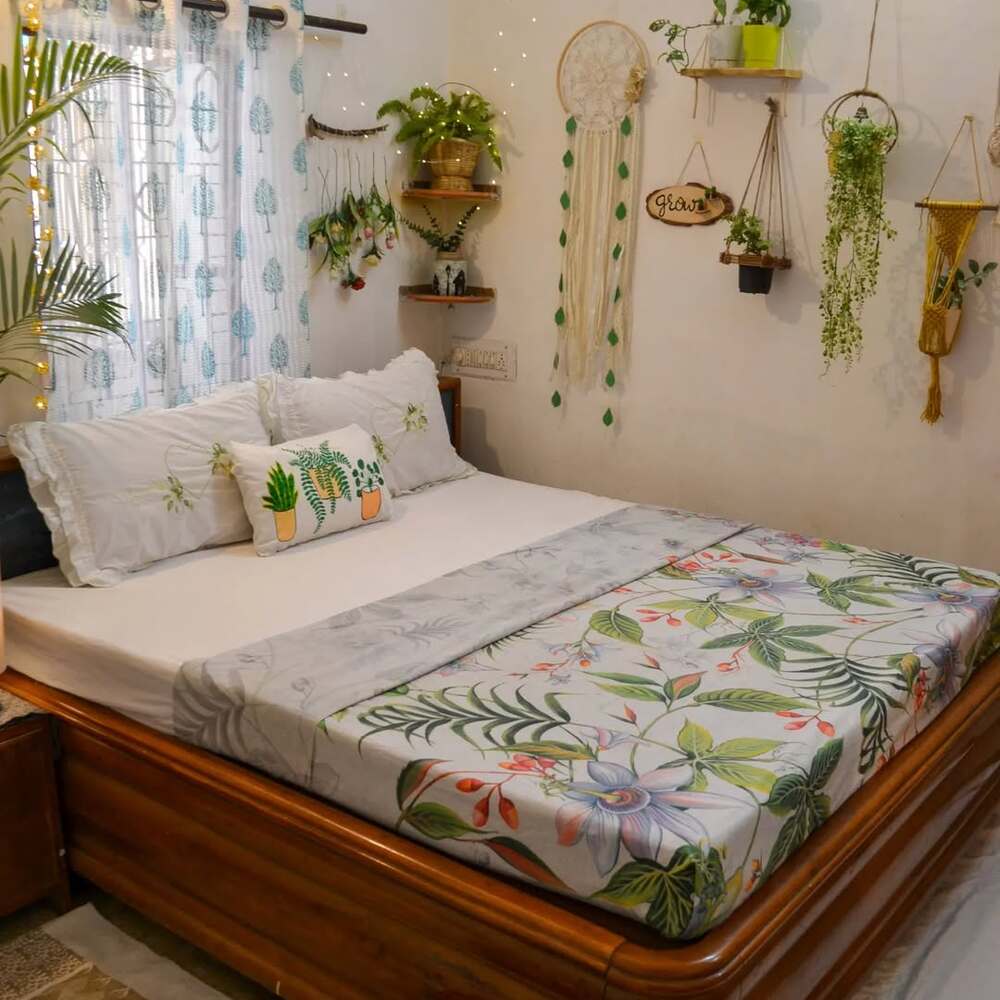
A nature-grounded bedroom does not rely on clutter or heavy décor. It relies on feeling. As more people choose simple, organic layers over synthetic textures, the bedroom becomes a space where calm and creativity coexist.
The concept of a space feeling alive might seem contradictory to the idea of restfulness, but it speaks to the dynamic quality that natural materials bring to interiors. Unlike synthetic materials that remain static, natural fibres shift slightly with humidity and temperature. They develop character over time, softening with use and washing. This evolution creates a lived-in quality that makes spaces feel authentic rather than staged.
Incorporating actual living elements strengthens this connection. A single potted plant, whether a trailing pothos, a sculptural snake plant or a delicate fern, brings literal life into the space. Plants improve air quality, add subtle movement and provide a focal point that changes gradually over time, keeping the space from feeling static or stale.
Lighting That Mimics Natural Rhythms
While not always discussed in the context of soft living, lighting plays a crucial role in creating nature-inspired bedrooms. Harsh overhead lighting disrupts the gentle atmosphere that natural materials and soft colours work to establish.
Instead, designers are incorporating multiple light sources at different heights: a softly diffused pendant or flush mount for general illumination, bedside lamps with warm-toned bulbs for reading, and perhaps a small accent light to highlight a plant or artwork. Dimmer switches allow light levels to be adjusted throughout the evening, supporting the body's natural transition toward sleep.
Natural light itself becomes a design element. Sheer curtains or woven blinds filter rather than block daylight, creating soft, dappled patterns that change throughout the day. This connection to natural light cycles helps regulate circadian rhythms, contributing to better sleep quality and overall wellbeing.
The Role of Minimalism and Intentional Space
Nature-inspired bedrooms embrace a form of minimalism, but not the cold, austere variety. This is warm minimalism, focused on keeping only what serves a purpose or brings genuine joy. The goal is not emptiness but rather intentional curation.
Clear surfaces and uncluttered floors allow the eye to rest. Closed storage solutions keep necessary items accessible without adding visual noise. This restraint creates space for the elements that matter: the quality of the bedding, the beauty of natural light, the texture of a favourite throw.
This approach also makes the bedroom easier to maintain. Fewer items mean less dust, less visual chaos and less mental clutter. The simplicity itself becomes restorative, providing a counterpoint to the complexity and overstimulation of daily life.
Bringing the Outside In
Beyond materials and colours, the nature-inspired bedroom trend includes more literal interpretations of bringing nature indoors. Pressed botanicals in simple frames, a collection of smooth river stones on a nightstand, a piece of driftwood as sculpture, these elements create subtle connections to the natural world.
Scent plays a role too. Natural essential oils, particularly those derived from plants like lavender, chamomile or eucalyptus, can be diffused to enhance the sensory experience. Unlike synthetic fragrances, these natural scents have aromatherapeutic properties that genuinely support relaxation and sleep.
Even sound can be incorporated through small fountains or sound machines that replicate natural environments: gentle rain, ocean waves, rustling leaves. These auditory elements complete the sensory landscape, creating an immersive environment that fully engages with the concept of natural sanctuary.
A Lasting Shift
What makes the 2026 bedroom trend particularly significant is its longevity. Unlike trend-driven styles that feel dated within a few years, nature-inspired design has staying power. The principles are timeless: comfort, quality, connection to nature and mindful simplicity.
As this approach continues to evolve, we are likely to see even greater integration of sustainable practices, more innovative natural materials and deeper understanding of how our environments affect our wellbeing. The bedroom, as our most private and personal space, will continue to serve as the testing ground for design approaches that prioritise how spaces make us feel over how they look in photographs.
The movement toward soft, nature-inspired layers represents more than interior design evolution. It signals a cultural re-evaluation of what home means and what role it should play in supporting our health, happiness and humanity. In choosing natural materials, gentle colours and intentional simplicity, we are choosing to create spaces that honour rest, nurture wellbeing and reconnect us with the rhythms of the natural world.