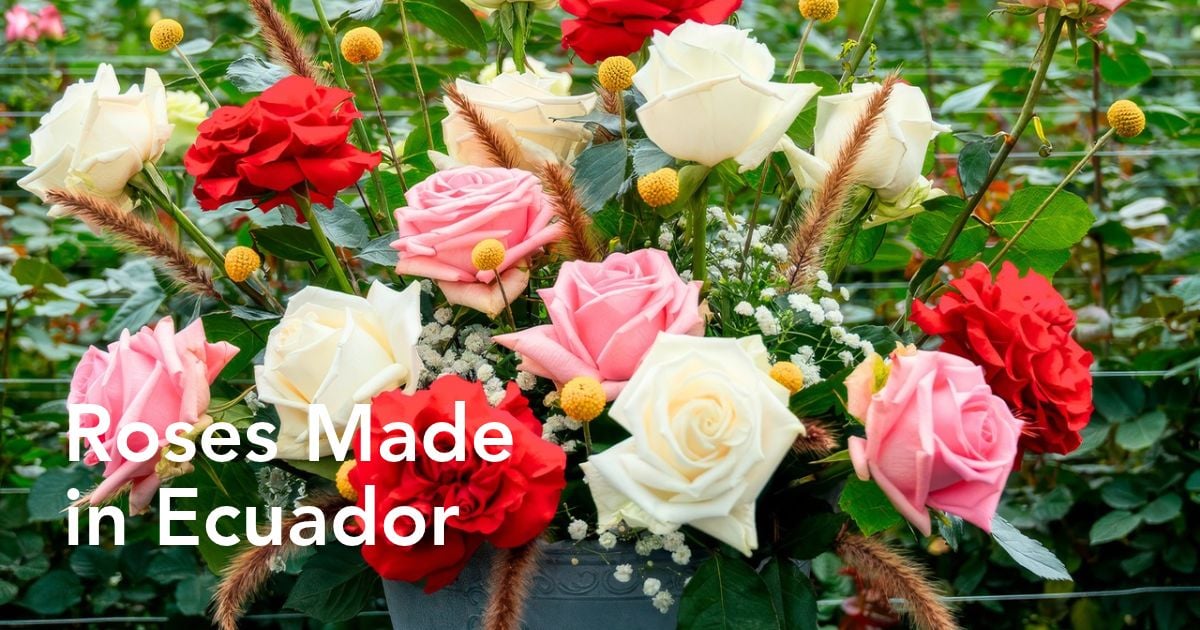
A rose can catch the eye because of its color, but there is more to its appearance than the petals alone. The size of the flower head, the length of the stem, the foliage, and the way the flower opens all influence how a rose looks when it is presented on its own or used in larger arrangements.
For Star Roses, these characteristics are part of the appeal of its Ecuadorian roses. The company describes its flowers through their large flower heads, deep colors, generous foliage, and long stems, qualities that give each rose a distinct visual presence and provide floral designers with different ways to work with the flower. Further along the journey, you can check out their full rose catalog.
The Flower Head Sets the First Impression
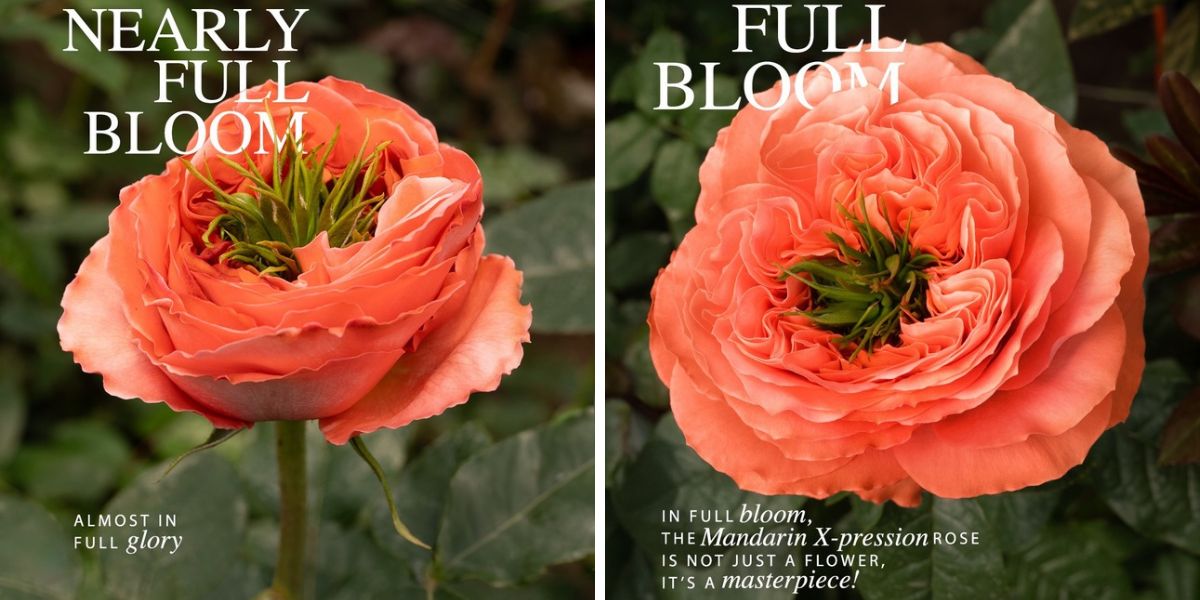
The flower head is often the first detail people notice when looking at a rose. Its size, shape, and stage of opening determine how much visual space it occupies and how it relates to the flowers around it. A rose with a substantial head can take a central position in an arrangement, while smaller or more compact flowers can help create variation across a design.
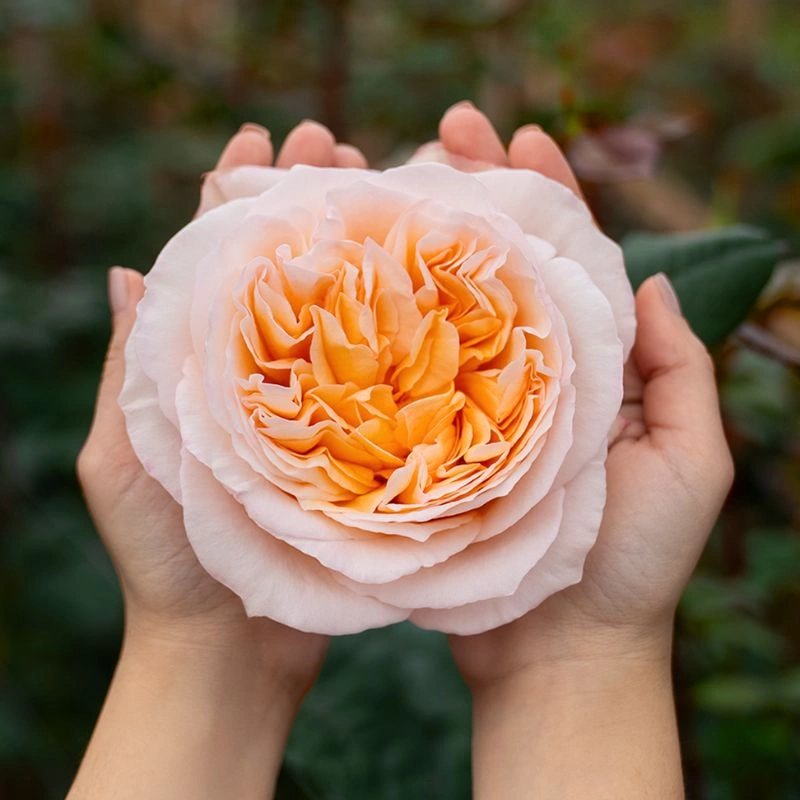
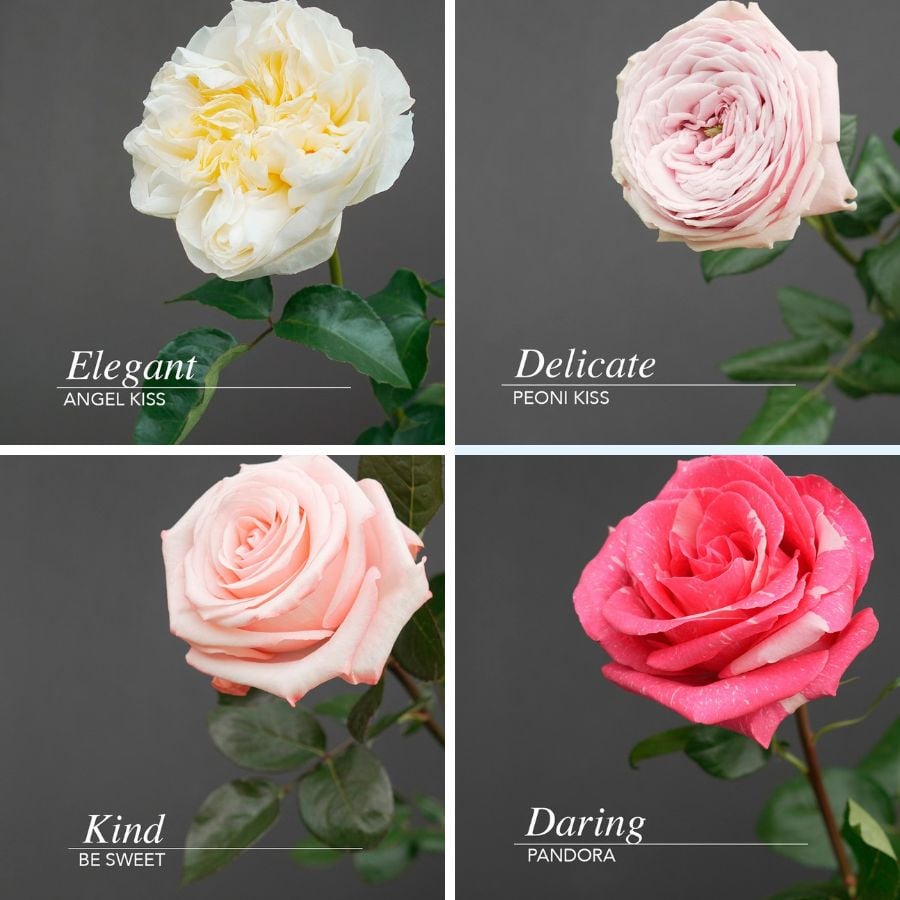
Petal arrangement also changes the character of the flower. Some roses open into a rounded shape, while others have a more defined silhouette. Looking at these details across different varieties reveals how much variety exists within a single flower category, even when the roses share a similar color.
Long Stems Give Designers More to Work With
Stem length affects how a rose can be presented. Longer stems can suit tall vases and arrangements where the line of the flower is visible, while shorter stems can work well in compact designs or arrangements that bring the flower heads closer together.
The stem also contributes to the overall proportions of a rose. A large flower head on a long stem creates a different visual effect from the same flower presented in a shorter arrangement. These proportions are worth considering when selecting roses for a particular design, especially when the flowers will be displayed individually or arranged at different heights.
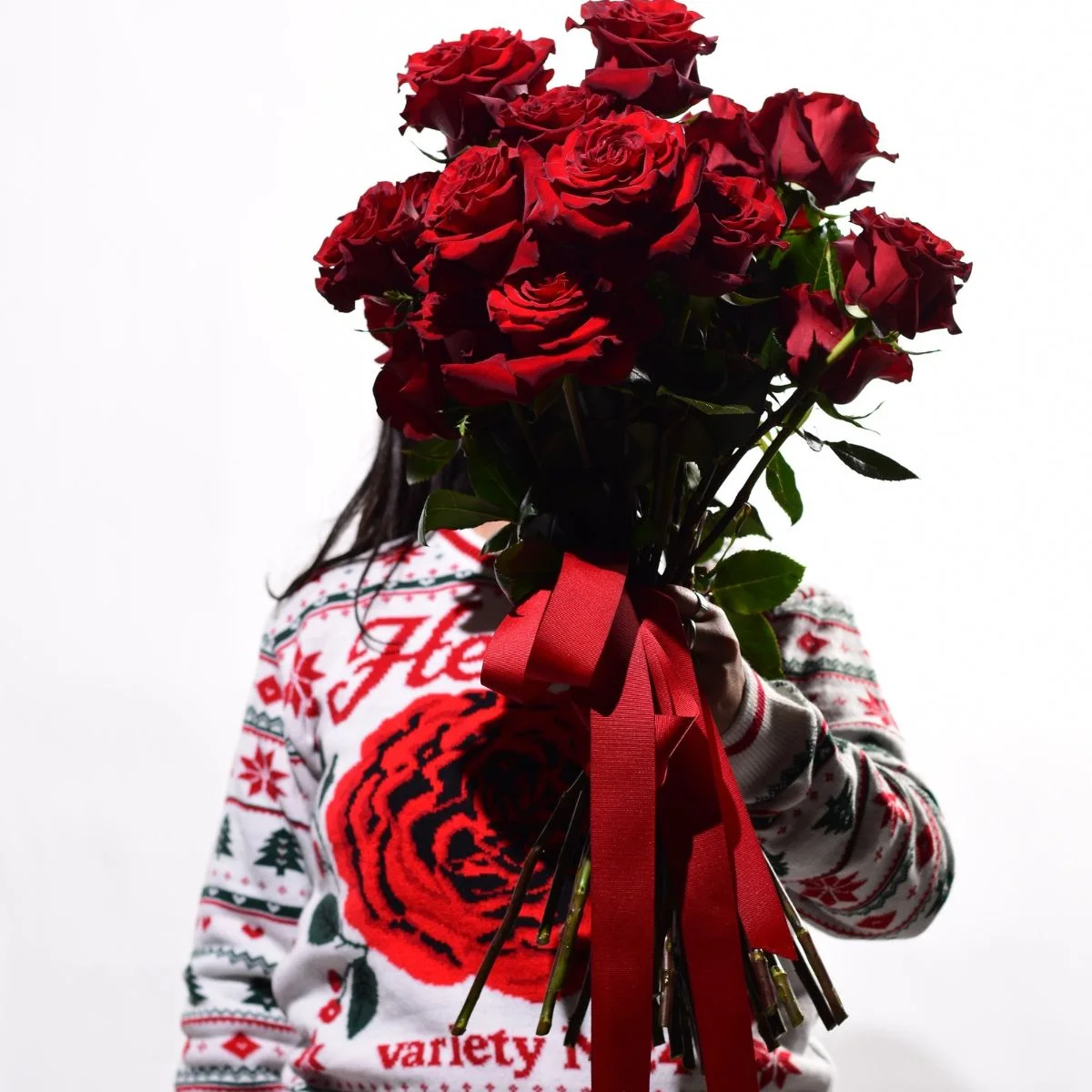
More than 100 cm in length – a clear expression of the quality behind every rose
Foliage Has a Role in the Finished Flower
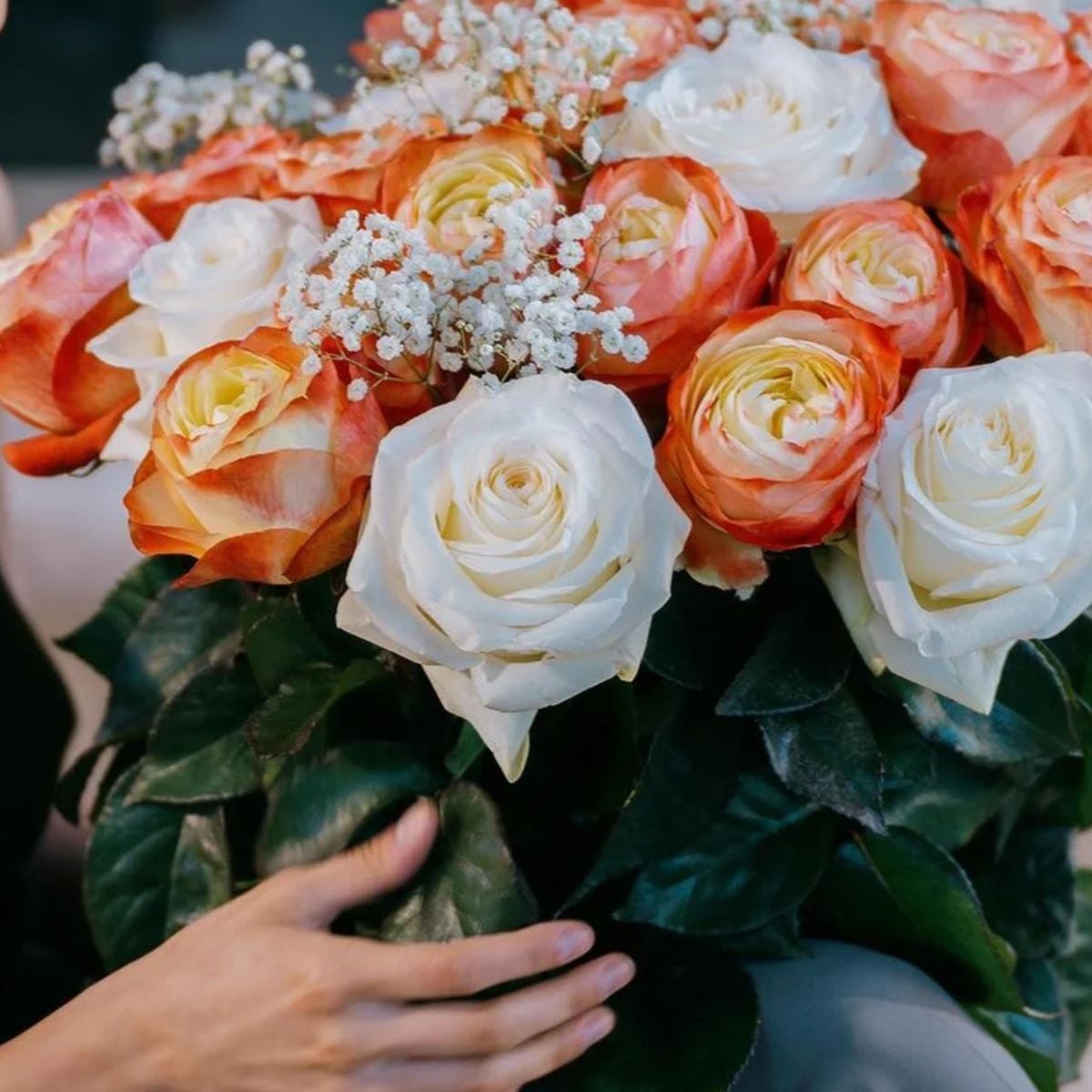
The leaves surrounding a rose head can influence how the flower is perceived. Foliage adds shape and texture along the stem, creates a transition between the flower and the rest of an arrangement, and changes how much of the stem remains visible.
This detail brings out attention because the appearance of a rose extends beyond its petals. When a stem is displayed with its leaves intact, the foliage contributes to the flower's overall proportions and the way it occupies space.
Color Looks Different Across Shapes and Sizes
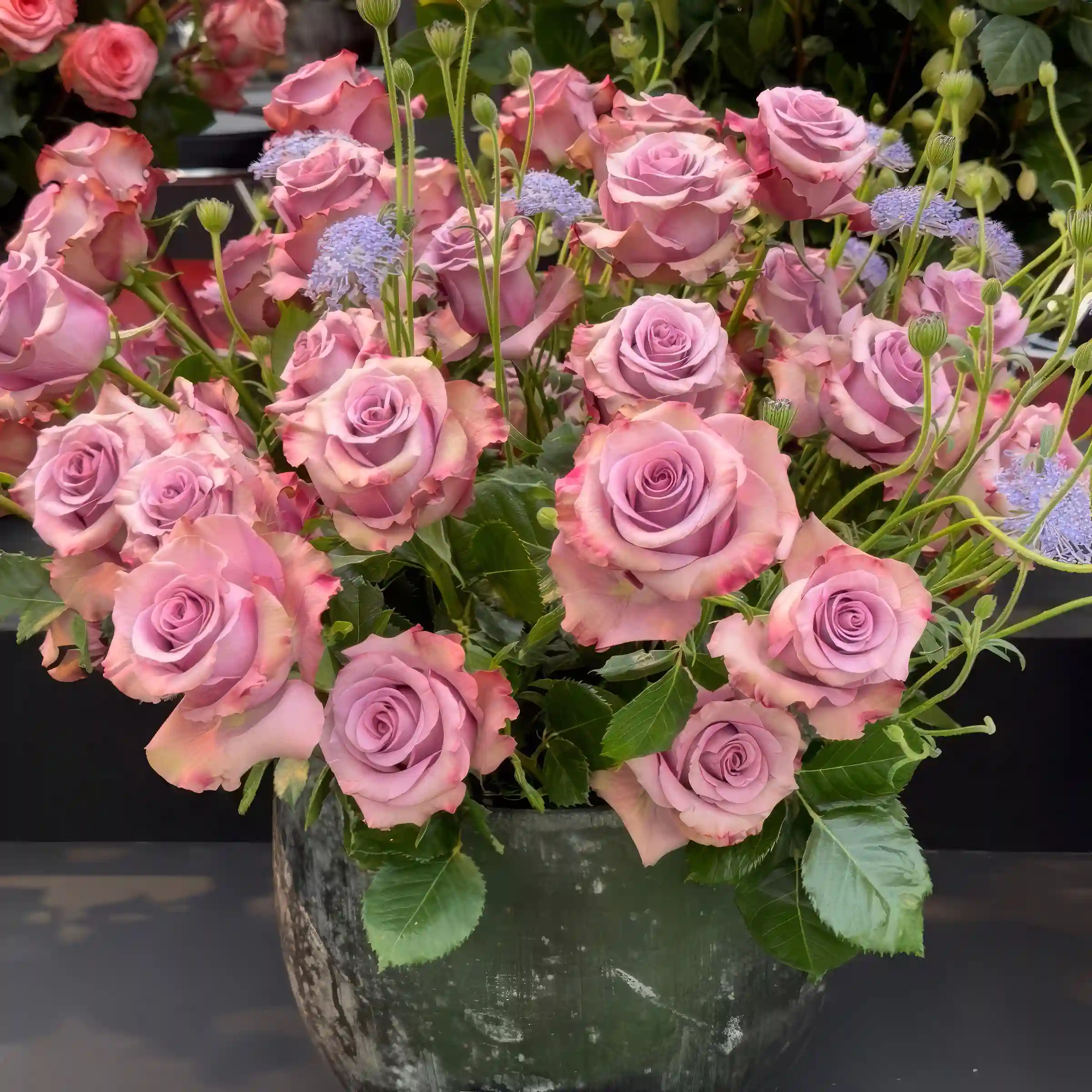
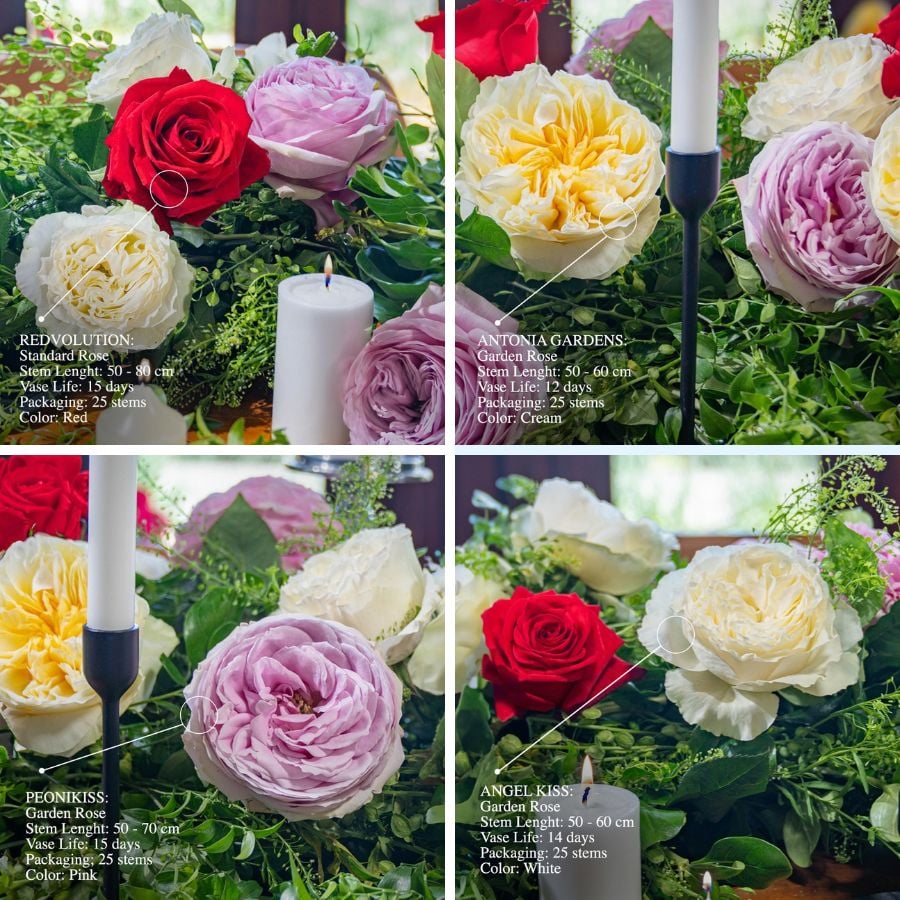
Color is an important part of a rose's identity, but its effect also depends on the structure of the flower. The same color can appear different across varieties with distinct petal arrangements, flower-head sizes, and opening stages. A tightly formed rose creates a different visual surface from a fully open flower, even when both belong to the same color family.
For designers selecting roses for a coordinated arrangement, these differences offer another way to create variation while keeping the palette consistent. Combining flowers with different shapes and stages of opening can introduce depth and movement without requiring a wide range of colors.
Looking at the Rose Beyond Its Color
A rose is the result of several characteristics working together. The flower head establishes its shape, the stem influences its proportions, the foliage adds another layer of structure, and the color connects it to the wider design.
These details provide a useful starting point when exploring the natural rose assortment at Star Roses. By looking at the whole stem and comparing the features of individual varieties, it becomes easier to understand what distinguishes one rose from another and how those differences can inform floral design. On Star Roses' website, you can see their catalog and sort according to color, bud size, seasons, new varieties, and novelties that are coming soon!
Rose Carezza, a novelty, shows beautiful green foliage to complement the rose while having elongated stem sizes to choose from
Photos courtesy of Star Roses