You've definitely held a bunch of flowers and felt that immediate lift in your spirits. Bouquets have this amazing way of turning ordinary moments into special ones. Think Valentine's Day floral gift, a proposal, celebrating an anniversary, a grand celebration, wedding day, or just surprising someone you love, whichever the case may be, bouquets just do it.
There are many types of bouquets, from timeless round ones that say "I love you" in the universal language of flowers to modern hoop designs and even chocolate alternatives for those who prefer their romance edible. Perhaps, while scrolling through these inspirations, you've wondered which bouquet style will make your (or their) heart skip a beat. Understanding the different types of bouquets always makes those hard choices simpler and more confident decisions.
Different Types of Flowers for Bouquets
Before exploring bouquet styles, perhaps one should focus on their building blocks: flowers. The flowers one chooses shape the entire arrangement. Understanding the basics, like seasonal availability and flower characteristics, helps one make informed decisions about their perfect bouquet.
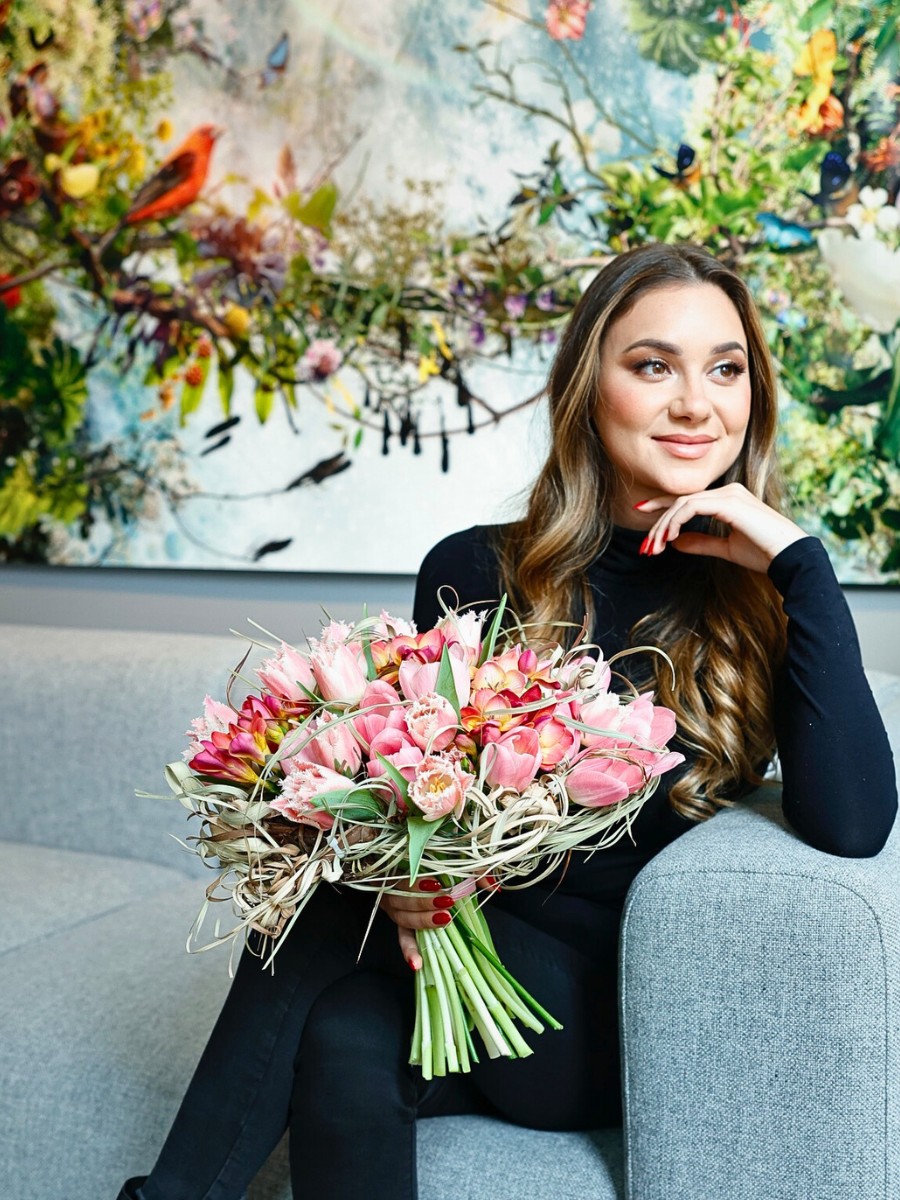
These basics matter quite a lot. Roses remain the go-to choice year-round, coming in numerous varieties and colors that work beautifully for Valentine's Day gifts, wedding celebrations, and everything in between. And while peonies add romantic fullness, they only bloom in late spring and early summer, making them a gem when available.
Dahlias shine during fall months, their bold, architectural petals creating stunning focal points. Tulips celebrate spring with clean lines and cheerful colors, while Ranunculus offers delicate, paper-thin petals admired for their texture and light-catching qualities. Such is why texture creates interest in different ways.
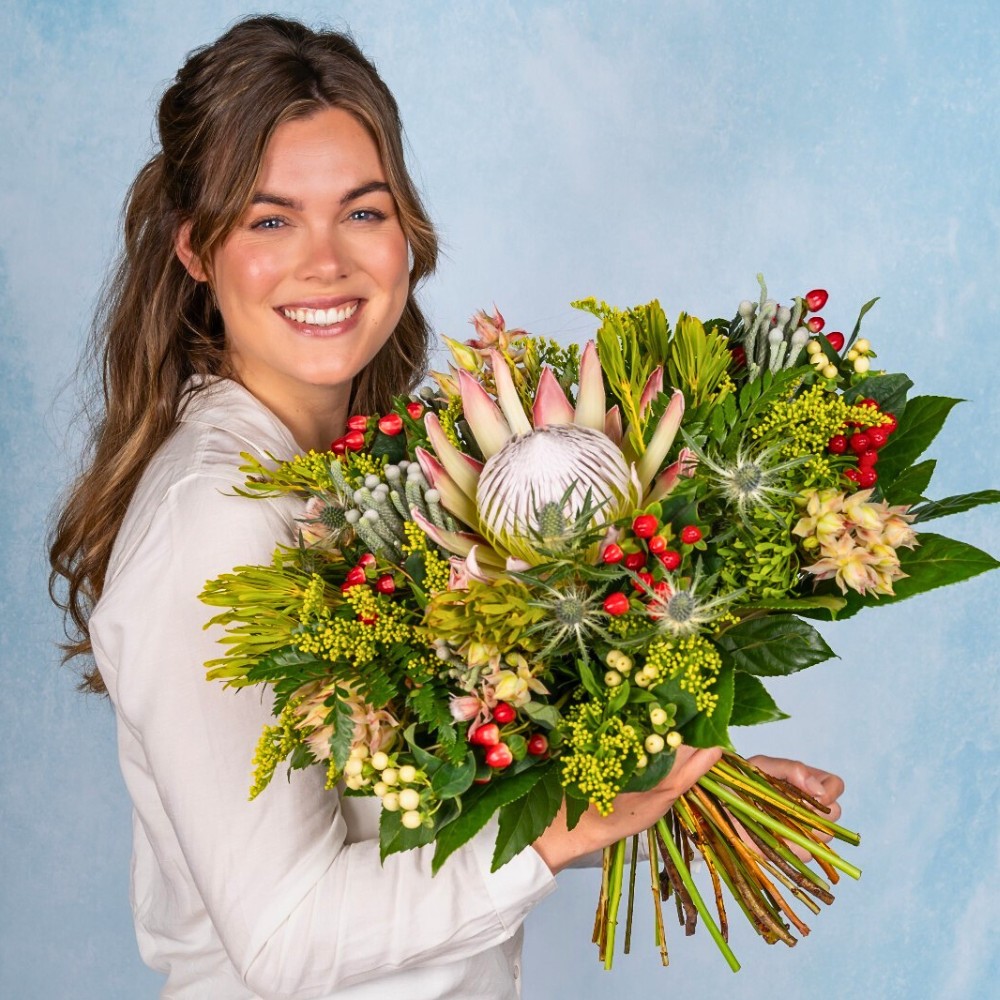
Combining different flowers adds a dimension that makes arrangements feel alive and dynamic. Consider pairing large focal flowers like garden roses or hydrangeas with smaller fillers like waxflower or gypso. Adding spiky elements like Veronica or Delphinium provides height variation that draws the eye upward, while other unique elements like Scabiosa pods, Hellebores, or Fritillaria add a surprising visual intricacy.
Color psychology also plays a fascinating role in bouquet design. White and cream flowers convey purity and elegance. They are perennial favorites for weddings and elegant celebrations. Blush and peach tones create warmth and softness that feels approachable and romantic, perfect for intimate gatherings or Valentine's Day surprises.
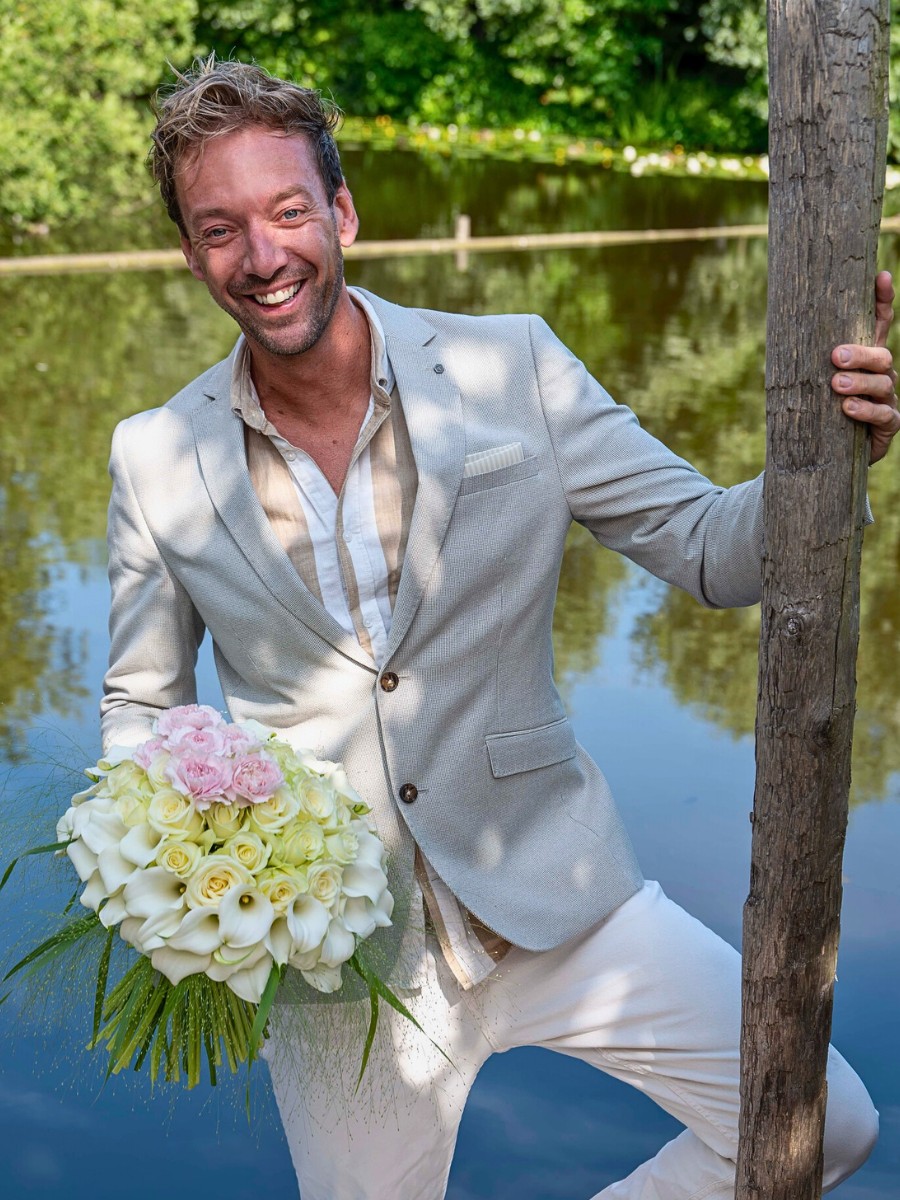
Deep burgundies and wines add refined drama, particularly popular during fall and winter months. Pastels offer a gentle, romantic feel that works beautifully for spring celebrations, while bold jewel tones make strong statements that command attention in any setting.
What Are the Different Types of Wedding Bouquets?
Wedding bouquets hold special significance, and each style complements different dress silhouettes and wedding themes. There are several options available.
Round Bouquet
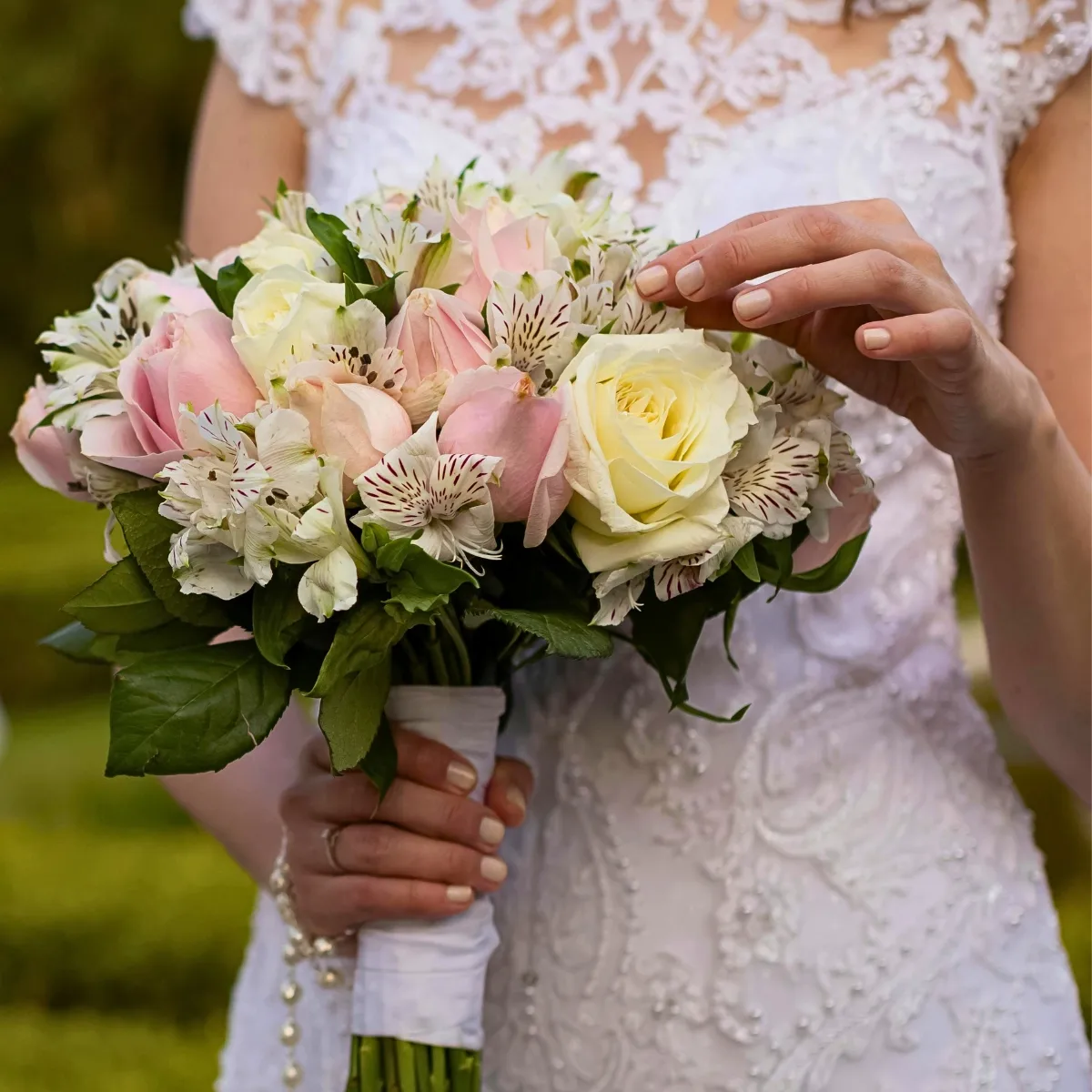
The most traditional option features flowers arranged in a perfect sphere. Every stem sits at the same height, creating symmetrical beauty from every angle. This style works beautifully with formal gowns and classic venues, offering an elegance that never goes out of fashion.
The tight arrangement needs minimal greenery to maintain its shape, allowing the flowers themselves to take center stage. Florists typically wrap the stems with ribbon or fabric that matches the wedding colors, creating a polished finish that complements formal weddings, ball gowns, and traditional ceremonies perfectly.
Cascade Bouquet
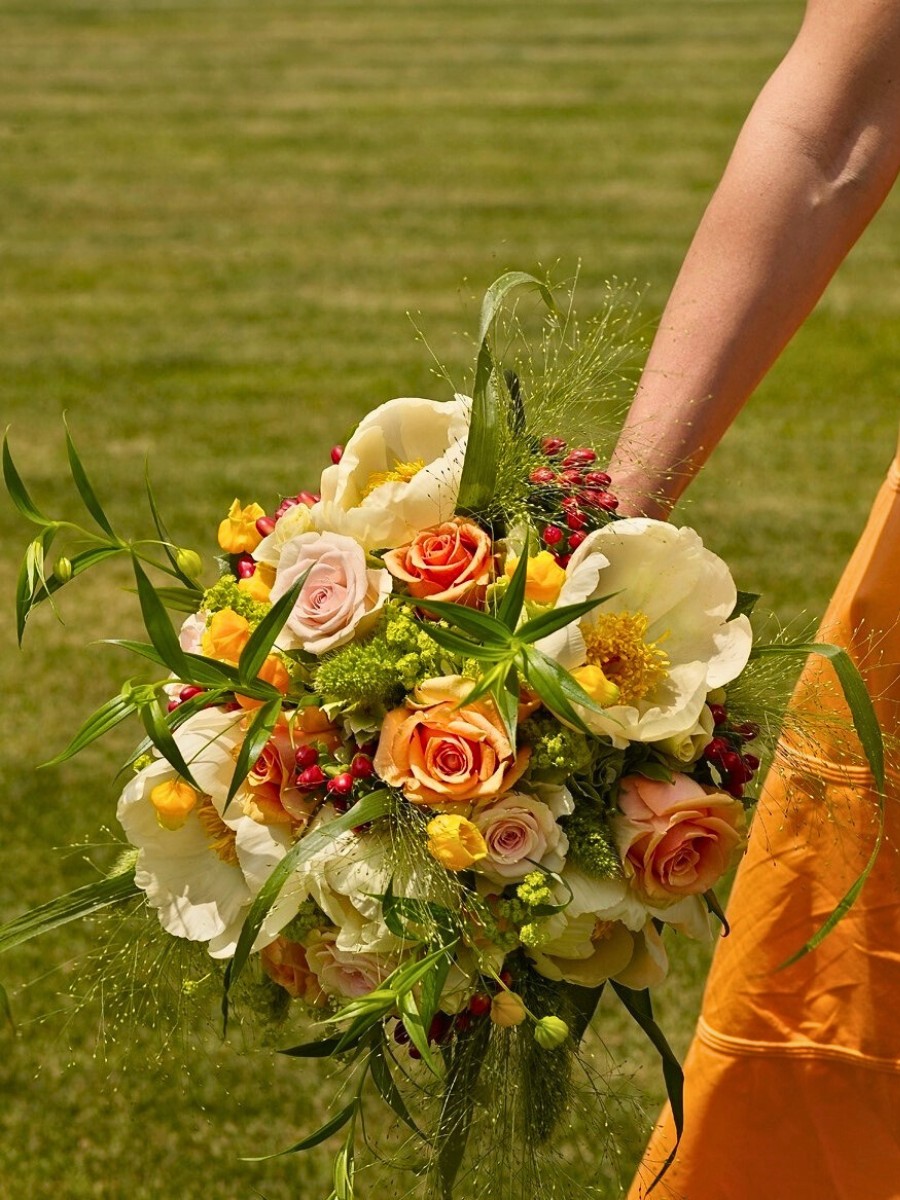
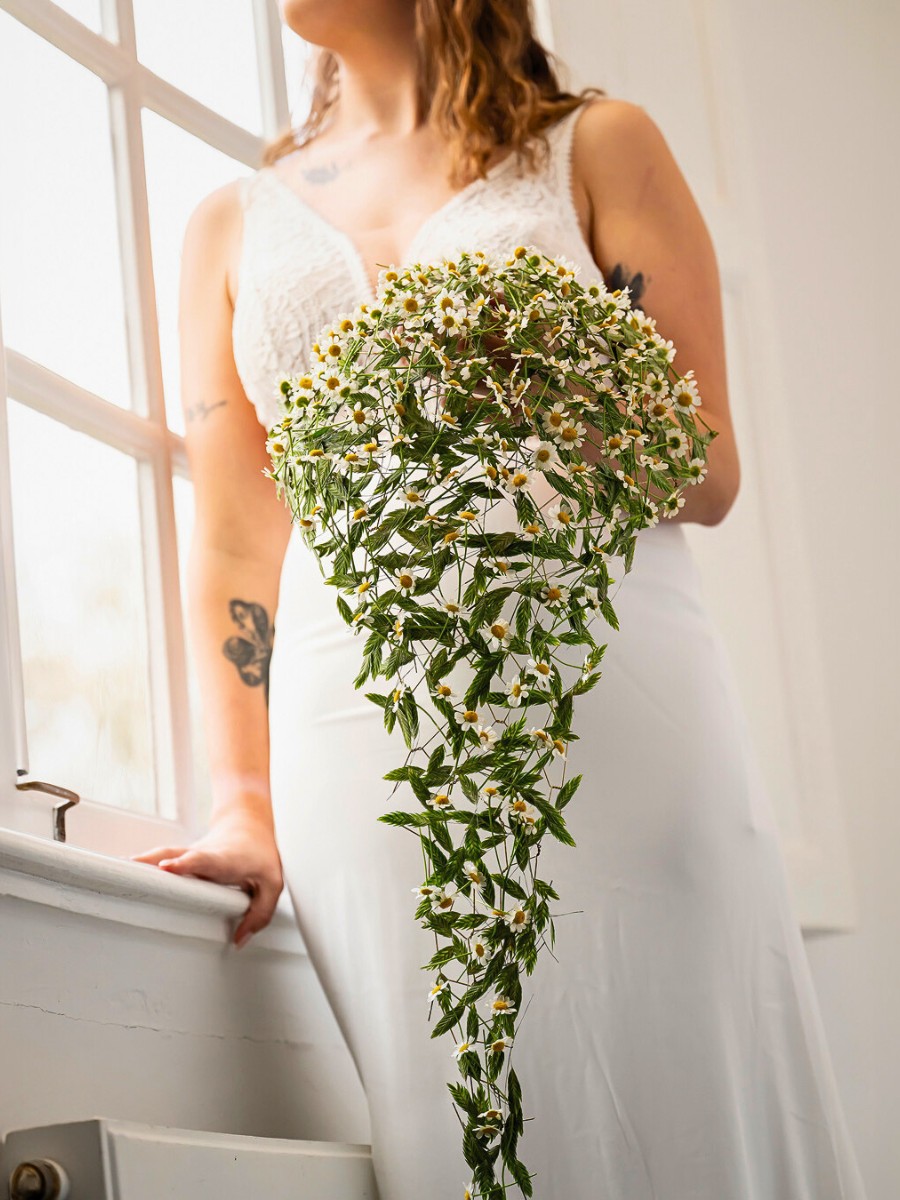
These dramatic arrangements flow downward like a waterfall, creating movement and visual interest that captures attention. The widest point sits at the top, where you hold the bouquet, with flowers and greenery trailing down, sometimes reaching your knees or even farther.
Princess Diana made this style famous with her 40-inch arrangement of Gardenias and Stephanotis that became one of the most photographed bridal bouquets in history. Modern versions often feel slightly less formal but still make powerful statements, particularly suited to grand venues, tall brides, and dramatic wedding styles where making an entrance matters.
Hand-Tied Garden Bouquet
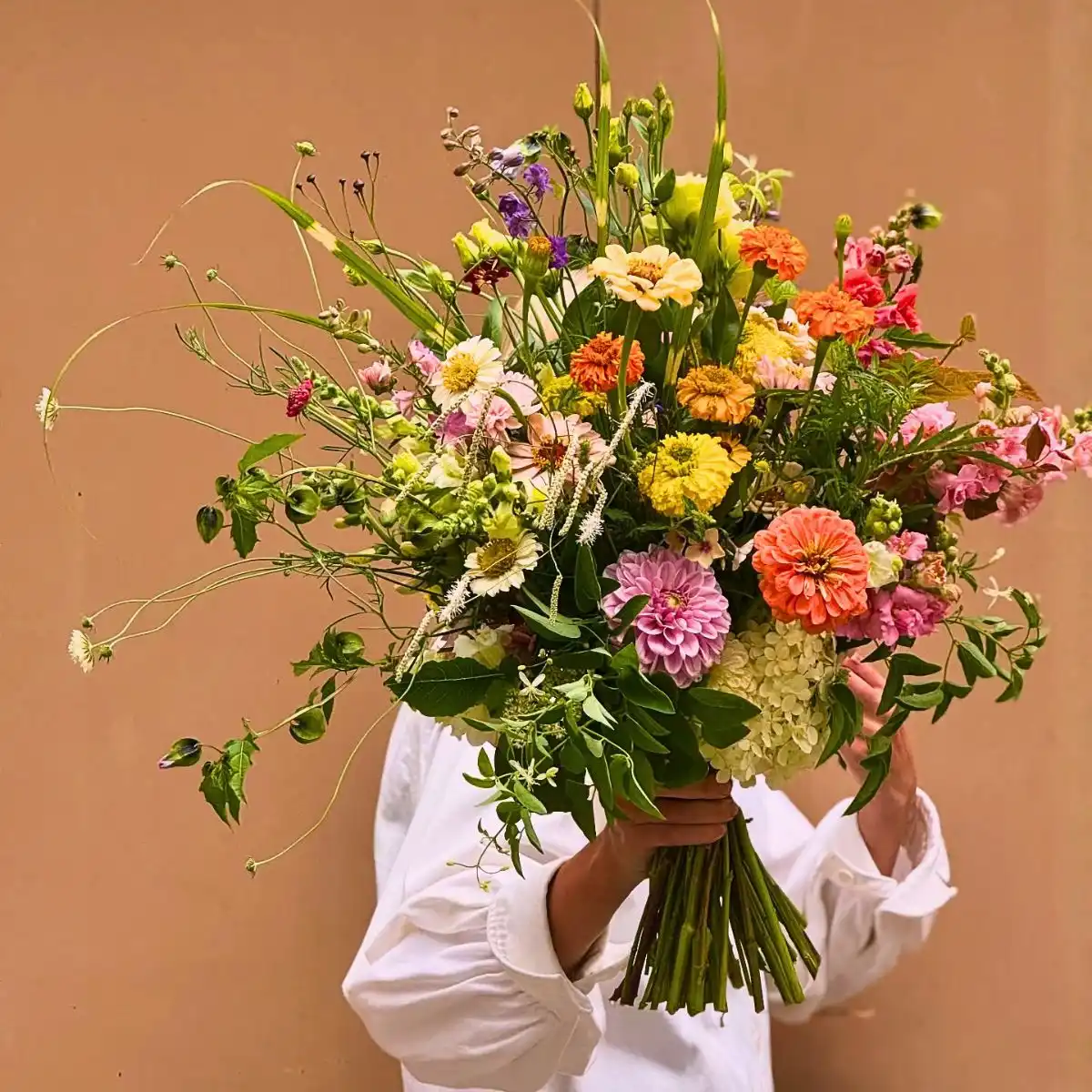
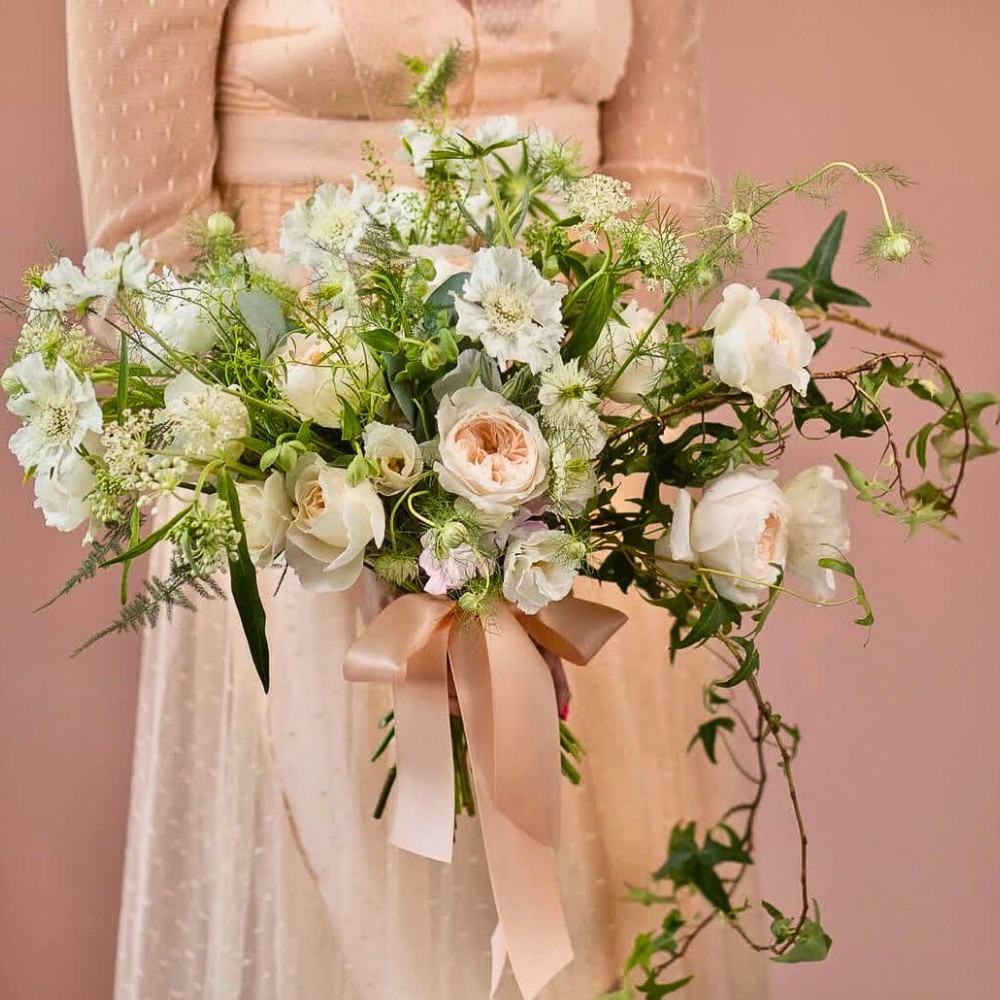
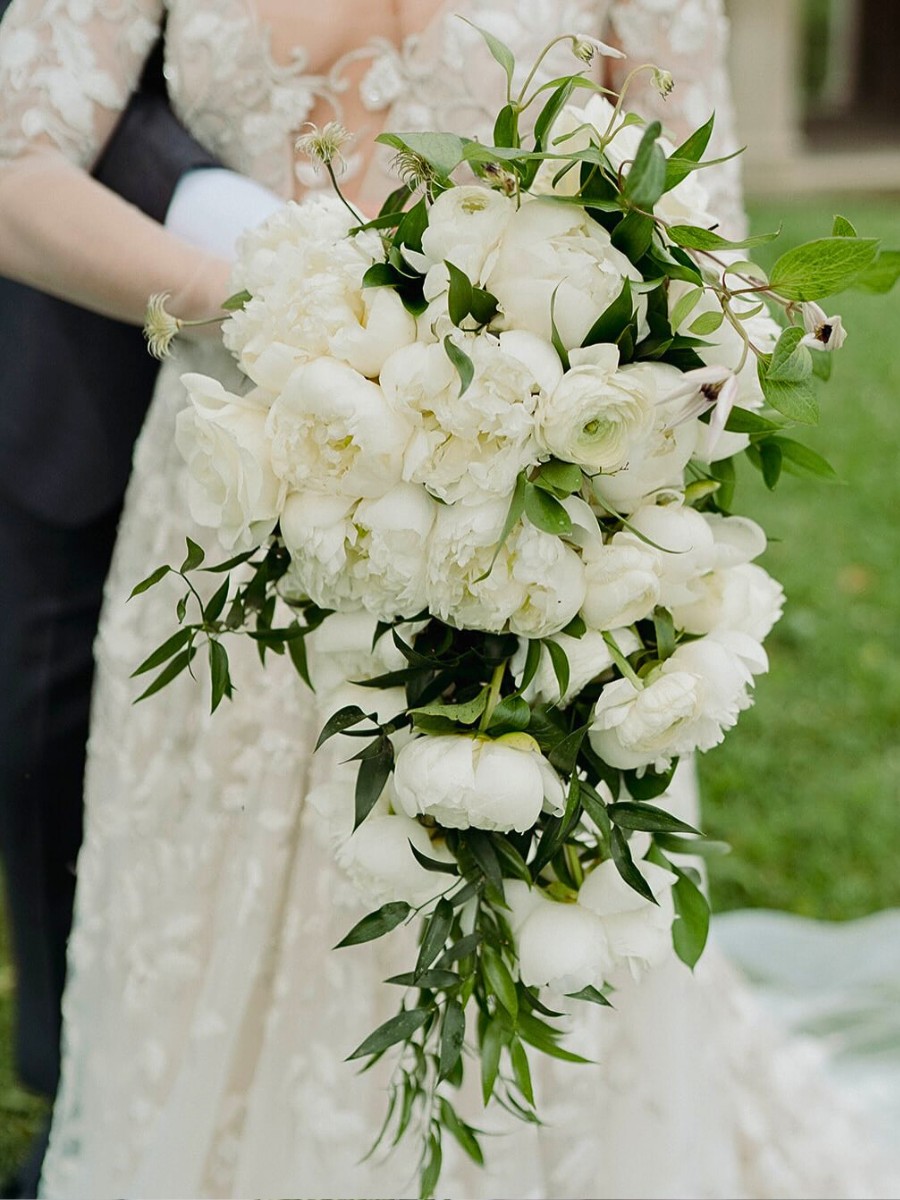
This relaxed style looks as if you just gathered flowers from an English garden on a perfect spring morning. Stems cross at different angles, creating organic, asymmetrical shapes that feel naturally beautiful, not rigidly structured. Florists build these directly in their hands, giving each arrangement a unique personality. Long ribbons typically hang loose, adding to the natural aesthetic that makes this remain one of the most popular current styles for outdoor weddings, rustic venues, and bohemian themes.
While florists can typically build this bouquet easily (giving it a more natural look that isn't overly styled), mastering the skill definitely takes practice and experience. Garden roses, peonies, Dahlias, and ranunculus are some of the most popular flowers for these hand-tied bouquets, often combined with greenery, blooming branches, and other foraged elements.
Posy Bouquet
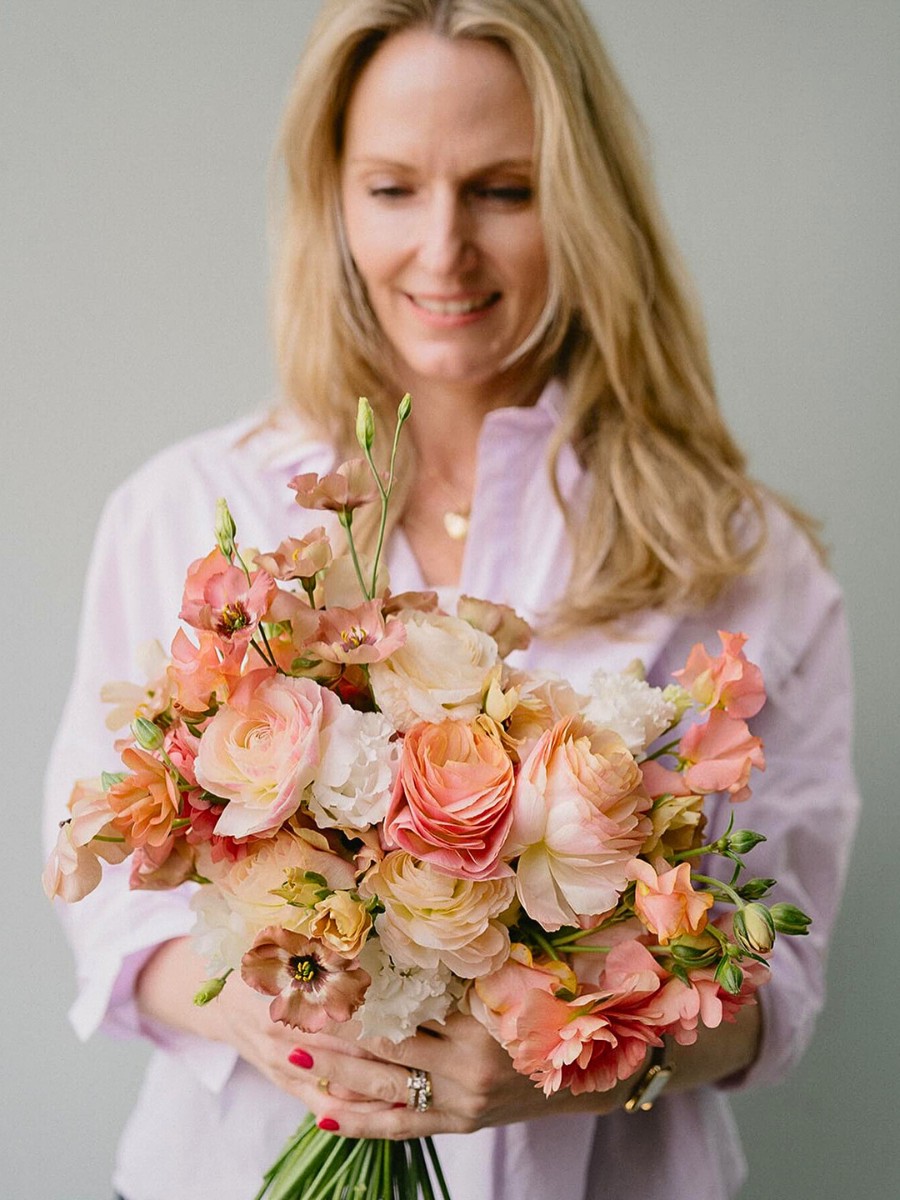
Small and compact, posies fit perfectly in one hand. They typically feature three to five flower types with minimal greenery, creating a sweet, intimate feeling. The petite size makes them ideal for bridesmaids or intimate weddings where simplicity and elegance matter more than grand statements.
Don't let the pocket-size fool you, though; a well-designed posy can pack a serious visual punch with the right color combinations. These work wonderfully for petite brides, bridesmaid bouquets, and budget-conscious couples who want maximum impact with carefully chosen blooms.
Nosegay Bouquet
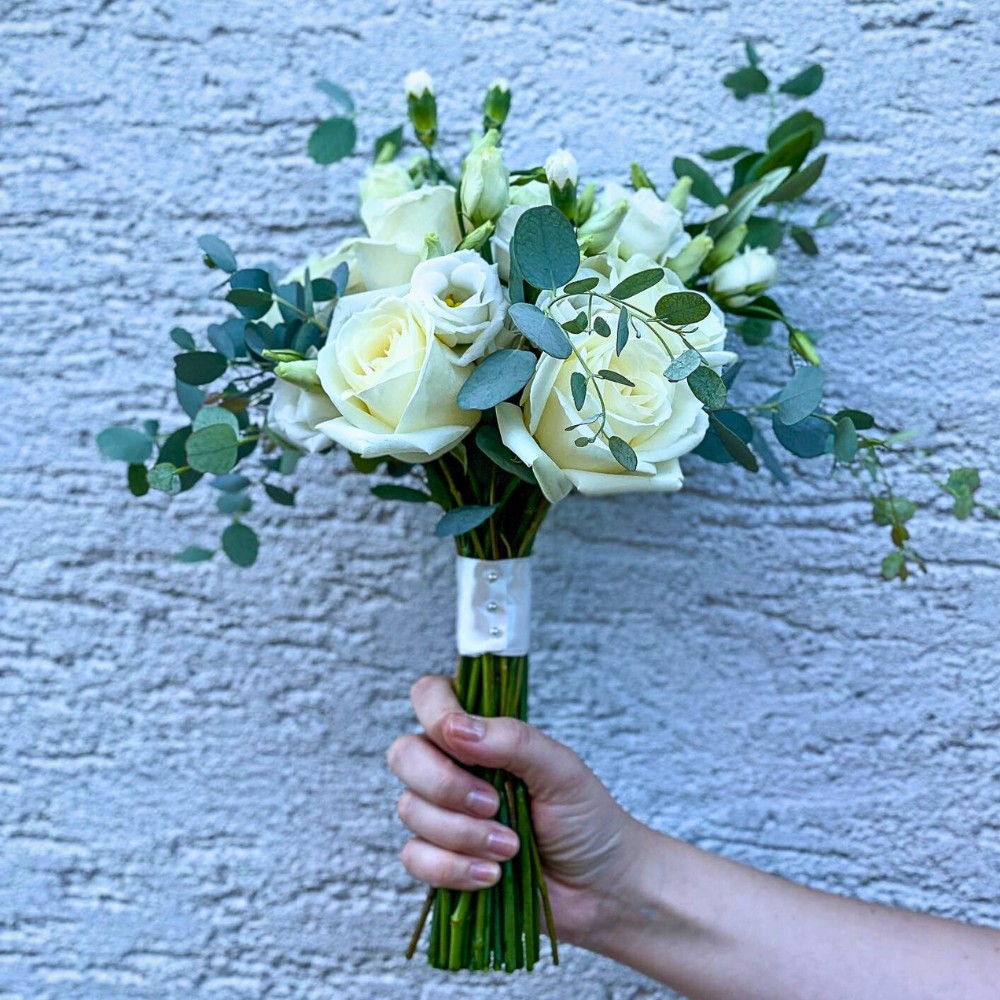
Similar to posies but with a key difference: nosegays feature uniform stem lengths and one dominant flower type. The name comes from the Victorian era, when people carried fragrant herbs to mask unpleasant odors in crowded streets and gatherings.
Today's versions focus on clean, structured arrangements with tightly wrapped stems that create a polished, formal appearance. Think of it as the formal cousin of the posy, perfect for traditional weddings and creating uniform bridal party looks that photograph beautifully together.
Pomander Bouquet
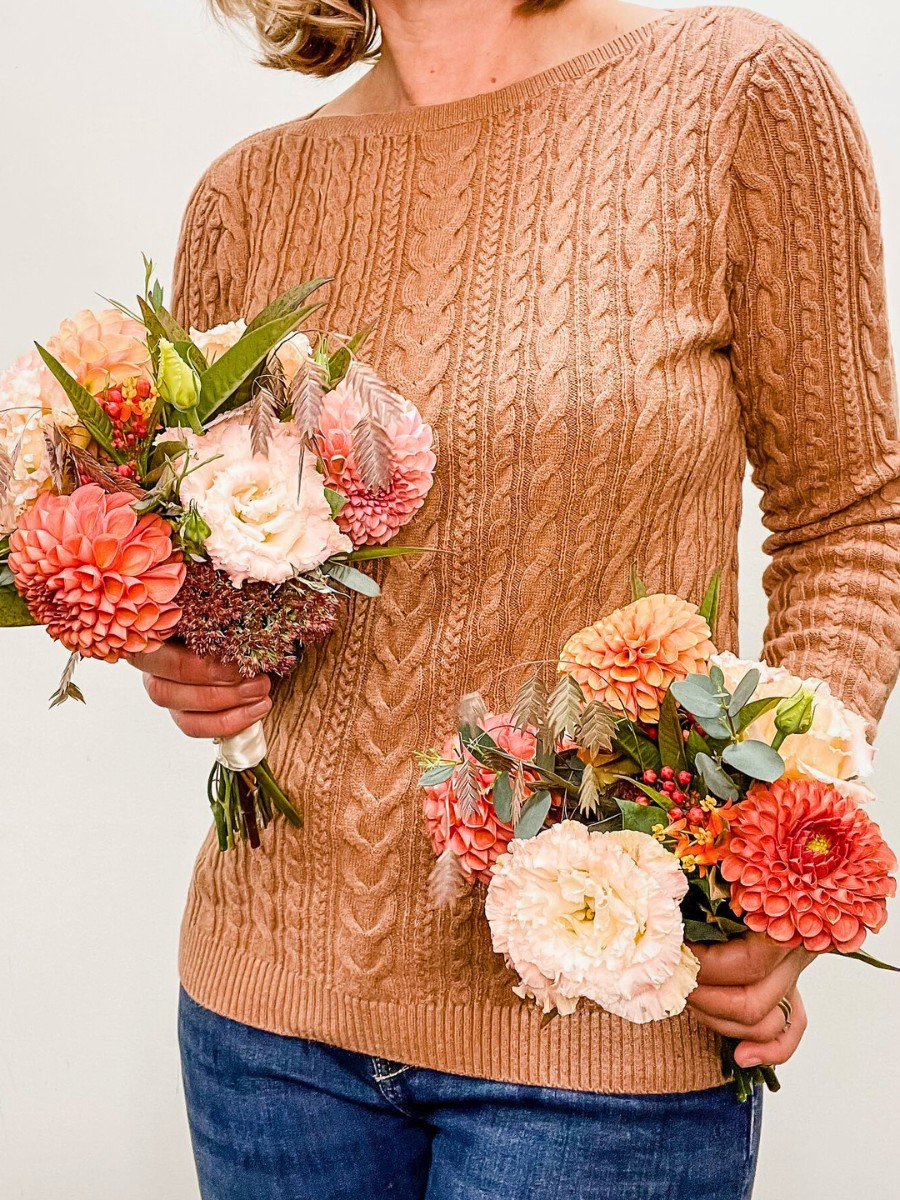
These sphere-shaped arrangements hang from ribbon loops, perfect for flower girls or junior attendants who might struggle with traditional stem-held bouquets. Every surface gets covered with flowers, creating a ball that looks beautiful from every angle.
You can also hang pomanders from ceremony chairs or shepherd's hooks as aisle markers, multiplying their decorative impact. They are particularly suited to flower girls, ceremony decorations, and whimsical weddings where playful elements enhance the celebration.
Hoop Bouquet
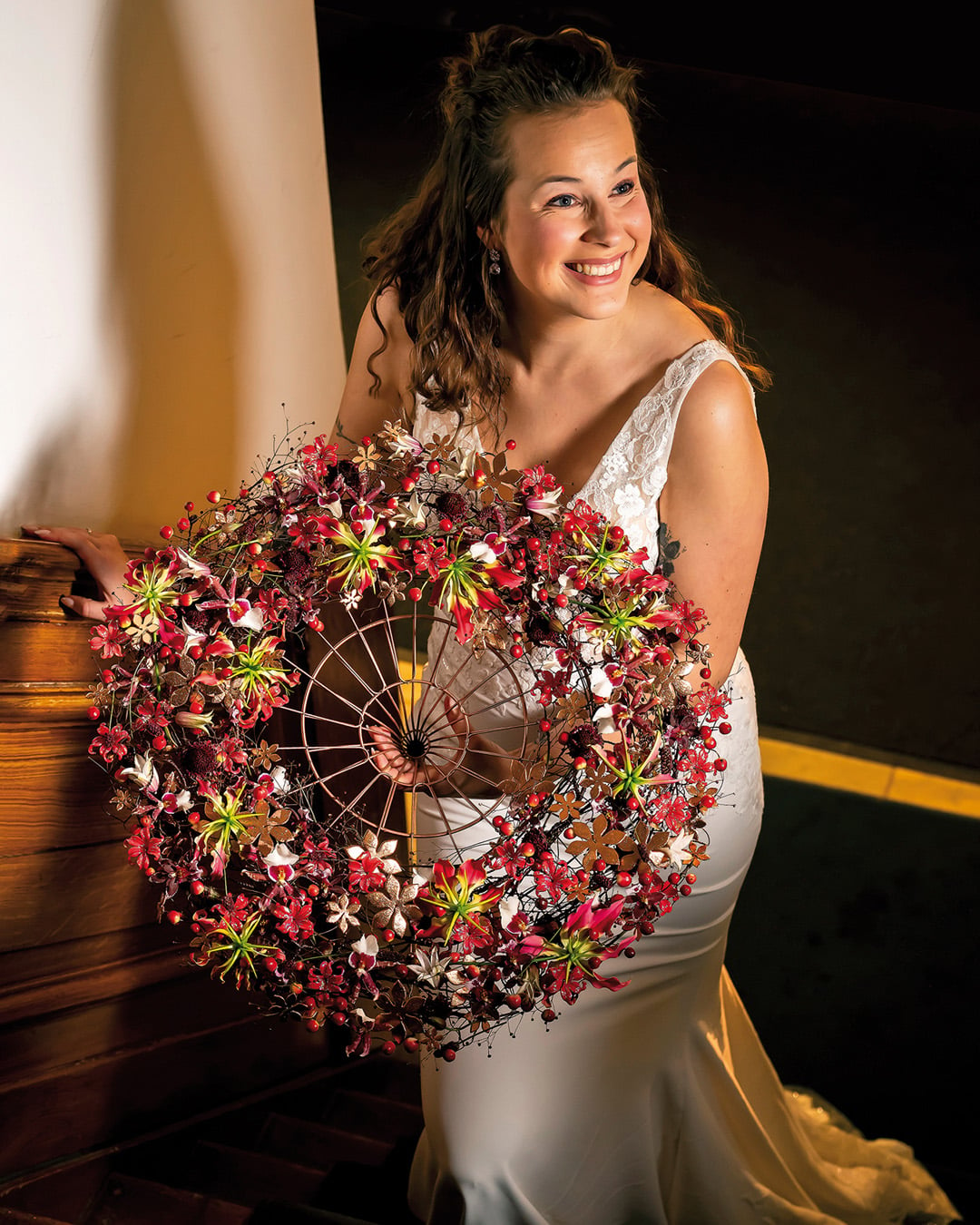
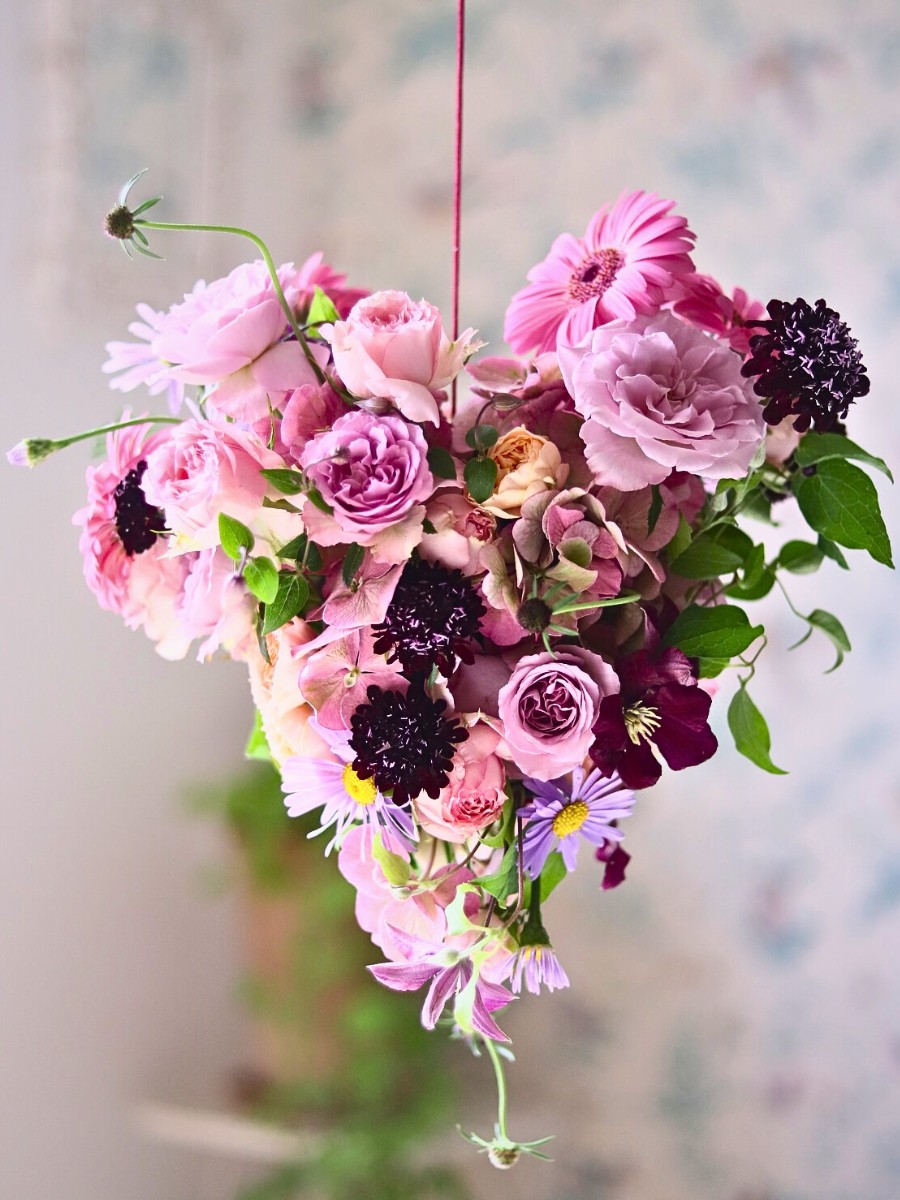
Modern brides love this contemporary twist on traditional arrangements. Flowers attach to a circular frame, either completely covering the hoop or adorning just one section for minimalist appeal. The open center creates negative space that photographs beautifully and feels fresh.
Gold, silver, or wooden hoops offer different aesthetics, from glamorous to rustic. This style feels perfect for modern weddings, fashion-forward brides, and destination ceremonies where something unique and Instagram-worthy adds special flair.
Pageant (Presentation) Bouquet
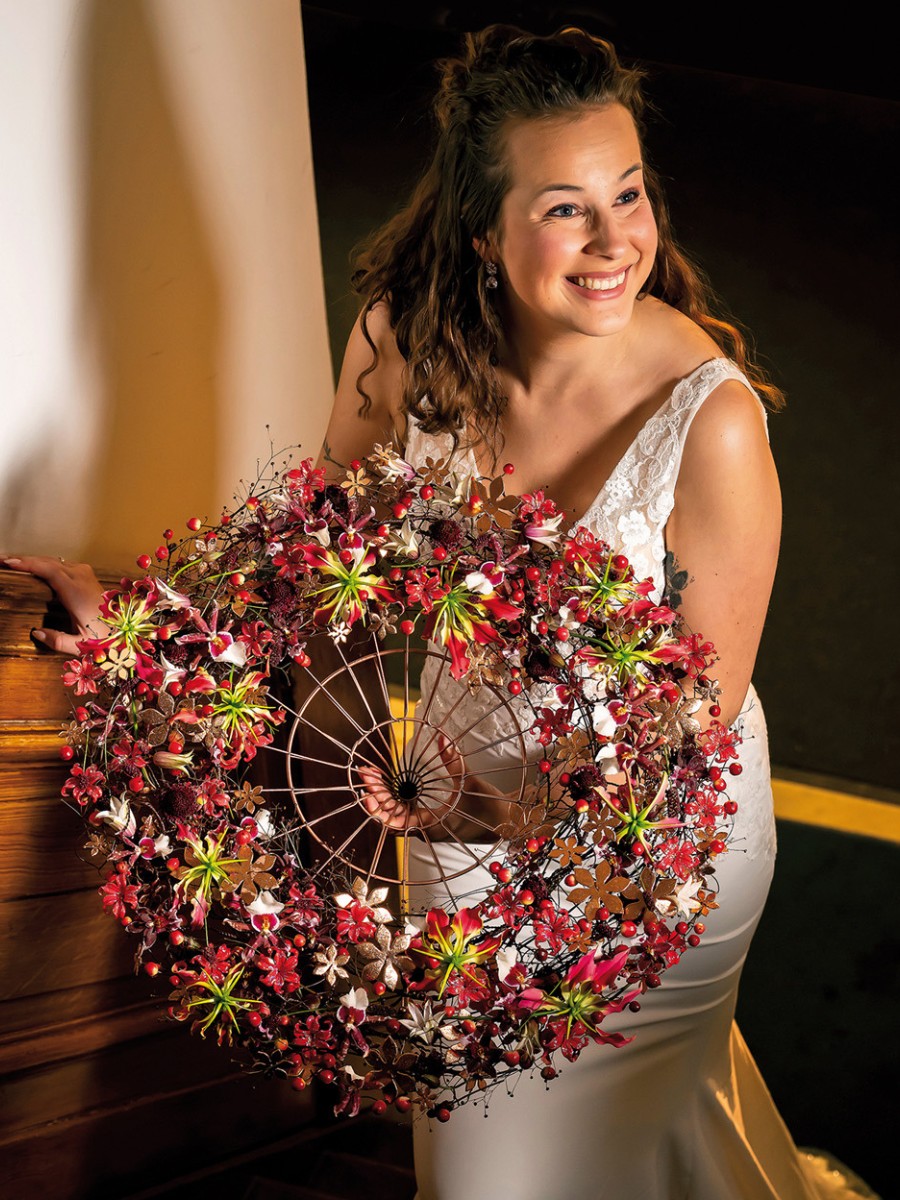
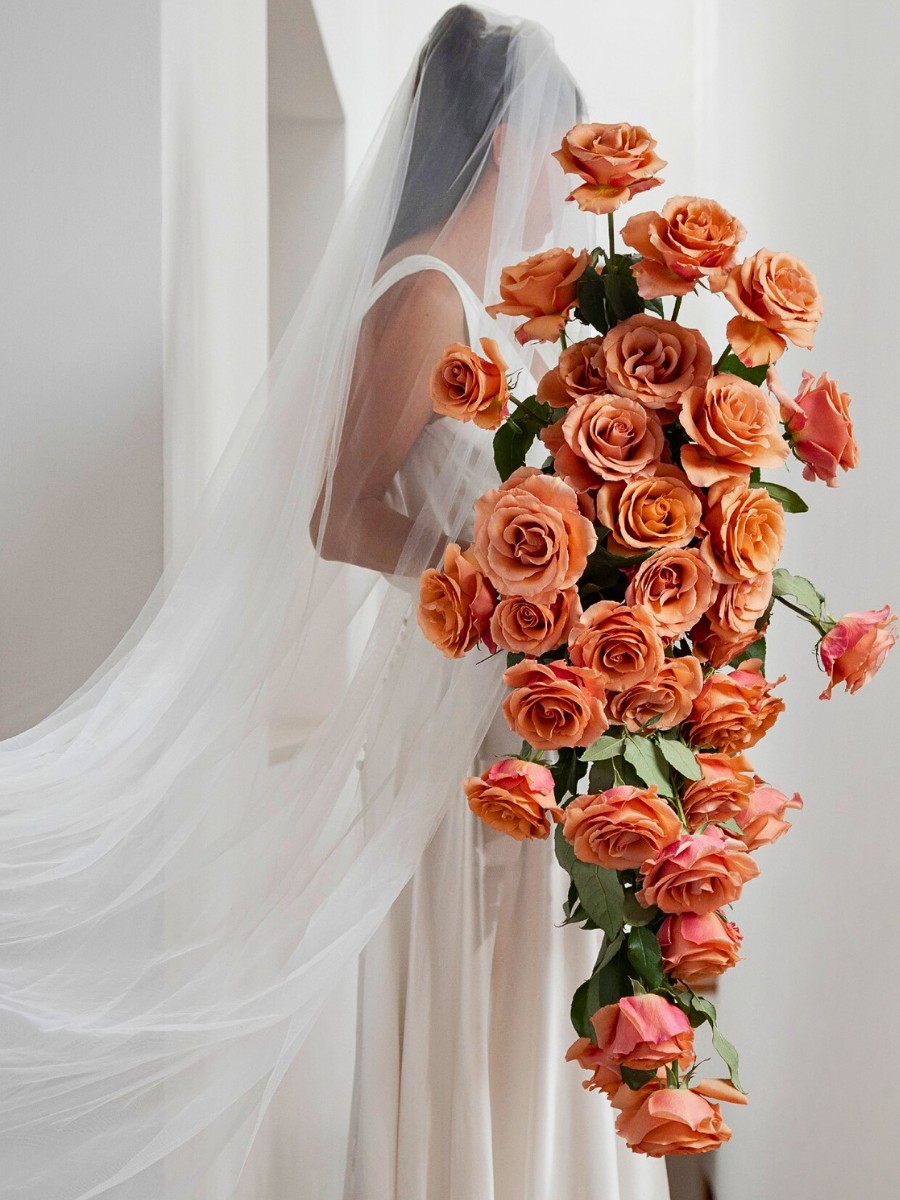
These long-stemmed arrangements rest in the crook of your arm instead of being held by hand, inspired by the large arrangements given to beauty pageant winners when they are crowned onstage. The stems remain visible and long, often wrapped only at the base, creating an elegant, elongated silhouette.
This style works best with architectural flowers like calla lilies, long-stemmed roses, or gladiolus that show off their natural form. Fashion-forward weddings, tall brides, and contemporary styles work well with this approach.
Oversized Bouquet
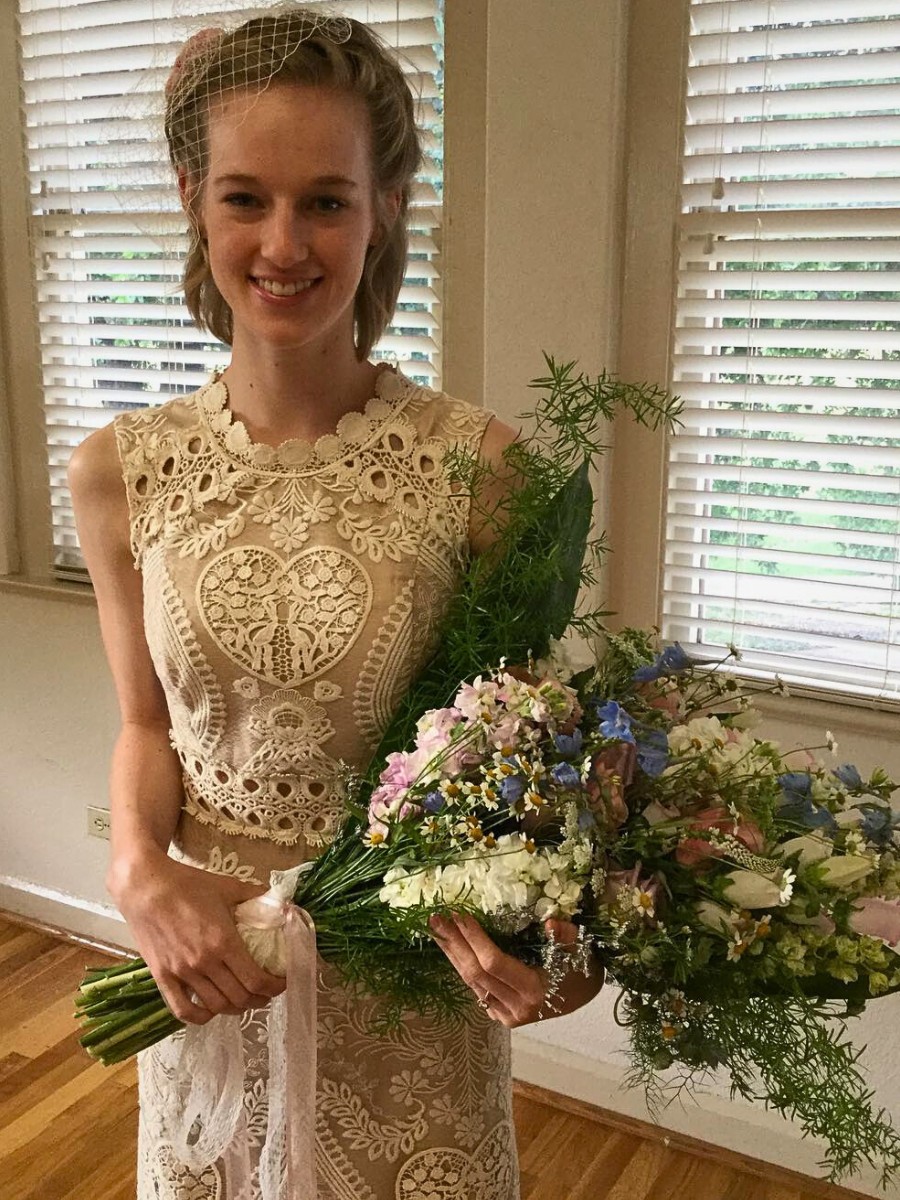
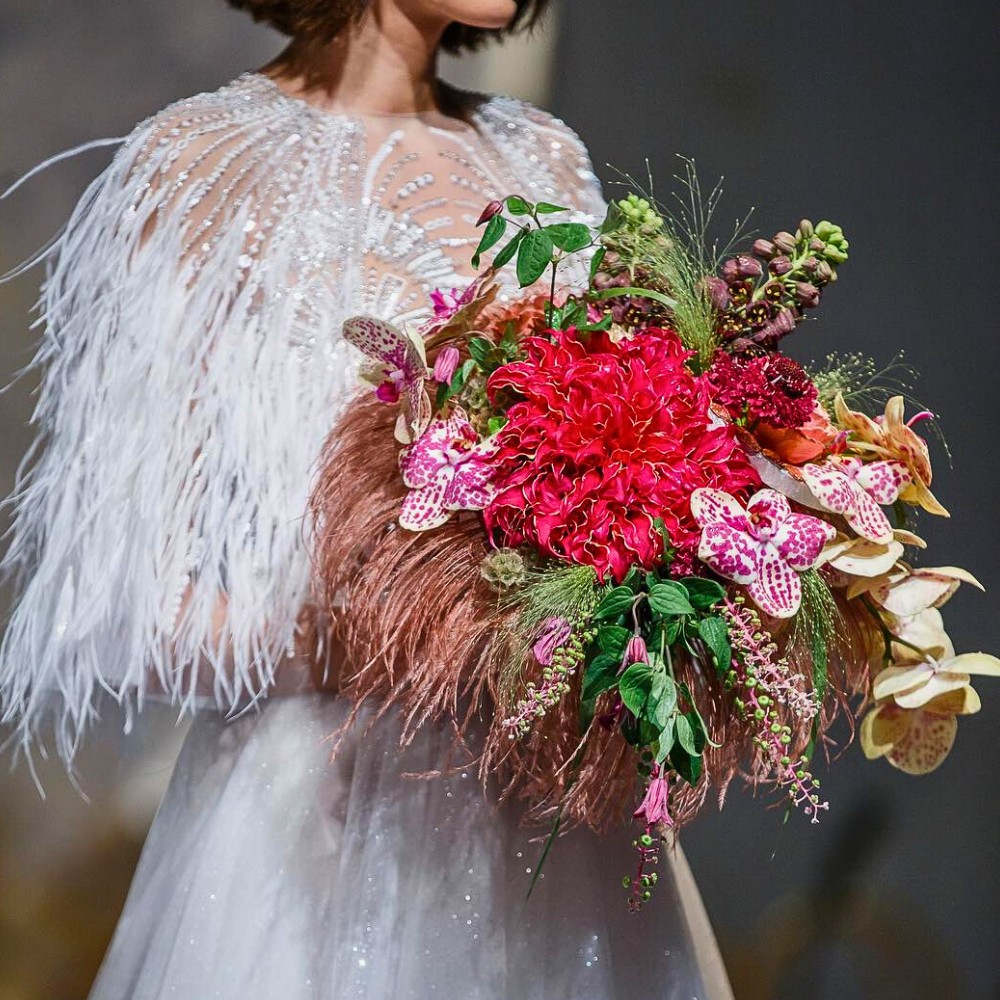
Go big or go home with these statement-making arrangements that extend well beyond normal proportions. Expect diameters of 14 inches or more, creating a dramatic visual impact. They often incorporate unexpected elements like branches, dried grasses, or trailing greenery that add wild, natural beauty.
The key is balance. You want impressive, not overwhelming, so the bouquet enhances your appearance, without dominating it. Tall brides, outdoor weddings, and maximalist aesthetics all work well with these generous arrangements.
Biedermeier Bouquet
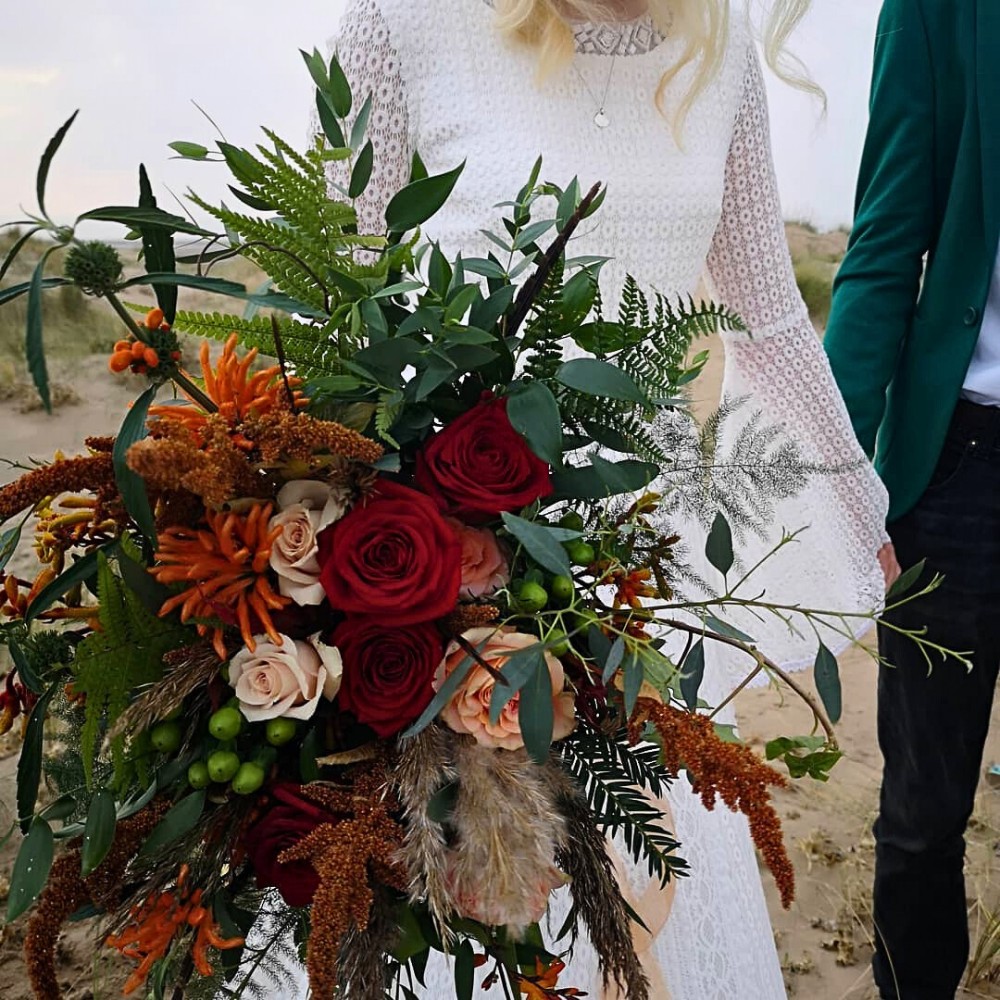
This European style features concentric rings of different flowers or colors, creating a striped effect that is structured and playful. Each variety gets clustered together instead of being mixed throughout, resulting in a design that looks like a bulls-eye when viewed from above.
Though less common in American weddings, this bouquet type makes a stunning choice for brides wanting something unique that stands out from typical arrangements. Garden weddings, brides who love structure and colorful palettes all find perfect expression in this distinctive style.
Composite (Glamelia) Bouquet
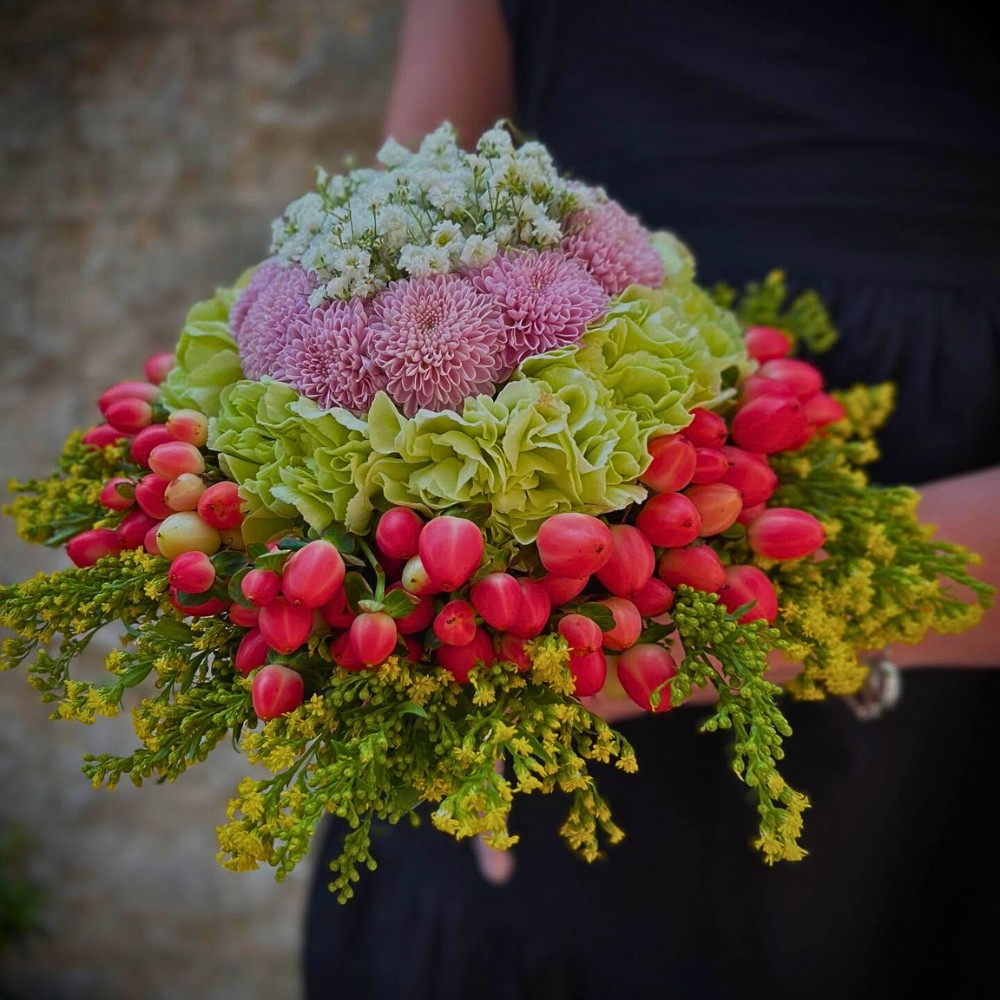
A glamelia bouquet is perhaps the most unique option available. These arrangements use petals from different flowers to create one enormous bouquet. Florists wire or glue petals together, forming what looks like a single giant flower that defies normal botanical proportions.
This bouquet usually takes significant skill and time to create, often requiring hours of patient work. But the result is unforgettably artistic, perfect for luxury weddings and brides seeking a unique touch that guests will remember and discuss.
What Are the Different Types of Bridal Bouquets?
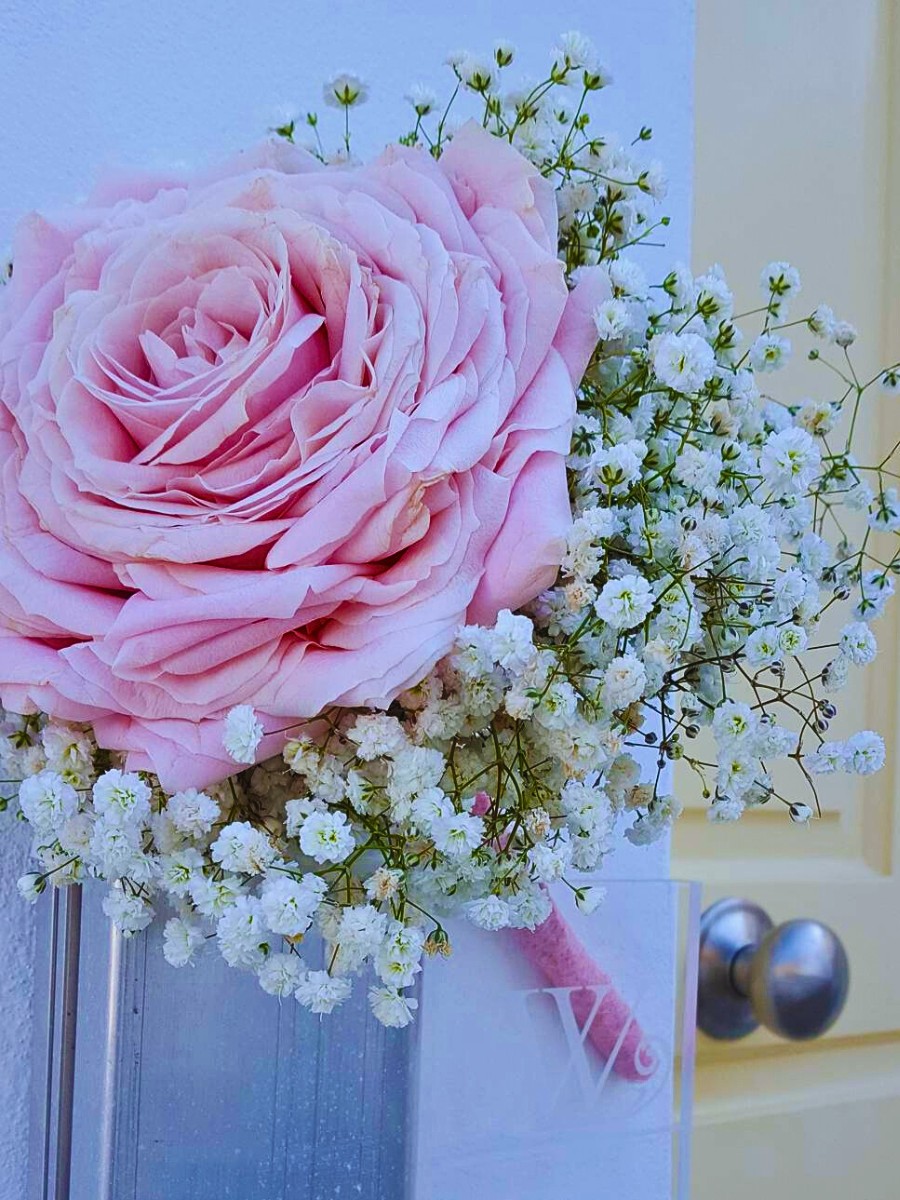
While all wedding bouquets could be considered bridal bouquets, certain styles particularly suit the main event and the spotlight moment when all eyes focus on the bride.
Classic White and Cream
All-white or cream bouquets never go out of style, offering beauty beyond trends. They photograph beautifully and complement any dress color, from pure white to champagne to blush. Popular choices include white roses, ranunculus, peonies, and tulips.
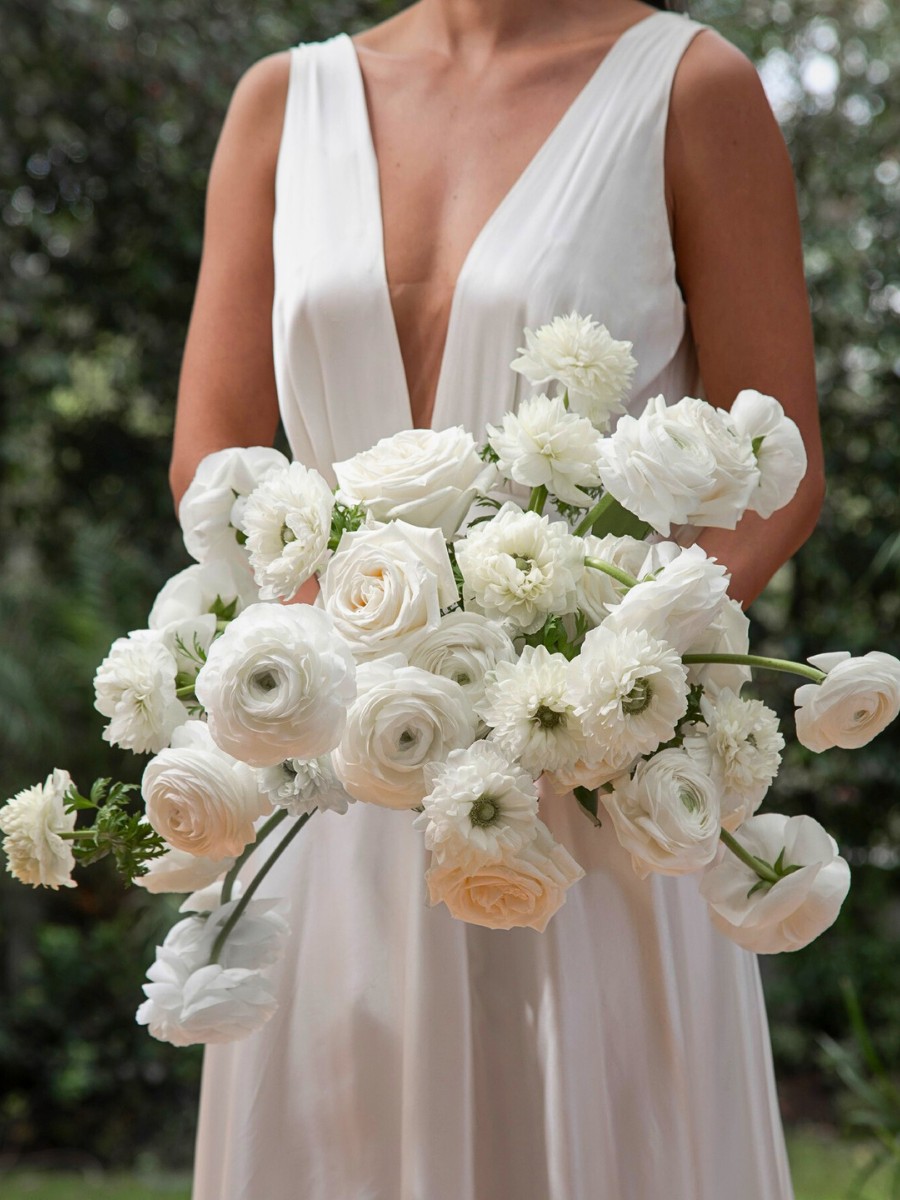
Adding variety through different flowers prevents the arrangement from feeling flat or one-dimensional. This monochromatic approach lets the architectural beauty of each flower shine while creating cohesive results.
Romantic Pastels
Soft pinks, lavenders, and peaches create dreamy, romantic arrangements that feel gentle and approachable. These colors work particularly well for spring and summer weddings when nature celebrates in pastel hues.
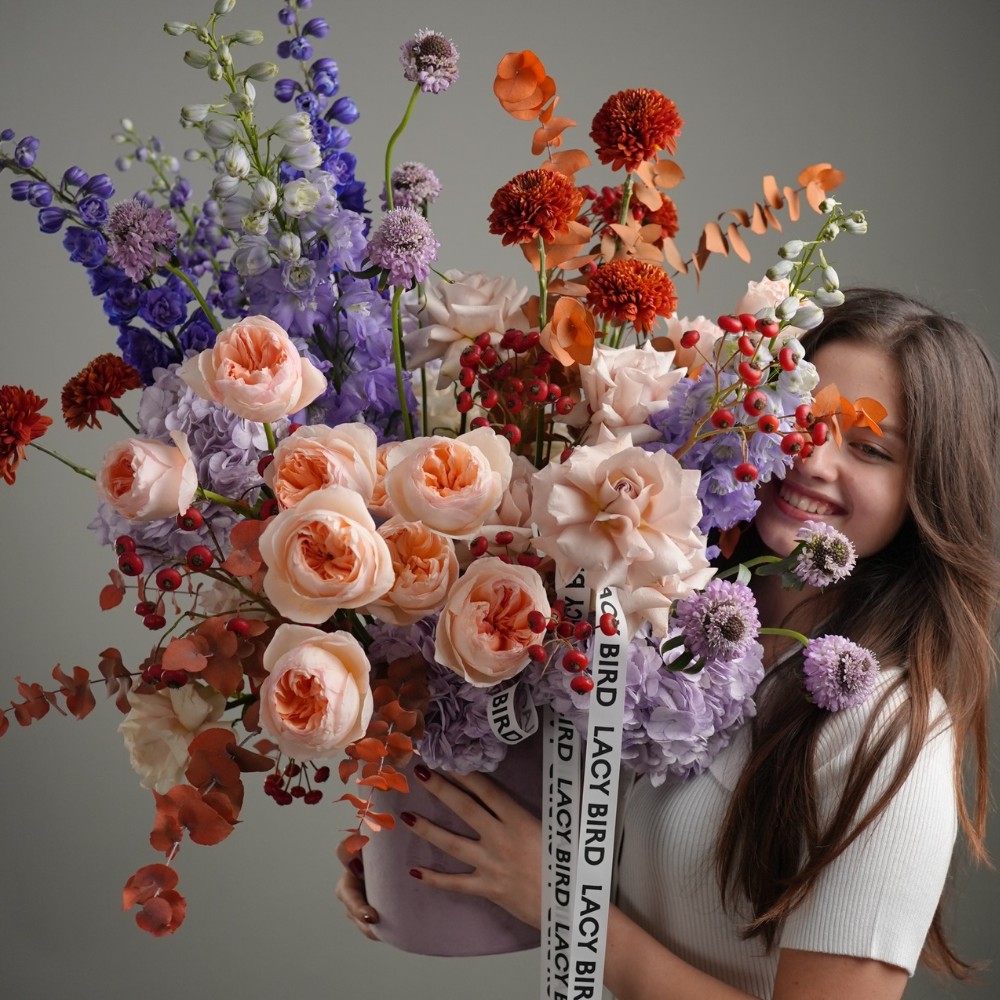
Combining garden roses, sweet peas, and Astilbe creates a perfect impact with layers of delicate color that blend beautifully together. Think of watercolor paintings translated into floral form, where colors effortlessly melt into each other.
Bold and Beautifully Colorful
Don't shy away from color when your personality calls for it. Deep burgundies, rich oranges, and jewel tones make powerful statements. Fall weddings particularly work well with these rich palettes that echo changing leaves and harvest abundance.
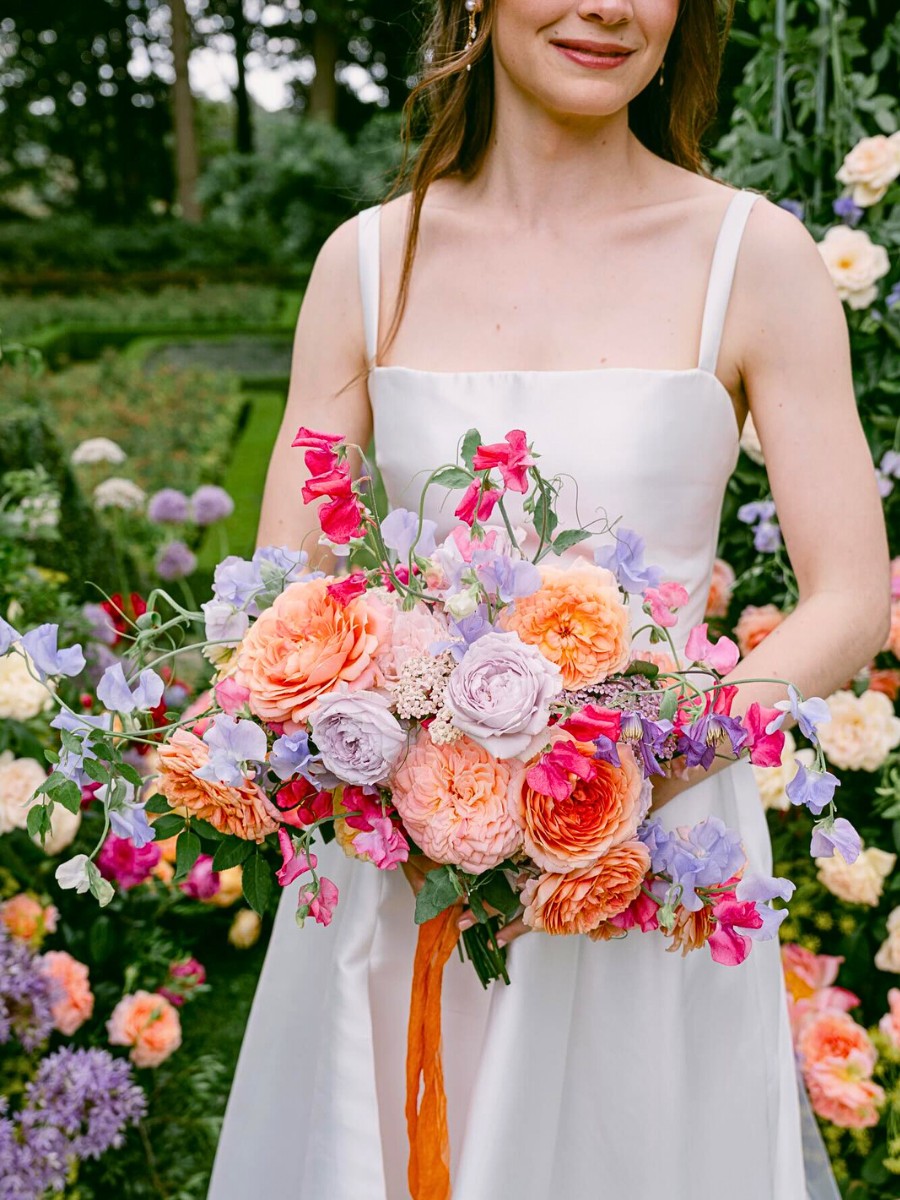
Consider Dahlias, roses, and ranunculus in unique colors like deep purple, burnt orange, or ruby red. These arrangements announce confidence and celebrate individuality.
Greenery-Forward
Sometimes less is more when it comes to flowers. Bouquets featuring mostly foliage with just a few flowers feel fresh and modern, celebrating the beauty of leaves, branches, and natural forms. Eucalyptus, Olive branches, and ferns create beautiful texture without the fussiness of heavily flowered designs.
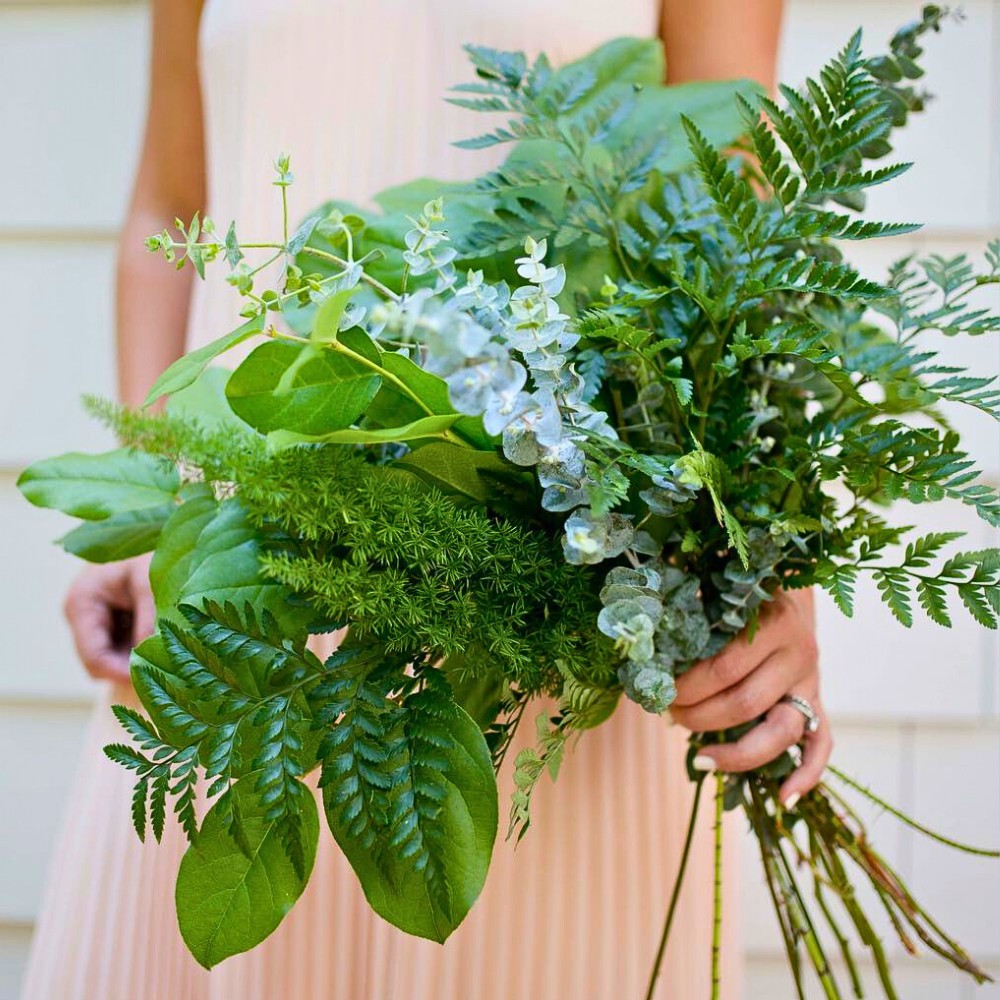
Adding white or cream flowers as strategic accents provides focal points that do not overwhelm the green aesthetic. This approach works beautifully for outdoor, rustic, or minimalist weddings.
Wildflower Style
These bouquets celebrate nature's beautiful chaos and imperfection. Mixing cultivated flowers with actual wildflowers like Queen Anne's lace (Daucus carota), yarrow, and cosmos creates arrangements that feel freshly picked from meadows.
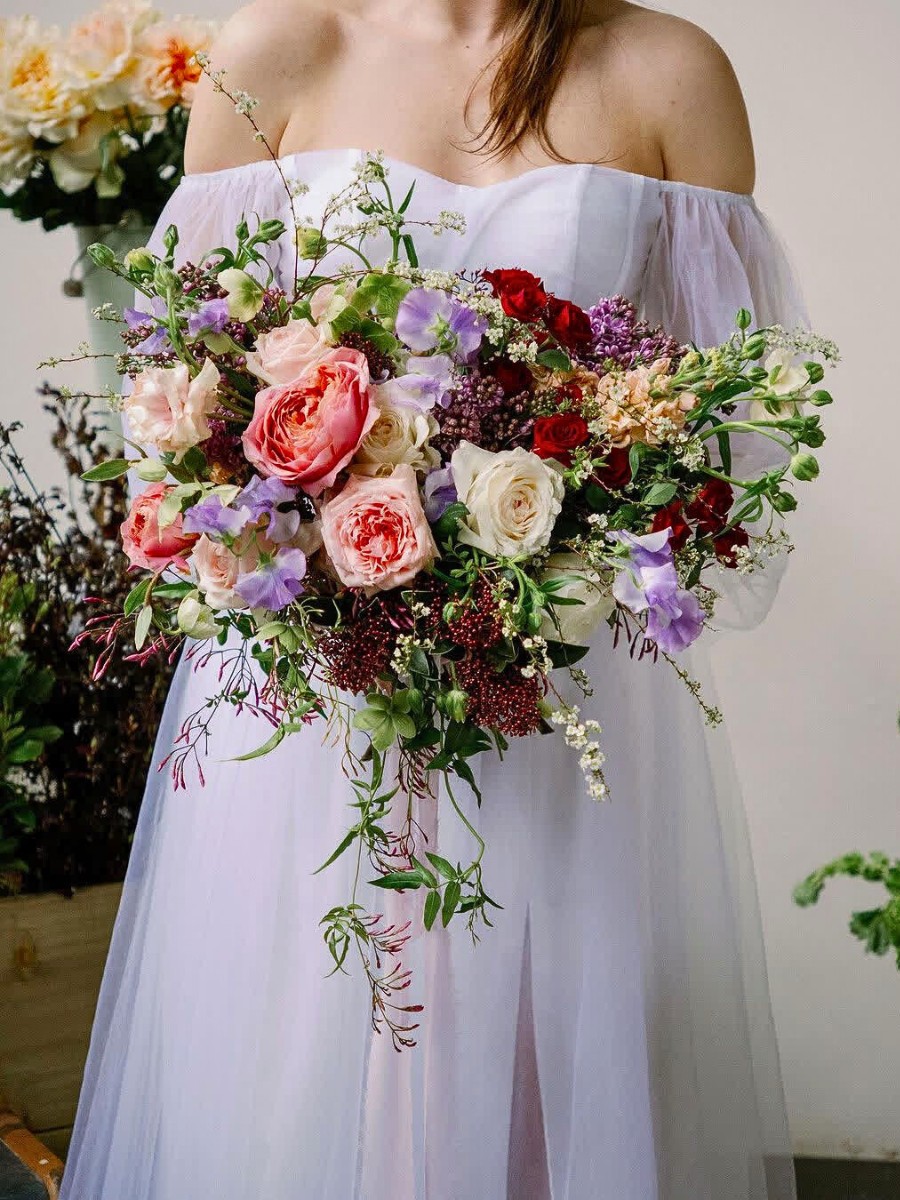
The loose, unstructured style feels perfectly imperfect, embracing asymmetry and natural growth patterns. This works wonderfully for bohemian weddings, outdoor celebrations, and brides who want an organic and unconstrained look and feel.
How to Make (A Few) Different Types of Bouquets
Creating your own bouquet adds personal meaning and saves money. For a simple round bouquet, an easy tip involves gathering roughly 15 to 20 stems, floral tape, ribbon, and scissors. Strip leaves from stems, hold your focal flower, and add others one at a time while rotating. Keep stems parallel at the same height, wrap with floral tape six inches below flower heads, trim to equal length, and finish with ribbon.
Hand-tied garden style requires varying stem lengths for organic shapes. Build loosely in your hand, crossing stems at different angles. Let some extend higher or lower for natural variation. Insert greenery throughout, not just around edges. Tie with a ribbon, leaving long tails hanging loose.
For hoop bouquets, attach flower clusters to a metal or wooden hoop using floral wire. Work section by section around the circle, overlapping slightly for fullness. This creates a modern, Instagram-worthy look perfect for contemporary weddings. Different types of bouquets follow equally simple approaches.
How to Make Different Types of Chocolate Bouquets
Chocolate bouquets make wonderful Valentine's Day gifts for those who prefer edible treats. For a classic chocolate bar bouquet, secure in a decorative container, attaching several chocolate bars to wooden skewers using hot glue, varying heights, and insert into foam. Fill gaps with tissue paper and add a bow.
Create chocolate kiss flower bouquets by arranging a few Hershey's Kisses in a triangle formation on skewers, wrapping with cellophane, and adding green tape for stems. Cookie bouquets work wonderfully too: bake cookies on sticks, decorate for your occasion, and arrange in a foam-filled container with varied heights.
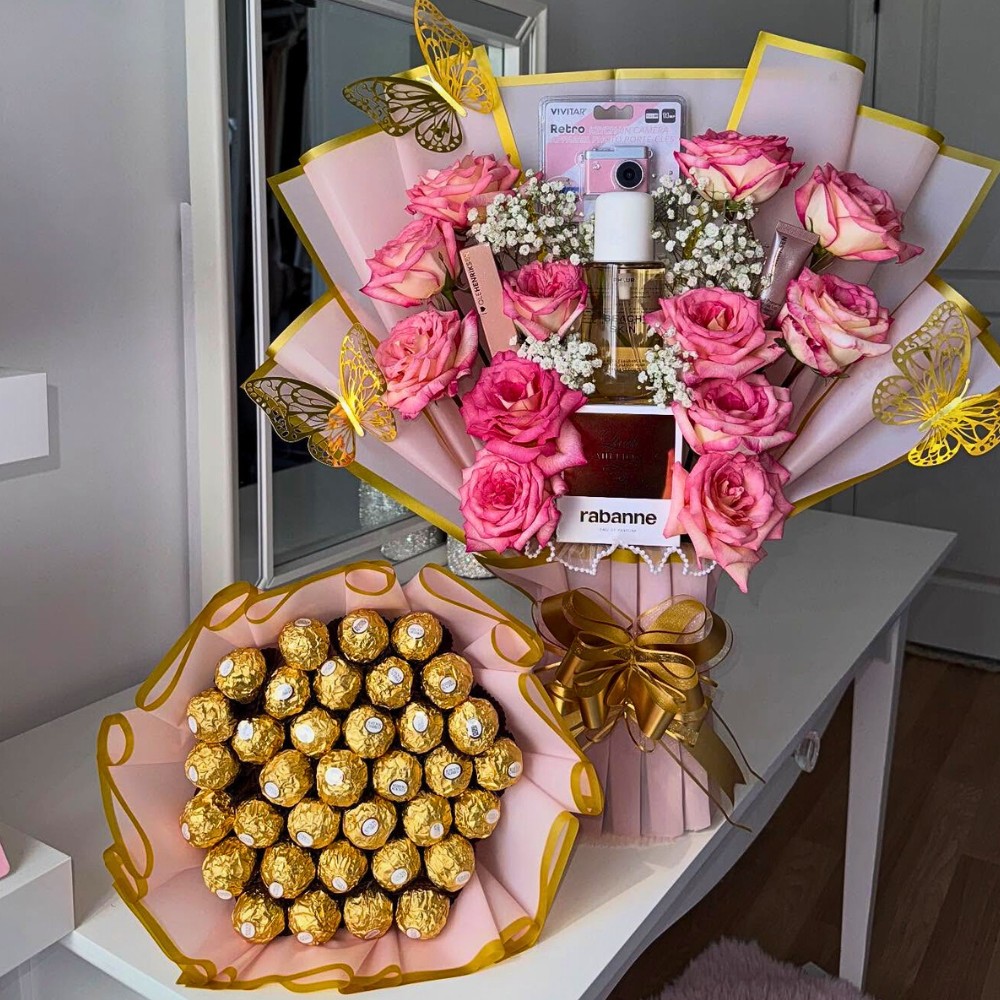
For special occasions like Valentine's Day or anniversaries, create up-scaled versions using high-quality truffles in decorative wrappers. Attach these carefully to food-safe picks designed for confections. Arrange in a decorative box with a base that holds picks securely. Add gold or silver ribbon accents for elegance and present the arrangement in a clear cellophane wrap with a beautiful bow. This creates a luxurious gift that shows thoughtfulness.
Bouquet Care Tips
Proper care ensures bouquets look fresh and beautiful when it matters most. Before the event, keep the flower stems in water at all times, as even an hour out of water can shorten flower life. Store them in a cool location that is not cold, as refrigerators can damage some flower varieties.
Avoid direct sunlight that wilts petals and fades colors. Recut their stems the morning of your event at an angle for better water absorption. Mist lightly if flowers look dry, but don't soak petals as this can cause spotting. During the event, designate someone specific to hold your bouquet during the ceremony when you need your hands free for the ring exchange and other moments.
Keep the arrangements out of extreme heat that will wilt flowers quickly. Never leave bouquets in cars parked in the sun, even briefly. Have a backup water source nearby for quick refreshment if needed. Also, consider attaching a bouquet charm with a water tube for long events.
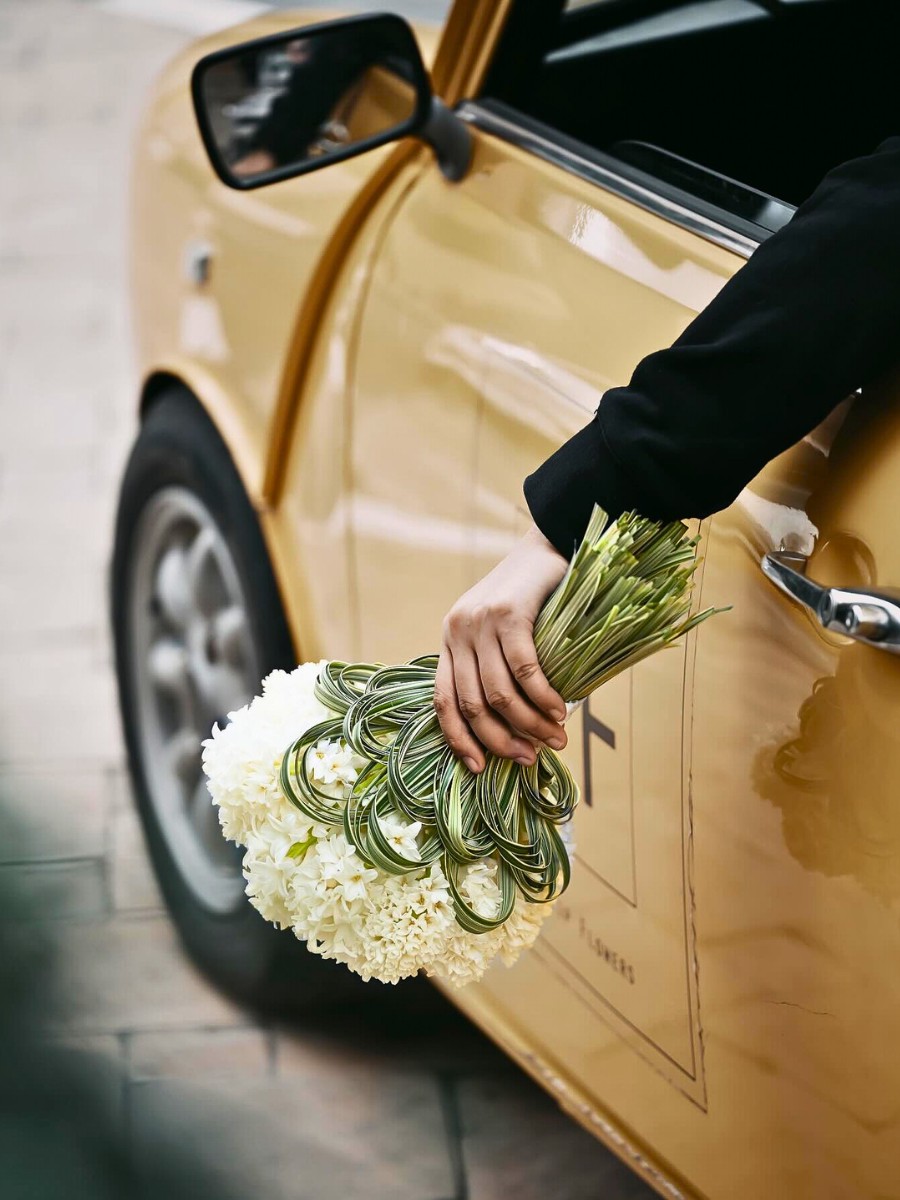
With all these in mind, you’ll definitely have the perfect (suitable) bouquet for your event, regardless of whichever it is.
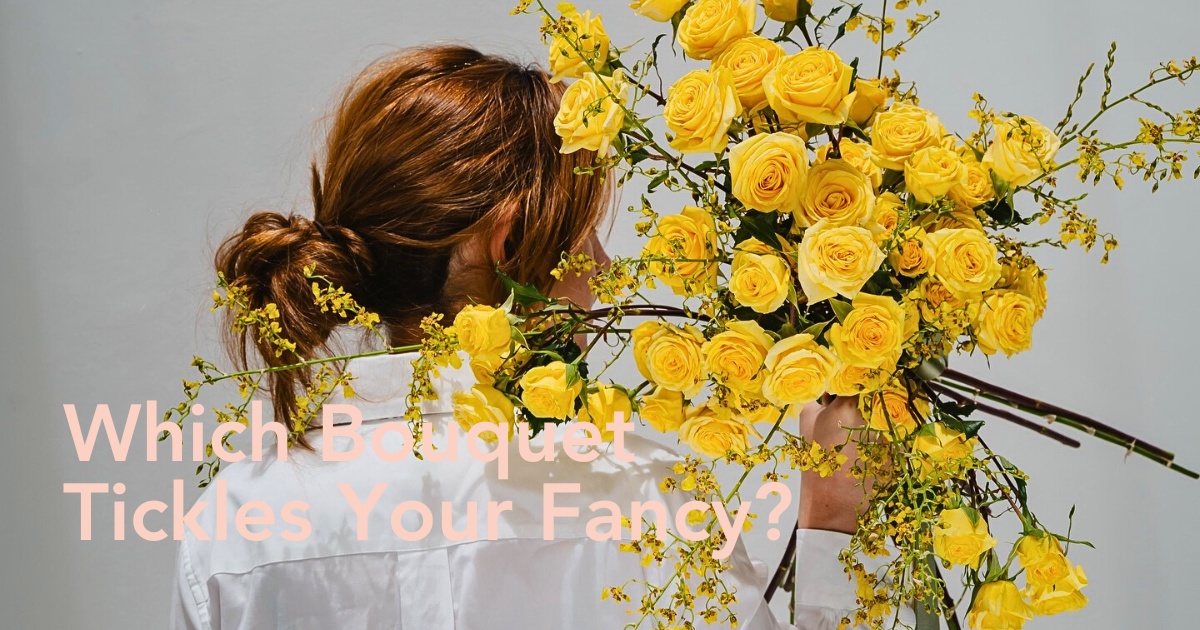
Feature image by @marginpar. Header image by @flowerexperience.