

Florist shops and event-design studios face a display-table decision that often arrives at fit-out time or during a refurbishment cycle. Workbench height, water resistance, surface scale, and the daily-use durability of the table together shape both the floor experience and the back-of-house workflow. The choice of maker shapes how the shop or studio operates across years of bouquet preparation, retail display, and event build.
Florists across North America and beyond increasingly look for makers that pair design intent with daily-use durability. Brands like Parkman Woodworks show the depth florist operators should consider, with custom solid-wood and metal tables, workbenches, and merchandising surfaces handcrafted in Los Angeles from locally sourced sustainable materials. A custom florist-furniture commission coordinates design, build, finish system, and delivery rather than treating each as a separate decision. The decision rewards a few hours of structured preparation before placing a commission.
Where Do Display Tables Shape the Florist Operation?
Display tables operate in three distinct zones of a modern florist shop or design studio. The first is the front retail zone. Customer-facing display tables anchor the shop's visual signature and influence how customers move through the space.
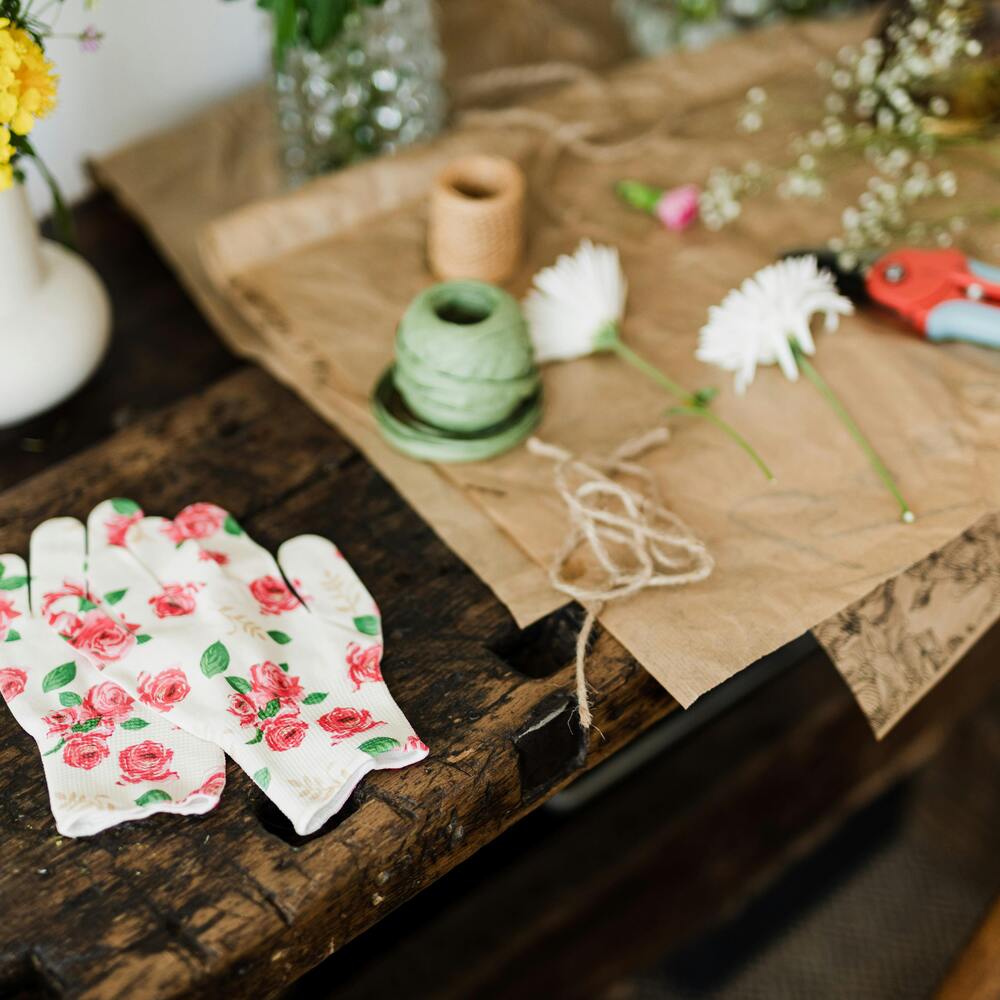
The second is the workbench zone. Behind-counter or studio workbenches handle daily bouquet prep, conditioning, and arrangement. The third is the event-build zone for studios that handle weddings, corporate installations, or photo shoot floral work. Each zone places different demands on surface size, height, water resistance, and finish system.
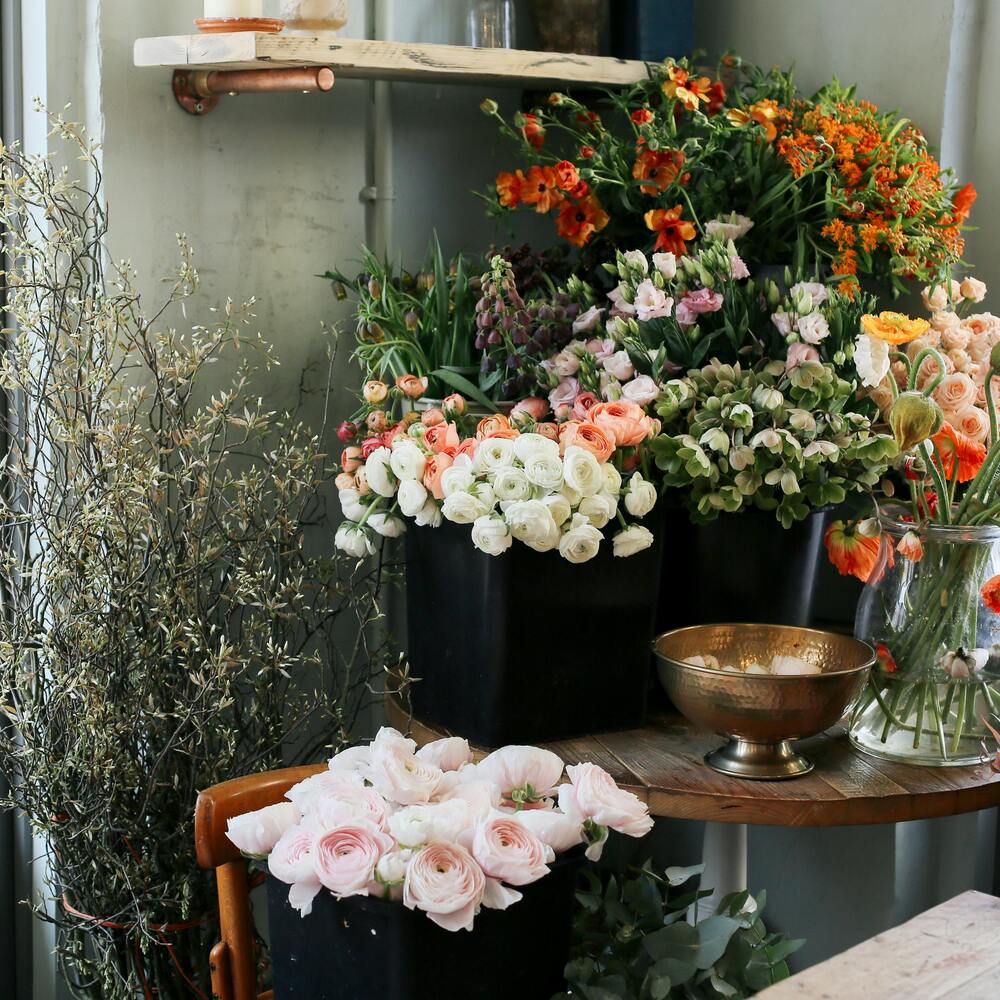
The same considered thinking visible in coverage of types of monstera translates to the surface-and-display decision. The right tables let the flowers and plants do the visual work.
What Should Florist Operators Verify Before Commissioning a Table?
Six checks belong on every shortlist. The table below summarises what florist operators should weigh before commitment.
|
Check |
Why It Matters |
What to Confirm |
|
Water-resistance finish |
Daily flower prep |
Sealed, oil-finished, or polyurethane top |
|
Surface scale |
Retail and build needs |
Dimensions match shop and event work |
|
Workbench height |
Operator ergonomics |
90 to 95 cm (35 to 37 inches) for prep |
|
Joinery and frame |
Daily-use durability |
Mortise-and-tenon or steel-framed base |
|
Finish maintenance |
Long-run repairability |
Refinish protocol documented from maker |
|
Delivery and install |
Cross-city or cross-country logistics |
White-glove delivery offered |
A maker that produces clear answers across these six points signals a partner worth retaining. A maker that deflects on any of them signals a setup that may not match a florist's daily-use requirements. The Society of American Florists' member resources hub outlines the foundational framework florist operators should reference.
Which Florist Categories Reward Specialist Counsel Most?
Three florist categories reward maker depth more than the others:
Boutique retail florists where customer-facing display tables anchor the shop's visual identity and influence dwell time
Event-design studios building large installations that need both back-of-house workbench scale and on-site portable surfaces
Studio-and-retail hybrid operators balancing daily walk-in retail with subscription-and-event production from the same footprint
The US Small Business Administration's resource library for small retailers outlines the broader operational framework florist operators reference. The first conversation with a maker like Parkman Woodworks typically runs 30 to 60 minutes covering shop layout, dimension requirements, and finish system.
What Common Errors Surface in Florist Furniture Sourcing?
Several patterns recur. The first is selecting on aesthetic alone. The most beautiful table in a catalogue may fail the daily water-resistance test or operate at the wrong height for daily bouquet prep.
The second is treating the workbench and retail-display surfaces as identical. Workbench surfaces face heavier water exposure and benefit from different finish chemistry than customer-facing display tables.
The third is overlooking the refinish pathway. A florist surface that sees daily water exposure typically needs a light refinish every 2 to 4 years. A maker that does not document the refinish protocol leaves the operator guessing.
The fourth is forgetting the installation logistics. A heavy, solid-wood-and-metal workbench may not fit the shop's loading-bay access without disassembly. Coverage of floral nail art inspiration shows how the florist aesthetic carries across many surfaces.
The same attention to detail benefits the furniture decision. The fifth is signing without confirming the warranty and post-install support window.

What Is the Bottom Line for Florist Operators?
The display-table decision rewards florist operators who plan rather than improvise. The window for thoughtful preparation typically runs from the fit-out design phase through to the commissioning conversation. The right maker coordinates the design, the surface dimensions, the finish system, the build, and the white-glove delivery rather than treating each as a separate engagement.
Whether the shop sits in a major US metro or a regional town with a strong local floral scene, the criteria translate cleanly. A Los Angeles neighbourhood close to a maker like Parkman Woodworks also works. The first maker conversation should answer specific questions about timeline, dimensions, and finish chemistry. Florist operators who run real comparison processes early end up with cleaner long-run outcomes than operators who default to whichever supplier was first recommended.
Pre-engagement preparation pays back across the operation's daily work. Annual visual inspections keep finish wear under management. The first conversation usually carries no fee or a modest design-engagement charge.
Custom solid-wood and metal tables typically cost a premium relative to stock retail-display fixtures. The premium typically returns through longer service life and better daily-use performance. The disciplined-design instinct that shapes great floral work translates directly to the maker-selection question.
The same care visible in coverage of pretty-in-pink houseplants that add a pop of colour extends naturally to the surfaces those plants sit on inside a florist's shop.