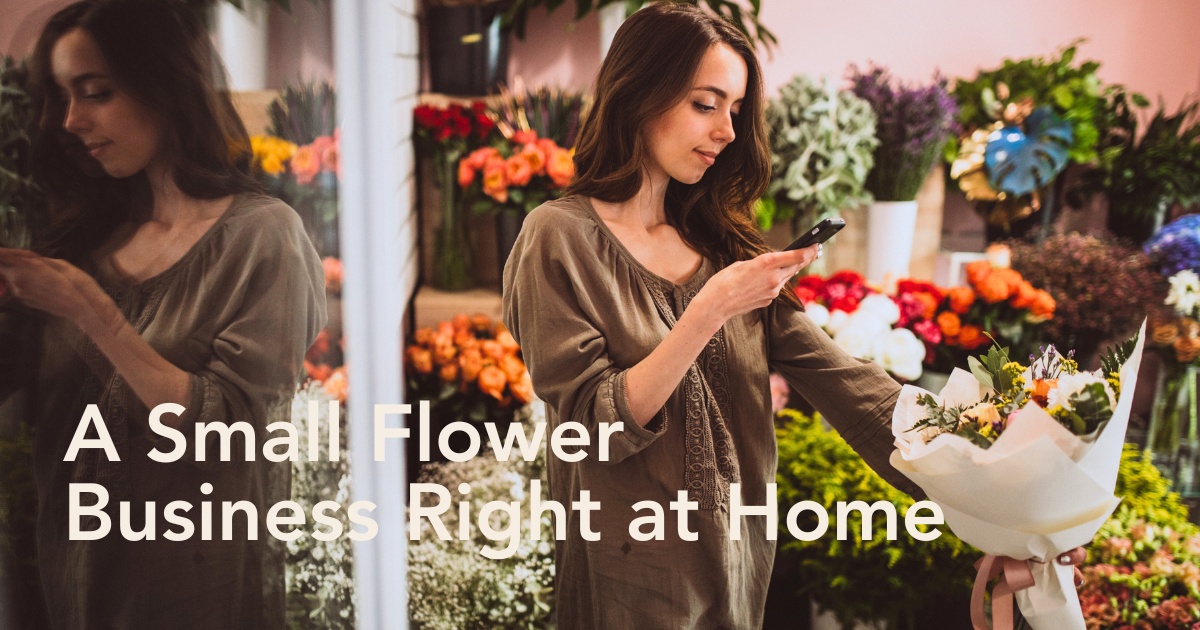
Starting a flower business from home might seem daunting, but it is one of the most beautiful paths one can take. It combines creativity, community, and commerce, making it unique and rewarding, distinct from several other ventures.
And the good news is that you do not need an extravagant storefront, a massive budget, or years of formal training to get started. What you do need is a clear plan, a love for flowers, and the willingness to learn as you grow. Here is how to easily do it, step by step.
1. Define Your Niche and Know Your Market
Before you buy a single flower, you need to decide what kind of floral business you want to run. Are you drawn to wedding floristry, sympathy arrangements, weekly subscription boxes, or corporate orders? Each of these serves a different customer base. So, your home setup, pricing, and sourcing strategy will look different depending on your answer.
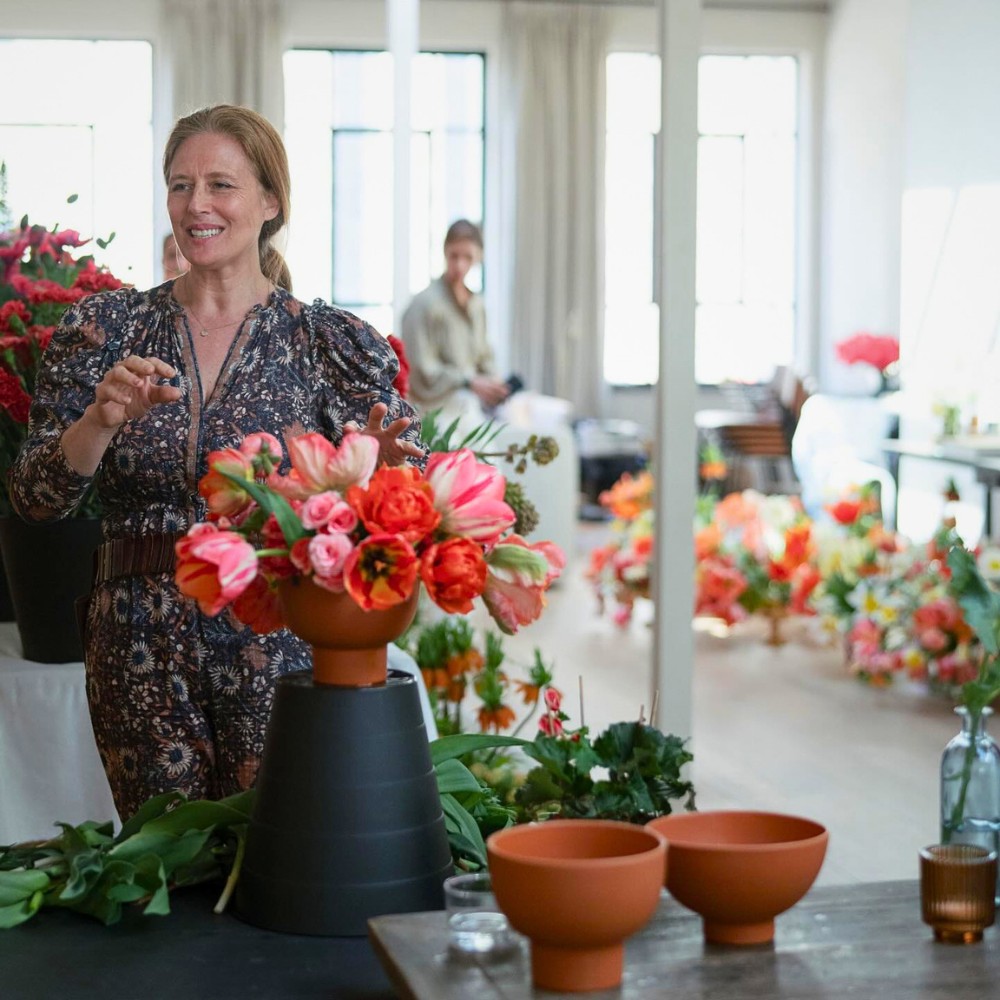
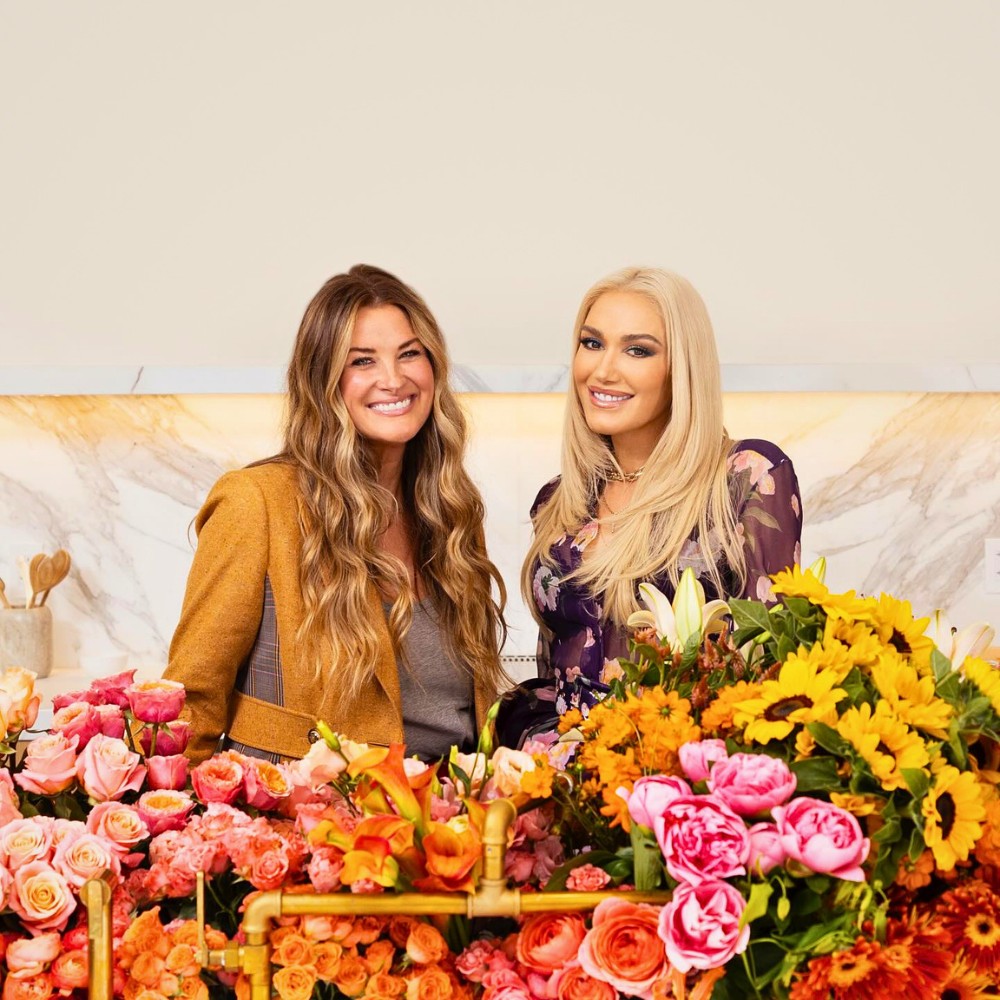
Take, for instance, Ariella Chezar, the California-based floral designer who built her reputation around loose, garden-inspired arrangements long before that aesthetic became mainstream. She identified her niche early, focused on it with discipline, and became one of the most respected names in American floristry.
Farmgirl Flowers also started simple in a San Francisco apartment. Founder Christina Stembel built it around simple, wrapped-in-burlap bouquets sourced from local farms. The concept was humble, showing how clarity and consistency can grow into a household floral name.
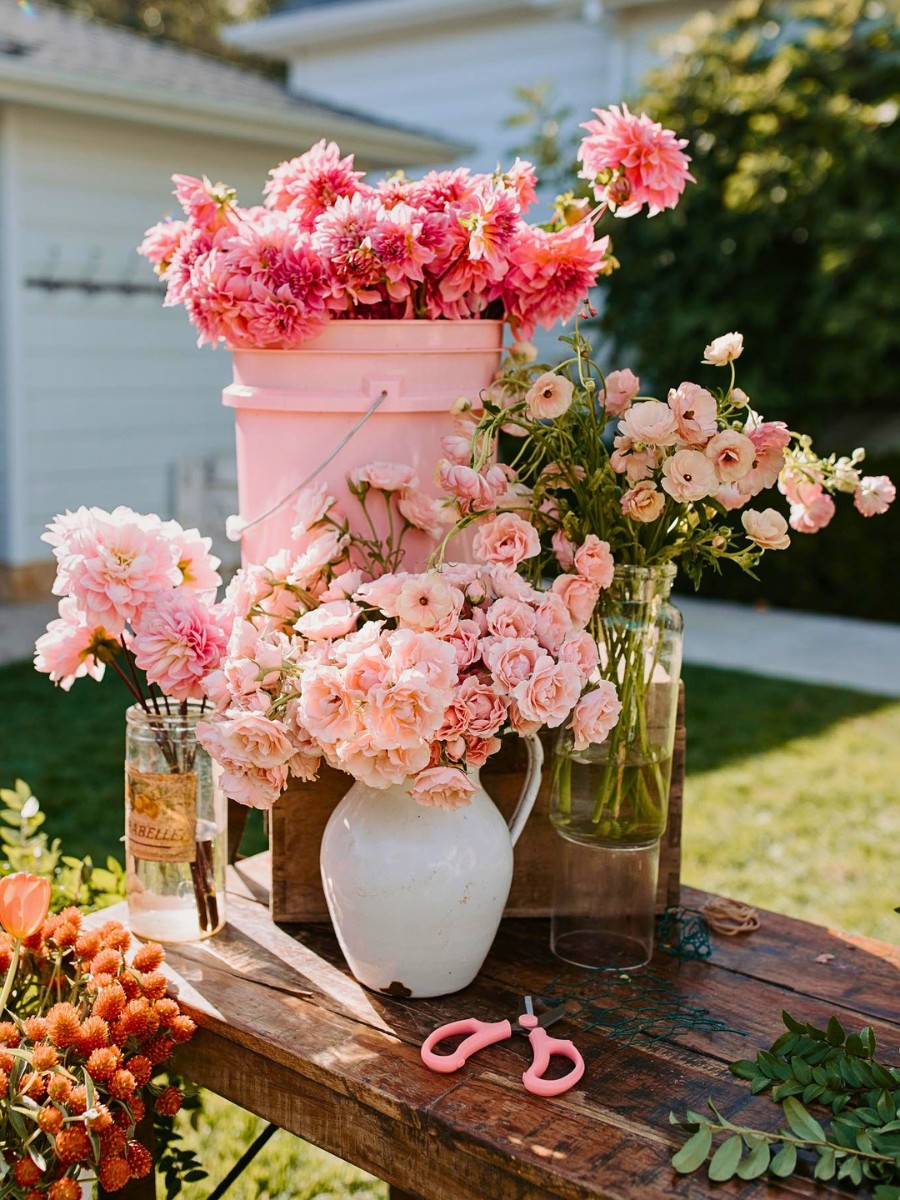
So, start by identifying what makes your designs special. Maybe it’s your choice of seasonal stems or your dedication to natural materials. Sketch out a few sample arrangements, name them, and use these as models for your future catalog or online store. Research your local market, too. Check what other florists in your area offer, look at pricing on platforms, and talk to potential customers.
Understanding the gap between what is available and what people want is where your opportunity is. You do not need to become Ariella Chezar or Christina Stembel overnight, but their approaches offer useful lessons in that specificity builds identity, and identity builds a loyal following.
2. Sort Out the Legal and Financial Basics
This is the part many creative people dread, but skipping it creates problems later. Running a home-based flower business is still a business, which means you need to handle the paperwork. Register your business with your local or state authority.
In the United States, this typically means registering as a sole proprietor or LLC, obtaining a business license, and checking whether your municipality allows home-based commercial activity. In the Netherlands and much of the EU, you register with the Kamer van Koophandel (KVK). Requirements vary by country and region, so always verify locally.
Also, open a separate business bank account, even if you are just starting. Track every expense from day one, including flower purchases, packaging, tools, and mileage to the market. This discipline saves enormous headaches at tax time, and it gives you a clear picture of whether you are actually making money.
3. Set Up Your Home Workspace and Source Your Flowers
A dedicated, organized workspace is non-negotiable. You need a cool, clean area to store flowers, a sturdy worktable, and enough room to work without chaos. A spare room, a garage, or even a well-ventilated basement can work beautifully with the right setup. For sourcing, you have several solid options. Wholesale flower markets, such as the Los Angeles Flower Market or the New Covent Garden Market in London, offer professional-grade stems at competitive prices.
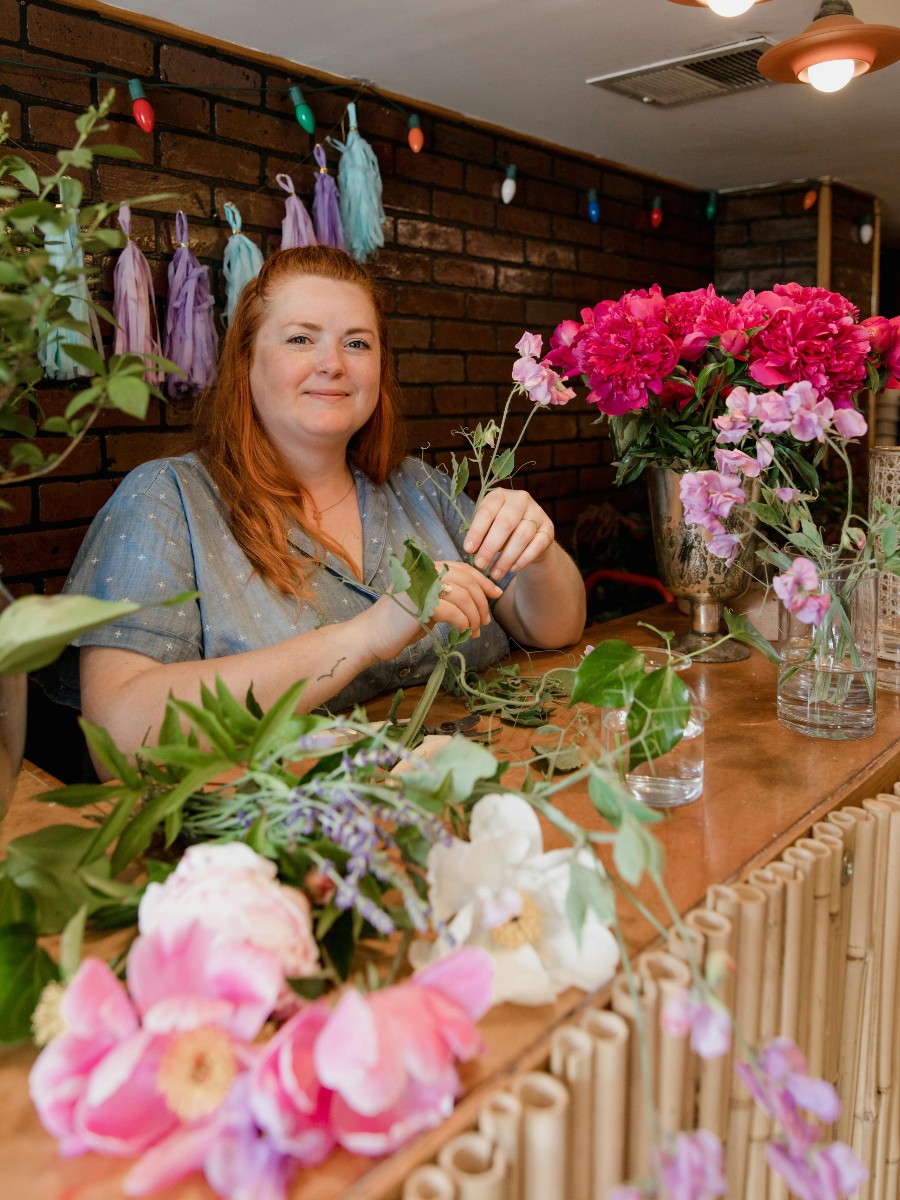
Online wholesale platforms like Mayesh Wholesale or Dutch flower auction sites (accessed via intermediaries) give home-based florists access to an enormous range of flowers year-round. As you grow, you might also explore relationships with local growers, which can reduce costs and add a local, seasonal story to your brand.
Storage is also important. If you’ll store flowers and materials at home, ensure you meet health and safety standards, especially if refrigeration or delivery vans are part of the plan. Keep tools hung or arranged in baskets; fresh materials should stay in clean buckets, changed daily with fresh water and floral food. Cleaning rituals might sound mundane, but they are what keep your flowers looking healthy and your clients happy.
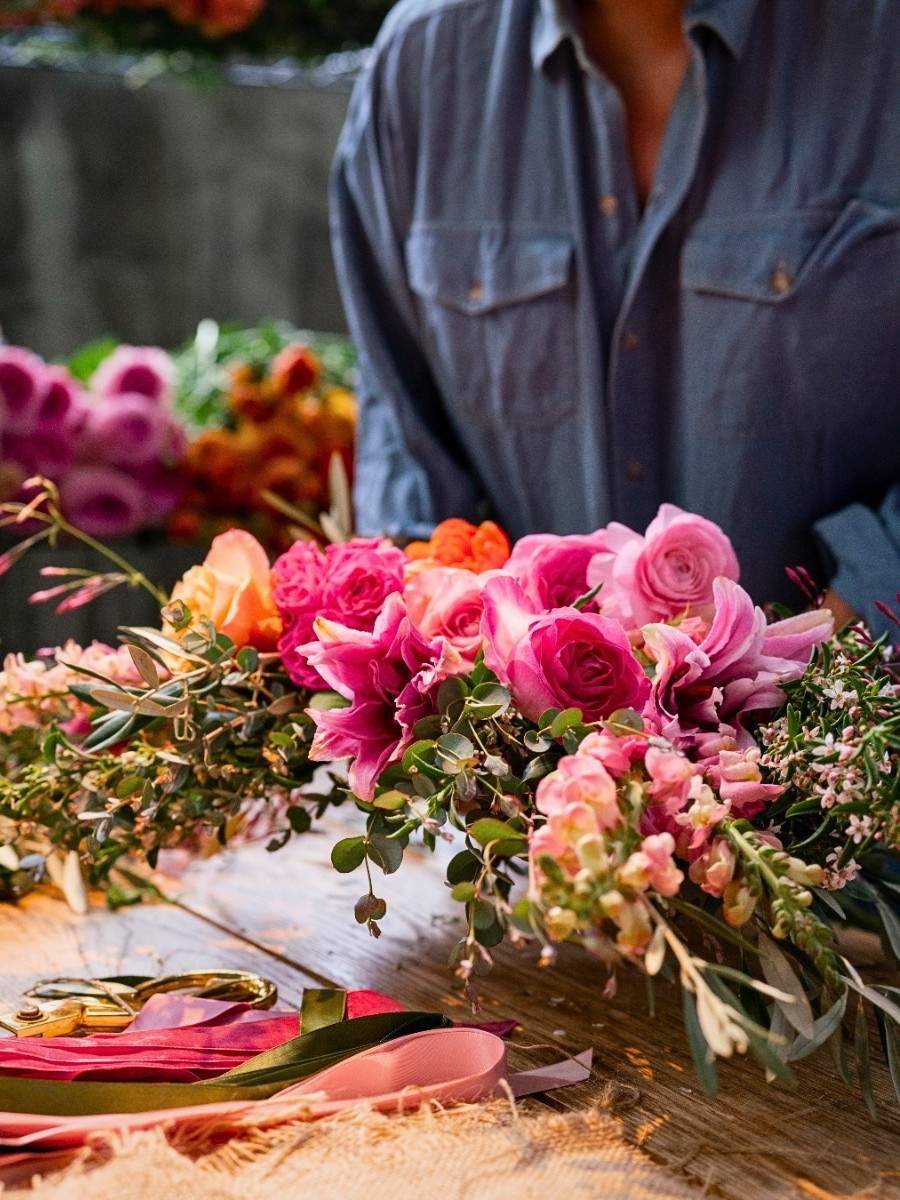
Think sustainability early on, too. You might start composting organic waste or choose biodegradable wrapping instead of plastic sleeves. Simple eco-smart habits can be part of your brand identity. Then invest in proper tools like quality floral scissors, a sharp knife, foam, wire, tape, and good-quality vases or vessels. These basics, well-maintained, will serve you for years.
4. Build Your Brand and Get Online
Your brand is more than a logo. It is the feeling people get when they encounter your work. Think about the name you choose, the colors you use consistently, the way you write captions, and the kinds of images you post.
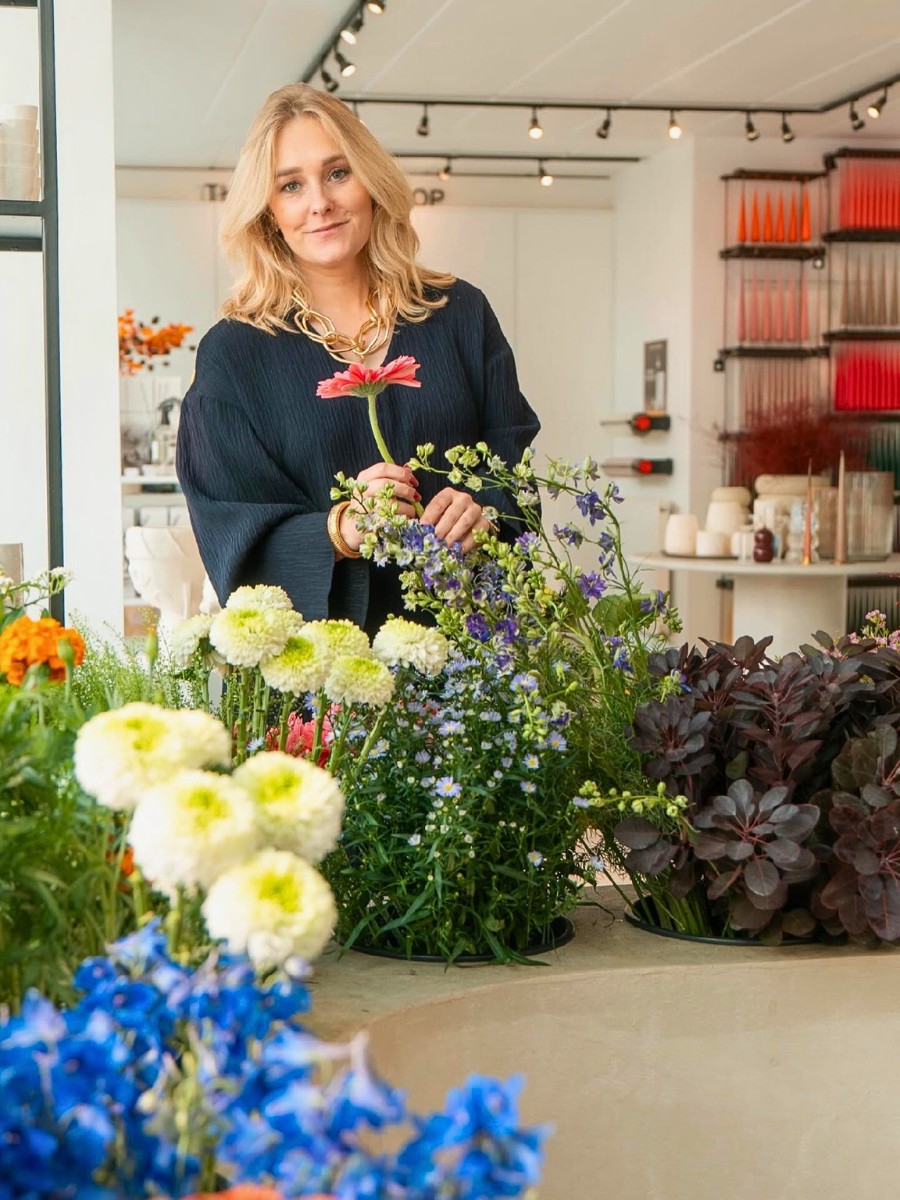
Social media, particularly Instagram, Pinterest, and short-form videos on TikTok, are also engaging audiences. These have been the launchpad for many successful home florists. Sophia Kaplan of Sydney's Tinker & Co. built a strong following through consistent, honest, beautiful imagery of her work, turning an at-home side project into a full-time studio.
You do not need professional photography equipment to start, but you do need good natural light and a considered approach to how you present your flowers online. Set up a simple website with clear pricing, an easy way to place orders, and a contact form.
Platforms like Squarespace, Shopify, or Wix make this approachable even for non-technical people. Once you have an online presence, register on Google Business so that local customers can find you easily.
Offer pre-set arrangements with clear pricing and delivery times, and consider including options for special requests or event packages. And be transparent about delivery areas, timing, and flower substitutions, because customers appreciate honesty more than overpromising.
5. Price Properly and Build Your Customer Base
Underpricing is one of the most common mistakes new florists make. Your price needs to cover the cost of flowers, packaging, your time, overhead, and a reasonable profit. A useful reference point is the professional standard in the floral industry, which often uses the ‘recipe cost times three’ formula as a starting baseline, though this varies by market and offering.
Start with a small, manageable menu of arrangements, promote them to your personal network, and ask happy customers to spread the word. Local Facebook groups, neighborhood apps, and pop-up spots at farmers' markets are all effective ways to reach your first real customers without a large marketing budget.
You can also collaborate with nearby artisans, like bakers, event planners, photographers, or local flower growers, to cross-promote or design themed gift packages. These partnerships amplify visibility and make your home business feel part of its local community.
Don’t forget to track feedback. Encourage repeat clients with seasonal newsletters or small loyalty discounts. Those gestures, though small, build the kind of word-of-mouth reputation that large stores can’t buy. Consistency, follow-through, and personal warmth are also important and do more for your reputation than almost any advertising campaign.
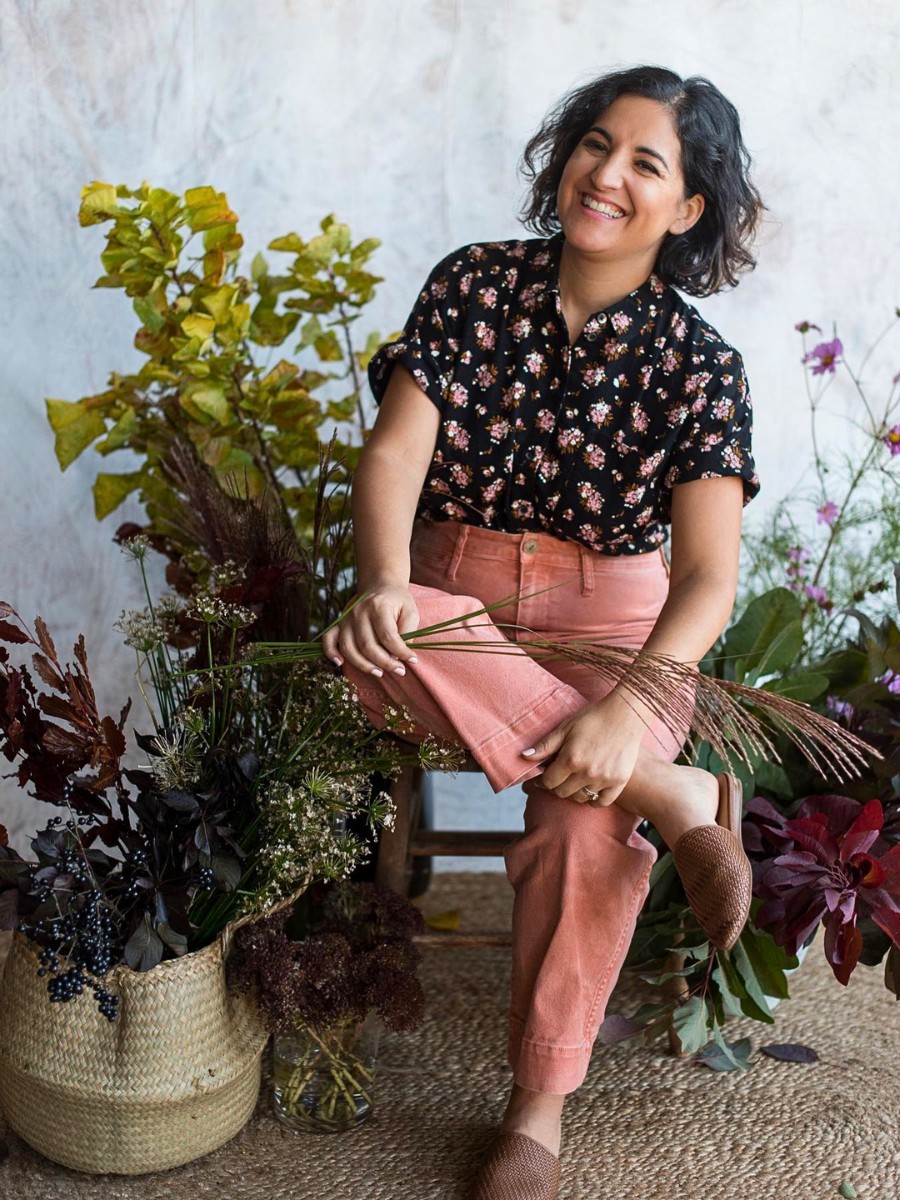
People remember how flowers made them feel, and they remember who made (and delivered) them. With that, the business side will evolve naturally once your quality and personal touch speak for themselves.
Featured image by @the_flower_shop_jill. Header image by senivpetro.