Florists do much more than work with flowers. On most days, they are also writing captions, updating product descriptions, replying to customer questions, planning promotions, and trying to stay active on Instagram, Google, email, and sometimes even paid ads. That is a lot for any small business, especially when there is no full marketing team behind it.
Not as a replacement for floral creativity, design skill, or customer care. But as a practical business assistant who helps florists save time on the marketing work that often gets delayed. That is also where this topic is different from broader AI discussions. The best use of AI for many florists is not fancy technology. It is faster writing, better planning, clearer messaging, and more consistent visibility. Competitor articles already touch parts of this, but most stay broad, tool-heavy, or focused on other use cases such as client visuals and inspiration, rather than a simple florist marketing workflow.
Beyond marketing, AI can also help florists with faster proposals, standardized recipes, and consistent pricing and images, reducing waste and protecting margins. These operational benefits free up time that can go back into design work and customer service. Research has shown that there are many benefits of Artificial Intelligence (AI) for business, and the University of Cincinnati Online has written an article on it.
Why AI Marketing Tools Matter for Florists
Many florists are excellent at design and service, but digital marketing often becomes the difficult part. Writing regular posts, sending email campaigns, updating Google, and keeping online shop copy fresh takes time. Recent florist-industry articles are already framing AI as a way to help with social captions, newsletters, product descriptions, customer replies, and promotion ideas. That confirms the opportunity, but it also shows a gap; florists still need a clearer guide on which marketing tools to use and what each one is best for.
For a florist, the right AI tool should do one of these things well:
- help create content faster
- improve local visibility
- support email or online-shop sales, or
- make short-form video easier to produce.
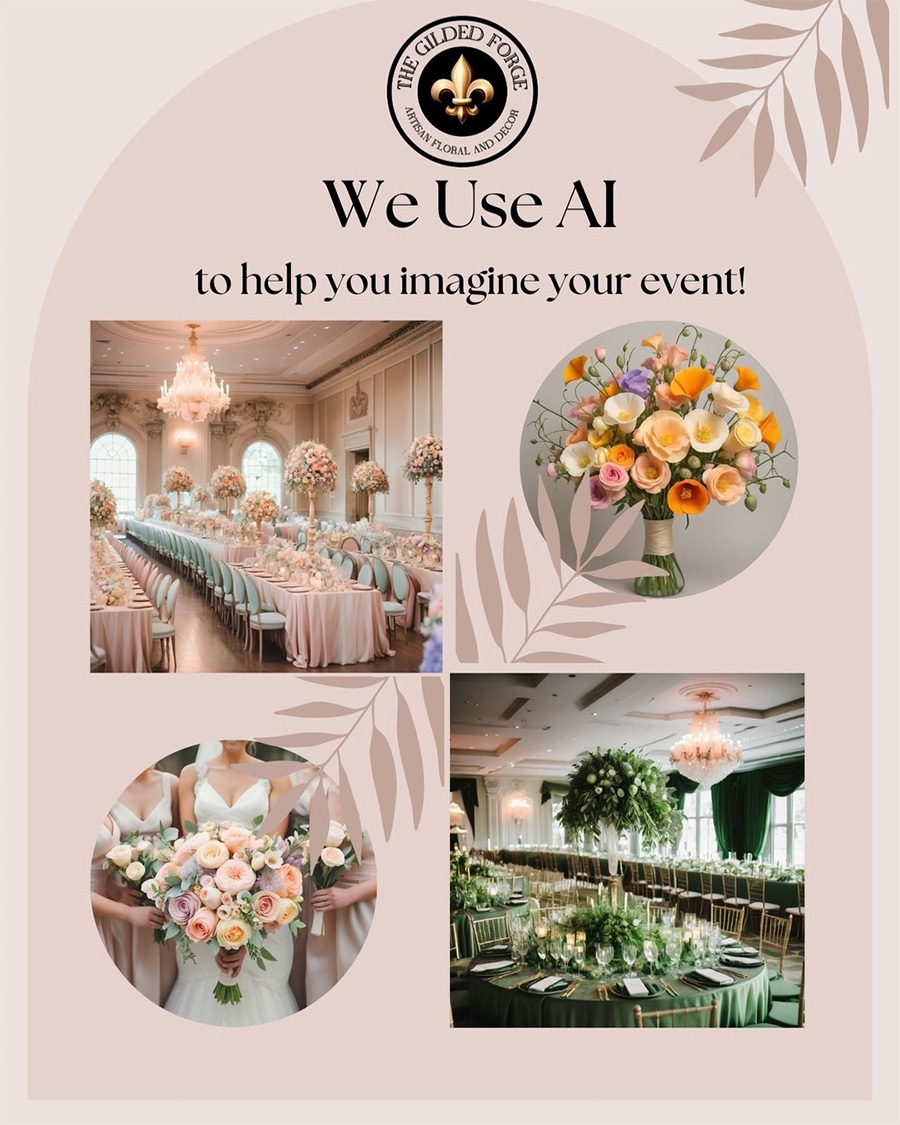
ChatGPT for Everyday Florist Marketing
If a florist starts with only one AI tool, ChatGPT is the easiest place to begin.
OpenAI describes ChatGPT as something writers use for brainstorming, research help, and editing. In practical florist terms, that means it can help write Instagram captions, workshop descriptions, product copy, blog outlines, FAQ answers, ad ideas, wedding consultation follow-ups, and seasonal campaign plans.
This is where ChatGPT is especially useful for florists:
- writing 10 caption options for one bouquet photo
- turning a product description into a more romantic, modern, or luxury tone
- drafting email copy for Mother's Day, Valentine's Day, weddings, or sympathy occasions
- suggesting blog topics that customers may actually search for
- Rewriting text in simpler language
The most important part is this: do not publish AI text exactly as it is. One competitor article makes the same warning clearly, and it is correct. Florists should always review facts, adjust tone, and rewrite the final copy in their own voice. AI can speed up the first draft, but the final version should still sound human and feel true to the shop.
Canva for Social Media and Campaign Design
Many florists are visual by nature, but that does not always mean they want to design every marketing asset from scratch. Canva is useful because it reduces the time needed to turn ideas into posts, flyers, story graphics, and simple branded promotions.
Canva, Magic Write is positioned as an AI writing assistant that can help generate text for social captions, profile bios, websites, and other business content. Florists’ Review also points out Canva, with its strength in keeping graphics aligned with brand colors, fonts, and templates while supporting social scheduling and marketing materials. That makes Canva one of the best tools for florists who want their content to look cleaner and more consistent without hiring a designer.
A florist can use Canva for:
- Instagram post designs
- story announcements for the weekend offer
- wedding mood-board graphics
- workshop invitations
- price-list visuals
- seasonal sale banners
For many flower shops, Canva is where AI becomes visible. The florist brings the flowers, colors, photos, and brand feeling. Canva helps package that into simple marketing materials faster.
For florists who want to push visual planning even further, tools like Midjourney and DALL-E can be used to create mood boards and explore color palettes for floral designs. These AI image tools can help a florist visualize arrangement concepts or generate inspiration imagery for client consultations, especially for weddings and events.
Mailchimp for Email Campaigns That Do Not Take All Day
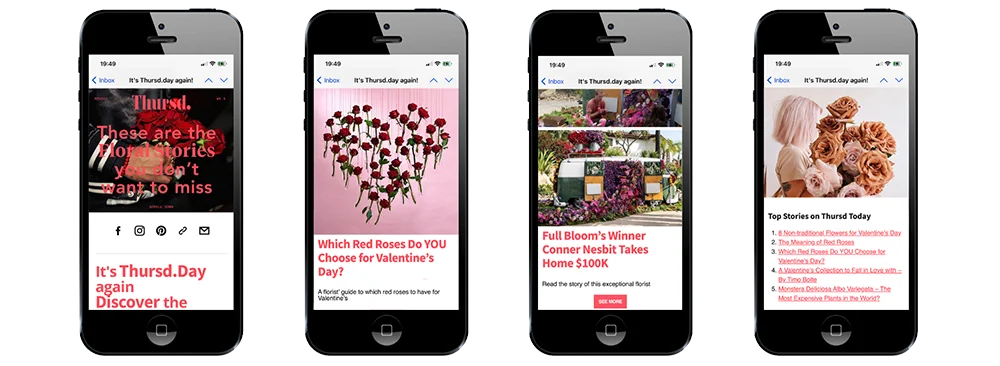
Email marketing is still one of the most useful channels for florists, especially around repeat-order occasions like birthdays, anniversaries, Valentine's Day, Mother's Day, sympathy, and festive periods. Yet many florists delay email marketing because writing and building campaigns takes time.
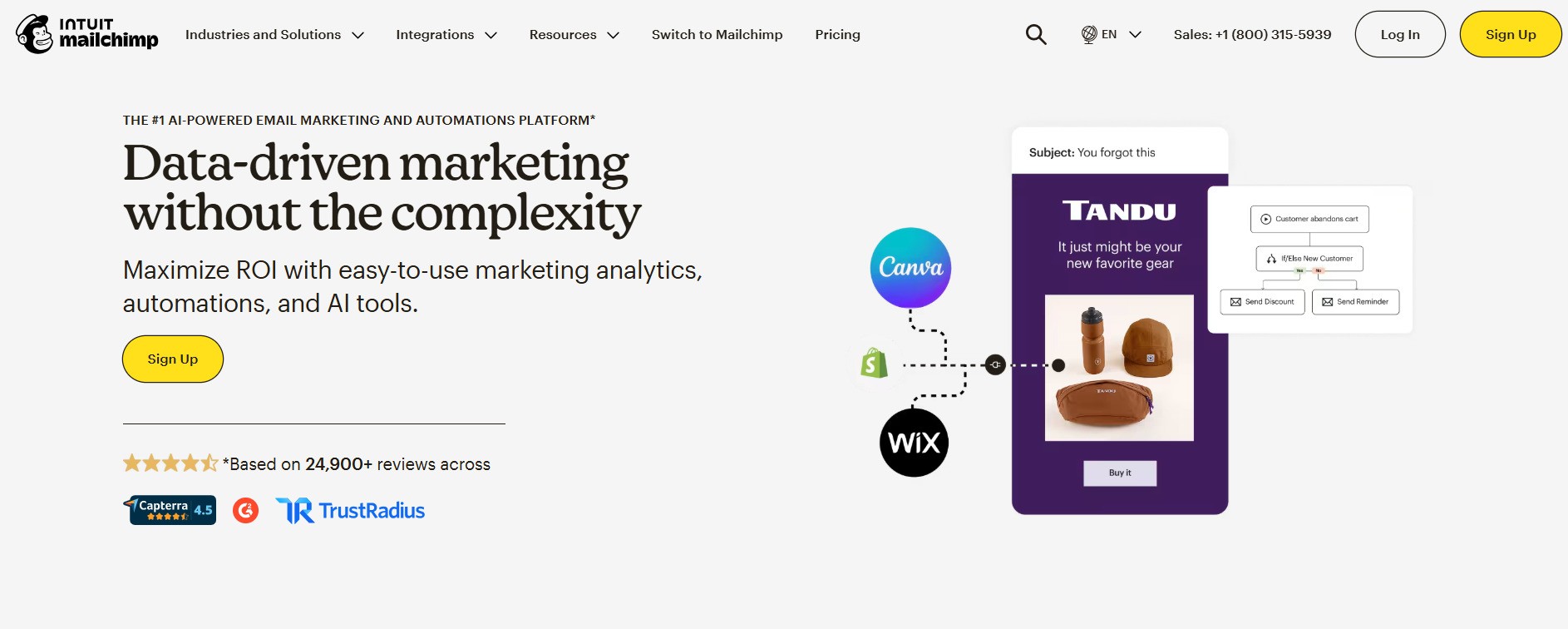
Mailchimp is a one-stop marketing platform that provides email marketing, automation, and customer relationship management assistance. Its AI tools are designed to help create email content from prompts, text, and even URLs. Its help documentation says the platform can generate professional email sections and layouts so users spend less time on design and more time growing the business. It also says florists can generate content for things like article summaries, promotions, invitations, and descriptions, then refine that copy to match their brand voice.
For florists, that is helpful for:
- a quick weekend promotion email
- a wedding availability announcement
- a new collection launch
- a care tips newsletter
- a holiday reminder campaign
A good florist does not need to become an email copywriter. The better approach is to let AI build the first draft, then add the shop, real tone, product knowledge, and local context.
Google Business Profile and Gemini for Local Florist Marketing
For local florists, not all marketing begins on Instagram. Many customers first find a flower shop on Google Search or Google Maps. Google's own help pages say a Business Profile helps a business appear on Maps and Search, show hours, phone number, website, photos, videos, and reviews, and direct customers to booking links, social media, and websites.
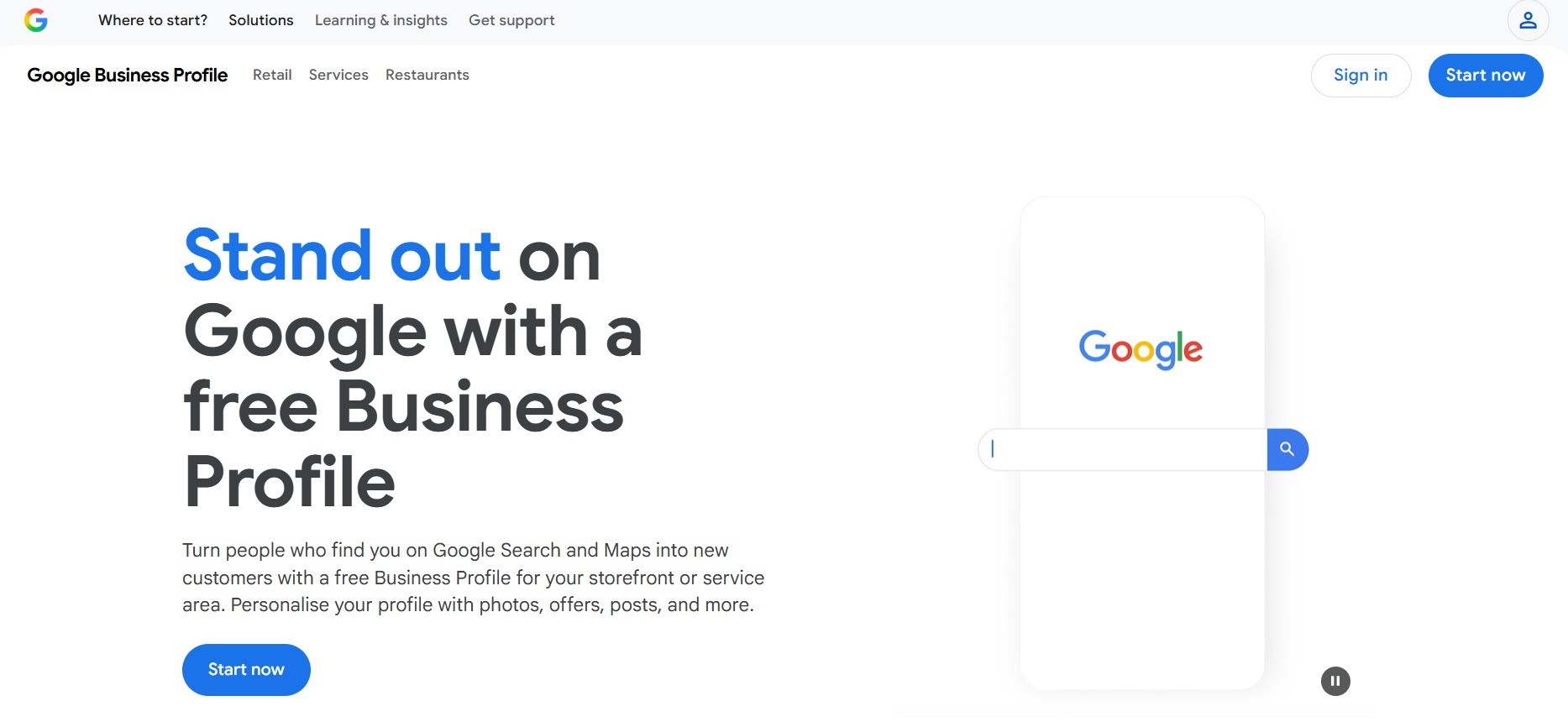
That is why Google Business Profile should be treated as a marketing channel, not just a listing. Google also allows businesses to use AI to suggest a Business Profile description. The company says this AI-generated description should still be reviewed for accuracy, which is important for florists who want their profile to sound natural and correct.
Alongside that, Google Workspace with Gemini is built into Gmail, Docs, Sheets, and more. Google, business materials say Gemini helps marketing teams create campaign briefs, project plans, presentations, and personalized email replies to customer inquiries, for florists, that can help with internal marketing planning as much as customer-facing writing.
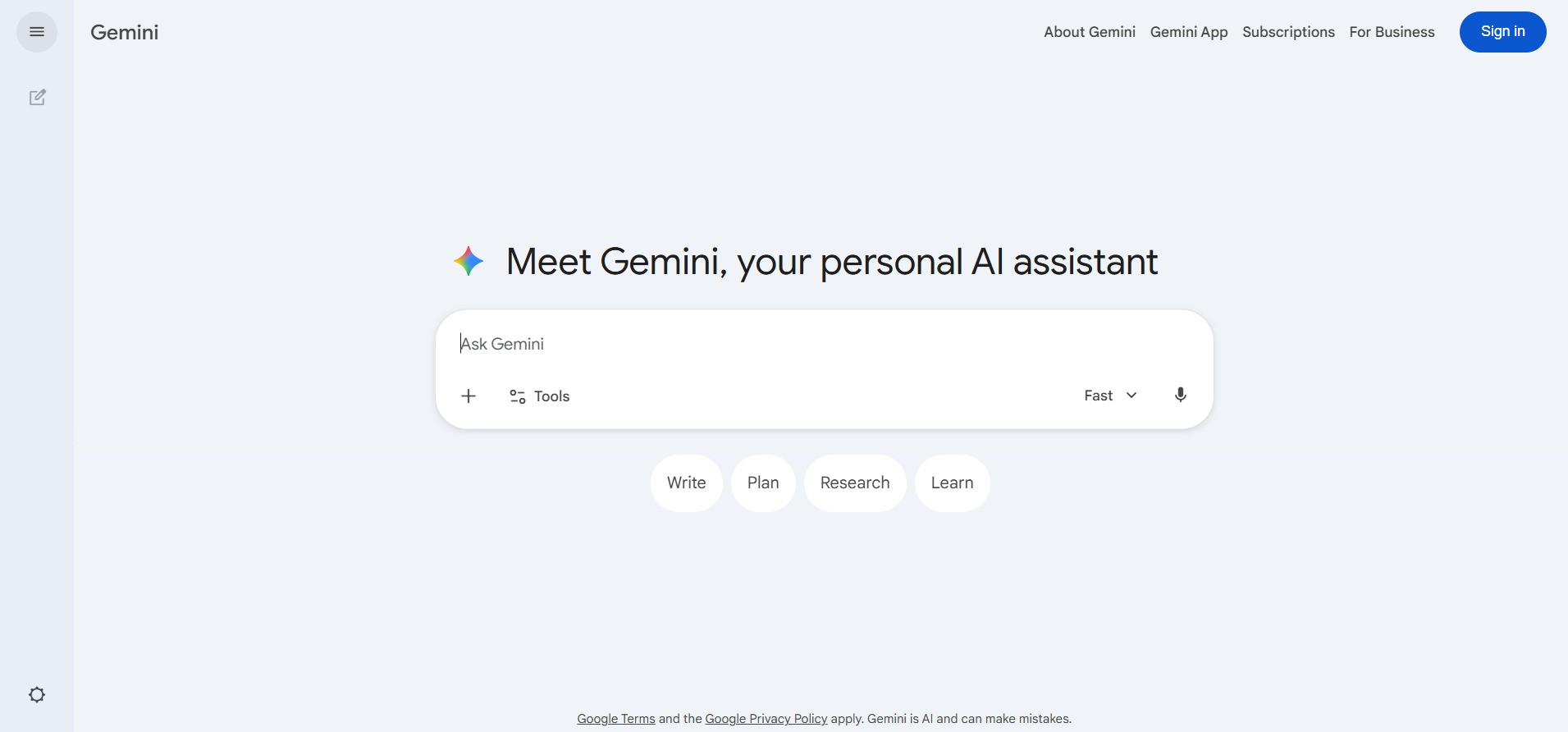
This combination is strong for local florists because it supports two needs at once: better visibility on Google and faster drafting behind the scenes.
Shopify Magic for Florists Who Sell Online
Not every florist runs an online store, but for those who do, Shopify Magic deserves attention.
Shopify says its AI tools can create high-converting email campaigns, suggest subject lines and send times, generate personalized responses in live chat, and help merchants write product descriptions. It also says these tools are available to Shopify merchants, though feature availability can vary.
That makes Shopify Magic especially useful for florists selling bouquets, subscriptions, gift boxes, wedding packages, or add-ons online.
Good florist marketing is not only about attracting attention. It is also about converting that attention into orders. If a shop already uses Shopify, AI inside the store workflow can help speed up the path from product page to purchase.
Capcut for Short Videos and Simple Ad Creatives
Florists have one major marketing advantage: flowers are already visual. That makes short videos one of the easiest ways to market a floral business. The problem is time. Editing reels, adding captions, writing scripts, and turning product clips into usable content can take longer than most florists can spare.
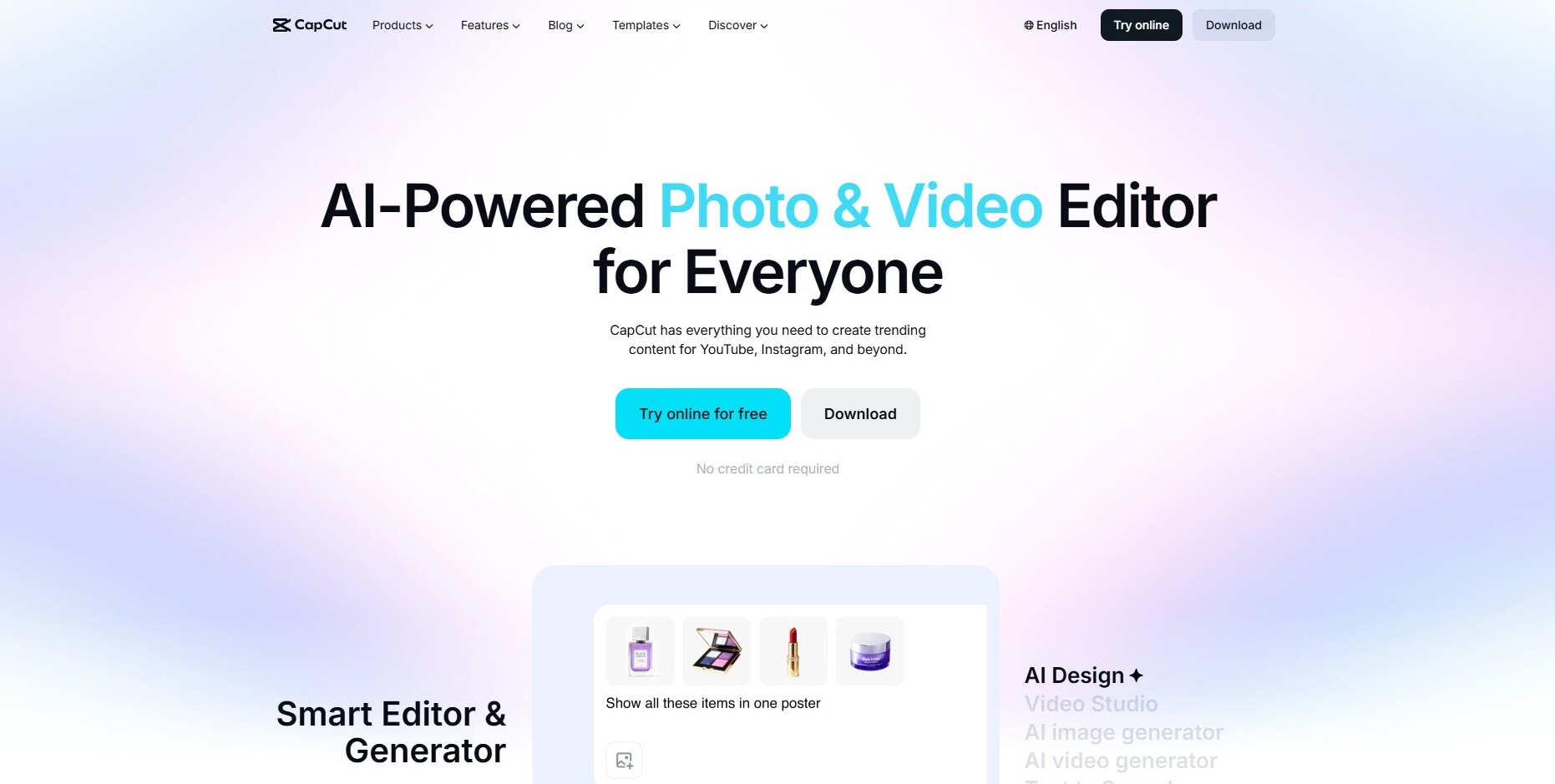
CapCut says its AI video tools can automate scriptwriting, voiceovers, scene generation, and editing. It also presents marketing ads and content creation as direct use cases for its AI video maker.
For florists, that means one bouquet video can become:
- a Reel
- a story cut
- a product teaser
- a wedding mood clip
- a short paid ad creative
This is especially useful for florists who are active on Instagram or want to show behind-the-scenes work without spending hours editing every video manually.
A Simple AI Marketing Stack for Beginners
A florist does not need seven platforms on day one.
For most beginners, a very practical starting stack would be:
- ChatGPT for writing,
- Canva for visuals, and
- Google Business Profile for local visibility.
Those three alone can improve captions, promos, descriptions, and discoverability in a very manageable way. If the florist also sends campaigns, add Mailchimp. If the florist sells online, add Shopify Magic. If the florist wants more video content, add CapCut.
The goal is not to use every AI tool. The goal is to remove bottlenecks. I have also written an article on AI SEO for Florists, which can help you learn how to do modern SEO for a florist's website.
How Florists Should Use AI Without Losing Their Voice
There is one mistake many businesses make with AI. They let the tool sound like the brand. That should never happen in floristry.
Flowers are emotional products. People buy them for love, apology, comfort, celebration, grief, and memory. The writing around flowers should still feel warm, personal, and human. AI can help create the first version, but the florist should still shape the final tone.
That means:
- review everything for accuracy, especially flower names and seasonal claims;
- rewrite generic text in your own voice;
- use real customer knowledge and real product photos whenever possible; and
- Remember that the best florist marketing still comes from genuine design work and trust, not automation alone.
Competitor articles in the floral space repeat this same lesson often, and they are right to do so.
Real Value of AI in a Florist, Workflow
The best AI marketing tools for florists are not necessarily the most advanced ones. They are the ones that solve everyday problems.
If a tool helps you write faster, post more consistently, describe your work better, improve your visibility, or save time on marketing tasks you usually postpone, it is already valuable.
For florists, AI works best when it supports the business side without taking away the personality, care, and creativity that customers actually come for. The flowers are still yours. The taste is still yours. The relationships are still yours. AI simply helps more people see that work and act on it.