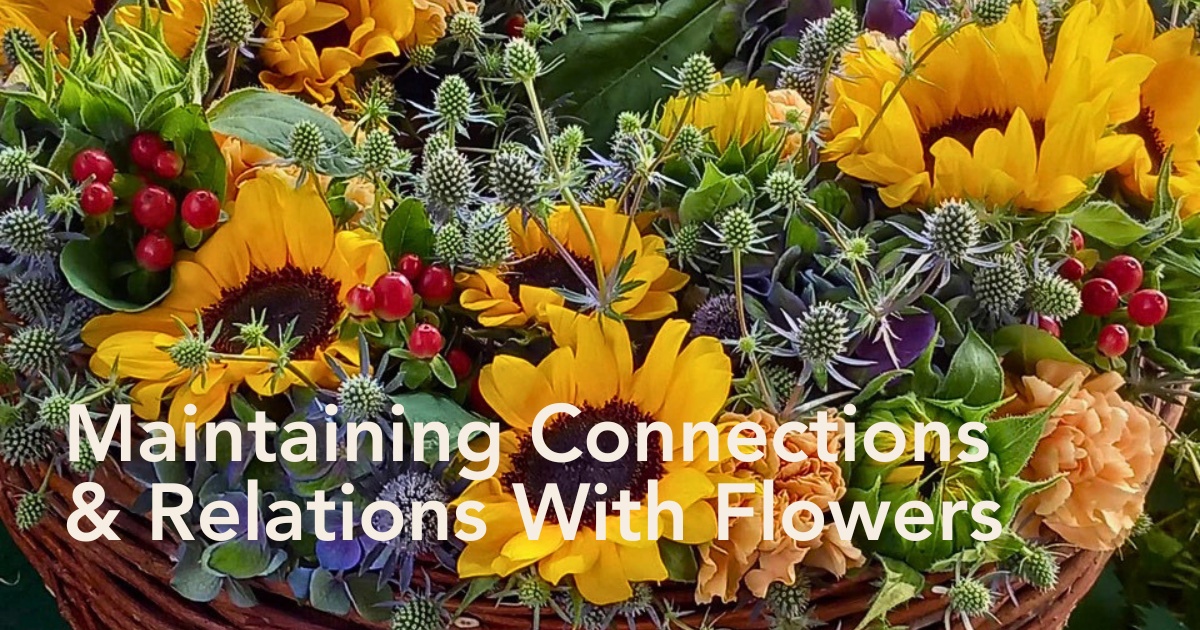
The 21st-century world is rushing forward like an express train, with society and lifestyles changing. More and more people live in a digital world. Traditional meeting places are disappearing; we do a lot of shopping online, and we often work remotely. Unfortunately, many people in this world are very lonely. But these people haven't changed. They still crave connection with another person, and what better way to express feelings in that relationship than flowers?
The Changing Role of the Modern-Day Florist
Now they can be purchased literally everywhere: in supermarkets, discount stores, gas stations, and the recently rapidly expanding Buketomats, vending machines for flower bouquets. The role of the modern flower shop is changing. It's no longer just a place to sell flowers, but it's also no longer just about purchasing flowers, displaying them beautifully, and selling them.
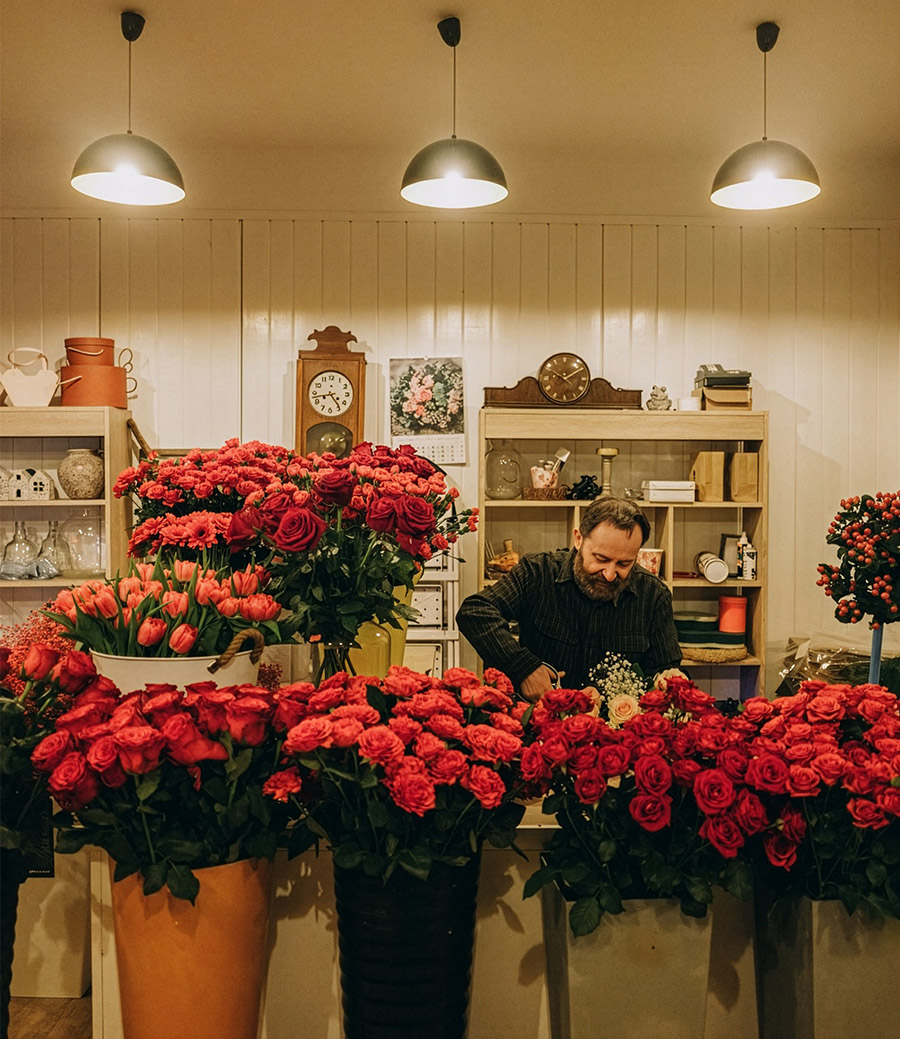
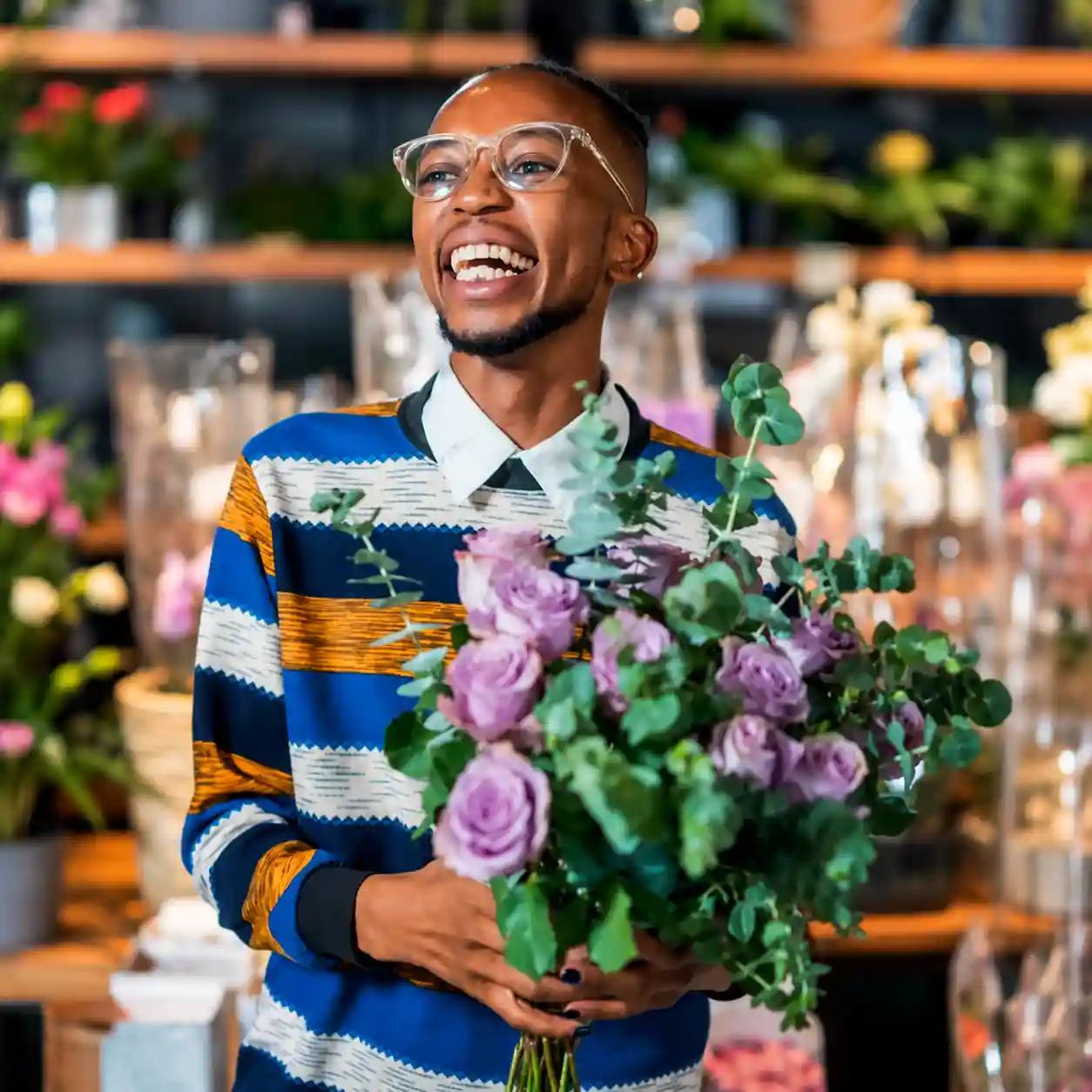
The role of the florist is changing. What used to be is still fundamental, but it's no longer enough. Today's customer expects contact with a real person who will listen and offer individualized advice.
This is what people of all ages need; sometimes that brief conversation while making a bouquet or arrangement is the first conversation of the day. Conversation, empathy, creativity, and a personalized approach to the customer are what we must offer today. Local florists are an important part of the local community. It's truly worthwhile to build relationships with our customers. Flexibility is key.
Now, building rapport, along with high-quality service, is the foundation of a flower shop's operation. Customers now demand that we guide them through the world of flowers, advising them on what to buy for their girlfriend, wife, and mother.
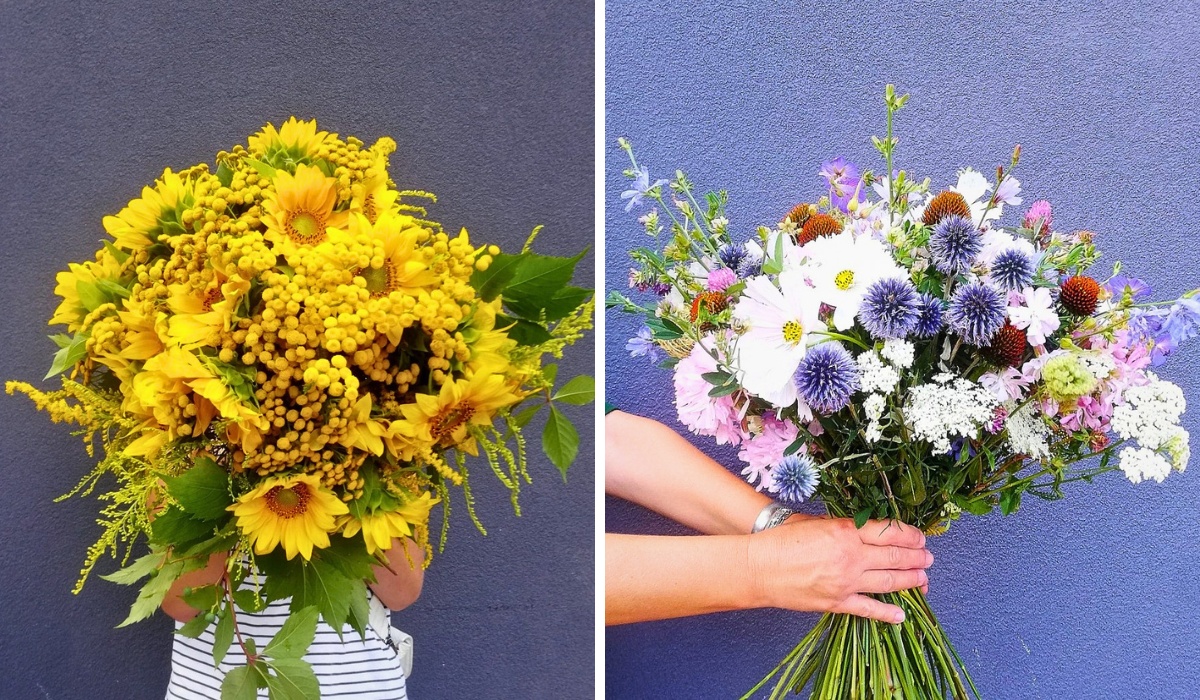
Different People, Different Floral Preferences
It's worth listening to them – young women no longer want just red roses, but also Gypsophila or lilies. The carnation, underappreciated for many years, is coming back into fashion. In the digital age and social media, new floral ideas and trends reach consumers instantly; it's not always worth blindly imitating them. Rather, it's better to build your own style tailored to local conditions and draw on local traditions. For many of us, where we come from is important now.
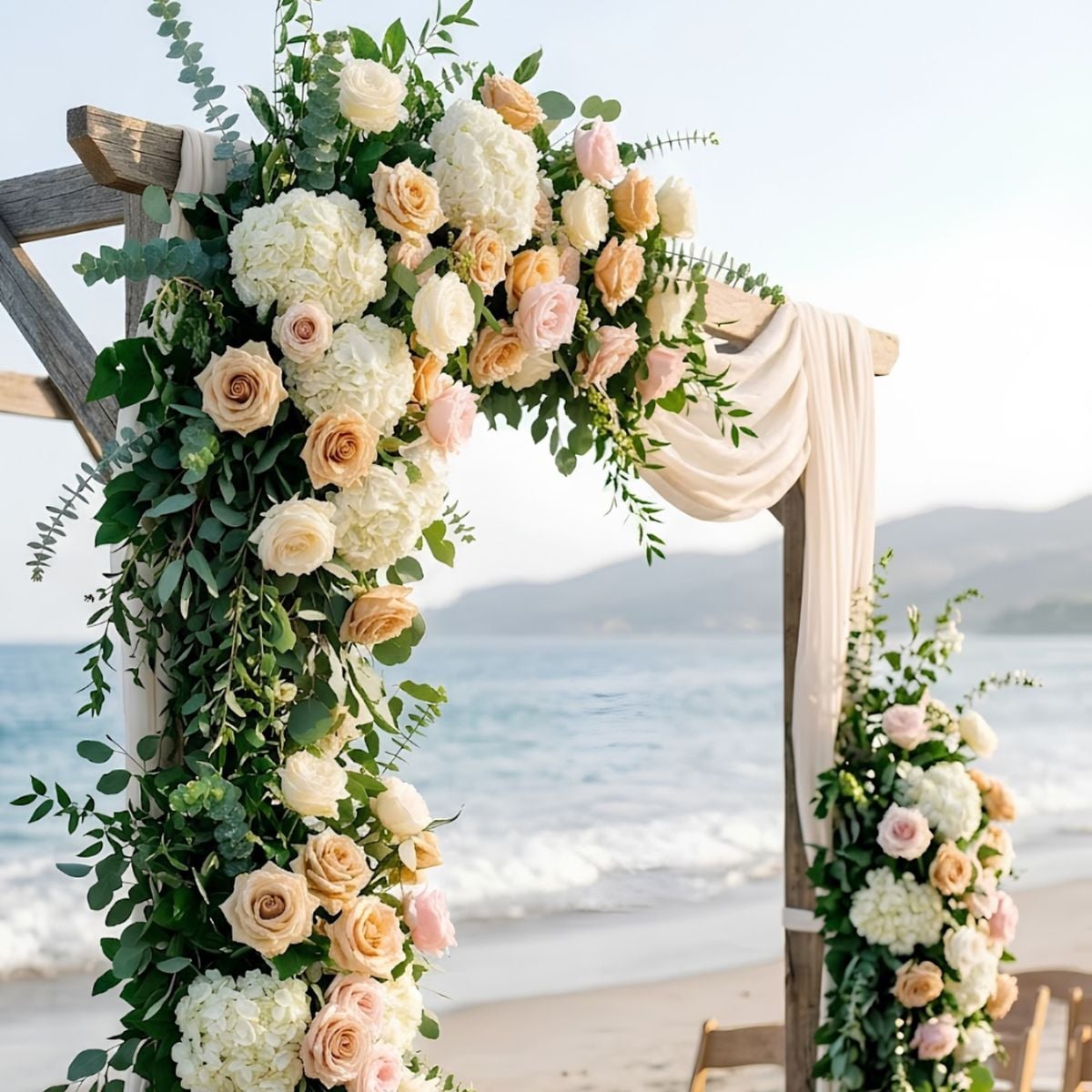
Freesias are back in fashion, and above all, sustainable floristry and plants from natural habitats are in vogue. Light compositions and bouquets are created with seasonal plants from our climate zone. Young people aren't looking for elaborate designs or ruffs (bouquets on structures), but simple botanical bouquets; they're more interested in what local nature provides.
In the summer, I offer clients the ‘Flowers from the City’ series, which consists of bouquets sourced from wild urban meadows. You'll be surprised to find that even in a large city, the abundance of plants is excellent. A good florist knows how to prepare these plants for a long-lasting bouquet.
What an Ideal Flower Shop Should Be
Our primary advantage is knowledge and experience; it's worth investing in the highest quality plants. Buy flowers from premium brands. Customers no longer expect only the lowest price; they expect quality. Premium brand flowers are more expensive, but their quality far outweighs the price difference.
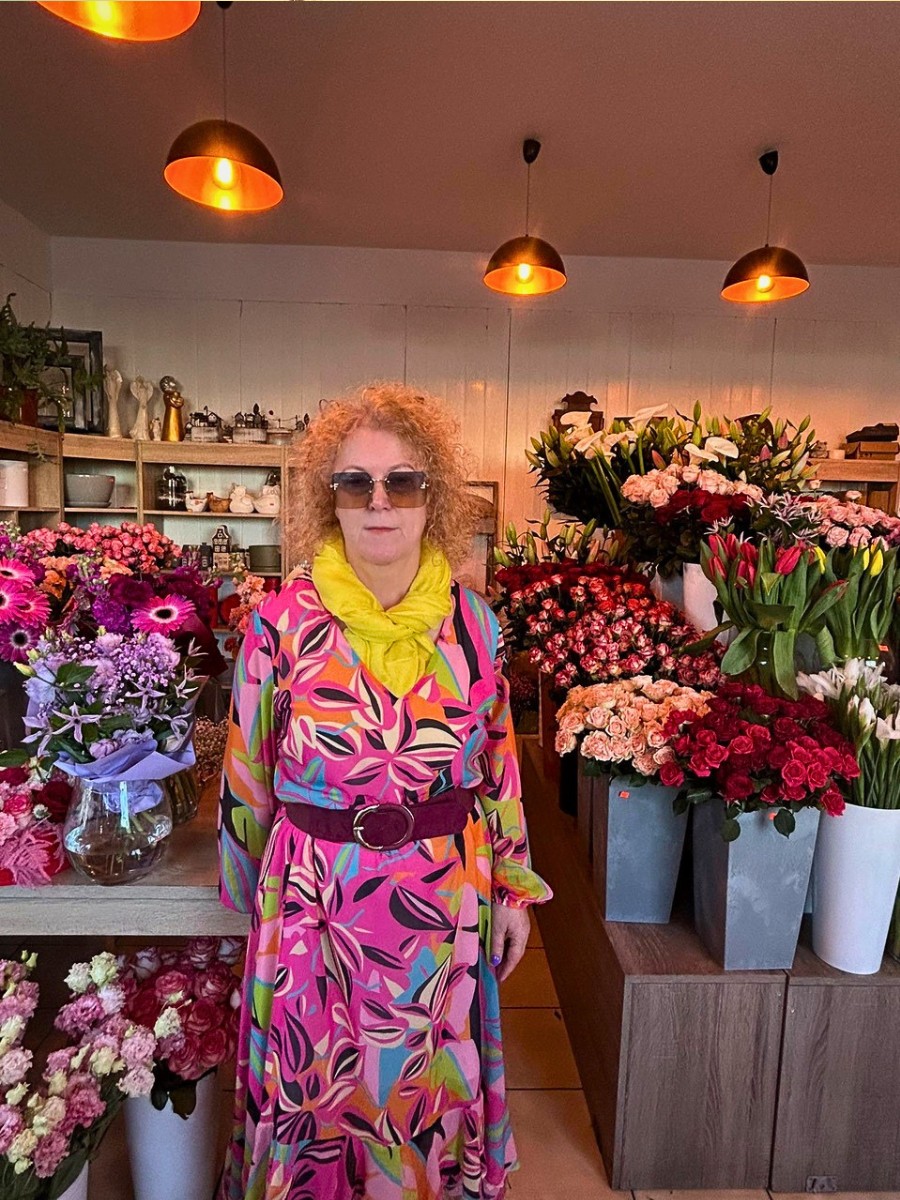
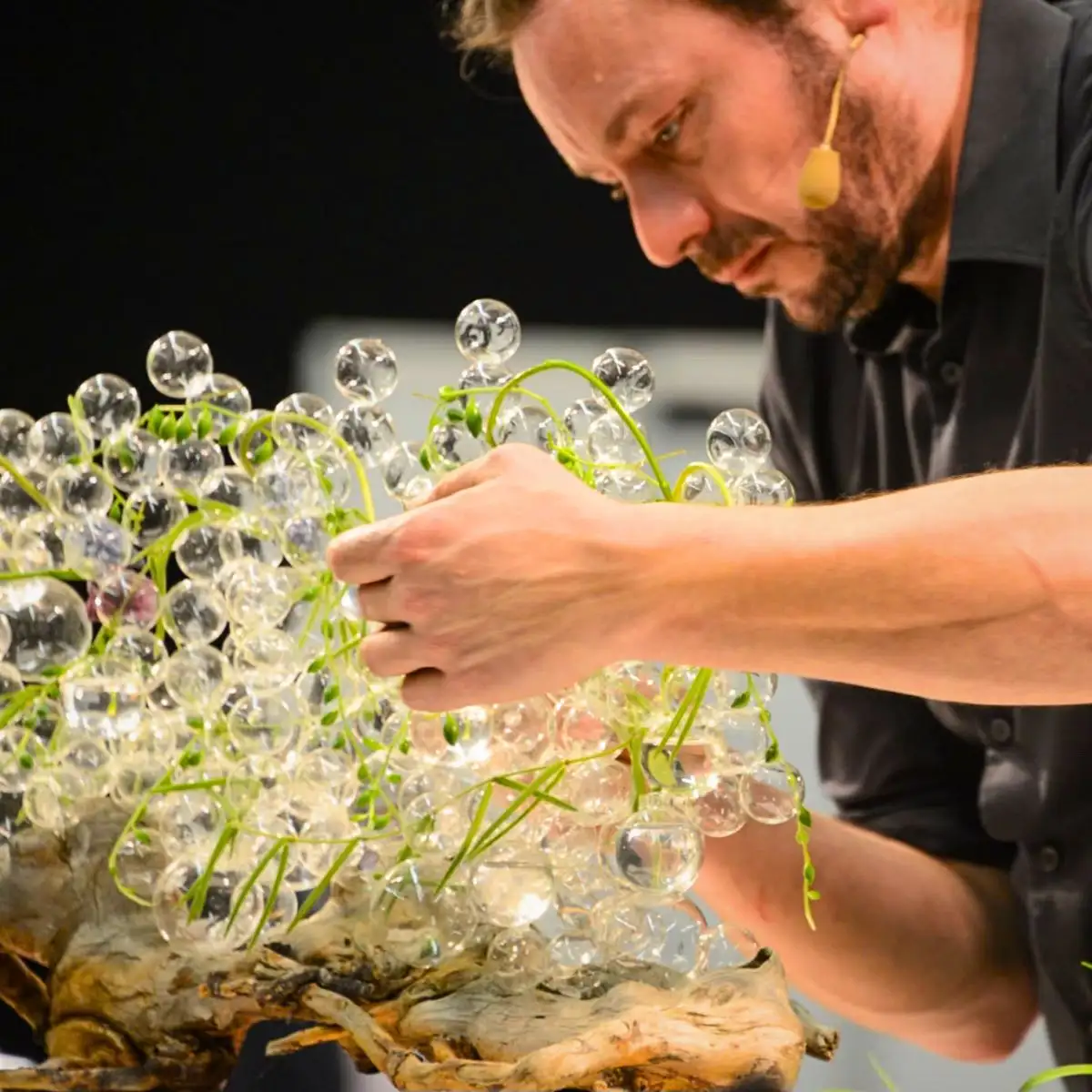
Another issue is the assortment; it's worth focusing on unusual plants and accessories for something unique and personal. For example, I love using Clematis and Gloriosa vines in my work.
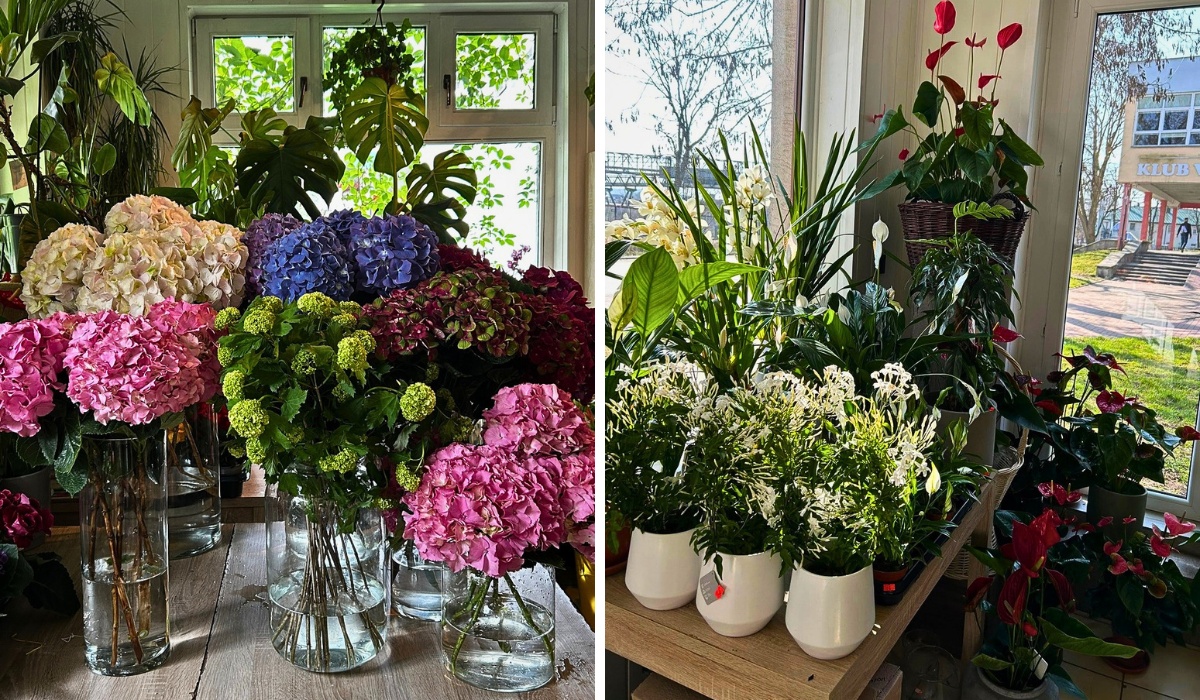
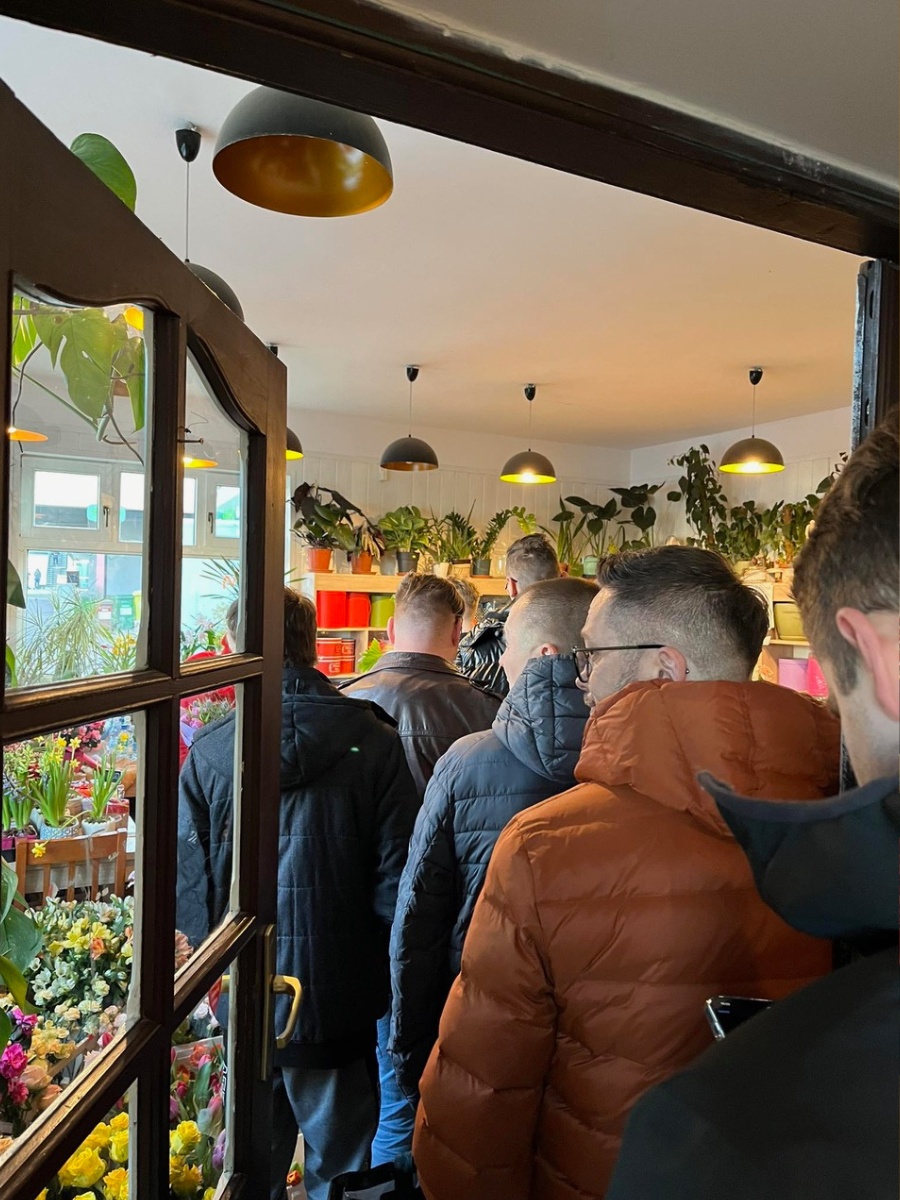
A flower shop can be a meeting place; a beautiful decoration for the entire area is very important. An interesting display of plants, if possible, in front of the flower shop, is very important. Now, colorful pansies, buttercups, daisies, and soon beautiful Geraniums, herbs, and perennials will make customers stop by.
Good Knowledge of the Botanical Diversity
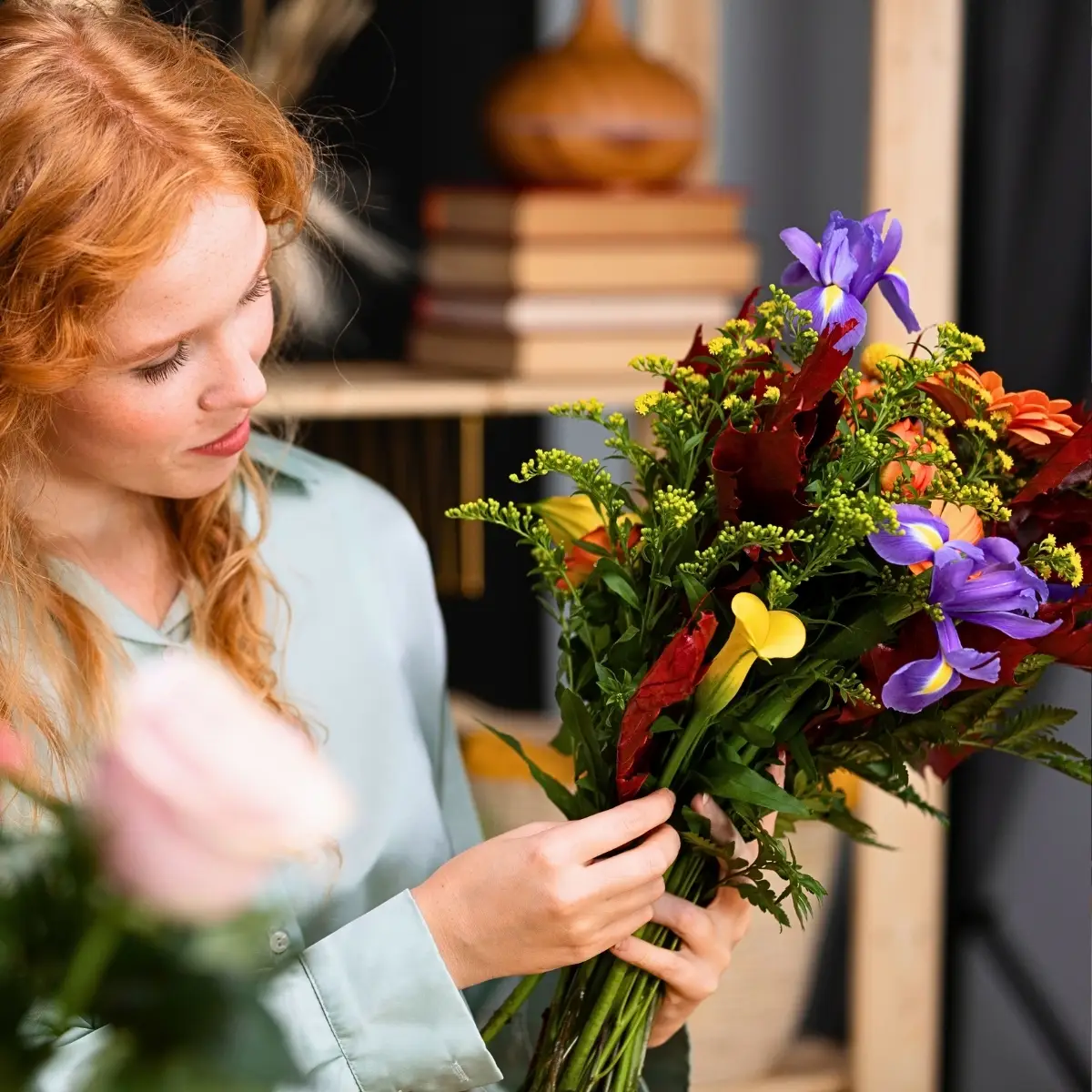
With good botanical knowledge, it's worth incorporating wild plants from nearby locations (wild meadows, gardens, even wild urban meadows) into your work. Florists know exactly how to prepare them so that they last in bouquets, and customers love colorful botanical bouquets.
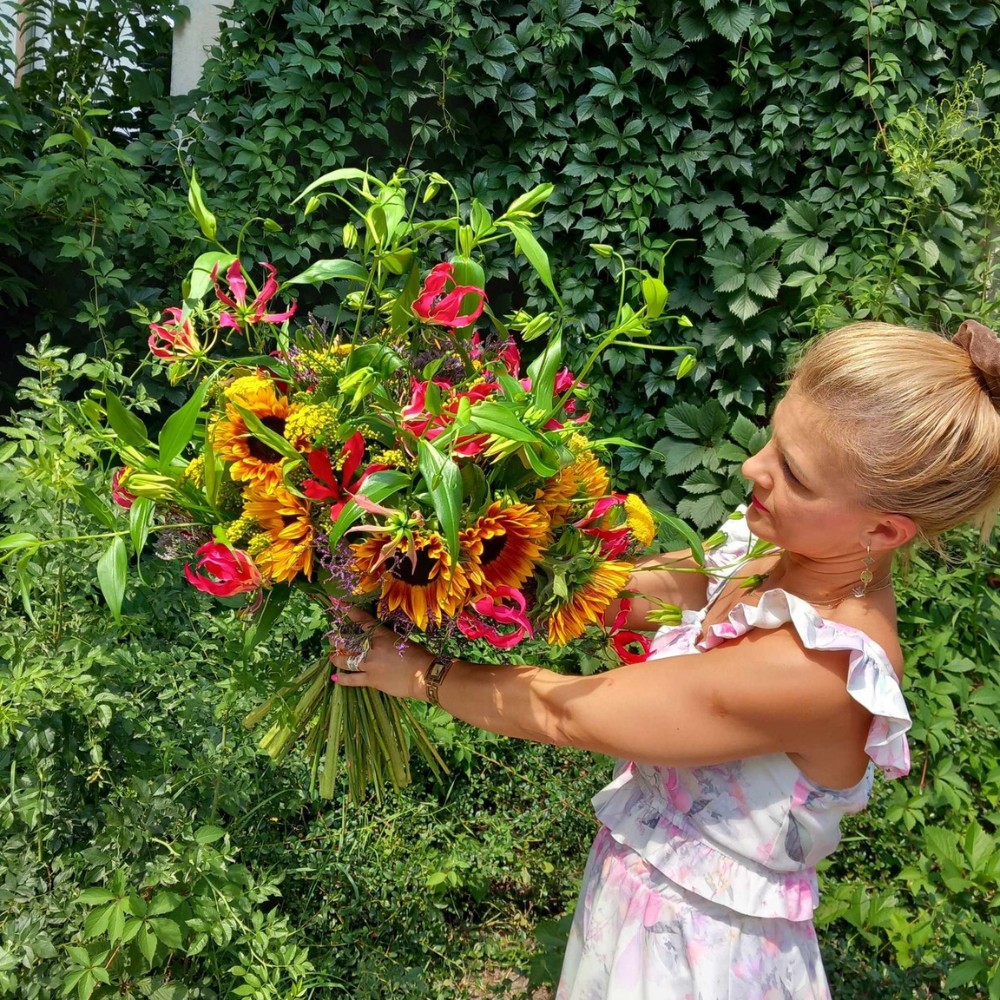
These plants are not available in flower wholesalers or flower markets, but they remind customers of their childhood and carefree holidays in the countryside. I'm lucky there are plenty of such places in my city, and the botanical diversity is wonderful.
Even selling a plant for a few złoty at the end of the day makes a difference, but here too, focus on quality. Buy plants that are of better quality than those in supermarkets. Our advantage here is knowledge and the time we can devote to the customer and offer advice.
Building Relationships With the Clientele
And here I come back to conversation and building relationships. A customer who we dedicate our time to, even if they buy just one pansy, will come back and advertise for us, say, "Take a visit to Mr. Michal, for example. He's great, and it's fun to talk to him, not just about flowers."
It's worth being empathetic and engaged, but a deep knowledge of plants is essential. Many people are truly interested in flowers; knowing the botanical and common names is essential, and knowing the Latin names makes us a specialist.
I think florists across Europe face similar challenges!
Photos by Michal Bursig.