Dutch Lily Days 2026 opened on Tuesday, June 2, with an official ceremony and a proper industry get-together at Van den Bos Flowerbulbs in Honselersdijk. For four days, from June 2 to 5, thirteen Dutch lily bulb exporters are opening their doors to visitors from across the international lily world. But this first day already made one thing clear: the lily is moving again, and not only as a cut flower.
This Opening Day had two stories running side by side. One was the 80th anniversary of Van den Bos Flowerbulbs, indeed a company with a long history in bulbs, international trade, and lily knowledge. The other was the broader story of the lily itself. A crop that keeps finding new space as a bulb, as a cut flower, as a pot plant, and increasingly also as a garden plant.
Opening Day at Van den Bos Flowerbulbs
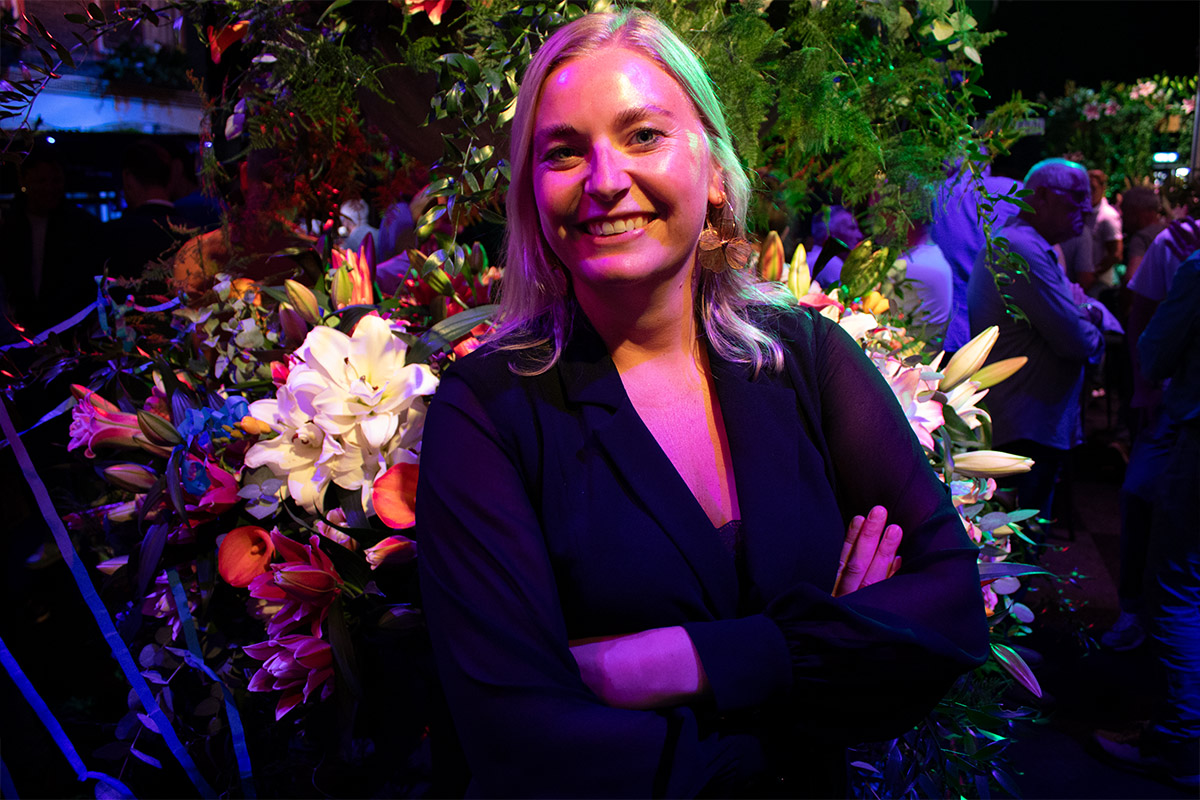
For Van den Bos, hosting the opening in its anniversary year made sense. As Marketing Manager Felicia van der Weiden explained, every year another participating company hosts the opening of Dutch Lily Days.
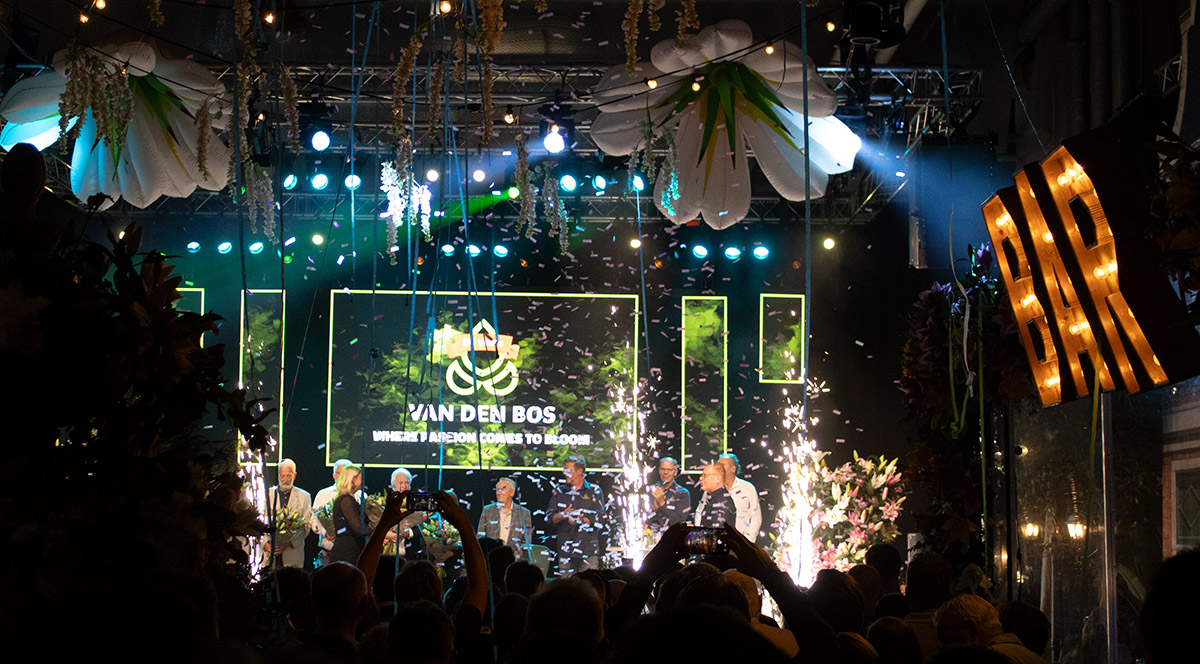
With Van den Bos celebrating its 80th anniversary, the combination felt right. But the event was never meant to be only about the company.
"It had to remain about the lily," Felicia said. "Not only about the story of Van den Bos, but also about the developments this flower has gone through. It is an opening for the whole trade, so you try to keep it broad."
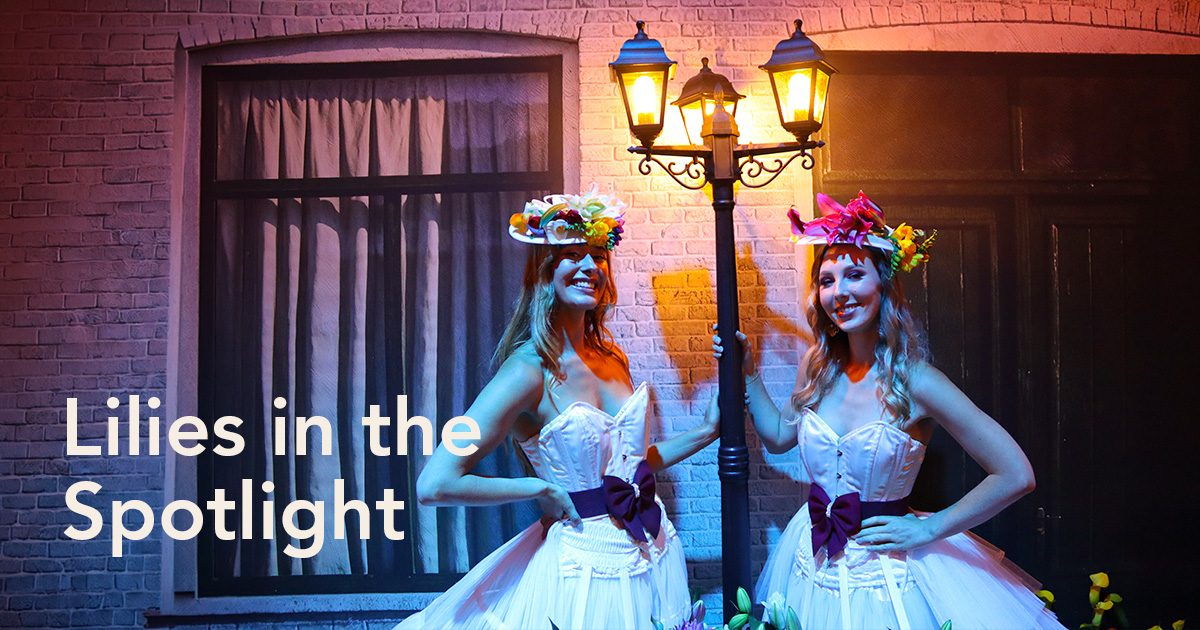
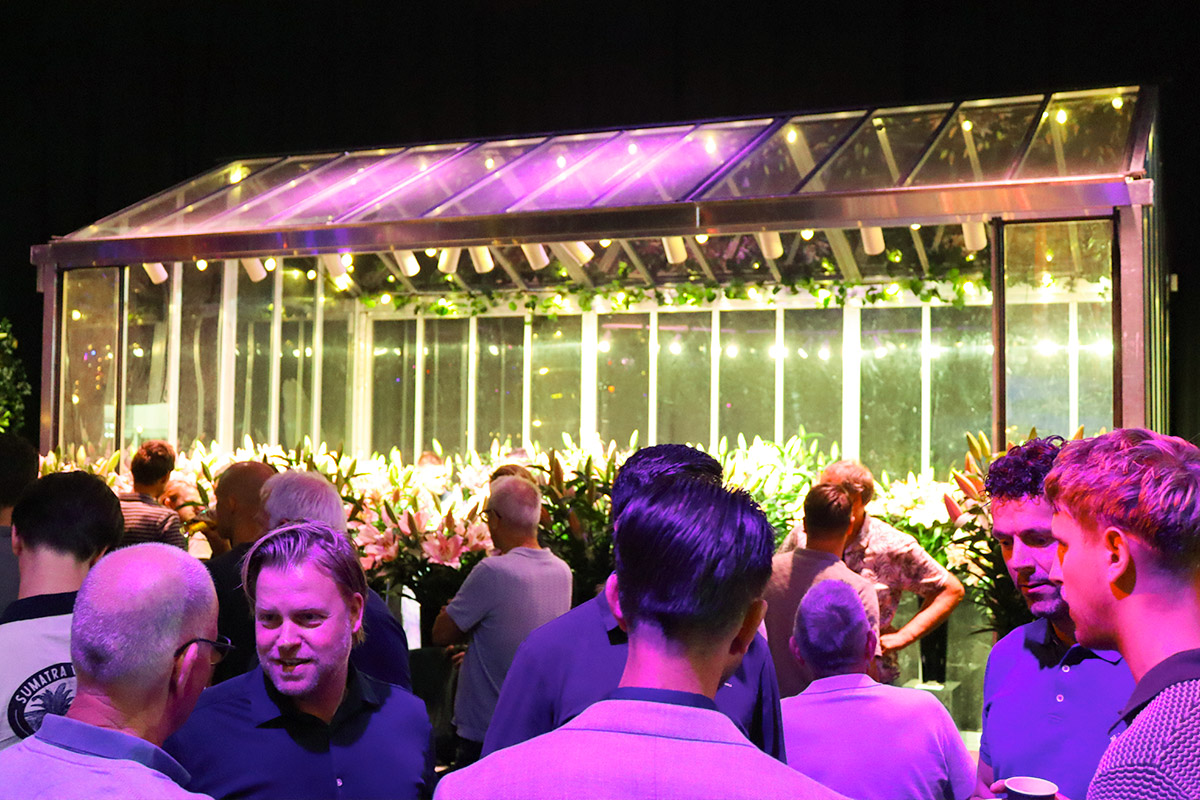
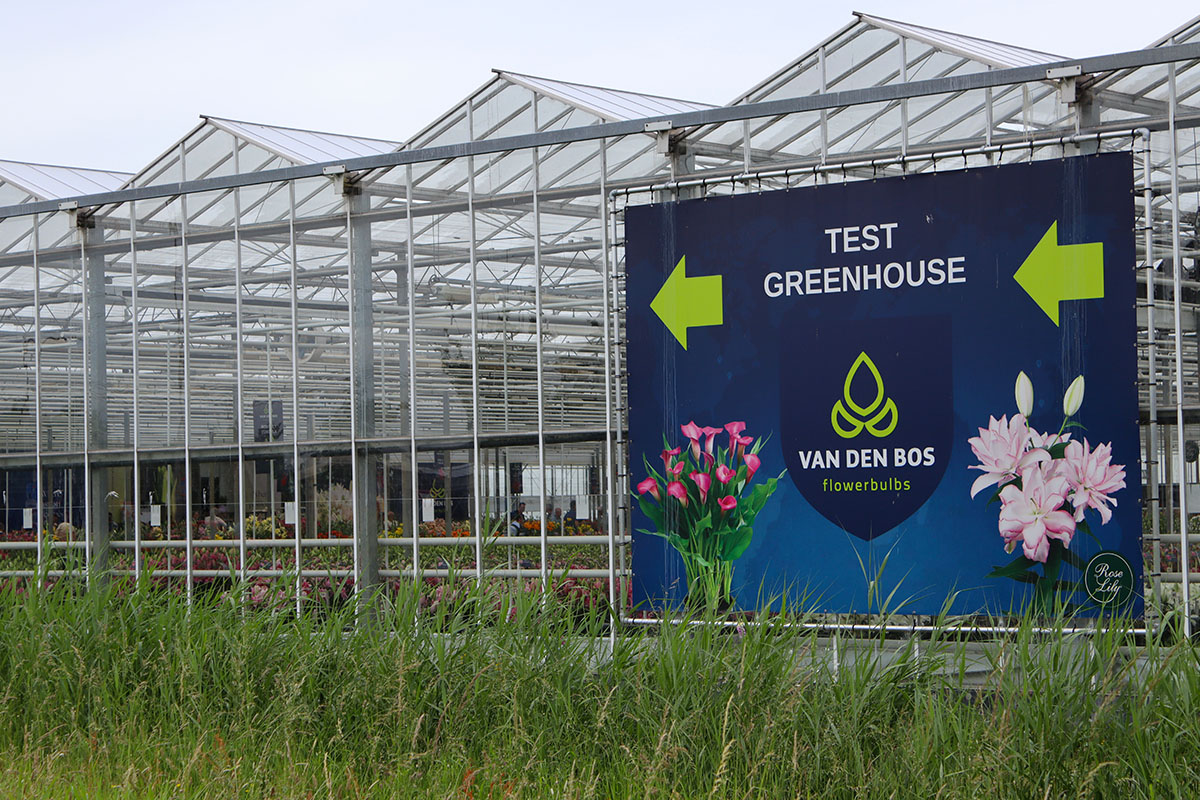
The packed opening ceremony brought together people from across the sector: bulb exporters, growers, breeders, trade partners, and visitors from abroad. It was formal enough to mark the moment, but still close to the character of a family company. There were speeches, stories, applause, and plenty of talk afterward in the greenhouse at the end of town, and back for the party.
Wim Heylen – on behalf of Heylen Group, the owner of Van den Bos – looked back at some history and emphasized the pride in what the family, the successors, and the people working in the company have built together. The words that kept coming back during the ceremony were people, passion, entrepreneurship, and growth.
That also fitted the setting. Van den Bos is celebrating 80 years, but the mood was not about looking back too long. The ceremony quickly turned toward the future of the lily sector. The message was clear: being proud and passionate about this industry are two things that should never change, and they should guarantee the continued attention to this beautiful, bold flower, so loved all over the planet for a multitude of occasions.
And yes, there was a party. Van den Bos has a reputation for bringing people together, and Felicia was happy to see the greenhouse full. There were visitors from all over the world, from North and South America to China. That says something about the pull of this event, but also about the role Dutch Lily Days has come to play over the years.
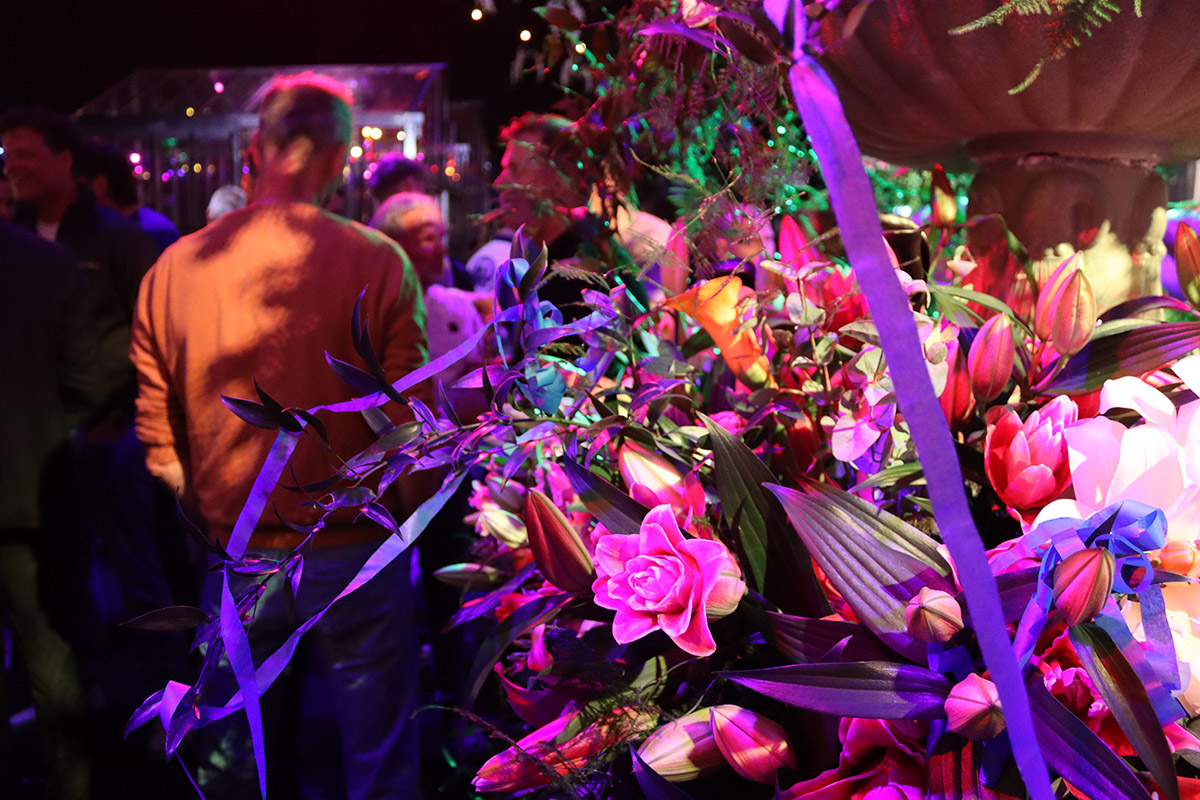
A Greenhouse Full of Lily Development
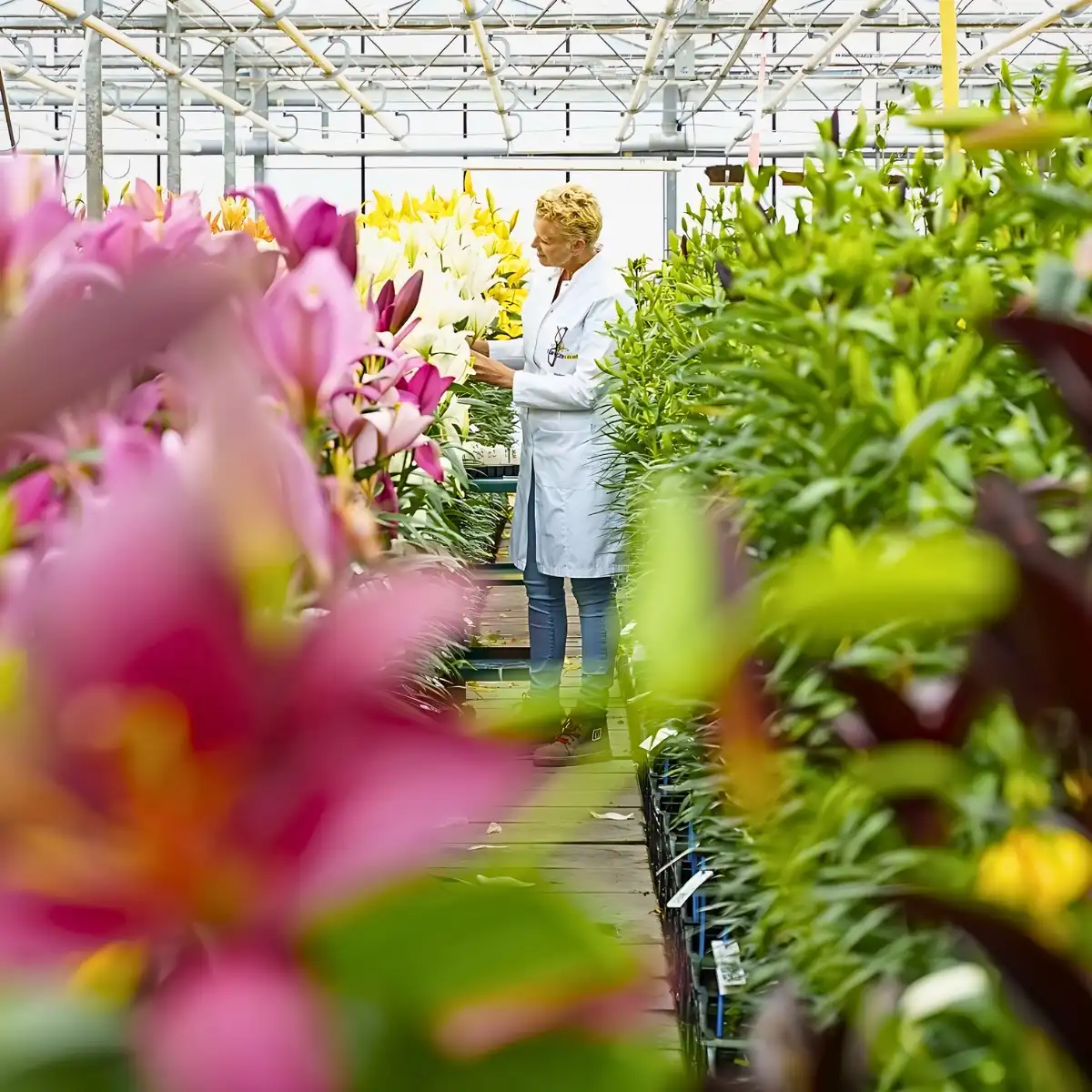
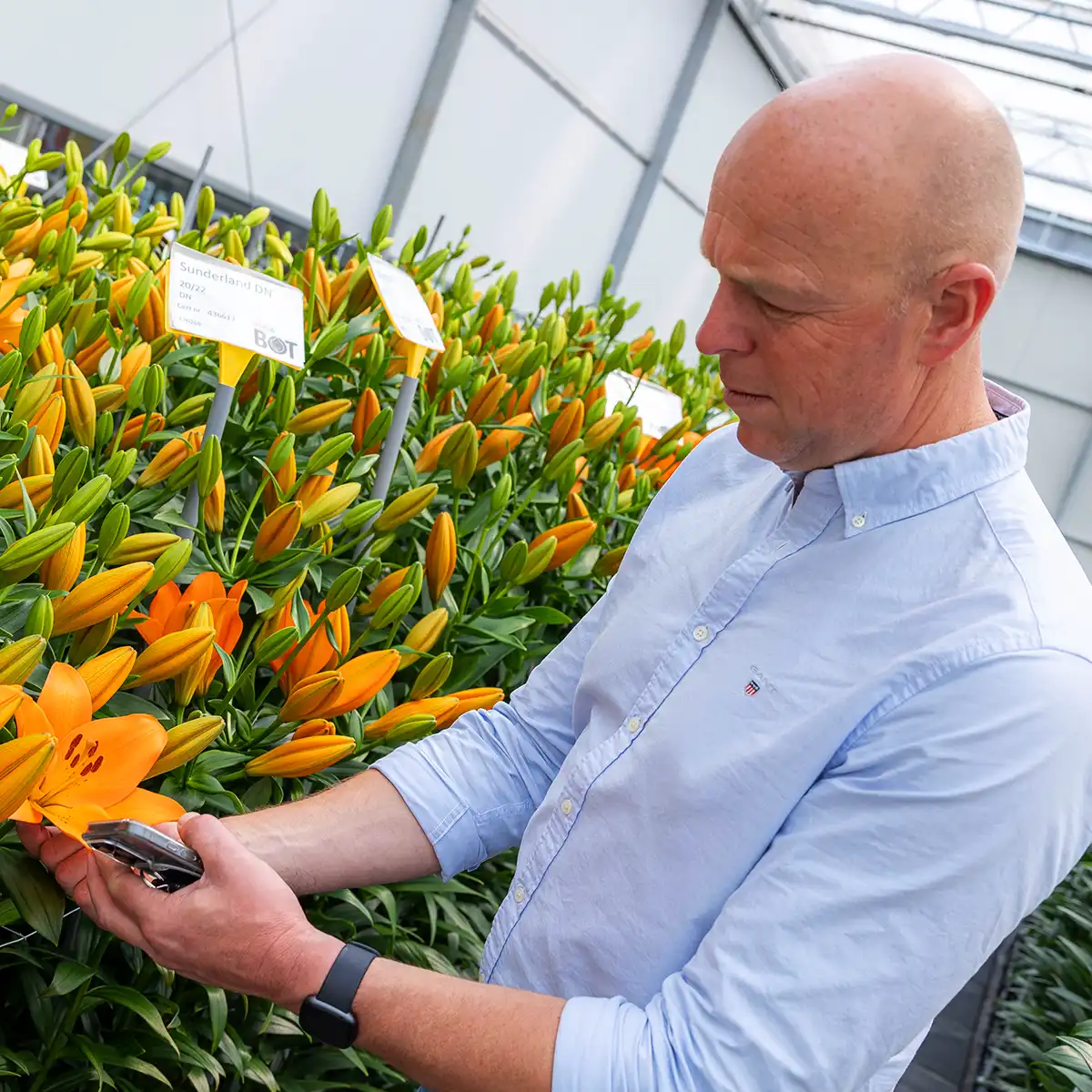
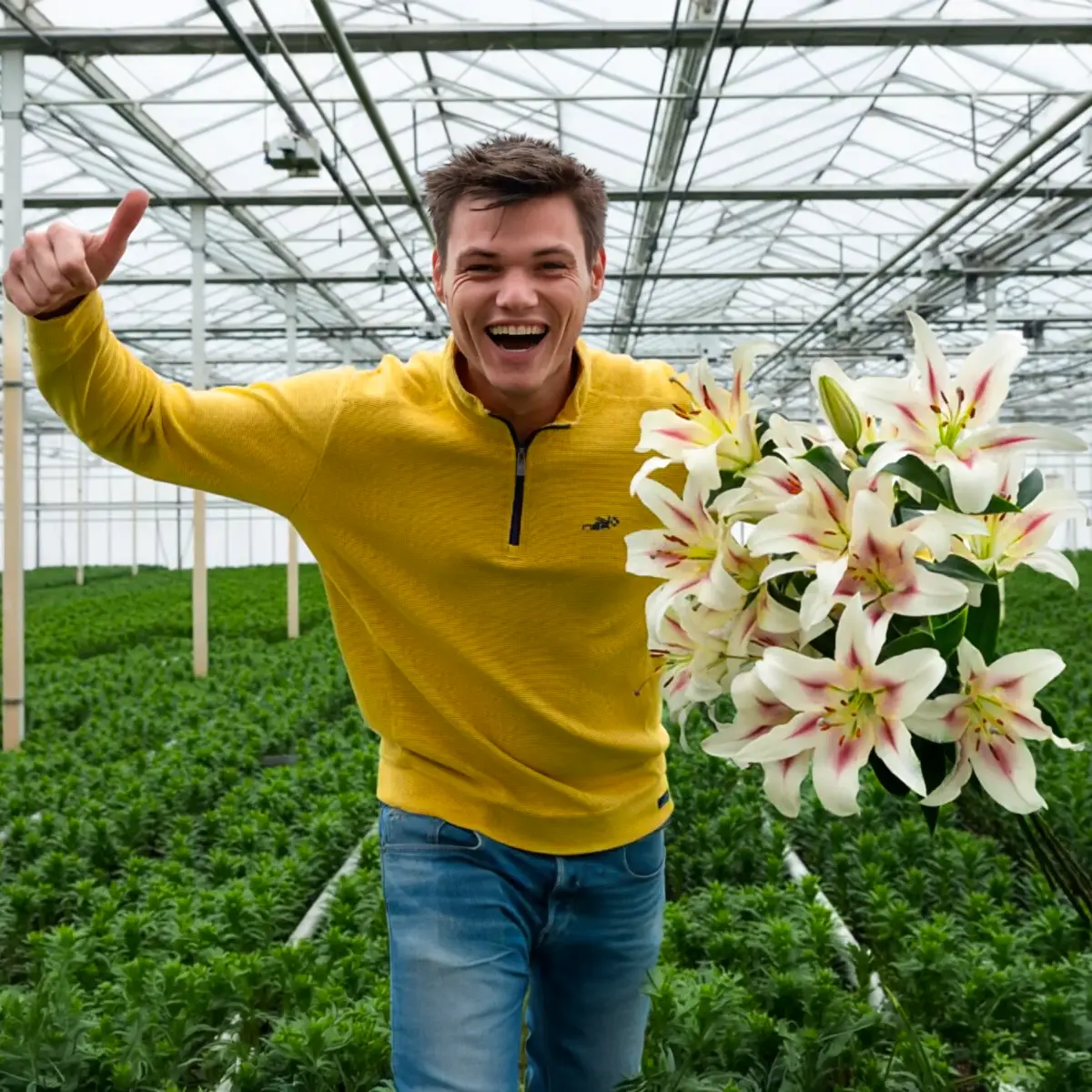
During Dutch Lily Days, all thirteen participating bulb exporters showcase a wide range of lilies, including hundreds of cut-flower varieties and a strong assortment of potted lilies. For visitors, it is a practical way to compare varieties side by side and talk about what is happening in the market.
The companies contributing are:
The participating companies this year are (geographically from North to South):
- Zabo Plant
- Address: Korte Belkmerweg 1A, 1756 CB ’t Zand, Netherlands
- De Jong Lelies Holland
- Address: Kerkepad 28m 1619 AE Andijk, Netherlands
- Lily Company
- Address: Cornelis Kuinweg 15, 1619 PE Andijk, Netherlands
- Bot Flowerbulbs
- Address: Cornelis Kuinweg 15, 1619 PE Andijk, Netherlands
- Jan de Wit en Zonen
- Address: Westeinde 176, 1601 BN Enkhuizen, Netherlands
- P. Aker Flowerbulbs
- Address: Meeweg 6A, 1607 HM Hem, Netherlands
- Boots Flowerbulbs
- Address: Middenweg 8, 1607 MS Hem, Netherlands
- VWS Flowerbulbs
- Address: Westelijke Randweg 3, 1721 CH Broek op Langedijk, Netherlands
- Hobaho Breeding
- Address: 1e Loosterweg 1A, 2182 BL Hillegom, Netherlands
- C. Steenvoorden
- Address: Veenenburgerlaan 63, 2182 DB Hillegom, Netherlands
- Gebr. Vletter & Den Haan
- Address: Oegstgeesterweg 202A, 2231 BD Rijnsburg, Netherlands
- Onings Holland Flowerbulbs
- Address: Nieuwe Tuinen 1, 2675 SE Honselersdijk, Netherlands
- Van den Bos Flowerbulbs
- Address: Sint Jorispad 2, 2671 MZ Naaldwijk, Netherlands
That is where this event keeps its value. It is not only a flower show. It is a meeting point where the sector can look at the crop together. A website can show images. A catalog can describe a variety. But a greenhouse filled with flowering lilies tells a much clearer story.
And that story is changing.
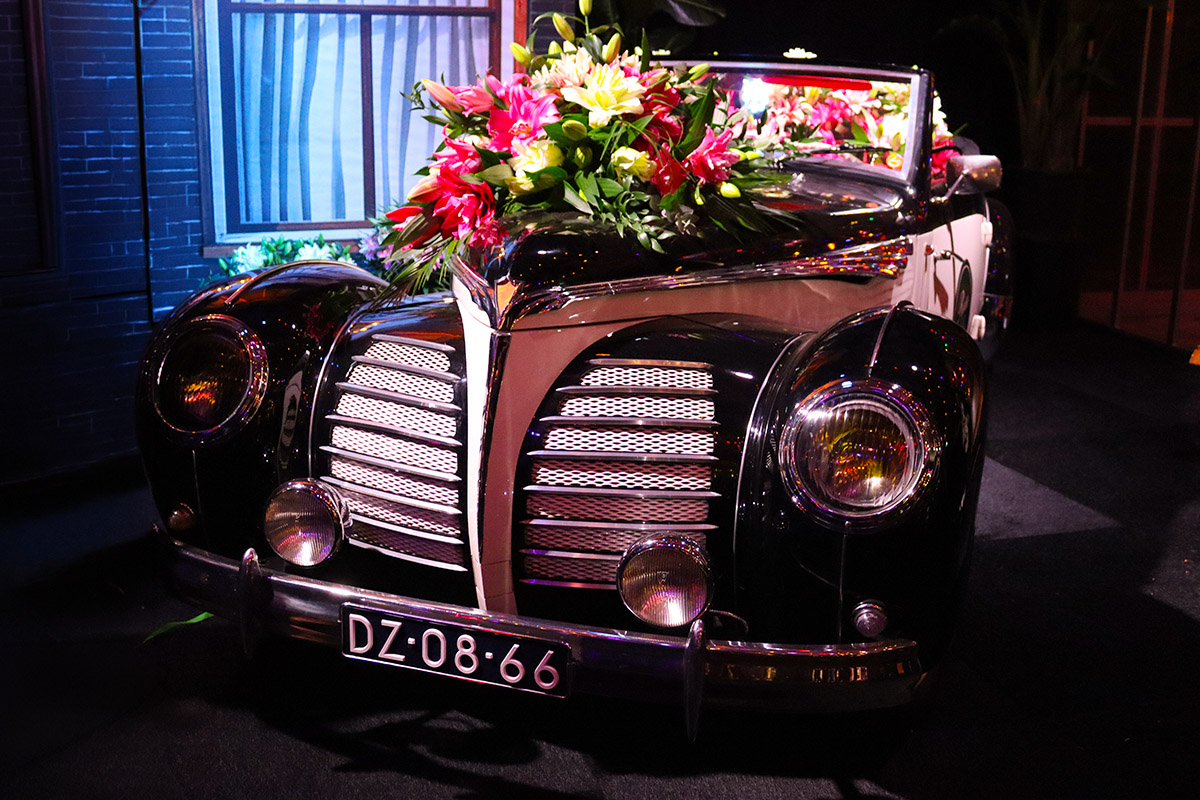
The lily is still one of the most important cut flowers worldwide, but the crop is no longer tied to a single image. Many consumers still think of lilies as strongly scented flowers bought in tight bud. That image is only part of the crop. Today, the assortment ranges from lightly scented to strongly fragrant, from single to double, from classic florist stems to pot and garden products.
Earlier during Dutch Lily Days, Sjoerd Onings of Onings Holland Flowerbulbs also pointed to that same versatility. Some varieties hardly release any scent, while others are known for their fragrance. Double lilies are gaining more attention because they offer a distinct look and user experience.
Double Oriental Lilies, Roselilies, and Starlilies Are Taking More Space
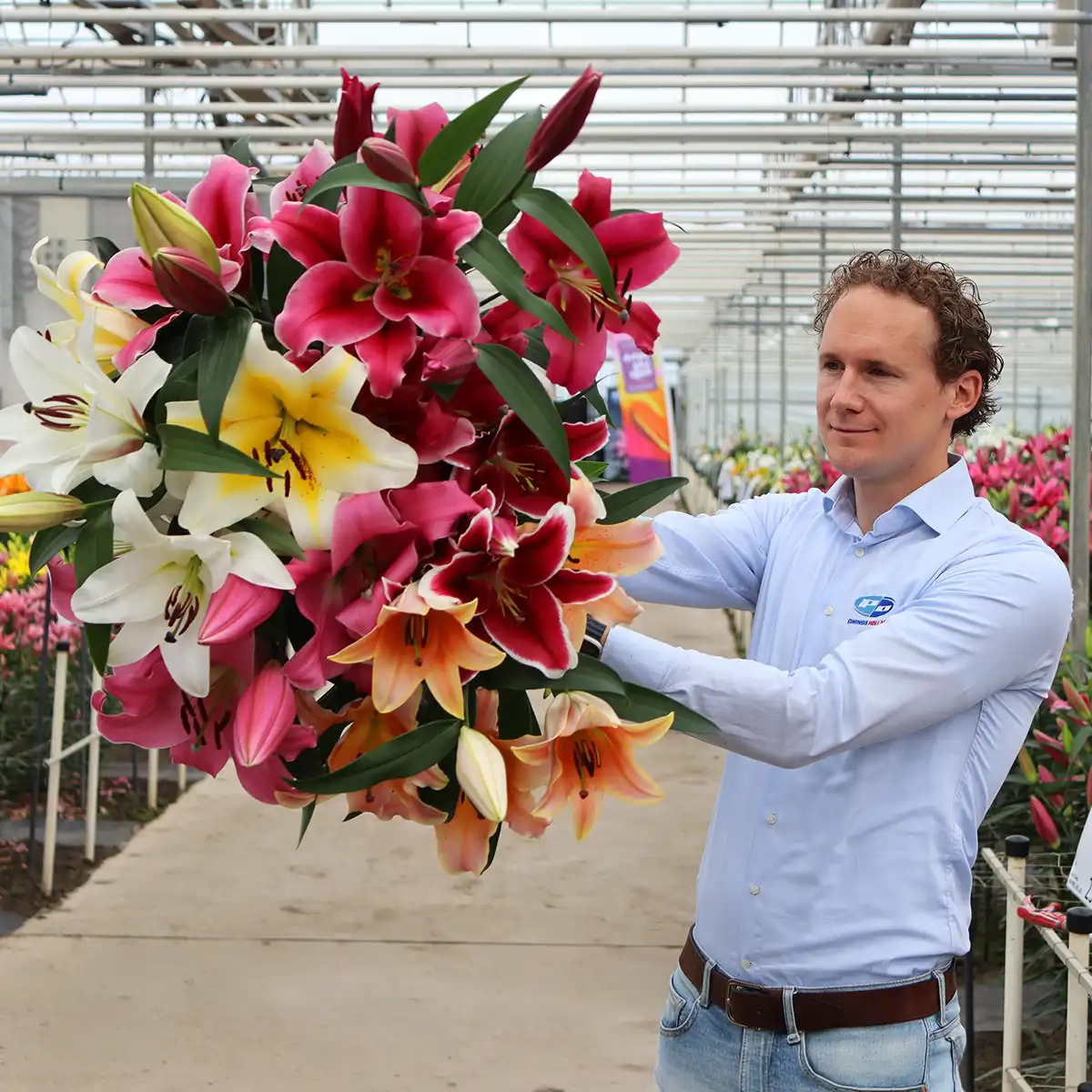
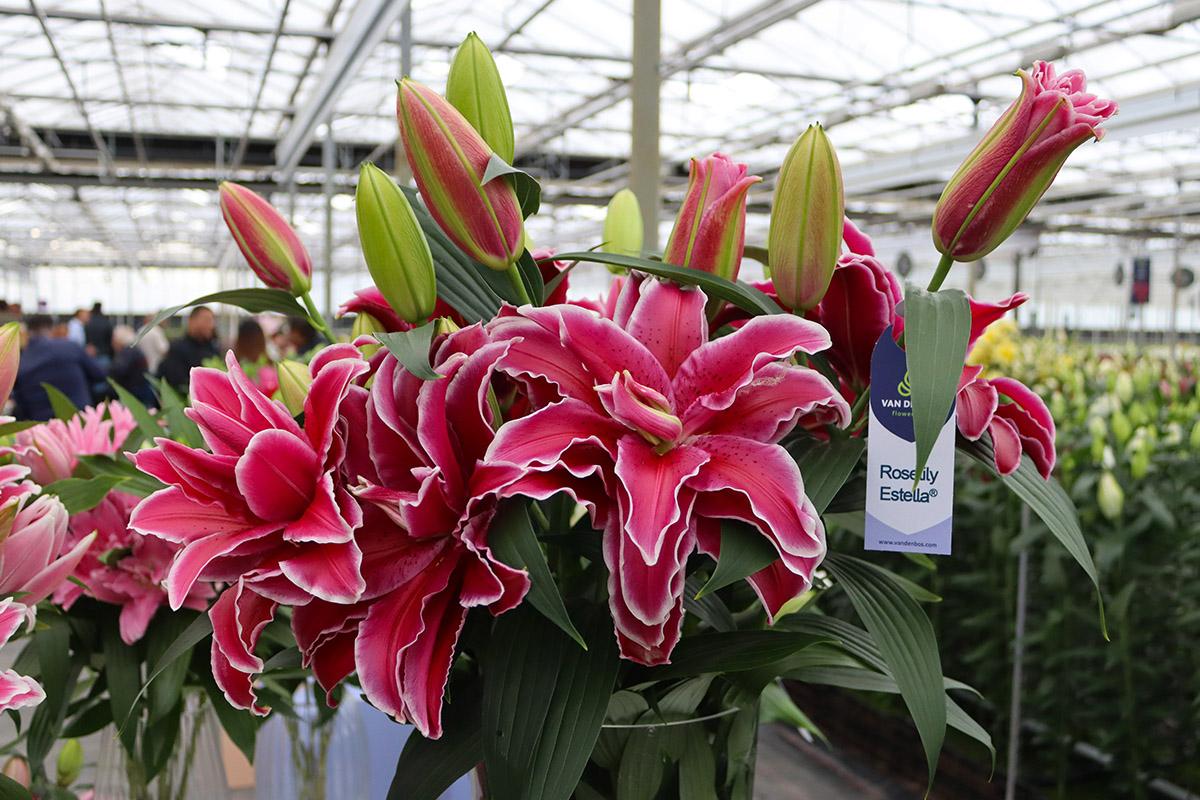
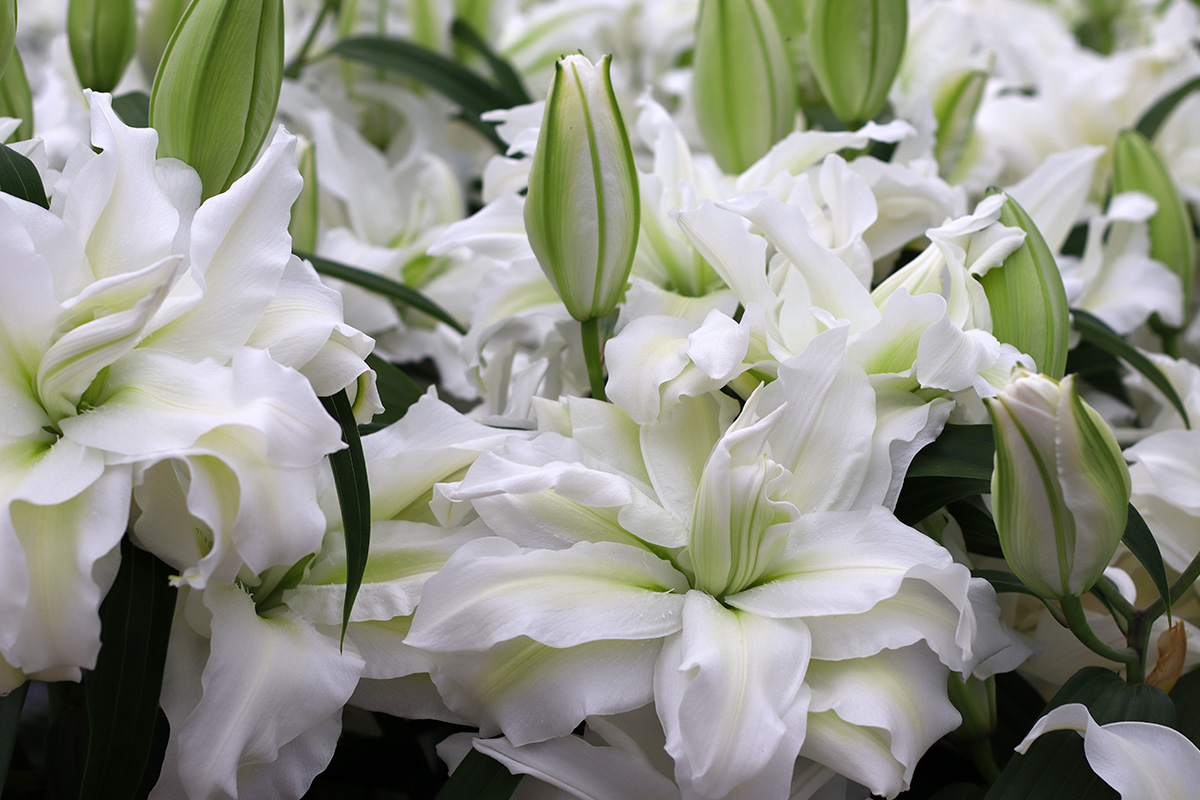
One of the clearest messages from Opening Day was the growing interest in double lilies. This is no longer a small side trend. Double Oriental Lilies, double LAs (Longiflorum x Asiatic), Roselilies, and Starlilies are getting more attention in markets around the world.
Felicia van der Weiden sees that movement clearly in the assortment.
"What I like is that it still does not stand still," she said. "There is still a lot happening. With double lilies, you have Roselilies, and now we also have Starlilies, the double Oriental Trumpets. And then we have double LAs too. So you see that many developments are still taking place within the crop."
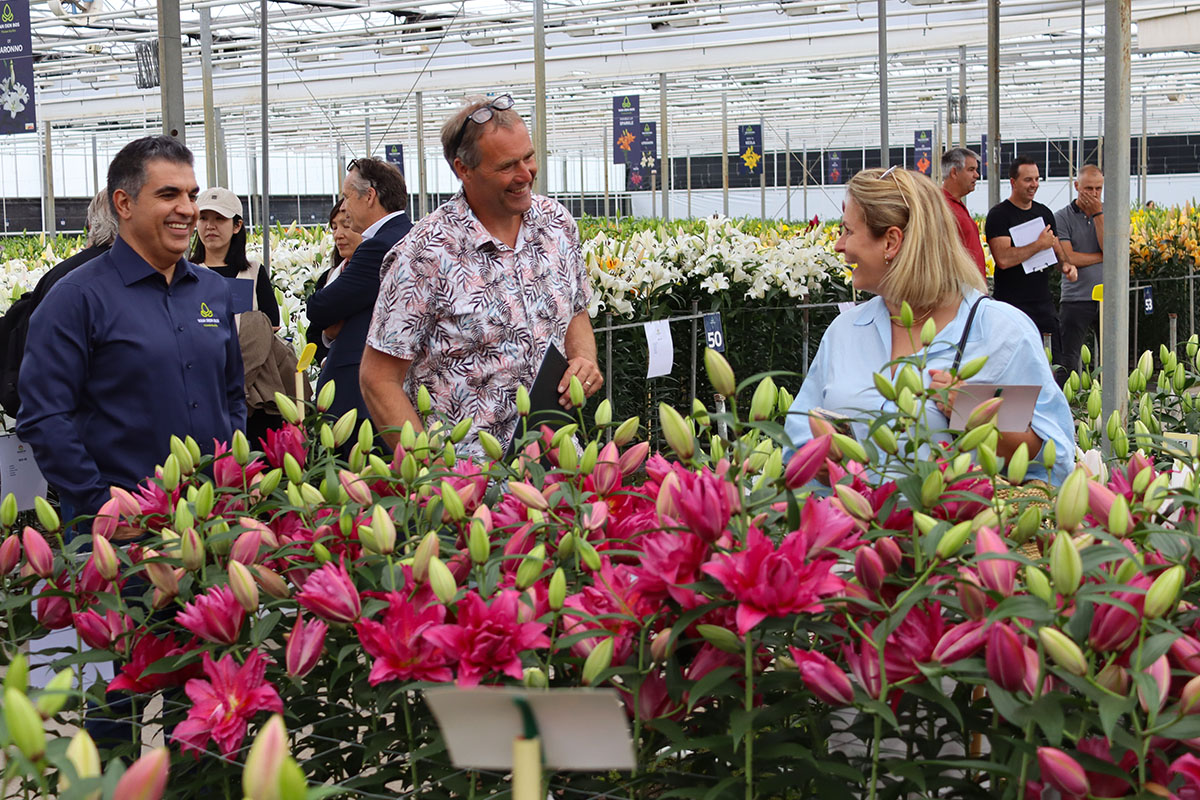
That is important for florists, growers, traders, and retail suppliers. Double Oriental lilies often offer a fuller flower shape, a softer appearance, and a more modern feel. Roselilies have become known for their double flowers, often without pollen, and with a look that connects well with wedding work, retail bouquets, and premium floral design. Starlilies, as double Oriental Trumpets, add another layer to that development, bringing the double-flowered trend into a different hybrid group.
For many buyers, the attraction is practical as well as visual. Less pollen means easier handling and fewer stains. Softer scent levels make lilies easier to use in homes, hotels, shops, and events. The fuller flower shape gives florists more volume and a different design option from the traditional single lily.
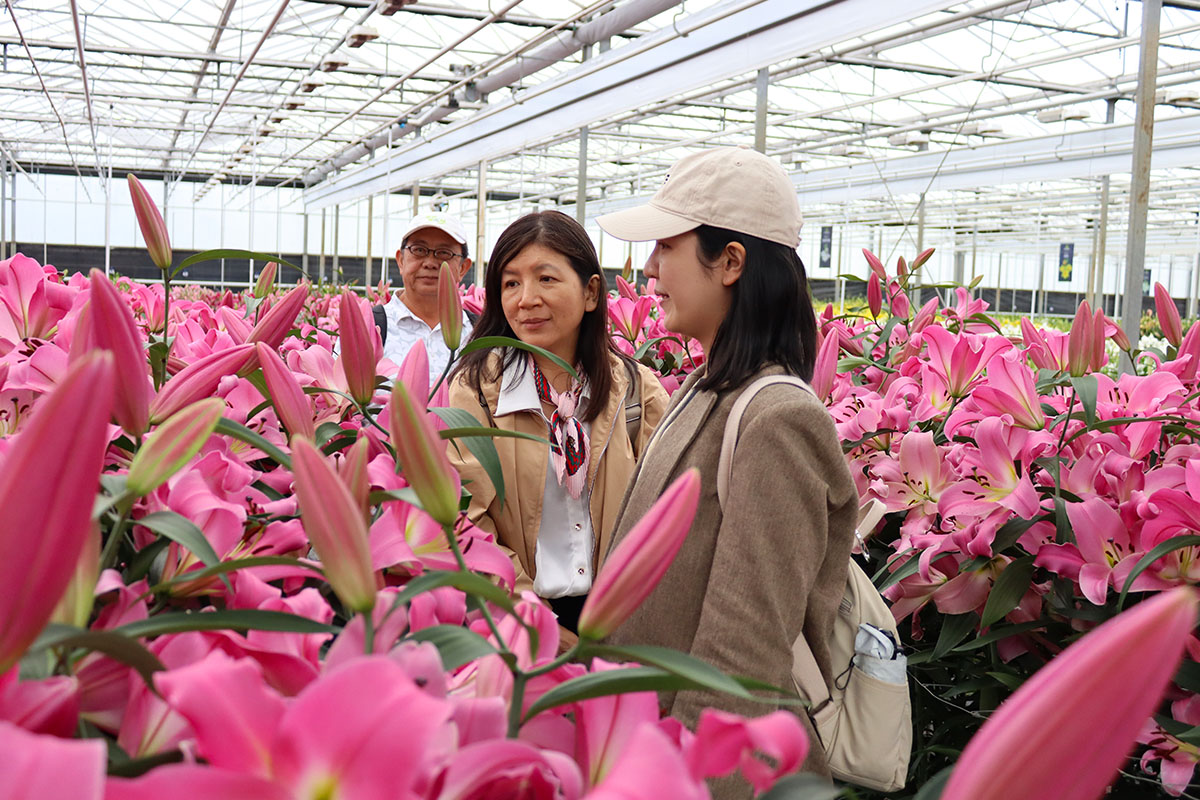
In North America, the conversation around specialty bulbs and specialty flowers is growing. During the opening, trade conversations also touched on how the U.S. market remains strong, even with current import and cost discussions. Interest in specialty products is not going away there. In South America, countries such as Colombia and Ecuador remain part of the international lily conversation through growers and buyers who follow Dutch Lily Days closely. And in China, the lily continues to be a serious crop and market, with Dutch companies maintaining close contact with customers and partners there.
More Than Cut Flowers
What makes the current lily story interesting is that growth is not happening in one direction only. Lilies are gaining attention as bulbs, as cut flowers, as pot plants, and as garden plants.
For bulb exporters, that opens more ways to serve growers and markets. For cut flower growers, it means more choice in stem type, bud count, scent level, color, and flower shape. For pot plant growers and garden suppliers, it creates room to present lilies in a different way, closer to the consumer’s home, terrace, and garden.
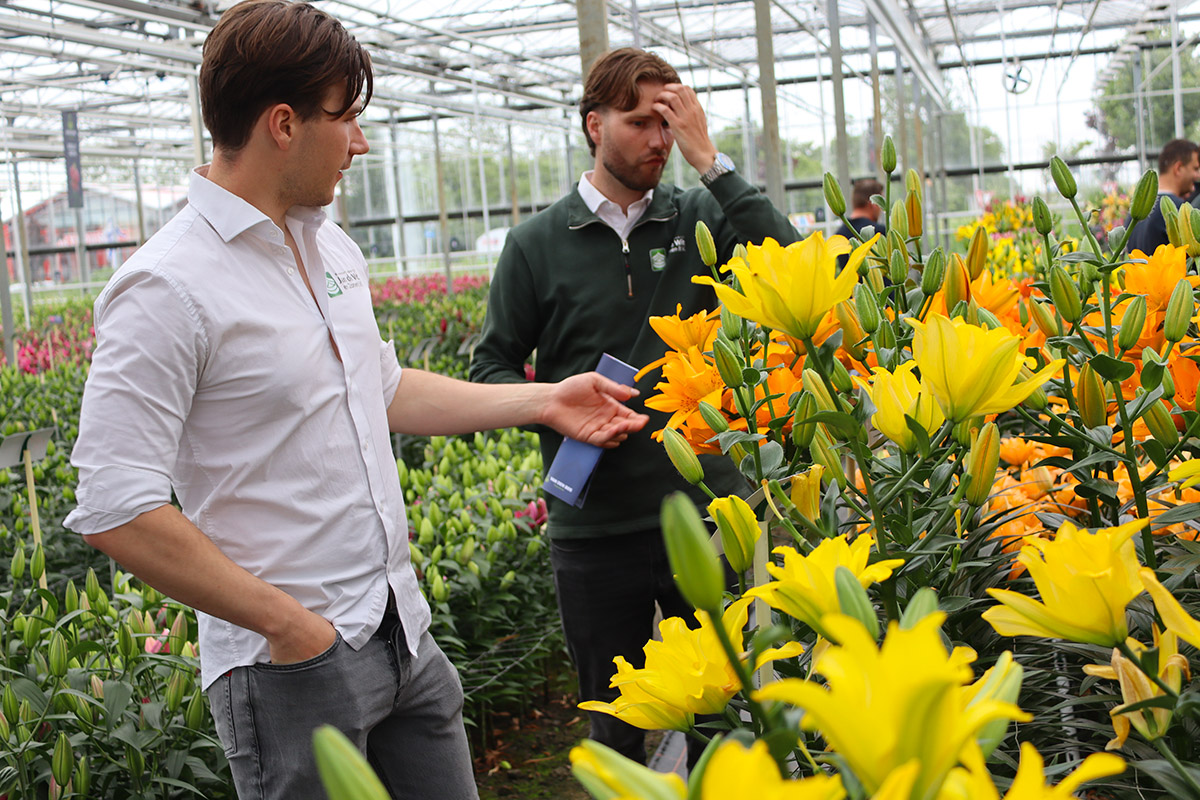
That broader use also helps the crop reach different audiences. A florist may look at stem length, vase life, pollen, and flower shape. A garden plant buyer may look at compactness, timing, and repeat value. A pot plant grower needs other traits again. Dutch Lily Days brings those conversations into one week, with the crop in front of everyone.
At Van den Bos, this came together in a very practical way. The presentation not only showed what is available now. It also showed where the lily can go next.
A Crop That Keeps Moving
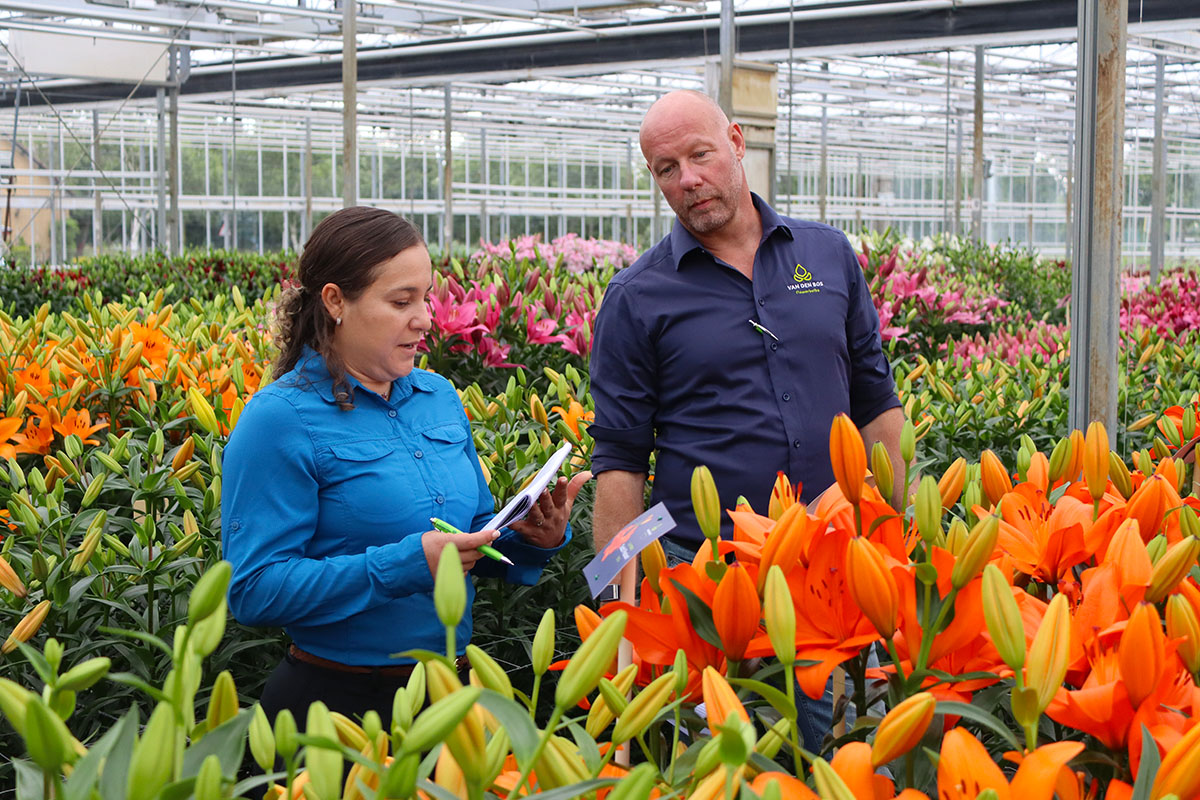
Dutch Lily Days has always been about direct contact. Visitors move from greenhouse to greenhouse, see trials in flowers that are in full bloom, talk with exporters, and compare what is happening in the assortment. The 2026 edition builds on that familiar format, but the market conversation feels very up to date.
There is pressure in the sector, of course. Sustainability, crop protection, energy use, labor, logistics, and market changes are all part of the daily reality. But Opening Day at Van den Bos showed another side too: there is still movement, still curiosity, and still demand for new lily concepts.
The growing interest in double-flowered lilies is part of that. So is the wider use of lilies in pots and gardens. So is the international attention from North America, South America, China, and other regions that keep coming back to the Netherlands to see what is next.
The lily sector is not standing still. That was perhaps the strongest message of the day.
A Strong Start to Dutch Lily Days 2026
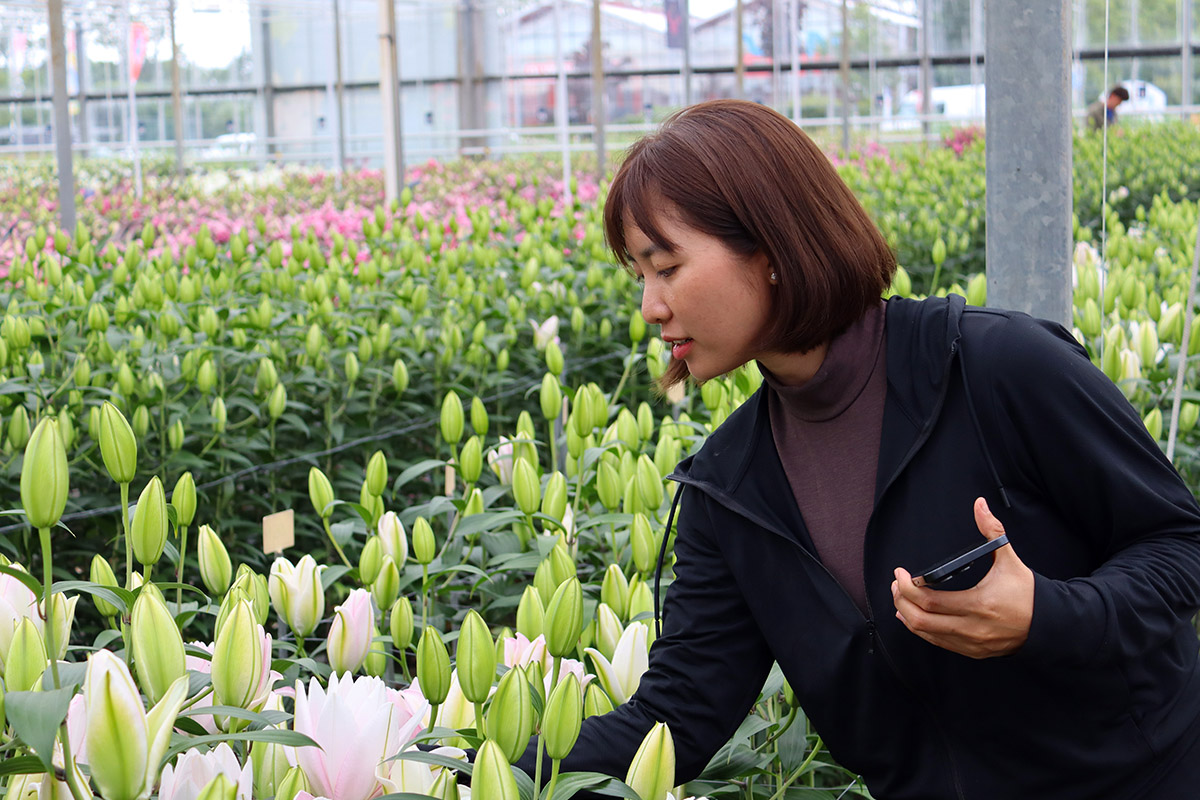
As the first day moved from ceremony into party time, Dutch Lily Days 2026 started the way a sector event should start: with flowers, people, conversations, and a bit of celebration.
For Van den Bos, it was a moment to mark their 8th decade. For the Dutch lily sector, it was a moment to show that the crop still has plenty to say. And for visitors, it was a reminder that the best way to understand where the lily is going is still to stand inside a greenhouse, look closely, and talk to the people working with the crop every day.
Dutch Lily Days continues until Friday, June 5. If Opening Day was any indication, this edition is already about more than new varieties alone. It is about the widening role of the lily, from bulb to cut flower, from pot to garden, and from Dutch greenhouses to markets all over the world.