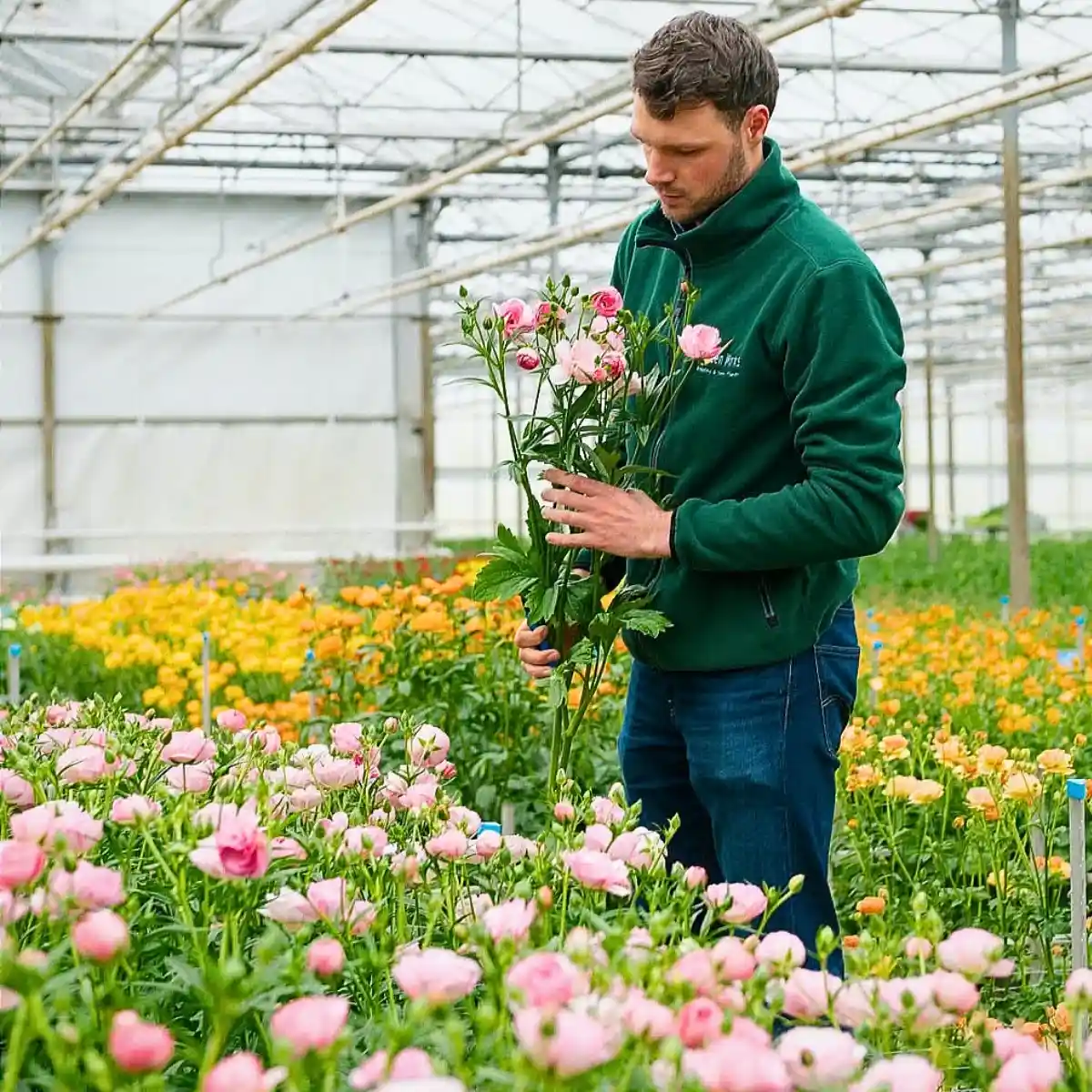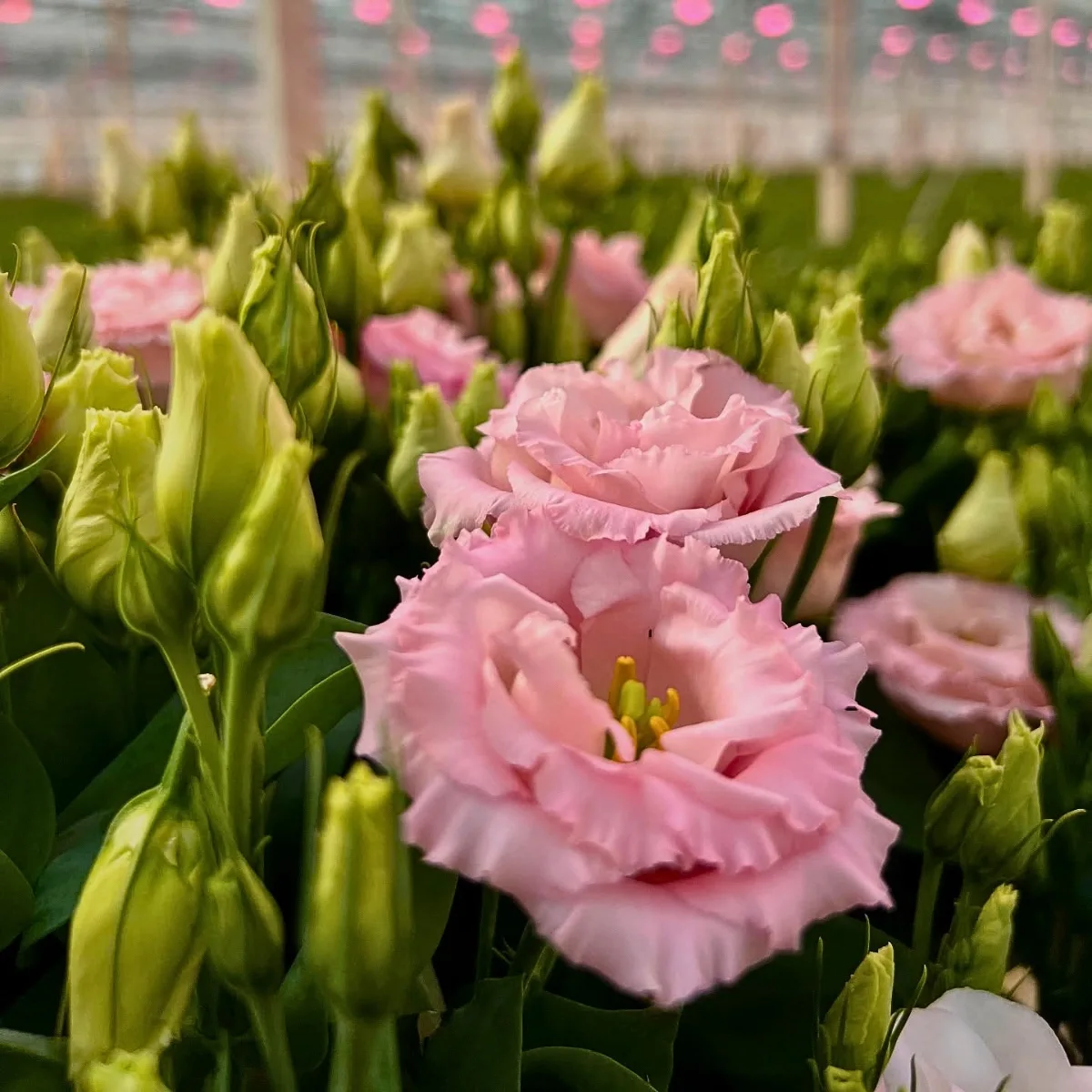
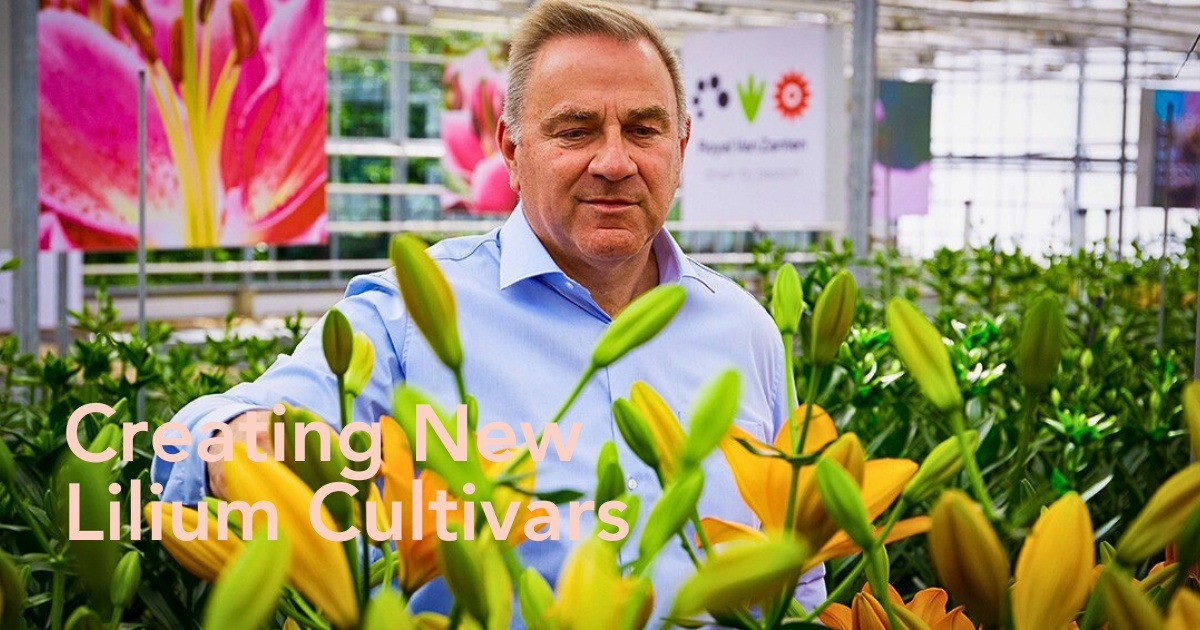
Have you ever thought what the breeding of lilies is all about? There is quite a lot involved. Lily breeding is, essentially, a sophisticated horticultural and scientific process of creating new Lilium cultivars with desirable ornamental, adaptive, and commercial traits, like improved colors, fragrance, disease resistance (including Fusarium), and strong, erect stems.
Modern breeding combines traditional cross-pollination with advanced techniques like in vitro fertilization, embryo rescue, and molecular markers to overcome genetic barriers between species. But more than that, the processes take years of patient science, creativity, and passion.
What Lily Breeding Really Means in Brief
The genus Lilium contains several wild species distributed across the temperate regions of the Northern Hemisphere, from Eastern Asia and Europe to North America. From this rich pool, breeders have developed approximately 10,000 registered cultivars, with more than 300 new ones added every year.
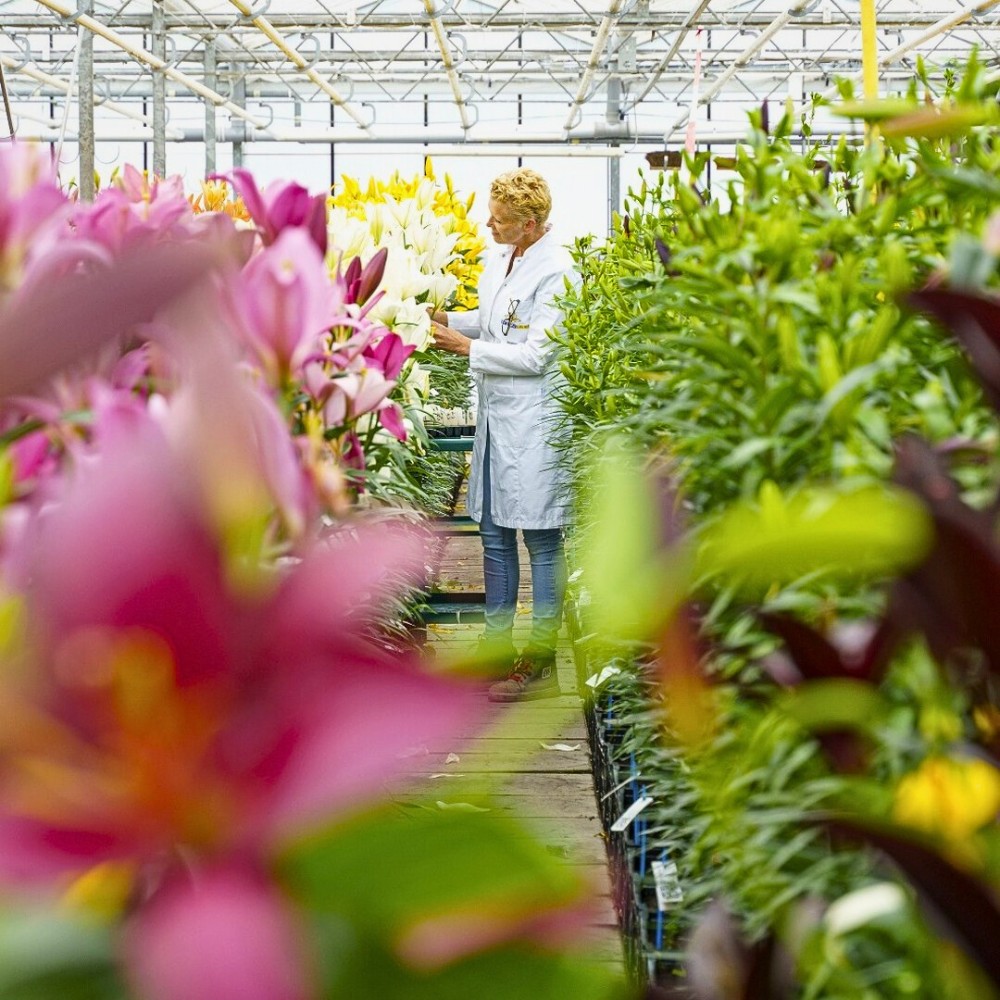
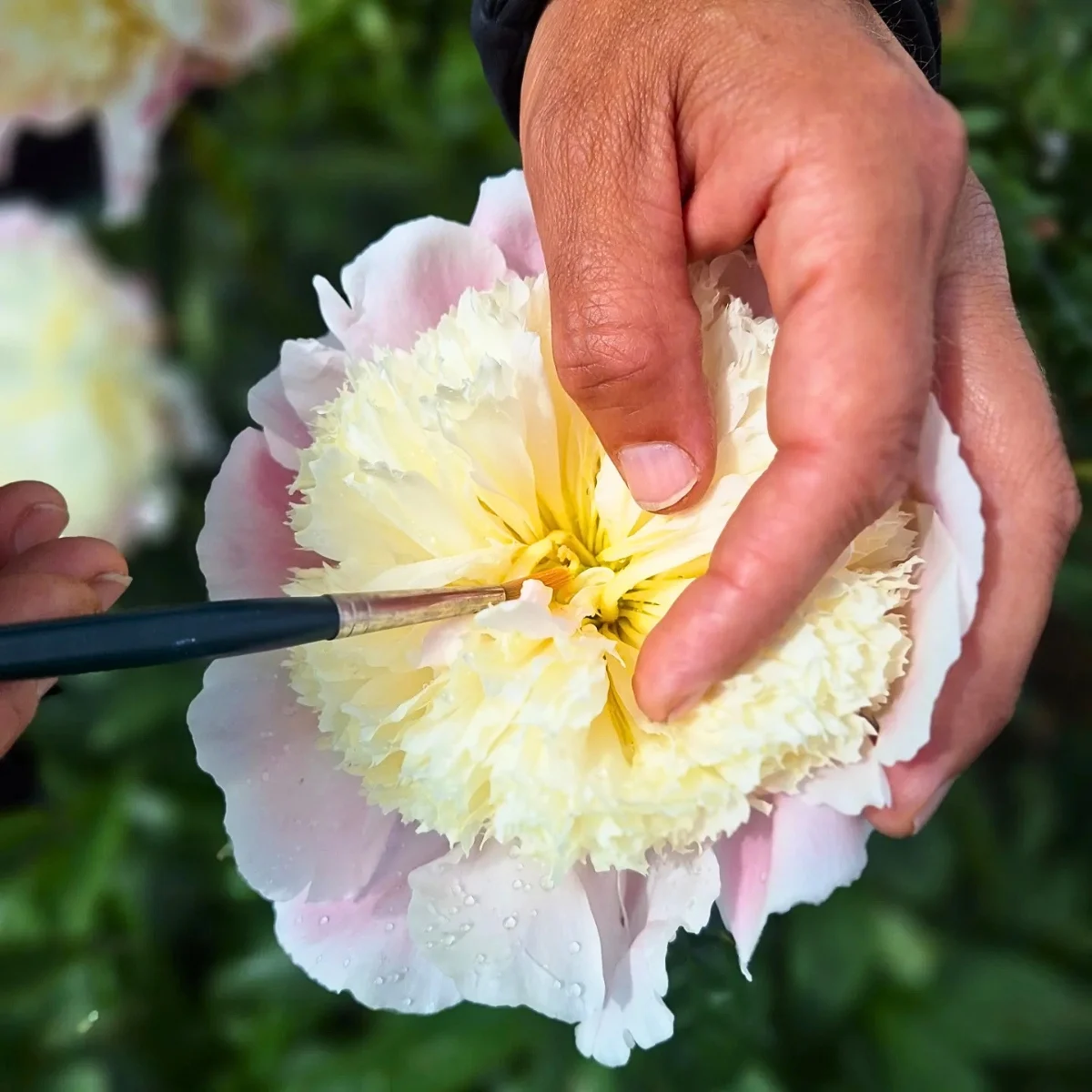
Lily breeding involves the deliberate crossing of two parent plants chosen from this pool to produce offspring that carry the best traits of both. Breeders select a pollen donor (the male parent) and a seed parent (the female), then transfer pollen from one to the stigma of the other. If the cross is successful, a seed capsule forms, and inside it are embryos that represent an entirely new genetic combination. Each seedling is, in a meaningful sense, a unique individual, one that has never existed before.
Most commercially available lilies fall into four categories, which are Asiatic (AZ), Oriental (OR), Longiflorum (LF), and Trumpet (TR or TP). Within each group, hybridization results in plants that are usually fertile and vigorous. It is when breeders try to cross between these groups, creating so-called intersectional hybrids like Longiflorum x Asiatic (LA), Oriental x Trumpet, also called 'Orienpets' (OT), or even Longiflorum x Oriental x Trumpet (LOT), that things get a bit complicated, yet exciting. The varieties available today are a product of years of careful crossing and selection from these species.
What Lily Breeding Tries to Achieve
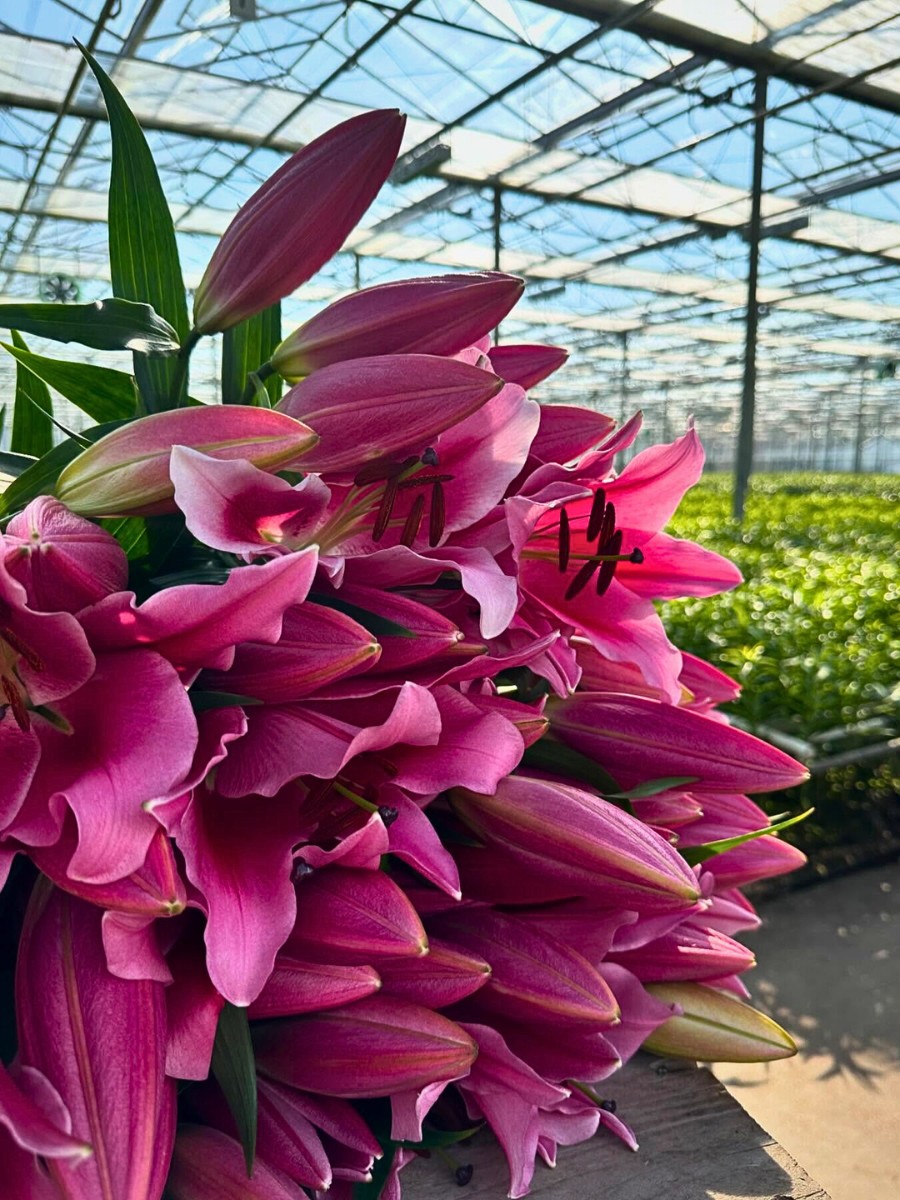
The goals of a modern lily breeding program are a lot more than esthetics. Before pollen is brushed onto a stigma, breeders decide what they are aiming for, which includes:
- New flower forms, such as doubles or pollen-free types.
- Fresh color combinations and patterns, including speckles, contrasting centers, and bi-colors.
- Strong stems and good vase life for florists.
- Garden performance, such as winter hardiness, compact growth, or container suitability.
- Resistance to pests and diseases, better bulb production, and reliable forcing in the greenhouse.
Growers and markets seek lily flowers that last longer in the vase, stems that are straight and strong enough to survive international shipping, and plants that resist fungal diseases and viruses that can devastate a greenhouse crop. Pollen-free varieties have also become increasingly desirable because loose lily pollen stains clothing and furniture, a drawback that discourages some consumers from buying.

Fragrance is another active area of interest. Oriental lilies are famous for their scent, but that same intensity can be polarizing. Breeders have worked to develop varieties with a lighter fragrance that fills a room gently and does not overwhelm the space. The Roselily series was specifically bred with this in mind. It has a pleasant scent, not the heavier perfume typical of many Orientals.
Shape and form are also interesting qualities. At the Dutch Lily Days event, growers and breeders gather annually to showcase what is coming next. And at a recent edition, Kees van Paridon of Dutch Lily Masters predicted continued growth in double-flowered varieties, while Levi Evers of Bredefleur noted that the industry would see more variation in flower shapes and a wider range of pollen-free options. The Lily Butterfly series, showcased by Zabo Plant, also offered unique (parrot-like/form) varieties showing a new direction for lily aesthetics.
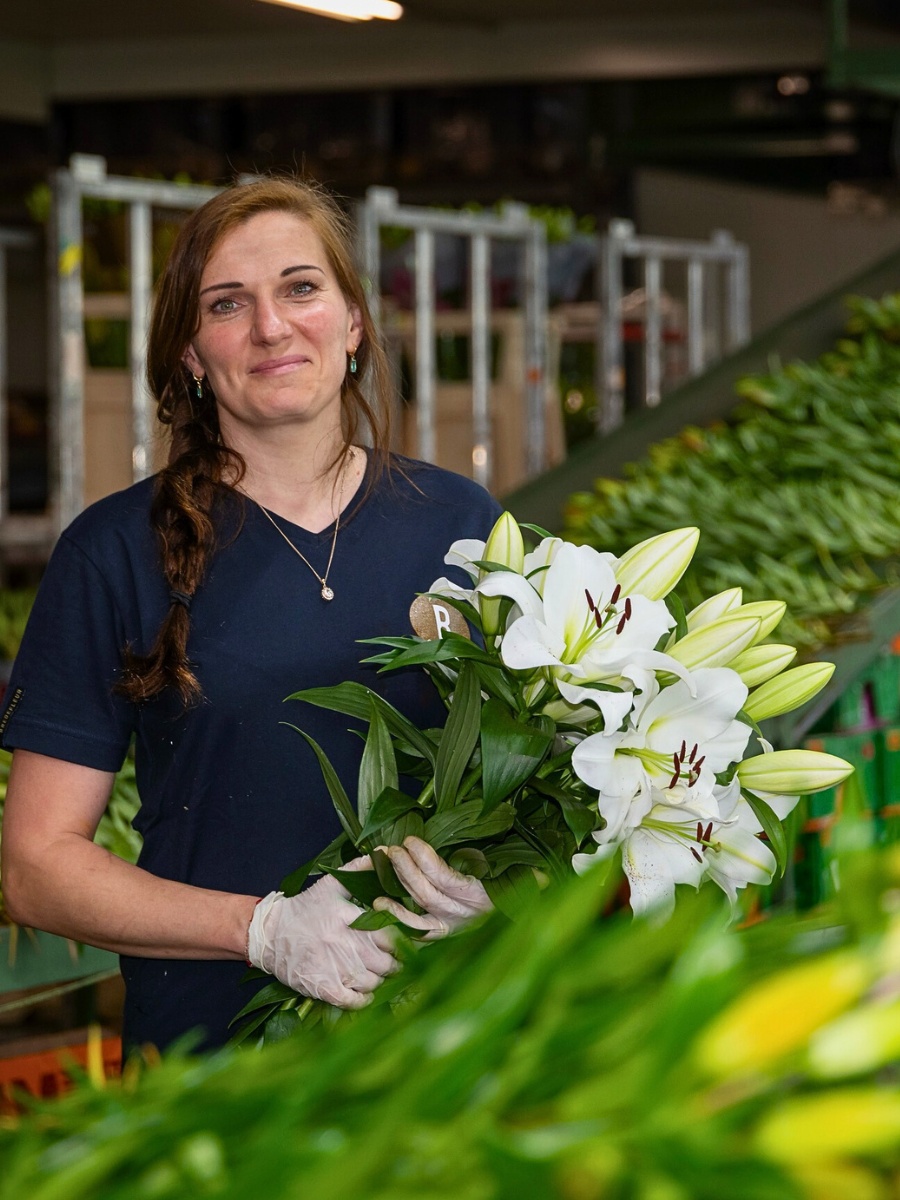
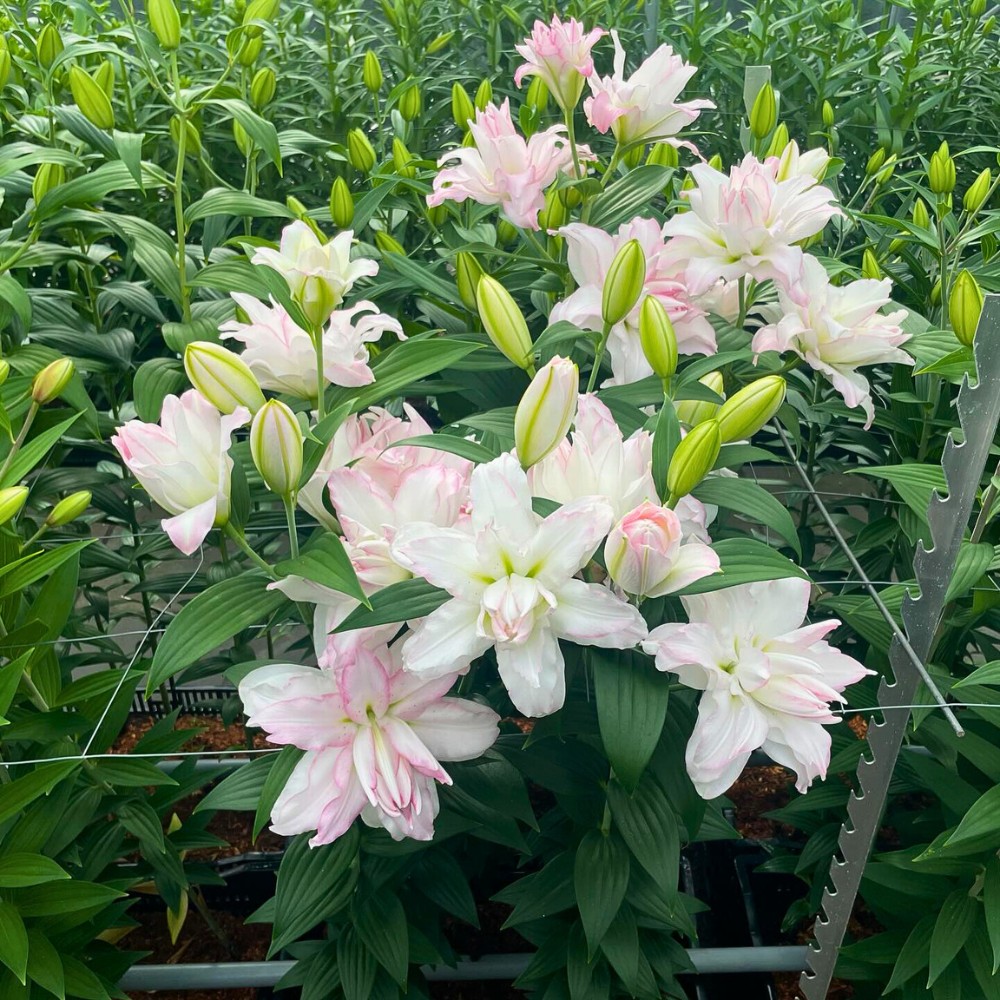
Still on the same, De Looff Lily Innovation focuses strongly on double-flowered lines that are sold through the Roselily grower association, giving florists pollen-free flowers with rich, layered petals. Other brands show how specific breeding goals create recognizable product lines for cut, garden, and pot lilies.
The Basics, From Lilies to Pollination, and Seeds
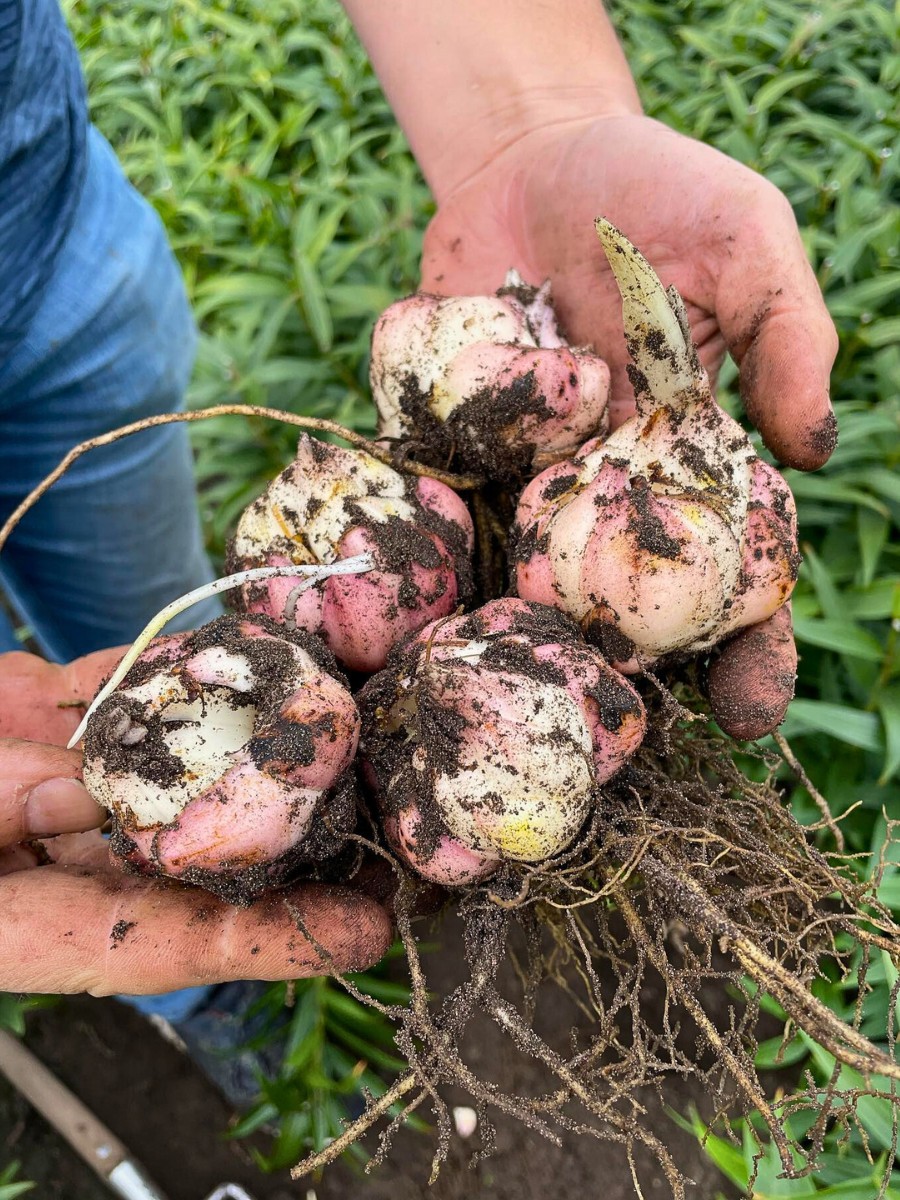
As already noted, lilies belong to the genus Lilium, a group of bulbous perennials grown on a very large scale, especially in the Netherlands, which accounts for more than three-quarters of the global cultivated area. In nature, lilies reproduce both sexually through seed and vegetatively through bulb scales, daughter bulbs, and other bulb structures.
Breeding focuses on sexual reproduction, using pollen from one parent and the female parts of another to create seeds that mix traits from both. A lily flower has anthers, which produce pollen, a stigma at the tip of the pistil, which receives the pollen, and a style and ovary, where pollen tubes grow, and fertilization occurs, all of which play key breeding roles.
When a pollen grain from one lily lands on the stigma of another compatible lily, it can grow a pollen tube down into the ovary and fertilize the ovules, which later form seeds. Each seed can grow into a genetically unique plant, so a single pollination may yield many different seedlings for breeders to evaluate.
How Breeders Make Crosses
In controlled lily breeding, people take over the job that wind or insects might do in nature. The steps are fairly similar whether you are a commercial breeder like Vletter & Den Haan, Mak Breeding, World Breeding, or De Jong Lilies, or a small-scale hybridizer working by yourself.
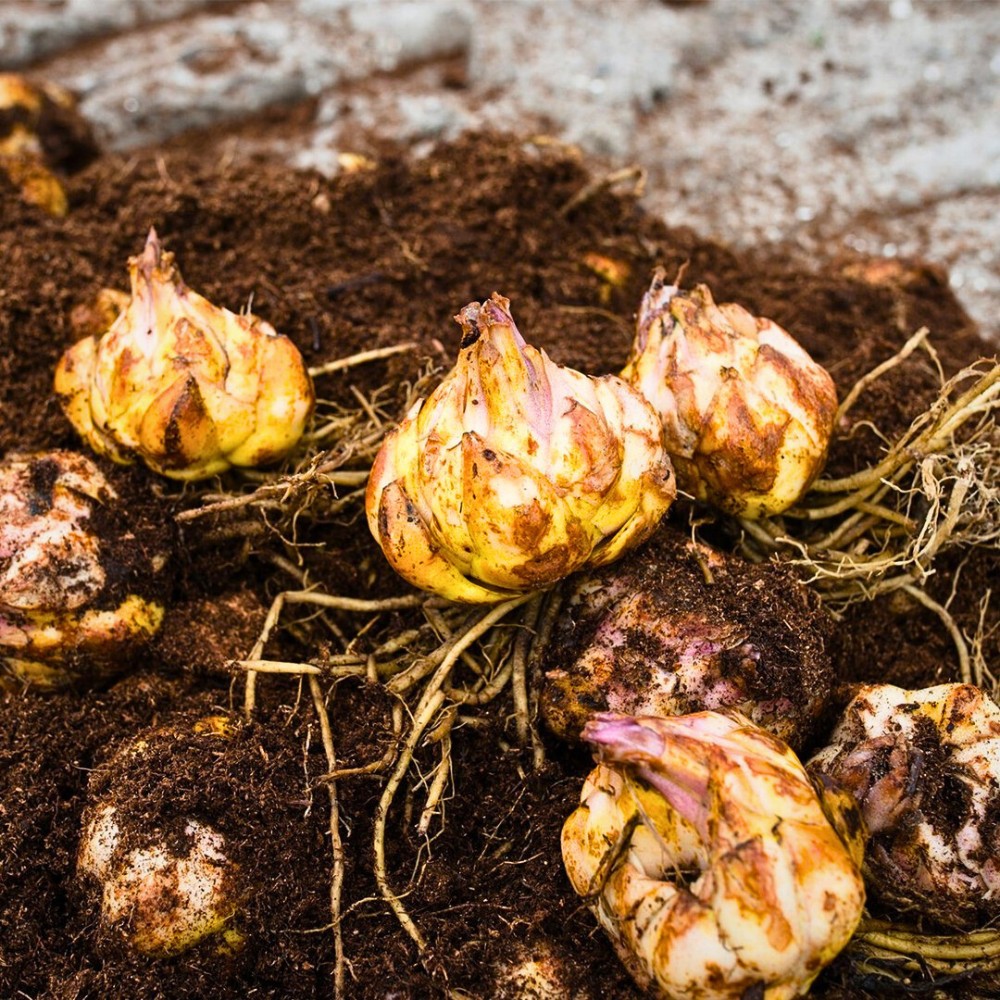
- Selecting parent plants: Breeders choose ‘mother’ and ‘father’ plants for specific traits, including a strong stem and good bulb yield on one side, and an exciting color or fragrance on the other.
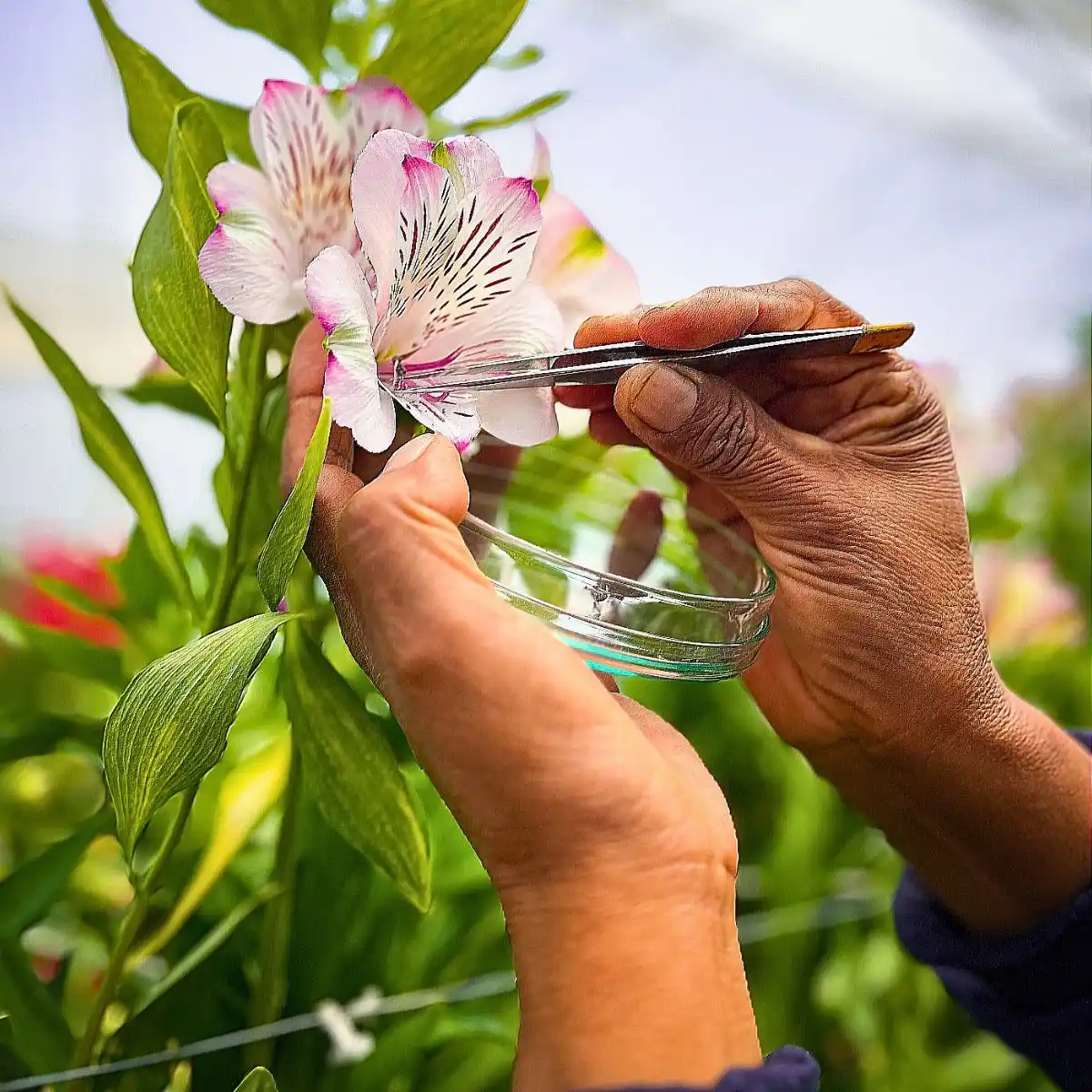
- Preparing the mother flower: Before the flower releases its own pollen, breeders often remove the anthers to prevent self-pollination and cover the flower with a bag or sleeve for protection.
- Collecting and applying pollen: When the anthers on the father plant look ripe and dusty, breeders collect pollen, sometimes drying and storing it at cool temperatures so it can be used later. They then gently dust that pollen onto the sticky stigma of the prepared mother flower.
- Labeling and recording: Each cross is labeled with the parent names, date, and sometimes a breeding code so the breeder can track it for many years. Careful records are essential, especially when thousands of crosses are made each season.
- Seed development and harvest: If the cross is compatible and successful, the ovary swells as seeds develop. After several weeks or months, depending on the crossing, the seed pods are harvested and dried, and the seeds are cleaned and stored.
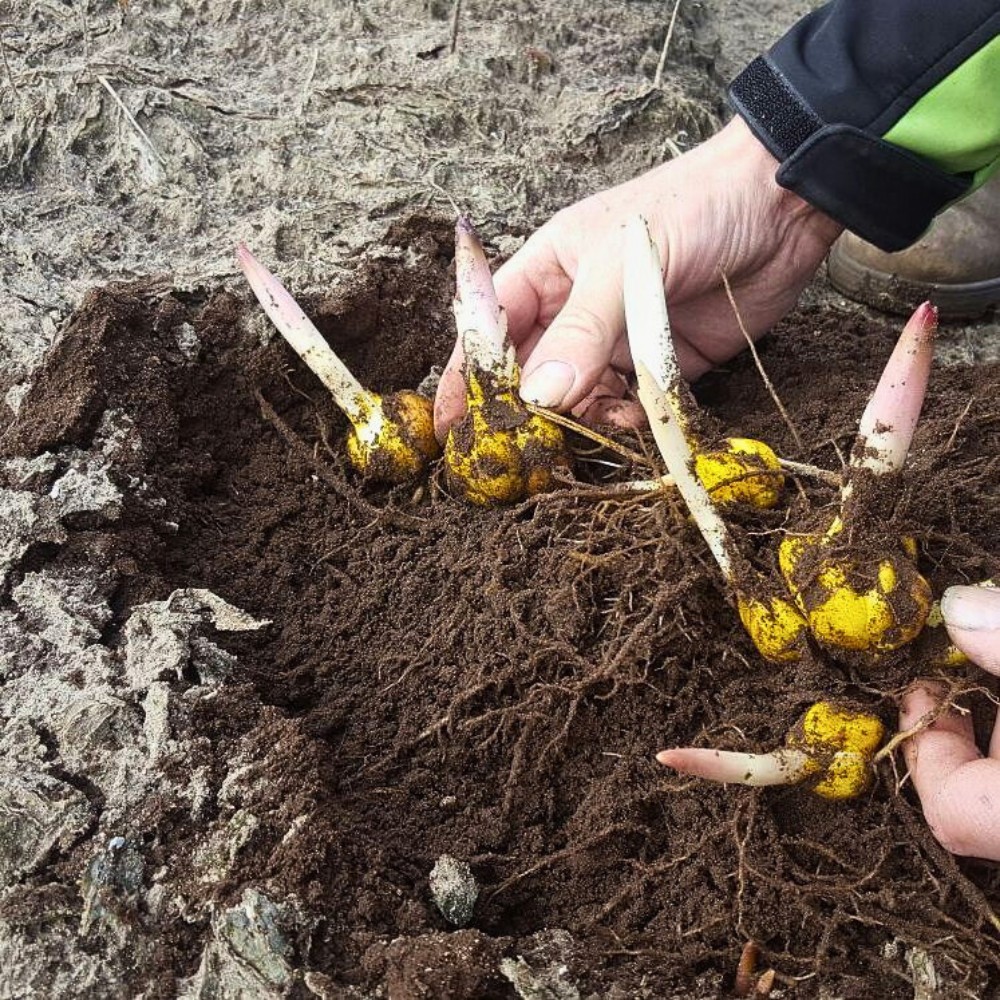
In many common combinations, such as crosses within Asiatic or Oriental groups, this entire process works reasonably well using standard cross-pollination.
From Seed to Seedling to Selection
Once seeds are harvested, the slow part of breeding begins. Lily seeds are sown and grown into juvenile plants, which may take several years before producing their first flowers. In commercial lily breeding programs, thousands of seedlings are raised, each with a code.
During the first flowering years, breeders look closely at qualities like flower shape, color, and any special traits like double petals or lack of pollen, stem length and strength, bud count, and flower orientation, leaf health, disease symptoms, and overall vigor, as well as bulb formation, since lilies are traded and planted as bulbs.
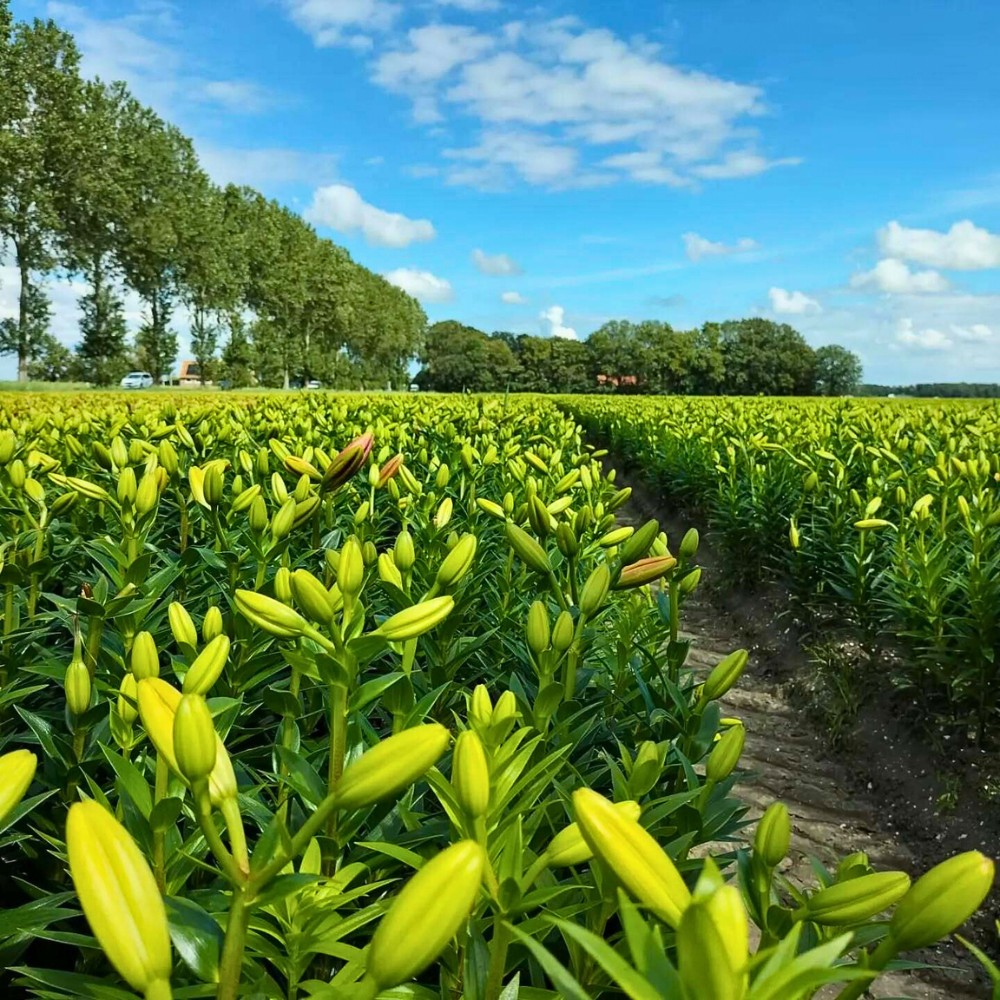
Most seedlings never make it past these first selection rounds. Only a small fraction move on to further trials, where they have to show they can perform in the greenhouse, in the field, in cold storage, and in transport. Breeders like Royal Van Zanten and De Looff Lily Innovation, among others, work closely with growers and exporters so that promising selections are tested in real production settings, ensuring that a beautiful new lily is also practical to grow, harvest, store, and ship.
When Nature Says "NO", How Do They Overcome the Barriers?
Things often become more demanding when breeders try to combine very different lily groups, such as Lilium longiflorum with Asiatic hybrids or crosses between distant sections like Archelirion (Orientals) and other species. These combinations are valuable because they can bring together strong stems, fragrance, disease tolerance, and new color patterns, but lilies often have natural barriers that block such crosses.
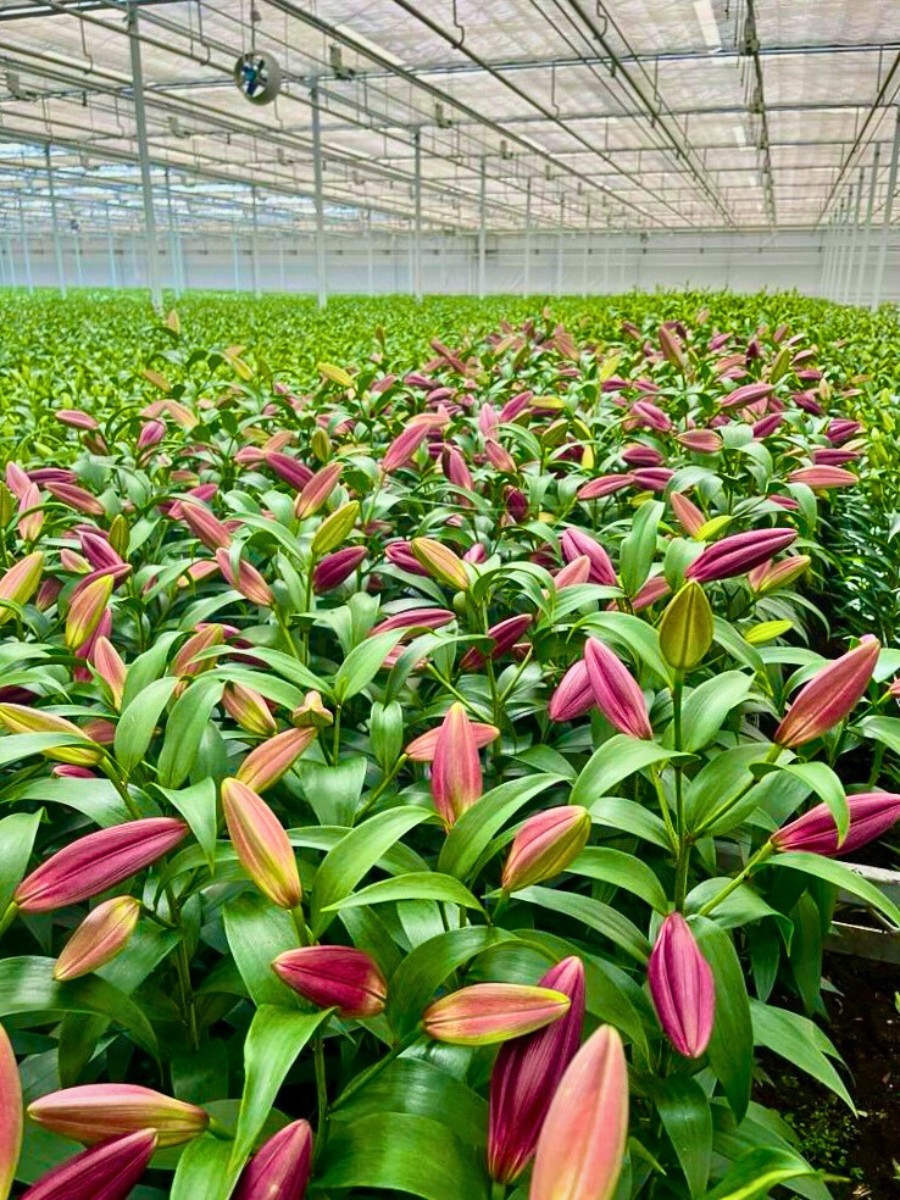
Scientists and breeders describe two main kinds of barriers in these cases. Pre-fertilization barriers are where pollen tubes stop growing partway down the style or never reach the ovules. Post-fertilization barriers, on the other hand, occur where the fertilized embryo starts to develop but then fails inside the seed. To handle this, researchers have developed special approaches:
- Cut style pollination: The style is shortened, and cross-pollination is carried out on the cut surface, so pollen tubes have a shorter path and can reach the ovary more easily.
- Bud or stump pollination: Pollination is carried out on flower buds or on flower stalks after removing parts of the flower, sometimes combined with grafting techniques, to bypass some incompatibility reactions.
- Embryo rescue: After a successful fertilization in a difficult cross, breeders remove the tiny hybrid embryos from the seed before they abort and culture them in sterile media in the laboratory.
Such methods ensure the breeder creates interspecific and inter-sectional hybrids that seldom appear naturally, including many of the modern Oriental, Longiflorum, Asiatic, and OT hybrid lines that dominate commercial production.
Modern Tools, Like Polyploidy and Genetic Insights
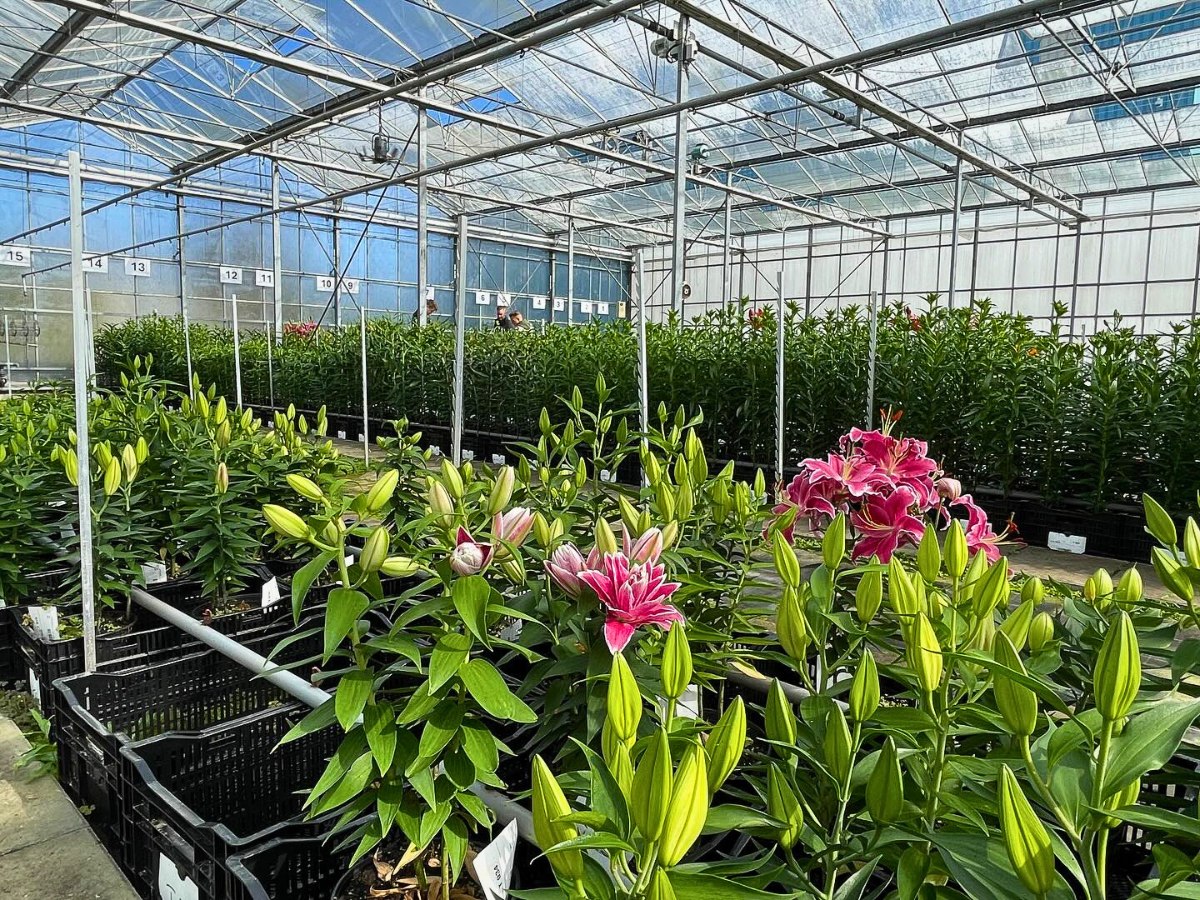
Aside from traditional cross-pollination, lily breeders have more sophisticated tools in their toolkit. One important area is polyploid breeding, where plants are induced to have more than two sets of chromosomes. Polyploid lilies can show thicker petals and leaves, larger flowers, and more robust growth, and changes in fertility that can be used strategically in breeding.
Mitotic and meiotic polyploidization techniques allow breeders to combine different genomes and stabilize new hybrids, widening the range of possible crosses and helping overcome some incompatibilities.
Genetic and genomic research is also giving breeders more insight into traits like disease resistance, flower color pathways, and vernalization needs. While lilies do not yet have the same level of genetic tools as some major crops, knowledge from research helps set targets and design more efficient crossing strategies.
Selection, Market Launch, and the Role of Growers and Brand Partners
Once a candidate has proven itself through several trial stages, the journey to commercial release begins. This includes:
- Naming and branding: Choosing a memorable name or connecting the variety to a brand range like Roselily or Lily Looks.
- Bulb multiplication: Building up enough stock through bulb scaling and field production. This can take several years for a new lily.
- Licensing and protection: Registering breeders’ rights and setting up licensing agreements with growers in different countries.
- Promotion: Presenting the new lily at trade shows and through activities like the Bredefleur BFF, where florists showcase their lily designs, so designers and consumers can discover the flower's personality.
In the Netherlands, this chain is unusually well developed. Companies like Lily Company, based in Andijk, breed and export more than 150 garden lily varieties grown in some of the most sustainably managed greenhouses in the world. Lilies of Life, a Rijnsburg-based family business established in 1931, specializes exclusively in lilies and produces lilies with strong Fairtrade ideals.
Cut lily flower growers like Bredefleur, run by fourth-generation lily grower brothers, and known for high-quality stems in Asiatic, Oriental, Longiflorum, and LA hybrid groups, also collaborate with leading breeders, like Vletter en Den Haan, World Breeding, Royal Van Zanten, and MAK Breeding, growing novel breeding innovations (lilies) for the market.
Klaver Flowers also grows lilies in their greenhouse (considered the largest contiguous specific for Lilium growing in the country, spanning 14 hectares) in Heerhugowaard, from where one can choose from their more than 30 varieties, available year-round. They specialize in single- and double-flowered Orientals, available in premium and basic lines.
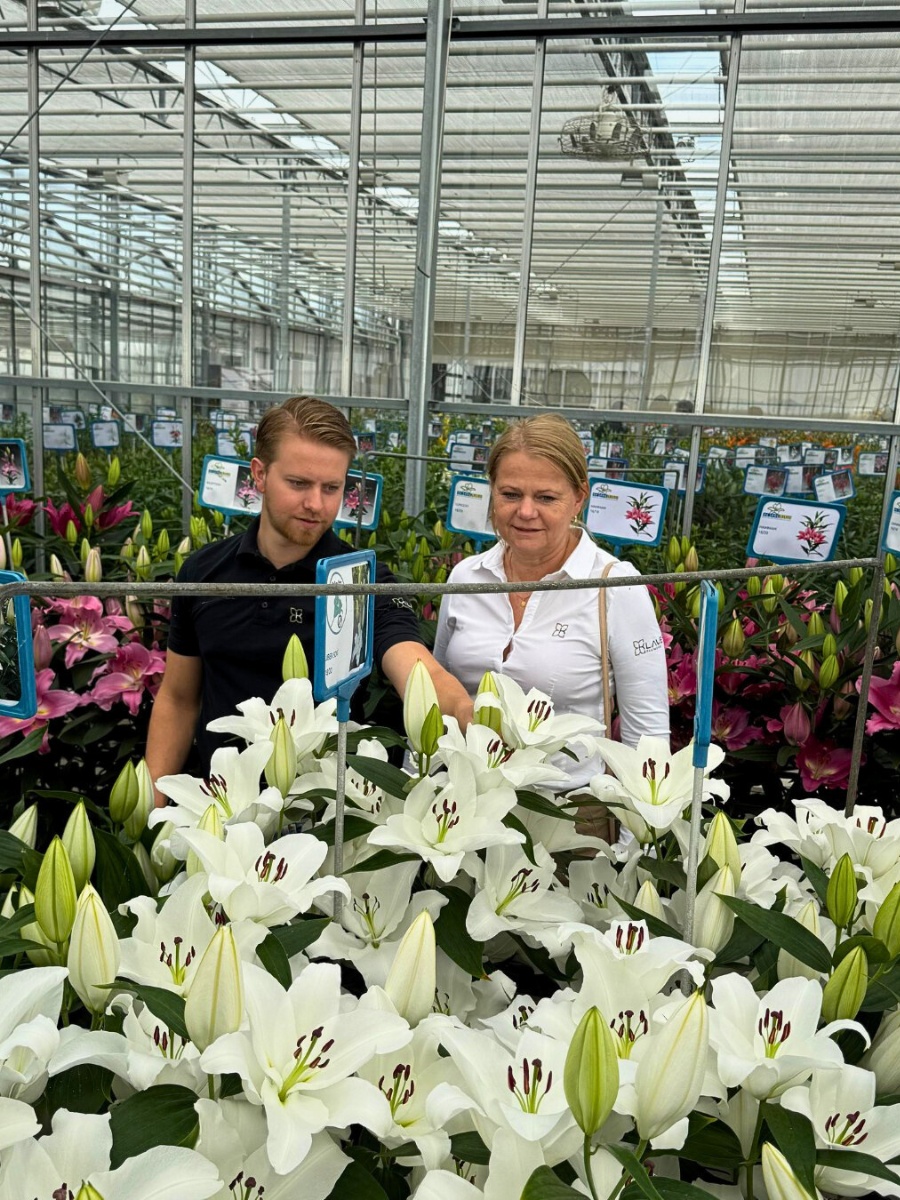
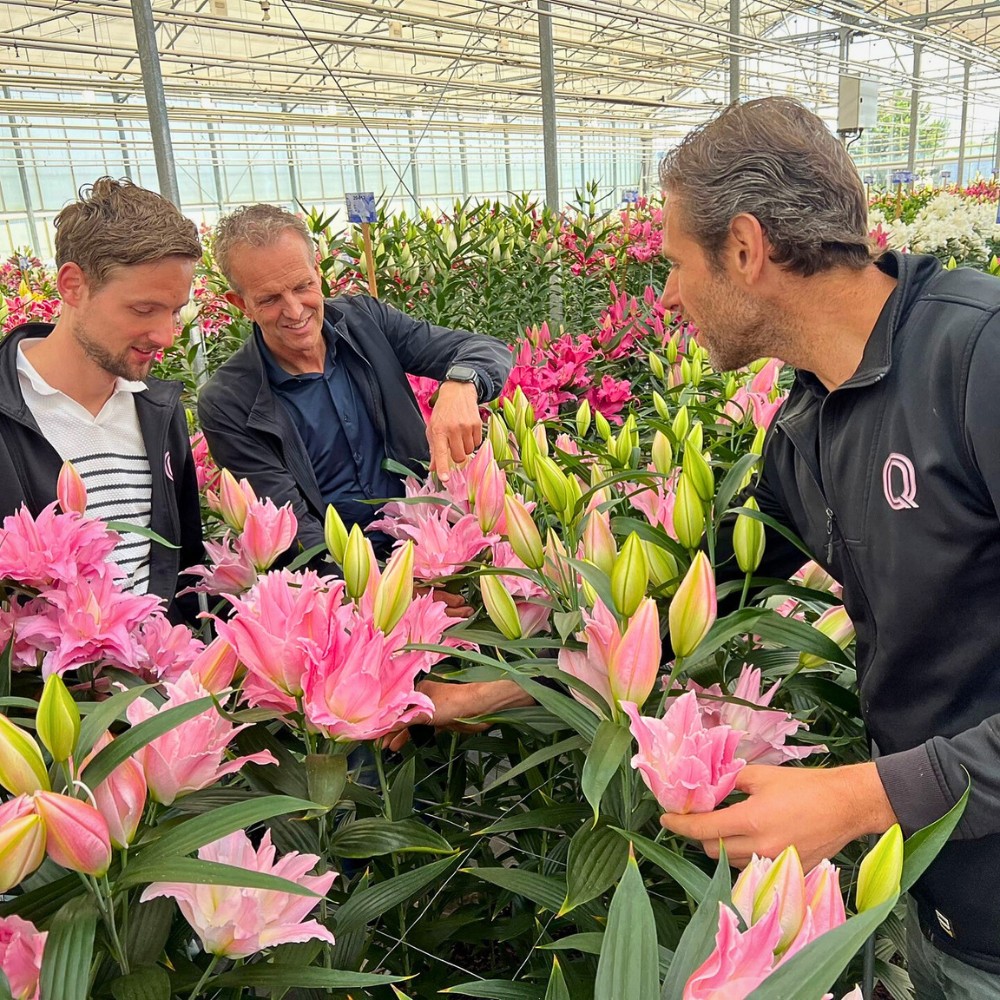
Raymond Vijverberg’s Qualily also works with breeders, like Vletter and de Haan, and MAK Breeding to grow Asiatic, Oriental, Longiflorum, and OT hybrid lilies across several greenhouse locations year-round. Connecting Lilies, with nurseries in the Netherlands and Spain, likewise, supplies European supermarket and retail channels with lilies from Longiflorum, Asiatic, Oriental, and OT categories, adapting fast to seasonal demand across markets.
Zabo Plant, which operates a joint venture called Valdivia Lilies in Chile, has also been instrumental in bringing branded lily concepts to market. Their work with the Roselily and Lily Looks brands helped establish the idea that a lily variety could be marketed as a premium, named product. Zabo’s partnership with De Looff Lily Innovation and World Breeding is also behind an exciting line of double OT Roselily varieties being introduced to growers.
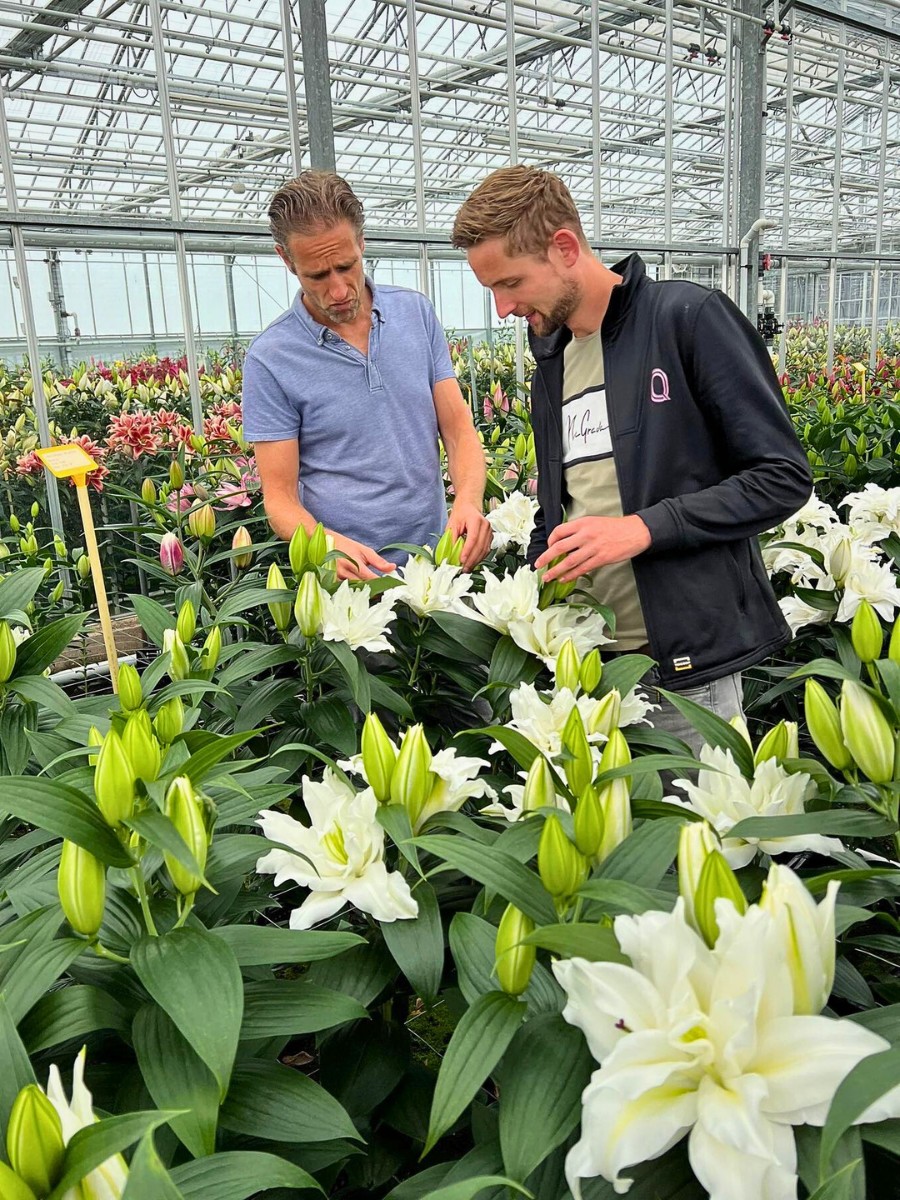
More Promising News for Lily Breeding
With roughly 100 wild species available as genetic raw material, and molecular tools like genomic in situ hybridization (GISH) allowing breeders to track exactly which chromosomes have been inherited from which parent, the possibilities in lily breeding are yet to be fully explored.
Researchers have recently sequenced the lily genome for the first time, which is a significant achievement given that Lilium sargentiae has one of the largest plant genomes ever recorded at 35.66 gigabases.

That sequence is already presenting new avenues for understanding how traits are inherited, and disease resistance can be introduced more efficiently. For those who love lilies, all these mean even more exciting varieties and prospects.
Feature image by @dejongleliesholland. Header image by @royalvanzanten_flowerbulbs.