Today, a box of flowers crossing from the EU to the UK needs a phytosanitary certificate. It can also be pulled aside for an SPS check at the border. On 20 November 2026, EU and UK leaders meeting in Brussels endorsed the EU-UK SPS agreement, which is set to remove both for flowers and plants moving between the two. Don't throw out the paperwork yet, though. Full entry into force is foreseen for 1 March 2028.
Union Fleurs, the International Flower Trade Association, called it a decisive breakthrough for the flower and plant trade. It's easy to see why.
What the EU-UK SPS Agreement Changes for Flowers and Plants
The agreement sets up a common EU-UK phytosanitary area. In practice, that should mean no phytosanitary certificate per consignment. It should also mean no routine SPS checks at the border for flowers and plants traveling between the EU and the UK. Union Fleurs expects less admin, lower costs, and fewer delays for the businesses on both sides of the Channel.
The stakes are big. The UK is the largest export market for flowers and plants from the EU, worth more than 1 billion euros a year. Every one of those shipments carries the paperwork this deal is meant to remove. And if you've ever had a truck of tulips waiting at a border post, you know a certificate costs more than the fee printed on it.
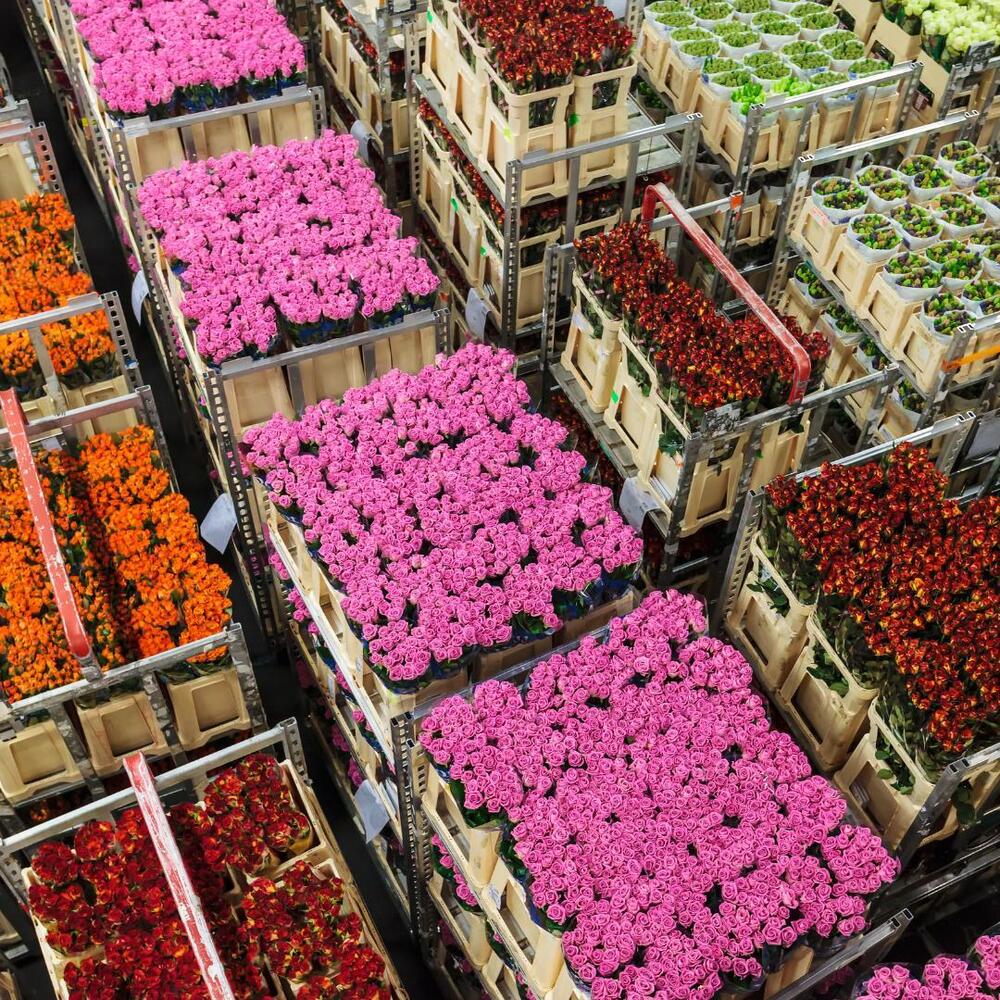
Why Nothing Changes at the Border Before 2028
An endorsement at a summit is a political step. Both sides still have to complete their legal procedures. Until the agreement enters into force, the current rules apply to every box. So the March 2028 date is a target, not a promise.
That's where the trade association puts its weight now. "The EU-UK SPS Agreement concluded today will help facilitate smoother trade and strengthen existing ties across the flower and plant supply chain. Now we need to make this agreement work," says Matthijs Mesken, President of Union Fleurs. "A swift and pragmatic implementation will be key to delivering real benefits for businesses trading flowers and plants between the EU and UK."
Union Fleurs is asking for clear timelines, pragmatism on both sides, and trade facilitation wherever it's possible in the meantime.
What About Roses From Kenya, Ecuador, and Colombia?
Here's the question many UK importers will ask first. A large share of what a British florist buys was never grown in Europe at all. It's a Kenyan or Ecuadorian rose that passed through the Dutch trade on its way north. We wrote last month about how a Kenyan rose sold in Ghana still flies through the Netherlands first, and the same hub feeds the UK.
The UK government's guidance says phytosanitary certificates will still be required for imports of rest-of-world goods, and that inspections of some of those imports will increase. What it doesn't say is how a stem grown outside the EU and sold on from the Netherlands to the UK will be treated. For an exporter that already passes KEPHIS inspection of Kenyan export roses at origin, that detail decides whether the deal saves them anything.
One more thing to keep apart: this is an agreement on plant health. It doesn't touch import duties.
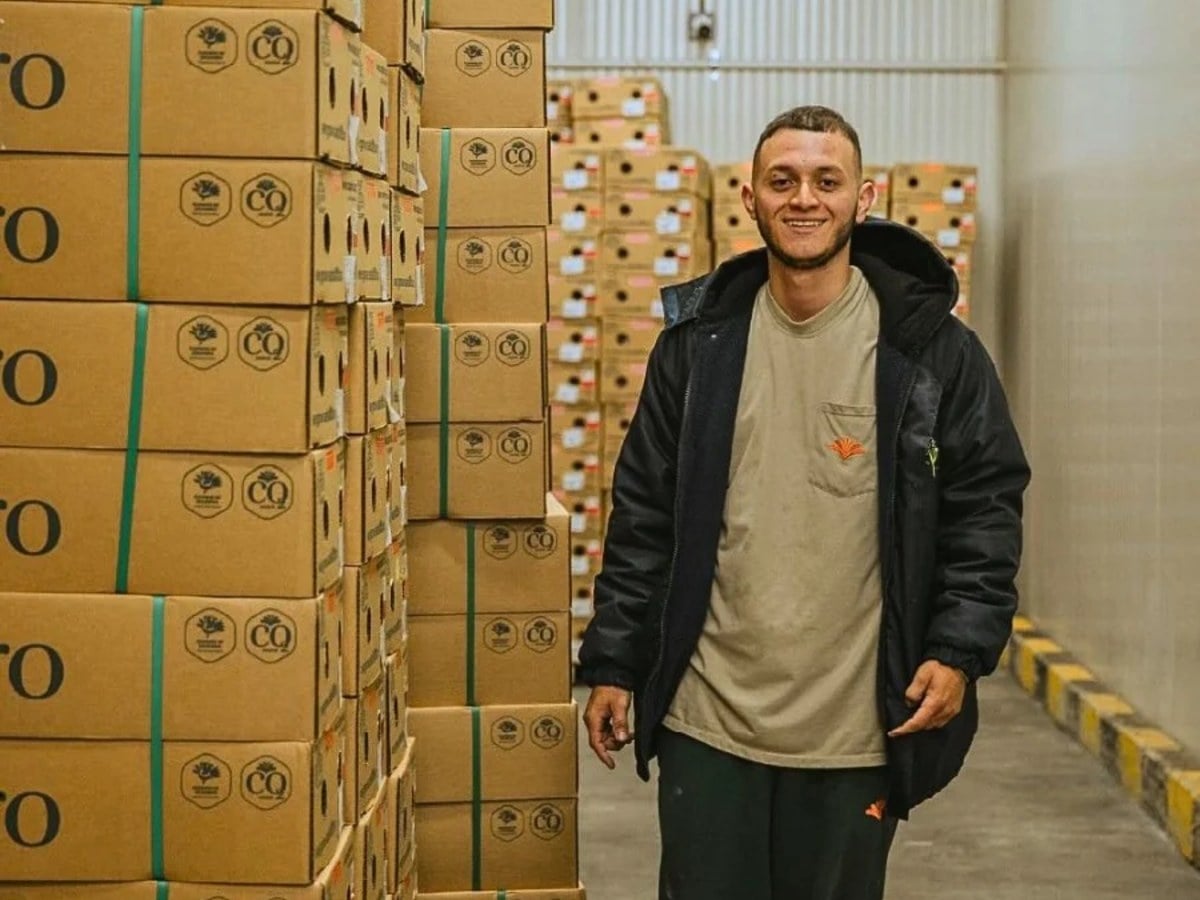
The Border Time Saved Is Vase Life Gained
For a cut flower, every hour a box waits at a border is an hour off the vase life a florist can sell. That's the real gain here, more than the paper. If you're a UK florist choosing between a local wholesaler and buying direct from the Dutch trade, smoother EU-UK movements could change that math from 2028.
It's a big trade carried by small margins, as the flower industry in numbers shows, and cross-border paperwork eats into them. We'll follow how the implementation unfolds. Exporters and UK importers: what would you change first if the certificate disappeared tomorrow?
Sources: Union Fleurs press release of 20 November 2026; UK government guidance SPS agreement: horticulture industry, preparing your business (updated 30 July 2026).
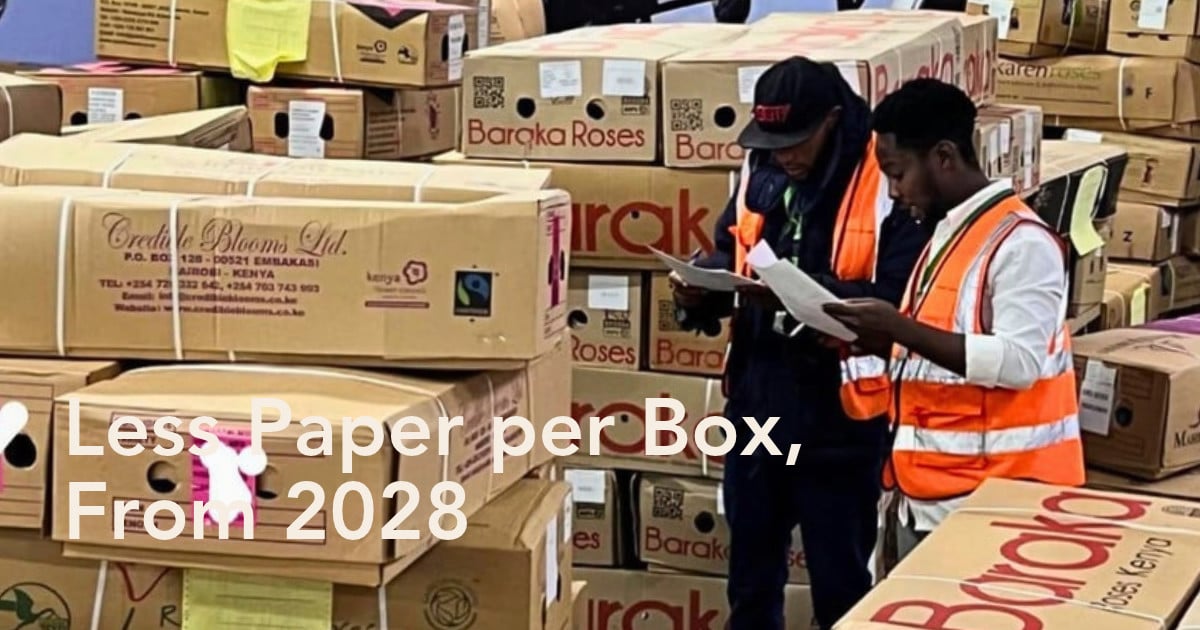
Header image: paperwork checks between boxes of Kenyan roses ready for shipping. Photo by @floralchain.app. Featured image: boxed flowers in the cold store at Capiro in Colombia. Photo by @floreselcapiro