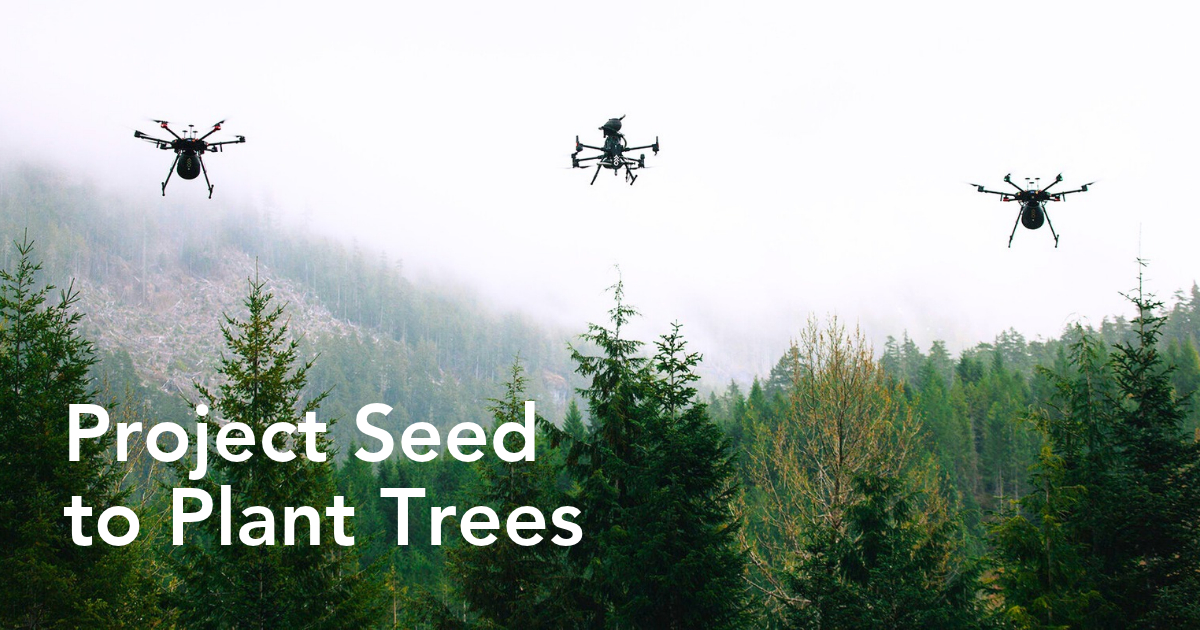
After a wildfire, restoring a forest can take years of work. In parts of Canada, Flash Forest is testing a different approach: using specially designed drones to distribute seeds across damaged landscapes. Its system combines aerial planting technology with biodegradable seed pods, helping teams reach areas where traditional reforestation can be difficult.
A New Approach to Replanting Burned Forests
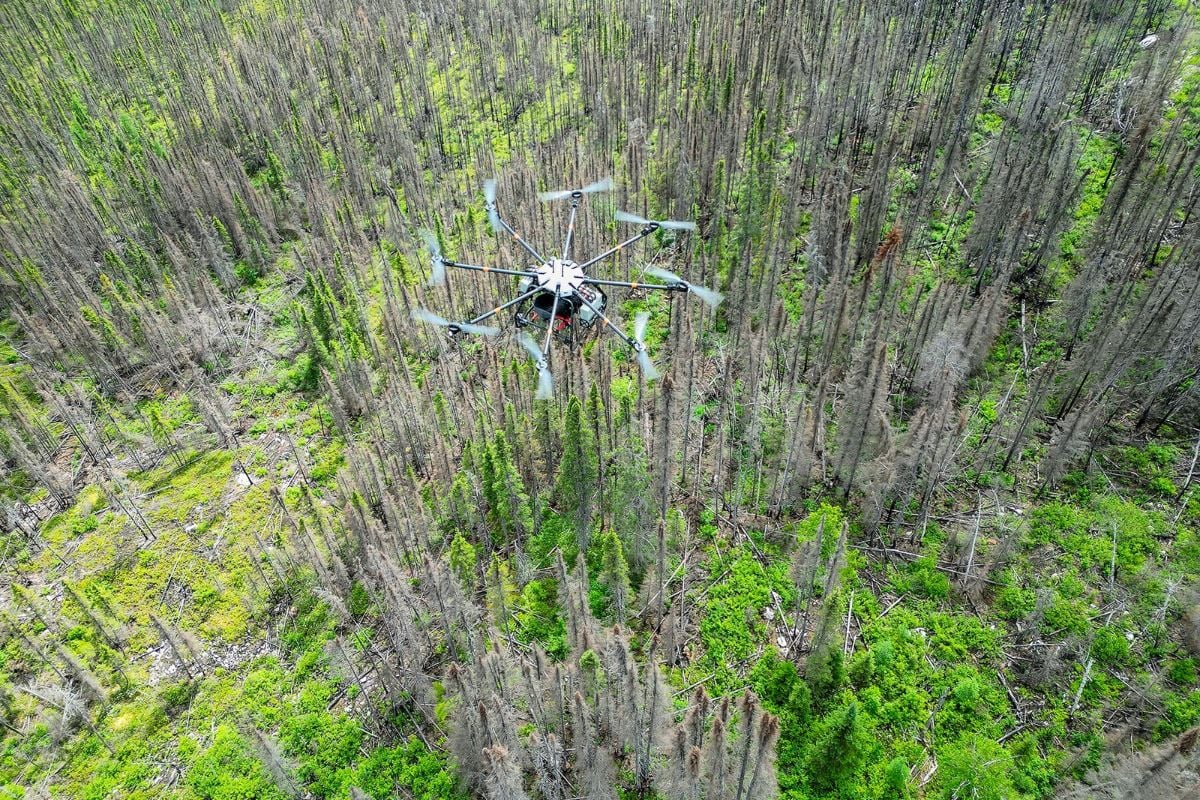
Quebec's 2023 wildfire season left an enormous area of forest damaged, with approximately 4.5 million hectares burned across the province. The scale of the destruction created a considerable challenge for restoration teams, particularly in locations that are difficult to access.
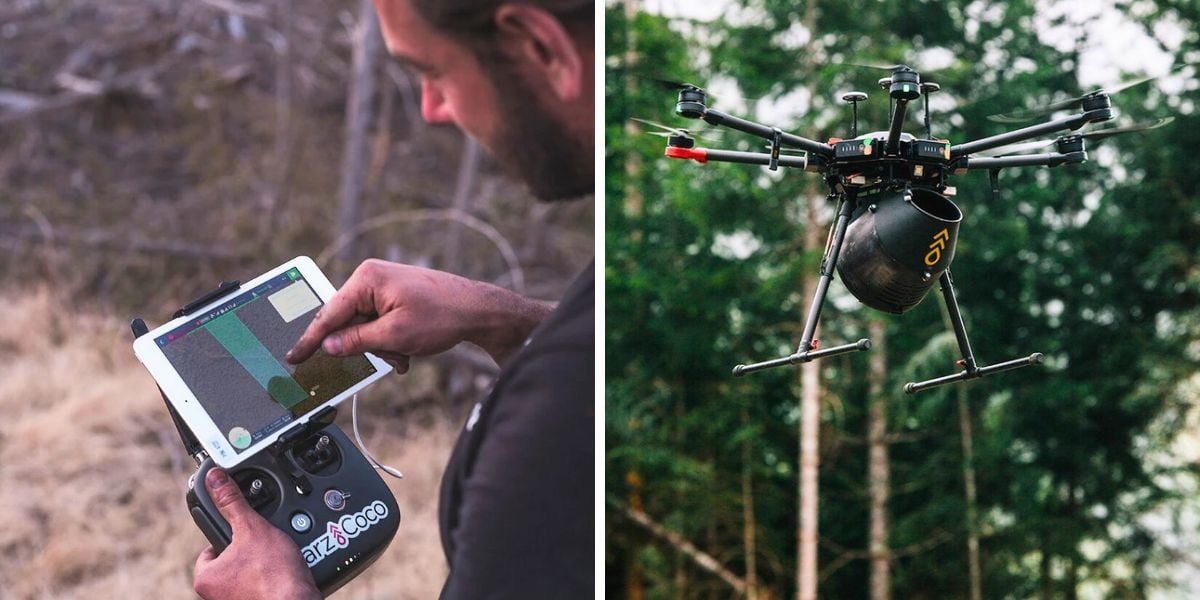
Canadian company Flash Forest has been developing technology to help address that challenge. Its drones can distribute seeds over large areas without requiring planting crews to carry equipment through every section of a burned landscape. According to the company's latest impact report, its teams planted 686,147 trees across five sites in 2025, covering 429 hectares of affected forest.
The technology allows restoration teams to cover larger areas in less time, with minimal disturbance to the surrounding forest floor.
Inside the Seed Pods That Start the Process
The technology depends on more than the drones themselves. Flash Forest has developed biodegradable capsules that carry seeds alongside materials intended to support their first stages of development. Each pod contains nutrients, moisture-retaining additives, and mycorrhizal fungi, which can help young roots take up nutrients from the surrounding soil.
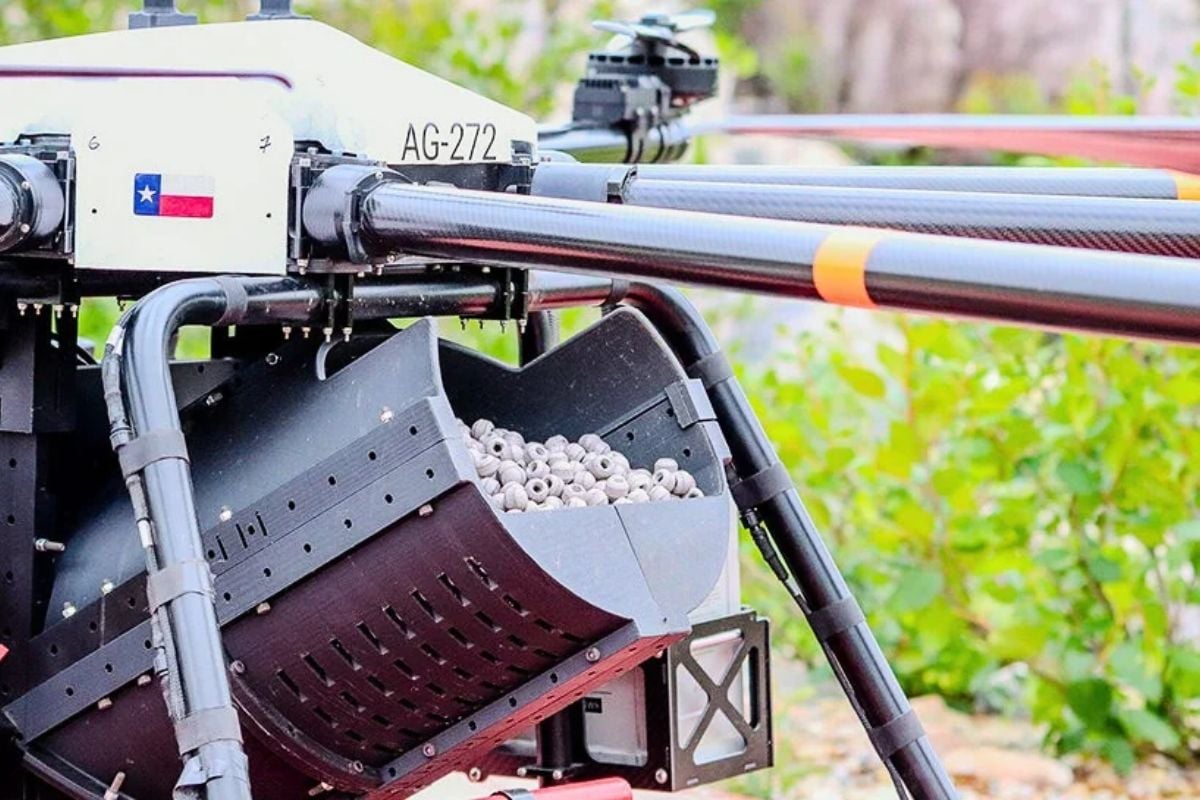
The capsules are made to fit the drones' automated loading systems, allowing them to be released in a controlled way. Once delivered to the ground, the seeds can begin germinating in their intended growing environment. Direct seeding also removes the nursery-to-field transplant stage, although successful growth still depends on factors such as soil conditions, moisture, and temperature.
Gathering Native Seeds in Northern Quebec
Technology is one part of the project. Finding enough suitable seeds is another. For its restoration work in northern Quebec, Flash Forest has collaborated with the Oujé-Bougoumou Cree First Nation, working to bring native vegetation back to areas affected by the 2023 fires.
With local seed supplies limited, the team organized a winter collection operation to gather jack pine cones directly from the surrounding forests. The work involved snowmobiles and climbing trees, with temperatures dropping to around -30°C (-22°F). The effort produced about 8.5 million jack pine seeds, which the team incorporated into planting pods within five months of collection.
For the Oujé-Bougoumou Cree First Nation, the restoration work also concerns the return of wildlife habitats and the land's ability to support local ecosystems. Benny Blacksmith, a member of the community, has spoken about the effects of the fires on wildlife and the disruption to traditional hunting grounds. The longer-term hope is to see native species, including white birch and black spruce, growing again across the affected areas.
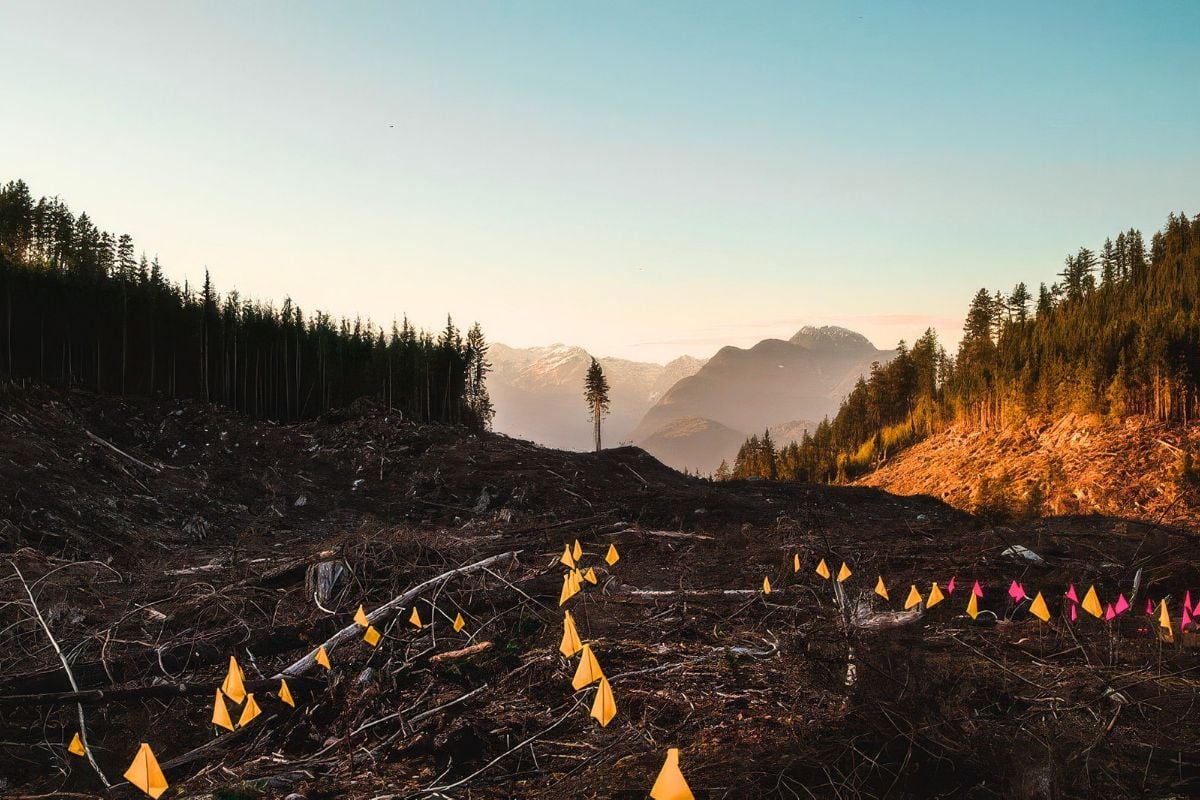
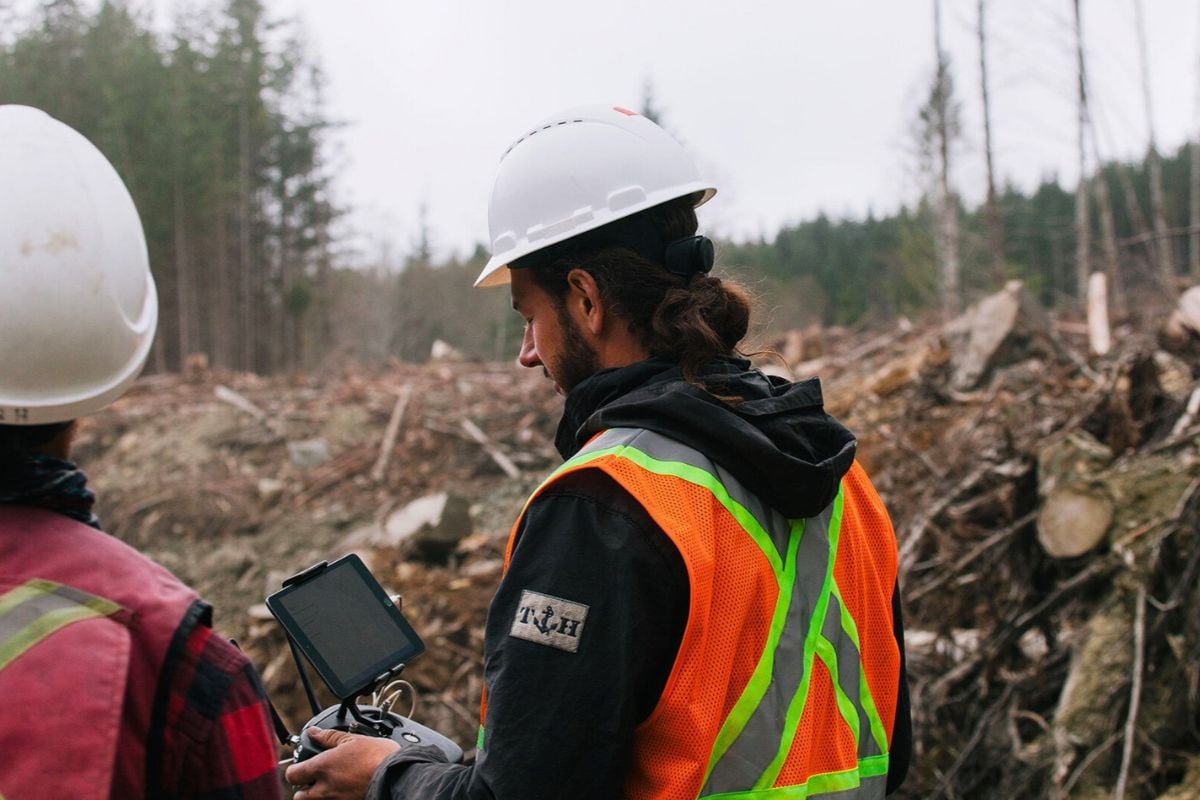
The team's work continues after the drones have finished planting. The company surveys each site to assess existing vegetation before returning to monitor seedling growth. Experimental plots compare the performance of its engineered pods against untreated seeds and areas left to regenerate naturally. Some sites in Quebec have already experienced delayed germination following warmer temperatures and reduced rainfall, with further monitoring planned for fall 2026.
Fire has always played a role in regenerating Canada's boreal forests. Jack pine, for example, produces cones that open in response to heat, releasing seeds onto the forest floor. However, changing climate conditions and increasingly severe wildfires can disrupt these natural cycles, making recovery more difficult in some areas.
Combining aerial planting with native seed collection, the company is testing how technology can support the regeneration of forests after major fires. Its work in Quebec also highlights the importance of local knowledge and native species in restoring damaged ecosystems.
Photos by: @flashforest.ca