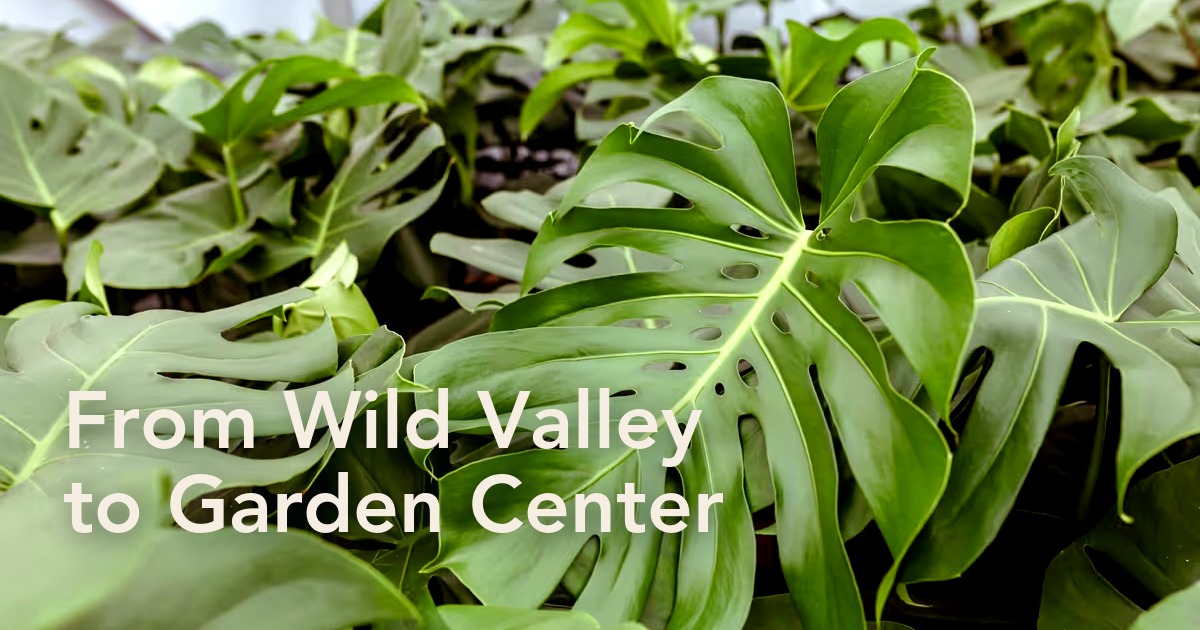
Take a ripe Monstera cob (the fruit), let it drop where it grew, and count. Hundreds of seeds on one cob. Most get eaten or rot. Of the thousands that hit the ground, sometimes tens of thousands, one grows into a plant. Everyone knows the feeling from childhood: you bring beechnuts home from the forest to make them germinate, and barely one comes up, if any. That is Monstera seed germination the way nature does it, and nature does not mind the waste. A nursery does.
I work at Evanthia in 's-Gravenzande, where we produce young Monstera and Strelitzia nicolai plants from seed, at scale. Our whole business sits between two numbers: what the seed does on its own, and what we can get it to do. This is the story of that gap, and why closing it changed almost everything else in the greenhouse.
Where Monstera Seed Comes From
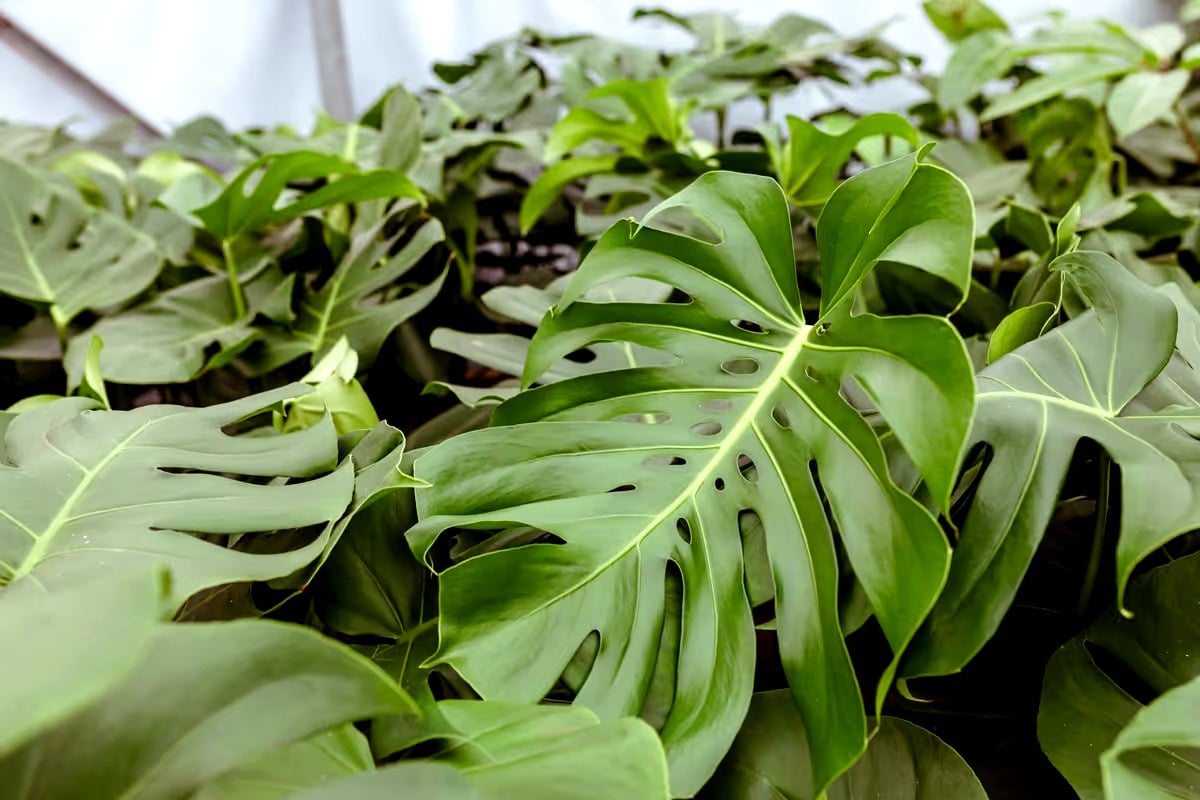
Nobody breeds Monstera seed the way you would breed a tomato, on a station with a controlled cross. It is collected. In Mexico, there are valleys where the plant grows so densely that the whole valley is Monstera. The cobs are gathered there. That is the base of the chain for the Monstera most people know, Monstera deliciosa: a wild harvest, in one place, under one climate. The other Monsteras on the shelf, Thai Constellation or Monstera adansonii, do not come from seed at all but from tissue culture.
Which is exactly the problem. When a season goes wrong – too much rain, one night of radiation frost – the seed goes with it. A year later, Europe is short of young plants, and nobody understands why. Strelitzia nicolai is a little more forgiving, because the flower sits inside the plant. Monstera is not.
For Strelitzia (and Asparagus), we went a step further and set up our own seed production in South Africa, so that part of the seed comes from plants we manage. Not because it is romantic. Because you cannot run a nursery on a harvest you cannot forecast.
The Treatment That Moved the Number
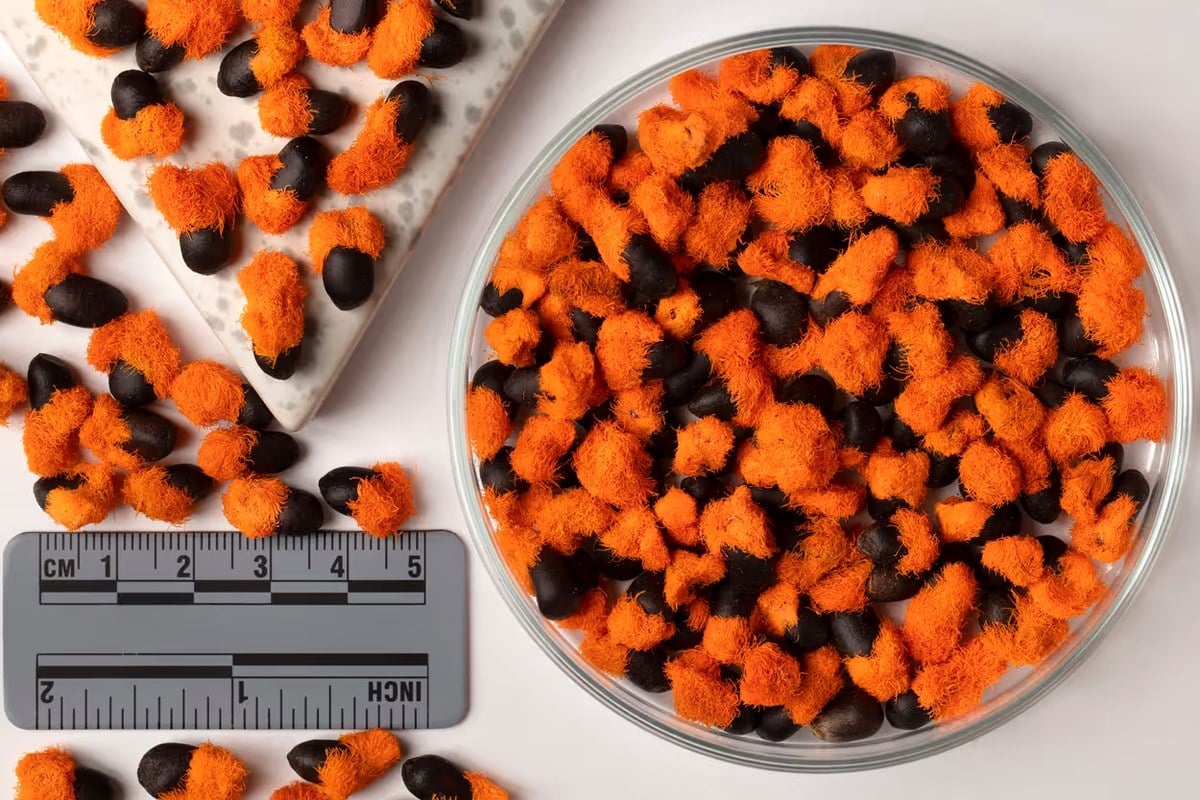
A seed that arrives in the Netherlands has traveled and waited. Sow it as it is, and you get the field result, or something close to it. For years, the answer to that was labor. Sow densely, let whatever germinates come up, and have people prick out the seedlings one by one into trays. It worked, in the sense that plants came out. It also meant that half the greenhouse was hands.
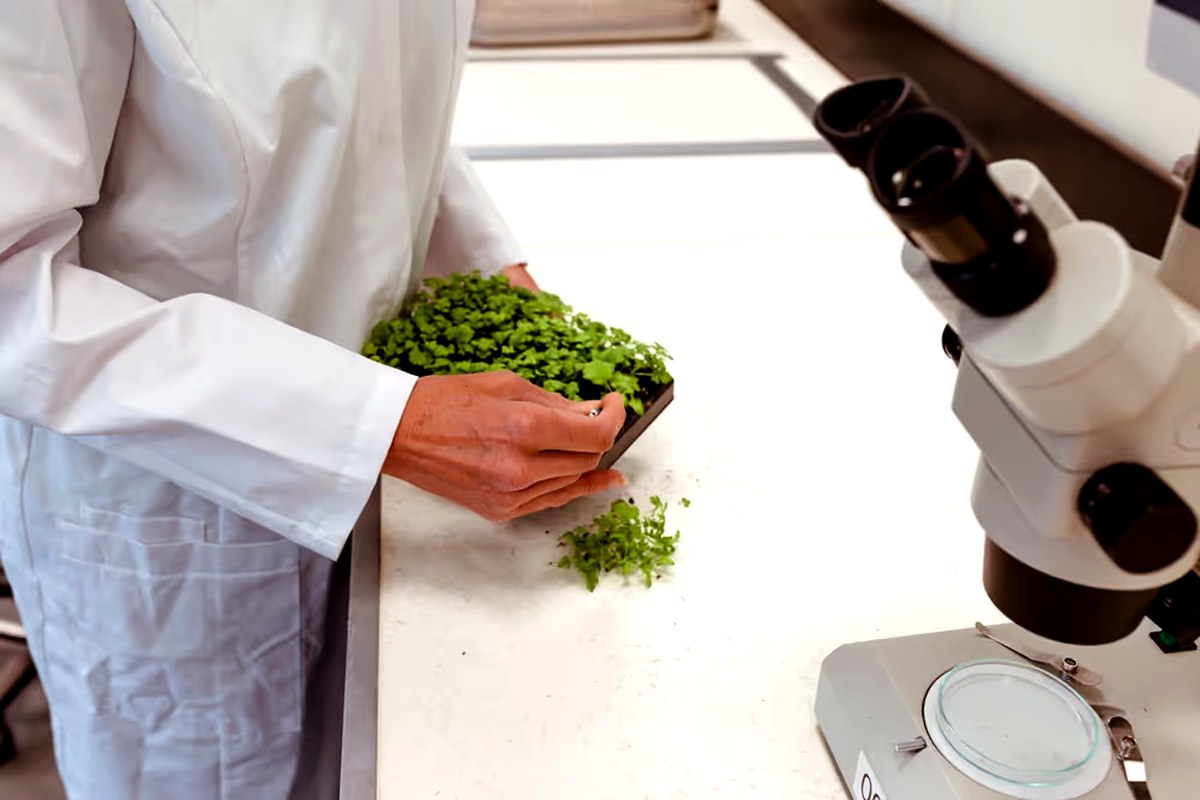
Over a number of years, we developed a set of seed treatments, and step by step the germination rate moved. With Strelitzia nicolai, we now sit between 45 and 55 percent consistently. Next to a laboratory figure, that may sound modest. Next to one in thousands, it is a different product. And the word that matters in that sentence is consistently. A treatment that gives you 60 percent one week and 20 the next is useless, because you cannot plan a greenhouse on it.
Why the Germination Rate Decides How Many People You Need
Here is the calculation most people outside the trade never see. Once you know what share of the seeds will come up, and you can count on it, you no longer need to sow in bulk and pick out by hand. You sow one seed into a mini plug. The plug that germinates goes on. The one that does not gets picked out. Then a transplant robot lifts the mini plug, seedling and all, and sets it into a larger plug.
That is what a visitor sees walking through our greenhouse. The transplant robot on one side. And at the other end of the hall, people. They are still there. They do the judging and the picking. The goal is that one day, that is all a person needs to do.
The germination rate is the hinge. Below a certain percentage, the automation does not pay, because you are moving empty plugs around. Above it, the whole line changes shape.
A Small Disc at the Bottom of the Plug
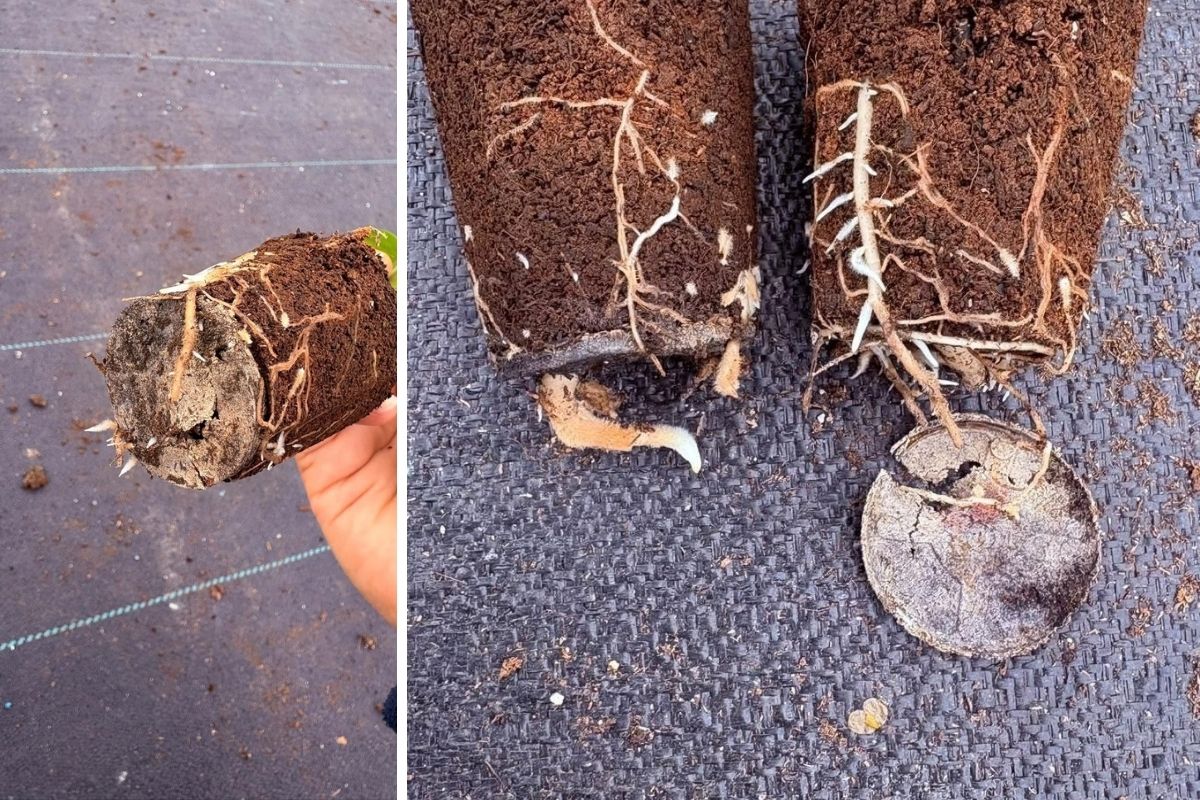
One detail I like to show visitors because it is so simple. A Strelitzia root wants to go straight down. In a plug, that means the root shoots out of the bottom, and when the plant is pulled for transplanting or potting, it breaks. A broken root is a setback the plant has to recover from, and that costs weeks.
We now put a small disc in the bottom of the mini plug, made of a material that breaks down. The root hits it, stops, and starts looking sideways. With a little air underneath, the root ball stays higher and spreads. The plant comes out of the plug clean, roots intact, and grows on without a pause. No chemistry, no extra step for a person. A piece of material in the right place. What we are still tuning is how fast that disc should break down against what the plant needs.
What This Is Really About
We are not the innovators of this trade, and we do not try to be. We are the early adopters, in bigger amounts. We are not a specialty nursery. We produce young plants at scale, with a few novelties a year, and we try to do that a little better every season.
The reason I still tell the germination story is what it did to our price. For the last three years, our selling price has not moved, while labor in the Netherlands got more expensive in every one of those years. That is not a discount. It is the robotization and the higher germination results paying for the labor increase, for now. Ready-made plugs from China can land in Europe at a similar cost level, but they get here with chemical crop protection agents that are no longer allowed in Europe. We work at 80 to 90 percent biological crop protection and stay on the European standard. That only works if the germination math holds.
One seed in thousands is what the forest gives you. Everything a nursery adds, all the way to the plants that garden centers put on the shelf, starts with Monstera seed germination and getting that number up. More about how we do it at Evanthia.
Header and images: Evanthia.