For Floritec, breeding a new Chrysanthemum variety starts long before a grower sees it in a greenhouse. The company constantly monitors what is happening in the markets where its genetics are produced and sold, what growers are dealing with in their crops, and what buyers are asking for. Those observations feed into decisions that can take years to reach the commercial stage.
This makes the commercial side of breeding just as relevant as the genetics themselves. A new variety has to have a reason to exist in the market, while also giving growers something they can work with in their production. Productivity, efficiency, transport, shelf life, production conditions, and sustainability all come into the picture when Floritec evaluates where its breeding program should go next.
Reading The Market Before Developing A Variety
Market opportunities can come from many directions. A buyer may be looking for a particular flower form or color, a grower may need genetics that perform better under specific conditions, or a production region may require characteristics that are different from those of another market.
Floritec works across several production regions, which gives the breeding team access to different experiences with the crop. What works well in one country does not automatically translate into the same result somewhere else, and that information helps the team decide which genetics to develop further.
The company also stays close to growers and customers during this process. Their feedback provides information that cannot be gathered from a breeding program alone, looking into insights such as how a variety performs in commercial production, how much labor it requires, how consistent the crop is, and whether the finished product fits what the market is actually buying.
That connection between the market and the breeding program is particularly important because a variety can take several years to move from an initial cross to commercial production. Floritec, therefore, has to think about where the market is going, not simply what is selling at the moment.
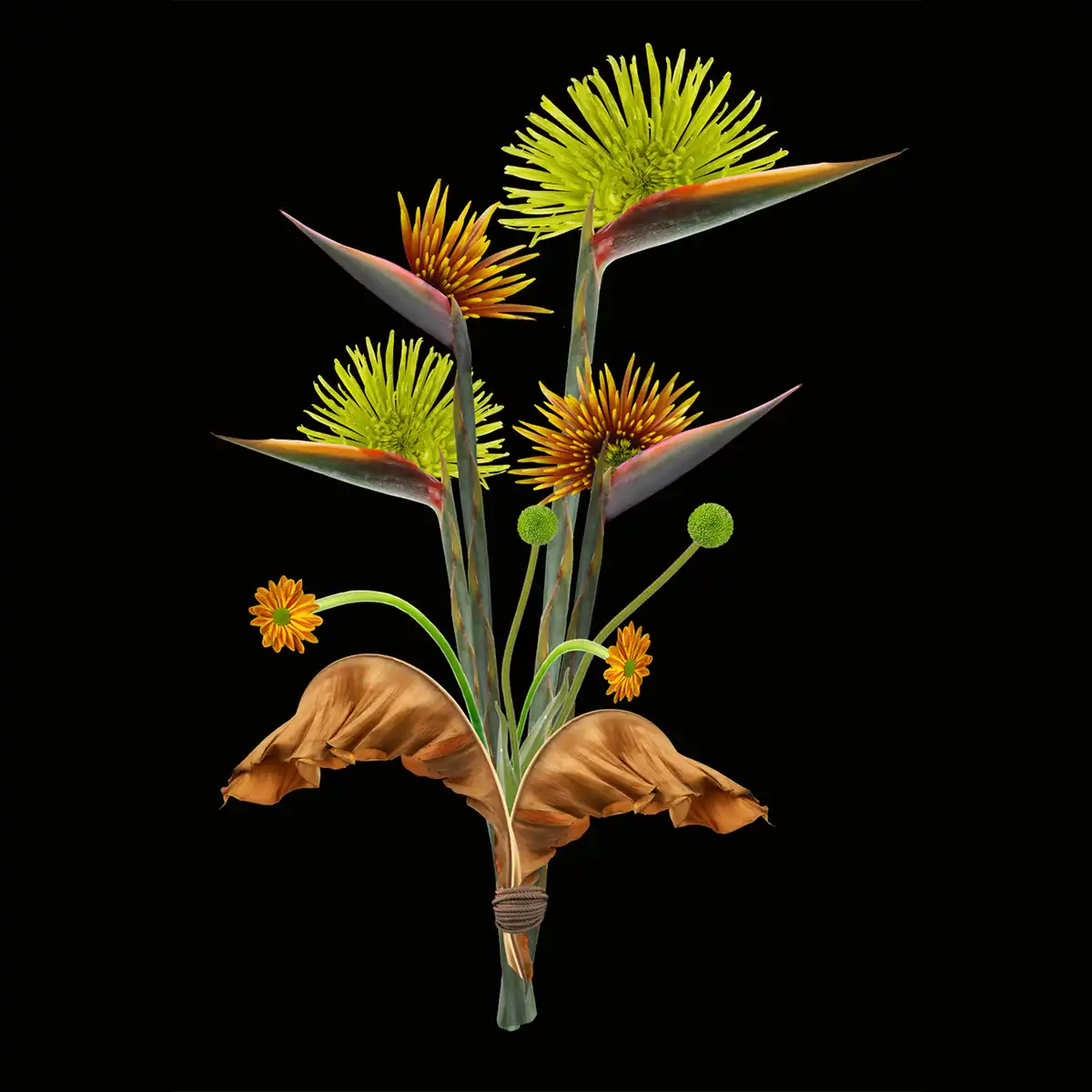
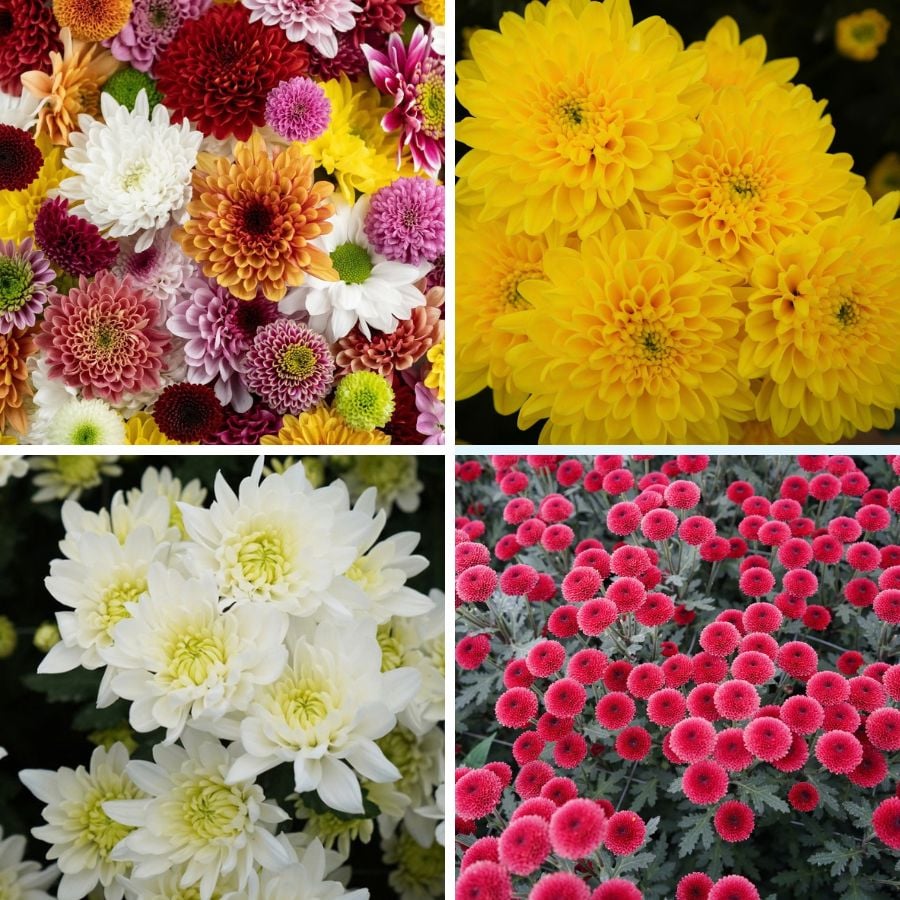
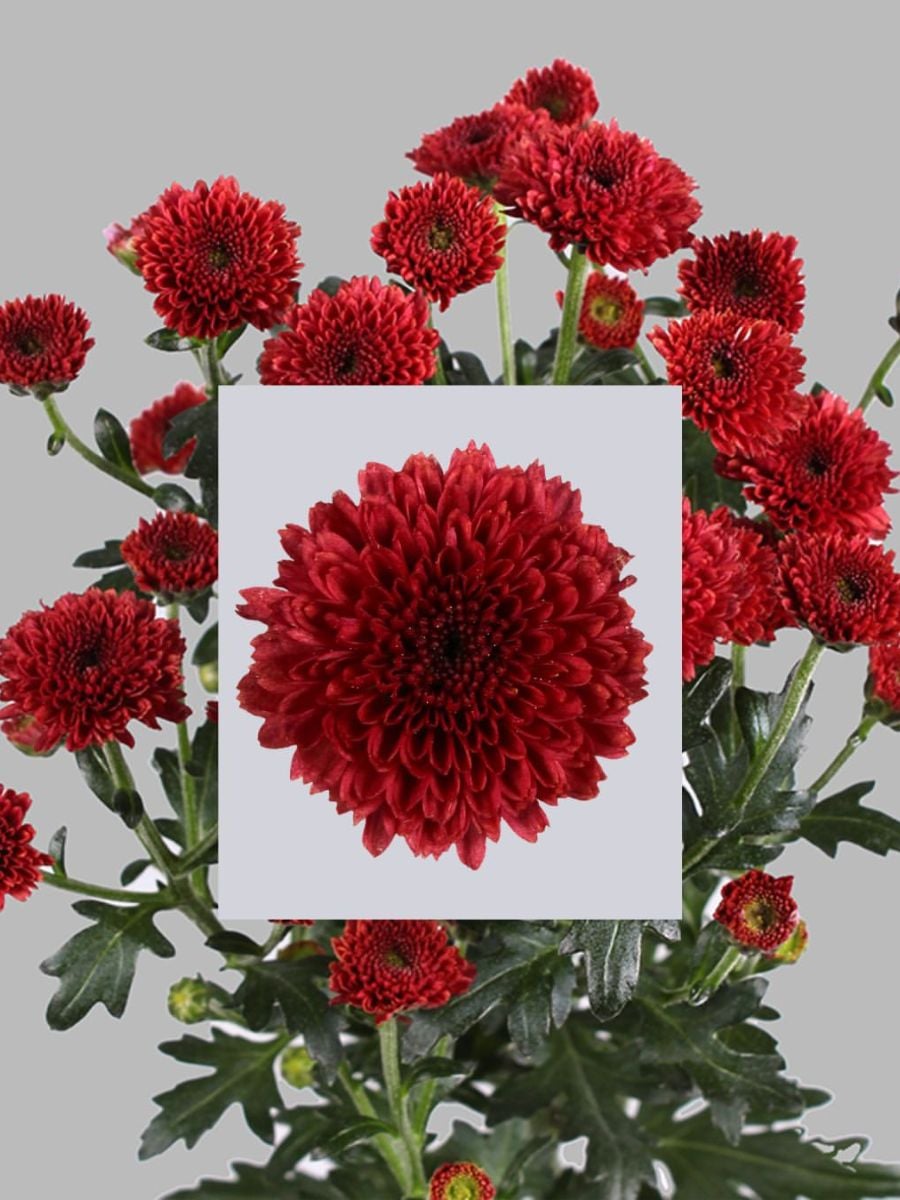
Varieties, shapes, and Japanese genetics up-front!
When A Variety Has To Make Business Sense
A new Chrysanthemum can have an interesting flower form or an unusual color, but that does not automatically make it commercially viable. For growers, the numbers behind the crop are critical. Productivity, crop timing, consistency, and efficiency all influence the decision to grow a variety at commercial scale. If genetics can help a grower produce more efficiently, improve the use of labor, or maintain consistent quality, they can have a direct impact on the economics of the crop.
This is where commercial feedback becomes part of the breeding process. Floritec can evaluate how genetics perform under real production conditions and use that information when making decisions about future introductions. The same applies to the supply chain. A variety needs to arrive at its destination with the characteristics buyers expect, which makes factors such as transportability, vase life, and post-harvest performance relevant from an early stage.
Different Growing Regions Change The Equation
Floritec's international breeding work also means that the company cannot develop its assortment around one production model. Chrysanthemums are grown under very different conditions around the world, and those differences affect what growers need from their genetics. Climate, altitude, production systems, labor, disease pressure, and logistics can all influence performance. A variety that works well under one set of conditions may need to be tested differently in another region before Floritec can understand its full commercial potential.
This is one reason Colombia has become increasingly relevant to the company. The country gives them access to an important Chrysanthemum production region and to growers working under conditions that are different from those in Europe.
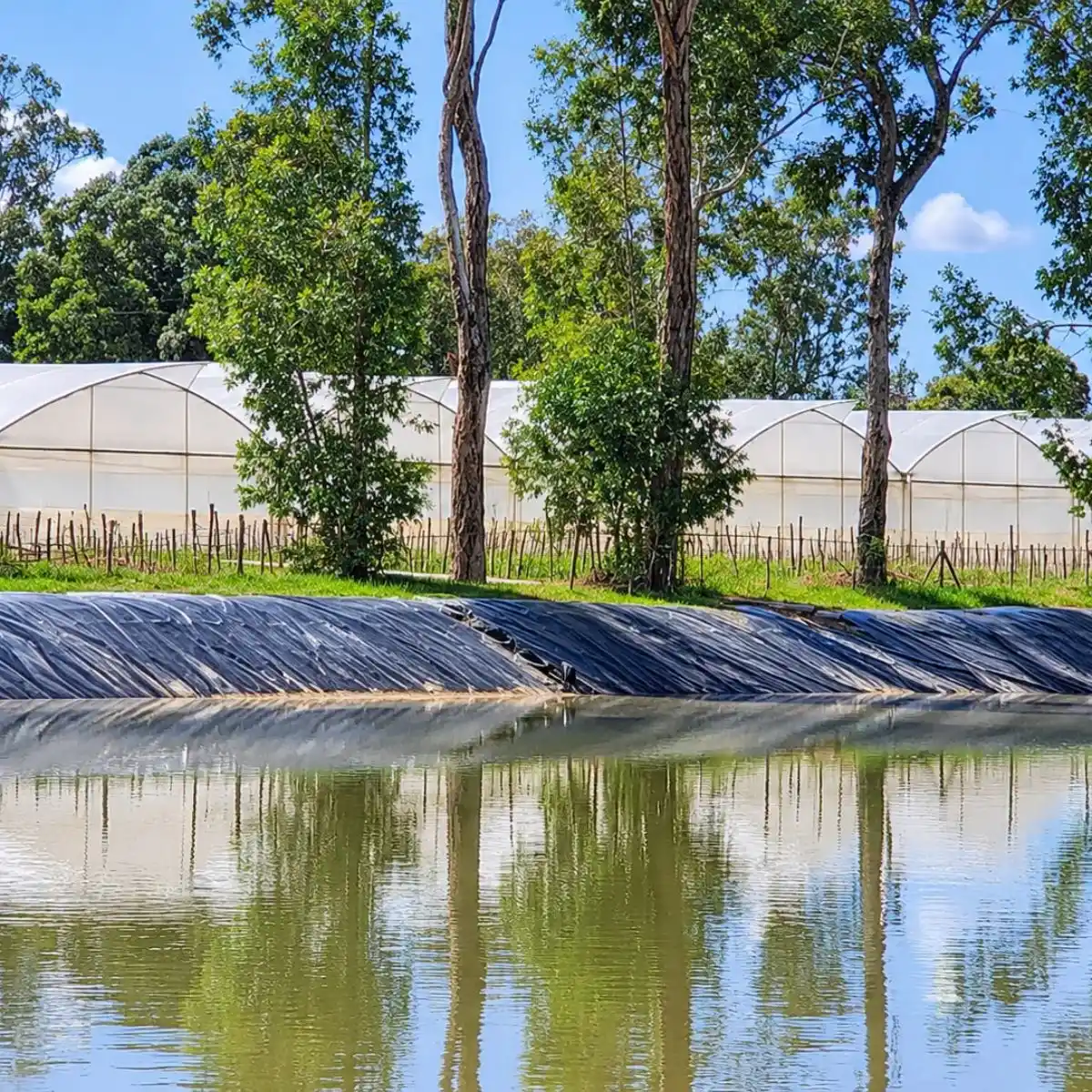
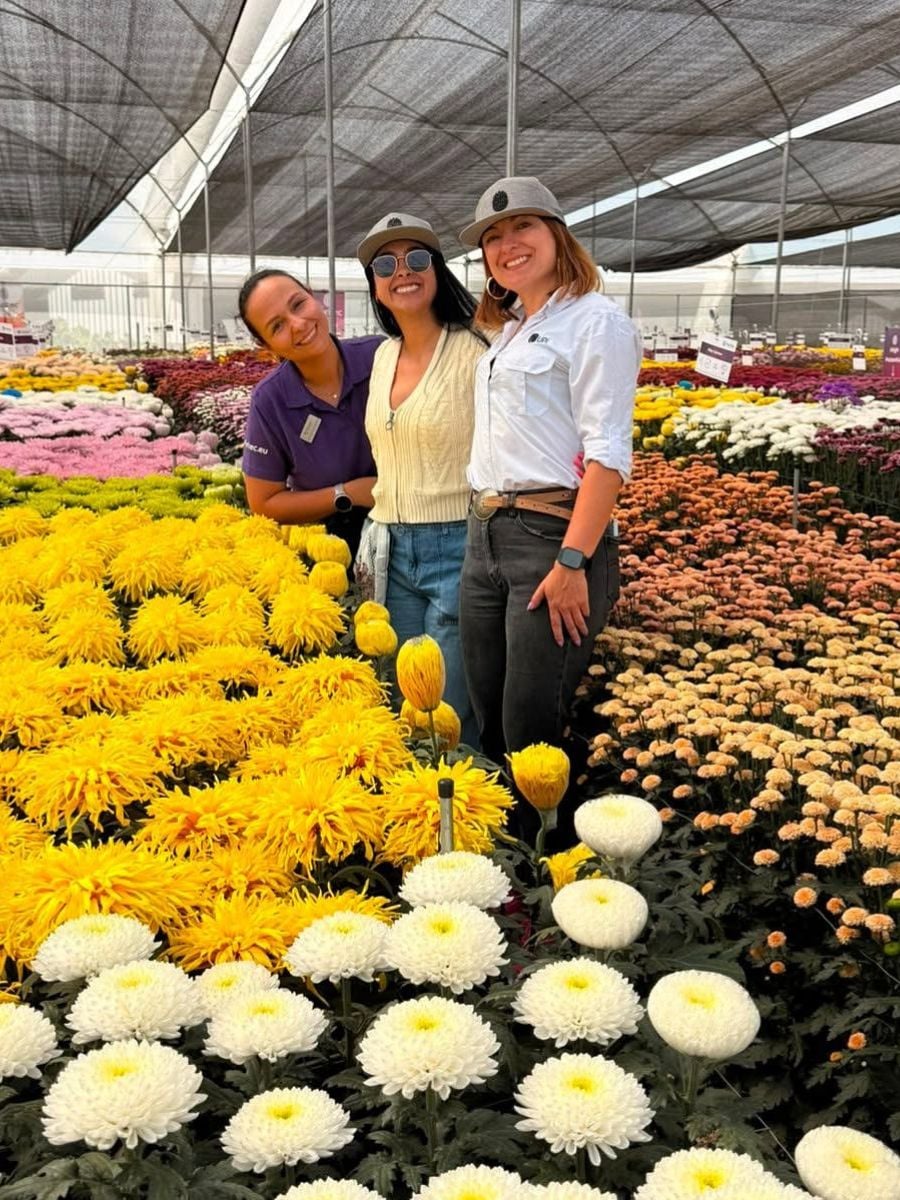
A stroll through their colorful, full-of-shapes greenhouses in Rionegro, Antioquia
Customized Breeding For Real Growing Conditions
Floritec’s approach goes beyond developing genetics with attractive characteristics. Through its 'Customized Breeding' strategy, the company works to understand the specific conditions in which growers operate and uses that knowledge to guide its breeding decisions. Climate, altitude, production systems, local challenges, and market requirements all influence which genetics move forward.
By working closely with growers in different regions, the breeding company can evaluate how varieties perform under real commercial conditions and identify where improvements can create the most value. This approach allows the company to develop genetics that are adapted to the realities growers face, rather than applying the same solutions across every market.
Disease and pest resilience are also becoming increasingly important within this process. Genetics that can perform reliably under different production pressures can help growers manage crops more efficiently while reducing risks throughout the growing cycle. For Floritec, developing stronger and more resilient varieties is part of creating genetics that support both productivity and more sustainable production practices.
Why Colombia Is Important To Floritec
The breeding company has been active in Colombia for years, working closely with the country's floriculture industry. They have also invested in their own breeding activities in Rionegro, Antioquia, giving its breeding program a stronger presence in one of South America's most important flower-growing regions. For Floritec, the Colombian operation provides a place to observe genetics under local commercial conditions and gather information directly from the market. That information can then feed back into the wider breeding program.
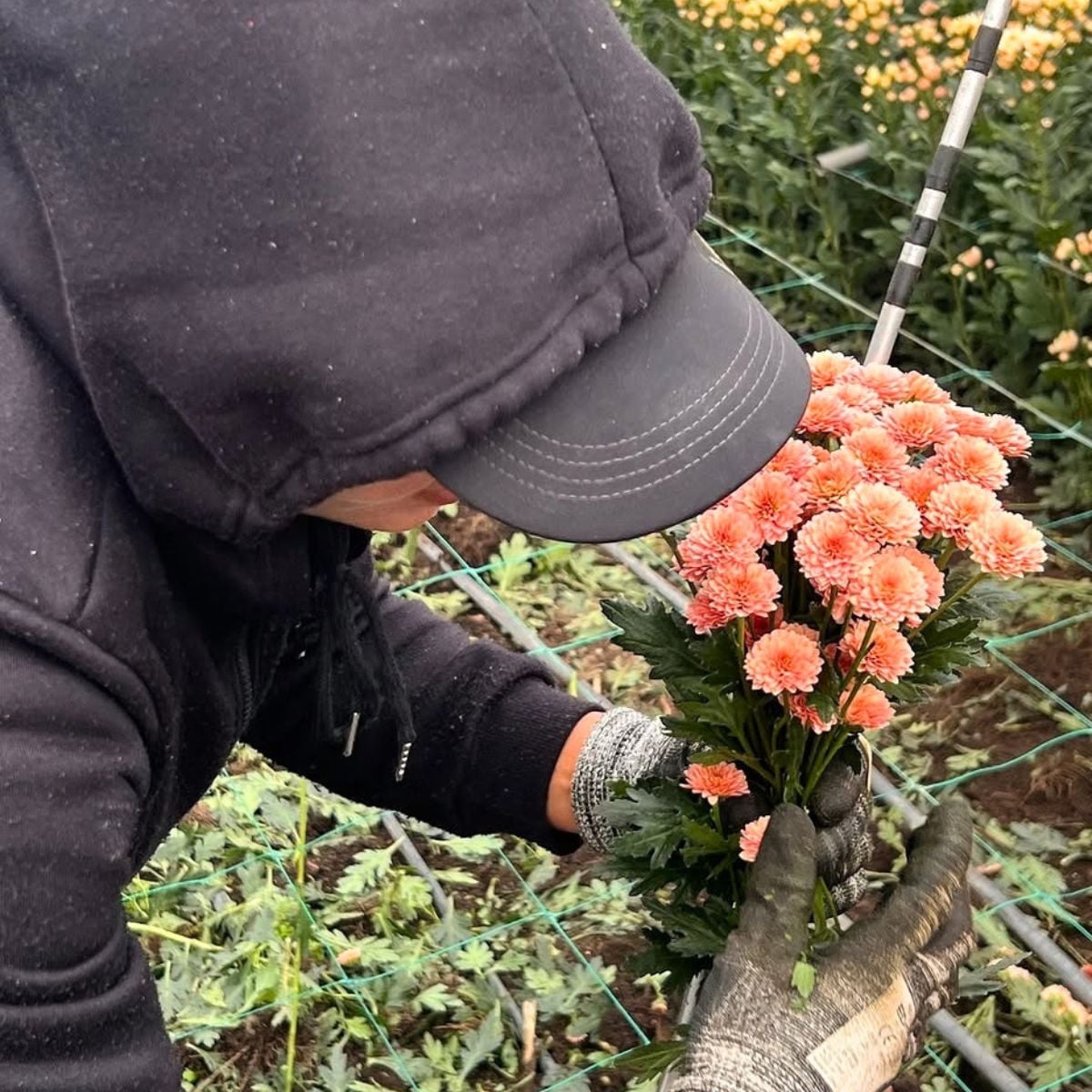
Colombia also has an important role in the company's future because of the scale and sophistication of its flower industry. Working closer to growers allows the team to see how new genetics perform in commercial crops, while also understanding the requirements of customers supplying international markets. The result is a breeding program with a wider geographical perspective. Genetics are being evaluated in the places where growers actually have to produce them, with the commercial realities of each region becoming part of the selection process.
Building An Assortment With A Commercial Purpose
Their assortment is built over time, with each new introduction having to find its place within the wider range. That means looking at more than whether a variety is visually different from what is already available. A new variety can fill a gap in color, flower form, or timing, but it can also respond to a production need or give growers another option for a particular market. Floritec has to consider how those characteristics fit together when deciding which genetics move forward.
Sustainability is therefore closely connected to breeding decisions. More efficient production, better use of resources, and genetics selected for reliability and resilience can help growers create more consistent crops while responding to challenges such as labor availability, resource management, and changing production conditions.

The Next Stage Of Floritec's Breeding Strategy
The direction of Floritec's breeding is closely connected to the markets it serves. As production changes and buyers look for new products, the company has to keep adjusting its priorities and deciding where investment in new genetics can have the greatest commercial relevance. Its work in Colombia is one part of that strategy, giving it another important production region from which to test genetics and gather information. The company's relationships with growers and buyers provide another, allowing commercial experience to feed back into breeding decisions.
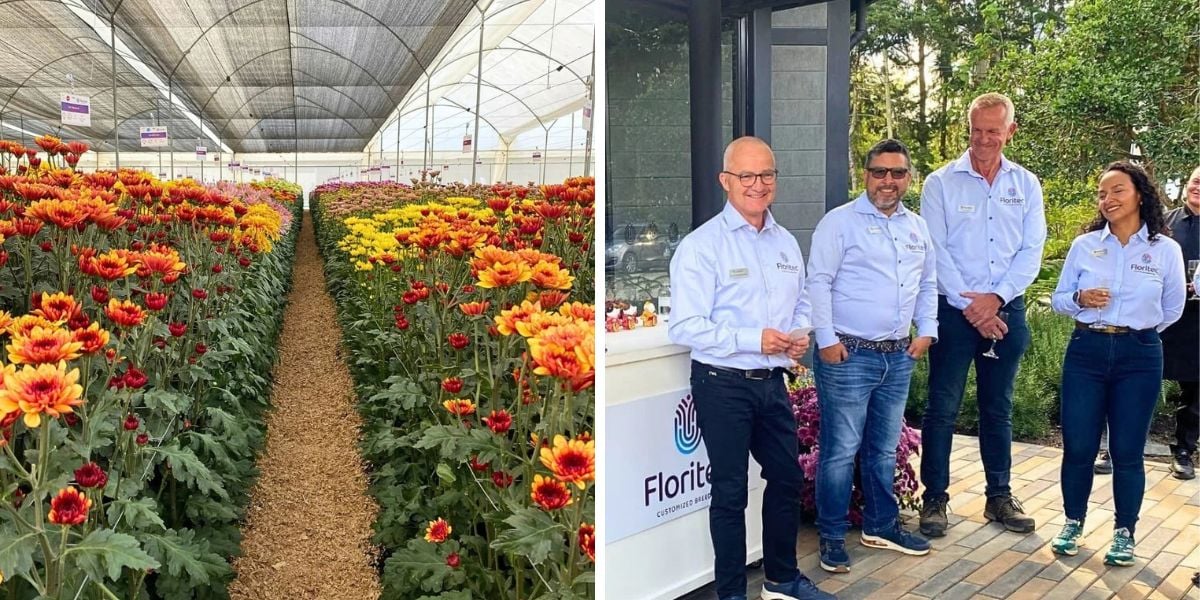
For Floritec, the challenge is to develop genetics that can work in the conditions where Chrysanthemums are actually produced and sold. That means understanding the crop from several angles at once: how efficiently it can be grown, how it moves through the supply chain, what buyers want to sell, and where the market is heading next.
Although the commercial strategy is one part of their story, in the next article, you will look closer at the varieties that have become some of the company’s most recognized genetics, why growers continue to choose them, and what makes their family series so relevant to the market. You will discover the Japanese origins behind part of this breeding history and explore the connection with Inochio Seikoen to understand how that relationship has influenced the genetics and assortment growers know today.
Photos: Thursd and Floritec Americas.