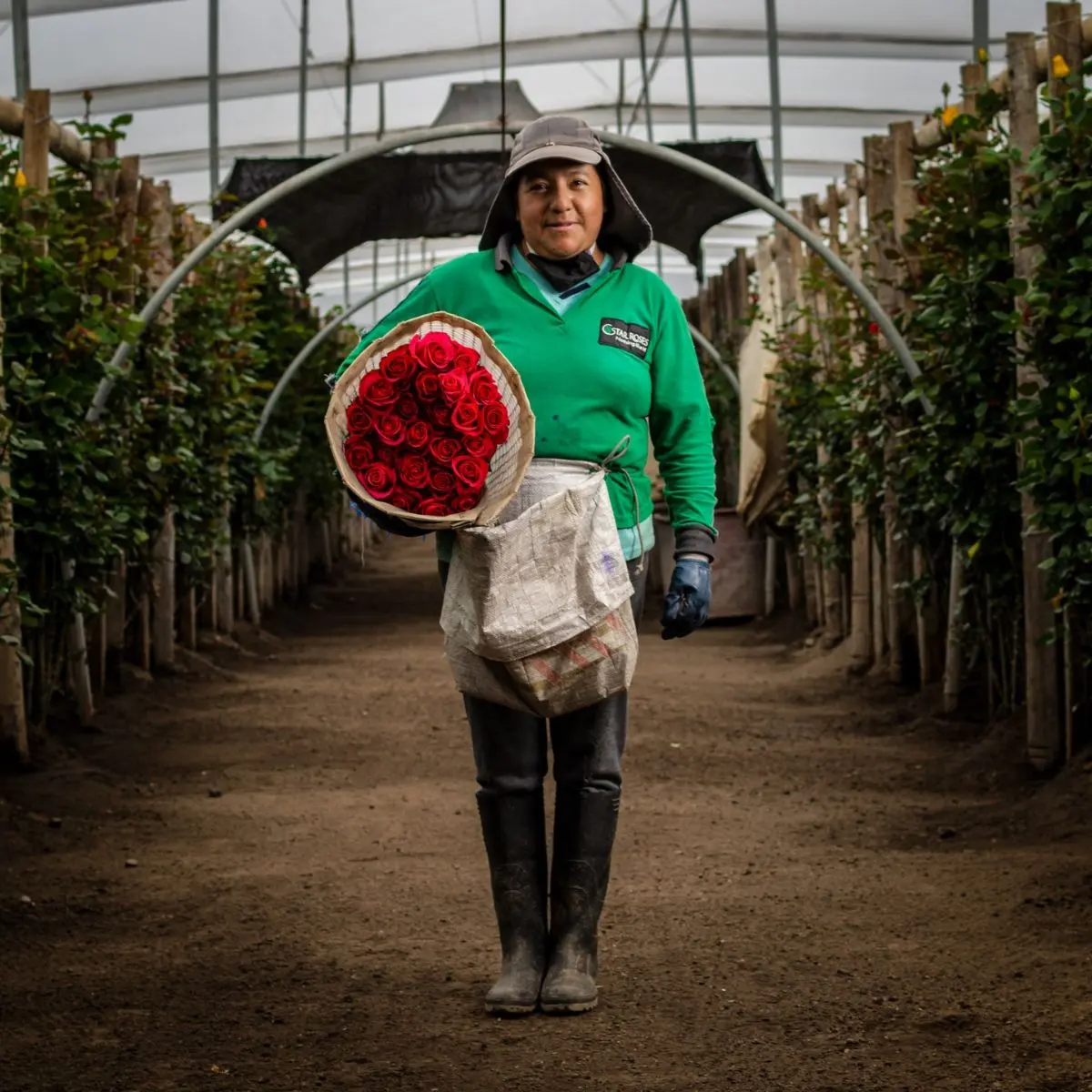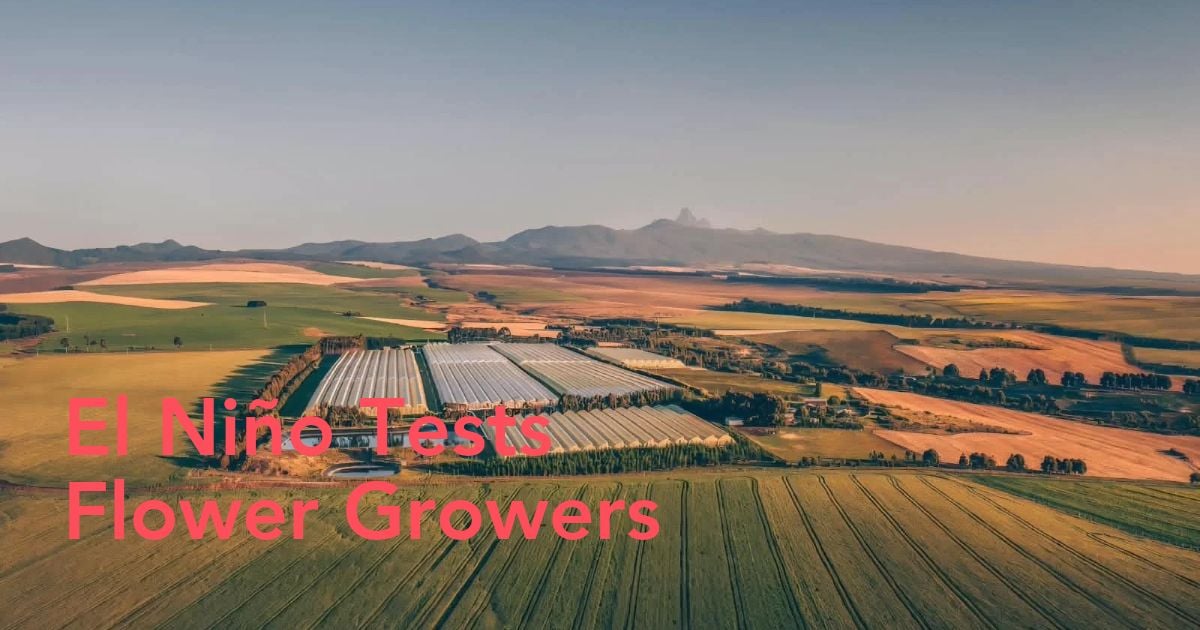
Somewhere over the Pacific Ocean, the water is running hot, and flower farms on two continents are paying attention. Forecasters say the 2026–27 El Niño could be one of the strongest in decades, and its timing is awkward for the flower industry. It is building toward its peak right as roses for Valentine's Day are growing in greenhouses from Naivasha to Bogotá. The twist? The same weather event that threatens Kenya with floods is pushing Colombia and Ecuador toward drought.
What Is El Niño and Why Should the Flower Industry Care?
El Niño is a natural climate pattern that warms the surface of the tropical Pacific and shuffles weather around the globe. As the Kenya Meteorological Department keeps reminding people, El Niño itself is not rain. It changes the odds of rain, heat, or drought, depending on where you are.
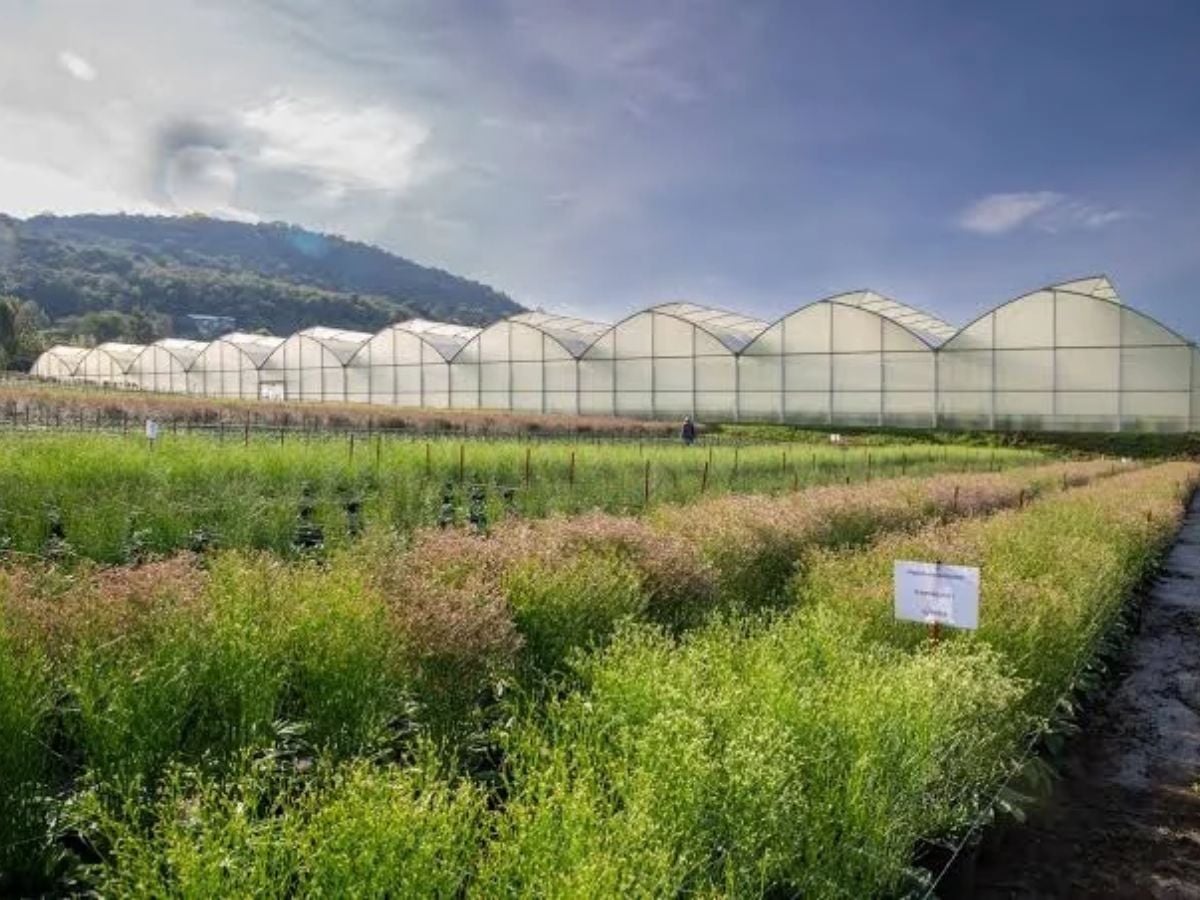
This time, the odds are dramatic. Kenya Met puts the chance of a very strong El Niño at 81% and says it is 97% likely to last into early 2027. El Niño usually peaks between November and February. For flower growers, that window covers Christmas, Valentine's Day, and the build-up to Mother's Day. In other words, the busiest stretch of the year.
How Could El Niño Rains Affect Kenya's Rose Farms?
For Kenya, El Niño usually means water, and a lot of it. Teaming up with a positive Indian Ocean Dipole, it is expected to deliver above-average rain during the October to December short rains, with prolonged wet spells and occasional storms. Kenya's government has activated a national El Niño contingency plan, and some forecasts suggest the wet conditions could stretch into January. The flower sector knows what that can bring. During the 2024 floods, Bloomberg noted that Kenya and Ethiopia together supply about a third of the stems sold at Royal FloraHolland's auctions, so trouble in East Africa is quickly felt in Europe. Heavy rain can affect rose farms in several ways:
- Disease pressure. Damp, humid greenhouses are a playground for Botrytis, the gray mold every rose buyer dreads. It's one reason rose breeders and Wageningen University are teaming up to fight Botrytis.
- Slower growth. Long cloudy, cool spells mean less light, so roses take longer to reach harvest.
- Muddy logistics. In earlier El Niño seasons, the Kenya Flower Council reported that farms themselves held up well, but moving flowers off them became harder because of damaged roads.
- Greenhouse wear and tear. Kenyan growers have previously shared simple checklists, like clearing drains and gutters and checking greenhouse plastic for leaks before the storms arrive.
What Kenyan Farms Are Seeing Right Now
Growers Thursd spoke to describe a season that is already shifting on the ground. Right now, farms are scaling back local sales and sending more of their stems to export. Botrytis is also causing headaches at the airport. Before flowers can fly, inspectors from KEPHIS, the Kenya Plant Health Inspectorate Service, check export consignments for pests and disease. Growers say Botrytis has caused issues during these inspections, and every delay or problem at that stage costs time and money for a perishable product.
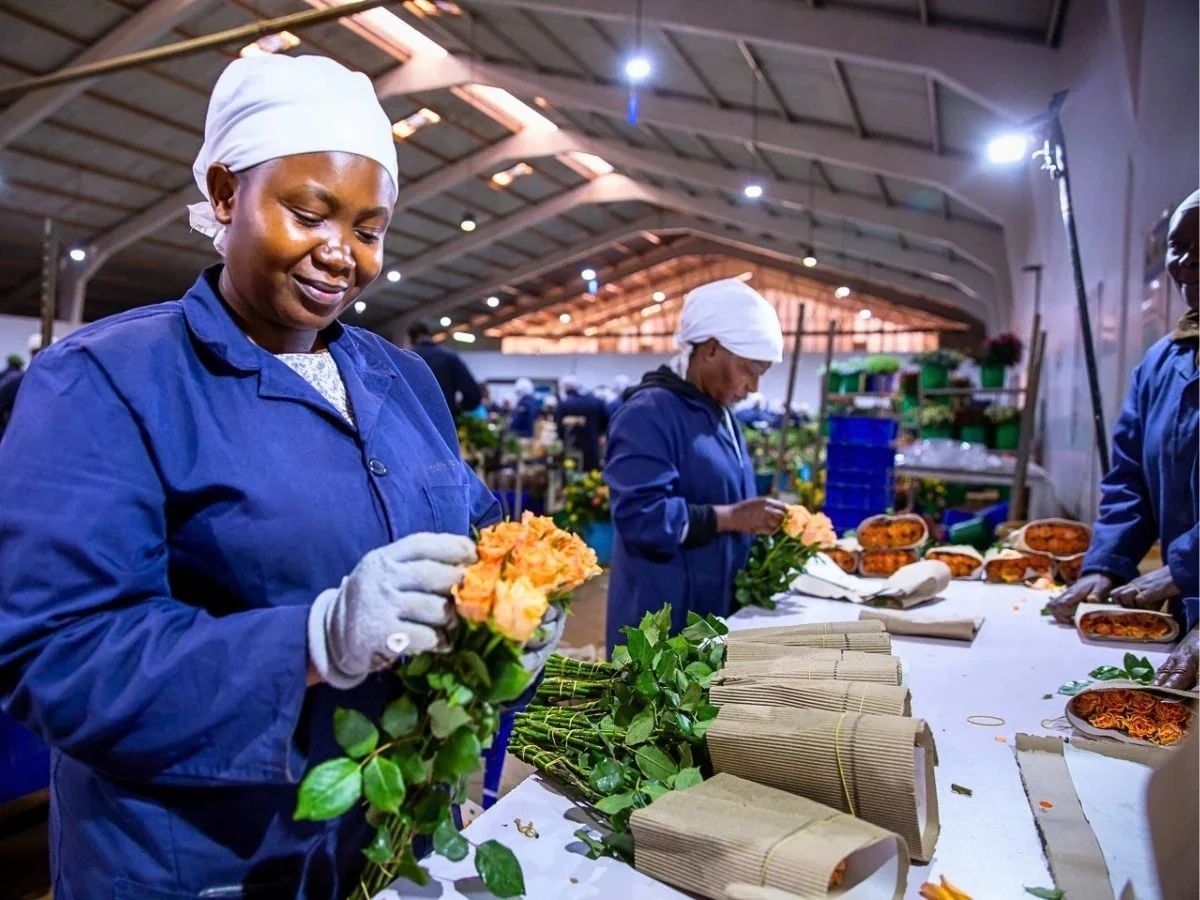
There is a bright spot, though. Growers notice that some rose varieties handle damp conditions much better than others. Roses with firmer, tougher petals tend to resist Botrytis better, which makes variety choice one of the smartest weather defenses a farm has. There is one surprise, though. So far, parts of Kenya, including Nairobi, have seen more heat than rain, and Kenya Met says some areas may get the rains later than expected. For growers in hubs like Naivasha, the advice is simple: prepare for the wet scenario, but don't bet the whole season on one forecast. Thursd took a wider look at these pressures in how Kenya's flower industry stays resilient to climate change.
Why Are Colombia and Ecuador Worried About the Opposite Problem?
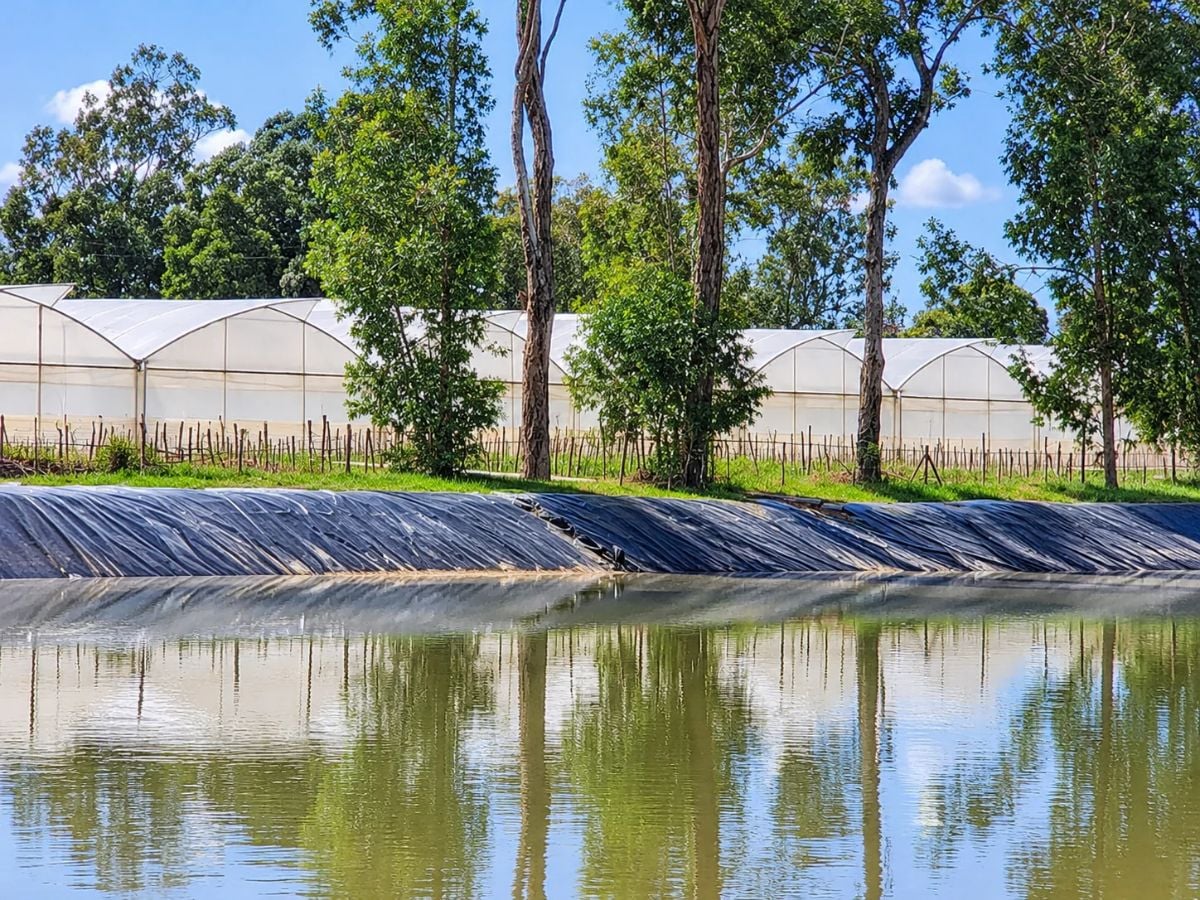
Cross the Atlantic, and the story flips. In Colombia, El Niño is usually linked to less rain and higher temperatures, especially in the central regions where most flowers grow. That matters, because Valentine's Day alone accounts for around 20% of the year's sales for Colombian flowers. The sector isn't waiting to see what happens. With technical guidance from Asocolflores, Colombian growers are leaning on rainwater reservoirs, drip irrigation, soil moisture sensors, and water balance models to give each crop exactly what it needs. They are also adjusting irrigation and nutrition programs to reduce heat and water stress on plants.
In Ecuador, home of some of the world's most admired Ecuadorian roses, growers have already felt it. A harsh, dry summer in the Andean highlands pushed plants to grow faster. Alejandro Martinez, president of Expoflores, explained during ExpoFlor 2026 that this acceleration brings more stems but of lower quality, size, and nutrition, so farms end up selling less. Some farms say they are relying on their water reservoirs to get through. Meanwhile, Ecuador has raised alerts for heavy rain on its coast between now and early 2027, so the country could face both extremes in one season.
What Does El Niño Mean for Valentine's Day 2027?
Nobody can promise empty shelves or record prices, and that's the honest headline. A strong El Niño raises the risk of disruption, but how much depends on how the rain and heat actually play out, farm by farm. What is certain is that the risk lands right on the industry's biggest week.
How Growers and Buyers Are Getting Ready
The smartest players are spreading their bets:
- Shipping earlier. Planned volumes can travel by sea weeks ahead of a peak, easing pressure on last-minute air freight. Read why the rise in sea freight is good news for global floriculture and how growers balance air freight and sea freight.
- Mixing origins. If Kenya gets soaked while Colombia stays dry, buyers who source from both are better protected.
- Staying flexible on varieties. Florists who are open to swapping a variety or color are far less likely to be caught out than those locked into one exact rose.
- Talking early. Growers who share forecasts and harvest updates with buyers now avoid nasty surprises in February, just as they do every year when preparing for the Valentine's season.
El Niño will come and go, as it always does. The farms that come out strongest will be the ones that planned for both rain and shine.
Featured image by Tambuzi.