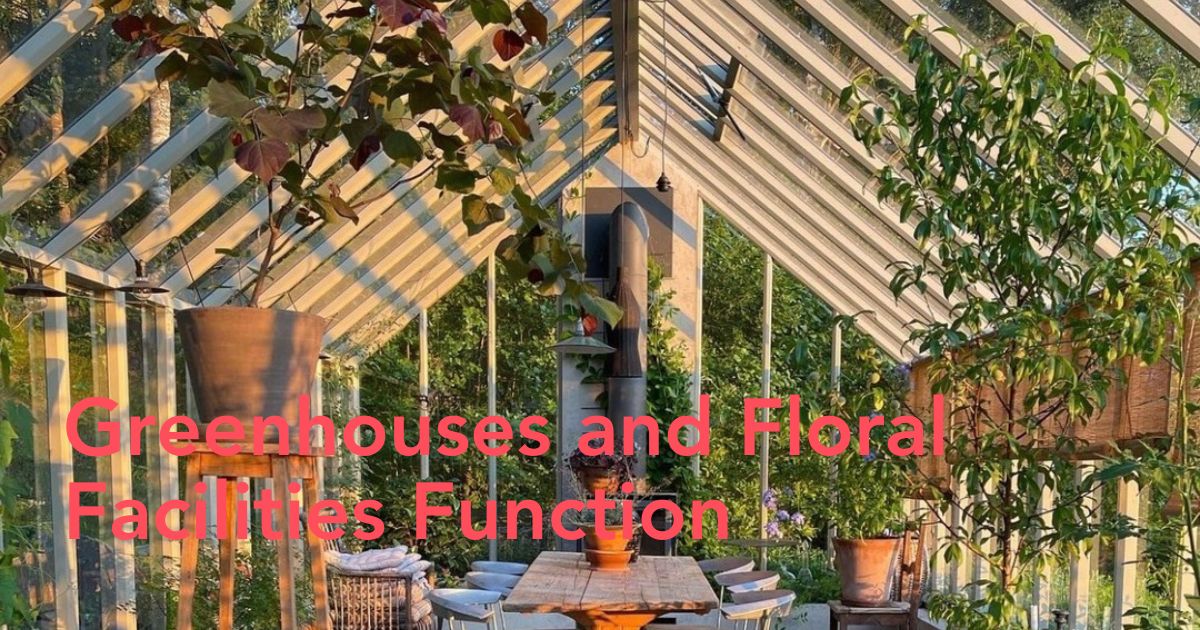
Greenhouses and floral facilities operate in environments where structural performance directly influences daily operations. Unlike many conventional commercial spaces, these environments depend heavily on controlled humidity, consistent temperatures, natural light exposure, airflow regulation, and protection from unpredictable weather conditions. Even relatively minor structural weaknesses can create problems that affect plant health, inventory quality, operating costs, and long-term maintenance requirements.
As climate patterns continue shifting and severe weather events become more frequent across many regions, businesses connected to horticulture, floral distribution, indoor growing, and outdoor retail spaces are placing far greater emphasis on infrastructure resilience. Structural reliability is no longer viewed simply as a construction issue. It has increasingly become part of operational continuity, energy efficiency, sustainability planning, and long-term financial stability.
This shift is influencing how greenhouse operators, floral distributors, garden centers, and commercial property owners approach roofing systems, drainage planning, insulation performance, ventilation infrastructure, and preventative maintenance strategies. Here you can read more about Smart Greenhouse Upgrades for Modern Gardeners
Environmental Control Depends on Structural Performance
Greenhouses and floral facilities function differently from standard retail or warehouse properties because environmental consistency plays such an important role in day-to-day operations. Temperature swings, excess moisture, leaks, poor ventilation, or insufficient insulation can quickly disrupt growing conditions and create challenges for both inventory and staff.
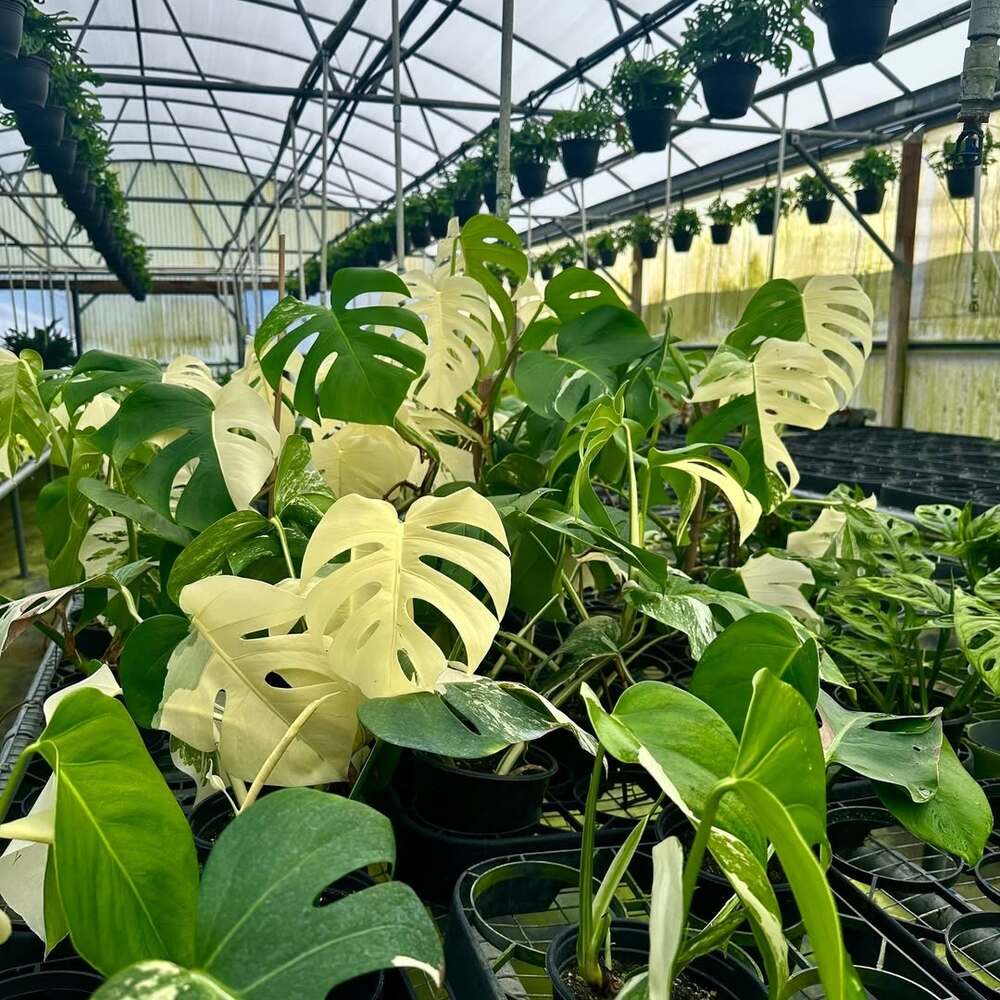
Roofing systems are especially important in these environments because they help regulate airflow, heat exposure, water management, and structural protection simultaneously. A roofing issue in a floral facility does not simply create cosmetic damage. It can directly affect humidity control, storage conditions, lighting efficiency, and product longevity.
Facilities operating in regions with intense sun exposure, hailstorms, heavy rainfall, or fluctuating seasonal temperatures often experience even greater pressure on exterior systems. Over time, prolonged environmental stress can weaken materials, increase energy usage, and accelerate maintenance costs if preventative upgrades are delayed.
Because of this, many property owners now approach roofing and exterior infrastructure as part of broader operational planning rather than isolated repair projects completed only after visible damage occurs.
Preventive Maintenance Is Becoming a Long-Term Investment Strategy
One of the biggest changes across commercial property management involves the growing focus on preventative maintenance instead of reactive repairs. Businesses increasingly recognize that delaying infrastructure improvements often leads to more expensive disruptions later.
For greenhouse and floral operations, unplanned downtime can become especially costly. Damaged roofing, compromised drainage systems, or ventilation failures may interrupt climate regulation and threaten sensitive inventory during peak growing or distribution periods.
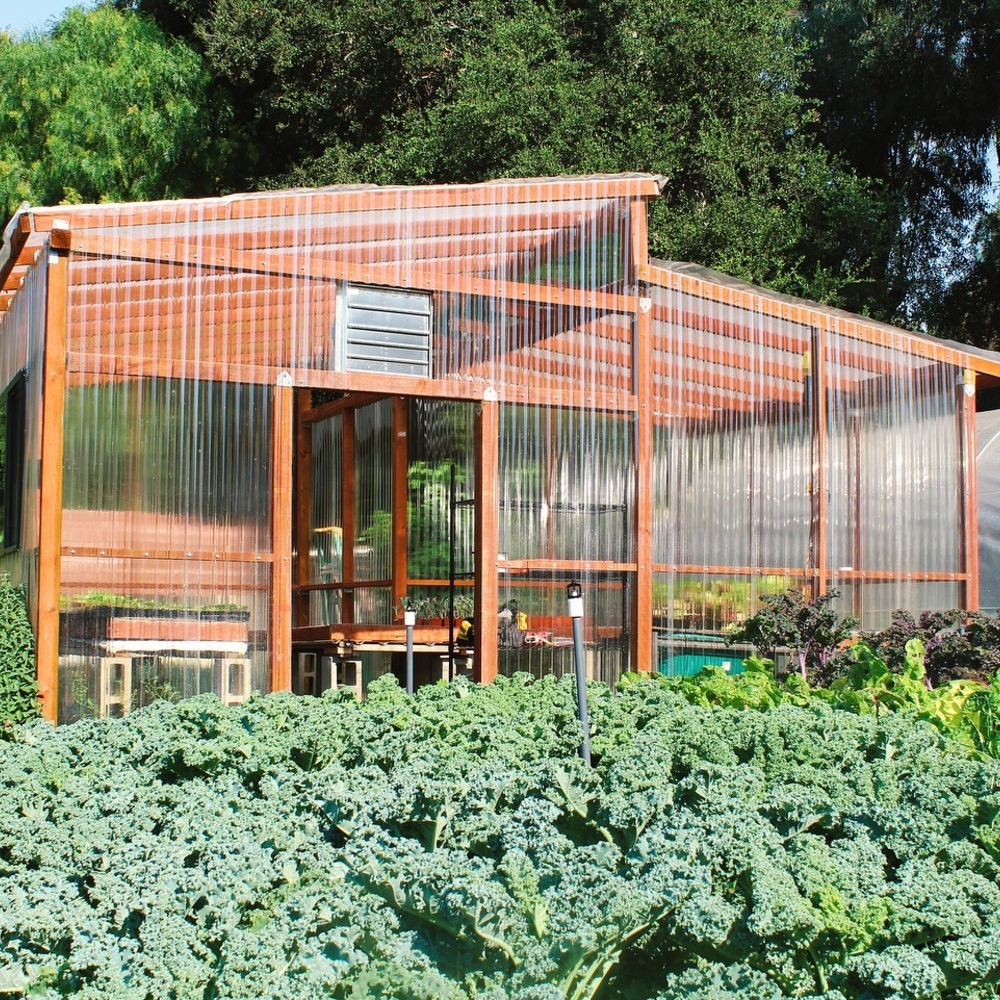
This reality has encouraged more operators to invest in routine inspections, weather-resistant materials, drainage optimization, insulation improvements, and structural reinforcement before major problems emerge. In many cases, preventative planning also helps businesses improve long-term energy efficiency by reducing heat loss, controlling moisture buildup, and improving airflow consistency throughout the facility.
Facilities exposed to intense sun, heavy rain, hailstorms, and seasonal temperature swings often require roofing systems capable of handling long-term environmental stress without creating recurring maintenance issues. Commercial property owners increasingly prioritize durable roof replacement, leak prevention, storm damage protection, and exterior restoration strategies that reduce operational disruptions over time. Companies such as Altair Austin Roofing Company frequently work on projects centered around strengthening commercial roofing performance, improving drainage reliability, and helping businesses protect structures that depend heavily on stable indoor environmental conditions year-round.
Weather Volatility Continues to Affect Commercial Facilities
Severe weather exposure remains one of the biggest concerns for commercial facilities connected to horticulture and outdoor retail. Greenhouses and floral operations are particularly vulnerable because many structures contain large surface areas exposed directly to sunlight, rain, wind, and fluctuating temperatures throughout the year.
Storm-related roof damage can create immediate operational problems ranging from water intrusion and humidity imbalance to damaged electrical systems and interrupted ventilation performance. Even facilities without visible structural failure may experience gradual wear that weakens waterproofing systems, insulation layers, or support materials over time.
This issue has become increasingly important as many regions continue reporting stronger seasonal storms and more unpredictable weather patterns. According to NOAA, extreme weather events across the United States have continued increasing in both frequency and financial impact over recent years, placing additional pressure on commercial infrastructure planning.
As a result, businesses are becoming more proactive about evaluating roofing materials, drainage systems, storm resistance capabilities, and long-term structural durability before problems begin affecting operations directly.
Energy Efficiency Is Closely Connected to Exterior Infrastructure
Energy costs also play a major role in why structural reliability has become such an important priority. Greenhouses and floral facilities often require carefully managed climate conditions throughout the year, making heating, cooling, humidity management, and airflow systems essential operational expenses.
Poor insulation, aging roofing materials, leaks, or inconsistent ventilation can force HVAC systems to work harder in order to maintain stable internal conditions. Over time, this increases utility costs while placing additional strain on climate-control equipment.
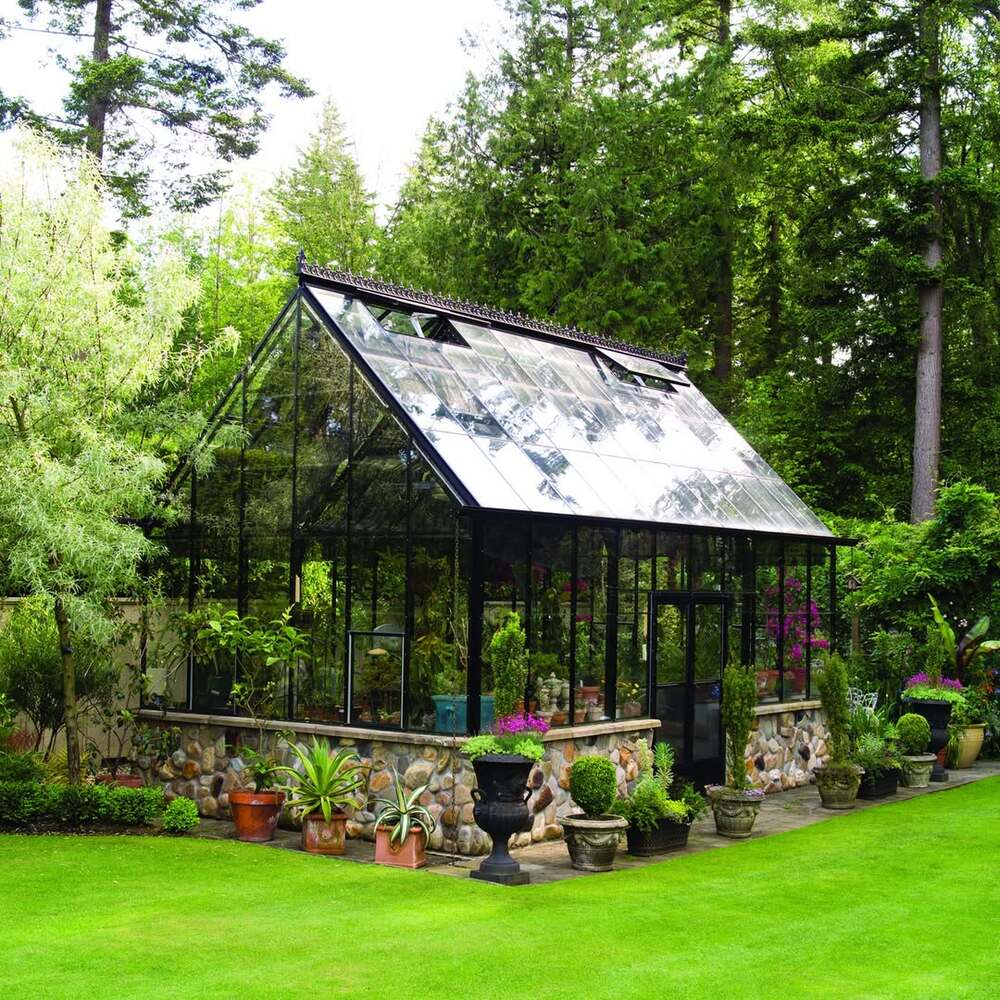
Modern commercial infrastructure planning increasingly focuses on creating more energy-efficient exterior systems capable of supporting sustainable indoor environments. Roofing upgrades, reflective materials, insulation improvements, moisture barriers, and better ventilation coordination can all contribute to more stable energy performance.
This broader focus on efficiency also aligns with growing sustainability goals across many industries connected to agriculture, horticulture, and environmentally conscious commercial operations. Businesses are not only trying to reduce operational costs. Many are also looking for infrastructure improvements that support environmental responsibility and long-term resource management.
Structural Reliability Influences Customer Experience
For customer-facing floral facilities, nurseries, and outdoor retail environments, structural quality also affects how visitors experience the property itself. Consumers increasingly associate well-maintained commercial spaces with professionalism, product quality, and operational trustworthiness.
Leaks, visible exterior deterioration, drainage problems, poor ventilation, or weather-related damage can negatively influence customer perception even when products themselves remain unaffected. In competitive retail environments, the appearance and reliability of a commercial property often contribute to broader brand reputation.
This is especially relevant for businesses that host seasonal events, workshops, weddings, or outdoor experiences connected to floral design, gardening, and hospitality. Comfortable indoor conditions, weather protection, and visually maintained structures help create environments that customers feel more confident returning to over time.
Because of this, structural investments increasingly serve both operational and customer-facing purposes simultaneously.
Technology Is Improving Infrastructure Monitoring
Advancements in commercial property technology are also changing how facilities approach long-term structural management. Many businesses now use digital monitoring systems capable of tracking moisture levels, temperature fluctuations, ventilation performance, and energy consumption across large facilities.
These systems allow operators to identify potential infrastructure issues earlier, before they develop into more serious structural problems. In some cases, predictive maintenance technology can help businesses schedule repairs more efficiently while minimizing operational disruption.
Drone inspections, thermal imaging, weather monitoring systems, and smart facility management tools are also becoming more common across commercial exterior maintenance planning. These technologies help property owners better understand how roofing systems, insulation performance, and ventilation infrastructure respond to changing environmental conditions over time.
As commercial facilities become more technologically integrated, infrastructure planning is evolving into a far more data-driven process than it was only a decade ago.
Long-Term Durability Is Becoming Central to Commercial Planning
The growing attention surrounding structural reliability reflects a broader shift happening across commercial property management overall. Businesses increasingly recognize that exterior systems directly influence operational consistency, financial predictability, energy efficiency, customer perception, and long-term sustainability.
For greenhouse operators and floral facilities, these considerations carry even greater importance because environmental control is so closely tied to the condition of the structure itself. Roofing systems, drainage infrastructure, insulation performance, ventilation coordination, and weather resistance all contribute to the stability required for these operations to function effectively.
As weather conditions become less predictable and operational costs continue rising, long-term durability will likely remain one of the most important priorities shaping future commercial infrastructure decisions across horticulture and floral industries alike.