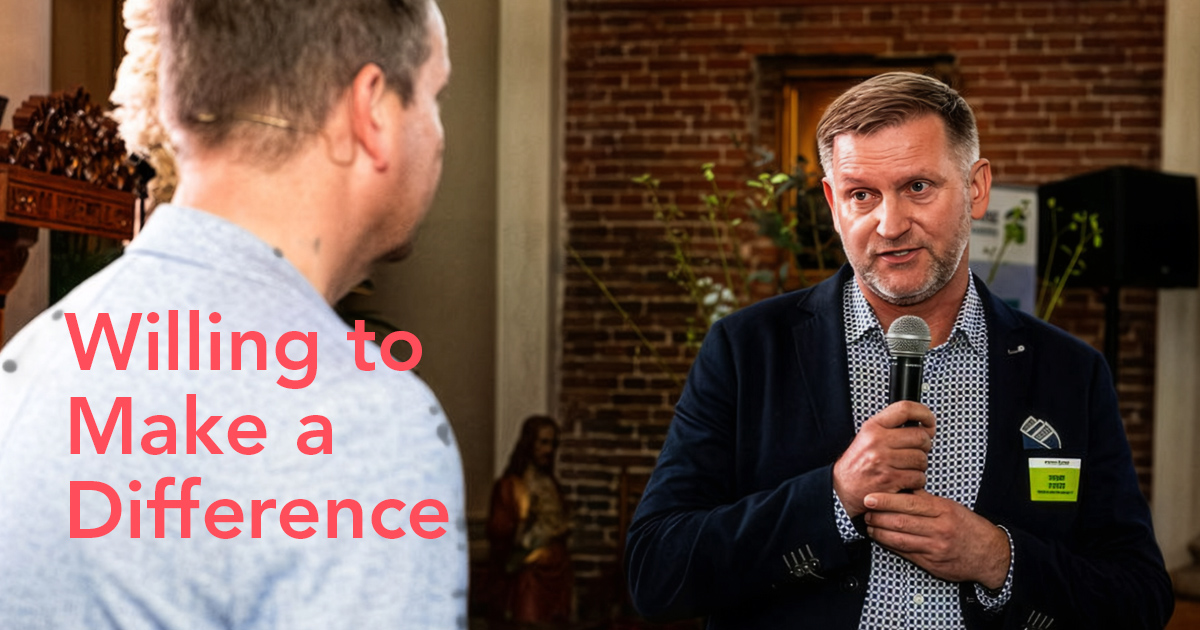
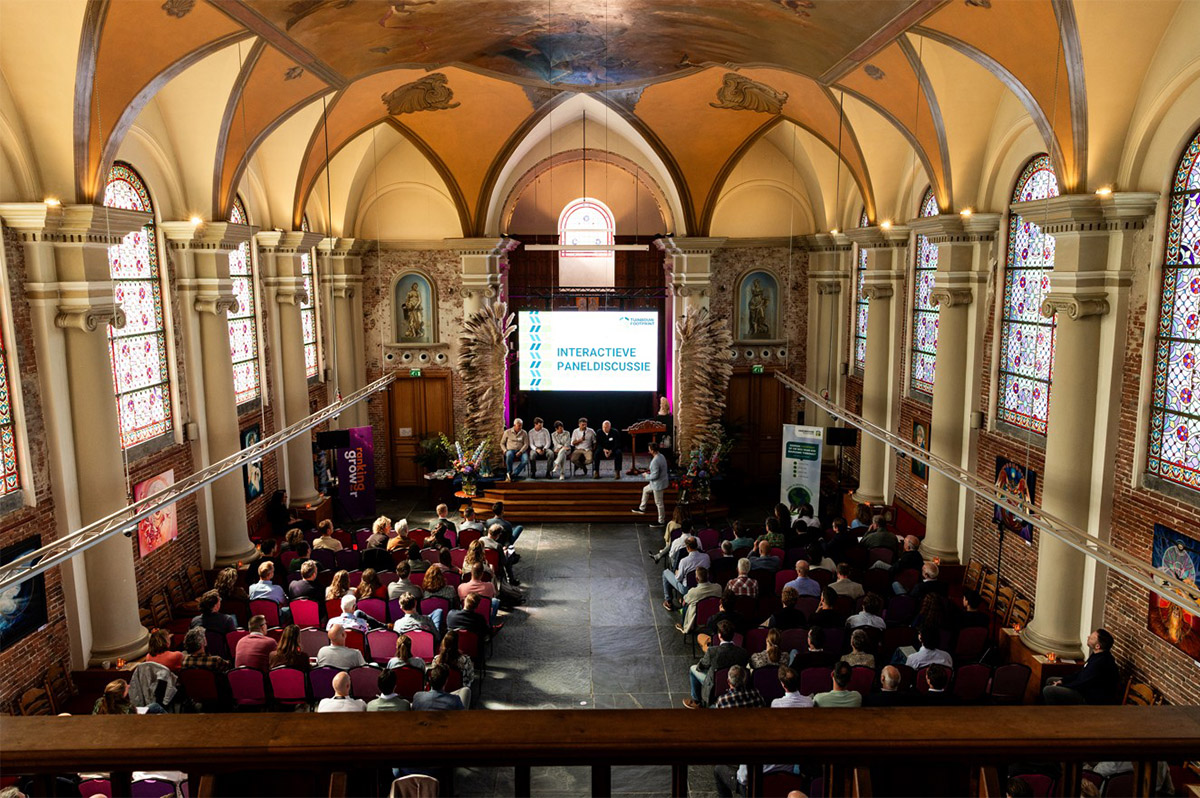
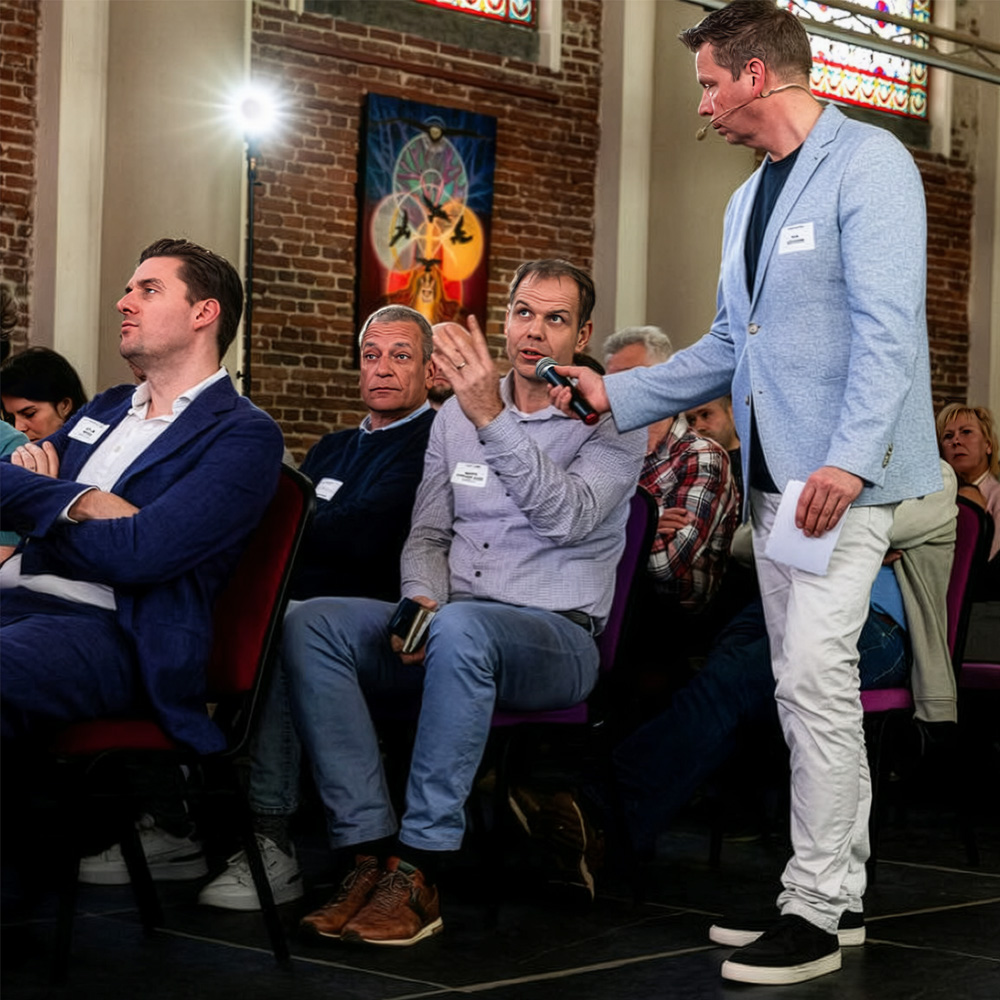
More than 180 horticulture professionals gathered in Schipluiden in the Netherlands on Thursday, April 16, for the second edition of the Tuinbouw Footprint Event (Translated: Horticulture Footprint Event). Throughout the afternoon, attendees were updated on the latest sustainability developments, but what stood out most was the action-oriented mindset across the room. Sustainability is clearly gaining ground in horticulture, and the willingness to make a difference is there. Still, one message came through again and again: businesses that want to make a real impact need to choose a direction.
After a strong first edition in 2025, expectations for the second Horticulture Footprint Event were already high. The program lived up to that momentum with a solid lineup of speakers, practical presentations, and discussions that reflected what is happening in the sector right now. Attendance was even higher than last year, bringing together representatives from across the horticultural chain, from growers and breeders to suppliers and service providers, and from flowers and plants to fruit and vegetables.
Transparency Is Becoming Part of the Work
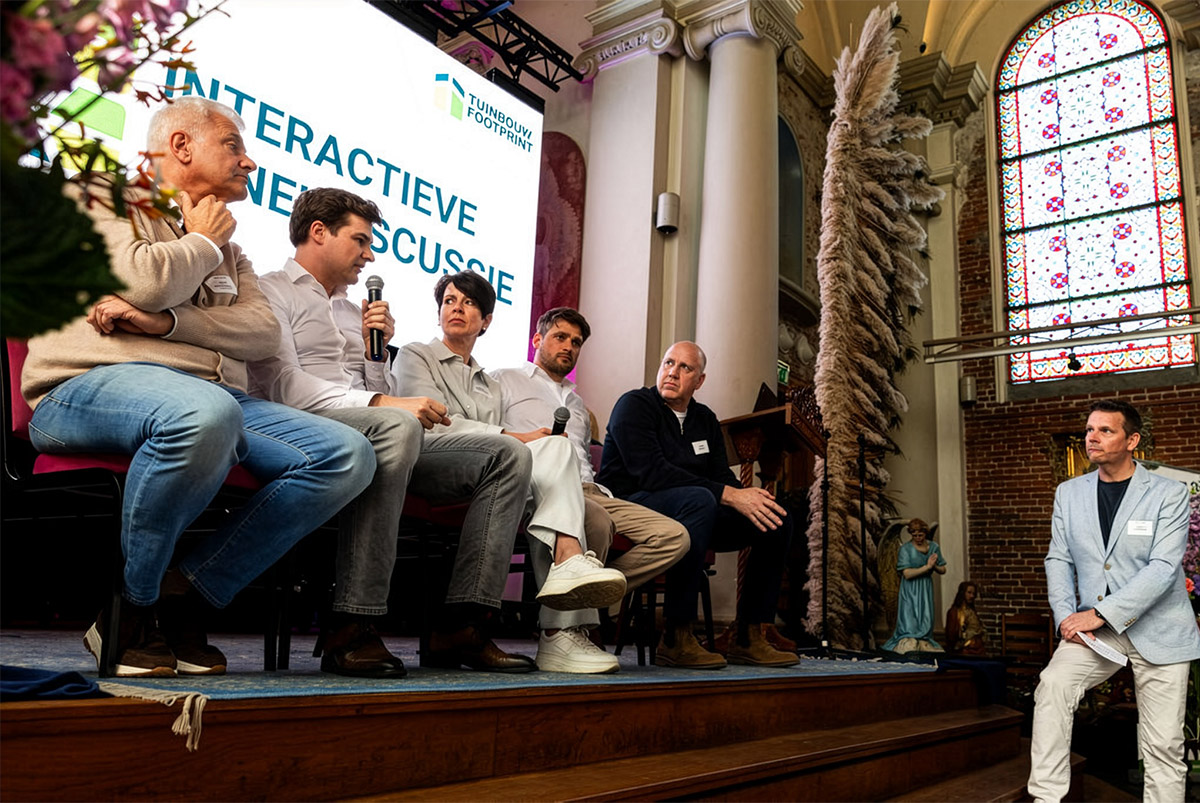
Hosted by presenter Rob Veenman, the event opened with a panel discussion featuring Jelte van Kammen of fruit vegetables grower Harvest House, Martijn van Vliet of strategic company Florpartners, Edith Bentvelsen of orchid growers Ter Laak Orchios and Riza Growers, Dave Marcus of bulb association KAVB, and Albert Haasnoot of Royal FloraHolland. Together, they talked about the current sustainability developments in horticulture and the steps already being taken through initiatives such as First Sustainable Generation and 100% Green Grown.
One word returned throughout the conversation: transparency. Dave Marcus pointed out that the industry needs to involve consumers more actively in what is actually happening in sustainability. Too often, opinions are shaped by emotion rather than facts. That makes open communication and full transparency more important than ever.
Choosing a Direction in Uncertain Times
John Vreugdenhil of pot plant grower KP Holland shared the company’s experience with footprint calculations and explained how the nursery is working together with others to help shape a future-proof sector. Marissa van Adrichem of packaging specialist Best Fresh Group followed with a perspective that likely resonated with many in the room: how do you create impact when the market is under pressure from climate change, tighter regulations, and growing customer demands?
Her answer was clear. To make an impact, a company has to choose a direction. At the same time, she stressed that not every business has to move at the same pace. For Best Fresh Group, the goal is not to run too far ahead or fall behind, but to stay in the pack and keep moving. Every company has to take the steps that fit its own situation, but doing nothing is not an option.
Measuring First, Then Improving
Katharina Schuster and Charlotte van Hal, both Life Cycle Assessment (LCA) experts at Greenhouse Sustainability, explained why footprinting matters if businesses want to make better sustainability decisions. Their message was practical: only by measuring can companies make informed choices. They also introduced several tailored tools developed by Greenhouse Sustainability to support that process.
One of the new launches during the event was PackR8, a PPWR tool created to help clients prepare for the Packaging and Packaging Waste Regulation. Since this legislation will take effect in August 2026, the tool is designed to support companies as they adapt to the new packaging rules.
Environmental, Social, and Governance
This year’s edition of the Horticulture Footprint Event focused on three pillars: environmental, social, and governance. Together, these pillars offer a framework that helps organizations understand and improve both their sustainability efforts and their wider societal impact.
After the environmental part of the program, the focus shifted to governance. Megan James of Tuinbouwbranche Nederland – an association of entrepreneurs from the entire garden chain – spoke about the future vision for garden retail and emphasized the importance of moving forward as a sector rather than as separate businesses. That same spirit of collaboration also came back in the presentation by Boudewijn Zuijderhoudt of Epiic – a specialist in the field of innovation advice, financing, and subsidies – and Chris Boers of accountancy and consultancy agency aaff. They explained how the two companies are working together to help horticultural businesses calculate their footprint and build a roadmap to reduce it step by step. A pilot with KP Holland has already shown positive results.
The Social Side of Sustainability
The final keynote came from Dennis Gebbink of Sportclub Only Friends, who brought the social side of sustainability into focus. He shared the story behind the sports club he founded for children and young people with disabilities. His message, "You are good the way you are," gave a different kind of depth to the afternoon.
With the help of more than 200 volunteers, 50 interns, ambassadors, and sponsors, the club now offers 33 sports to over 800 athletes with physical or intellectual disabilities or chronic illnesses. His presentation, supported by several videos, clearly moved the audience and reminded everyone that sustainability is also about inclusion, belonging, and creating safe places for people.
Ter Laak Orchios Wins the Public Award
The event also included the announcement of the public winner of Ranking the Grower. This initiative by KAS Magazine and HortiContact focused this year on the most sustainable horticultural companies. An expert jury had already selected LG Flowers, Ter Laak Orchios, and Koppert Cress as winners in the categories of flowers, plants, and vegetables. The public vote then went to Ter Laak Orchios, with Eduard ter Laak and Edith Bentvelsen receiving the award on behalf of the company.
Looking Ahead to 2027
Henri Potze, director of Greenhouse Sustainability, looked back on the event with real enthusiasm and is already looking ahead to the next edition. He said the organization would like to return in 2027 with another strong content-driven program and invited companies and organizations interested in collaborating to get involved. His point was simple: the event can only continue to grow together with the sector.
The full event was broadcast live on Hortibiz Newsradio, and interviews with several speakers were also recorded during the day. In the coming period, the presentations and conversations will be available to listen back to through Hortibiz Newsradio and on its Spotify channel.
What stayed with many attendees after this second edition was that horticulture is ready to move. The urgency is there, the tools are developing, and the commitment is visible across the chain. Now the next step is about making choices that turn that commitment into real impact.
All images by @greenhousesustainability.