Before I understood business, I understood soil. What happens underground determines everything that eventually reaches the light. Roots do not perform. Mycorrhizal networks do not compete for recognition. The soil food web does not extract. It exchanges, reciprocates, regenerates. It is, in the deepest sense, a community.
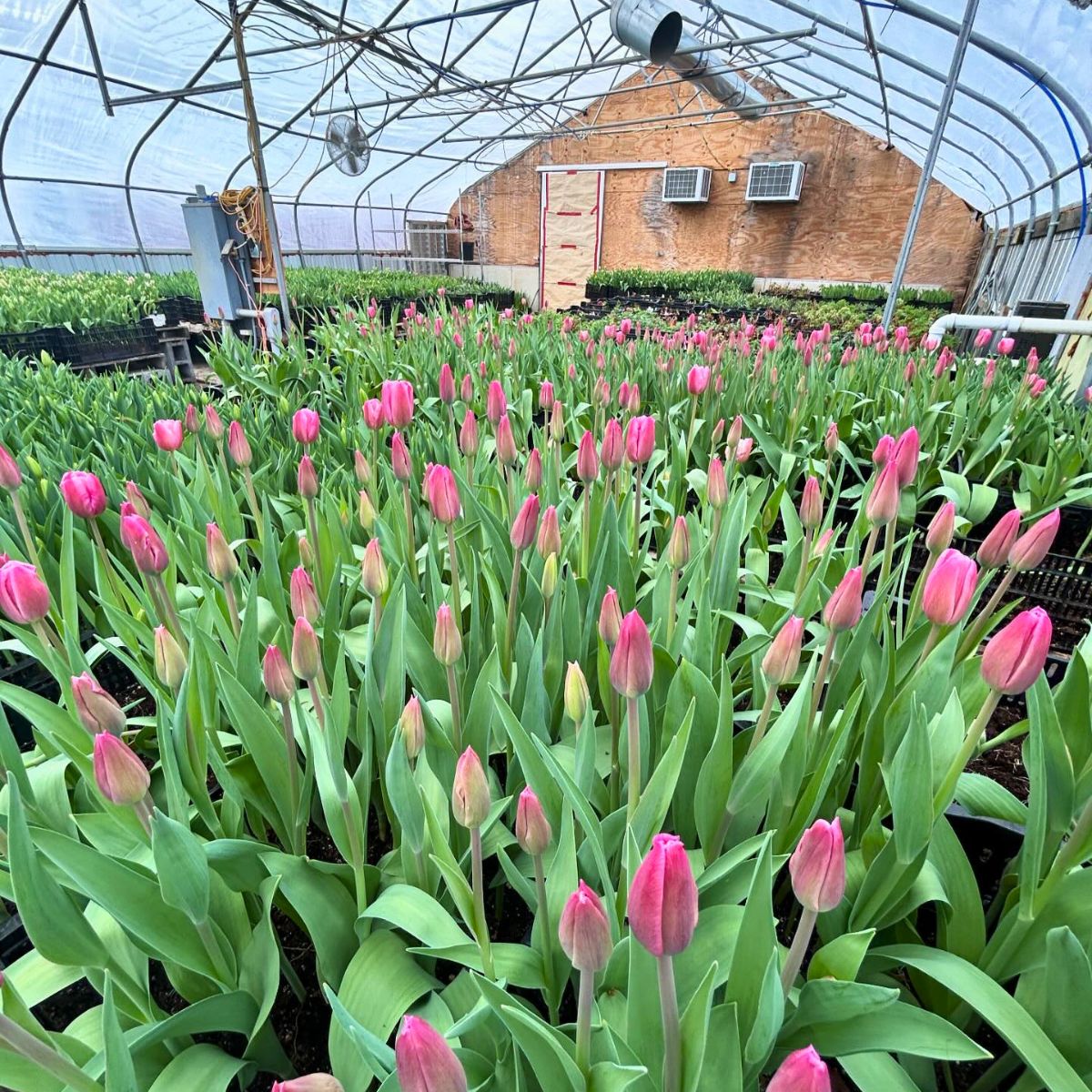
It took me nine years inside commercial greenhouse operations to understand that what we call "business" has spent the better part of a century working against exactly these principles. I have managed large-scale production across organic CEA in Wisconsin and conventional ornamental production in Colorado, and I have watched what happens when a system optimizes only for output. It does not simply stagnate. It depletes. The fertility of creative collaboration, the mycelial threads of trust – they thin, they break, and they stop delivering. I know because it happened to me. Twice.
What the Soil Already Knows
After about four years in each role, the excitement curdled. Not dramatically, but quietly, the way a greenhouse does when no one adjusts the climate. You're still producing. But something essential has gone hollow.
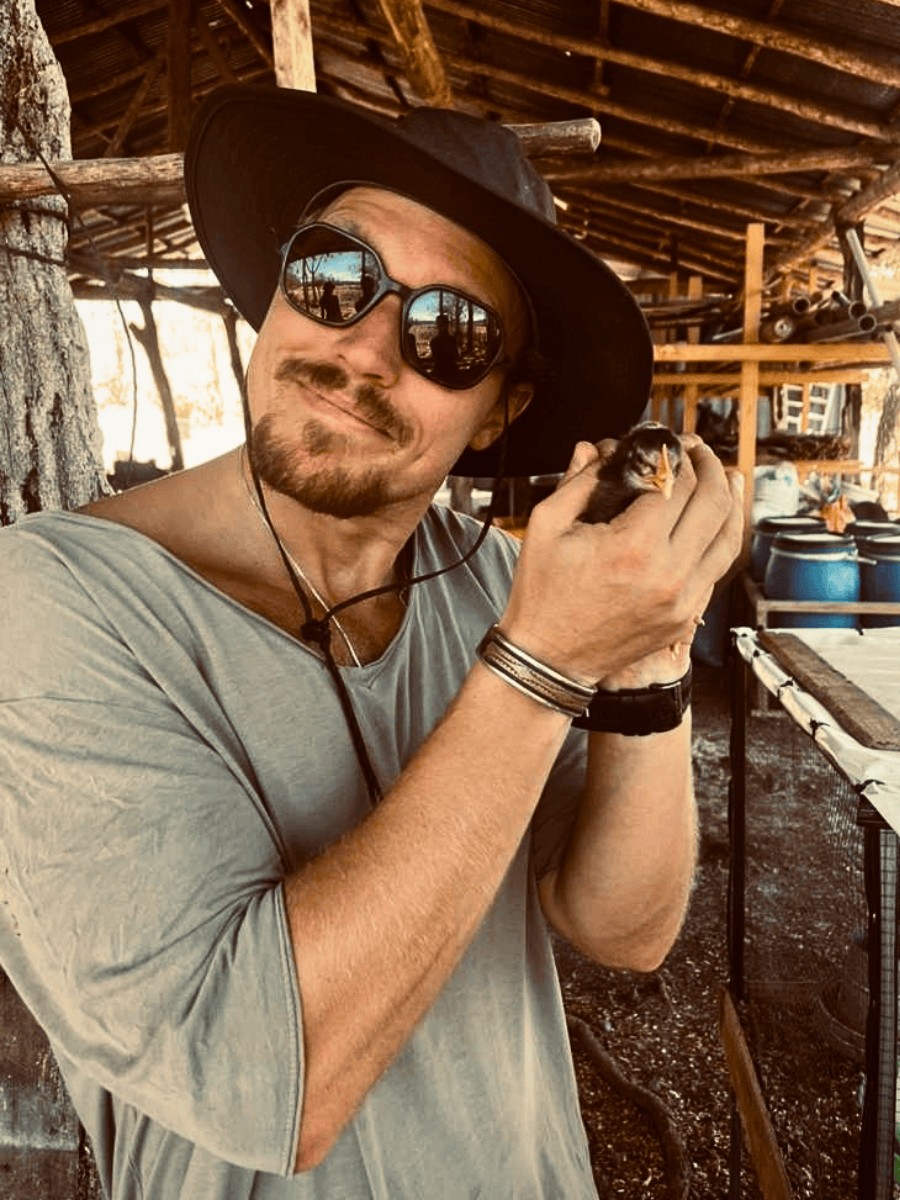
I spent a month sitting with that hollowness, here in Costa Rica, on a regenerative land project called Tierramor, where the soil is alive, and the mission is nourishment. And somewhere between the rows and the silence, something became clear: the problem was never the plants. The problem was the container we put them in.
In healthy soil, up to 90% of biological activity happens in the rhizosphere, that thin zone of exchange around the root. It is teeming, complex, and fragile. You cannot optimize it into existence. You can only create the conditions for it to thrive. Human organizations are no different.
The most generative work – that is, the insight that solves the unsolvable problem, the quiet contribution that turns out to be load-bearing – rarely shows up in a performance review. It happens in the rhizosphere of trust, psychological safety, and genuine relationships. It happens when people feel not just employed but alive in their work.
The next evolution of business is not a new platform or a better incentive structure. It is a fundamental reorientation – from organization as extraction machine to organization as container for human flourishing.
The Archetype in the Greenhouse
Carl Jung understood something that most organization charts do not: every person carries within them a dominant psychic pattern, an archetype through which they experience their greatest aliveness.
The Maker needs to create with their hands.
The Visionary needs the horizon.
The Nurturer needs someone to tend.
The Teacher needs to transmit.
The Connector needs the living web of relationships.
These are not personality quirks. They are the deepest grammar of a person's motivation, and the frequency at which their potential runs clearest and strongest.
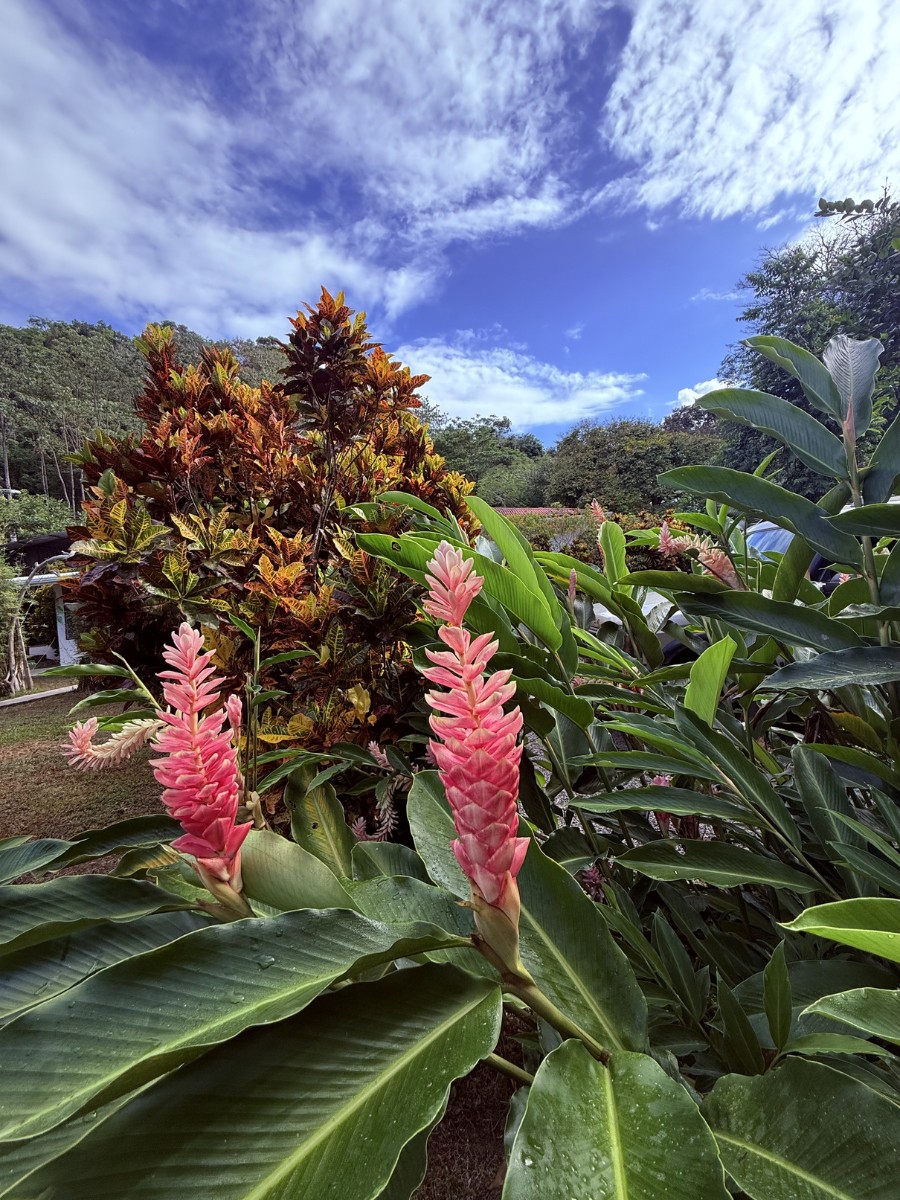
When someone is operating inside their archetype, something remarkable happens. They stop working and start being. The quality of their output shifts – not because they are trying harder, but because they are no longer resisting. They have come home to themselves.
Most operations never ask this question. We assess competency. We assign tasks. We measure throughput. But we almost never ask: in what role does this person feel most expansive?
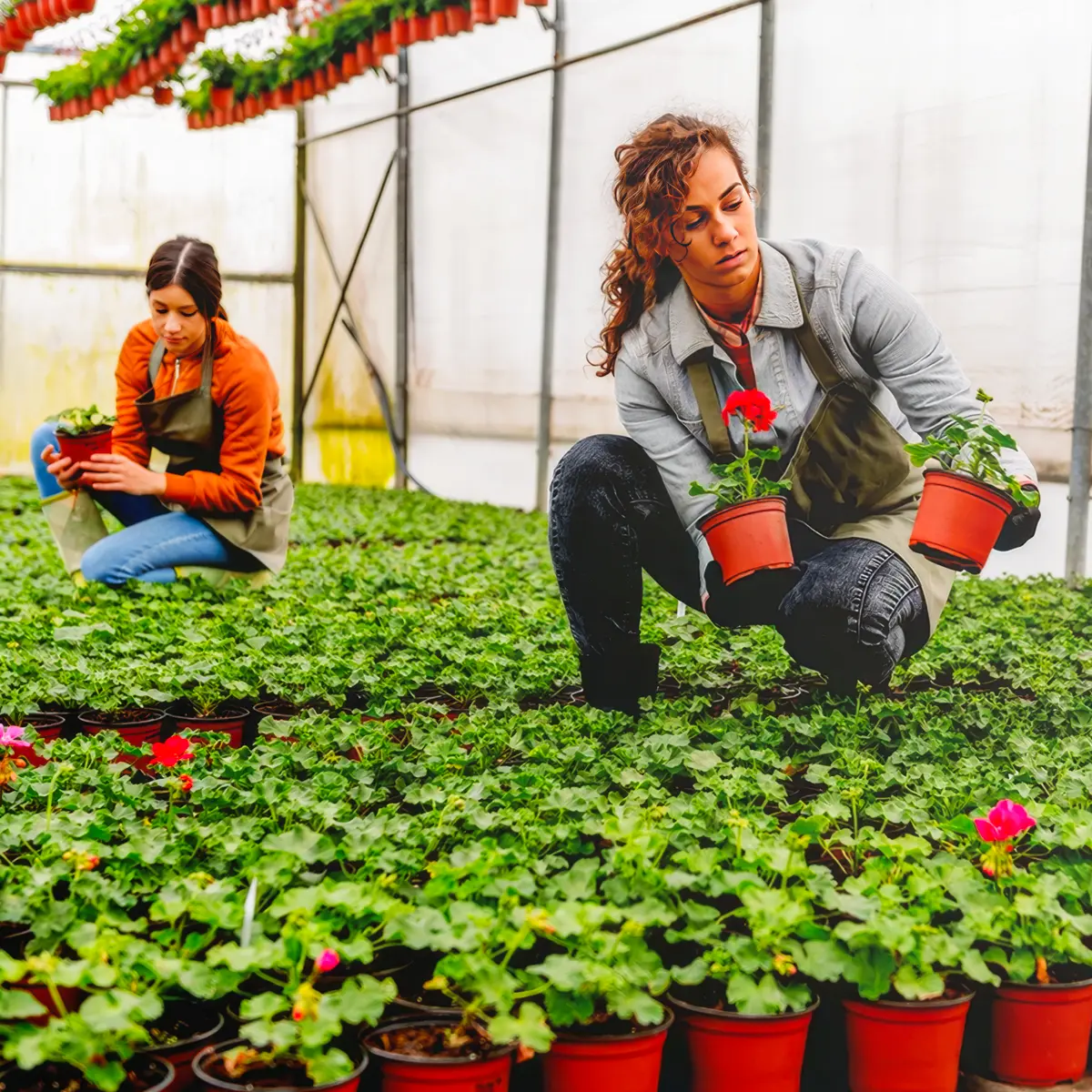
This is the missing layer in our industry. Horticultural operations are full of people who are technically capable of their jobs and spiritually starved by them. A natural Visionary stuck in repetitive propagation cycles. A born Teacher isolated in a production role with no one to guide. A Connector buried in solo scouting work, wondering why they feel so drained. We have placed living instruments in the wrong key and wondered why the music feels flat...
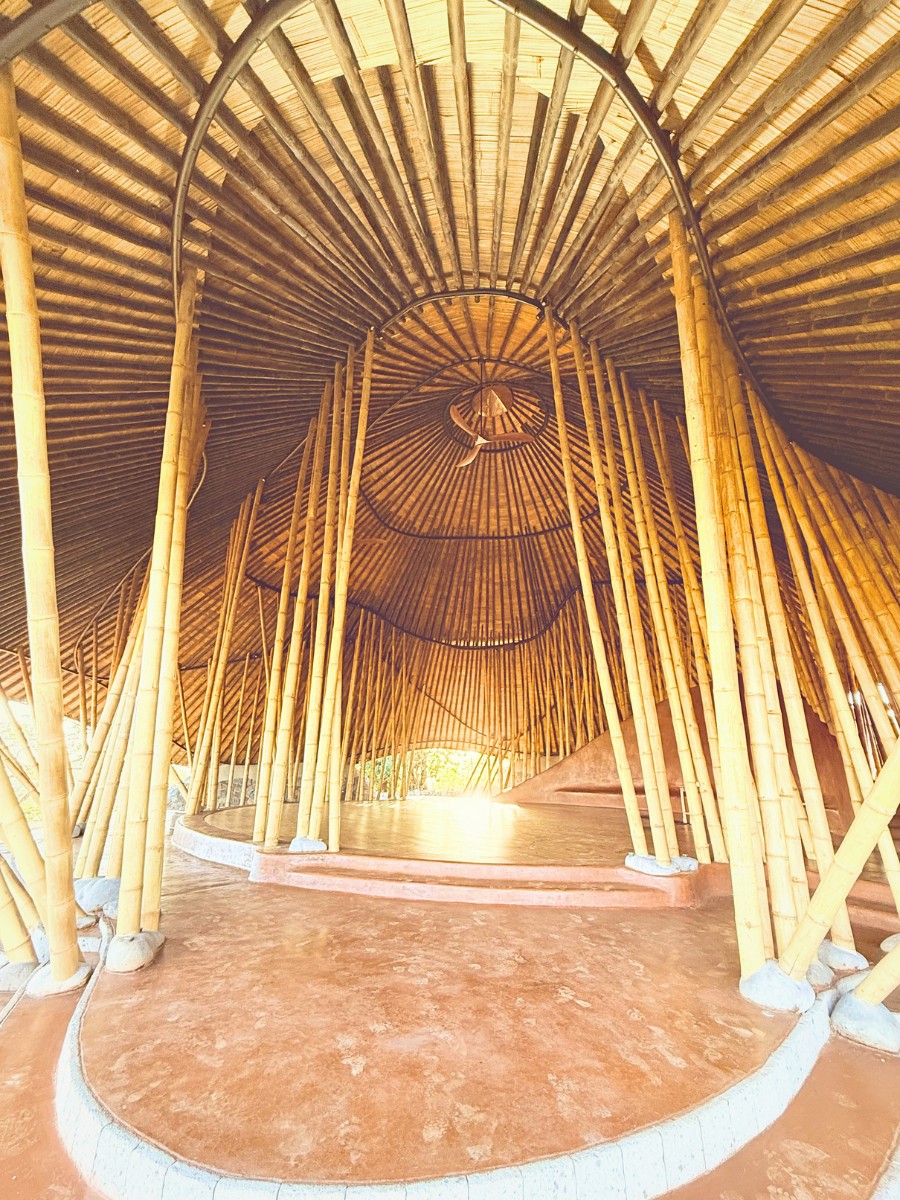
Understanding the human units in our operations through a psychospiritual lens is not a soft luxury. It is a precision tool. When we take the time to see who someone actually is through what archetype animates them, and what conditions allow them to expand, we stop managing people and start cultivating them. And cultivated people, like cultivated soil, give back exponentially more than they take.
Coming Home
To the grower who has felt this, who has stood in a beautiful production house and wondered why it felt empty, who has hit every metric and still gone home hollow – I see you. What you are feeling is not ingratitude. It is your deeper knowing telling you there is another way.
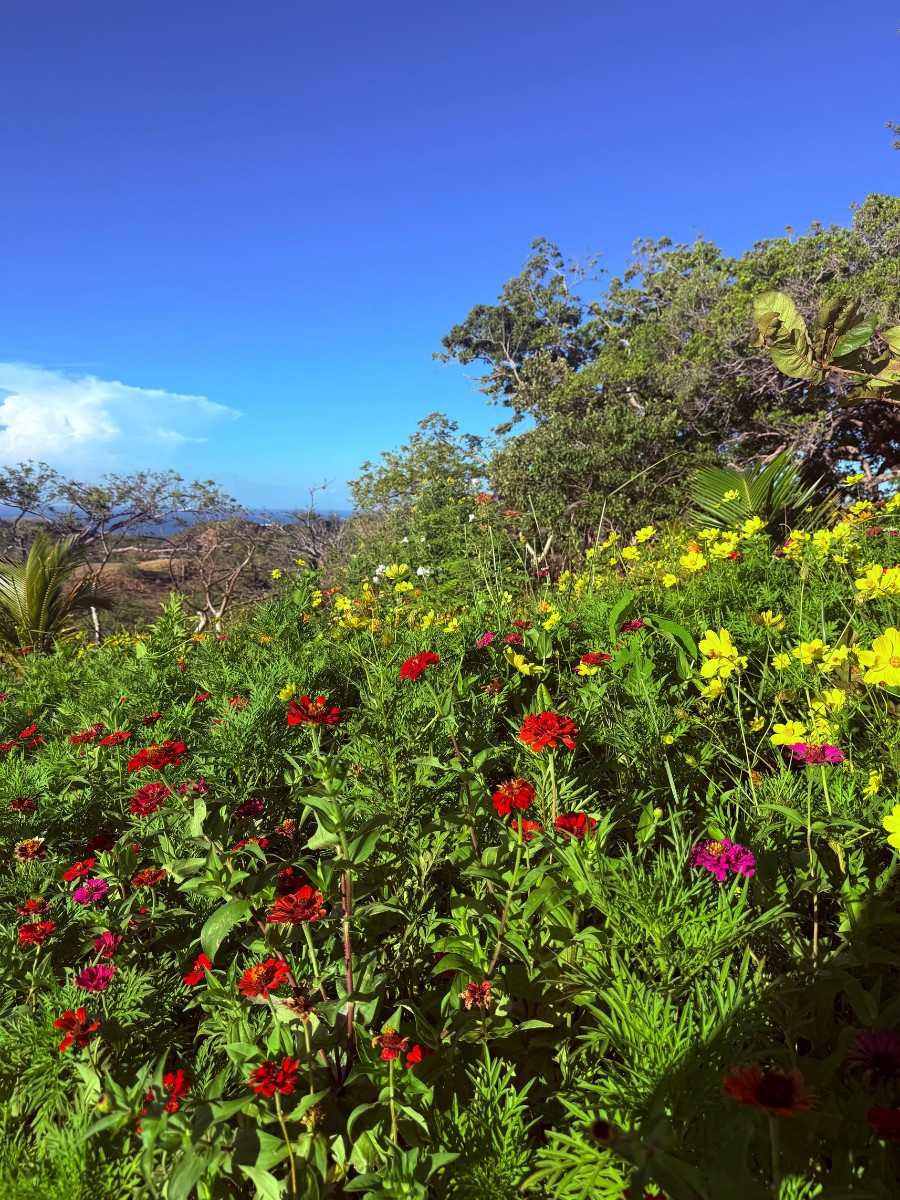
We are not separate from what we grow, or from the people with whom we grow. The most ancient agricultural traditions understood that cultivation is a relationship in which the health of the land and the health of the community are one single story told in two registers. What we are being called back to is not a nostalgic past. It is a more honest future. One where a business becomes a place we come home to rather than a place we escape from.
In practical terms, this means building operations where people are known. Not as job titles, but as whole humans with distinct inner architectures. It means creating roles and rhythms that invite people into their archetype rather than away from it. It means asking, before we optimize anything: what does this person need to be truly alive here?
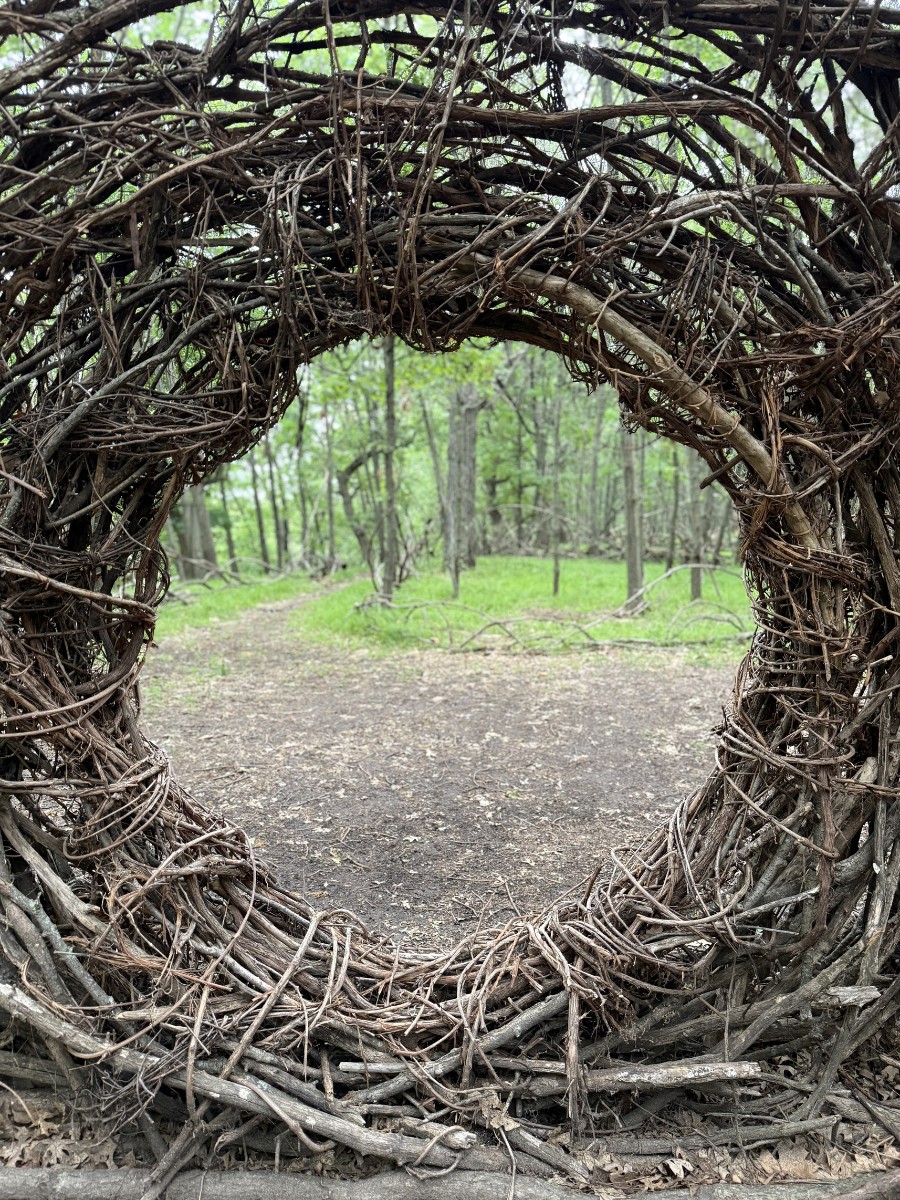
Our industry works with living things. We understand that health is not the absence of struggle but the presence of conditions for growth. We know you cannot rush a root system. Now we need to build that same orientation into how we hold our people – not as an afterthought, but as the foundational layer from which everything else grows.
The ground is ready. The question is whether we are willing to tend it.