Watched your perfectly healthy houseplants turn crispy lately? Your heating system is probably to blame. Most people blame low light, but central heating does far more damage to indoor plants.
A heated home can get dry, stuffy, and thermally uneven in ways that catch even experienced plant owners off guard. Read on for a practical guide to keeping your houseplants thriving when the heating's on full blast.
The Real Enemy: Dry Air
A poorly maintained furnace circulates dust and allergens that worsen your indoor air quality significantly. Scheduling professional furnace maintenance with a trusted local provider keeps filters clean and indoor air and plants healthier. That already-dry home air can drop to 10 to 20% humidity in winter, which is drier than many desert environments.
The mechanism matters here. Warm air holds more moisture capacity, so it actively pulls water from plant leaves faster than the roots can keep up. In most cases, the plant is simply dehydrating.
The single most useful tool you can buy is a hygrometer. It's a small and inexpensive device that reads your actual indoor humidity. Most plant owners have no idea what their humidity levels are, and that's exactly the problem.
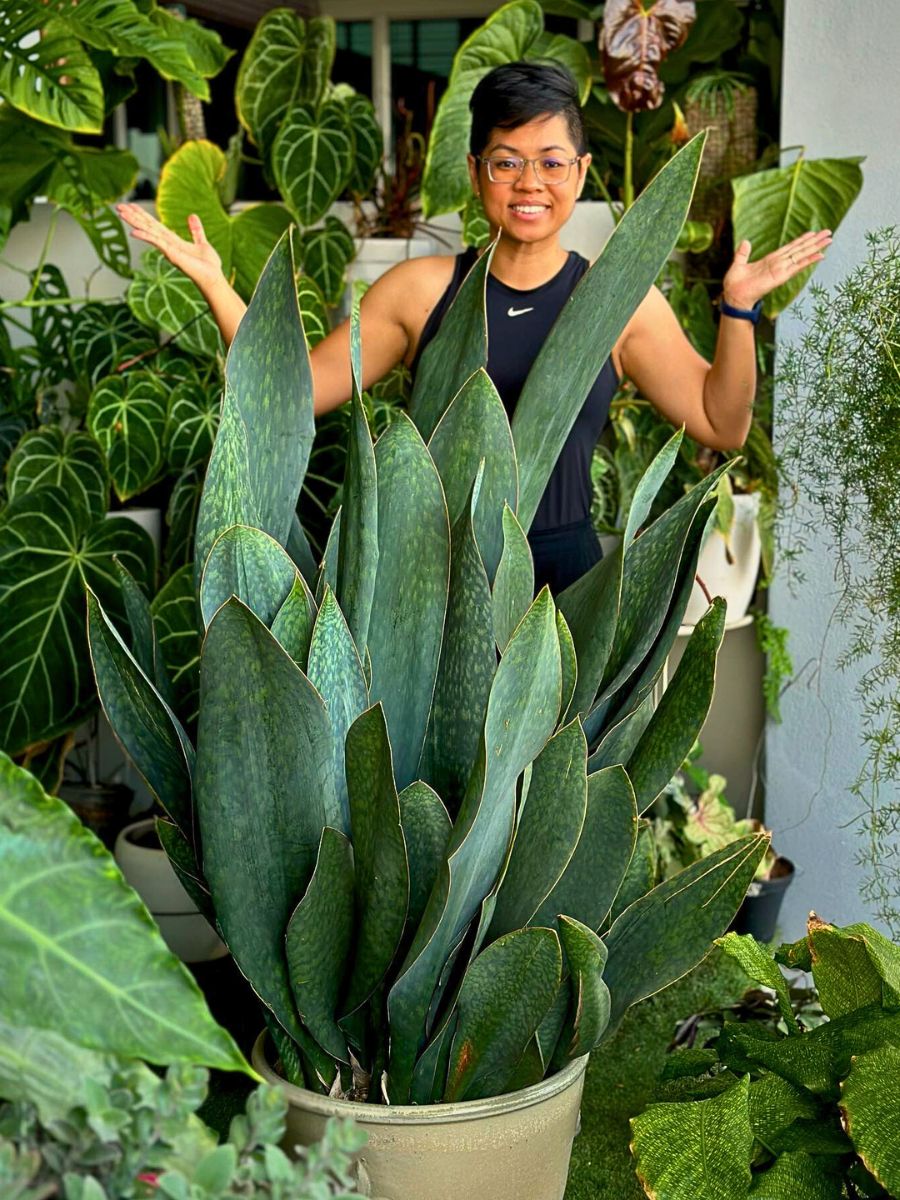
Photo by @jcchris
A few things worth knowing about humidity fixes:
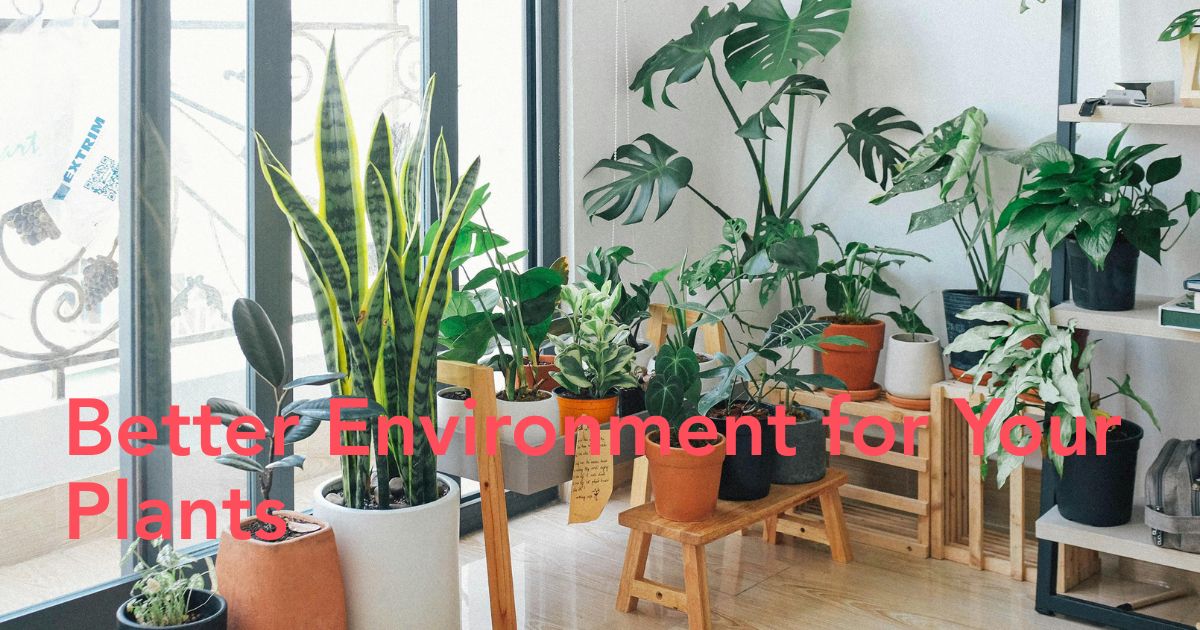
- Grouped together, healthy houseplants share transpiration and build a modest humidity microclimate. Just don't pack them so tightly that airflow suffers and fungal issues creep in.
- Pebble trays with water work, but only if the pot sits above the waterline. The water evaporates upward around the plant. If the pot touches the water, root rot follows.
Neither trick completely solves a dry, heated home on its own. But when used together, they create a noticeably better environment for your plants without much effort or cost.
Heating Vents and Hot Spots
Before placing a single plant, spend five minutes doing a quick thermal mapping of your room. Turn the heat on, walk around, and feel where the warm air actually flows. It sounds almost too simple, but it's something most people never think to do.
The intermittent blasts of hot, dry air from vents can desiccate foliage within days, which is far more damaging than the warmth alone. Radiators push dry heat upward, making the surrounding space particularly harsh for plants.
Cold windows and hot vents create another hidden problem. Plants caught between a cold pane and a heat source get pulled between two extreme conditions repeatedly throughout the day. Keep healthy houseplants at least 60 cm from radiators and exterior windows in winter.
Watering Smarter, Not More
Houseplant care starts with understanding how a heated home changes your watering routine. Dry surface soil tricks many people into overwatering, but the deeper root zone can still be saturated. Watering only based on surface feel is how roots rot in winter.

Skip the finger test and get a soil moisture meter instead. It reads moisture at root depth, which is where it actually counts. Terracotta pots are worth considering as well, since they breathe and release moisture slowly. It helps counter the rapid evaporation that heated air causes.
One more thing: always use room-temperature water. Cold tap water shocks already heat-stressed roots. Letting water sit for an hour before watering is a small habit that makes a real difference.
Picking the Right Plants
Not all 'easy' houseplants handle heated conditions equally. What you actually want are plants adapted to warm, dry, stable conditions specifically.
Some solid choices for indoor gardening include:
- Snake plant (Sansevieria)
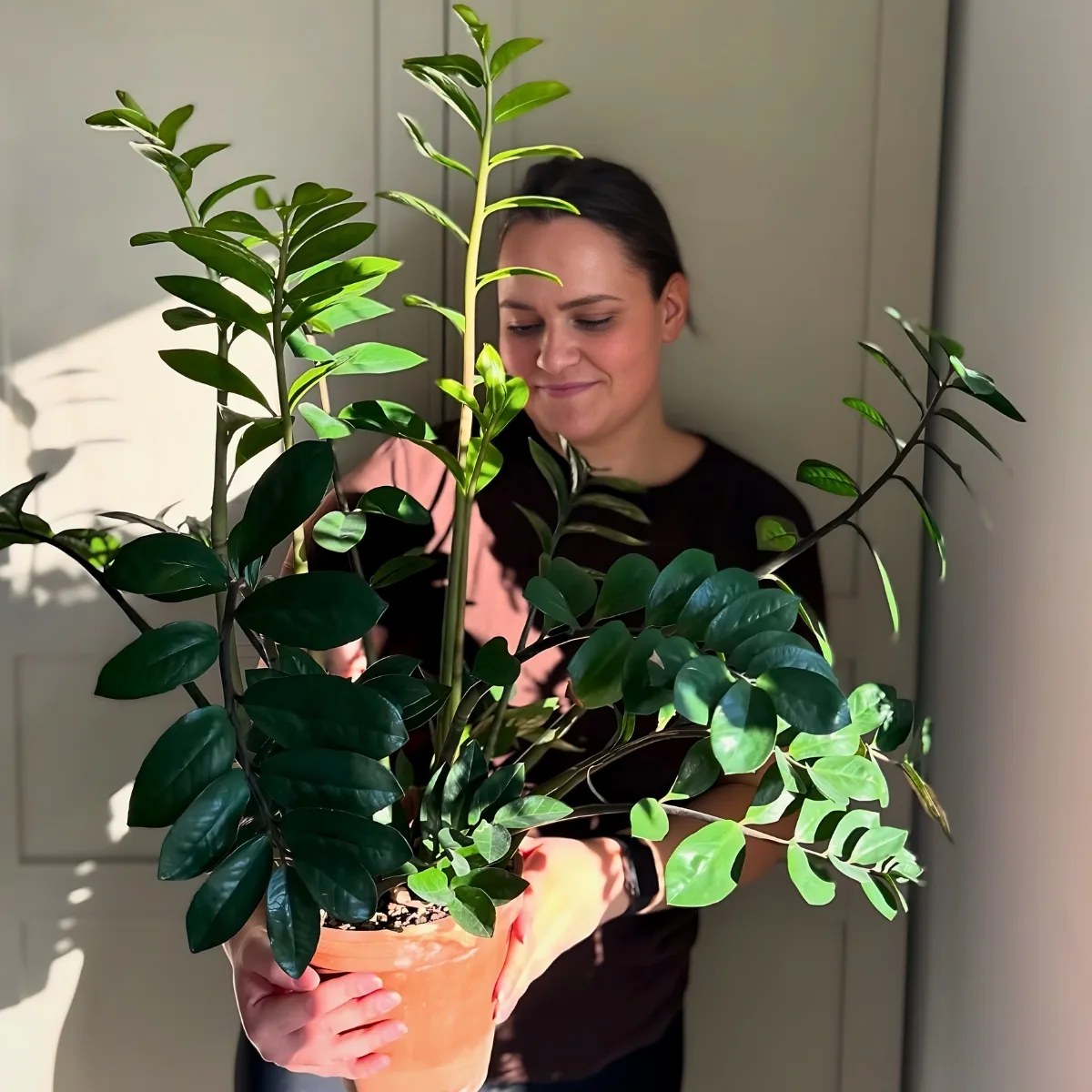
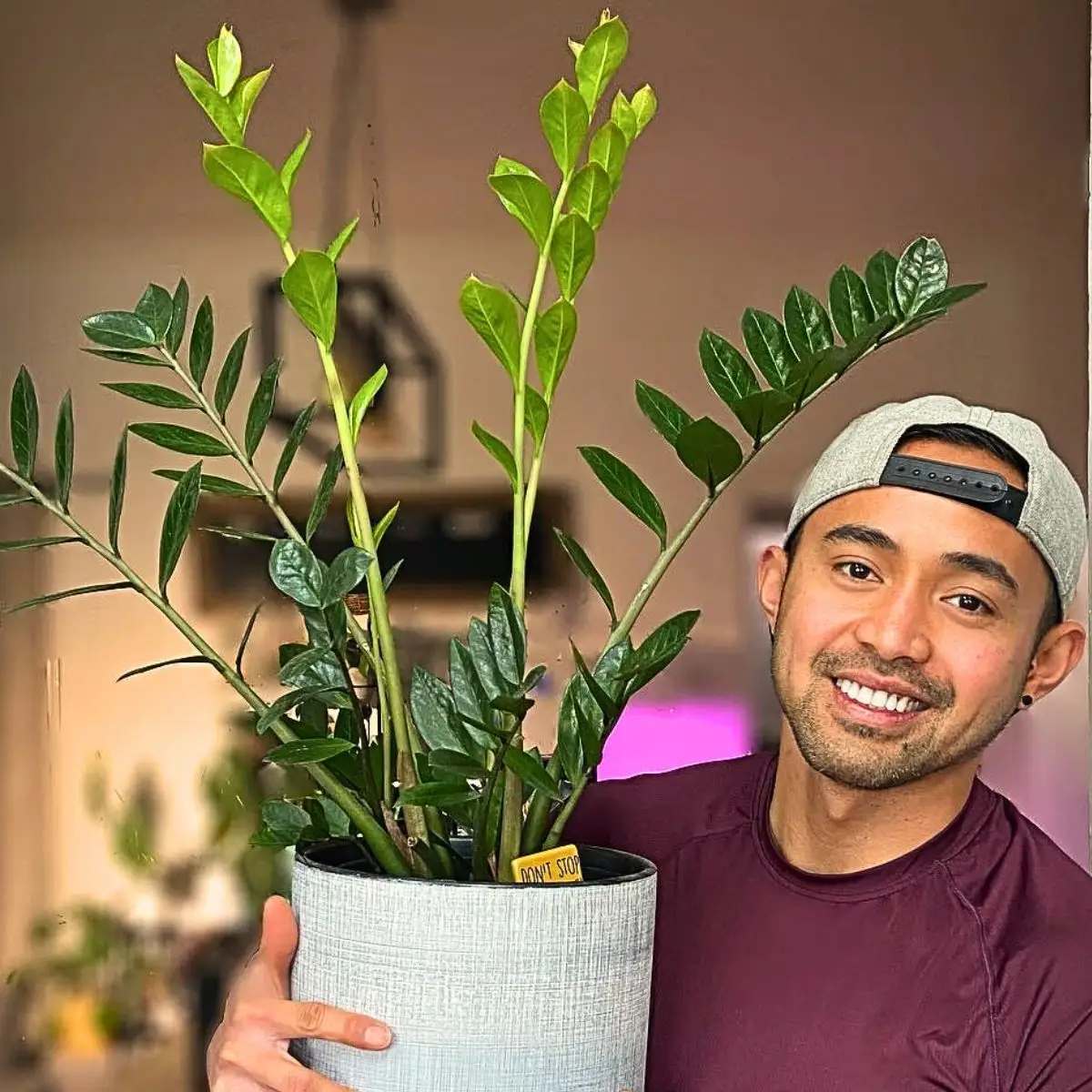
- ZZ plant
- Cacti and succulents
- Ponytail palm
Meanwhile, these plants struggle without serious intervention:
- Ferns
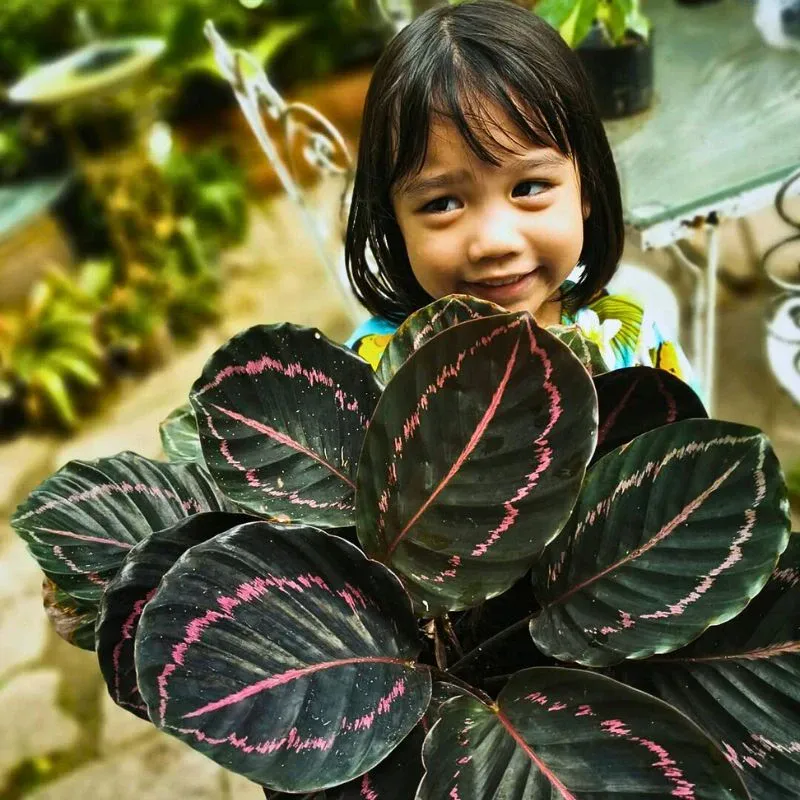
- Calatheas
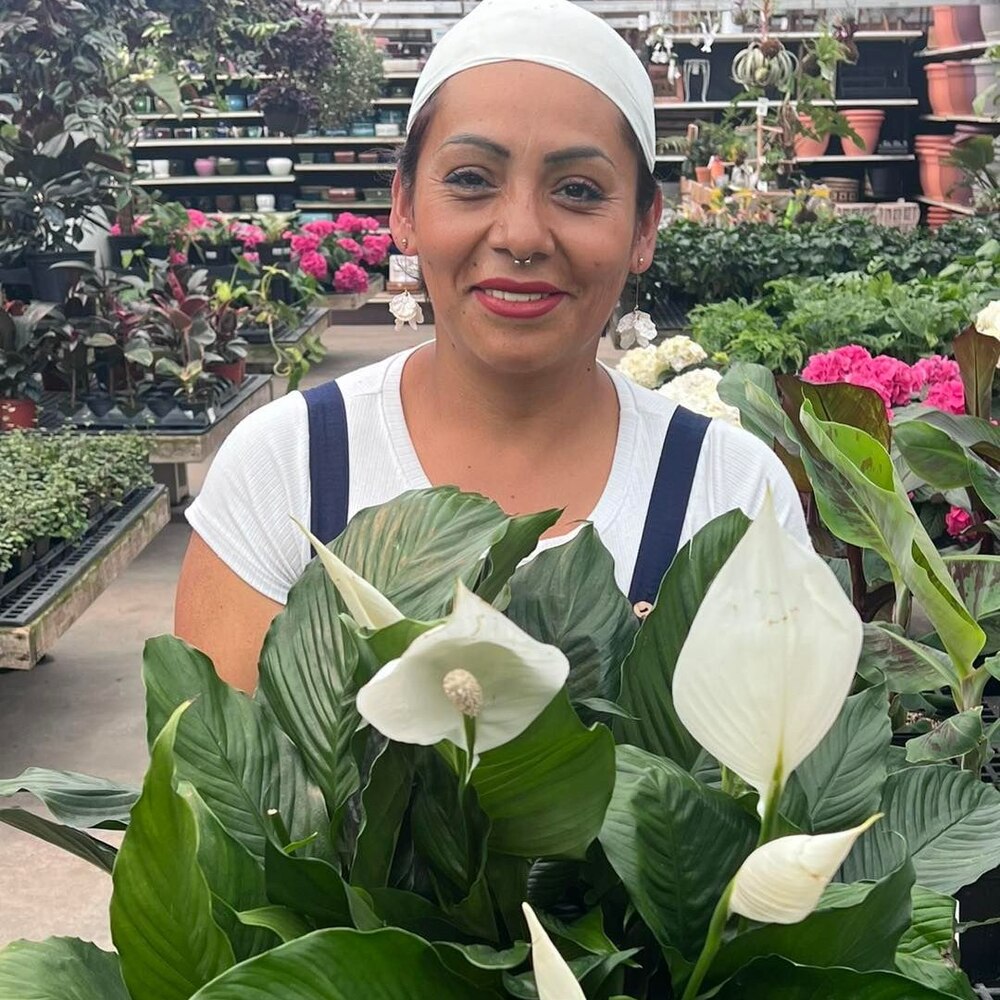
- Peace lilies
- Orchids
That second list isn't a hard no. Those plants just need humidity levels that most heated homes can't naturally provide without some extra effort. Try the 'plant hospital bathroom' trick: move struggling humidity lovers near a shower window. The steam from daily showers gives them a chance to recover.
The Case for a Humidifier
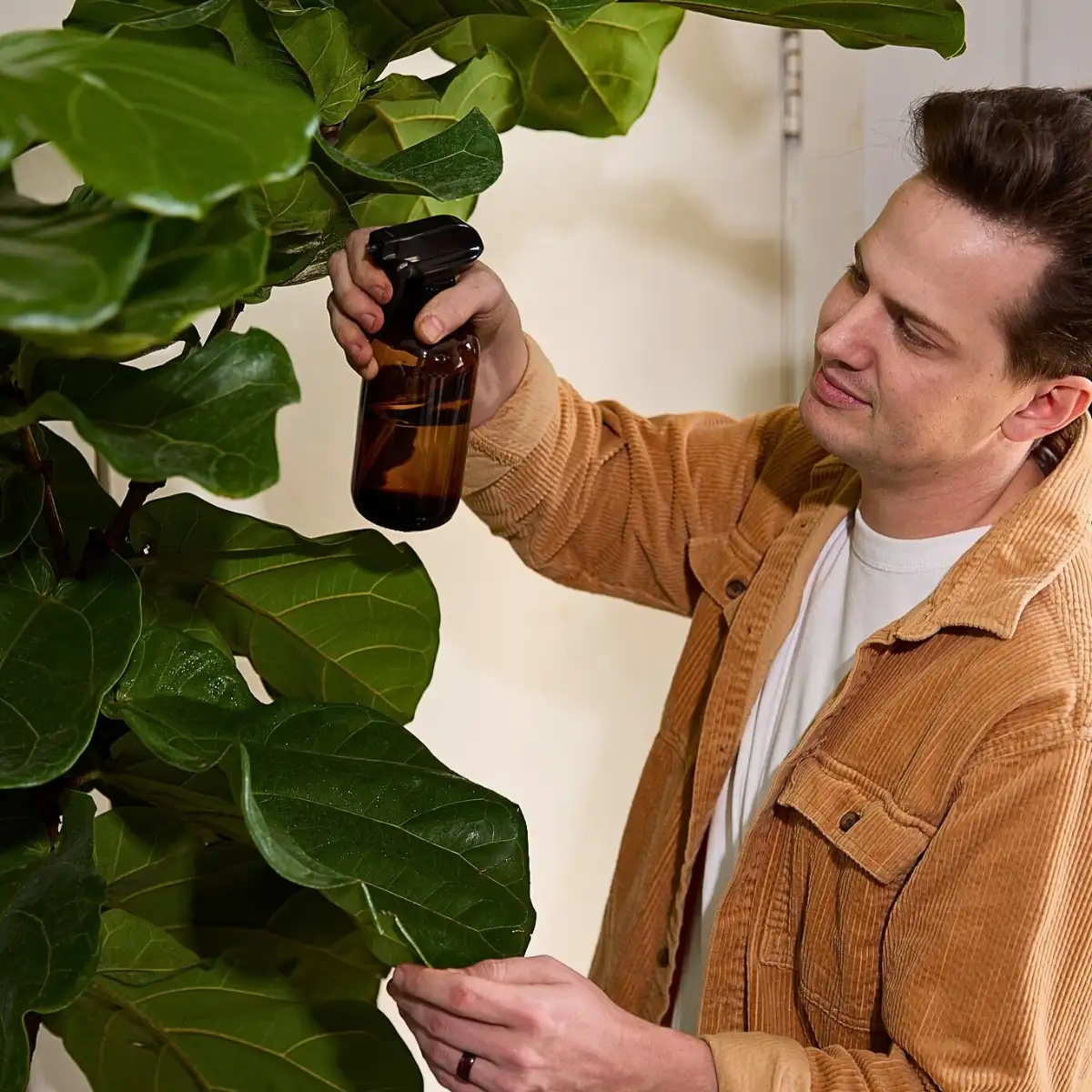
Misting your healthy houseplants is a typical recommendation, but it's largely ineffective. Humidity from misting lasts only a few minutes before evaporating, and wet leaves in low-airflow spaces invite fungal disease.
A small ultrasonic humidifier near your plant cluster is a far better solution for air purification and moisture control. It's underused mostly because people see it as an appliance rather than a plant care tool. However, it's the most impactful change you can make in your home.
Targeting 40-60% humidity also improves indoor air quality for your skin, sinuses, and sleep quality. Consider a humidifier as a worthwhile investment that helps you reap real benefits from your houseplants.
Wrapping Up
The problem with heated homes is the dryness, uneven airflow, and the moisture misreads that come with them. A hygrometer, some thoughtful plant placement, and a humidifier will take you further than any amount of misting ever could. Work with your home's conditions rather than against them, and your healthy houseplants will thrive.