
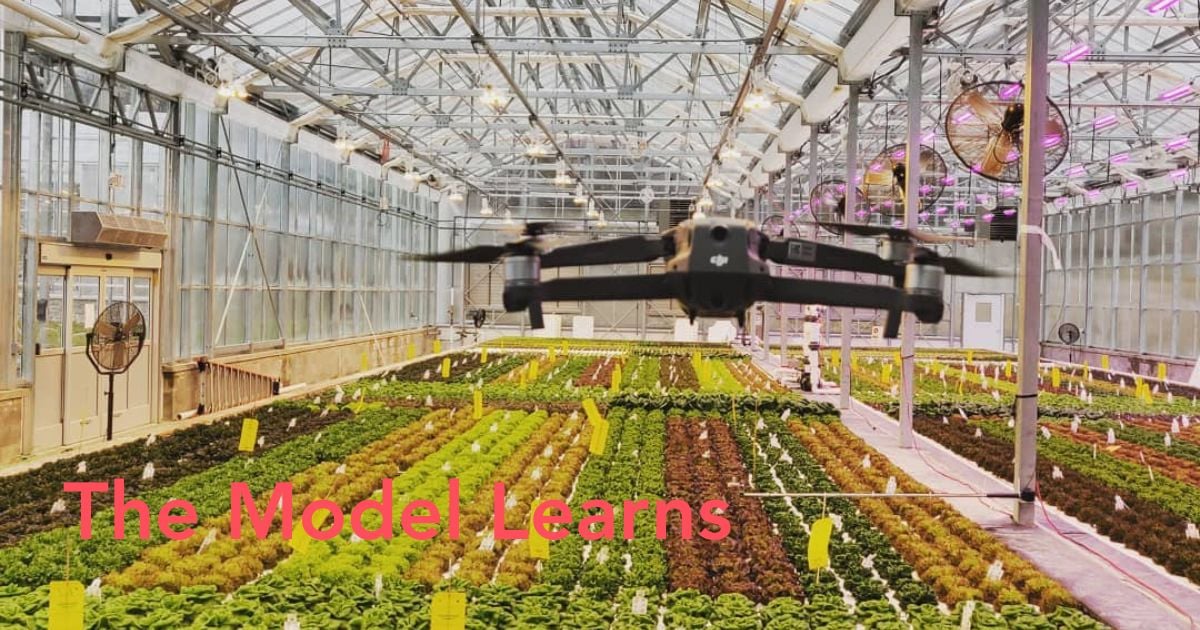
AI is becoming part of the plant world faster than many people expected. Plant identification apps can suggest species from a photo. Greenhouse cameras can help growers spot stress. Flower businesses can organize product images by color, shape, or variety. Researchers can use visual data to track growth, pests, and disease.
But AI does not “understand” flowers the way a botanist, grower, or florist does. It learns from examples. It studies thousands or millions of images and looks for patterns. A leaf edge, a petal shape, a stem color, a spot on a leaf, or the structure of a flower head can all become part of what the model learns.
The quality of that learning depends on the quality of the data behind it.
AI Starts With Images
Most plant recognition systems begin with images. These may come from smartphones, greenhouse cameras, drones, field sensors, research collections, or public submissions.
An image alone is not enough. The AI needs to know what is in the image. Is it a rose, tulip, monstera, orchid, tomato leaf, or diseased cucumber plant? Is the image showing a flower, leaf, bark, fruit, or whole plant? Is the plant healthy, stressed, mature, young, or damaged?
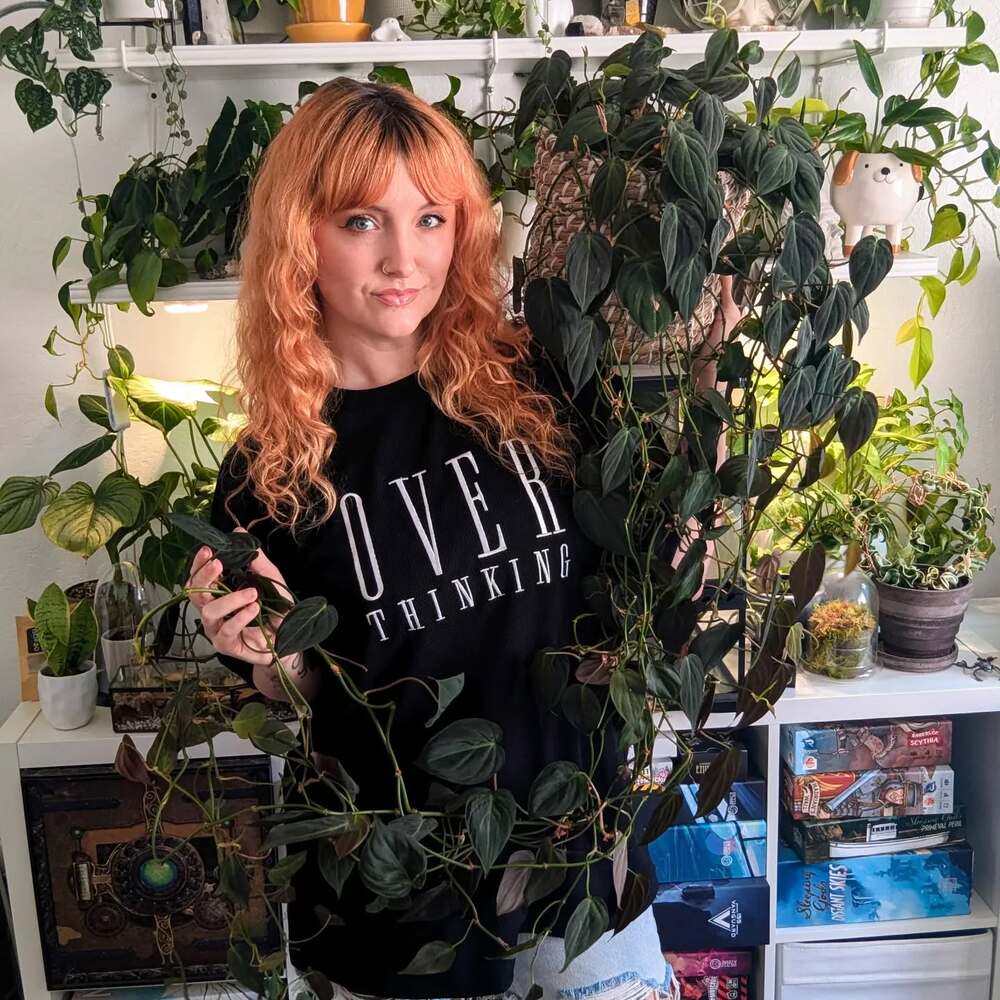
That is where labeling comes in.
Behind many plant recognition tools is carefully labeled image data. For businesses building AI models in horticulture, working with a data annotation company can help improve the accuracy of plant, flower, pest, and disease recognition systems.
What Data Annotation Means In Plant Recognition
Data annotation means adding useful information to an image so AI can learn from it.
For a simple plant identification model, the label might be the plant species. For example: sunflower, rose, lavender, peace lily, or Japanese maple.
For a more advanced system, the labels may be more detailed. The image might show:
- plant part
- growth stage
- flower color
- pest damage
- disease symptoms
- leaf spots
- stem quality
- wilt level
- harvest readiness
These labels help the AI connect visual patterns with real-world meaning.
If an image of a rose is mislabeled as a peony, the model learns the wrong lesson. If disease symptoms are labeled inconsistently, the model becomes less reliable. In plant AI, data quality is not a small detail. It is the foundation.
Why Flower And Plant Data Is Hard To Label
Flowers and plants are not simple objects. They change constantly.
A rose looks different as a tight bud, half-open bloom, and fully open flower. A hydrangea changes color depending on variety, age, and sometimes soil conditions. A leaf may look different in sun, shade, drought, or pest stress. A young plant may not look like the mature version at all.
Lighting also creates problems. A flower photographed in full sun may look different from the same flower photographed indoors. Backgrounds can confuse the model. A plant in a clean studio photo is easier to read than a plant mixed into a busy garden bed.
This is why plant AI needs many examples, not one perfect image.
AI Learns Patterns, Not Plant Wisdom
A human grower may look at a plant and think about weather, soil, watering, disease history, and cultivar behavior. AI usually starts with pixels.
It may learn that certain leaf shapes connect to one plant family. It may learn that yellowing patterns suggest stress. It may learn that certain spots on a leaf often match disease symptoms.
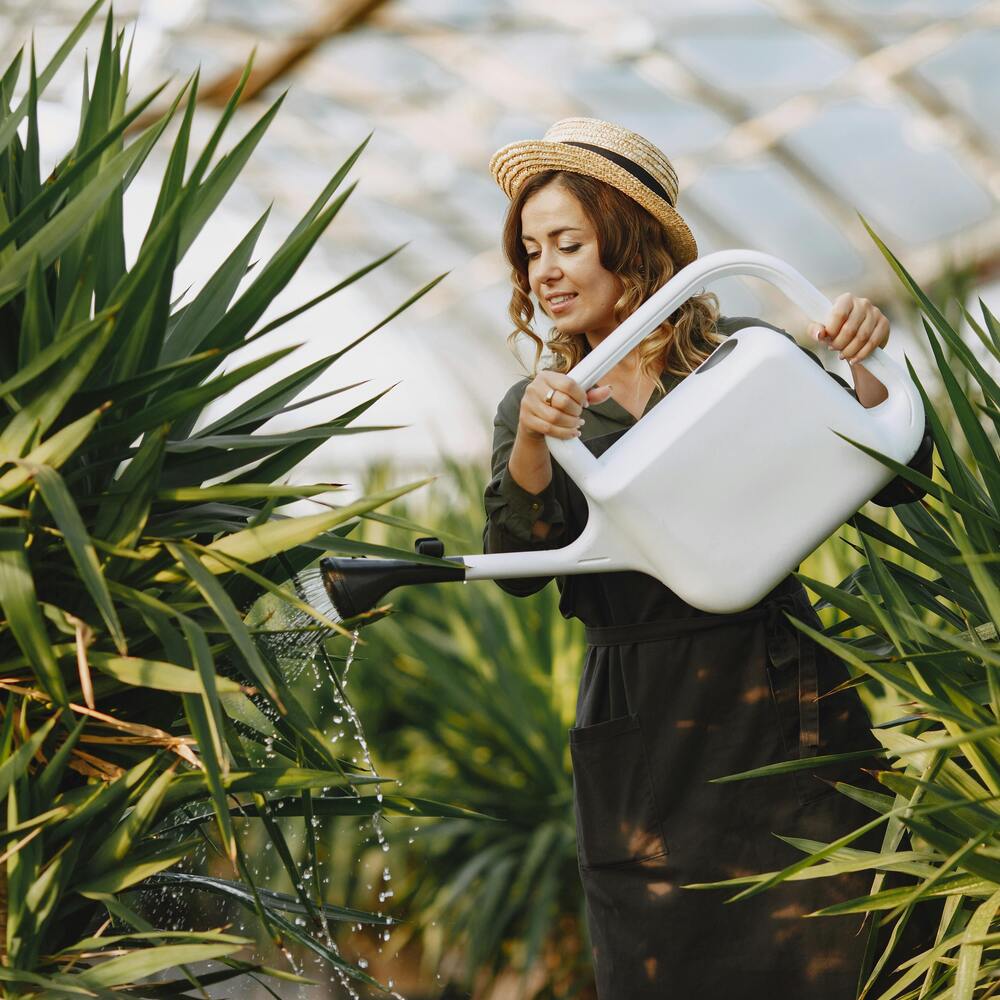
But it does not automatically know the full growing context. That is why AI should support human expertise, not replace it.
In floriculture, the best use of AI is often as a second set of eyes. It can sort images, flag possible issues, speed up identification, or help organize large amounts of data. The final judgment still benefits from growers, botanists, florists, breeders, and plant health experts.
Plant Identification Apps Need Strong Training Data
Plant identification apps are one of the most familiar examples of AI in the plant world.
A user takes a photo, uploads it, and receives a likely plant name. The app compares the image with patterns it has learned from labeled plant images. It may consider leaves, flowers, fruits, bark, and overall plant form.
The challenge is that many plants look similar. Some species are difficult to separate, even for experienced people. Hybrids, cultivars, seasonal changes, and poor photo quality can make identification harder.
This is why good apps often ask for more than one image. A close-up flower photo, a leaf photo, and a whole-plant photo can give the system more information.
Disease Detection Needs Even More Care
AI for plant disease detection is useful, but it must be handled carefully.
A brown spot on a leaf can have several causes. It might be a fungal disease, sun scorch, nutrient stress, water stress, pest damage, or physical injury. If the AI is trained only on clean, controlled images, it may struggle with real greenhouse or field conditions.
This is why disease datasets need variety. Images should include different lighting, backgrounds, cultivars, growth stages, and severity levels. They should also include healthy plants, because the model needs to learn what normal variation looks like.
For growers, AI disease tools can be helpful for early screening, but suspicious results should still be checked by a trained person.
How AI Can Help Florists And Flower Businesses
AI plant recognition is not only for farms and research labs. It can also help flower businesses.
For online flower shops, AI can help organize product images by:
- flower type
- color palette
- occasion
- arrangement style
- bouquet size
- seasonal category
This can make websites easier to search and manage. It can also help florists find old product images faster when building catalogs, social posts, or client proposals.
For more on building a stronger online flower presence, readers can explore Thursd’s article 6 Steps To Building A Beautiful Online Flower Shop.
AI In Greenhouses And Flower Farms
In greenhouses and flower farms, AI can support monitoring and planning.
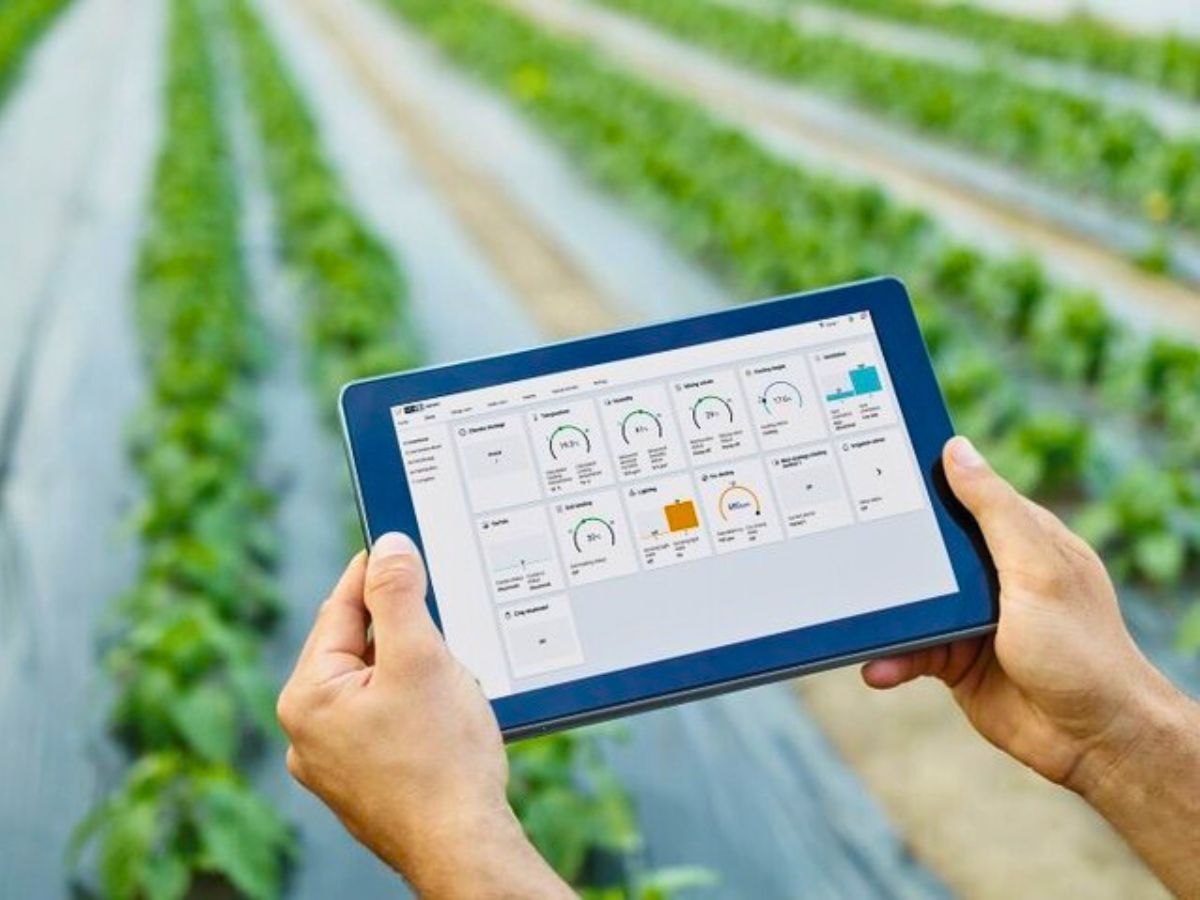
Camera systems can help track plant growth, leaf color, flowering stage, and possible stress. In some setups, AI can help identify which plants need attention first. This can save time for growers managing large crops.
For cut flower growers, visual systems may one day help grade stems by length, bloom stage, straightness, or quality. This could support harvest planning, packing, and market consistency.
Still, every system depends on clear data. A model trained on one crop or one greenhouse may not work well in a completely different environment without more training.
The Human Role In Better Plant AI
The human role is still central.
Botanists help confirm species. Growers understand crop behavior. Florists understand market quality. Plant pathologists understand disease symptoms. Data teams help structure the information so AI can learn from it.
When these groups work together, AI becomes more useful.
Good plant AI is not only a technology project. It is a plant knowledge project. The labels need to reflect real horticultural meaning, not just surface-level guesses.
Common Labeling Mistakes That Hurt AI Accuracy
Several mistakes can weaken plant AI systems.
One common mistake is using labels that are too broad. If every rose image is simply labeled “rose,” the model may not learn variety, color class, bloom stage, or quality level.
Another mistake is inconsistent labeling. If one person labels a leaf as “yellowing” and another labels the same condition as “nutrient stress,” the data becomes confusing unless the system has clear rules.
A third mistake is ignoring image quality. Blurry photos, bad lighting, and unclear plant parts can make training less effective.
Clear instructions, expert review, and consistent categories make the dataset stronger.
Why Real-World Images Matter
AI needs real-world examples because plants rarely look perfect in daily life.
A plant identification model trained only on clean catalog images may struggle with garden photos. A flower quality model trained only on studio images may fail under market lighting. A disease model trained only on close-up leaf images may miss symptoms in whole-plant photos.
Real-world data helps the AI handle normal messiness: shadows, backgrounds, mixed plants, partial leaves, older blooms, and different camera angles.
That is where careful annotation becomes valuable. The data should teach the model what matters and what does not.
What This Means For The Future Of Floriculture
AI will not remove the need for growers, florists, breeders, or plant experts. But it can become a useful support tool.
It may help growers catch problems earlier. It may help florists organize images faster. It may help customers identify plants more easily. It may help researchers study plant growth at scale.
The future will likely be a mix of human and plant knowledge and machine support. The AI can process large amounts of visual data quickly. The human expert can understand context, quality, emotion, and purpose.
That balance is important. Flowers and plants are not only data points. They are living materials, business products, design tools, ecological signals, and emotional objects.
AI learns to recognize flowers and plants through examples. The better the examples, the better the results.
Images need accurate labels. Labels need clear rules. Datasets need variety. Experts need to check the work. Without that foundation, AI can become fast but wrong.
For the plant world, the real value of AI is not replacing human judgment. It is helping people see, sort, monitor, and understand plant information more efficiently.
In floriculture, horticulture, and plant retail, that could mean healthier crops, better image organization, smarter plant identification, and more informed decisions from greenhouse to customer.