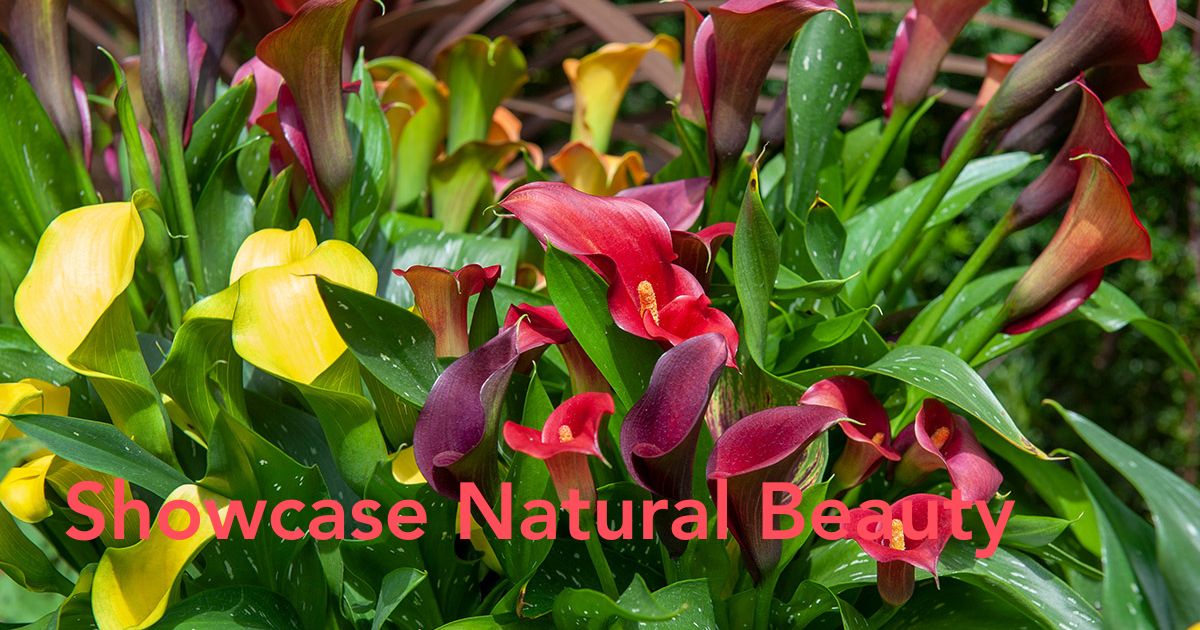
Flowers and plants have always inspired creativity. From garden transformations and floral arrangements to indoor plant collections and nature tutorials, people enjoy sharing the beauty of greenery through visual storytelling. As online platforms become increasingly video-focused, plant enthusiasts, gardeners, florists, and small businesses are discovering that well-crafted videos can help them reach larger audiences.
Creating an effective plant or flower video is not only about recording beautiful footage. The way a video is edited, structured, and presented can determine whether viewers stay engaged. Simple improvements such as adding subtitles, adjusting audio, trimming clips, and optimizing file sizes can turn ordinary recordings into polished stories that capture attention.
Why Plant and Flower Videos Are Growing in Popularity
Video has become one of the most engaging ways to showcase natural beauty. A single image of a flower arrangement may capture a moment, but a video can reveal the full process behind it. Viewers can watch a seed develop into a plant, follow a garden makeover, or learn how to care for specific species. This sense of progression makes the content feel alive and continuously evolving, which keeps audiences watching longer and returning for more.
Plant-related content has found a strong place across social platforms because it combines education and visual appeal. Gardening tutorials, floral design demonstrations, and relaxing nature clips attract audiences who want both inspiration and practical knowledge. These videos often perform well not just because of their aesthetics, but because they offer calming, informative experiences that stand out in fast-paced digital feeds..
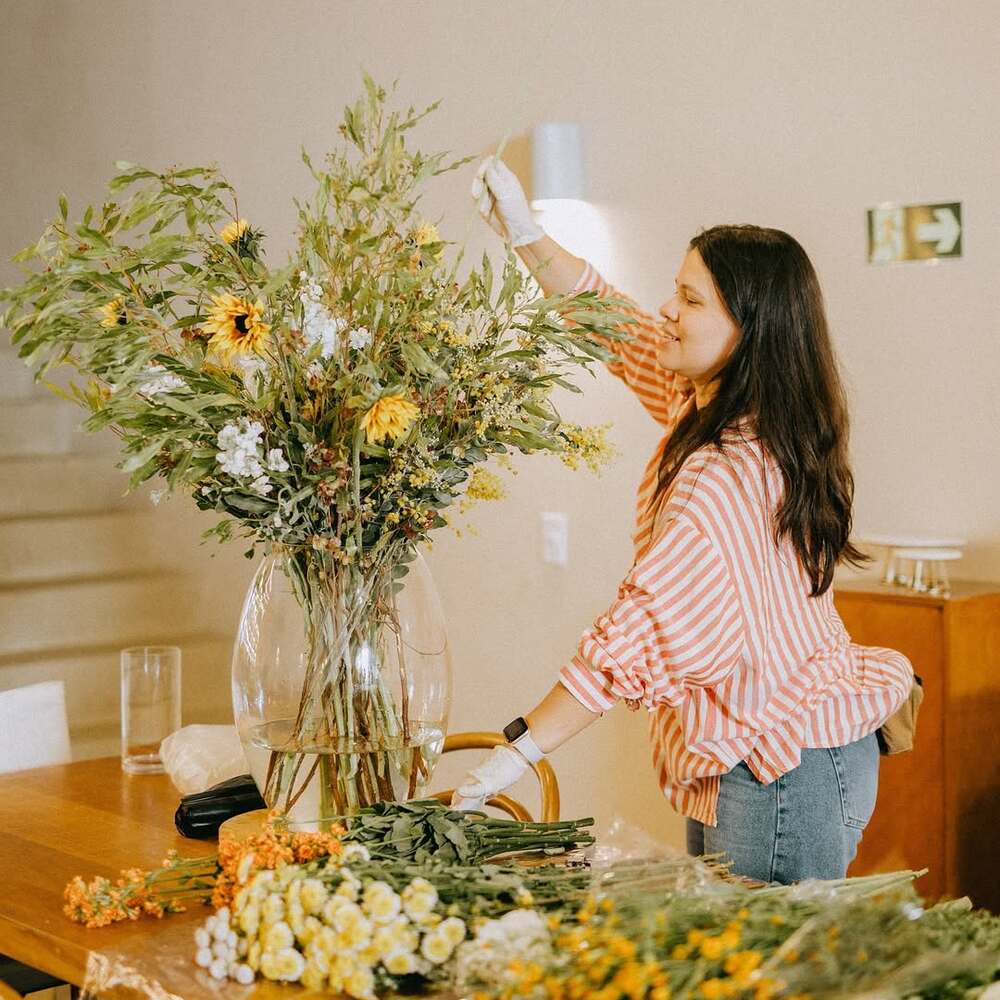
For creators, videos provide an opportunity to build a stronger connection with viewers. Seeing someone's hands arrange flowers or hearing their explanation of plant care creates a more personal experience than reading a short description. Many creators also experiment with storytelling techniques, such as showing before-and-after transformations or documenting seasonal garden changes, which helps maintain viewer interest over time.
However, creating successful content requires more than filming. The best videos usually involve thoughtful editing decisions that improve pacing, clarity, and overall presentation. This is where a reliable video maker becomes especially useful, as it allows creators to easily arrange clips, add transitions, adjust timing, and enhance visuals without needing advanced technical skills. With the right tools, even simple plant footage can be turned into polished, engaging content that feels professional and visually compelling.
Planning a Video Before You Start Recording
A strong plant video begins with a clear idea. Before recording, creators should decide what they want viewers to learn, feel, or remember. A flower arrangement tutorial, for example, will need a different structure from a relaxing garden tour.
Planning also helps reduce unnecessary footage. Recording every step without direction often creates long clips that require significant editing later. A simple outline can make the final video more focused and enjoyable.
Lighting and composition are especially important for plant content. Natural light can highlight colors and textures, while different camera angles can make a garden or floral display feel more dynamic.
Creators should also consider their audience. Beginners may appreciate explanations of basic plant care, while experienced gardeners may prefer advanced techniques and detailed information.
Turning Raw Footage Into a Polished Story
Raw footage is only the starting point of a successful video. Editing allows creators to remove distractions and highlight the most interesting moments. A video editor can help organize clips, adjust timing, and create a smoother viewing experience.
Trimming is often the first step. Removing long pauses, repeated sections, or unnecessary movement keeps viewers focused on the main story. Even a simple before-and-after garden transformation can become more engaging with careful pacing.
Adding text elements can also improve understanding. Labels, plant names, care instructions, or short explanations help viewers follow along without needing constant narration.
Music and sound adjustments influence the mood of the final piece. A peaceful garden video may benefit from gentle background audio, while a tutorial may require clearer voice recordings and explanations.
Making Plant Videos More Accessible With Subtitles
Accessibility is an important part of modern video creation. Many people watch videos without sound, especially when browsing on mobile devices. Adding subtitles ensures that the message remains clear even when audio is unavailable.
Subtitles also help creators reach wider audiences. Viewers who speak different languages or have hearing difficulties can better understand the content when captions are available.
An auto subtitle generator can simplify the captioning process by converting spoken words into text automatically. This saves time and allows creators to focus on improving the creative aspects of their videos.
After generating subtitles, it is still useful to review the text for accuracy. Plant-related content often includes specific names and terminology that automated systems may misunderstand.
Improving Video Quality Without Large File Sizes
High-quality plant videos often include detailed visuals, which can create large file sizes. A detailed close-up of flower petals or a time-lapse garden recording may require significant storage space.
Large files can be difficult to upload, share, or send. A video compressor helps reduce file size while maintaining enough quality for online viewing.
Compression is especially useful for creators sharing content across multiple platforms. Different websites have different limits for video uploads, so optimizing files can make distribution easier.
The goal is to find the right balance between quality and convenience. A compressed video should still preserve important details such as colors, textures, and movement.
Using Audio to Text for Better Content Creation
Voice narration can add personality to plant and flower videos. A gardener explaining their process or a florist describing a design creates a stronger connection with viewers.
However, spoken explanations can also be reused in other formats. Audio-to-text tools allow creators to transform narration into written content, including blog posts, captions, or educational resources.
This creates more value from a single recording. A flower care video can become a written guide, while a gardening tutorial can provide searchable information beyond the original platform.
Repurposing content also helps creators maintain consistency. Instead of producing entirely new material every time, existing videos can become the foundation for multiple types of content.
Building a Recognizable Style for Plant Content
Successful creators often develop a recognizable visual identity. This does not require expensive equipment or complicated effects. Consistency in editing, presentation, and storytelling can make content memorable.
Some creators focus on calming nature visuals, while others create energetic educational videos. The important factor is choosing a style that matches the creator's personality and audience.
Small details can strengthen branding. Consistent introductions, similar editing patterns, and thoughtful text placement help viewers recognize content immediately.
Over time, a collection of well-made videos can become a valuable resource. Followers may return not only for individual tutorials but also for the overall experience a creator provides.
Sharing Flower and Plant Videos Effectively
Creating a great video is only part of the process. Sharing it effectively helps ensure that it reaches the right audience. Different platforms may require different formats, lengths, and styles.
Short videos often work well for quick tips, transformations, or visually satisfying moments. Longer videos are useful for detailed tutorials, educational content, and step-by-step demonstrations.
Descriptions and captions also matter. Including useful information about plants, materials, or techniques helps viewers understand the purpose of the video.
Creators should also pay attention to feedback. Comments and audience reactions can reveal what viewers enjoy most and guide future content decisions.
The Future of Creative Plant Storytelling
Technology continues to make video creation easier for everyone. Modern editing tools allow plant lovers, educators, and businesses to create professional-looking content without needing advanced production skills.
Features such as automated subtitles, simple editing workflows, audio conversion, and video optimization help creators spend less time dealing with technical barriers and more time sharing their ideas.
As online communities continue to grow around gardening and nature, visual storytelling will become even more important. People want to see real experiences, creative processes, and practical advice.
The future of plant and flower content belongs to creators who can combine natural beauty with thoughtful storytelling. A carefully edited video can transform a simple garden moment into something that inspires thousands of viewers.
Helping Nature Stories Reach More People
Plant and flower videos have the unique ability to educate, inspire, and create emotional connections. With thoughtful planning, editing, subtitles, and optimization, creators can turn simple recordings into meaningful content that reaches wider audiences.
Whether sharing gardening knowledge, floral creativity, or the beauty of nature, video gives every creator a chance to let their ideas grow and flourish online.