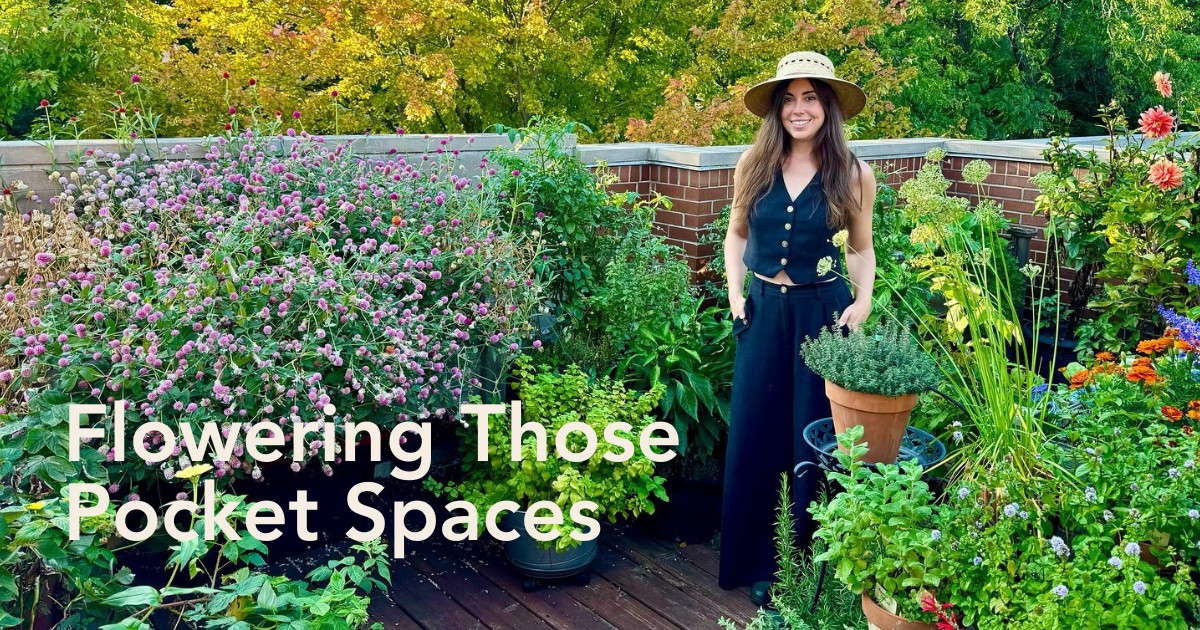
Not every garden has room to spread. Compact balconies, narrow windowsills and boxes, compact courtyards, and pocket-sized raised beds are where most urban gardeners work with what they have. These small urban spaces often present a design puzzle for enthusiasts who want to introduce flowers and nature into their daily environments.
The constraint of limited gardening space requires a change in perspective, moving the focus away from sheer volume, toward intentional selection. A successful miniature garden depends on choosing the right flowering plants that do not need much space to make an impression, but have just the right characteristics. The best varieties have specific structural habits, patterns, and spatial benefits tailored to closed quarters. Think restrained growth, generous flowering period, and a visual aesthetic that makes a tight corner look more planned and uncluttered.
What Makes Compact Flowers Right for a Small Space
The first thing to look for is a naturally compact or upright growth habit. A plant that stays between 25 cm and 45 cm tall and wide earns its footprint in a confined setting. Miniature roses, for instance, produce continuous flushes of fully formed flowers from late spring through fall without the sprawling canes that make standard varieties impractical in containers or small beds.
Dwarf Dahlia series follow the same principle, in that they have been specifically bred to stay proportionate, producing fully double or single flowers without staking and wide spacing that their full-sized counterparts require. Also, flowers suited for tight spaces typically exhibit verticality, self-limiting root systems, or a neat, mounding form. Instead of spreading aggressively across a floor plan, they maximize vertical space or remain contained within small vessels.
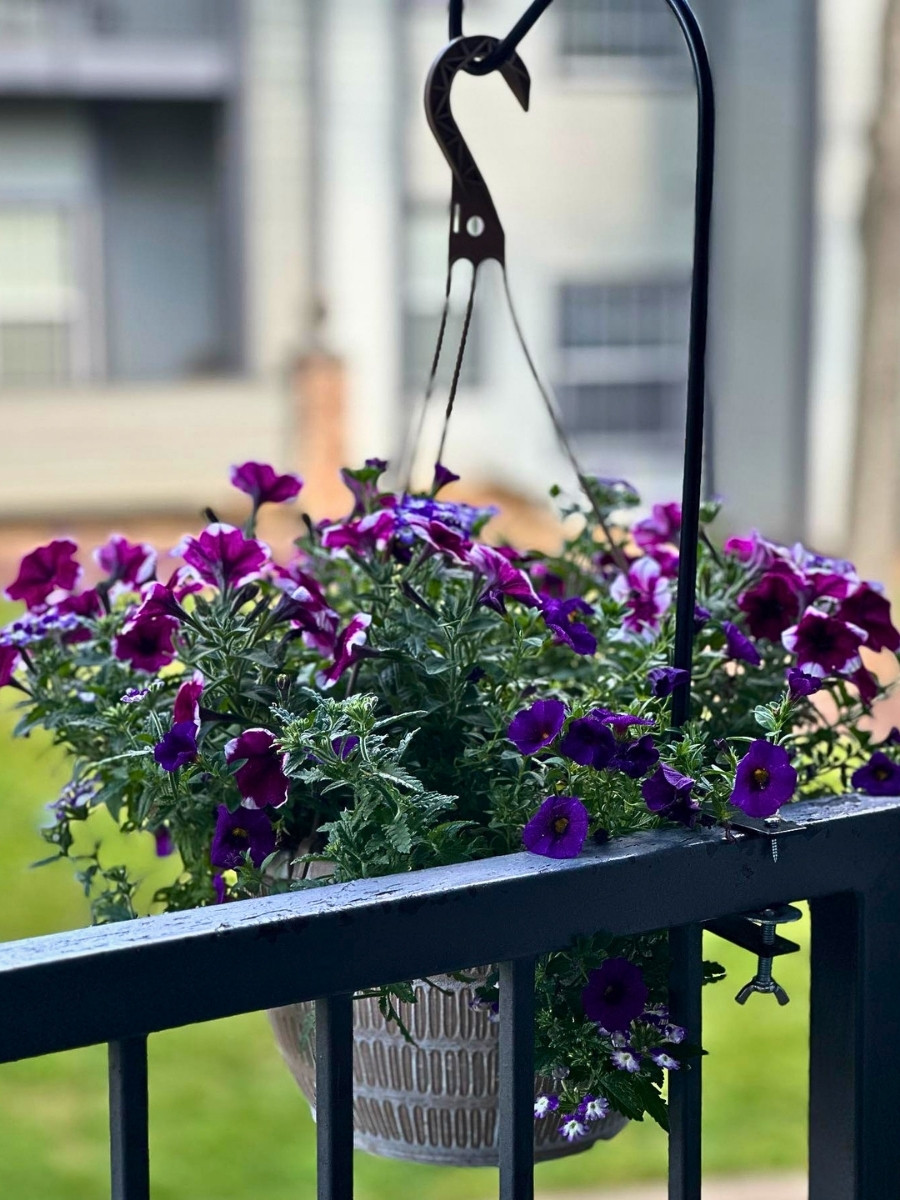
The slender growth of the Geranium, for instance, makes it a reliable choice for windowsills and hanging baskets. It offers a continuous display of dense petal clusters without overtaking neighboring plants. Its structural neatness allows it to thrive in restricted soil volumes, producing a steady progression of color that carries through from the warming days of early summer right up to the autumn.
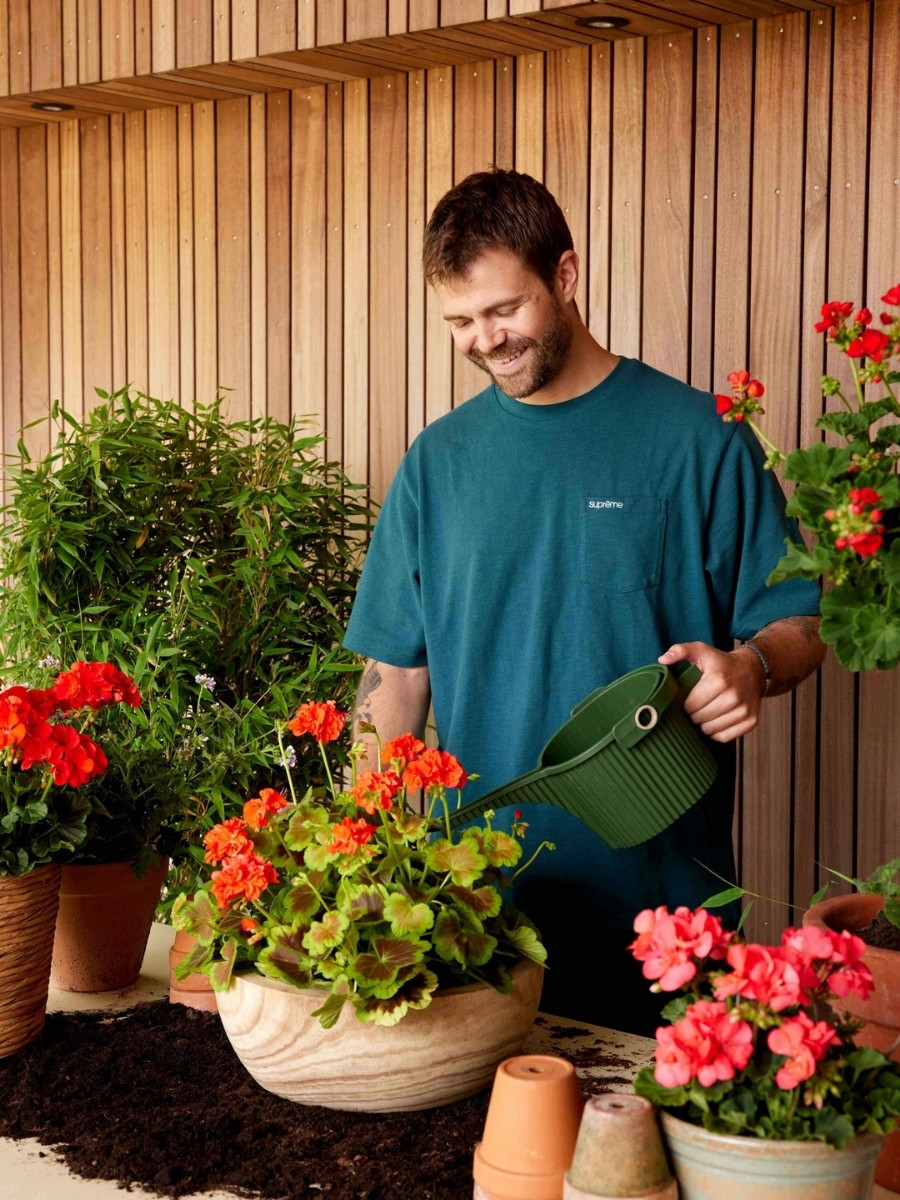
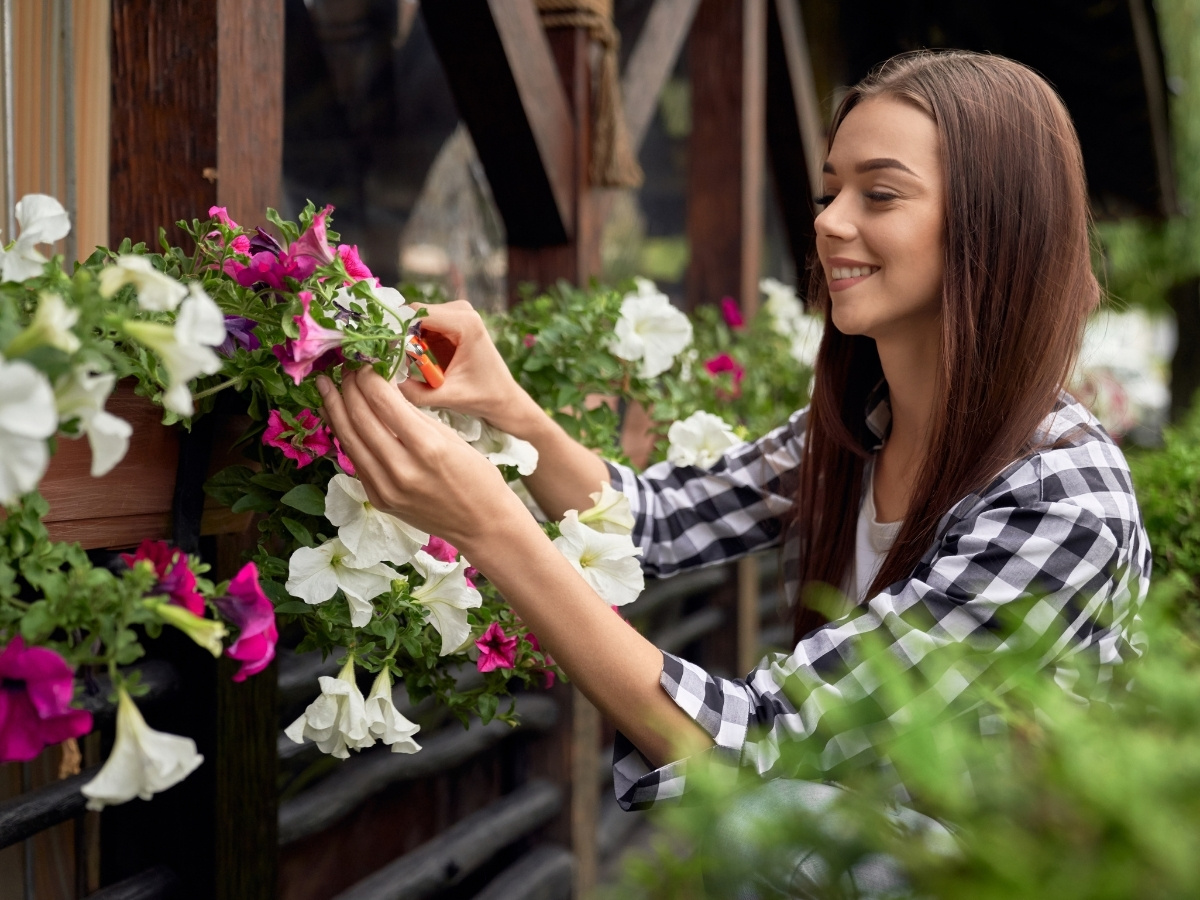
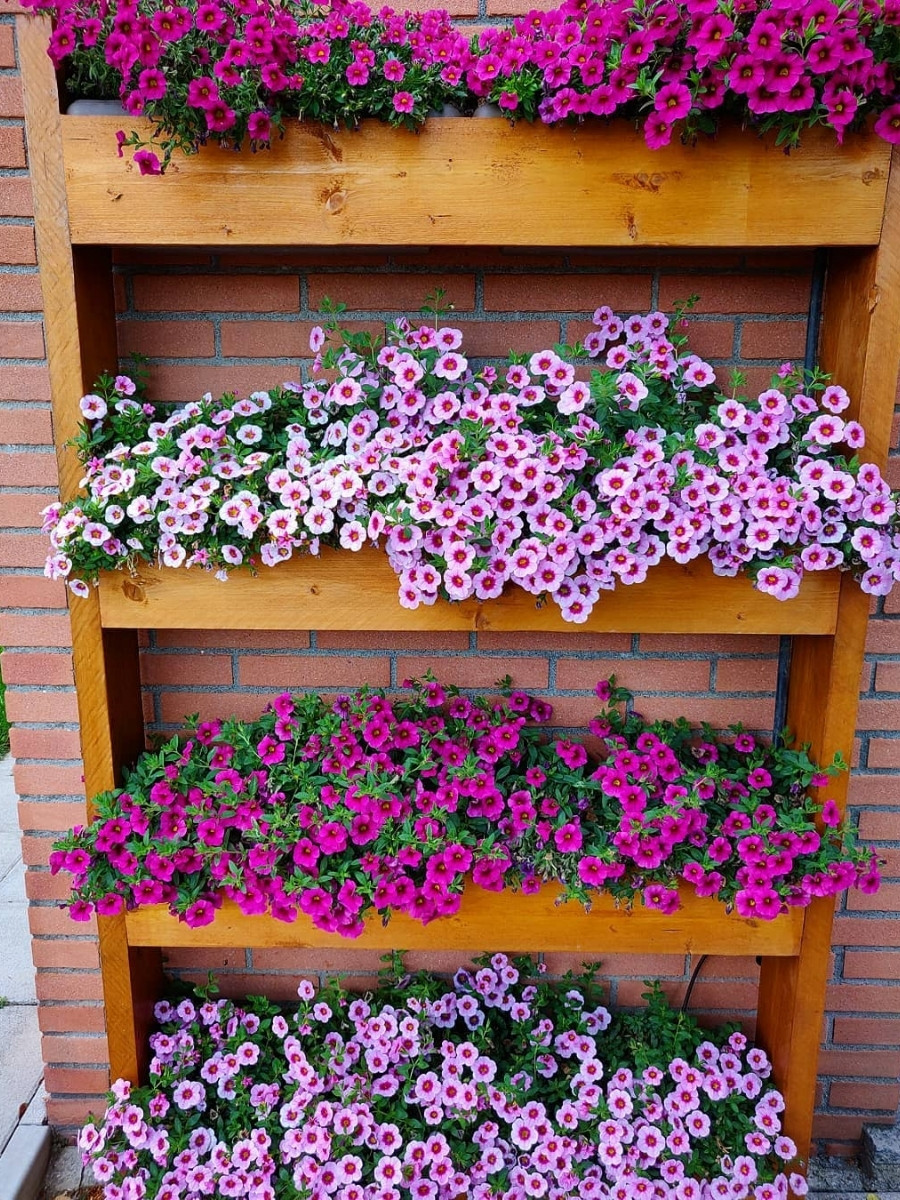
The other defining characteristic is flowering duration. In a small space, every inch of the growing area is precious, and a flower that performs for two weeks does not justify the room it takes up. Calibrachoa is a textbook example of what long-season performance looks like in a compact form. It produces dense, trailing mounds covered in small petunia-like flowers from spring through fall frost, is self-cleaning, and requires no manual deadheading.
Pansies (Viola x wittrockiana), at the cooler end of the calendar, cover fall through early spring in most climates, rarely exceeding 20cm in height and delivering remarkably large flowers relative to their size.
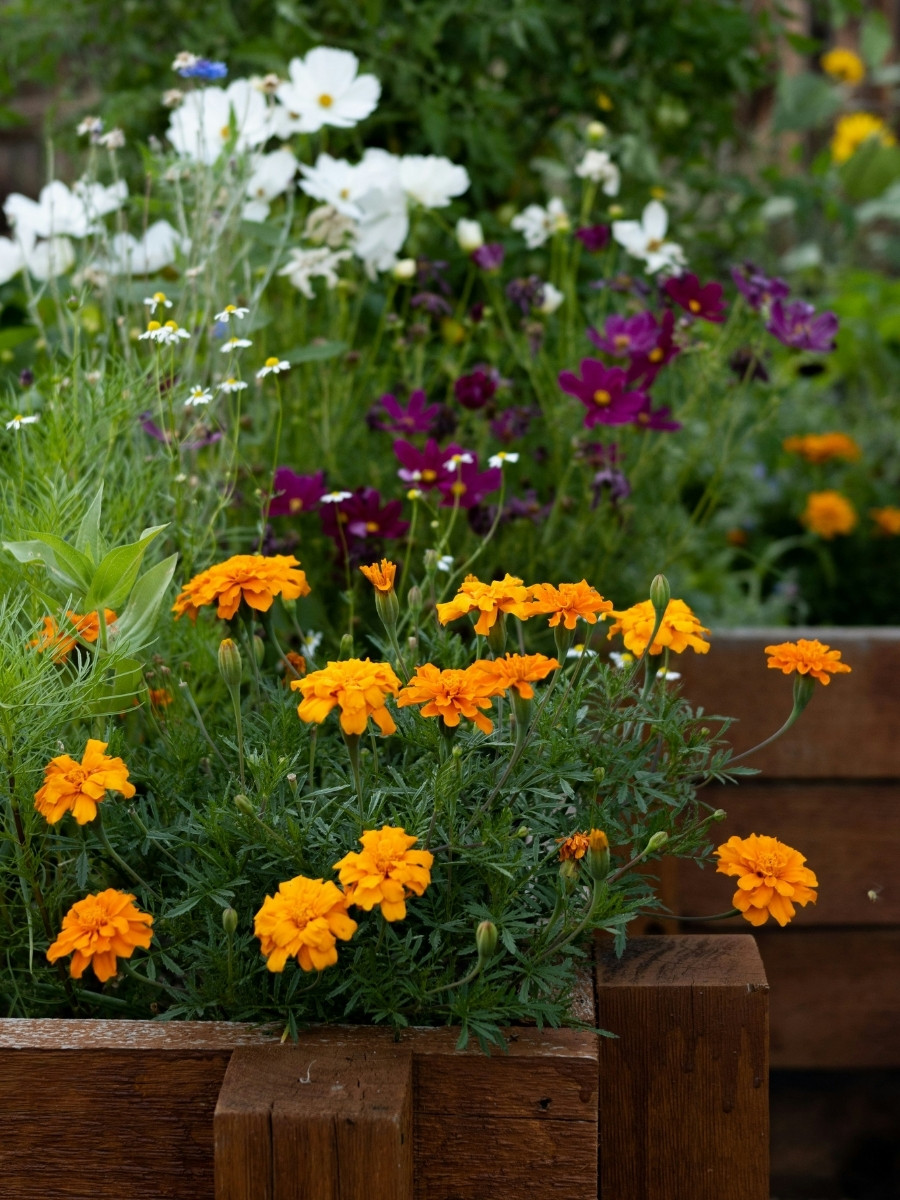
Container adaptability is another key trait. Many small-space gardeners have no ground to plant in at all, which means the ability to perform in a limited soil volume is required. Dwarf lavender varieties, like Lavandula angustifolia Hidcote, have been grown in pot culture for years because they do not demand deep root systems. Heuchera, or coral bells, brings the same container reliability in foliage height, with the added advantage of performing in part shade, a common condition in urban spaces.
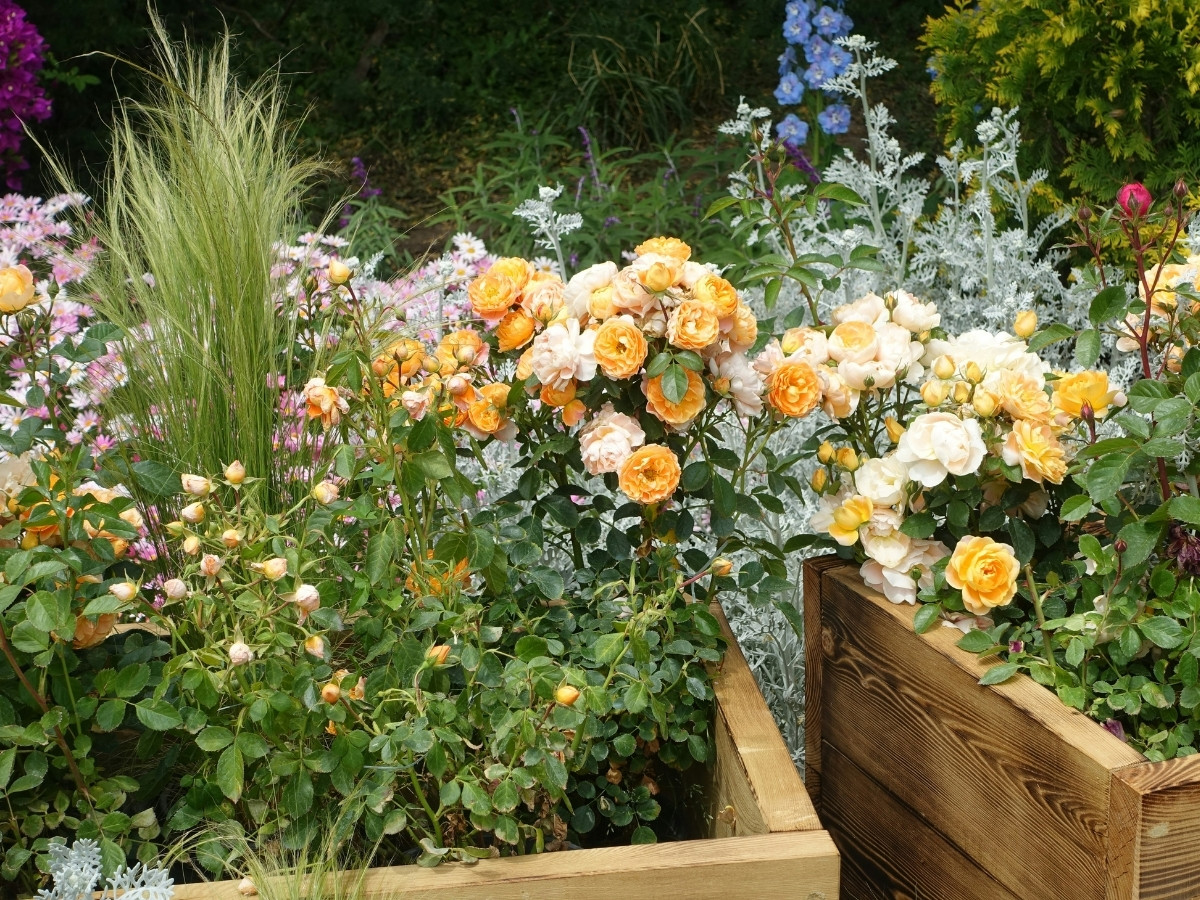
Another essential quality is adaptability to microclimates. Small spaces often experience rapid temperature fluctuations, drying winds on balconies, or prolonged periods of shade indoors. Flowers that succeed here show high resilience and resource efficiency.
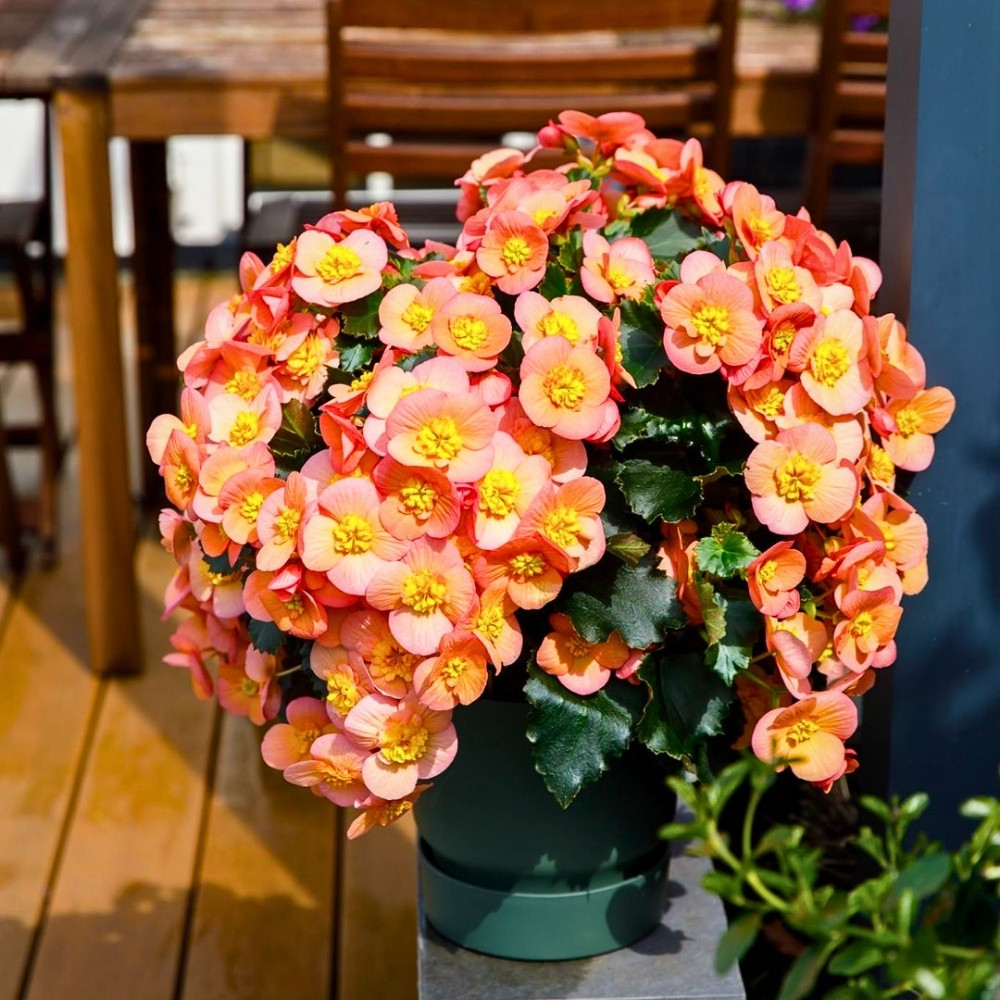
Consider the Begonia, a shade-tolerant staple that delivers exceptional visual weight through its thick, waxy leaves and delicate, asymmetric blossoms. Because Begonias do not require deep ground space to establish themselves, they are perfect candidates for shallow troughs and tiered planters.
Qualities That Make These Flowers Uniquely Ideal for Small Spaces
What distinguishes small-space flowers is not just that they are small, but the combination of aesthetic contribution and low-maintenance performance that makes them useful.
Dwarf lavender, for example, does not just flower; its silver-green foliage is persistent and structural year-round, its fragrance intensifies on warm days and gives outdoor spaces a sensory quality, and it is highly attractive to bees and butterflies, making it a contributor to local pollinator health. The flowers appear in late spring through midsummer and, with deadheading, often produce a second flush.
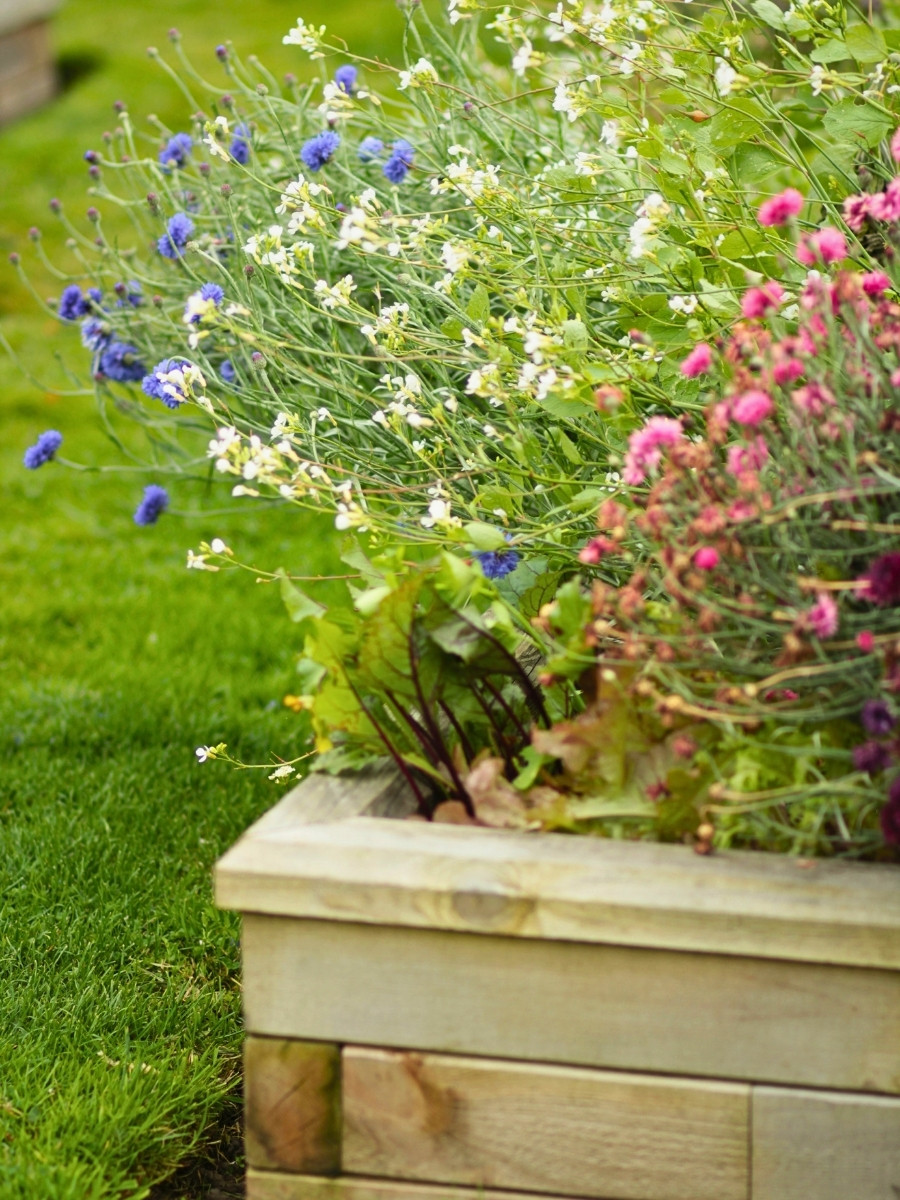
Heuchera, on the other hand, has modern cultivars that come in deep burgundy, burnt caramel, lime green, silver, and purple tones, with textures ranging from smooth and glossy to heavily ruffled. Its wiry flower stalks rise in late spring and early summer, carrying small bell-shaped flowers in coral, pink, or white, which add a fine, airy feel to its already considerable foliage display.
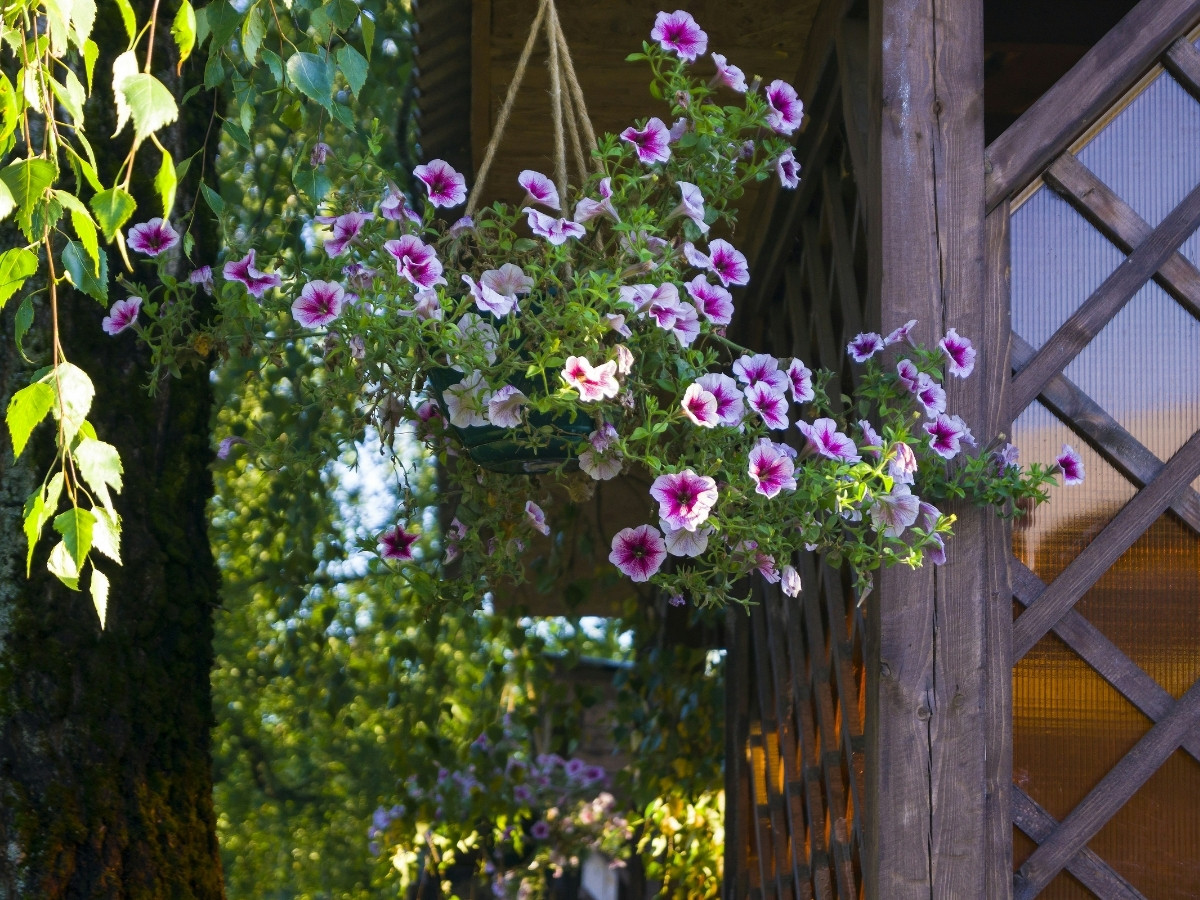
Calibrachoa is reliable. Its colors span the full spectrum from soft pastels to deep jewel tones. Its many varieties include bicolor and striped options, and its ideal growth habit fills hanging baskets and window box edges just as needed.
Miniature roses offer fragrance, cutting potential, and a formal beauty, while dwarf Dahlias carry the late season, coming into fullest flower in late summer and fall when many spring and early-summer varieties are spent. This is important for a space that needs to look beautiful for as many months as possible.
How These Flowers Enhance a Small Space
The functional effect of well-chosen compact flowers on a small space is significant. A narrow balcony planted with three grouped miniature rose pots along the railing, a trailing calibrachoa basket overhead, and a pair of heuchera containers at the corners comes out as a composed garden. Color consistency through seasonal succession does the same thing.
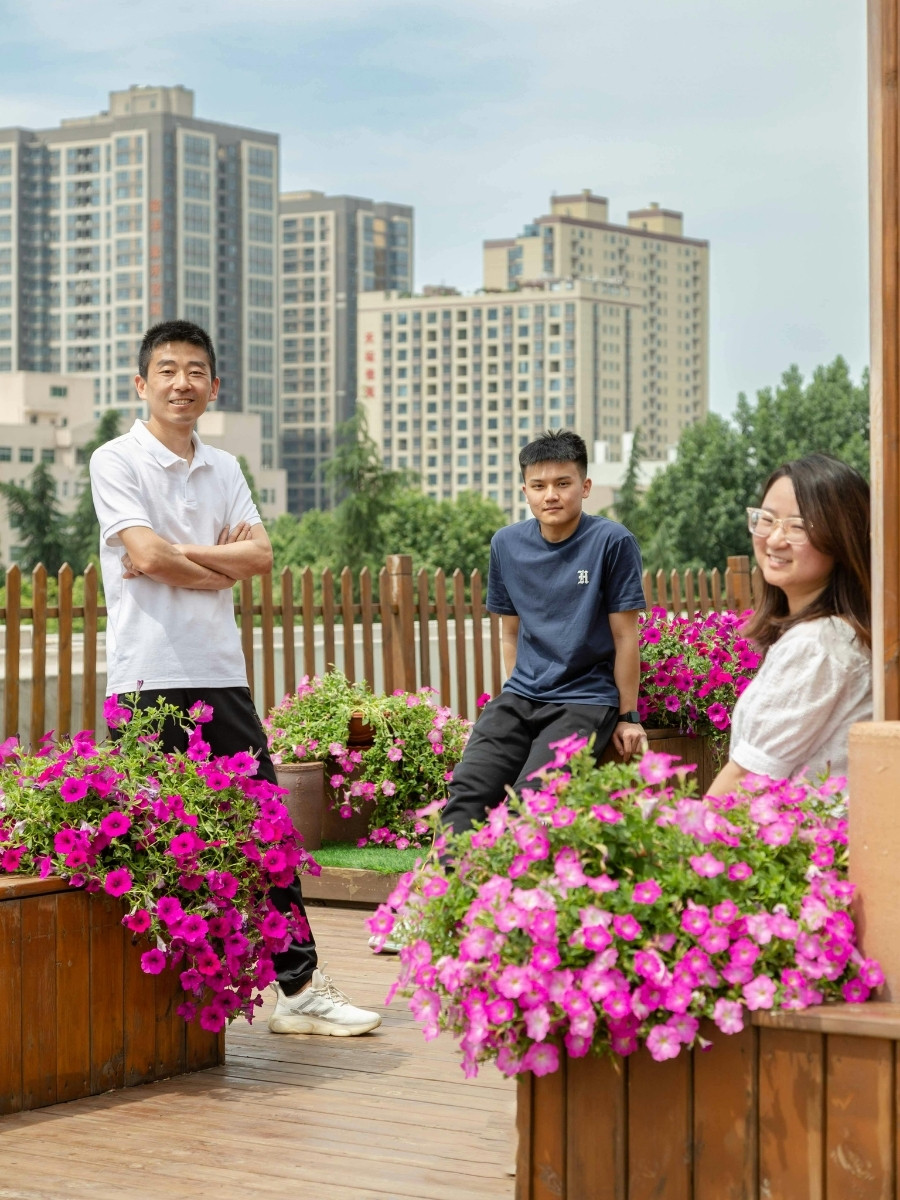
Pansies on the window box through winter and early spring, replaced by calibrachoa or dwarf Zinnias as temperatures climb, supplanted again by dahlias through the end of the growing season, create a lively space that is tended all year. This continuity is itself a design quality, achievable because container-adaptable flowers exist across every season.
Fragrance is an underused tool in small-space planting. Because the space itself is confined, scented varieties like lavender and sweet alyssum (Lobularia maritima) have an outsized effect. The scent concentrates such that a pot of dwarf lavender on a small balcony works better than the same plant in an open garden. The small space holds the fragrance around.
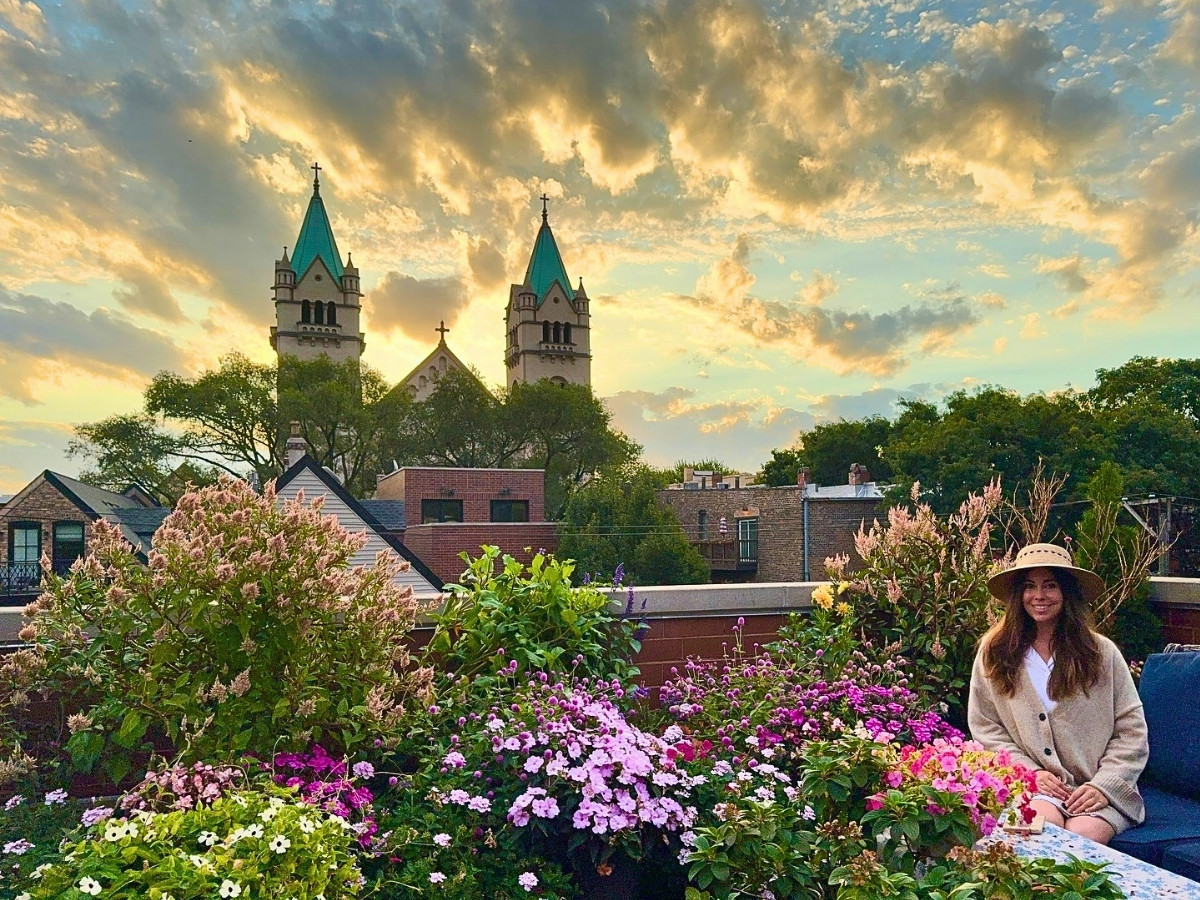
Several other flowers contribute in these conditions, including violas for early spring and fall cool-season color, Nemesia for sweetly fragrant cool-season containers, Osteospermum for long-lasting daisy-form flowers across a compact plant, and impatiens and Begonias for the shade situations where most other flowering plants hardly perform.
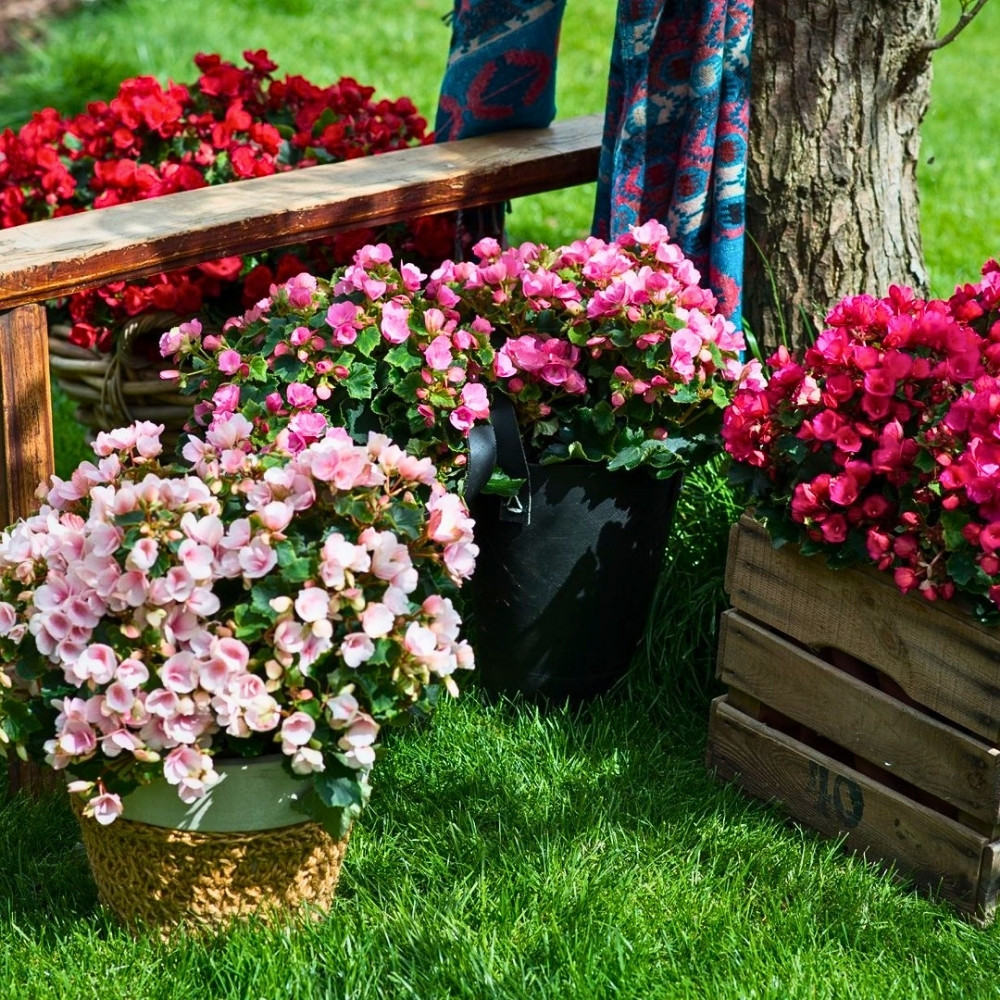
Others like African violets and miniature orchids provide continuous indoor color with minimal physical requirements, while lobelia and trailing petunias drape neatly over the edges of container boxes. Marigolds and pansies also offer reliable, low-profile alternatives that fit easily into shallow window brackets.
Their Spatial Influence and Visual Mechanics
Introducing appropriate flowers to a small area changes how that environment is perceived. Strategic placement can create the illusion of a larger, more open room, while drooping or trailing varieties draw the eye upward when suspended, which effectively elongates the vertical lines of a porch or apartment wall.
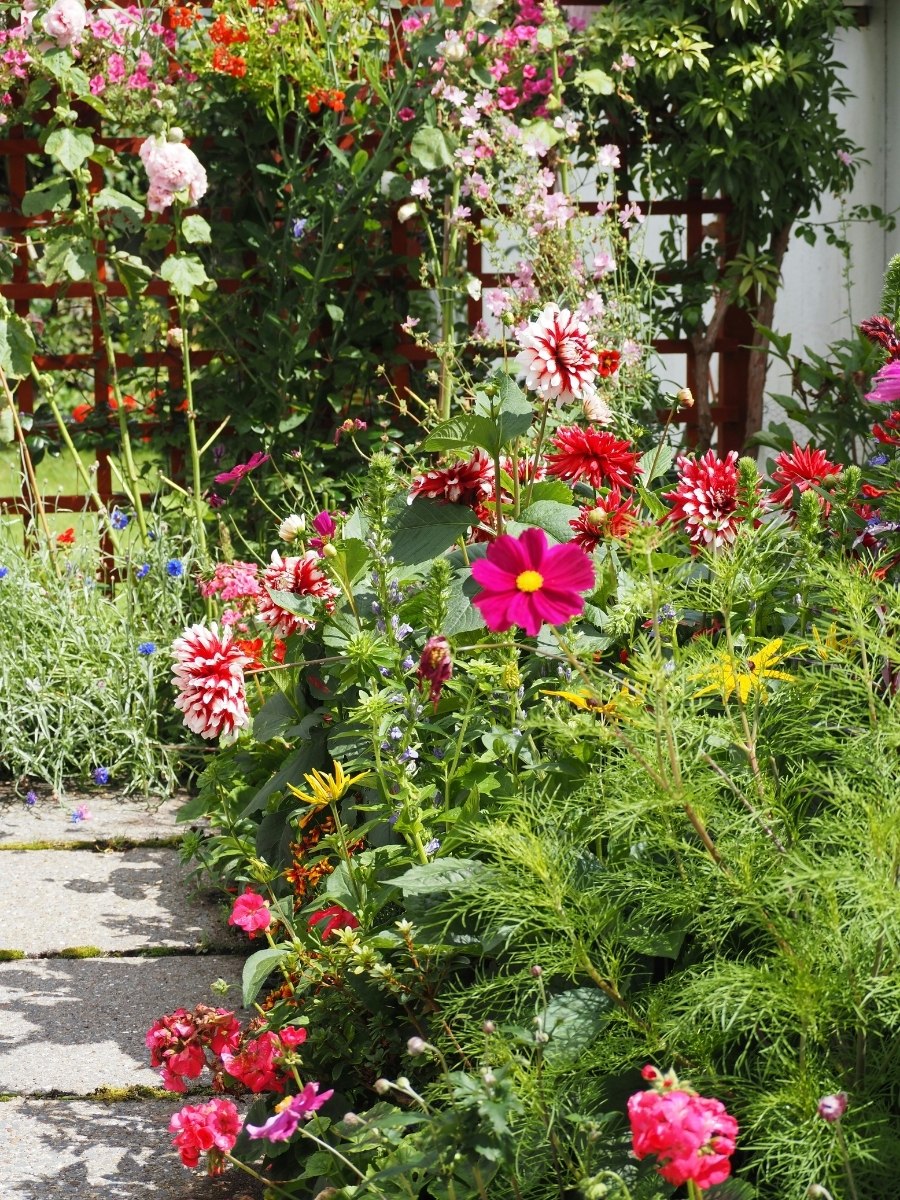
The pendulous forms of the fuchsia serve this purpose. With their dropping, teardrop-shaped calyxes that look like intricate hanging lanterns, fuchsias utilize overhead space that would otherwise remain empty. The movement of their branches adds a sense of flow and energy to static architectural lines.
This dynamic quality is especially apparent during midsummer, when gentle breezes stir the hanging canopies, enhancing the air and feel of a small balcony. Color theory also plays a major role in manipulating spatial perception. Deep, saturated tones add weight and definition to open boundaries, while cool colors like pale blues and soft whites tend to make walls recede, making an area feel wider.
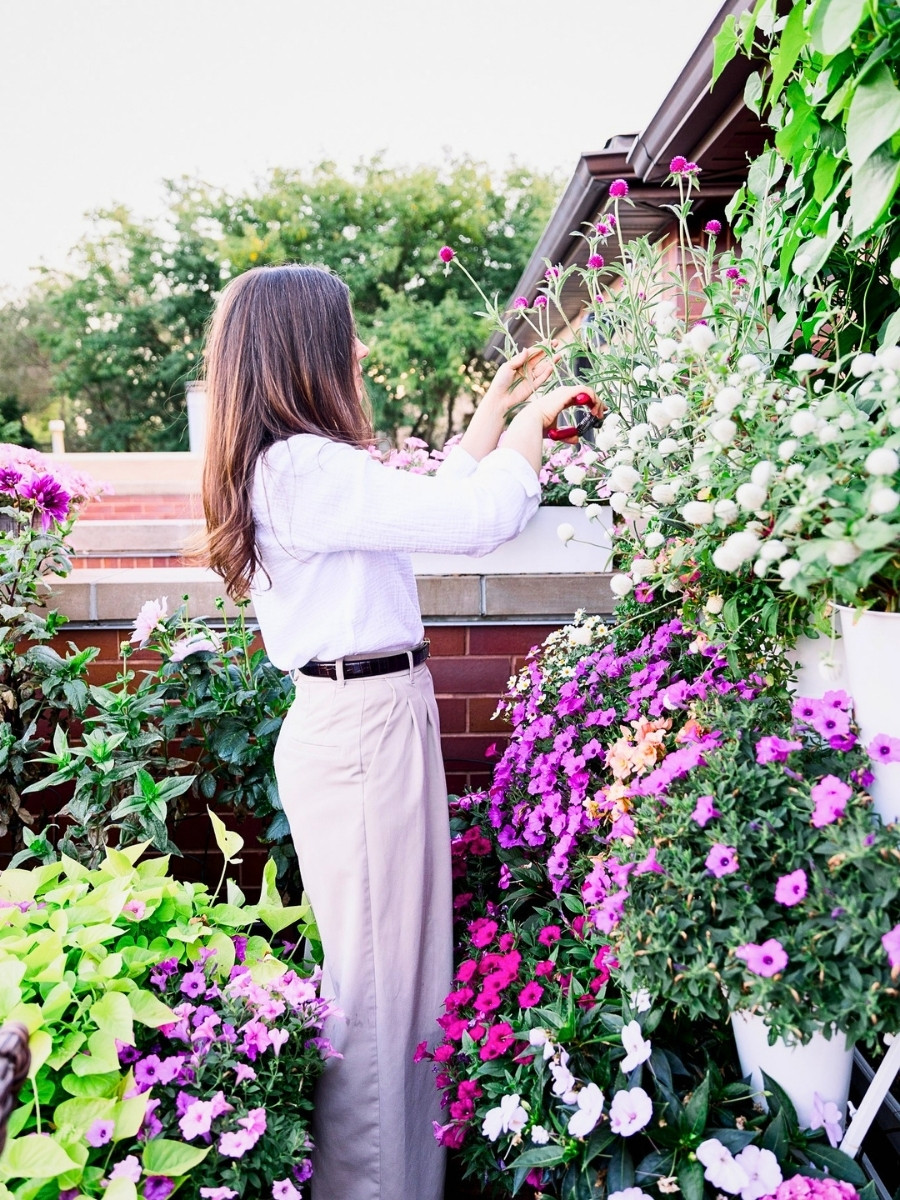
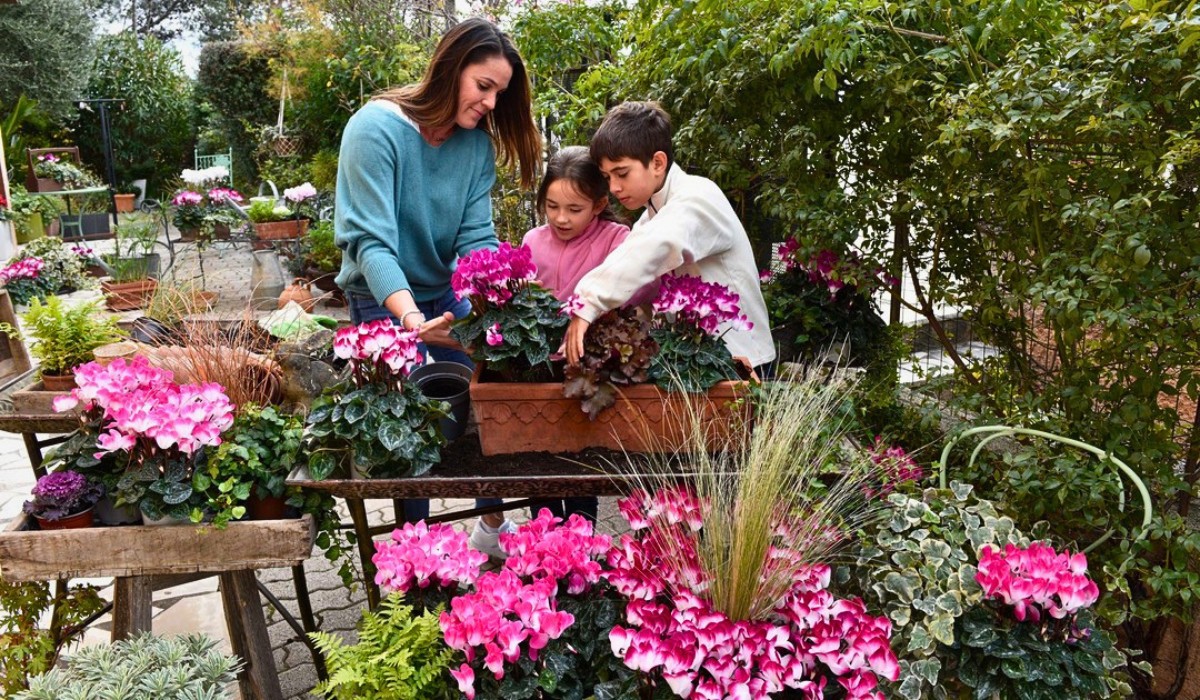
Cyclamen is a wonderful tool for this type of seasonal design. Thriving in the cooler months of autumn and winter, its swept-back petals and silver-marbled foliage provide a sharp, clean focus on tabletops and counters. Through alternating these winter-hardy selections with sun-loving varieties as the calendar turns, a small footprint can maintain a fresh, changing narrative all year.
Curating the Flowers for Seamless Integration
When selecting options for small spaces, the goal is to choose varieties that cooperate more than they compete. Those with aggressive running rootstocks or broad canopy spreads quickly overcrowd the space, creating maintenance headaches and choked root systems.
The ideal miniature garden relies on compact varieties that respect their boundaries. Prioritizing structural discipline, adaptability, and visual balance, therefore, guarantees that small-scale gardening changes from being a challenge of limitations to a full flower curation practice.
Featured image by ArtPhoto_studio. Header image by @chicagogardener.