
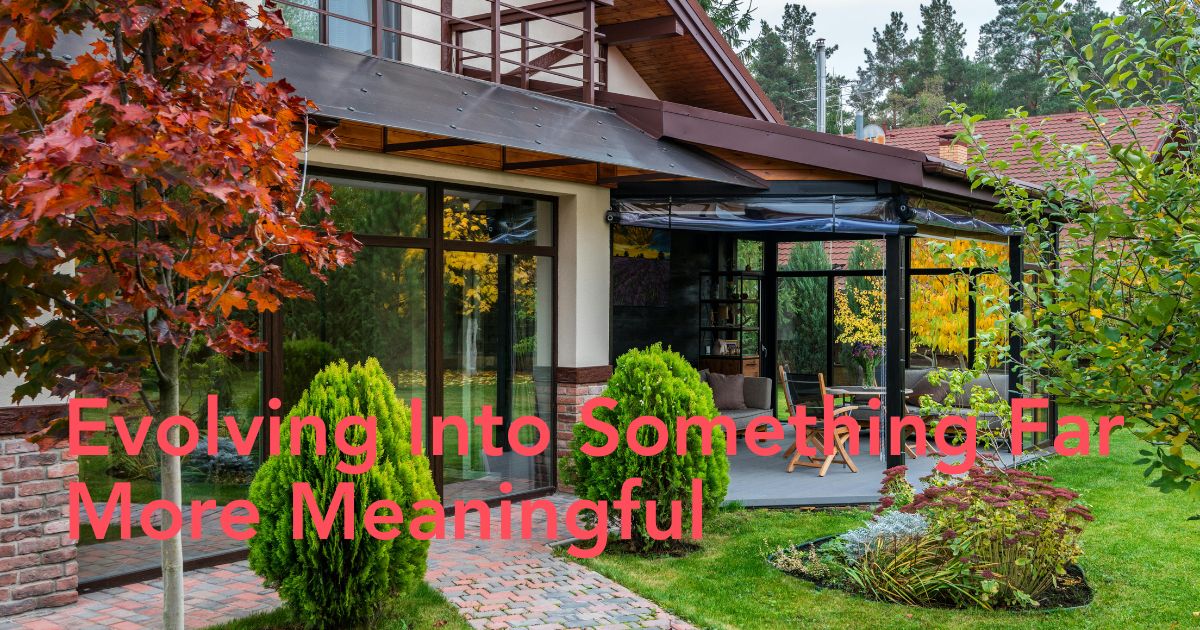
Outdoor spaces have quietly transformed from afterthoughts into some of the most intentional areas of the home. What used to be a simple wooden platform attached to the back door is now evolving into something far more meaningful, an extension of how people live, entertain, and unwind.
The modern deck is no longer just about adding square footage. It is about creating a space that feels as considered as any interior room. And for homeowners working with an experienced Columbus deck builder, the conversation often begins not with materials or dimensions, but with lifestyle.
Designing for Living, Not Just Structure
The biggest shift in deck design is philosophical. Instead of asking “How big should it be?” homeowners are starting to ask “How will we use it?”
This subtle change leads to dramatically different outcomes. A deck designed for occasional use tends to feel empty or disconnected. A deck designed around real habits becomes part of everyday life.
Morning coffee in a quiet corner, long dinners that stretch into the evening, a space that transitions easily from solitude to social gatherings. These are not construction details; they are lifestyle decisions. When the design process starts here, the result feels intentional rather than added on.
The Rise of the Outdoor Room
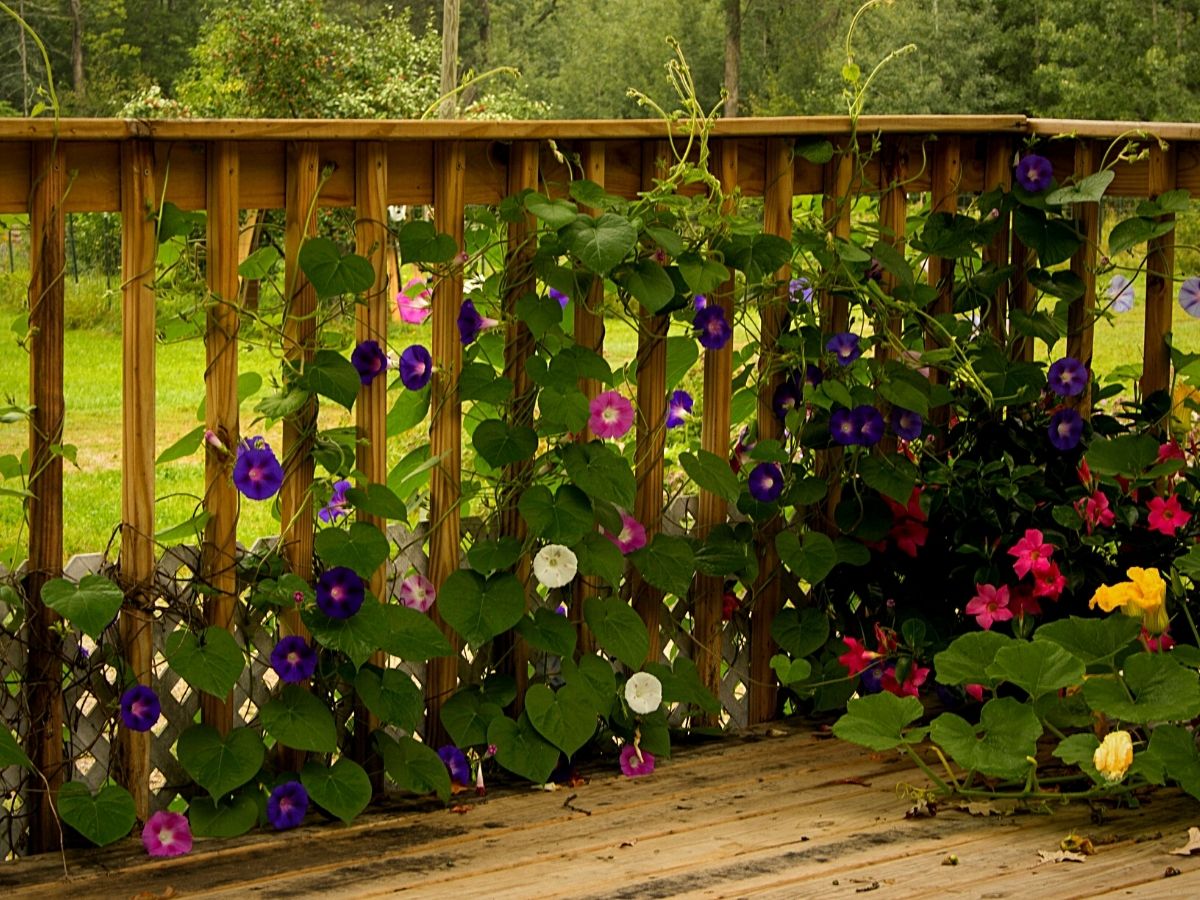
One of the most important trends shaping deck design today is the idea of the “outdoor room.” Instead of a single open platform, decks are being divided into zones, each with a distinct purpose.
A dining area might sit under partial cover, creating a sense of enclosure without fully closing off the space. A lounge section can be oriented toward the garden or sunset, encouraging relaxation. Even subtle elevation changes can define different areas without the need for walls.
This layered approach makes a deck feel immersive. It invites people to move through the space rather than simply occupy it.
For homeowners ready to plan those zones with real-world flow and proportions, working with an experienced Columbus deck builder can help translate the “outdoor room” idea into a layout that functions as well as it looks.
Materials That Influence Mood
Materials are often discussed in terms of durability or maintenance, but their visual and tactile qualities are just as important. The choice between natural wood and composite decking, for example, is not purely practical. It shapes the entire atmosphere.
Natural wood tends to feel warm, organic, and connected to the landscape. Composite materials offer consistency and a more contemporary aesthetic. The decision depends on the broader design language of the home and the desired emotional effect of the space.
Details like railing styles, board direction, and color contrast can elevate a deck from functional to refined. These are the elements that subtly communicate quality, even if the average visitor cannot immediately identify why the space feels different.
Seamless Transitions Between Indoors and Outdoors
A well-designed deck does not feel separate from the home. It feels like a continuation.
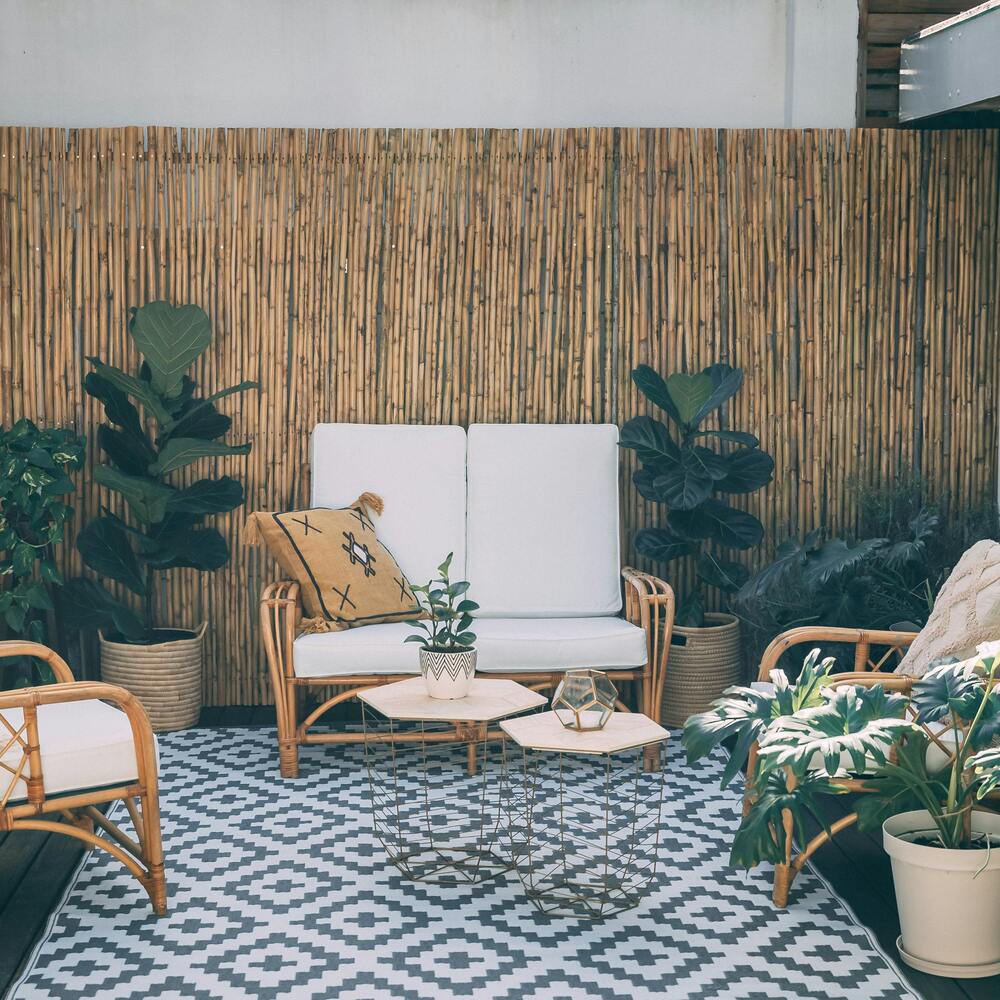
This often comes down to alignment and flow. Matching floor heights, coordinating color palettes, and maintaining visual sightlines all help blur the boundary between inside and outside. Large doors or open transitions reinforce this connection, making the deck feel like a natural extension rather than an addition.
When done right, stepping outside does not feel like leaving home. It feels like entering another room.
Lighting as a Design Element
Lighting is one of the most underestimated aspects of deck design. Too often, it is treated as a final step rather than an integral part of the concept.
Soft, layered lighting can completely transform how a deck is experienced after sunset. Integrated step lights improve safety while adding subtle depth. Overhead fixtures create intimacy in dining areas. Accent lighting highlights architectural details or surrounding greenery.
The goal is not brightness but atmosphere. A well-lit deck invites people to stay longer, extending its usability far beyond daylight hours.
Designing for All Seasons
Many outdoor spaces are heavily used for a few months and then largely ignored. This is not inevitable. It is often the result of design choices that prioritize summer use without considering the rest of the year.
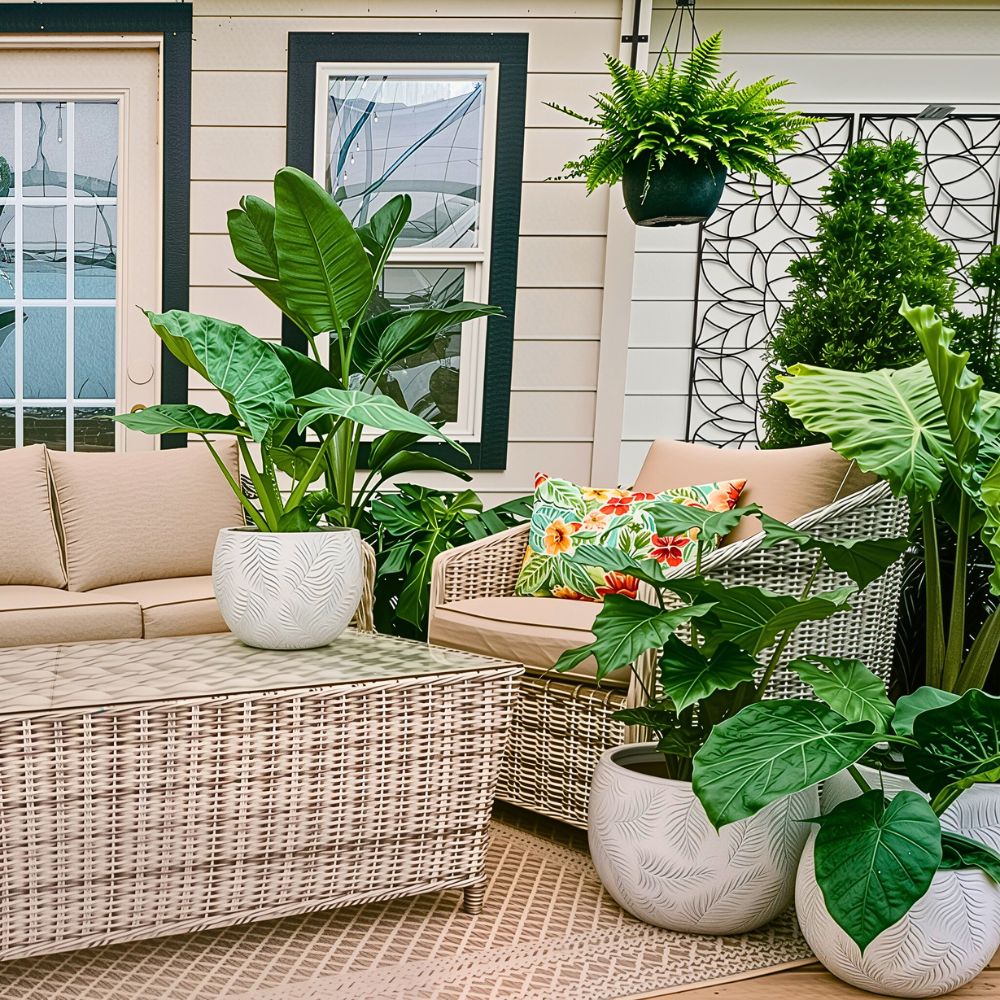
Incorporating features like partial covers, wind barriers, or heating elements can significantly extend the season. Even orientation matters. Positioning a deck to capture sunlight or block prevailing winds can make a noticeable difference in comfort.
The result is a space that feels relevant throughout the year, not just during peak weather.
The Subtle Value of Professional Insight
While inspiration can come from anywhere, translating ideas into a cohesive and functional design requires experience. Homeowners often have a vision but struggle to connect individual elements into something that works as a whole.
This is where working with professionals becomes valuable. An experienced builder understands not only construction but also proportion, flow, and how small decisions impact the overall experience of a space.
The difference is rarely dramatic in any single detail. Instead, it shows up in how everything comes together.
A Shift Toward Intentional Living
At its core, the evolution of deck design reflects a broader shift in how people think about their homes. Spaces are no longer defined solely by function. They are shaped by how they make people feel and how they support daily life.
A thoughtfully designed deck can become a place of routine and memory, where ordinary moments take on more meaning simply because the environment supports them.
For homeowners exploring what is possible, looking at examples from experienced teams like US Quality of Columbus can provide a clearer sense of how design and craftsmanship come together in practice. Not as a blueprint to copy, but as a reminder that outdoor spaces can be just as intentional as anything inside the home.