For flower farmers, market day starts long before the first customer arrives. It begins in the field, at the wash station, inside the cooler, and in the vehicle that carries every bucket to the stall.
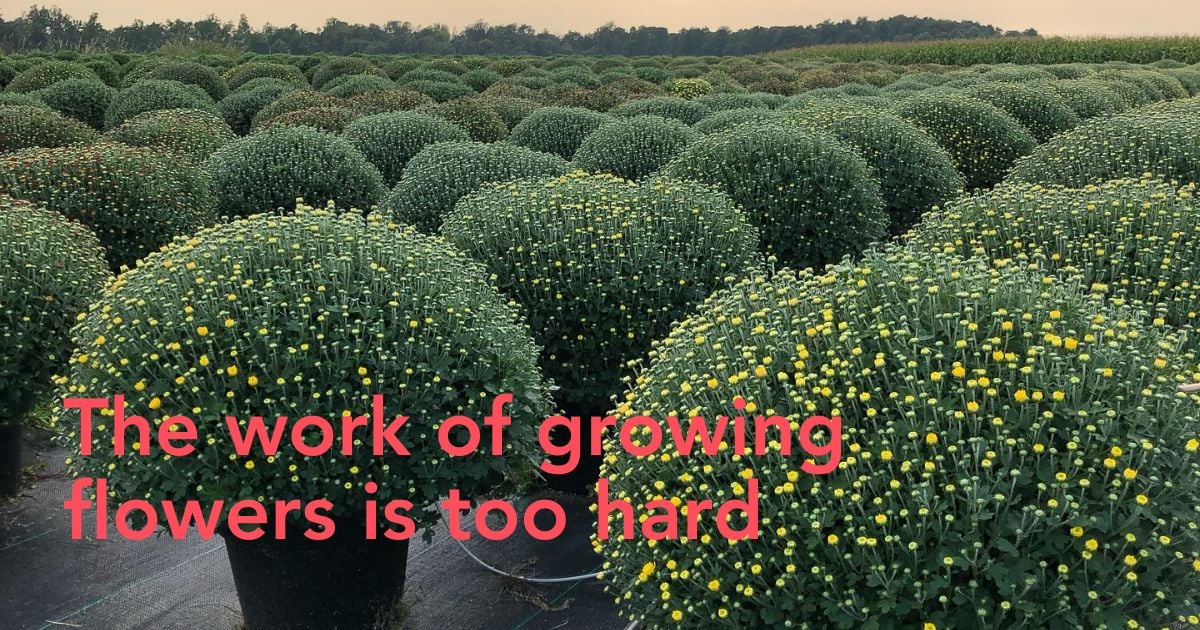
A beautiful bunch can lose value quickly if it is transported badly. Heat, poor hydration, rough roads, loose buckets, and crowded packing can all damage stems before they ever reach the customer. The work of growing flowers is too hard to lose quality in the final stretch.
Safe transport is not about having the most expensive setup. It is about having a simple system that protects freshness, prevents breakage, and keeps the flowers stable from farm to market.
Plan the Transport Before Harvest Day
The best transport routine starts before the harvest.
Flower farmers should know what is being cut, how many buckets are needed, how long the drive will take, and what the market setup requires. Waiting until the morning of the market usually leads to rushed packing and damaged stems.
Think through the full route. Is the road rough? Will there be traffic? Is the market space shaded? How far is the unloading point from the stall? These small details affect how flowers should be packed.

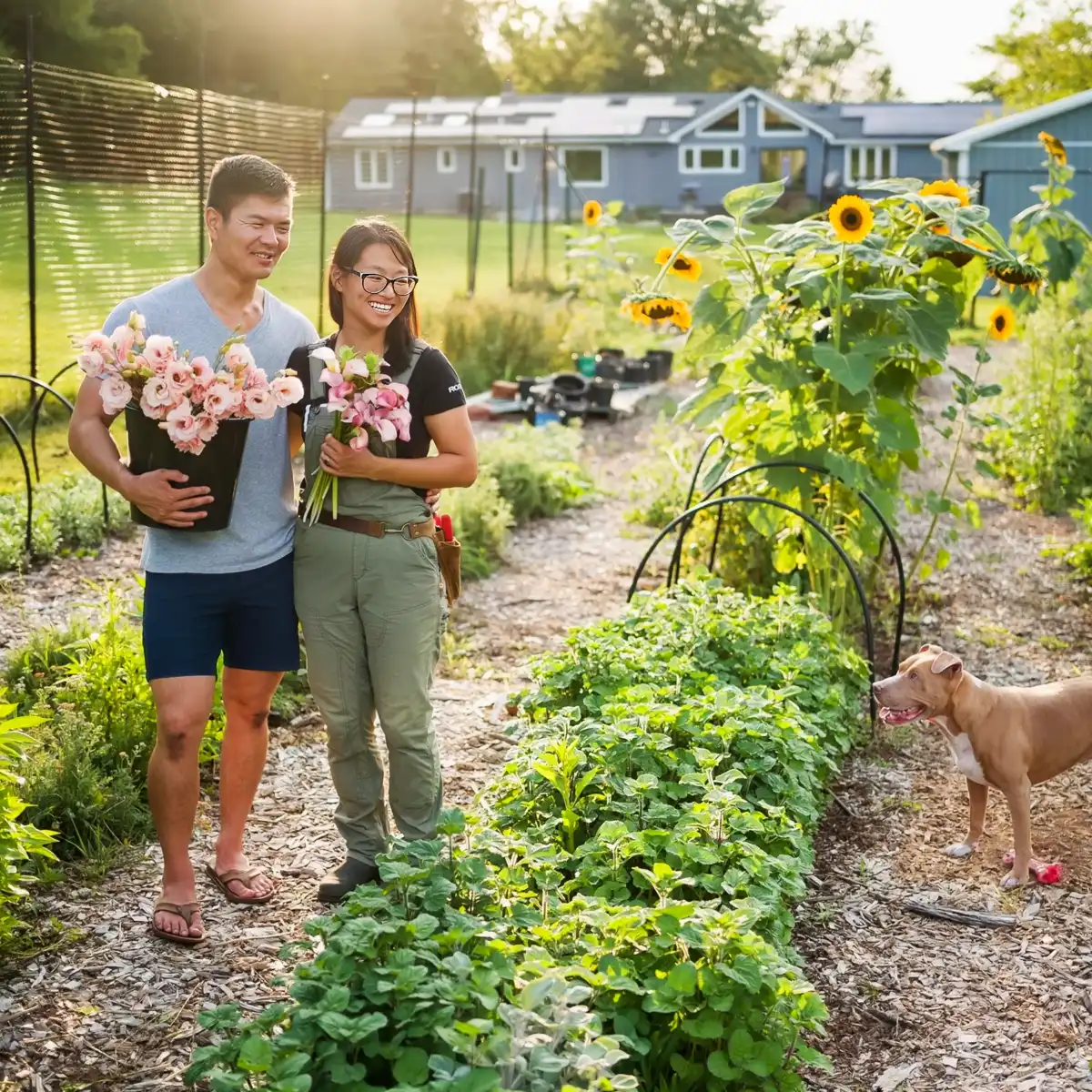
Photo: @northlawnflowerfarm
For growers who tow larger enclosed trailers, mobile market setups, or heavier equipment, the towing system should also be checked before busy sales days. A properly matched fifth wheel hitch can be part of a safer transport setup when the load, vehicle, and trailer require that kind of equipment.
Harvest at the Right Time
Transport quality begins with harvest timing.
Most cut flowers travel best when harvested during the cooler part of the day, often early morning or evening. At this stage, stems are usually less stressed by heat, and flowers have had time to hydrate.
Avoid cutting during the hottest part of the day when possible. Heat-stressed flowers may wilt faster, even if they are later placed in water.
Harvest stage matters too. Some flowers should be cut when they are just starting to open. Others need to be more developed. Knowing the right cut stage helps flowers survive transport and still look fresh at the market.
Hydrate Stems Before the Drive
Freshly cut stems need water quickly. If flowers sit dry for too long after cutting, they may not recover fully.
After harvest, strip lower leaves and place stems into clean buckets with fresh water. Let them rest and hydrate before loading. This step is especially important for delicate flowers, woody stems, and any varieties that wilt quickly.
If you use flower food or holding solution, measure it properly. Too much or too little can affect vase life. Clean water and clean buckets are often the most important starting point.
For more on flower quality and post-harvest thinking, readers can explore Thursd’s article Vase Life Science As A Sustainability Tool In Floriculture.
Use Clean Buckets Every Time
Dirty buckets shorten vase life. They can carry bacteria that block stems from taking up water.
Before market day, wash buckets properly. Remove old leaves, slime, and residue. Use buckets that are strong enough to handle the weight of water and stems without bending or cracking.
Do not overfill buckets with stems. A crowded bucket may look efficient, but it can crush flowers and reduce airflow. It also makes unloading harder.
A better system is to use more buckets with fewer stems in each one. This keeps bunches easier to lift, sort, and display.
Keep Buckets Stable During Transport
One sharp turn can ruin hours of work if buckets are not secured.
Buckets should not slide, tip, or knock into each other during the drive. Use crates, dividers, straps, or rubber mats to keep them in place. Some growers build simple wooden frames inside vans or trailers to hold buckets upright.
Tall stems need extra care. They can bend against the roof, rub against each other, or snap if they are packed too tightly. Measure your vehicle or trailer height and plan bucket placement around the tallest flowers.
If you often transport different stem lengths, create separate zones: tall stems, short bunches, foliage, tools, and display items. This saves time during unloading.
Control Heat as Much as Possible
Heat is one of the biggest risks during flower transport.
Even a short drive can stress flowers if the vehicle is hot. Avoid leaving loaded flowers in direct sun. Load as late as practical, keep the vehicle cool, and park in shade whenever possible.
If using a van, keep airflow steady but avoid blasting cold air directly onto fragile flowers. If using a trailer, consider ventilation, shade, and how long flowers will be inside before unloading.
For longer drives, some growers use insulated covers or transport flowers in cooled vehicles. But even simple choices help: early loading, shaded parking, and quick unloading.
Protect Delicate Flowers From Bruising
Not all flowers can travel the same way.
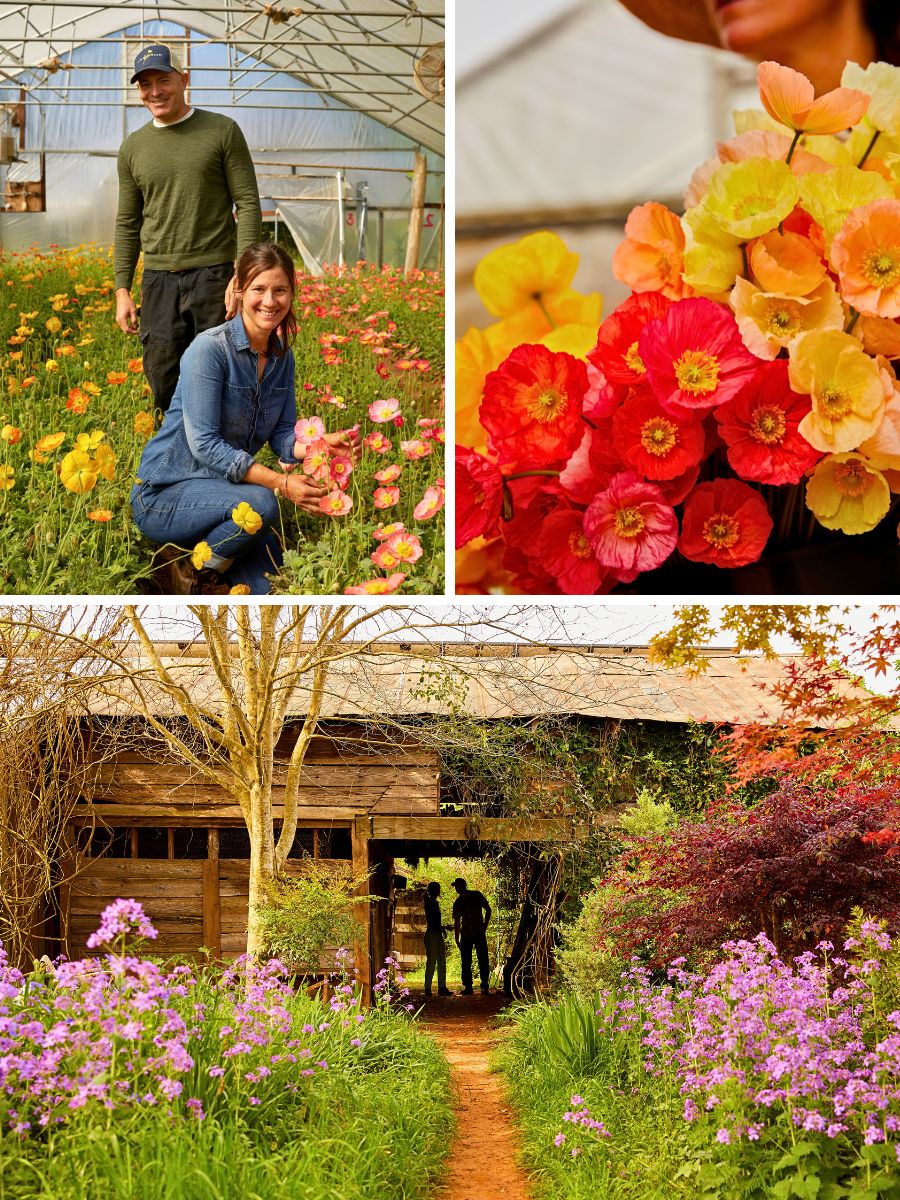
Dahlias, sweet peas, ranunculus, cosmos, poppies, and other delicate varieties may bruise or drop petals if packed roughly. Heavier flowers and foliage can damage softer stems if mixed together.
Use separate buckets for fragile flowers. Keep them upright and give them room. Avoid placing tools, crates, or display materials near delicate bunches.
If flowers need wrapping, use breathable paper rather than plastic that traps heat and moisture. Wrapping should support the stems without squeezing the flowers.
Separate Flowers From Tools and Display Gear
Market setups often include tables, signs, tents, weights, buckets, crates, wrapping paper, vases, and payment equipment. These items are important, but they should not be packed carelessly around flowers.
Tools and heavy items should be loaded first and secured. Flowers should be loaded last when possible, so they are easier to unload first.
Keep sharp tools away from stems. Keep wet buckets away from paper goods. Keep display items from falling onto flowers during the drive.
A simple loading order can prevent many problems.
Build a Market Unloading Routine
Transport safety does not end when the vehicle stops.
Unloading can be just as risky as the drive. Rushed unloading leads to broken stems, spilled buckets, and tired staff. Create a repeatable routine.
Unload flowers first and move them to shade. Then unload tables, signs, wrapping materials, and other setup items. If the market has long walking distances, use a cart with stable wheels.
Keep stems in water as much as possible. If flowers are removed for display, make sure they are not left dry while the stall is being arranged.
Prepare for Weather at the Market
Market weather can change quickly.
Wind can knock over buckets. Heat can wilt flowers. Rain can damage paper wrapping and signage. Strong sun can shorten vase life.
Bring simple protection:
- bucket weights or low crates
- shade cloth or tent walls
- extra water
- towels
- clips and ties
- spare buckets
- A small spray bottle is useful
The goal is not to control the weather. The goal is to stay ready.

Photo: The Flower Podcast
Keep Care Information Ready for Customers
Good transport protects flowers before sale. Good customer education protects them after the sale.
Give customers simple care tips. Tell them to recut stems, use a clean vase, remove leaves below the waterline, and keep flowers away from heat.
A small care card can improve the customer experience and reduce complaints. It also shows that the grower cares about what happens after the flowers leave the stall.
For growers building direct customer relationships, this kind of small detail can help repeat sales.
Review What Worked After Each Market
After the market, take five minutes to review the transport process.
Ask simple questions:
- What tipped over?
- What wilted first?
- Which flowers handled the drive well?
- Which buckets were too crowded?
- Did unloading take too long?
- What needs to change next week?
Small improvements add up. A better bucket system, clearer loading order, or earlier harvest time can save stems and reduce stress.
Flower transport is part of flower quality. It deserves the same attention as growing, harvesting, and arranging.
Safe market transport comes down to planning, hydration, clean buckets, stable loading, heat control, and careful unloading. The aim is simple: flowers should arrive at the market looking like they just came from the field, not like they survived a rough journey.
For flower farmers, every stem carries time, labor, and care. Protecting those stems on the road protects the value of the whole season.