For the floral trade, one of the sharpest demand signals of 2026 is not coming from a garden centre, a wedding season or a supermarket bouquet program. It is coming from forty floors up, inside a newly handed-over apartment in Dubai, where one of the first things a new resident buys after the keys is a plant.
That is a supply story, not a sentimental one. The Gulf is in the middle of a residential delivery wave at a scale that few other markets can match, and almost every one of those homes is a small, sealed, climate-controlled interior that its occupant will want to soften with something living. For growers, breeders, wholesalers and the brands that supply them, that is worth understanding as a structural pool of demand rather than a seasonal spike.
The Pipeline Behind the Demand
Start with the raw volume. Dubai is on course for one of the largest single-year handover programs in its history, with market pipelines pointing to roughly 96,500 residential units scheduled to complete in 2026, even allowing for the phased timelines that push some deliveries into later quarters. The pace is already visible: Dubai recorded its highest quarterly delivery of new homes in years during the second quarter of 2026, with the bulk of that supply arriving as apartments rather than villas.
Price tells the same story of a market at full strength. After several years of climbing, average apartment values in Dubai have pushed past their previous cycle peak, a level the emirate had not seen since the last boom. And the buyer base has broadened. Dubai closed close to 80,000 residential sales worth more than AED 220 billion in the first half of 2026 alone, and apartments account for roughly three-quarters of all residential transactions in the city. Crucially for anyone reading demand, the people who now buy an apartment in dubai are increasingly owner-occupiers and long-term residents rather than short-term speculators, which means these interiors are being lived in, decorated and maintained, not flipped empty. Each of those apartments is a potential biophilic interior, and the occupant is a potential repeat customer for foliage, planters, preserved botanicals and green-wall installations.
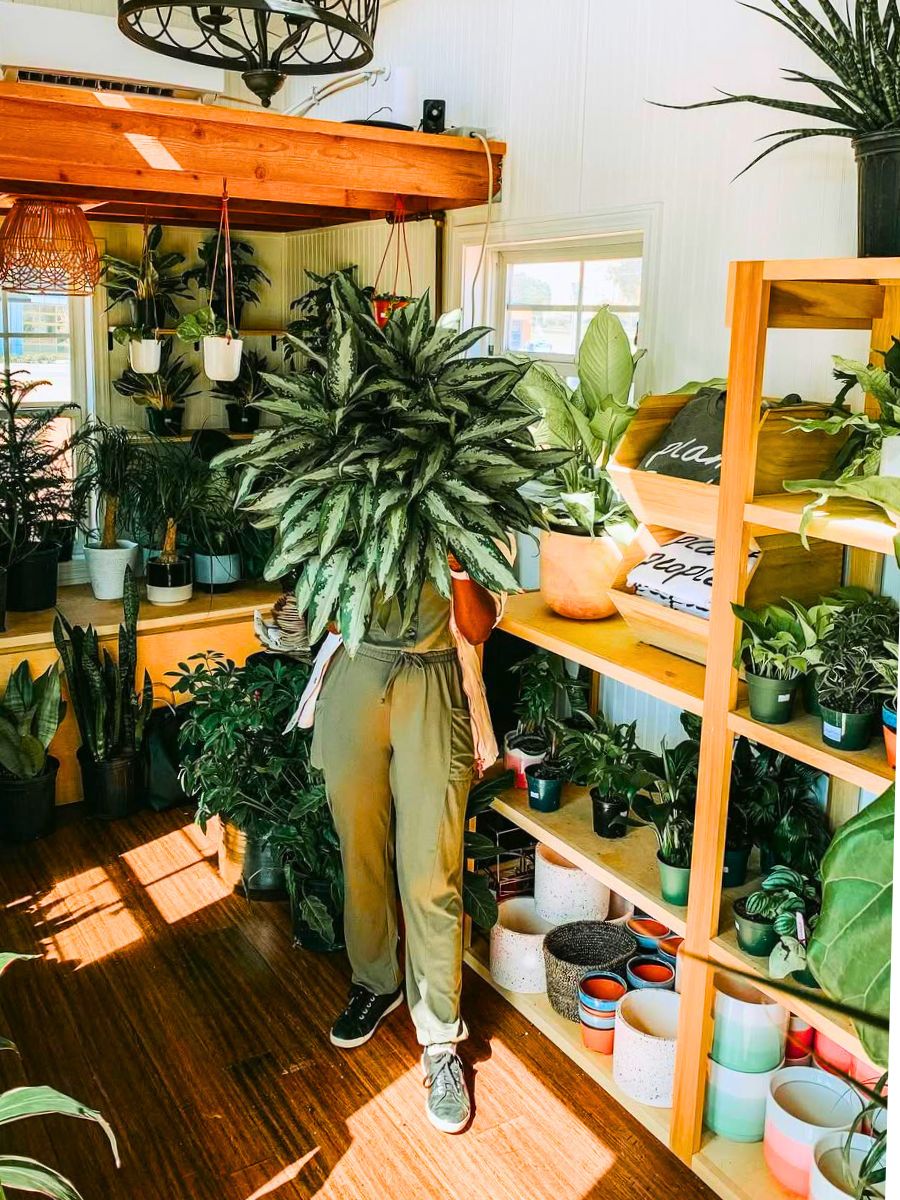
Photo: @plantpeopleshop
An Apartment Is a Plant Order Waiting to Happen
Apartment living and indoor greenery move together, and the reasons are the same everywhere from Rotterdam to Riyadh. Small footprints, hard finishes and floor-to-ceiling glass create interiors that feel bare without plants. Balconies are compact or absent, so the greening happens inside. And a generation of residents who discovered houseplants during the pandemic now treat them as a default part of setting up a home, not a hobby reserved for enthusiasts.
The category has matured accordingly. The global indoor plants market is valued at around USD 13.6 billion in 2026 and forecast to reach roughly USD 16.4 billion by 2031, with biophilic design cited as one of the core drivers pulling the segment out of its purely decorative past and into wellness and workplace budgets. The same analysis names the familiar supply side of this trade, growers and breeders such as Dümmen Orange, Beekenkamp, Hofland and the major seed houses, as the companies positioned to serve it. In other words, the Gulf apartment wave connects directly to the businesses Thursd readers already know.
What makes the Gulf distinct is the concentration. A single master-planned district in Dubai can deliver several thousand apartments in a year. When those units hand over in clusters, the greening demand arrives in clusters too, first from the developers and fit-out contractors furnishing show homes and lobbies, then from thousands of individual residents outfitting their own units. That rhythm rewards suppliers who can plan around a construction calendar rather than react to walk-in traffic.
From Pots to Living Walls
The opportunity does not stop at the potted foliage on a windowsill. The same buildings driving apartment demand are also the ones commissioning the moss walls, preserved-plant panels and living facades that Thursd covers as design trends. The global green wall market, spanning living walls, modular vertical gardens and green facades, is expanding on the back of exactly these forces: urban densification, wellness programs and green-building certification. The living-wall segment alone is projected to grow several times over across the next decade as specifiers move from bespoke one-off installs toward modular, prefabricated systems that are easier to source and maintain.
The Gulf has been building at this scale for years. Dubai is already home to one of the region's largest living green walls, a vertical garden running more than 200 metres and planted with over 80,000 specimens, and the current direction of travel in the emirate's premium architecture is toward continuous indoor-outdoor green corridors rather than a single decorative panel in a lobby. Hotels, offices, retail podiums and now the amenity floors of residential towers are treating living greenery as a standard specification. For preserved-moss suppliers, foliage growers and the fabricators who assemble these systems, the residential boom widens the addressable market well beyond hospitality and corporate fit-out.
Why the Desert Makes Greenery a Design Necessity
There is a climate logic here that works in the trade's favour. In a city where summer temperatures make outdoor planting difficult for months at a time, the interior becomes the primary place to bring nature indoors. Air-conditioned apartments, mall atriums and office floors are, in effect, controlled growing environments waiting for the right species. Arid-climate reality pushes greenery inward, and that is precisely where houseplants, preserved botanicals and interior living walls live.
Policy is reinforcing the same direction. The Dubai 2040 Urban Master Plan sets out to double the city's green and recreational spaces and to thread green corridors through residential districts, backed by building regulations that increasingly reward sustainable, wellness-oriented design. As WELL and LEED-style certifications become a routine part of premium development in the region, living greenery stops being a nice-to-have and starts appearing on the specification sheet. That is a durable demand driver, not a passing aesthetic.
What It Means for Growers, Wholesalers and Florists
For the trade, the practical signals are worth reading closely, and they fall into three areas.
Species Selection
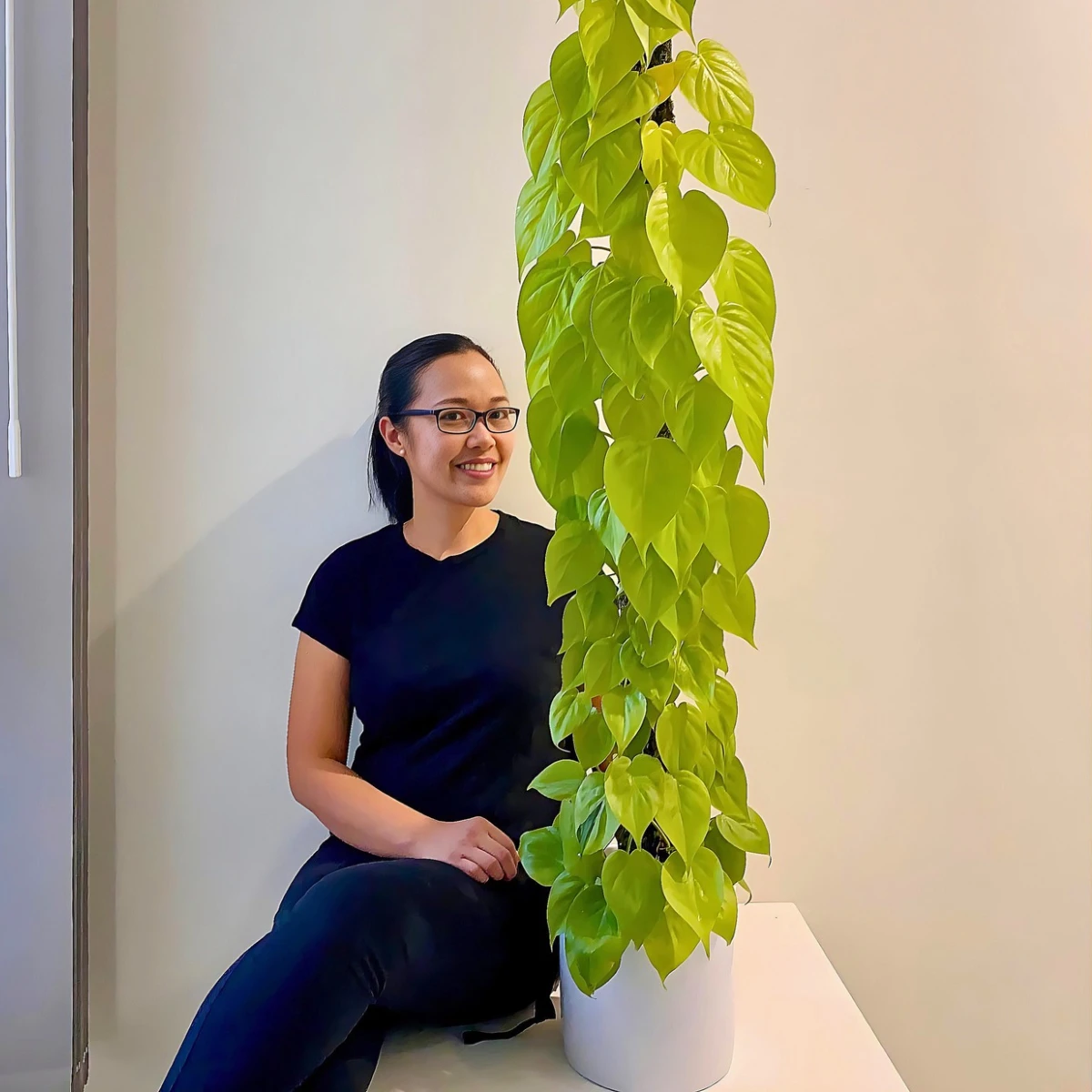
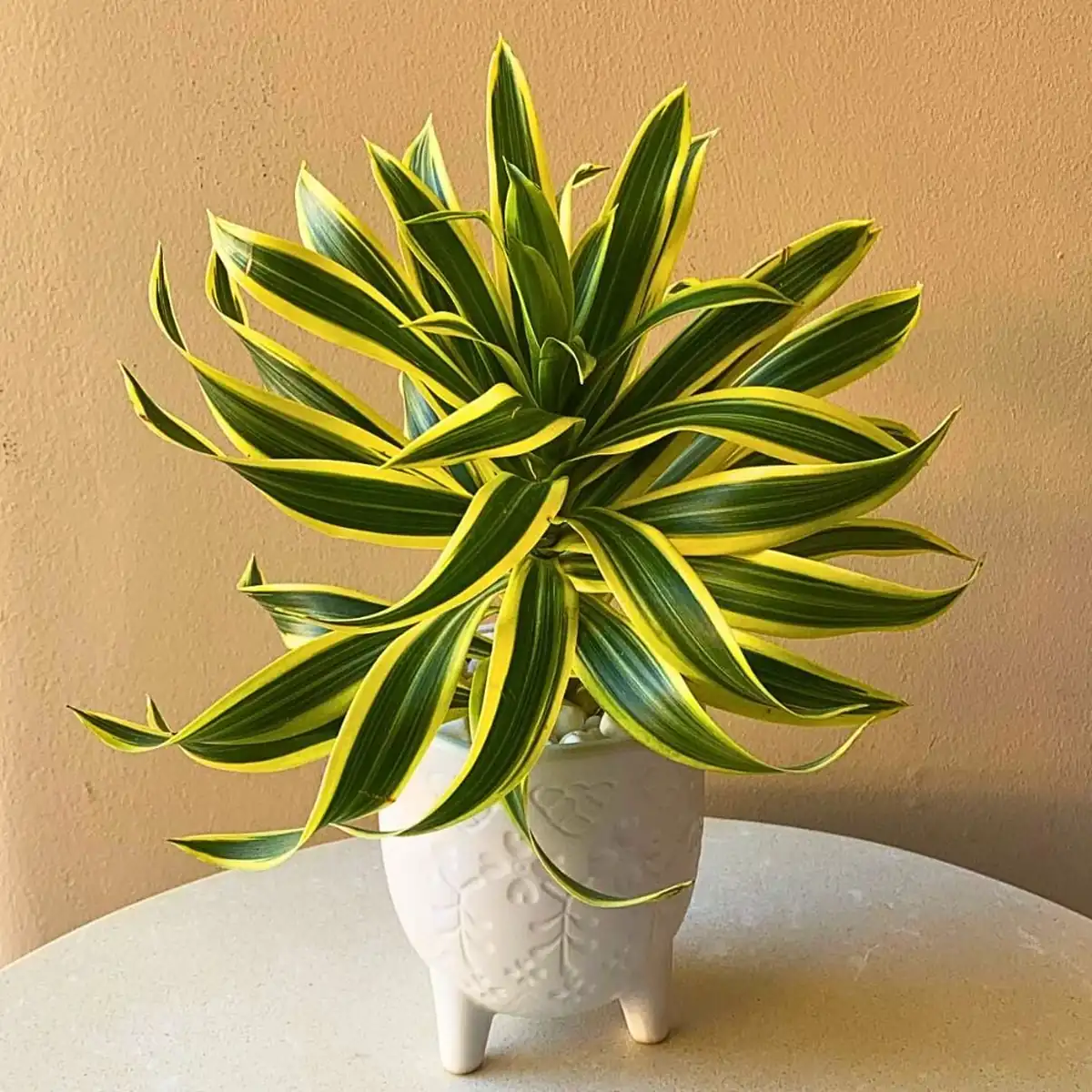
Interiors in this market run warm, bright and heavily air-conditioned, which favours robust foliage that tolerates low humidity and inconsistent care: sansevieria, zamioculcas, pothos, dracaena, larger architectural specimens for double-height spaces, and preserved or stabilised material where live maintenance is impractical. Growers and breeders who can supply reliably in these categories, at volume and to a consistent grade, are the ones a Gulf distributor will keep calling.
The Channel
A meaningful share of this demand will not come through retail at all. It will come through developers, interior fit-out contractors, landscape specifiers and facilities-management firms furnishing thousands of units and common areas on a project timeline. Suppliers who build relationships with those buyers, and who can pair plant supply with maintenance and replacement contracts, capture recurring revenue rather than a single sale. Subscription and care-plan models, already proven in Western markets, translate well to time-poor apartment residents in the Gulf.
Sourcing Discipline
The region imports the overwhelming majority of its ornamental plants, much of it routed through the Dutch auction and logistics hubs that Thursd readers operate within, which positions established European exporters well if they can meet the cold-chain and phytosanitary demands of a long, hot journey. It also rewards anyone shortening that chain through regional acclimatisation or nursery capacity closer to the market.
A final caution the numbers make plain: this category is prone to hype cycles. The same market data that shows steady long-term growth also records the sharp price corrections that follow social-media-driven spikes, as happened when tissue-cultured aroids flooded listings after their viral peak. The durable money in the Gulf is in the everyday specification demand behind tens of thousands of new homes, not in the next collectible plant.
The Read for the Trade
Real estate booms come and go, but the underlying shift here is structural. A city adding close to 100,000 homes in a single year, most of them apartments, most of them lived in, and all of them inside a climate that pushes greenery indoors, is building a standing demand base for the products this industry makes. The floral trade reads Thursd for demand signals. The Gulf apartment wave is one of the clearer ones on the board in 2026, and the suppliers who treat it as a channel to plan around, rather than a headline to admire, are the ones who will still be shipping into it when the towers are full.