
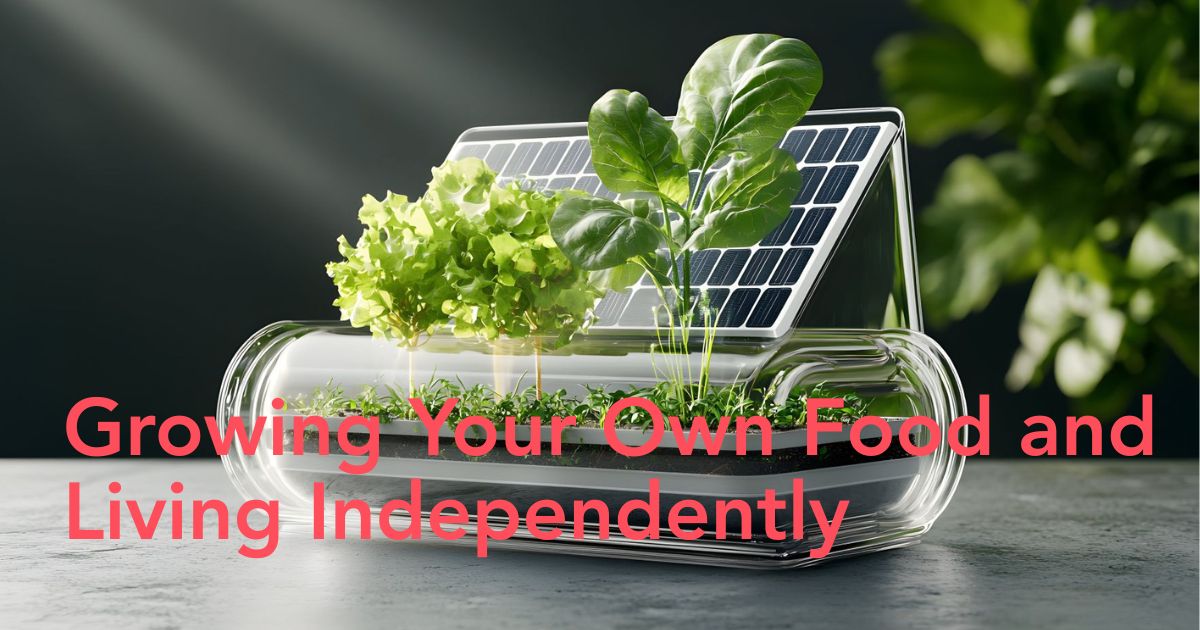
The concept of self-sufficiency is experiencing a modern renaissance. For decades, the idea of growing your own food and living independently was often associated with rural homesteads and off-grid cabins. Today, however, the dream of a self-sufficient garden is being revolutionized by the very technology running through the walls of the house.
Far from being at odds with modern life, the home electrical system has become the central nervous system of the contemporary garden, transforming backyard plots into highly efficient, year-round food production hubs.
Here’s how your home electrical system can make a self-sufficient garden possible:
Understanding the Connection Between the House and the Garden
To understand how this transformation is possible, it's essential to look at how the relationship between the house and the garden has evolved. Traditionally, a garden's needs were simple: sunlight, soil, and water. Today's self-sufficient garden replaces guesswork with precision, relying on a steady and intelligent supply of electricity. This shift requires moving beyond the basic 120-volt outlet typically found on the exterior of a home.
To ensure your home is ready for these increasing demands, investing in a future-proof home electrical system can be the most critical step you can take. Modern gardens are ecosystems of electrical components. They power water pumps for drip irrigation systems that deliver measured amounts of water directly to plant roots, significantly reducing waste. They run timers and automated valves that take the burden of daily watering off the gardener’s shoulders.
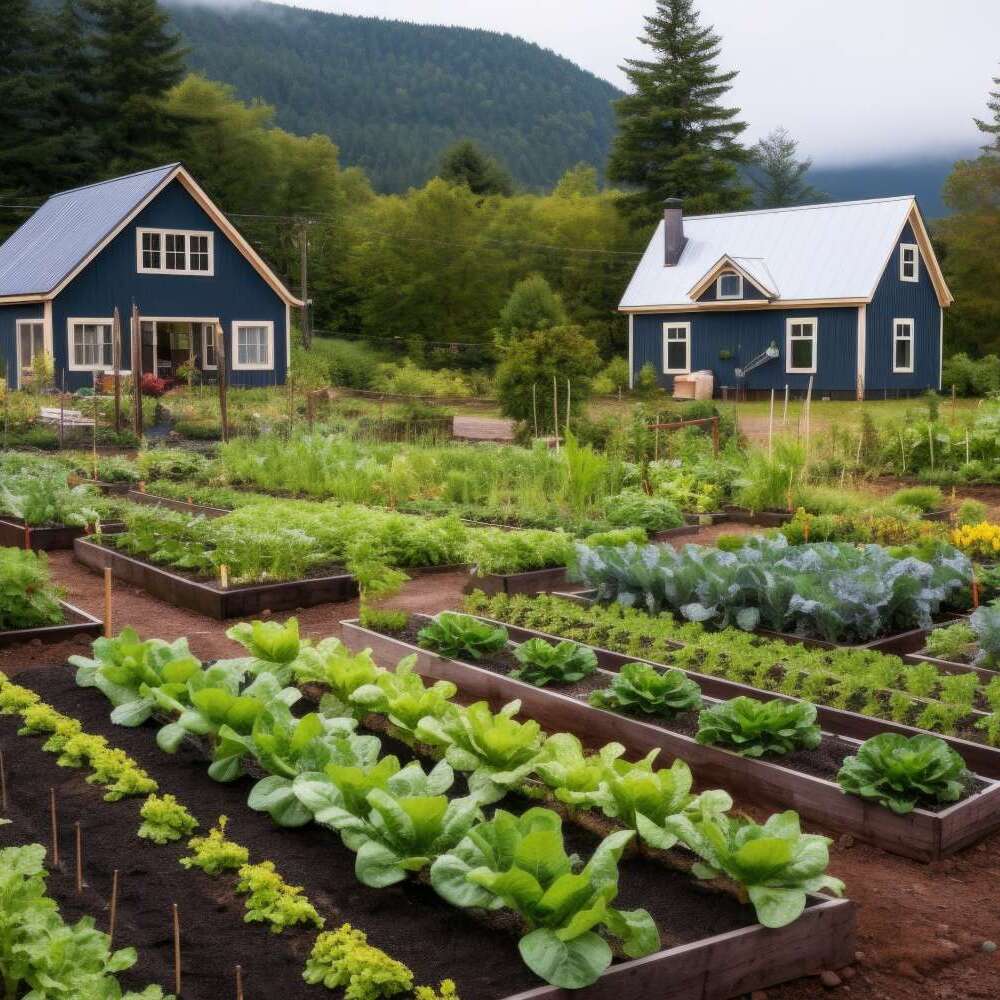
If you live in urban areas or with poor soil, electricity enables hydroponic and aeroponic systems, methods of growing plants in nutrient-rich water without soil, which can yield triple the volume of produce compared to traditional methods. However, integrating these advanced systems into a garden requires careful attention to the home's existing infrastructure.
You must consider the placement of electrical wires and ensure they are properly rated for outdoor use, as exposed or incorrect cable types can lead to fire hazards or risk of electrical shock. It is also vital to assess the capacity of the electric meter and the main power line to determine if they can handle the additional load from pumps, lights, and timers.
Powering the Ecosystem: Generation and Storage
The journey toward a truly self-sufficient garden typically begins with how the home sources its power. While drawing from the grid is standard, the integration of renewable energy sources is what closes the loop on independence. Solar panels, typically installed on rooftops, have become an increasingly accessible way for you to generate your own electricity. These panels, composed of photovoltaic cells, convert sunlight into direct current (DC) electricity. Since most homes and garden appliances run on alternating current (AC), an inverter is required to make the power usable.
However, the sun doesn't shine 24 hours a day, and this is where energy storage becomes critical. The modern home battery system stores energy generated during peak sunlight hours for use at night or on cloudy days. For the gardener, this means pumps and light fittings can run uninterrupted regardless of the weather.
Proper installation requires verifying that ground wires are correctly connected and that no ungrounded outlets are used for garden equipment. The power meter must also be compatible with bidirectional electricity flow, and the electrical service panel should have sufficient capacity to manage charging cycles alongside other household demands, ensuring safe and reliable operation.

The Brain of the Operation: Intelligent Load Management
Generating and storing power is only part of the equation. The real magic of the modern, self-sufficient home lies in how that power is managed. As your home becomes more electrified, the demand on the electrical panel increases. Without an upgrade, turning on every high-draw appliance at once could trip the main breaker. This challenge has given rise to smart load management.
A prime example of this technology is the introduction of smart panels that dynamically manage energy consumption. These advanced systems use intelligent algorithms to prioritize energy use, ensuring that your home stays within its electrical capacity without requiring expensive service upgrades.
For instance, the system might momentarily throttle power to a garden water feature while an EV charger is running, then restore it seamlessly once the demand drops. This invisible orchestration allows you to add more technology, both inside the house and out in your self-sufficient garden, without worrying about overloading the system. Managed through a mobile app, these panels can provide circuit-level visibility and control, giving the user real-time data and the ability to make smarter decisions about energy consumption.

From Dumb Wires to Smart Ecosystems
The concept of the "smart home" has matured significantly, moving away from complicated routines to intuitive, automatic operations that simplify life. This intelligence is now extending to the garden. Smart irrigation controllers no longer just water on a timer; they connect to the internet, pull local weather data, and skip watering if rain is in the forecast. They can also integrate with your home's energy management system.
If you have invested in solar panels and battery storage, this integration offers profound efficiency. Smart appliances and inverters can communicate, allowing high-energy garden tasks like running a water pump to be scheduled for peak solar generation. This utilizes free energy and reduces reliance on battery reserves.
To ensure this seamless communication, your home's fuse box and overall electrical panel may require panel upgrades to handle the bidirectional flow of power safely. Scheduling an electrical inspection can identify potential issues, such as vulnerabilities to a power surge that could damage sensitive equipment. You should also coordinate with the power company to ensure the security system and other critical loads remain protected during grid interruptions, creating a resilient and intelligent energy ecosystem.
The modern self-sufficient garden is a sophisticated ecosystem powered by your home's electrical infrastructure. With the information presented above in mind, electricity can transform gardening into a highly efficient, year-round endeavor.