Few flowers argue with themselves the way a Hydrangea does. The same shrub can flower pink in one garden and blue in the next, and the Victorians and the Japanese read it in almost opposite ways. Choosing one for someone, or just got one and wondering what it says? The short version of the Hydrangea meaning is gratitude, heartfelt emotion, and abundance: one big, generous head of flowers that says thank you without holding back. Then the color adds its own line, from the understanding of a blue Hydrangea to the romance of a pink Hydrangea. And here's the twist: in a garden, part of that message is written by the soil, while for a cut Hydrangea it's written by the grower.
What Do Hydrangeas Symbolize? Gratitude, Emotion, and Abundance
Look at one flower head and the main meaning explains itself. A single Hydrangea stem carries dozens of small flowers packed into one round cloud, which is why Hydrangeas symbolize abundance and generosity. Fun fact: what look like petals are actually sepals, which is why Hydrangea flowers hold their shape for so long. It's also why florists reach for it when someone wants to say thank you, or show a feeling that's too big for a small bunch.
The name is less romantic. Hydrangea comes from the Greek words hydor and angeion, which together mean water vessel, after the small cup-shaped seed capsules. Anyone who has watched a cut Hydrangea droop on a warm afternoon will agree it's a fitting name for a flower that drinks this much.
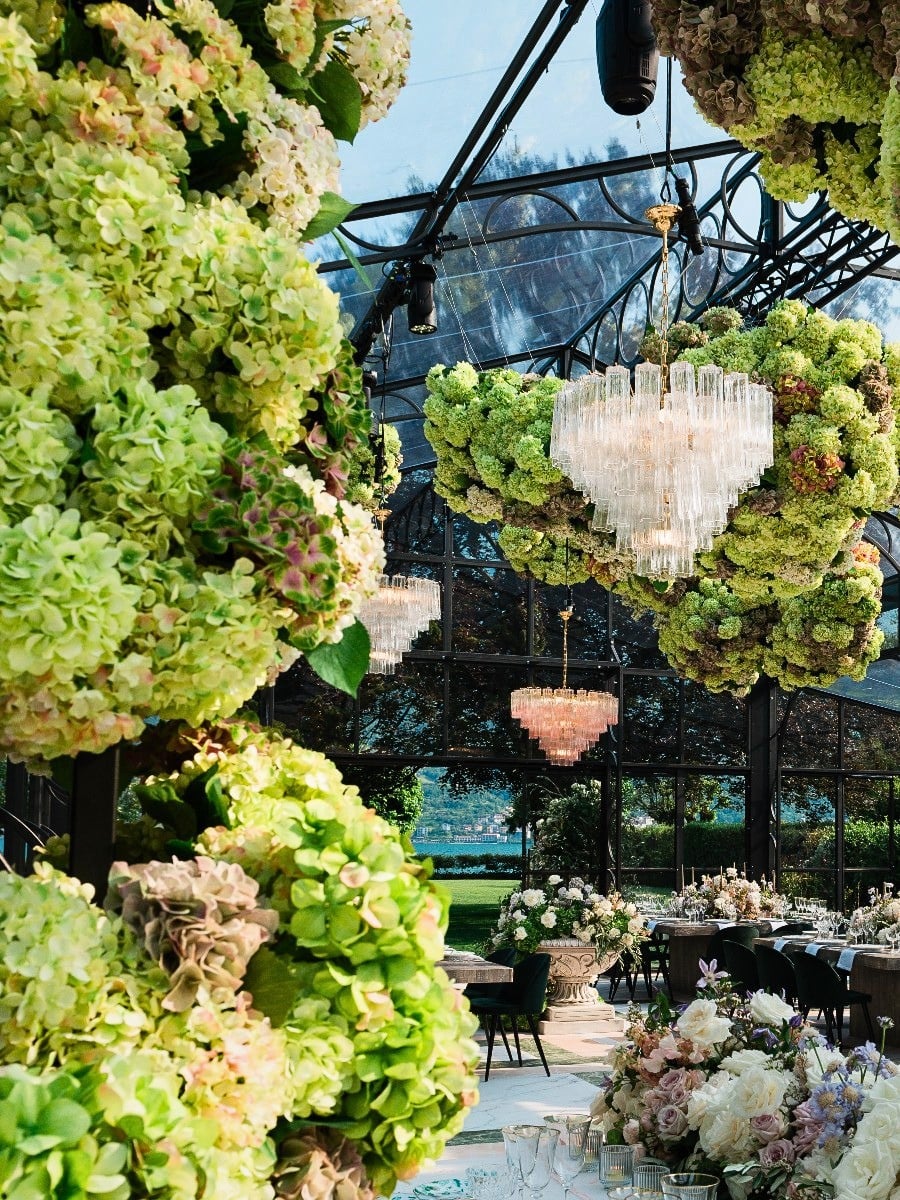
Not every meaning is that kind, though. The Victorians called the Hydrangea a boaster, and in Japan it's tied to a changeable heart. Both come up below. First, the color, because that's what the person you give it to will read first.
Hydrangea Meaning by Color
Color meanings come from florist tradition rather than a rulebook, so treat them as a shared language, not a law. Still, they're surprisingly consistent.
Blue Hydrangeas: Gratitude, Understanding, and Saying Sorry

Blue is the color most people picture, and the blue Hydrangea meaning is gratitude, calm, and understanding. It's also the Hydrangea people send when they want to apologize. That apology meaning is usually traced back to Japan, to the story of a Japanese emperor who sent Hydrangeas to say sorry, although that legend gets retold far more often than it gets sourced. What's certain is that a blue Hydrangea says "I see you" more than "I want you." Good for a thank you, a reconciliation, or a friend who's going through something. Other blue flowers carry their own messages, and the blue flower meaning guide has them all.
Pink Hydrangeas: Love, Romance, and Sincere Emotion
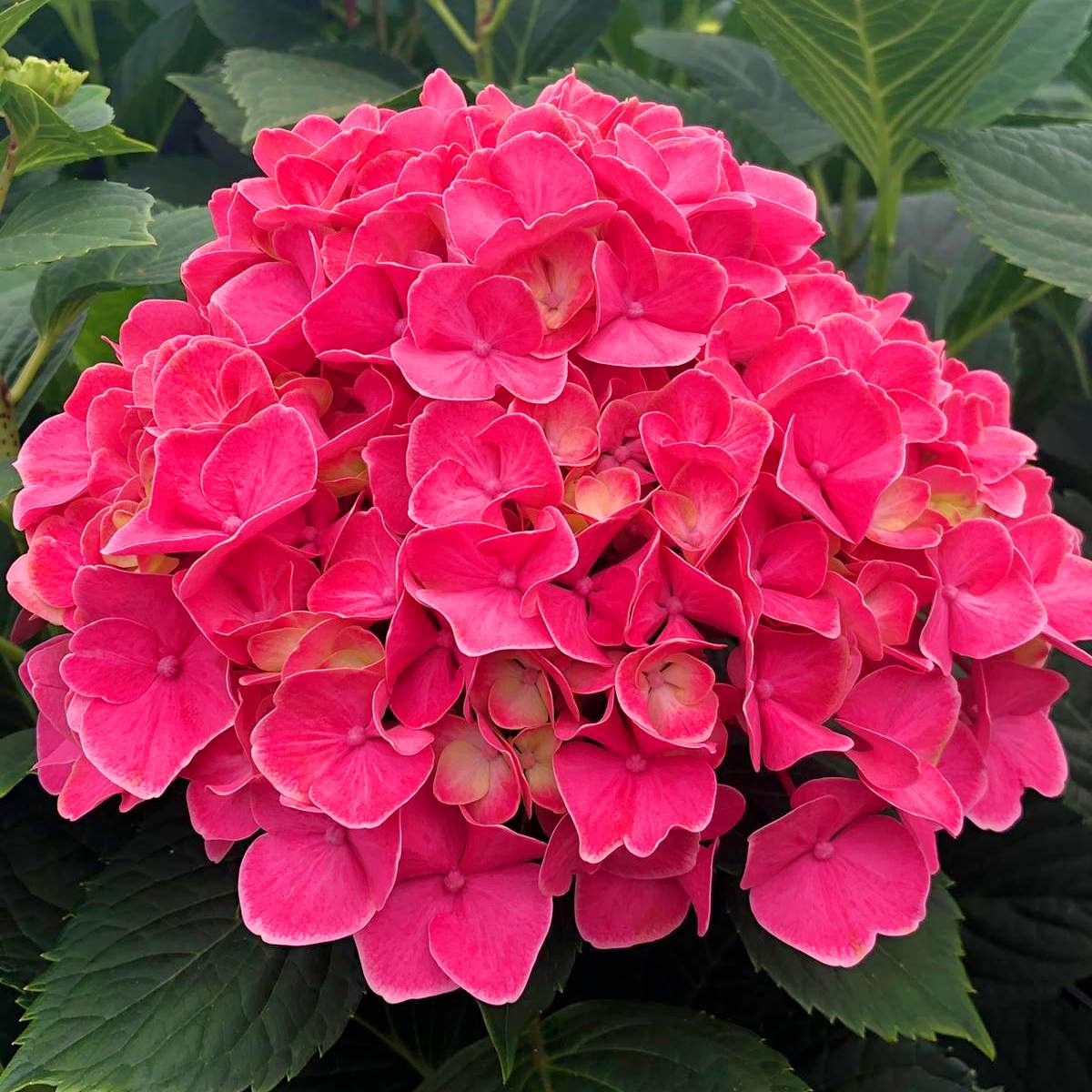
Pink is the romantic one. A pink Hydrangea stands for love, affection, and heartfelt emotion, from a first crush to a fiftieth anniversary. Soft pink reads as gentle and grateful, while a hot pink like the one above is closer to "I'm still crazy about you." It's also a popular Mother's Day pick, in a vase or as a potted plant.
White Hydrangeas: Purity, Grace, and New Beginnings
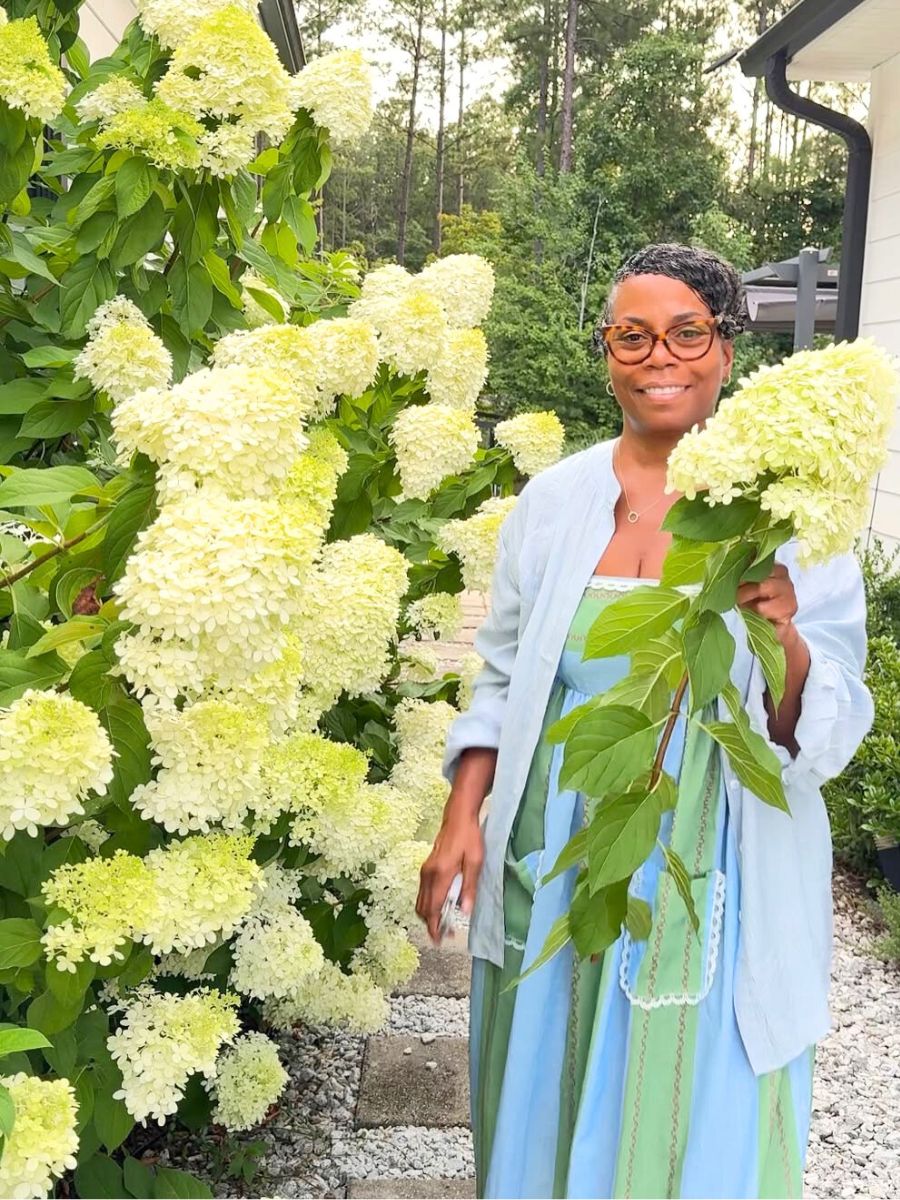
White Hydrangeas stand for purity, grace, and a fresh start, which is why you'll find so many in bridal work. They're also a quiet, dignified choice for sympathy flowers. And they're the most honest Hydrangea of the lot: a white one stays white whatever soil you plant it in. More white flowers and what they mean are in the guide to white flowers.
Purple Hydrangeas: Abundance and Deep Understanding

Purple sits between pink and blue, in the garden and in meaning. The purple Hydrangea meaning leans toward abundance, admiration, and deep understanding. Send purple Hydrangeas to a mentor, a parent, or anyone you'd like to thank in a slightly grander way. They also tend to be the ones that change most from year to year in a garden, for reasons you'll see below. Want it bold? Look at cut varieties like Hydrangea Rodeo Purple.
Green Hydrangeas: Renewal and Good Fortune

Green Hydrangeas carry the meaning of renewal, growth, and good fortune. They're a smart gift for a new job, a new home, or a recovery. Many flower heads turn green on their own as they age on the plant, which makes green the color of patience too. It's no accident that green Hydrangea varieties like Matcha have become a designer favorite.
Red and Burgundy Hydrangeas: Passion and Lasting Feeling

Red Hydrangeas say passion, deep love, and feelings that last. Most red and burgundy cut Hydrangeas are Classics: flowers left on the plant until their color has matured, as explained in deep red Classic Hydrangeas. That slow ripening suits the message. This is love that took its time. Hydrangea Rodeo Red is a red you can order by name.
Why Hydrangea Color Follows the Soil
Here's where the Hydrangea gets its reputation for changing its mind. In a garden, the flower color of a bigleaf Hydrangea (Hydrangea macrophylla) depends on the soil. Acidic soil, with a soil pH around 5.0 to 5.5, makes aluminum available to the plant and the flowers turn blue. In alkaline soil, at a soil pH of 6.0 and up, they stay pink, as Clemson Cooperative Extension explains. In between, you often get purple Hydrangeas. That's why the same plant can change color after a move: dig a pink one into acidic soil and next year's Hydrangea flowers may come out blue.
But soil can only shift a color the plant already has in it. Dutch grower Sjaak van Schie, who has grown Hydrangeas for more than twenty years and co-founded the breeding company HiBreeding, put it plainly on the Dutch podcast Goede Bloemen en Goede Planten (translated from Dutch):
"The color of a Hydrangea is simply determined by its genes, so you couldn't make a white one pink, and you couldn't really make a red one blue. The colors are what they are."
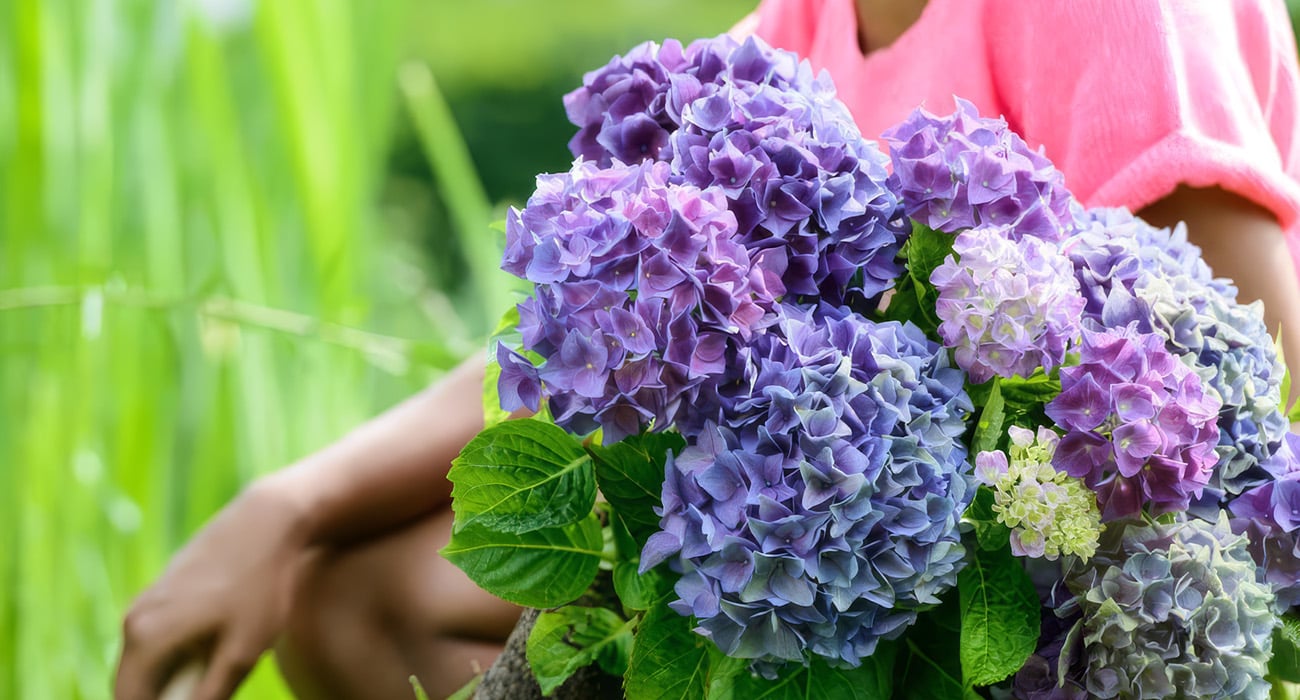
And those rusty nails your grandmother pushed into the pot to turn a Hydrangea blue? "That's a fable," Sjaak says. On sandy soil, which is naturally acidic, a pink Hydrangea may turn blue over the years anyway. On clay, it goes back to pink. So if a Hydrangea you were given changes color in your garden, don't take it personally. The message stays the same. The soil just has an opinion.
For cut Hydrangeas, the grower makes that call. At Dutch grower Pico Bello Hortensia, each Hydrangea color gets its own tailored nutrient solution, and once a stem is cut, its color is fixed. The flower in your vase keeps the color it had at harvest. The full story is in Fresh vs Classic Hydrangeas, and the pigment side in why some flowers change colors.
Hydrangea Meaning in Japan: The Rainy Season Flower
The bigleaf Hydrangea is native to Japan, where it's called ajisai. Not all Hydrangeas come from there: Hydrangea arborescens and the oakleaf Hydrangea quercifolia are North American natives. But the meaning most florists use was shaped in Japanese culture. It blooms in June and July, during tsuyu, the rainy season, and in Japanese tradition it's the symbol of that season. Kamakura's Meigetsuin temple, the forerunner of Japan's "Hydrangea temples," has nearly 2,500 blue Hydrangea serrata, as Nippon.com describes. Picture it: blue flowers, gray sky, and the sound of rain on temple roofs.
The Japanese meaning isn't all gentle, though. Hydrangeas are associated with fickleness and coldness, probably because the color of the flower changes, notes a gallery of the National Museum of Japanese History. A flower that changes color, a heart that changes its mind. You can see the logic.
There's a love story too. The German doctor Philipp Franz von Siebold, who worked for the Dutch at Nagasaki, brought this Hydrangea to Europe and sold it from his nursery near Leiden as Hydrangea macrophylla Otaksa. He named it after his Japanese love, Kusumoto Taki, whom he called Otaki-san, according to the Dutch botanic gardens. A changeable flower named after someone he never forgot. That's Hydrangea symbolism in one sentence.
The Victorian Meaning: Why Hydrangeas Were Called Boasters
In Victorian times, England had a dictionary for everything, flowers included, and the Hydrangea came out of it badly: a symbol of vanity and boastfulness. In Kate Greenaway's Language of Flowers of 1884, the Hydrangea entry reads: "A boaster. Heartlessness." Ouch.
The usual explanation is botanical. The large flowerheads on a mophead Hydrangea, those big pom poms, are mostly sterile flowers, and on a lacecap Hydrangea they only form a ring around the tiny fertile flowers in the middle. They're all show and very few seeds, a lot of noise for very little substance. To a Victorian, that was a boaster. Today hardly anyone reads a Hydrangea that way, and you won't get a raised eyebrow giving one. But if your recipient collects antique flower books, a white or blue Hydrangea is the safer bet.
From Grower to Vase: Hydrangeas in the Cut Flower Trade
Hydrangeas used to be a garden and pot plant first. Today they're one of the most wanted cut flowers in the world, and Sjaak sees demand rising in the United States, China, and India. A lot of what you buy in a bouquet is grown in the Netherlands, in greenhouses and fields around Aalsmeer and the Westland.
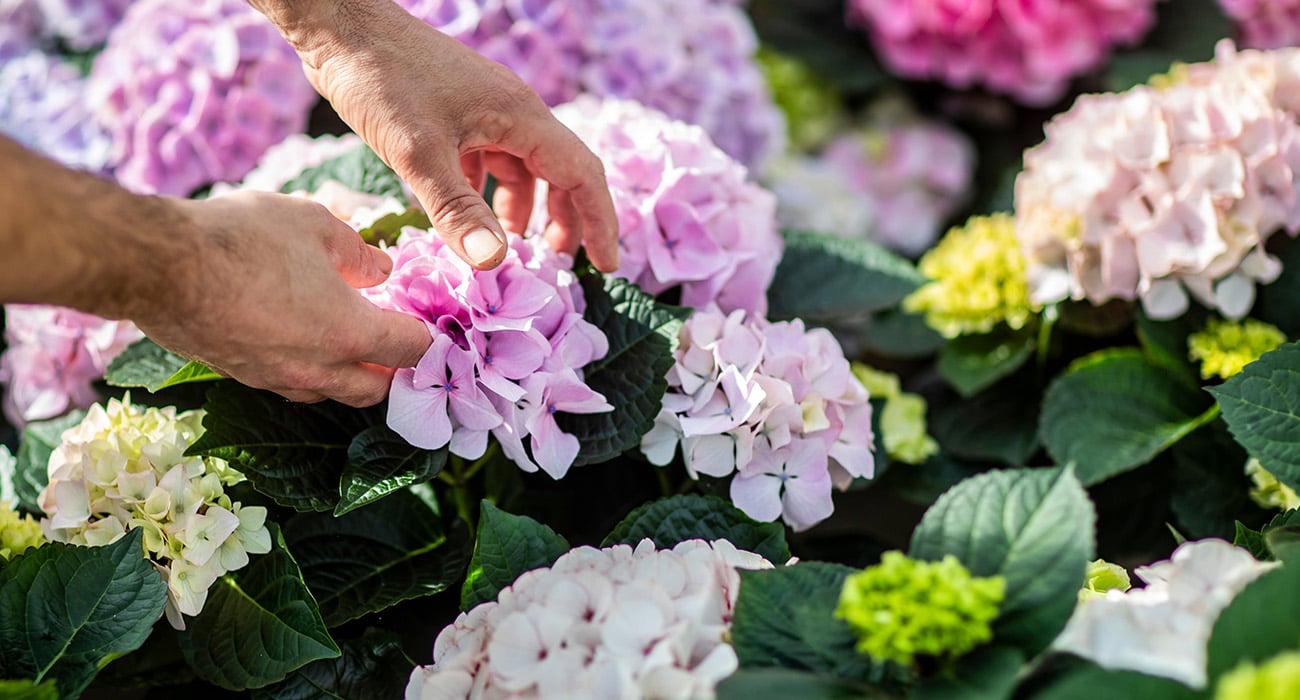
The growers behind those stems are specialists. Pico Bello Hortensia in Bleiswijk grows more than 35 varieties of cut Hydrangea on 10 hectares (about 25 acres). Kwekerij Pieter Kolk in Aalsmeer works with the motto "The chameleon Hydrangea is our challenge," which might be the best summary of this flower ever written. Breeders like Ko Kolk Hortensia and HiBreeding work years ahead: at HiBreeding, thousands of seedlings are judged every year, and a new variety can take around eight years to reach the market.
For florists, the season is longer than most people think. Fresh Hydrangeas, with clear colors, run from early spring to late autumn, while Classics, with their deeper, antique colors, run from summer well into winter. The practical guide to European-grown cut Hydrangeas has the month-by-month calendar, and why Hydrangeas are popular in floral design shows what designers do with them.
When to Give a Hydrangea, and Which Color to Choose
So which one do you pick? Let the moment decide.
- To say thank you: blue, for gratitude that comes from the heart.
- Love and anniversaries: pink, or a deep red Classic for a love that's grown over the years.
- Weddings: white, often mixed with soft green or blush pink.
- Sympathy: white or pale blue says respect without any fuss.
- A new home or a new start: a green Hydrangea wishes them luck.
- To admire someone: purple, for a thank you with a little extra ceremony.
Want to mix it with other flowers that tell the same story? The guide to flower meanings from A to Z helps you build the whole bouquet.
A Hydrangea Says Thank You in Full Volume
A rose can be subtle. A Hydrangea can't. It arrives as one big head of flowers that fills a vase, and that's exactly what it means: heartfelt emotion, and more than enough of it. Pick the color for your message, and remember who chose it. In a garden it's the soil. In a bouquet, it's a grower who decided the moment to cut. Not bad for a flower the Victorians called a show-off.
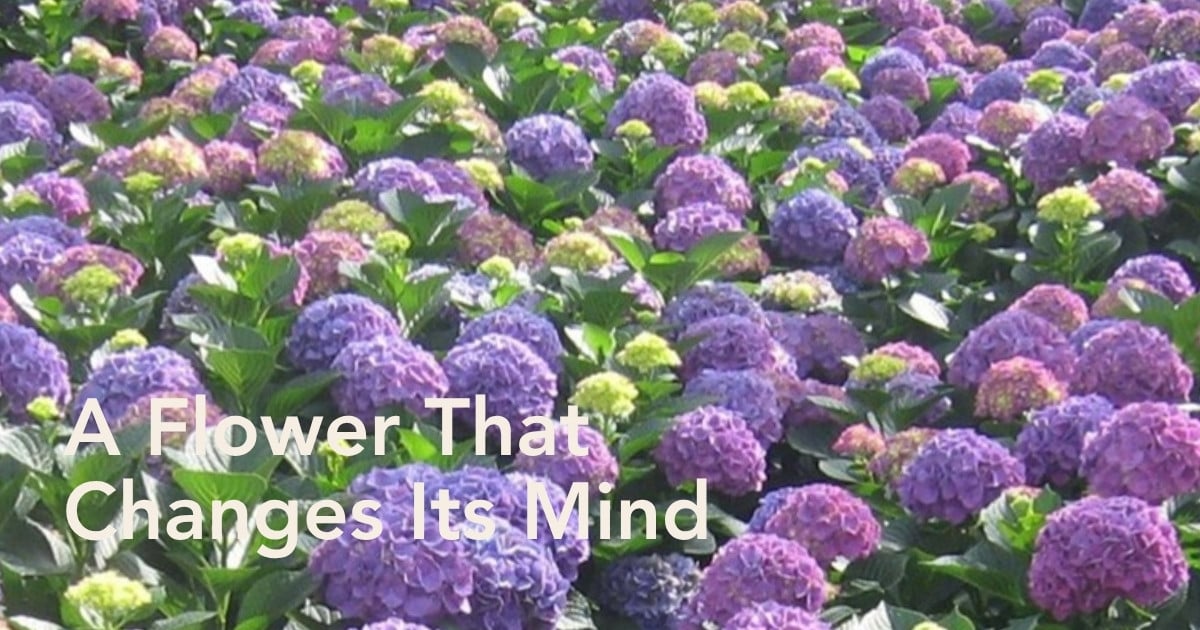
Featured image: hot pink cut Hydrangea grown by Kwekerij Pieter Kolk. Photo courtesy of Kwekerij Pieter Kolk. Header image: a field of blue and purple Hydrangeas at Ko Kolk Hortensia. Photo courtesy of Ko Kolk Hortensia.