In spring, a cut Hydrangea is a cloud of clear pink, blue, white, or green. By autumn, the same flower can be antique red, burgundy, or purple with a green blush. These are not two different crops. Fresh and Classic Hydrangeas come from the same plant. The difference lies in time: how long the flower stays on the plant before the grower cuts it. Understanding that rhythm helps florists buy the right stems at the right moment and get the most out of both.
What Is a Fresh Hydrangea?
"Fresh" is the trade name for Hydrangeas (also commonly known as "hortensias") that are cut before their natural color change begins. According to Hydrangea World, the promotion platform of the Hydrangea suppliers of Royal FloraHolland, "fresh" refers to vibrant colors such as white, green, pink, blue, and purple.
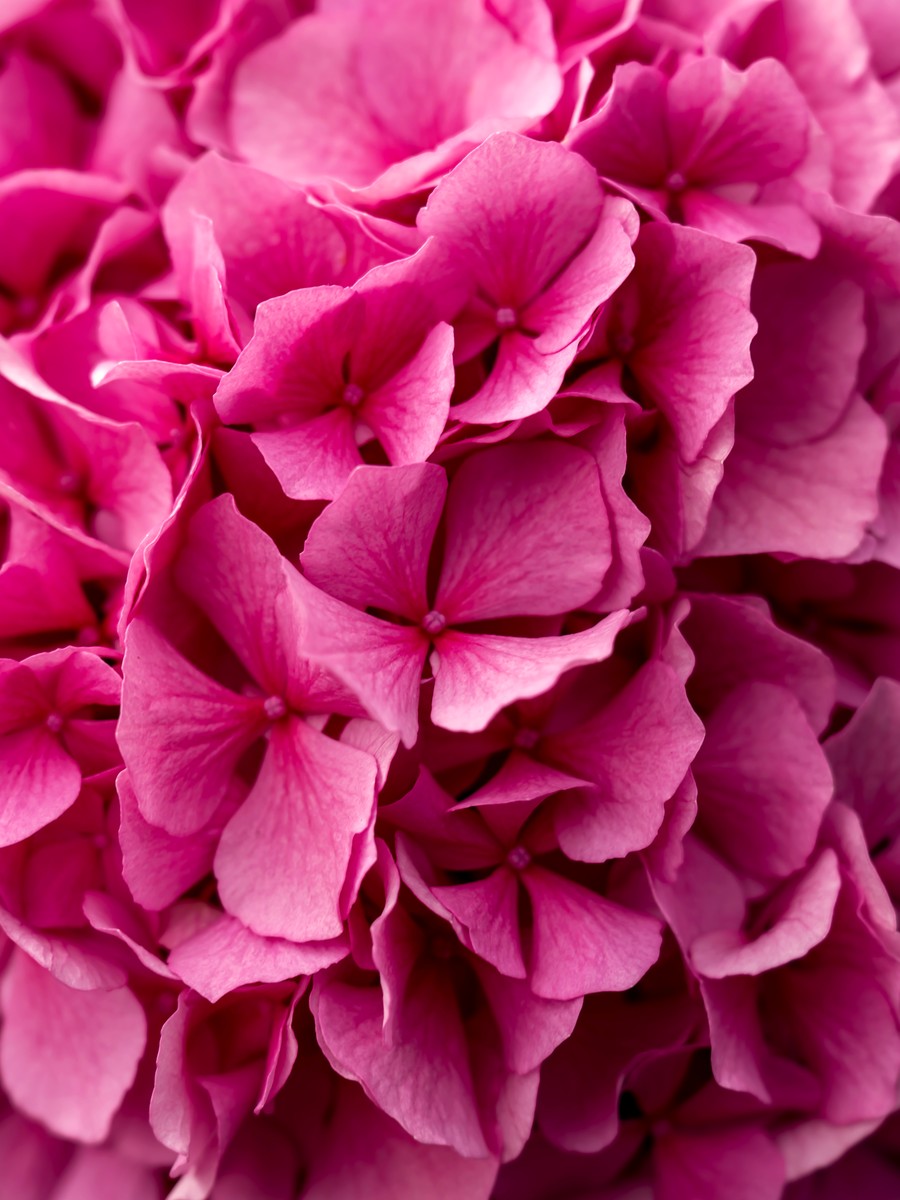
Fresh flowers are mostly uniform in color and are harvested when fully open, as Chrysal explained in a Thursd article on Hydrangea care. Their clean, light tones make them a favorite for wedding Hydrangeas, romantic bouquets, and spring and summer designs. Hydrangea World lists Fresh cut Hydrangeas as available from April to November, with the greatest supply from May to October.
What Is a Classic Hydrangea?
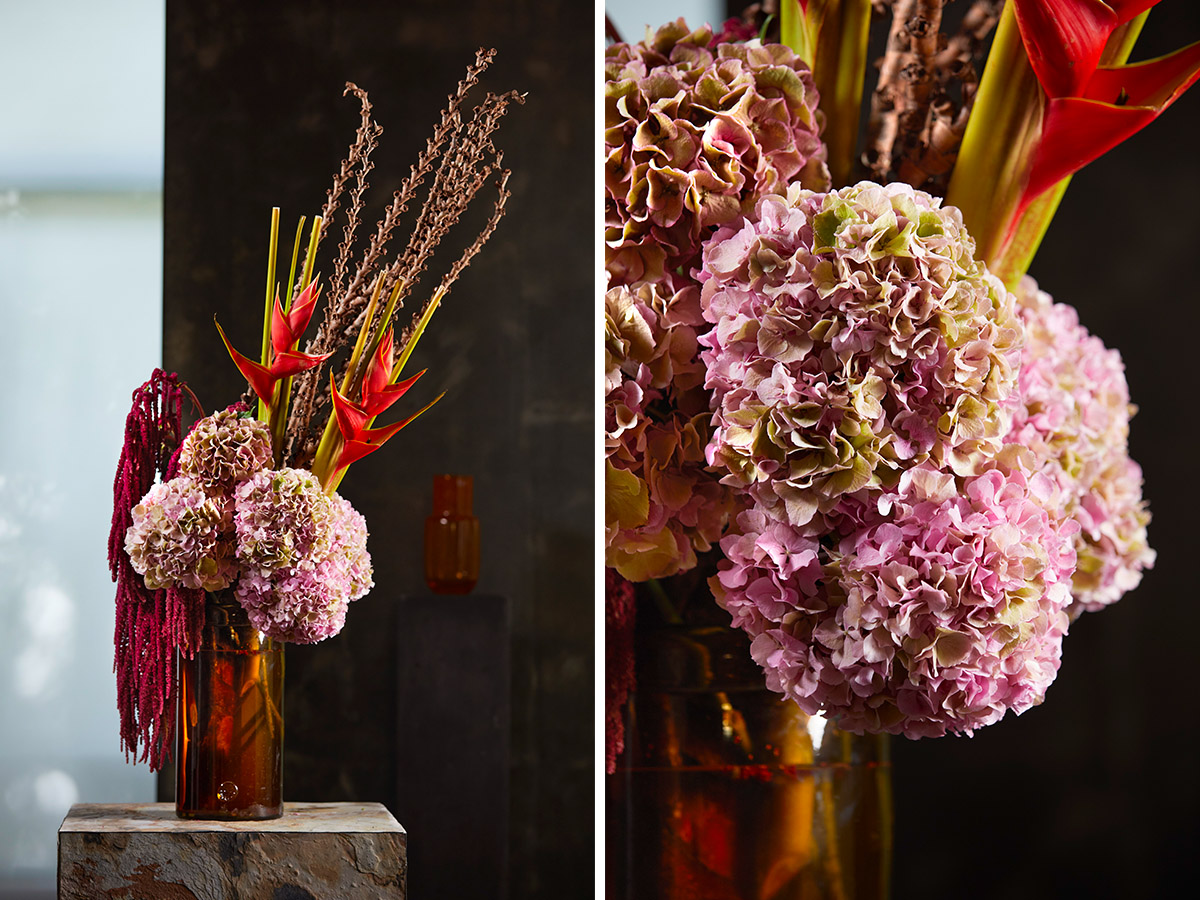
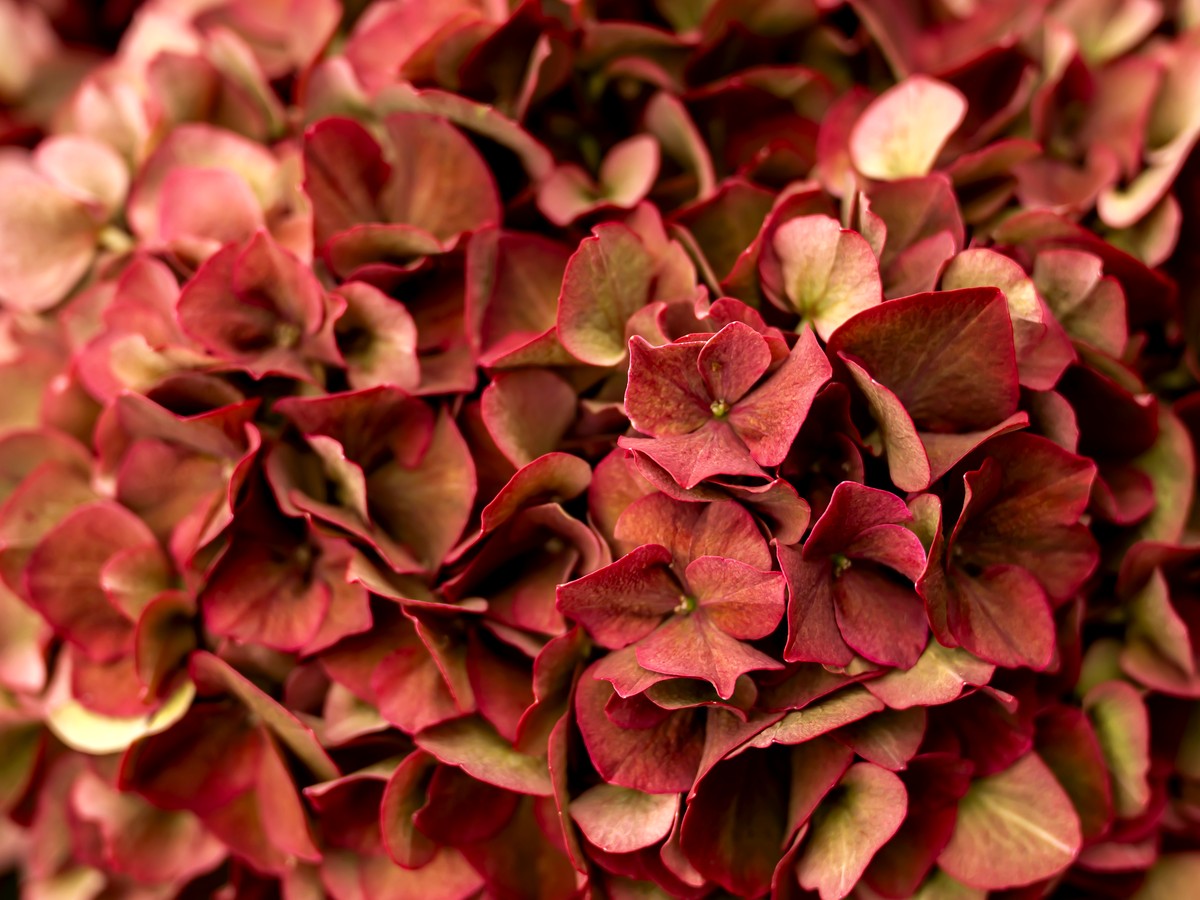
Leave a hortensia on the plant, and it keeps developing. "When the Hydrangea has matured in color, we call it 'Classic,'" Hydrangea World explains. The original color slowly blends with other tones, and according to Hydrangea World, many flowers end in autumnal red once the change is complete.
Along the way, the flower passes through countless intermediate tones: pink with green, blue with purple, green with red edges. The texture changes too. The flowers become firmer and drier to the touch, almost papery. Hydrangea World lists Classic Hydrangeas as available from June to December, with the largest supply in October and November.

Why Does a Hydrangea Change Color on the Plant?
The colorful parts of a Hydrangea flower head aren't really petals, but sepals. The shift from Fresh to Classic is a natural ripening process: the flower simply matures on the plant, and its colors evolve as it does. "Unique to Hydrangeas are the evolving colors of the flowers," says Hydrangea World. "During bloom, the flowers change colors. Their original color mixes with green tints in various tones."
As Thursd explained in why some flowers change colors, flower color comes down to pigments. Anthocyanins produce reds, purples, and blues, while chlorophyll gives flowers and leaves green hues. As a Hydrangea ripens, the balance between these pigments shifts. Green tones often become more pronounced, although that does not automatically mean that every cultivar builds up more chlorophyll.
Nor does every Hydrangea ripen in the same way. Some develop deeper colors, while others fade or turn green, reddish, or purplish. That variety is exactly what gives the Classics their antique, many-toned look.
The environment also influences how that ripening unfolds. Hydrangea pigments react to temperature, light, and stress, so the same variety can look different from one season to the next, or from one grower to the next.
Why the Moment of Cutting Decides Everything
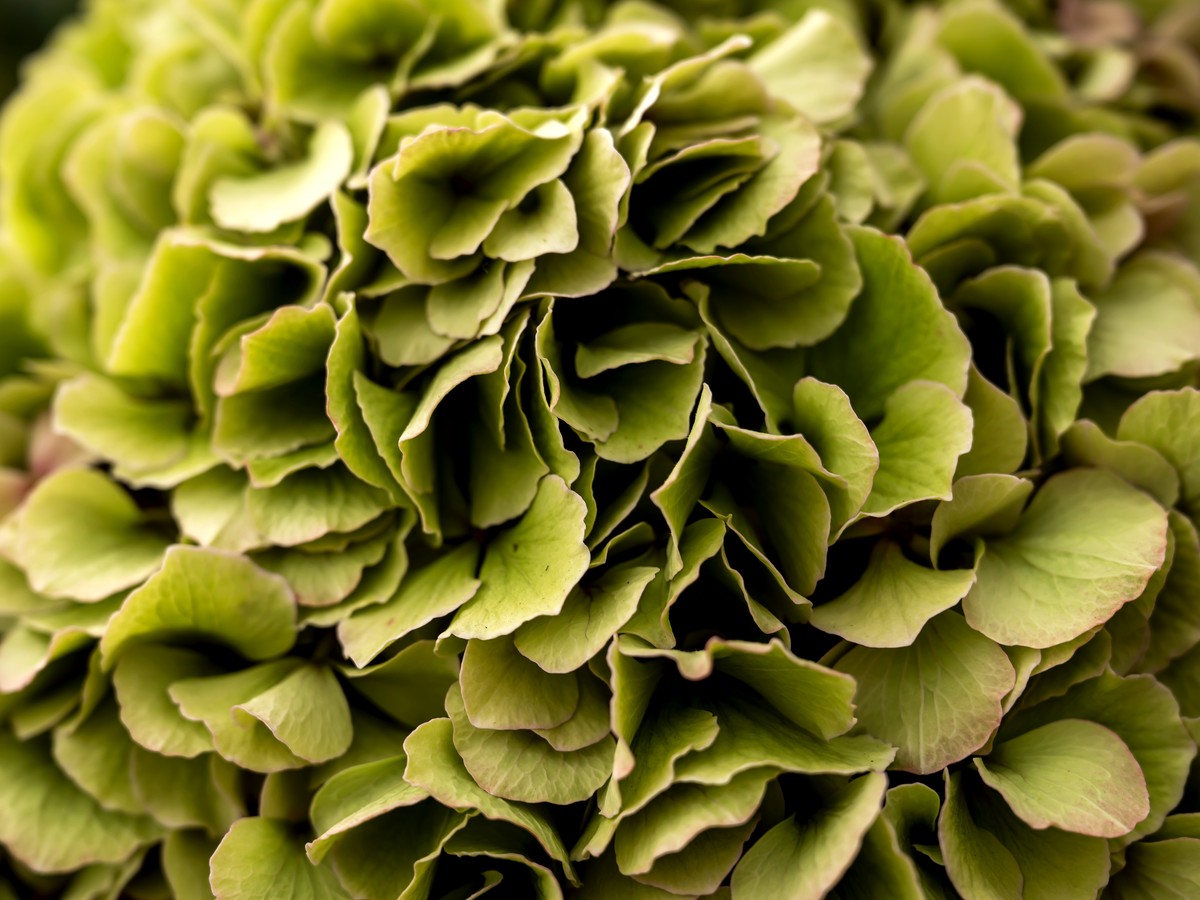
Here lies the real key to Fresh and Classic. "Cutting the stems stops the color-changing process," says Hydrangea World. "The grower decides the color at the moment he cuts the flowers." The 2025–2026 cut Hydrangea catalog confirms that cut Hydrangeas keep the color they had at harvest. What a florist buys is what a customer takes home.
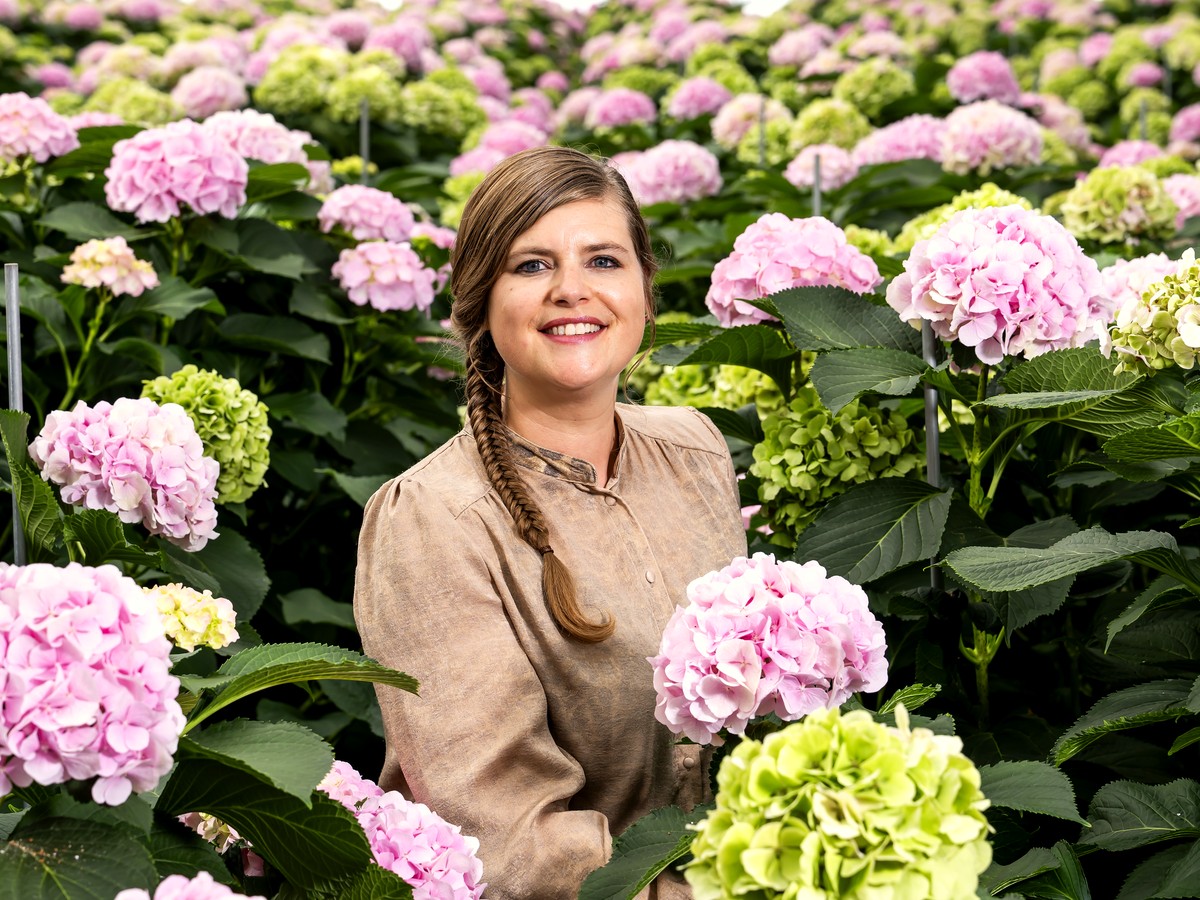
That is also why the two stages are traded as separate products, each with its own trade name and auction code. In the catalog, Hydrangea Magical Revolution is listed as a Fresh pink-green flower under VBN code 110054, while Hydrangea Magical Revolution Classic, in green-red, has code 108053. In a short reel for Hydrangea World, floral designer Hanneke Frankema sums it up in the greenhouse: "One plant, many different colors."
In less than 1 minute, Hanneke Frankema explains what's similar and different between Classic and Fresh Hydrangeas. Video by Nico Alsemgeest for Hydrangea World.
How to Choose Between Fresh and Classic Hydrangeas
Both stages have their strengths. Fresh Hydrangeas offer clear colors and a light, open look, but they need plenty of water. Hydrangea World recommends keeping them in fresh, cold water with cut flower food.
Classic Hydrangeas are the sturdier choice. Hydrangea World says the further the color change has progressed, the more durable the flower is, and a firm, fully color-changed flower can last up to three weeks in a vase. Classics are also the preferred choice for floral foam, and you can dry them for months of extra decorative value. Once they stop taking up water, remove the leaves, empty the vase, and let them dry in the arrangement.
When buying, the catalog advises checking stem length, ripeness, and flower diameter, whether a lot is Fresh or color-changed, and whether stems are firm and straight and free of Botrytis. Because light, nutrients, and crop age influence color and size, the same cultivar can look different per grower, so ask for a current photo.
Can You Let Classic Hydrangeas Dry in the Vase?
Yes. Because their color change has already made the flowers firmer, Classic Hydrangeas dry beautifully right where they stand. Left in the vase, they turn into dried flowers that keep their shape and much of their antique color. Hydrangea World describes the method: once the flowers stop taking up water and the leaves start to look limp, remove the leaves, empty the vase, and leave the flowers in the arrangement without water. Thursd's guide on how to dry Classic Hydrangeas shows more ways to preserve them.
Florists can plan for this from the start. The catalog suggests making arrangements in September that are meant to dry, for example Classic Hydrangeas with Sedum and Japanese anemone, without giving them any water at all. Hydrangea World's design file Everlasting Charm takes the same approach, combining Classic Hydrangeas with flowers and grasses that dry well, so one bouquet lasts first fresh, then dried.

More Uses for Hydrangeas Means More Inspo for You
As the Hydrangea changes throughout the season and offers interesting options to work with, it becomes clear that this flower is more versatile than meets the eye. Use this to your advantage!
For the darkest end of the Classic palette, read about deep red Classic Hydrangeas. For a season-by-season overview, see the Thursd guide to European-grown cut Hydrangeas. And for design inspiration with both stages, Hydrangea World's Iconic inspiration magazine Master Florists and the care tips on hydrangeaworld.com are good places to start.
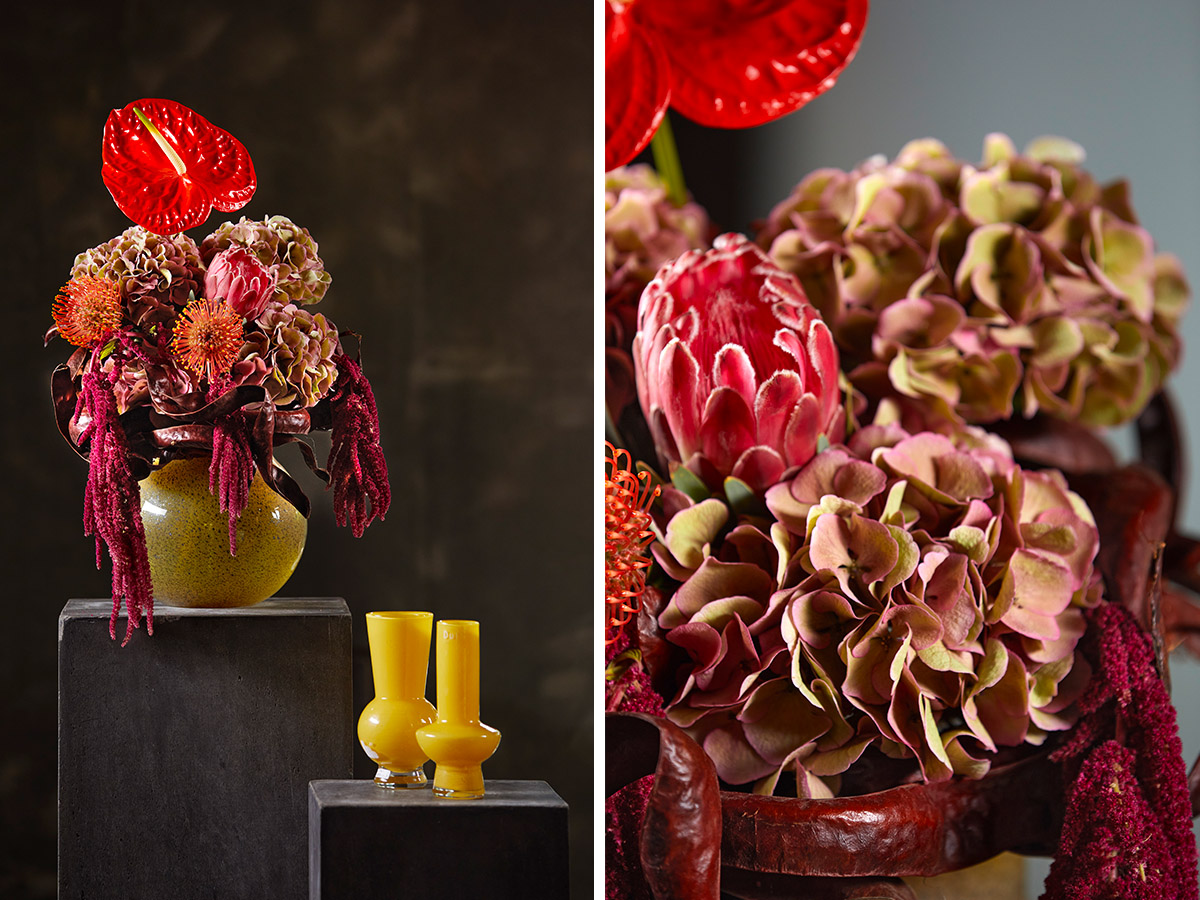
One plant, one flower, two moments. For florists, knowing which moment they are buying is what turns a Hydrangea from a seasonal guess into a deliberate choice.
Header and featured image: Classic Hydrangea in transition from pink to green. Photo by Nico Alsemgeest for Hydrangea World.