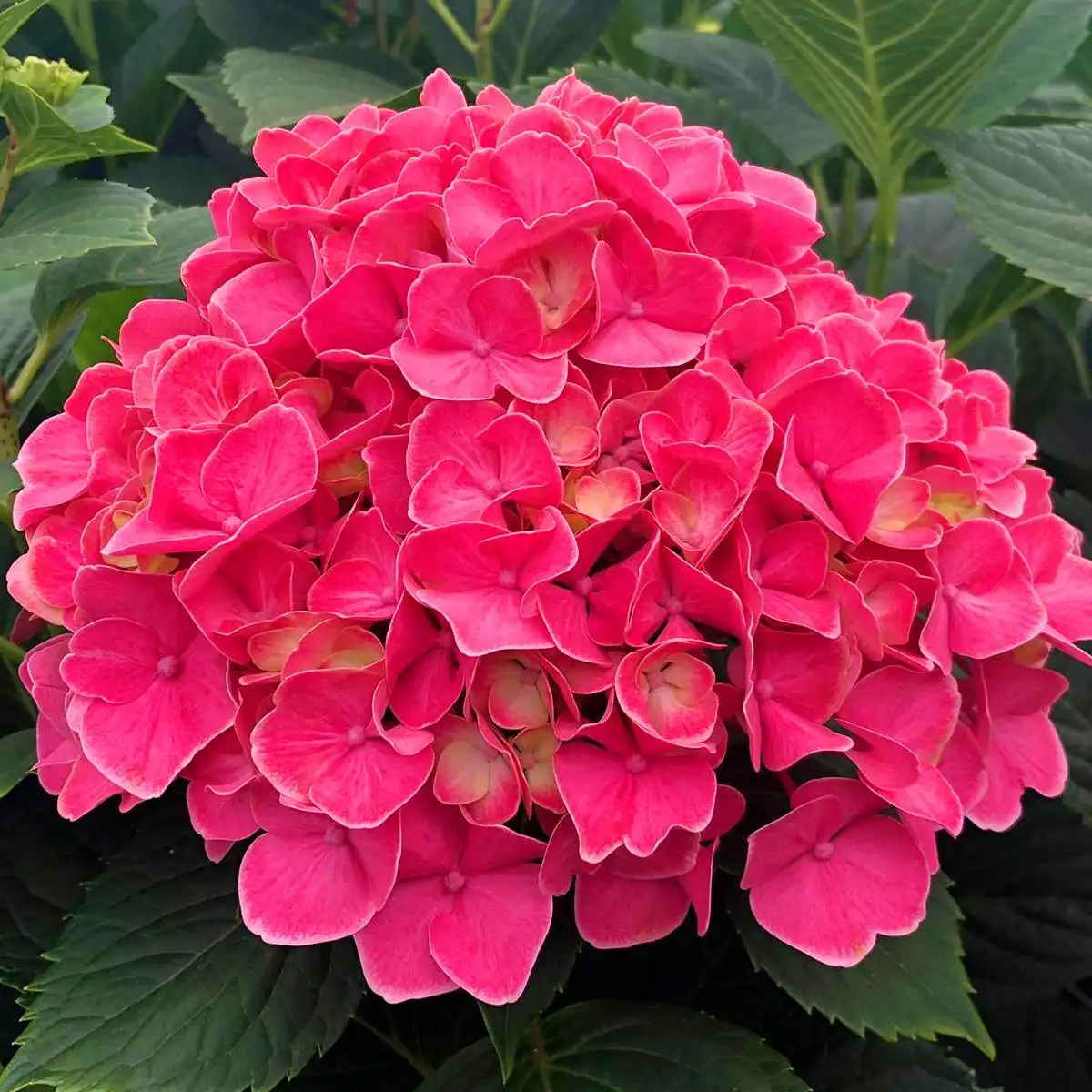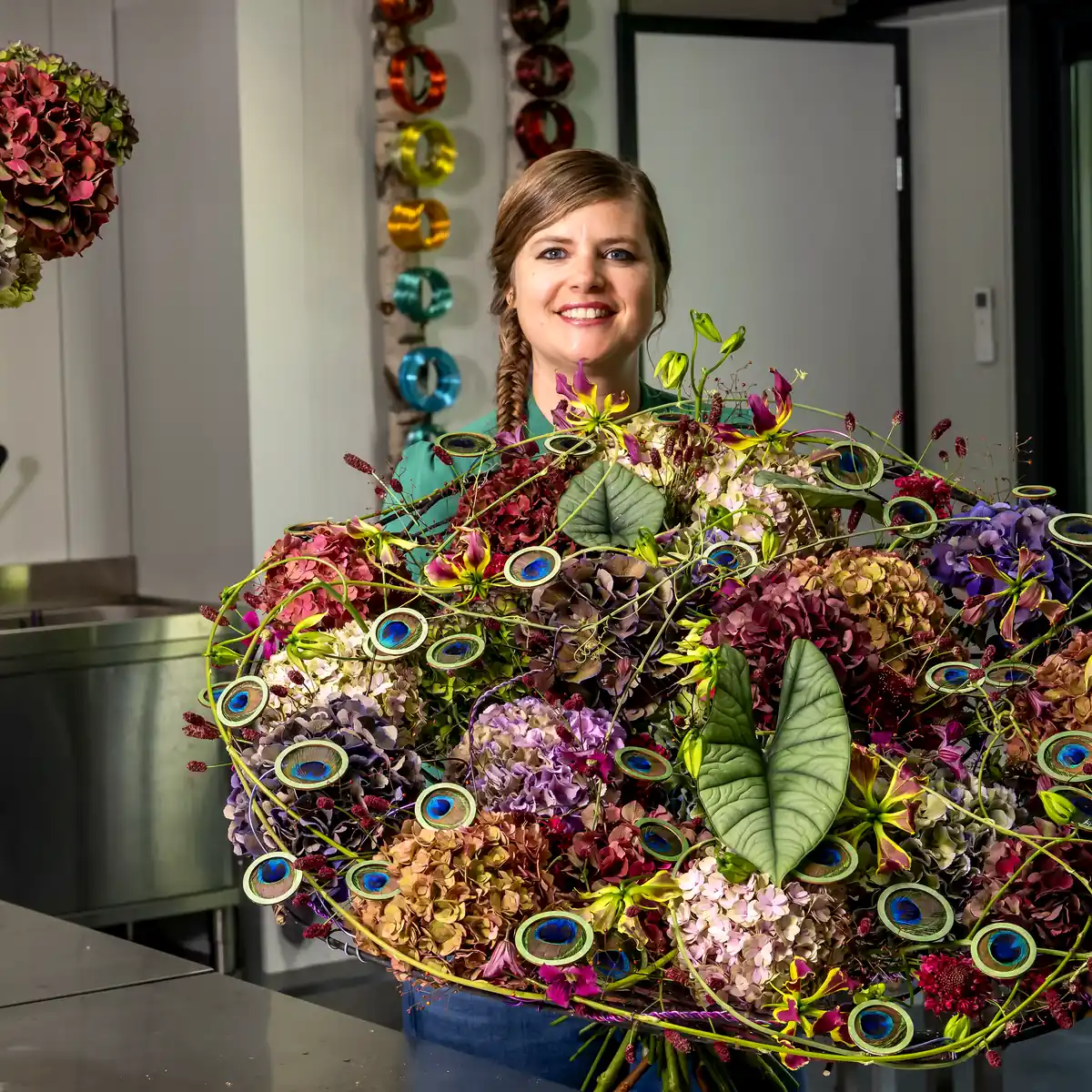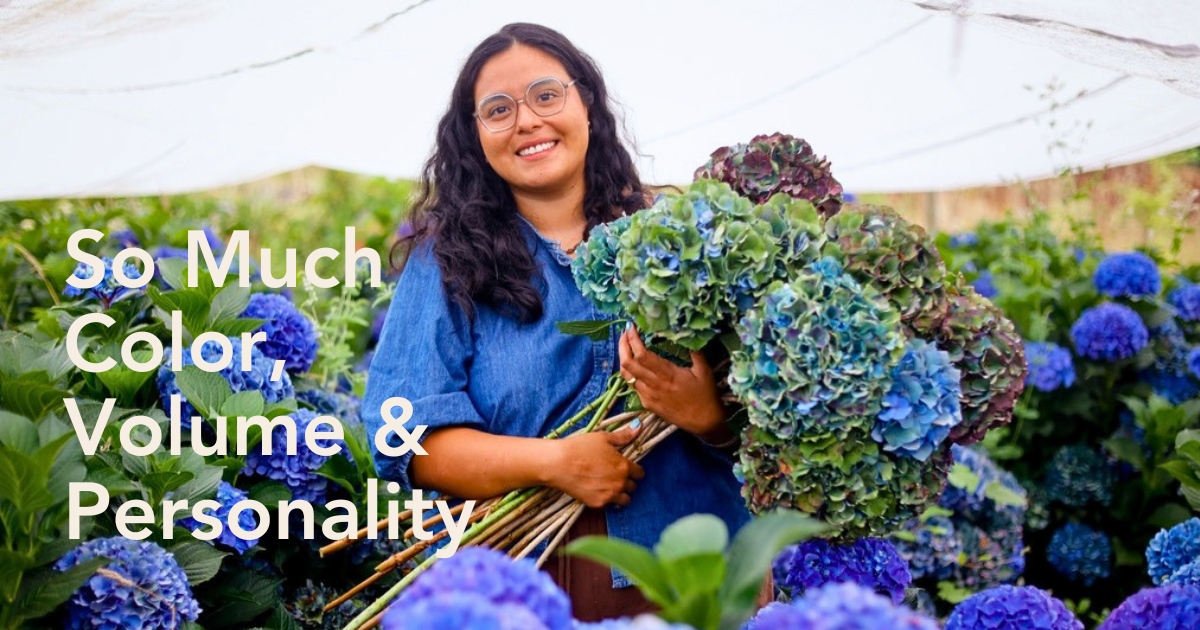
A cloud of soft color, holding big, round pom-poms of pastel petals that easily attract more than just attention; this is the Hydrangea, a grand flower presenting itself in a tight cluster of tiny, star-shaped blossoms that work together to create a rich, dreamy sphere. Florists love this flower and often reach for it again and again, and it’s not hard to see why.
But then again, it is not just out of habit that these florists often seek out the Hydrangea, but also because only a few flowers on one stem give so much color, volume, and personality. There are, however, more reasons why hortensias are popular in floral design. So here’s what makes it such a reliable favorite, along with a bit of history behind its rise to floral fame.
This Flower’s Story Is Set in Asia and Popularized in the West
Hydrangeas are native to eastern Asia, particularly Japan, China, and Korea, where they have grown wild for years before even making their way into cultivated gardens elsewhere. In Japan, the flower holds a longstanding place in the June rainy season, known as tsuyu, when the flowers reach their peak alongside the seasonal rains. Many Japanese temple gardens still plant them specifically for this yearly display.
Japanese folklore also links the Hydrangea to apology and gratitude, and it remains common in the country to give Hydrangeas as a way of expressing heartfelt thanks. European botanists began documenting Hydrangeas in the eighteenth century, yet their introduction to the West has an interesting footnote involving French naturalist Philibert Commerson, who is credited with naming a variety of Hydrangea after Hortense, a noblewoman in his traveling party.
Some botanical historians, however, argue that the name Hortense may, in point of fact, honor Princess Hortense de Beauharnais, stepdaughter of Napoleon Bonaparte. Either way, the name Hortensia stuck in French and remains the common word for Hydrangea in French, Dutch, and several other European languages today.
By the Victorian era, Hydrangeas had become a fixture in English gardens and, through the era's fascination with the language of flowers, picked up a somewhat mixed symbolic reputation. Some Victorian flower dictionaries associated it with heartfelt emotion and gratitude, echoing their meaning in Japan.
Others assigned them a meaning closer to boastfulness or vanity, likely a reference to the flower's showy size and the fact that a Hydrangea shrub produces many blossoms. But modern floral tradition has largely moved past the negative connotations, and today Hydrangeas are more commonly associated with gratitude, abundance, and heartfelt connection.
This Flower Does the Work of Many More Flowers
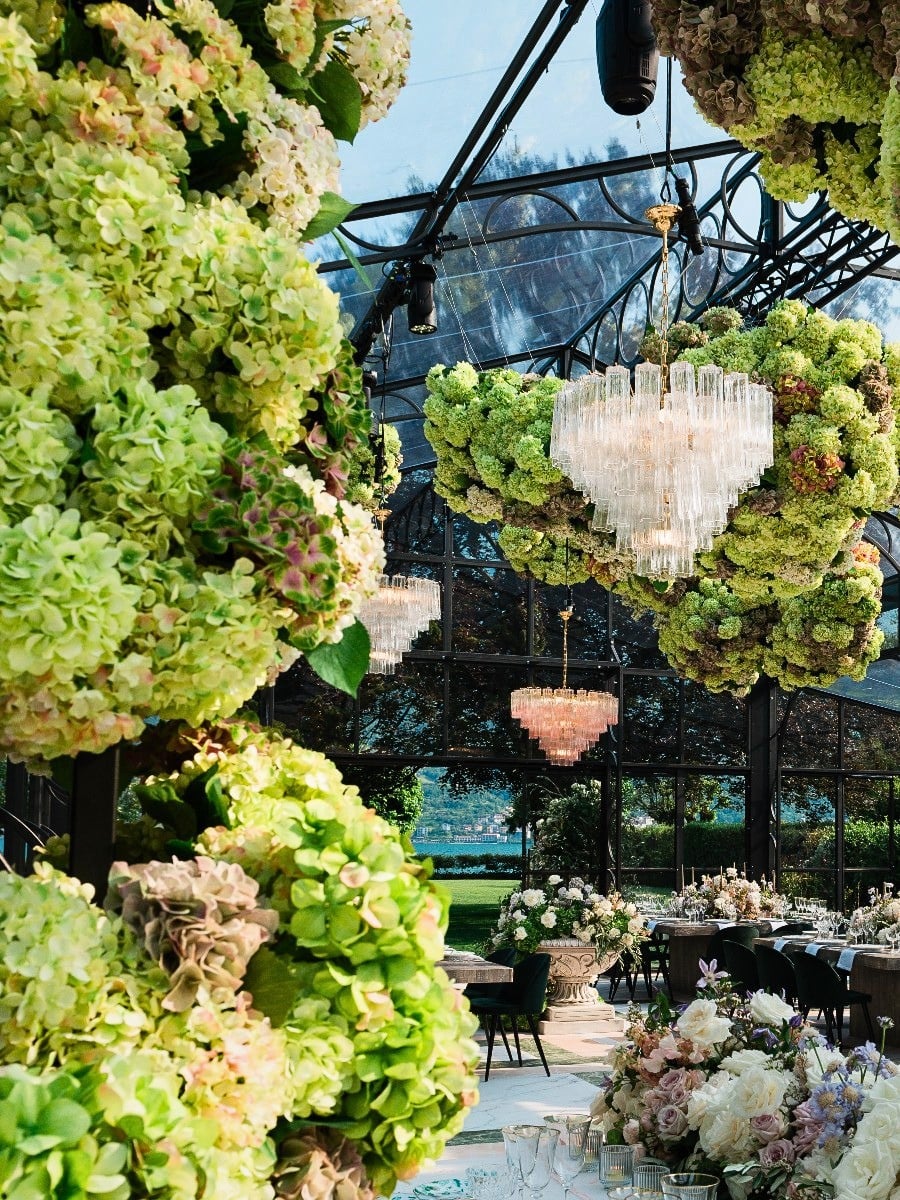
In floral design, one of the simplest reasons florists lean on Hydrangeas so heavily is their sheer volume. A Hydrangea head is made up of dozens of small individual flowers, called florets, in a corymb clustered tightly together into one full, rounded shape. This means a florist can achieve a lush, generous look in an arrangement using fewer flowers than would be needed with smaller flowers like roses or Ranunculus.
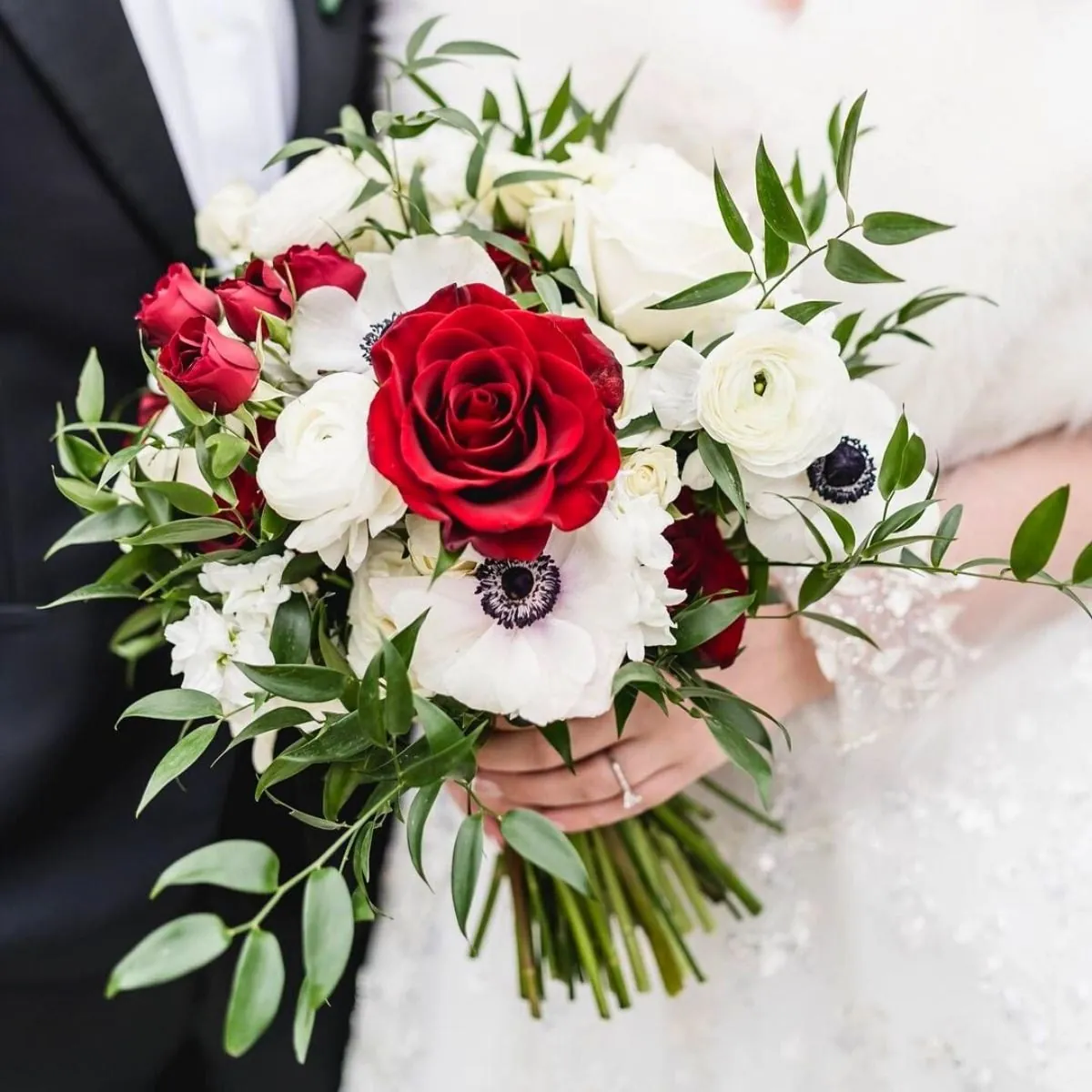
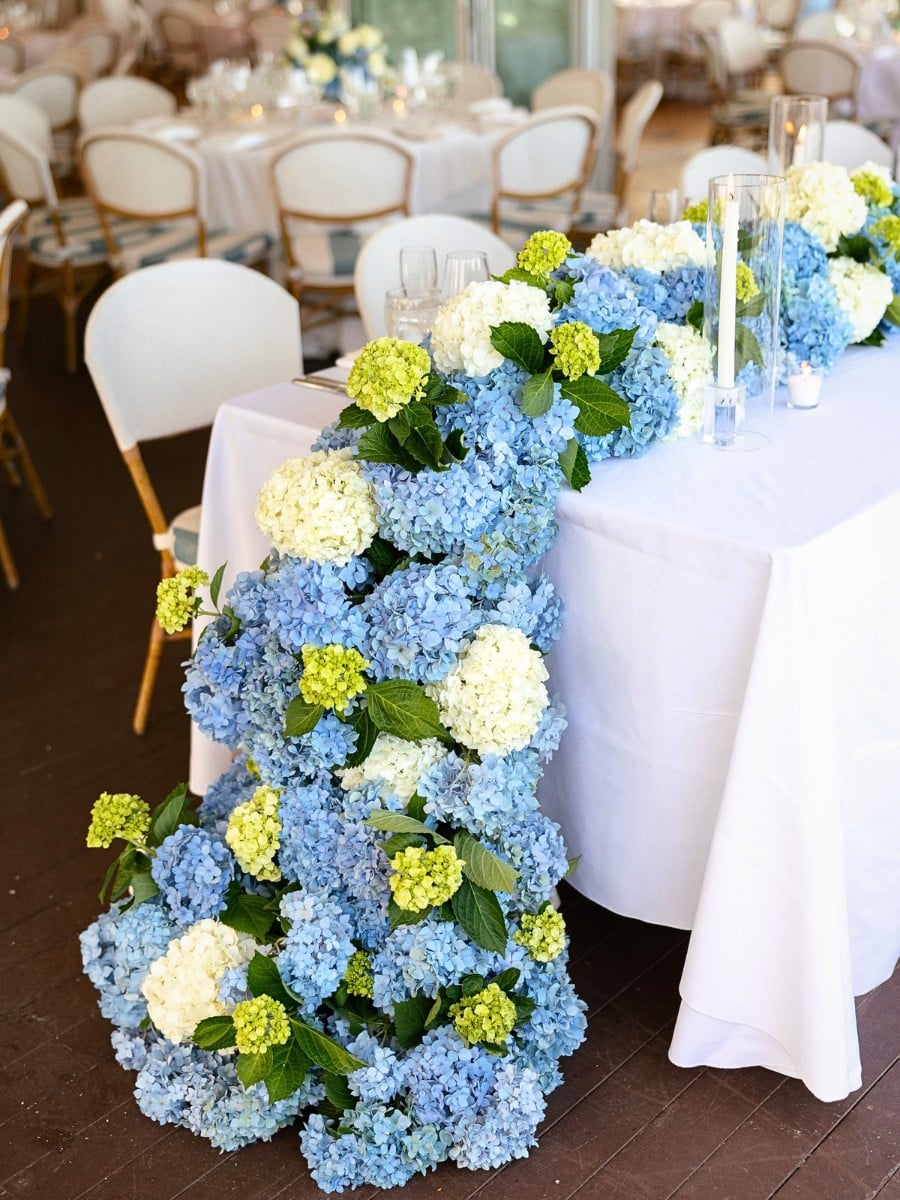
For wedding bouquets and centerpieces especially, where a full appearance is required and time is often limited, Hydrangeas provide a shortcut to abundance, yet they do not sacrifice polish. This fullness also makes the Hydrangea useful as a base layer in mixed arrangements.
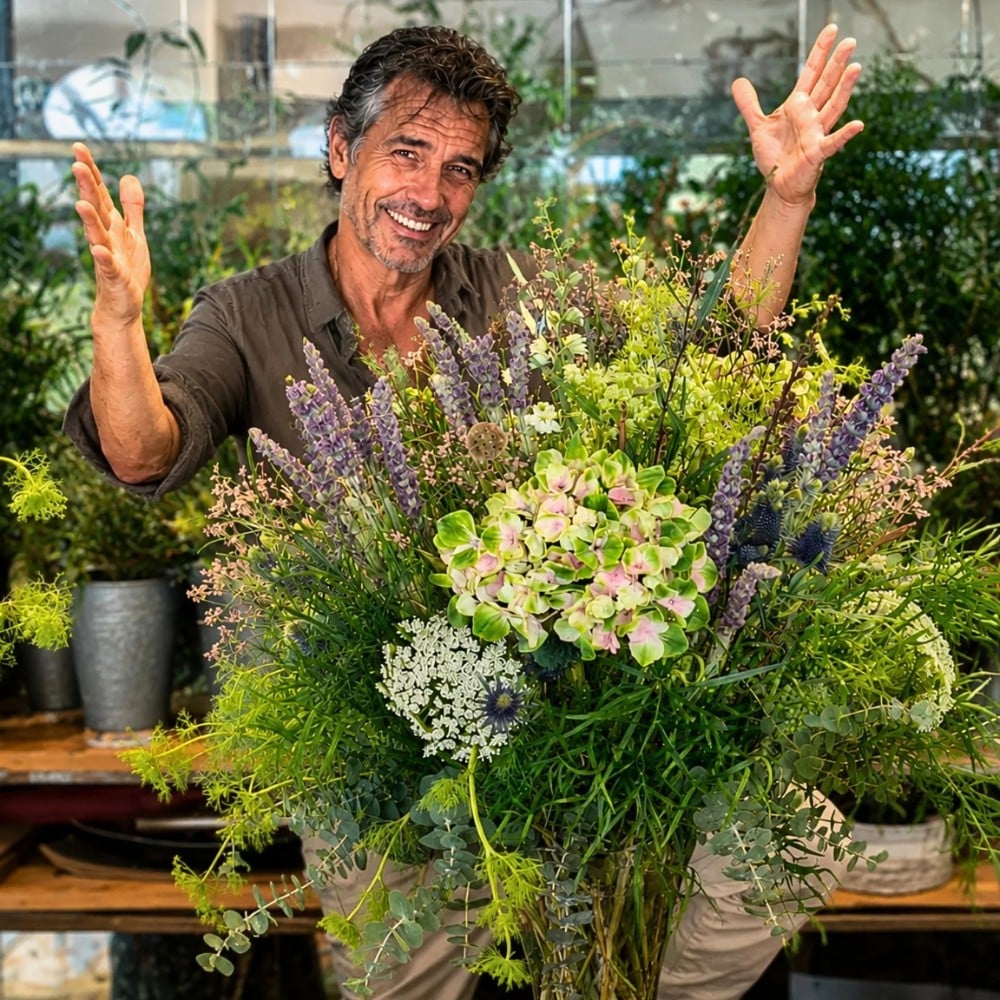
Designers often tuck a Hydrangea head or two into the lower portion of a bouquet to create a soft foundation, and then build other flowers like garden roses, peonies, or Dahlias on top. Here, the Hydrangea does the structural work while the showier flowers take the visual lead, which is part of why so many arrangements that look natural rely on a Hydrangea working behind the scenes.
Its Color-Changing Quality Is a Plus
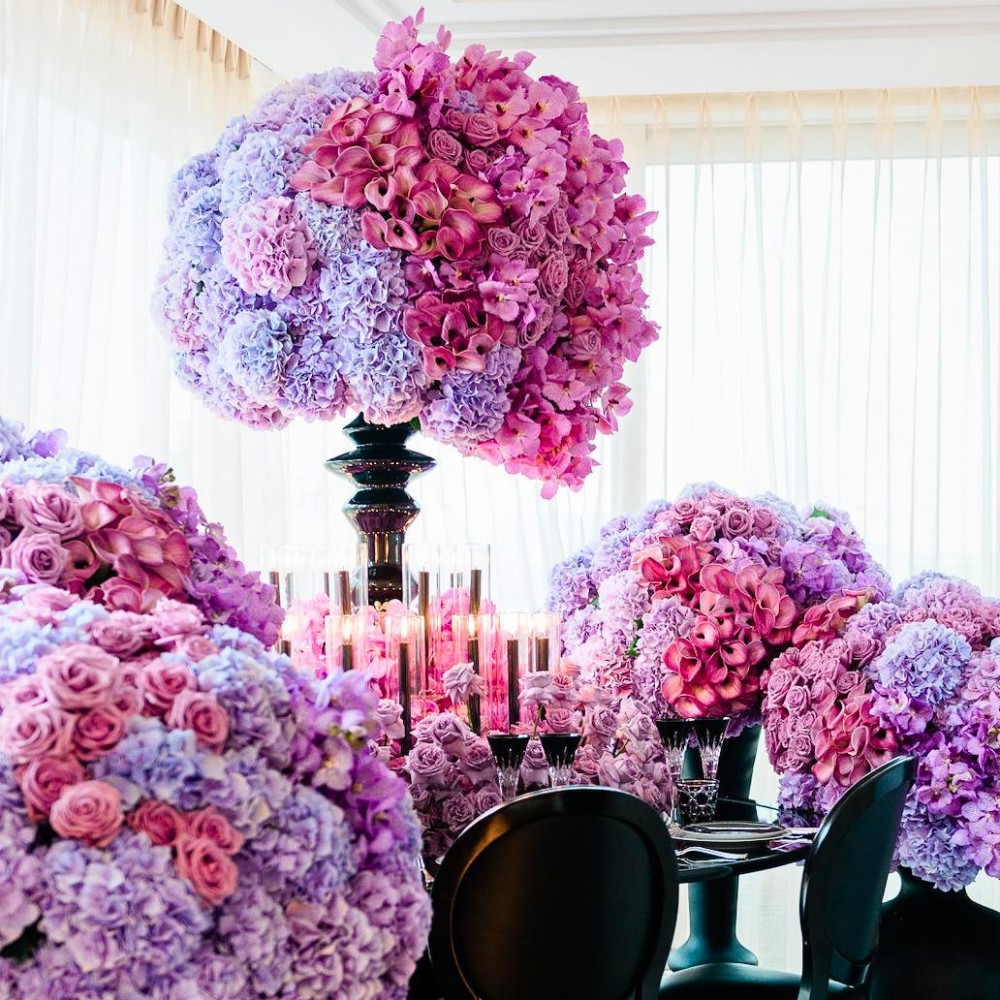
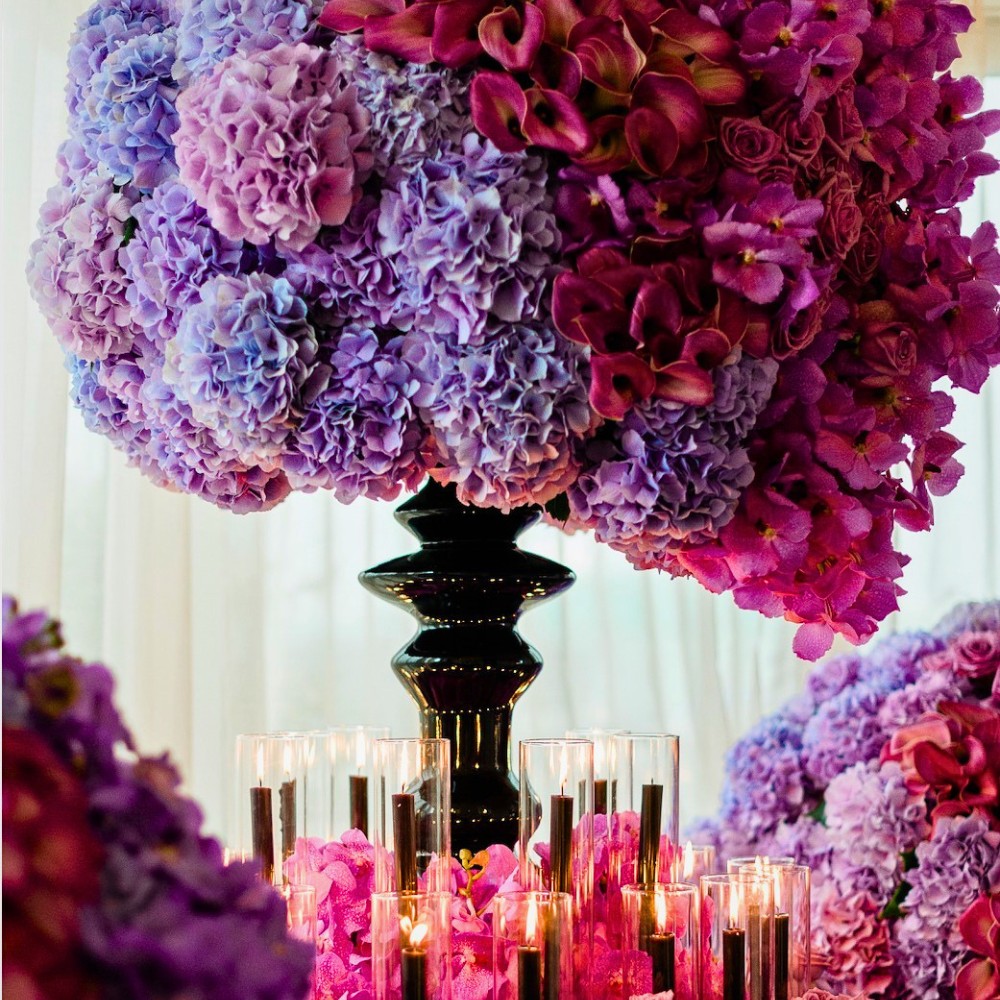
There are not many flowers that can change color the way certain Hydrangeas do, and this trait, too, has earned it an ardent following among florists (and also gardeners). Bigleaf Hydrangeas (Hydrangea macrophylla) transition between blue, pink, and purple depending on the pH and aluminum content of the soil they grow in.
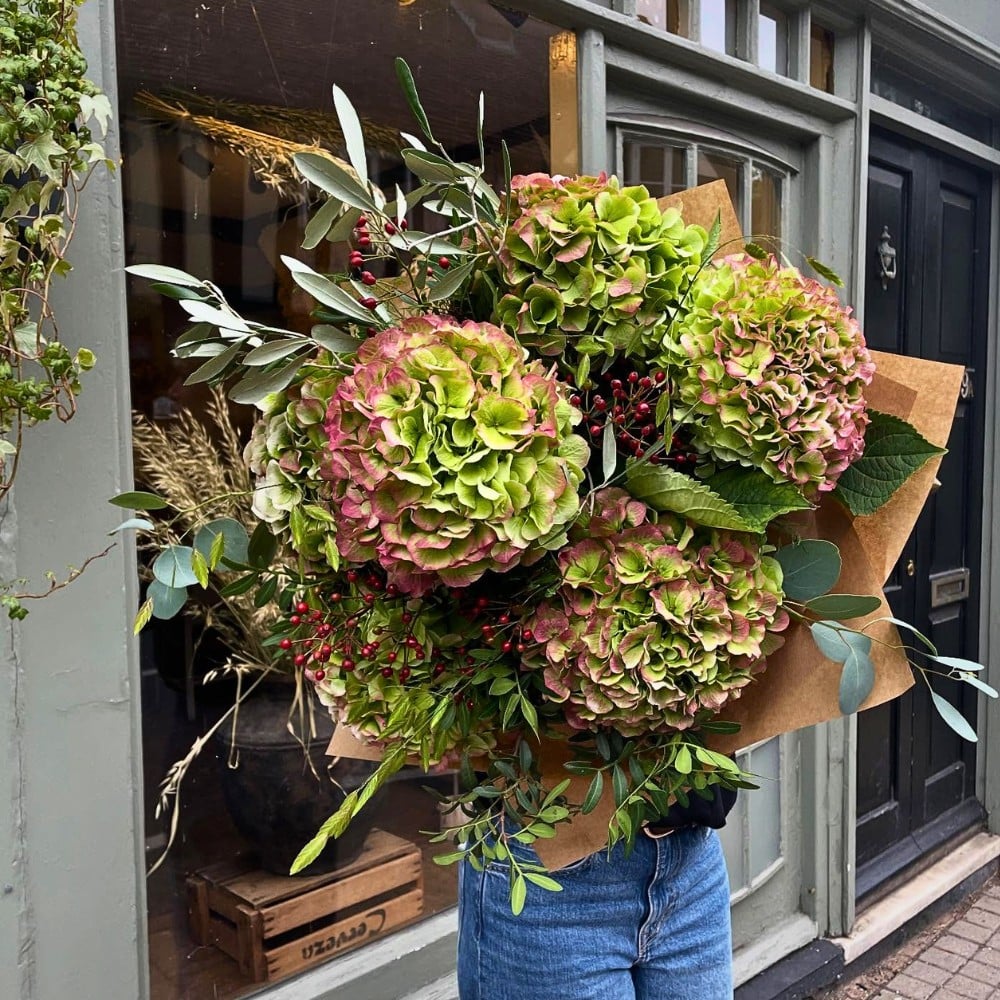
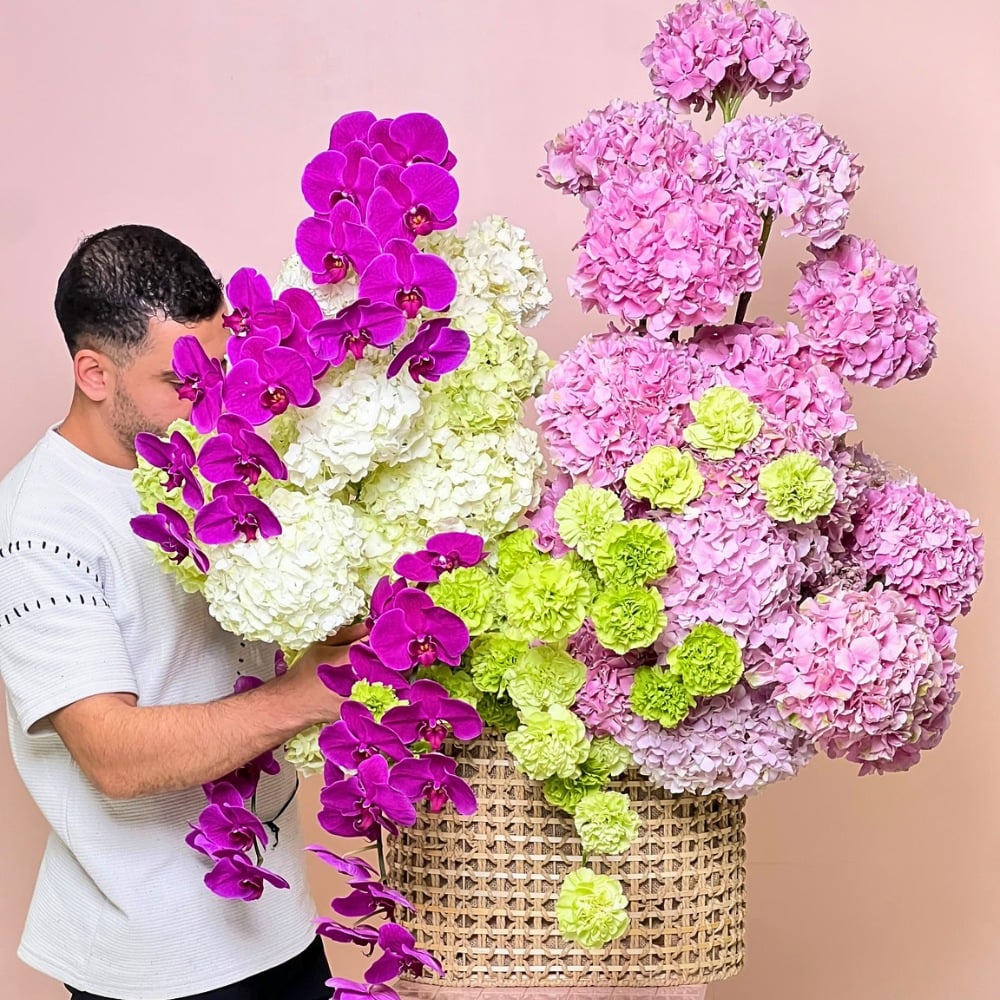
Acidic soil, generally below a pH of six, allows the plant to absorb aluminum, which produces blue flowers. Alkaline soil above a pH of seven limits aluminum absorption, resulting in pink flowers instead. Purple tends to appear somewhere in the middle. This means a grower can, within limits, influence flower color by adjusting soil chemistry, something not many other garden flowers allow.
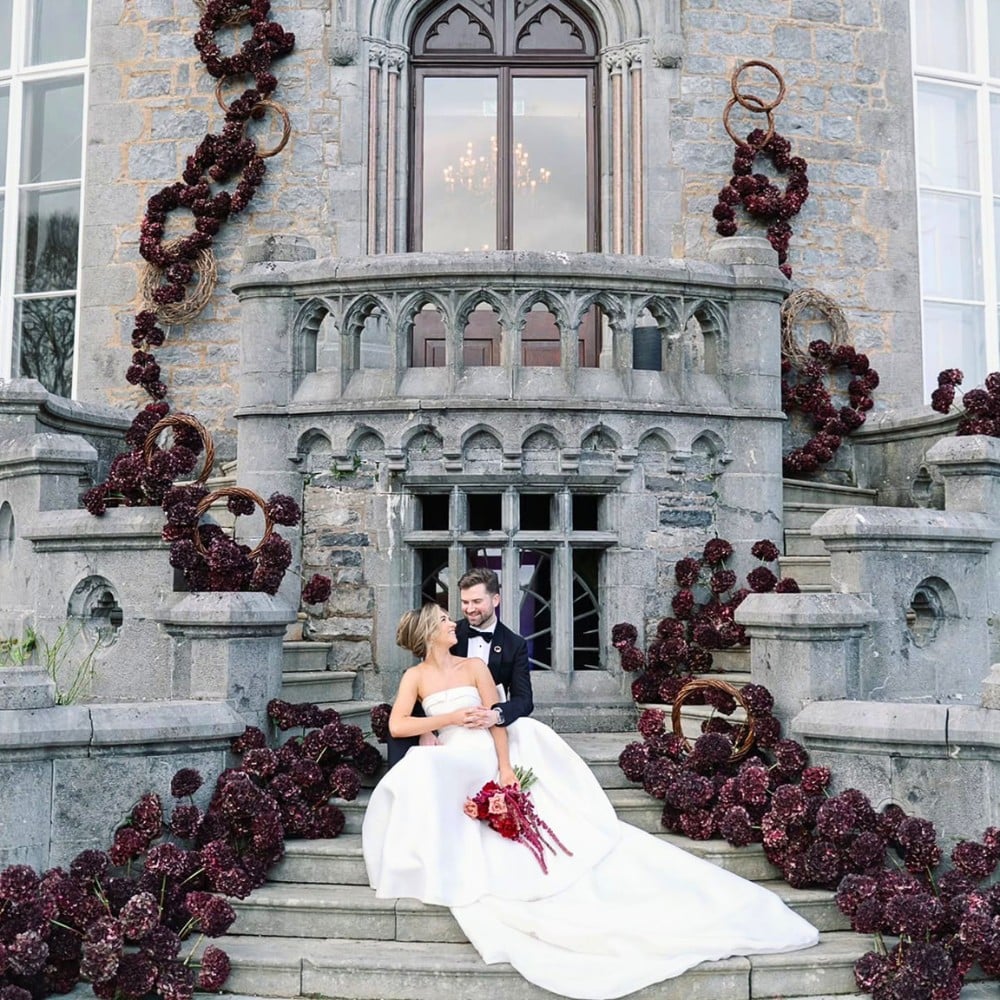
For floral designers, this color range means useful versatility. A Hydrangea variety can supply cool blues for a coastal-themed wedding, soft pinks for a garden party, or the deep burgundy tones of certain varieties like 'Miss Saori' for a fall arrangement, all without needing to source a completely different flower for each palette.
More Practical Advantages That Keep Florists Coming Back
But their color range and generous shape aside, Hydrangeas offer a handful of practical qualities that are important in professional floral work. They hold up reasonably well once cut, particularly when the flowers are conditioned properly by searing the cut end briefly or dipping it in alum before arranging. Many florists rely on this trick to prevent the flowers' large petals from wilting prematurely.
Hydrangeas also dry beautifully, retaining much of their shape and color as they lose moisture, which makes them a popular choice for dried arrangements, wreaths, and keepsakes even after a wedding or event has ended. Still, Panicle Hydrangeas (Hydrangea paniculata), including the popular 'Limelight' variety, have cone-shaped, pale green flower heads, which also bring a different kind of texture into floral work. It offers an elegant alternative to the classic rounded mophead shape.
Oakleaf Hydrangea (Hydrangea quercifolia), native to the southeastern United States, adds deeply lobed foliage that designers often use as a textured filler alongside its white, elongated flower clusters. This range of shapes, from the classic round mophead to the airy lacecap variety with an open, delicate ring of petals, gives florists a surprising extent of design flexibility from just one flower species.
Hydrangea Is Simply a Flower Built for Every Season and Setting
Hydrangeas also benefit from a long domestic growing season across much of the United States, typically flowering from late spring through early fall, depending on the variety. For this reason, there is always a steady, reliable supply available to florists for a good portion of the year.
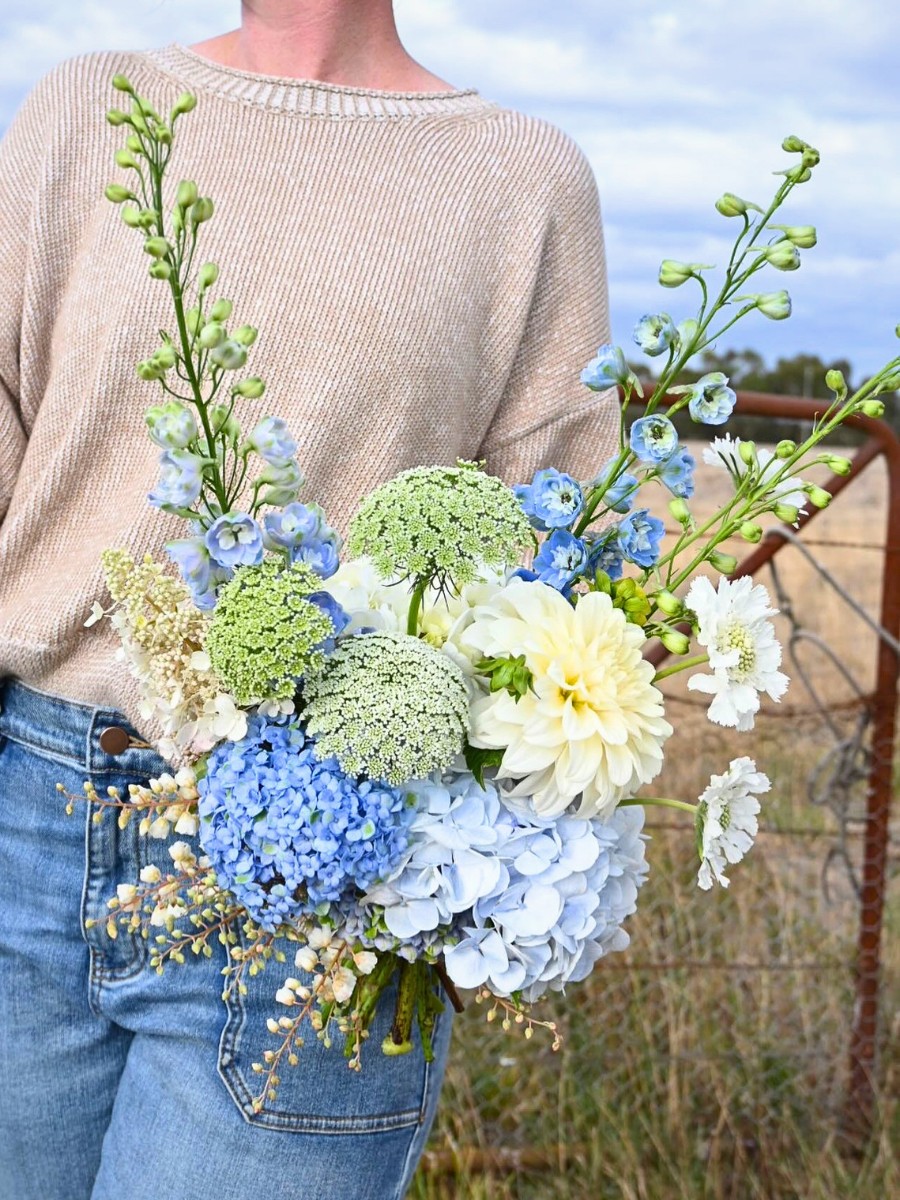
Combined with their availability from growers around the world during the off-season, Hydrangeas have become one of the few flowers a designer can count on nearly year-round, whether the occasion calls for a romantic wedding centerpiece, a sympathy arrangement, or a simple bouquet intended to brighten someone's day.
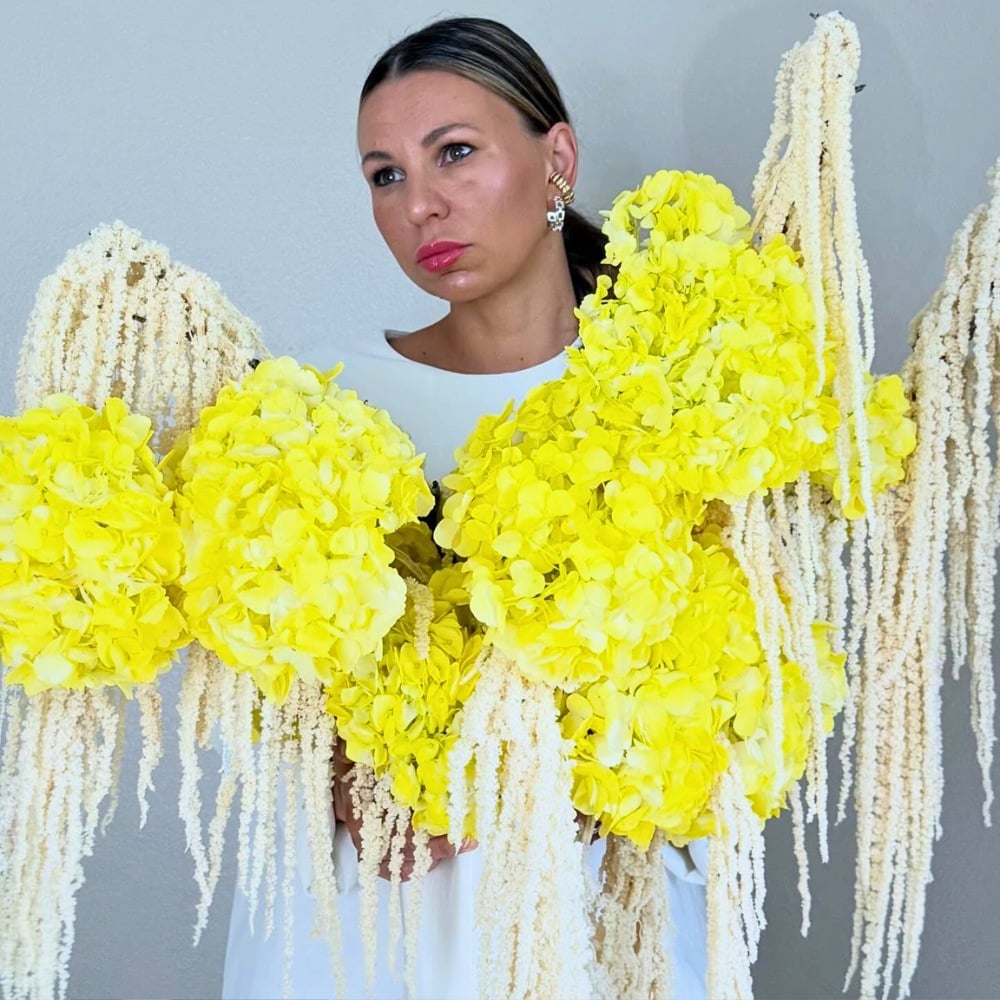
Featured image by @yuliia.flowers.llc. Header image by @hortensiasdegalicia.