International Flower Day is a moment dedicated to flowers as cultural symbols, commercial products, and everyday expressions of care and intention. Observed globally, the day brings together growers, florists, designers, and consumers around the shared presence of flowers in daily life.
While many international days focus on causes or movements, International Flower Day remains closely tied to a simple human connection. Flowers mark celebrations, milestones, remembrance, and ordinary moments that deserve attention. This day places focus on that role, while also highlighting the people and systems that make flowers available across the world. For the floral industry, International Flower Day is not only a symbolic date. It is also an opportunity to reflect on production, trade, creativity, and changing consumer habits. It allows professionals to engage with audiences in a way that feels accessible and relevant.
When Is International Flower Day Observed?
International Flower Day does not sit on a single universally agreed date. Instead, it is observed on different days depending on the regional, cultural, and seasonal context. This is one of the reasons the day continues to generate questions, such as when is International Flower Day or is today International Flower Day. The date most commonly referenced at a global level is March 21. This timing aligns with the arrival of spring in the northern hemisphere and has been widely adopted by international awareness calendars, lifestyle platforms, and media outlets.
January 19 is also recognized as Flower Day in several regions, particularly in parts of Asia. In these markets, the date is connected to local traditions and seasonal cycles rather than a global initiative. While it holds cultural significance, it is typically observed as a regional celebration. June 21 is observed in some regions as a flower-related celebration associated with the summer solstice. This date reflects abundance and peak growing conditions rather than renewal. Its overlap with other international observances has limited its visibility as a standalone global flower day.
For the floral industry, this diversity of dates reflects the reality of flowers themselves. They are grown, traded, and celebrated differently across regions. Rather than one fixed moment, International Flower Day exists as a shared idea that adapts to local calendars while maintaining global relevance. This flexibility is also why the day continues to resonate across markets. It allows growers, florists, and consumers to engage with flowers in ways that feel natural to their environment and culture, without forcing a single definition.
The Meaning Behind International Flower Day
International Flower Day does not center on one fixed message. Instead, it reflects how flowers are used and understood across cultures. In some regions, flowers represent joy and hospitality. In others, they carry deeper meanings connected to memory, identity, or respect.
For many people, the meaning of International Flower Day is simple. It is about acknowledging the presence of flowers in everyday life. A single stem on a table. A bouquet is exchanged between friends. Flowers are placed at events, homes, and public spaces.
Within the industry, the day also recognizes the work behind the product. Growers, breeders, exporters, transporters, and florists all play a role in delivering flowers in a fresh and usable condition. International Flower Day allows that chain to be seen more clearly.
International Flower Day and the Global Flower Industry
Flowers are among the most traded agricultural products in the world. From high altitude farms in East Africa to greenhouses in Europe and South America, the flower industry operates year-round.
International Flower Day highlights this global network. It creates a moment where production and consumption meet in a shared conversation. For professionals, it is an opportunity to communicate about quality, seasonality, and responsible practices without shifting into technical language. The day is often used by growers and exporters to share insight into their work. Florists use it to engage customers with simple floral gestures. Media platforms use it to publish educational or visual content that connects flowers to everyday experiences.
Why Flowers Continue to Matter to Consumers
Despite changes in lifestyle and digital habits, flowers remain relevant. They are one of the few physical products that carry emotional meaning without explanation. A flower does not require instruction. Its presence communicates enough. On International Flower Day, consumers often reflect on why they buy flowers. Some purchase them for others. Some buy them for their own space. Some associate flowers with events. Others with routine.
This variety of reasons keeps flowers present in both personal and commercial settings. It also explains why search terms such as international flower day and flower day continue to attract attention year after year.
International Flower Day and Floral Gifting
Floral gifting remains one of the strongest drivers of flower sales. International Flower Day reinforces this habit without attaching pressure or obligation. Unlike fixed gifting holidays, this day feels open-ended. People give flowers on this day to acknowledge friendship, appreciation, or presence. Florists often see interest from customers who want something simple rather than ceremonial.
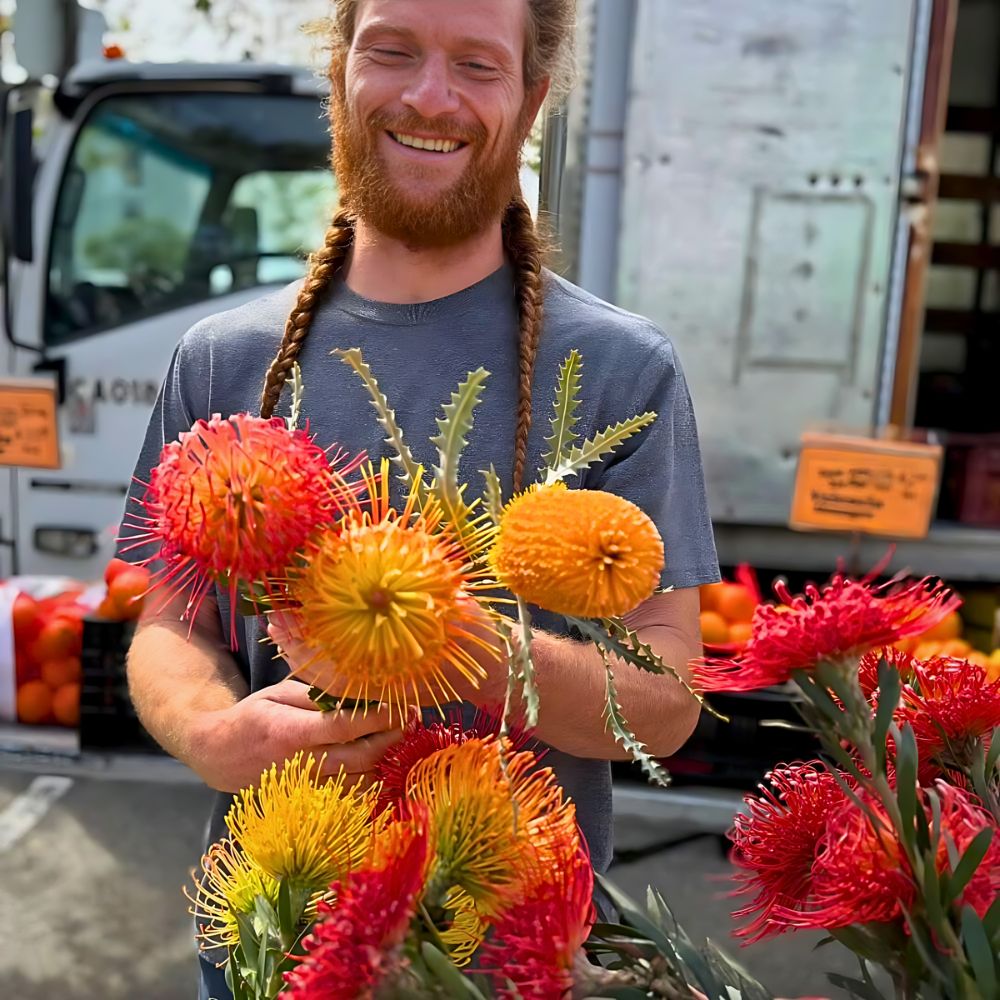
This creates space for different price points, formats, and styles. A single flower can carry as much meaning as a full arrangement. That flexibility supports both consumer confidence and florist creativity.
The Role of Florists on International Flower Day
Florists play a central role in shaping how International Flower Day is experienced. Through shop displays, social content, and direct customer interaction, they translate the idea of the day into something tangible.
Many florists use the day to highlight seasonally available flowers. Others focus on color stories or locally sourced stems. Some choose to share personal perspectives on why they work with flowers.
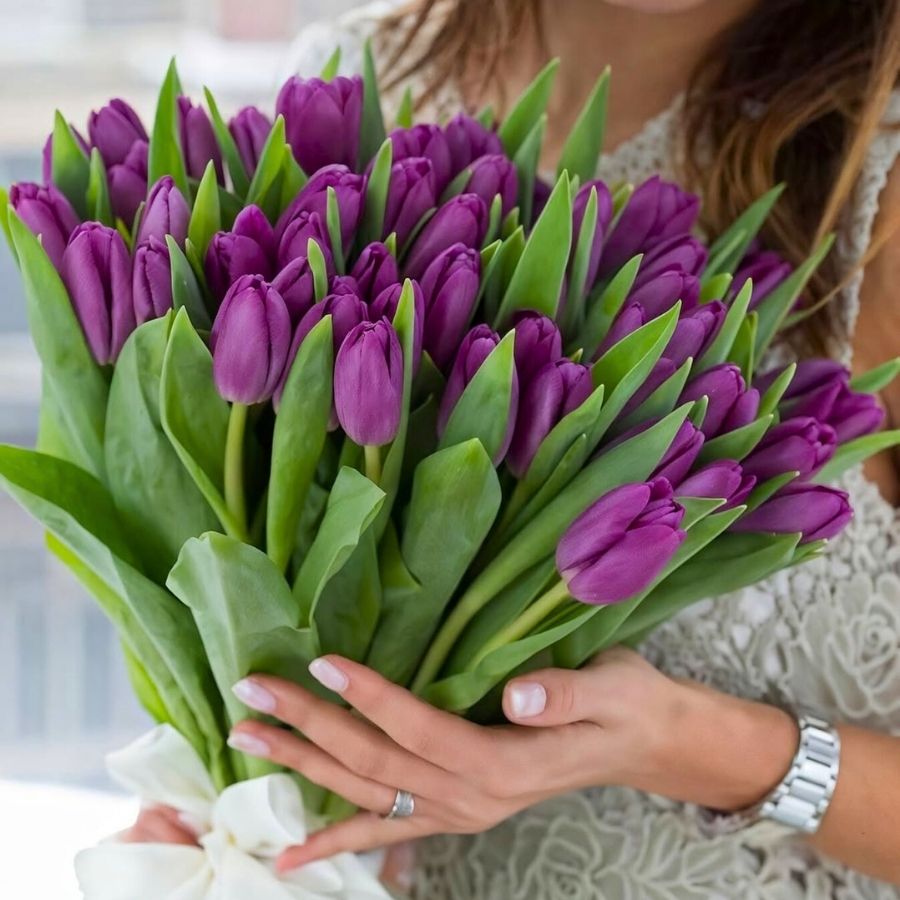
Because the day does not prescribe a theme, florists are free to interpret it in ways that reflect their identity and customer base. This freedom is part of what makes the day valuable for the industry.
Flowers and Cultural Expression
Across cultures, flowers appear in rituals, ceremonies, and public life. They mark beginnings and endings. They accompany celebrations and periods of reflection.
International Flower Day creates space to acknowledge this shared language. While flower meanings vary by region, the act of giving or displaying flowers remains widely understood.
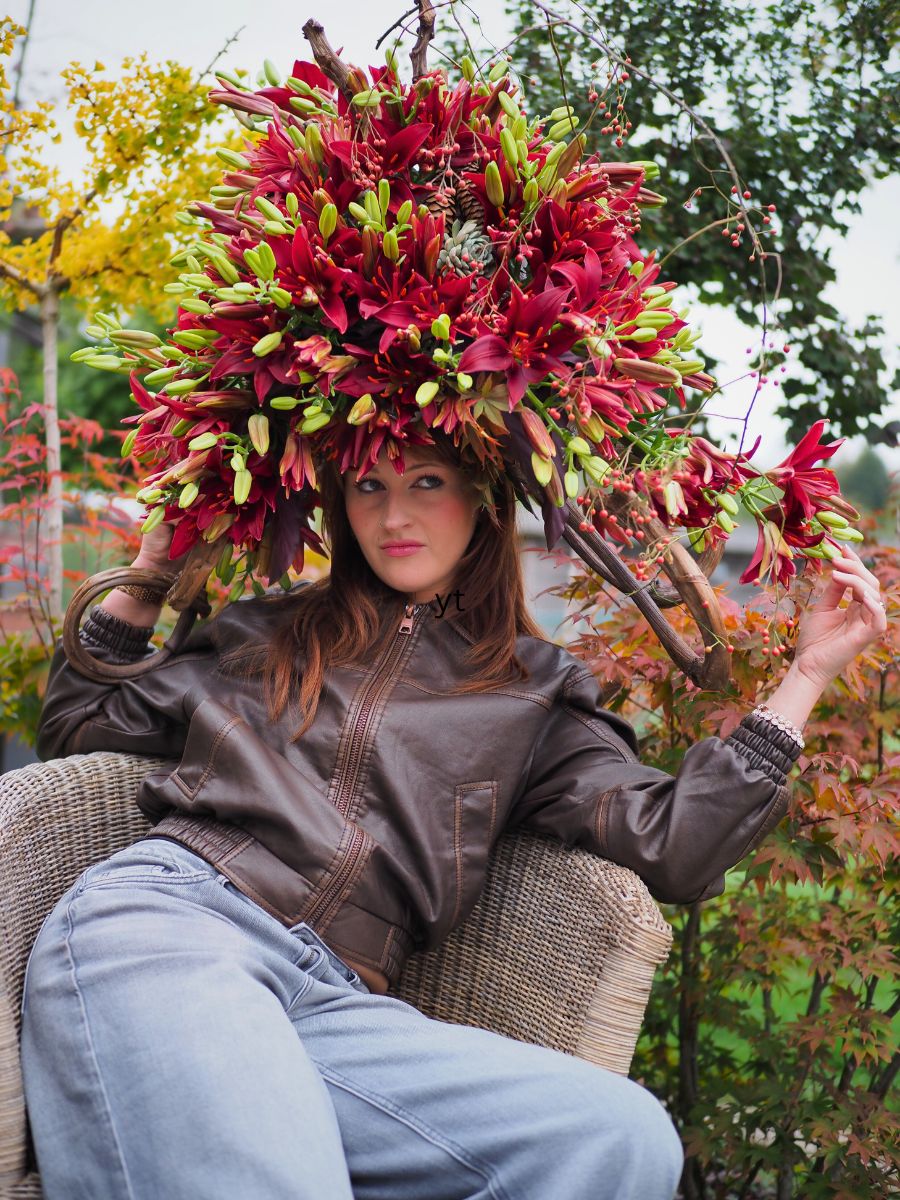
This cultural consistency supports the global nature of the flower trade. A flower grown in one country can carry meaning in another without losing its relevance. International Flower Day reinforces that connection.
International Flower Day in Digital Spaces
Online platforms play an increasing role in how International Flower Day is observed. Social media allows florists, growers, and consumers to share flowers visually and immediately.
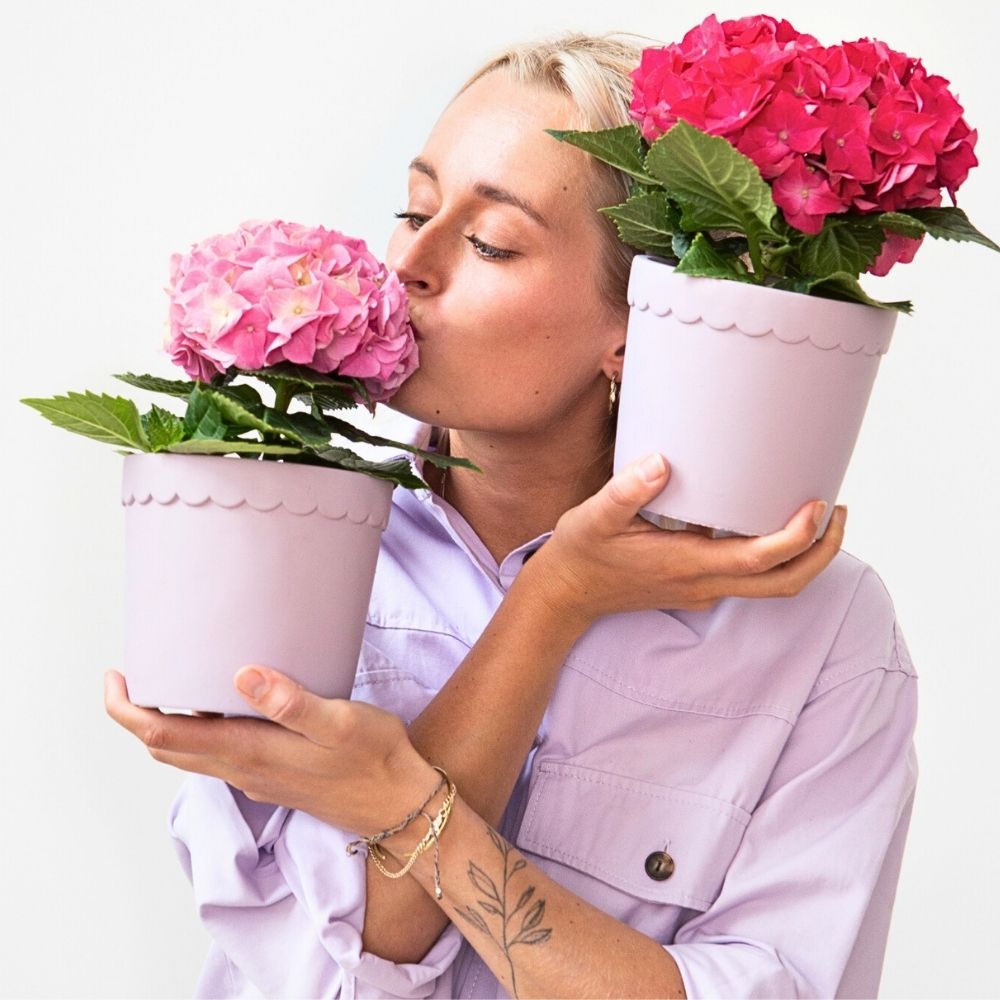
For floral businesses, this digital behavior offers an opportunity to appear in search results with relevant and clear information. Educational content performs well, especially when it avoids promotional tone.
Sustainability and Flower Awareness
While International Flower Day is not positioned as an environmental campaign, it often opens discussion around sustainability. Consumers increasingly ask where flowers come from and how they are produced.
For growers and exporters, the day can be used to explain processes in simple terms. Water use, labor practices, and logistics can be communicated without technical framing. Florists also use the day to talk about longevity, care, and responsible purchasing. These conversations align with consumer interest without turning the day into a statement.
How International Flower Day Supports Industry Storytelling?
Storytelling has become an important part of floral marketing. International Flower Day provides a natural moment to tell these stories without forcing a narrative.
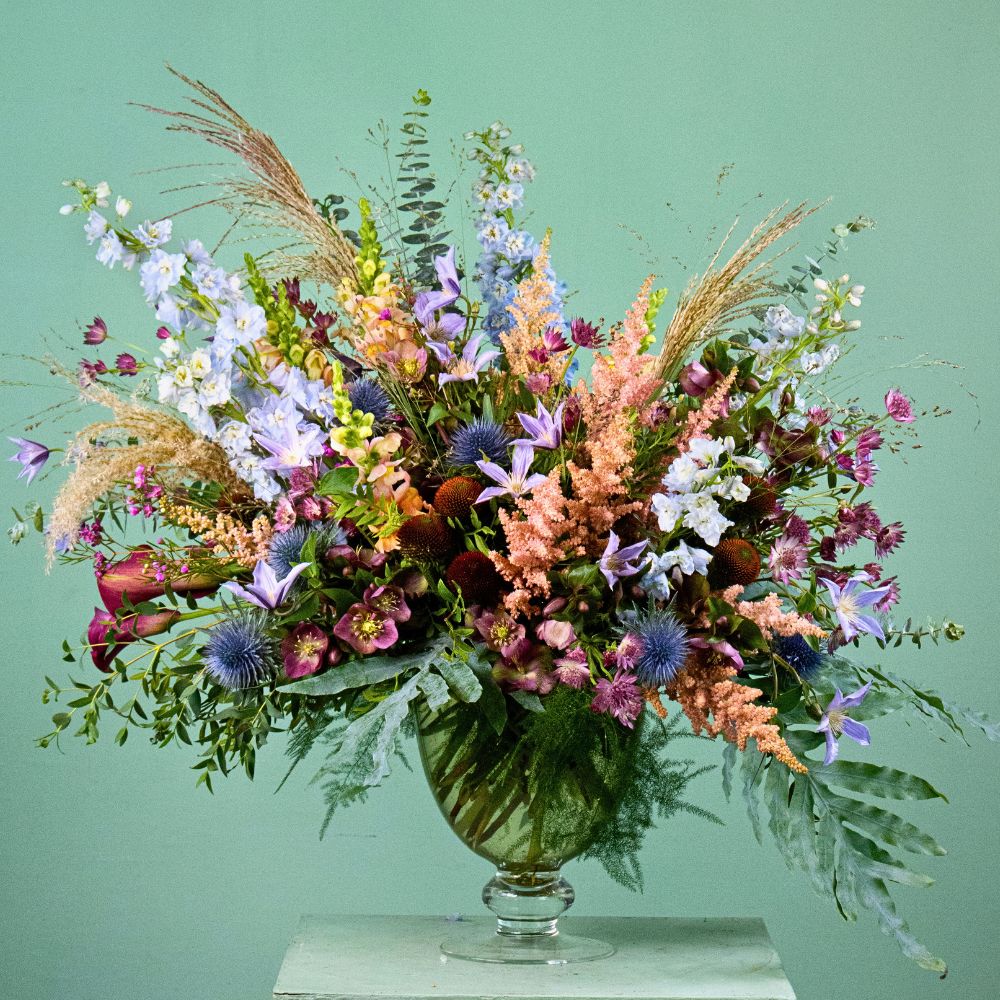
A grower can share the journey of a crop. A florist can talk about a concept of an intriguing design. A platform can highlight how flowers move through different hands before reaching the final user. These stories strengthen understanding of the industry and reinforce trust. They also help consumers see flowers as more than decorative objects.
The Commercial Impact of International Flower Day
Although not a peak sales event like other floral holidays, International Flower Day still drives activity. It encourages impulse purchases and reinforces existing buying habits. Retailers often see increased engagement rather than volume spikes. Customers browse, ask questions, and interact with displays. This engagement has long-term value beyond the day itself.

For online platforms, International Flower Day supports content visibility and brand alignment. Articles, interviews, and product features published around this date often receive sustained traffic.
Education Through Flowers
International Flower Day also serves an educational role. It prompts questions about flower types, care, and symbolism. Simple explanations often perform well during this period. Content that explains how flowers are grown, transported, or maintained reaches a broad audience. This education strengthens appreciation without requiring prior knowledge.
International Flower Day continues to grow in recognition, not through large campaigns but through steady participation. Its strength lies in its openness and relevance. As consumer behavior shifts, flowers remain a constant presence. International Flower Day reflects that continuity. It reminds the industry and its audience that flowers do not need justification. They already belong.

This day will continue to offer space for reflection, creativity, and connection across the floral world. If you work with flowers or simply live with them, International Flower Day is a moment to acknowledge that relationship and continue the conversation.
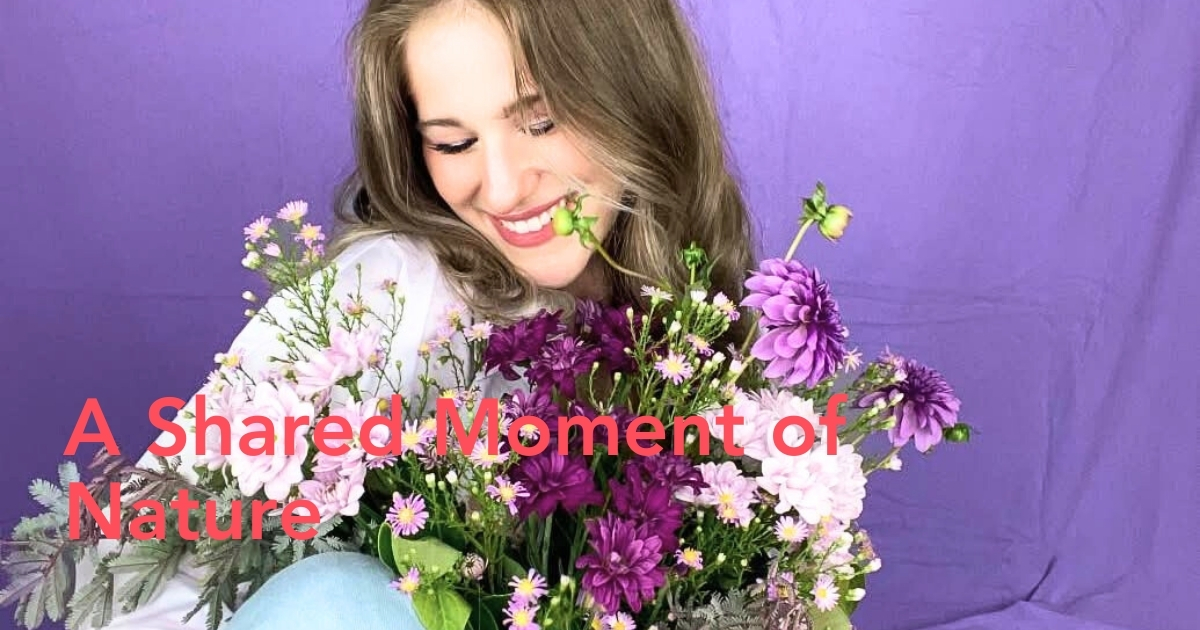
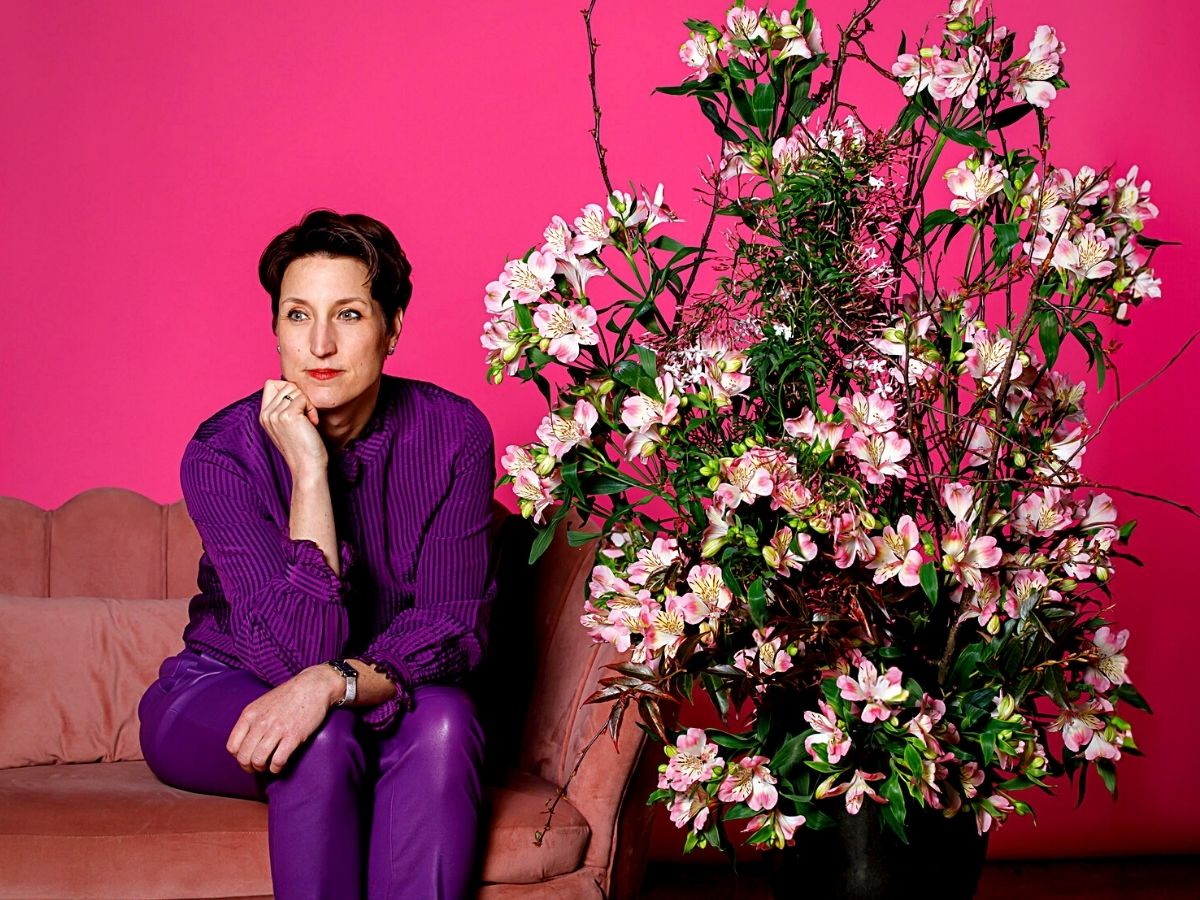
Header image by @alaurabidingcitizen.