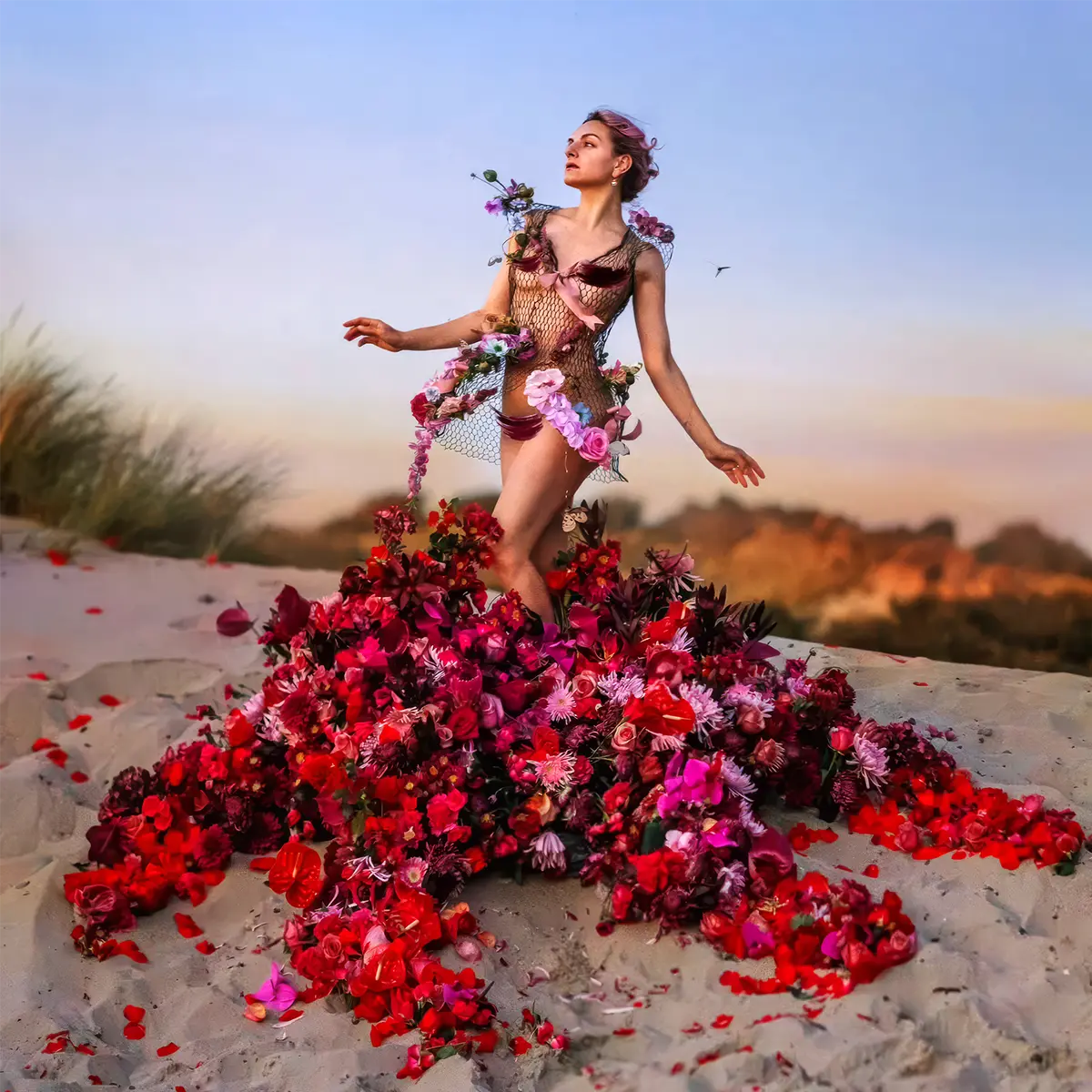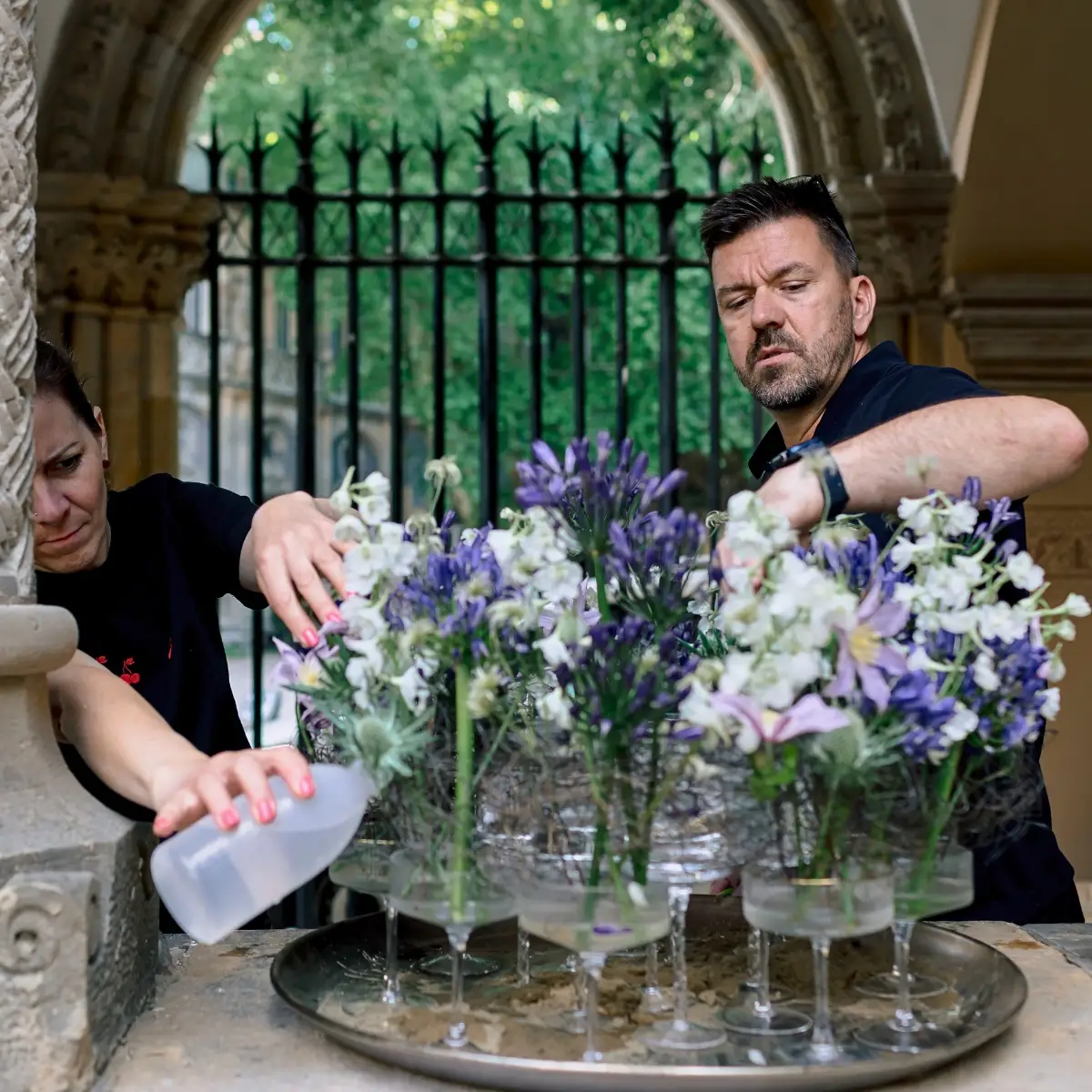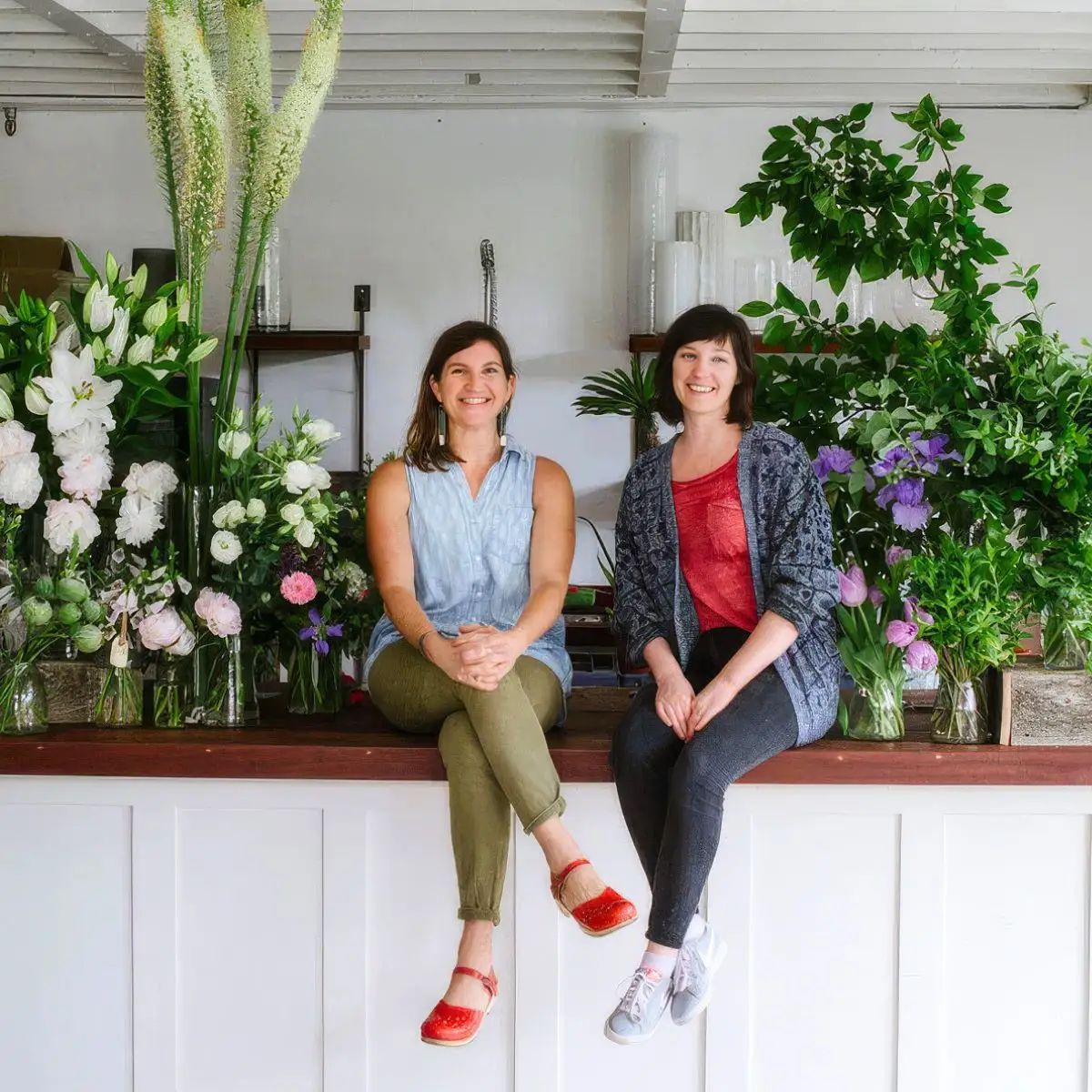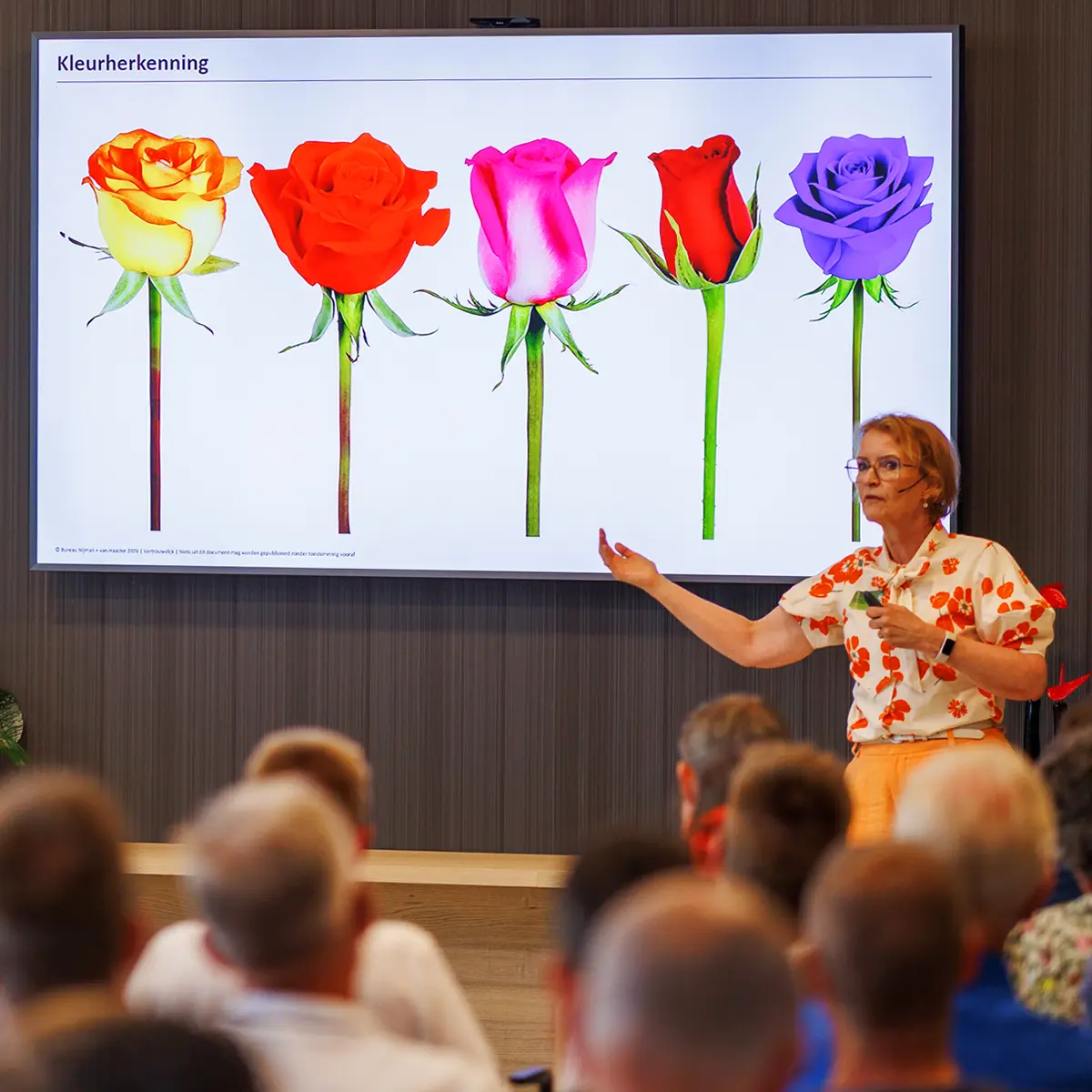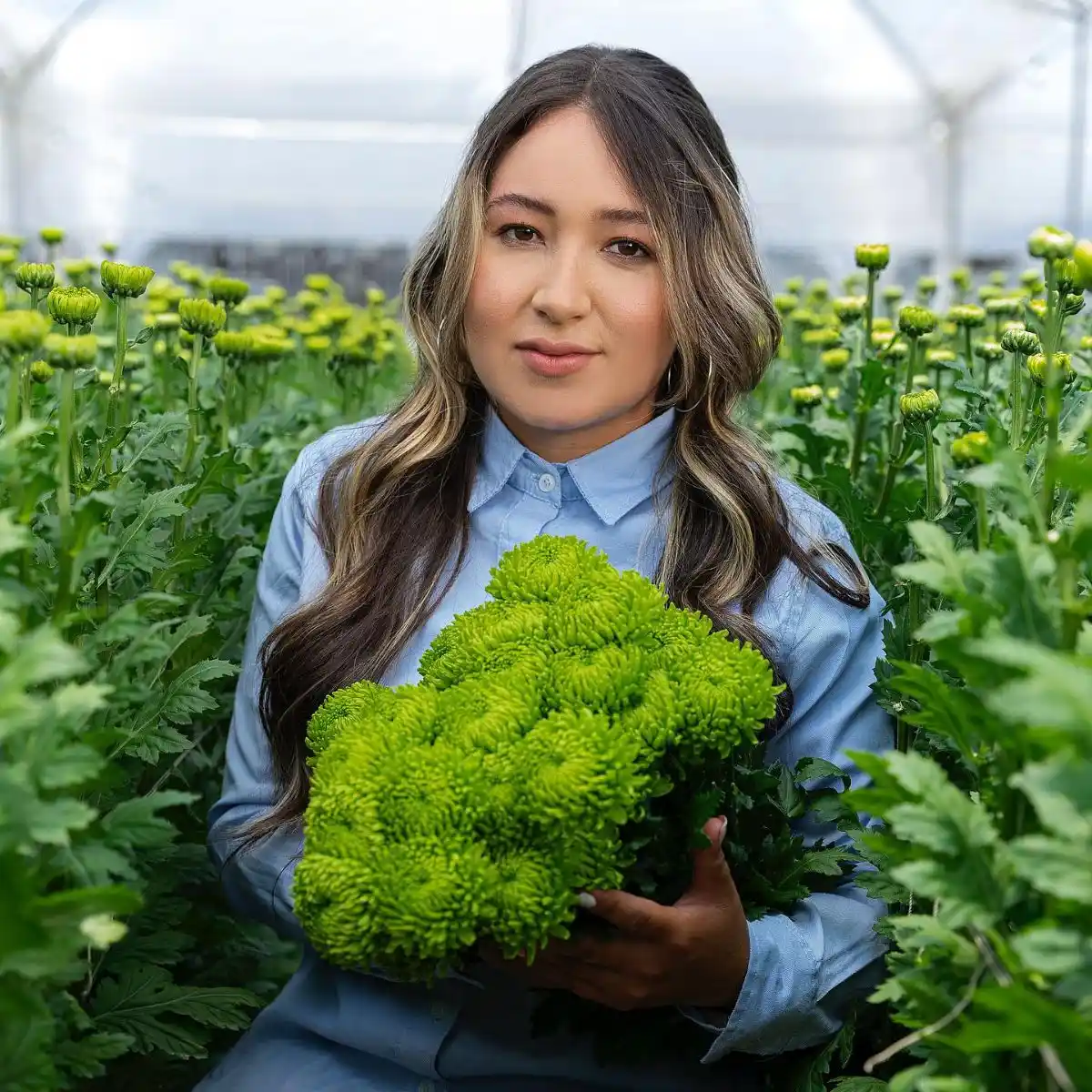
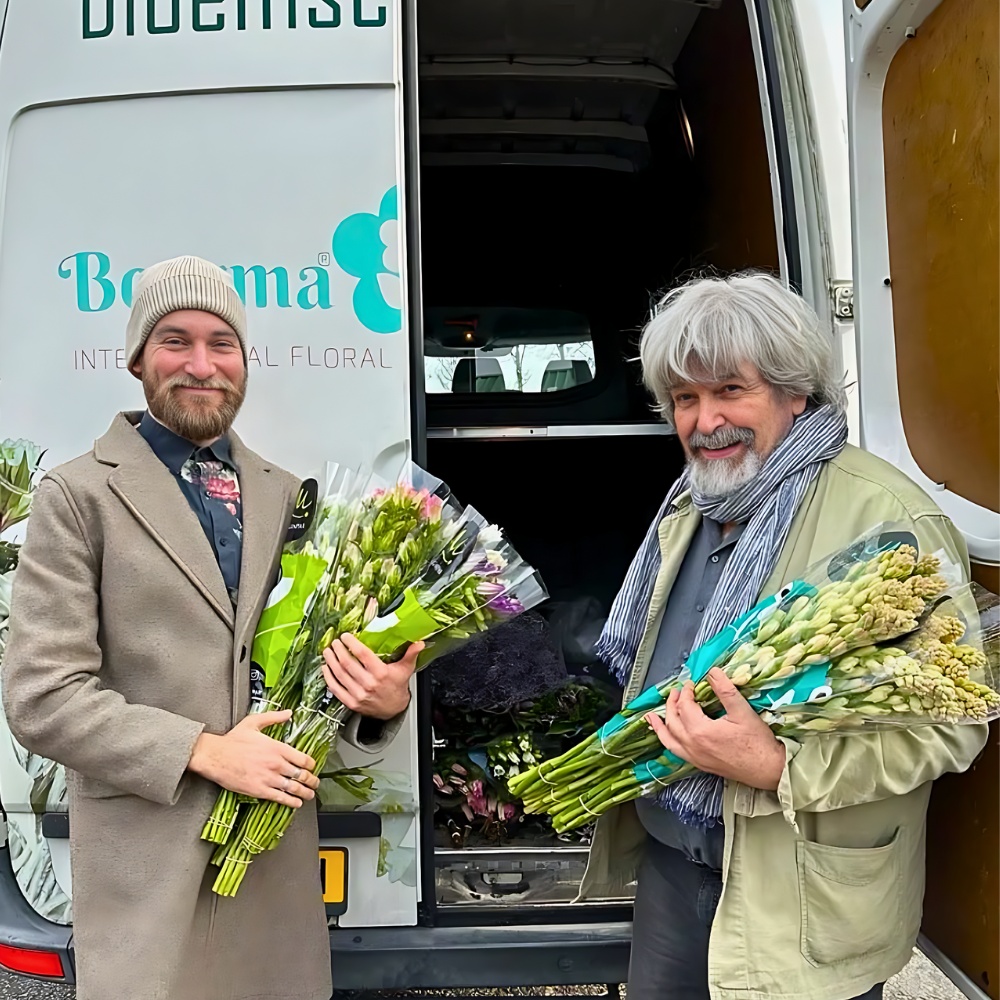
Marginpar's Floral Trends for 2026 are here. Each year, the grower collaborates with a leading floral designer to create forward-looking design trends that they believe will shape the floral industry throughout the year. This time round, Mike Boerma IMF, a fifth-generation florist from the Netherlands’ storied Boerma Instituut, was tasked with that.
A widely traveled floral instructor who gives demonstrations and teaches florists of all levels, Mike draws inspiration from his global wanderings; from the Dutch’s Bloemschikken to Japan's serene ikebana, France's romantic textures, and more. He creates pieces blending tradition and modernity, and you’d admit, these designs are quite something to look forward to.
Floral Pieces by Mike Boerma That Nudge Florists to Rethink Their Designs
In this collection, which follows on from floral designer Hanneke Frankema’s previous feat, Mike’s repertoire radiates inspiration. He transforms Marginpar’s choice flowers into designs that nudge florists to rethink details such as placement, materials, and the impact of their arrangements.
His floral pieces dazzle, but they also prod other designers to imbue their work with intention, just as much as his belief that true inspiration flows from observation, collaboration, and creativity that does not hesitate to experiment.
Mike’s design style is a fusion of many elements. A bit of classical Dutch and European influences, a touch of modern naturalistic sensibilities, and sustainable floristry, all of which make his pieces elegant, structured, and visually dynamic. His inspiration comes from many places: nature, simply by strolling and observing, and people.
Mike Boerma:
“During my travels, I’ve had the privilege of meeting many incredible and inspiring designers from around the world. People who are full of passion about our profession. People who love to explore, experiment, and innovate. People who love to educate, gather knowledge and techniques, and then share them with others. Their inspiration continues to fuel my own teachings at our school in Aalsmeer.”
This trend report, he says, is a collection of ideas he believes are highly relevant to today’s world. So, here’s a look at three of his 10 designs that make up Marginpar’s Floral Trends for 2026.
Trend Design 1: 100% Organic: Nature-Inspired
In this trend, Mike channels the strength of organic materials in a design inspired by the ideals of his mentor Gregor Lersch. Gregor advocated for organic materials and plant-kind floristry, ideas previously dismissed in the 1990s, but are now vital amid sustainability demands.

Crafted entirely from bamboo tied with rope, then stabilized by beeswax and food coloring (replacing paraffin), this piece ditches plastic tubes for waxed hemp and thin, compostable wires. Once the beeswax with food coloring solidifies, the rope tied around the bamboo is removed, leaving behind a stable structure – the design blooms on a reused copper plate whose palette conjures Iberian warmth.
Mesmerizing with its extraterrestrial coral form, Jatropha Firecracker adds a uniquely striking element to the design. Gloriosa Superba Simba Fifty Shades enhances it with its fiery twists, while Sanguisorba Red Dream®, Talinum Long John, Miscanthus White Cloud, and Echinacea Purpurea complete the piece.
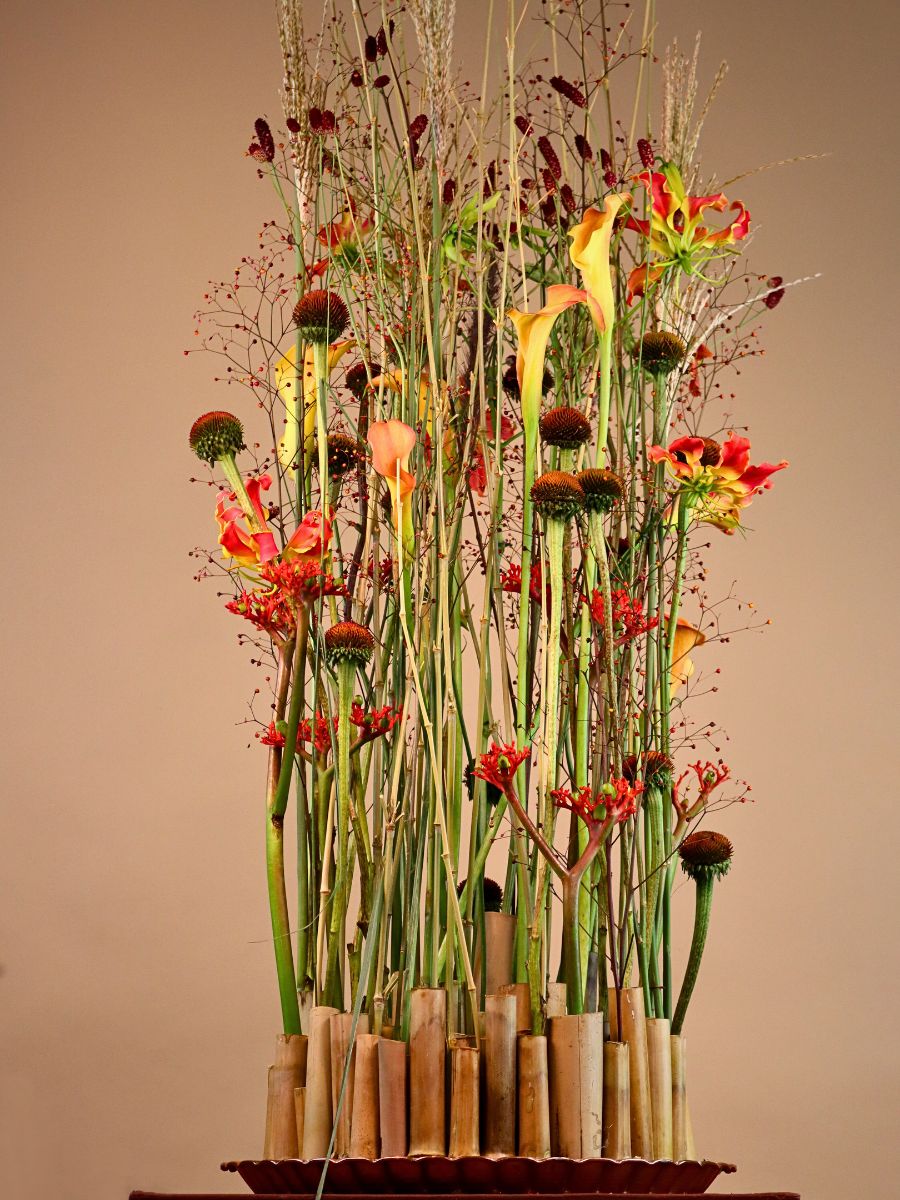
Mike’s genius can be seen in the simplicity of the design, which is achievable for any florist who prepares well. It is perfect for events or installations where beauty is showcased in its natural form.
Trend Design 2: That New Insta Style: Design in Ubiquity
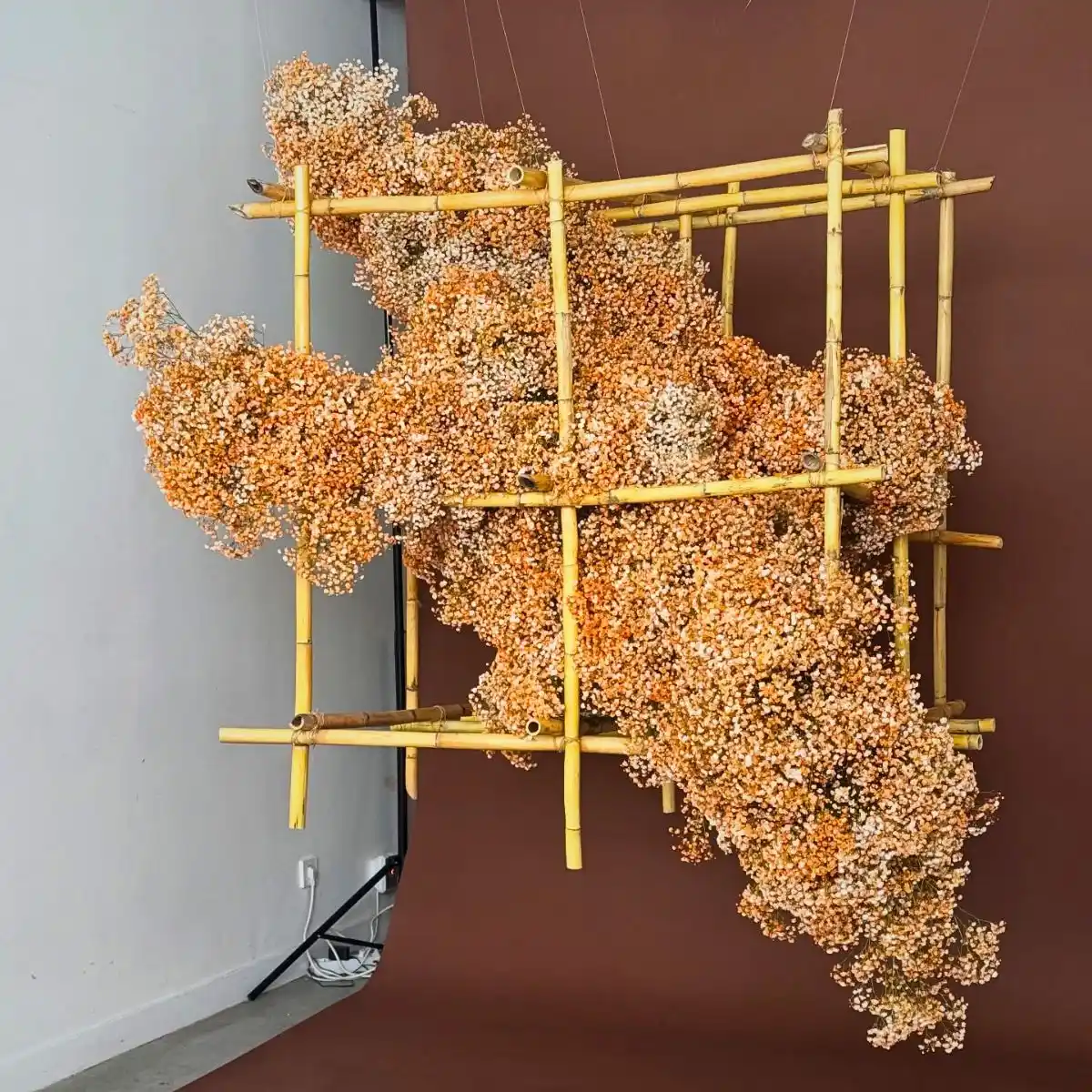
You, perhaps, may have spotted it as you scroll through Instagram. Unnamed yet ubiquitous, this design trend doesn't seem to have originated in any one country. It has been noted across social media accounts in Spain, Taiwan, the UK, the U.S., and Australia, with designers like Susan McLeary propelling its aesthetic. In Taiwan, they call it ‘That Influencer Style.’
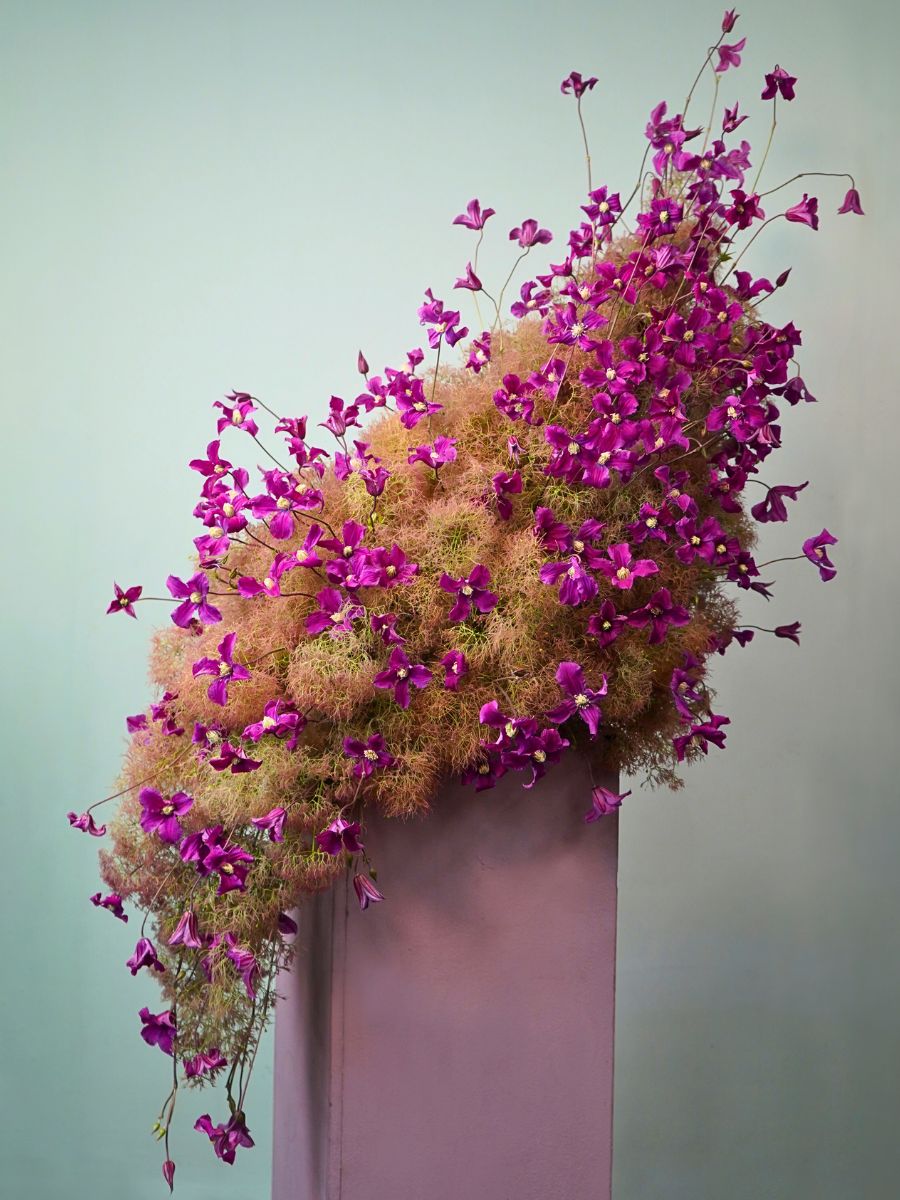
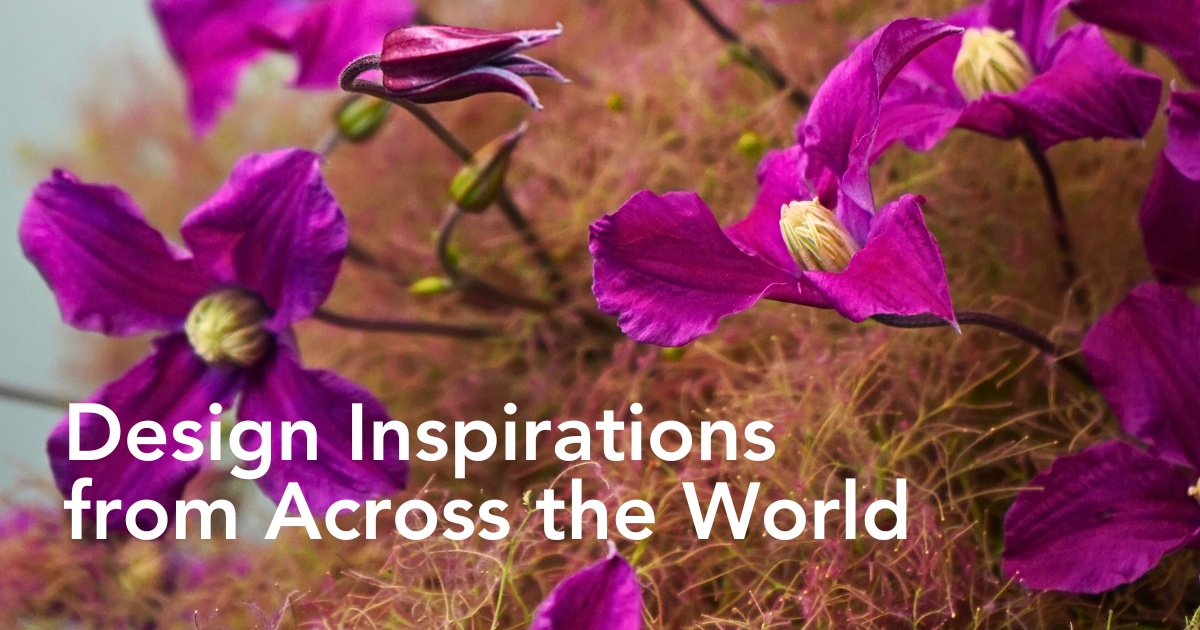
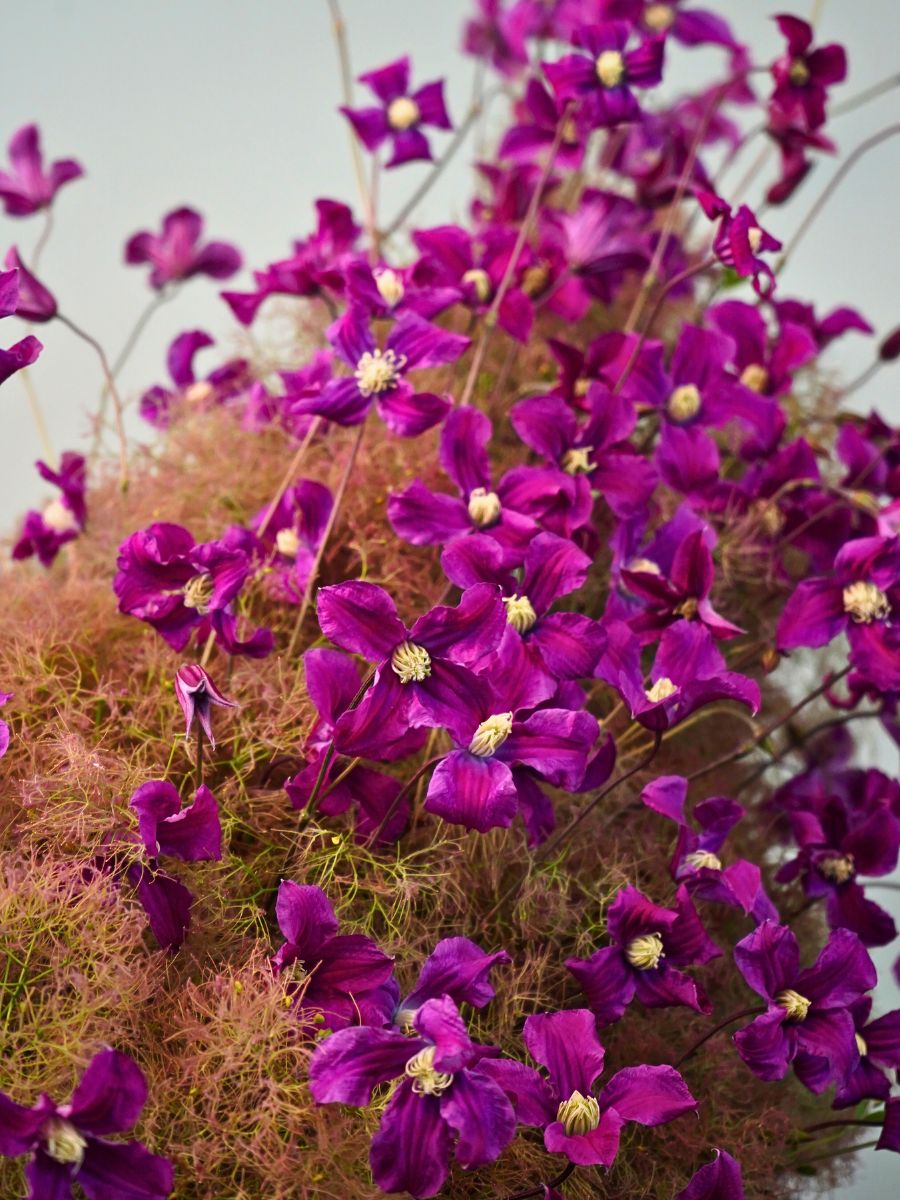
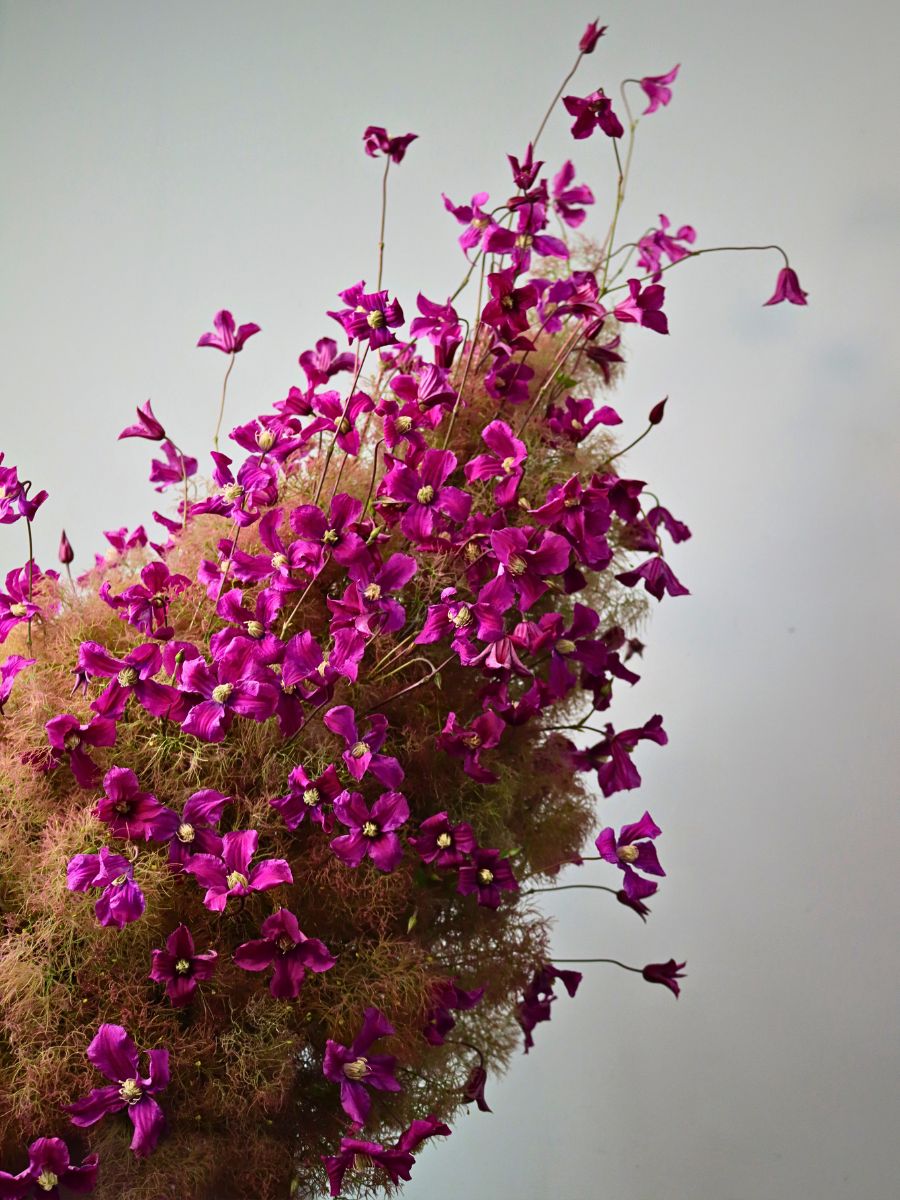
But Mike captures its essence with lavish quantities of a few materials morphing into funky, organic shapes that unify floral arrangement and art installation. It features organic shapes created from a single type of botanical, which is why sometimes these pieces feel more like floral sculptures than traditional flower arrangements. For the design, he built a striking shape from just Cotinus (smokebush), creating a cloudy, sculptural base.
With the base formed, Clematis Amazing® Kyiv enters, its lively hue like neon flowers amid Cotinus's haziness. The flower’s color contrasts beautifully with the teal background, creating an almost ethereal composition. Lavish yet minimal in variety, this piece embodies purposeful fullness, a cue for designers to perhaps experiment more boldly. Mike revels in its non-traditional verve.
Trend Design 3: Open Silhouette: Rebirth of Playful Asymmetry
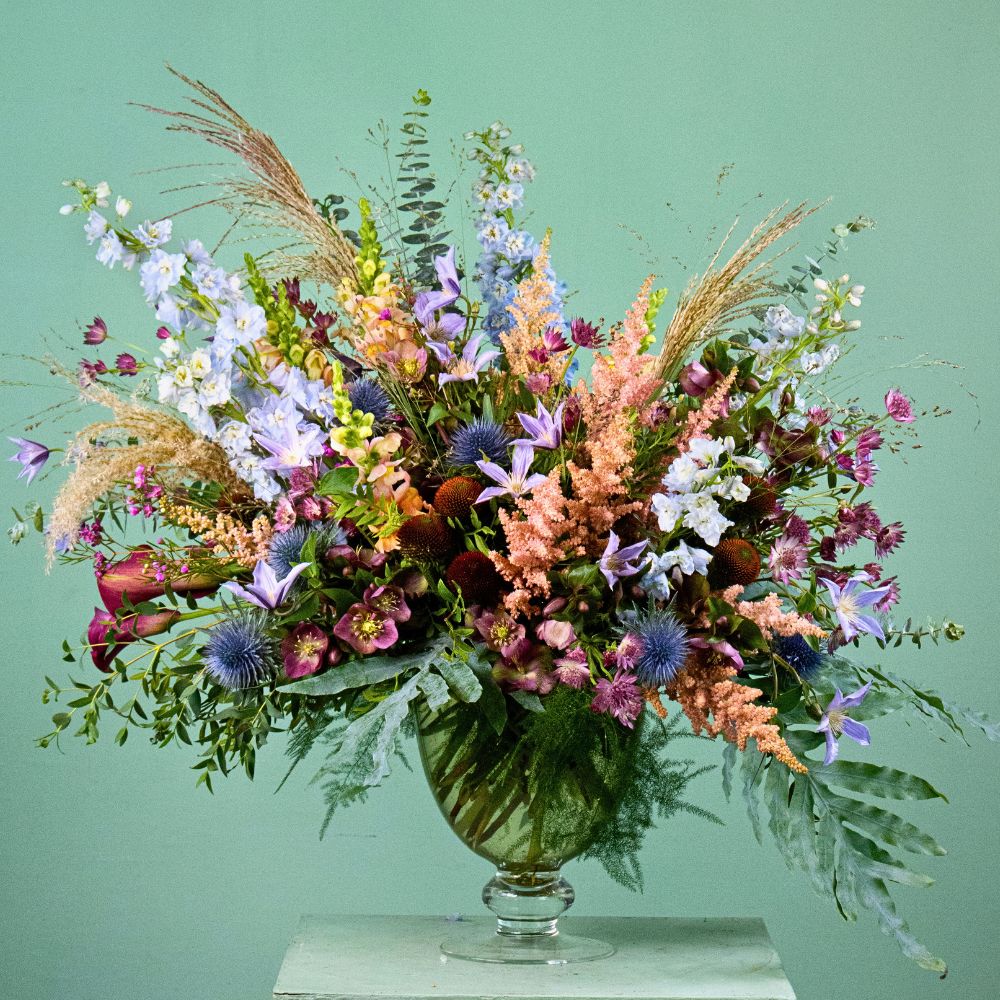
Open Silhouette captures the essence of the bohemian evolution that currently redefines floristry. Born from U.S. Instagram and Pinterest feeds, this trend sheds its early ‘Boho’ pampas-grass cocoon, championed by Holly Chapple, and embraces pleasingly expressive, playful forms.
No longer confined to untrained influences, floral educators have distilled this design’s essence, including its asymmetry, silhouetted and undefined outlines, and amorphous shapes. It follows the golden ratio rule, in which flowers cluster densely in some areas and remain sparse in others to create rhythmic density.
Mike explains:
“It’s a fun, relaxed style that I genuinely enjoy working in. It allows for a bit more expressiveness and nonchalance in the creative process.”
He starts it with pointed forms for structure and later softer fills for contrast. The linear spikes of Delphinium Guardian Lavender (Astilbe Vision Inferno or Antirrhinum also work) create the open space (silhouette), usually hard to achieve with round or flat-headed flowers. Then he layers the softer textures of Helleborus Mammoth Pink, Echinacea Purpurea, and others, filling in the structure, with pastel tones dominating the scene. These flowers provide depth and contrast.
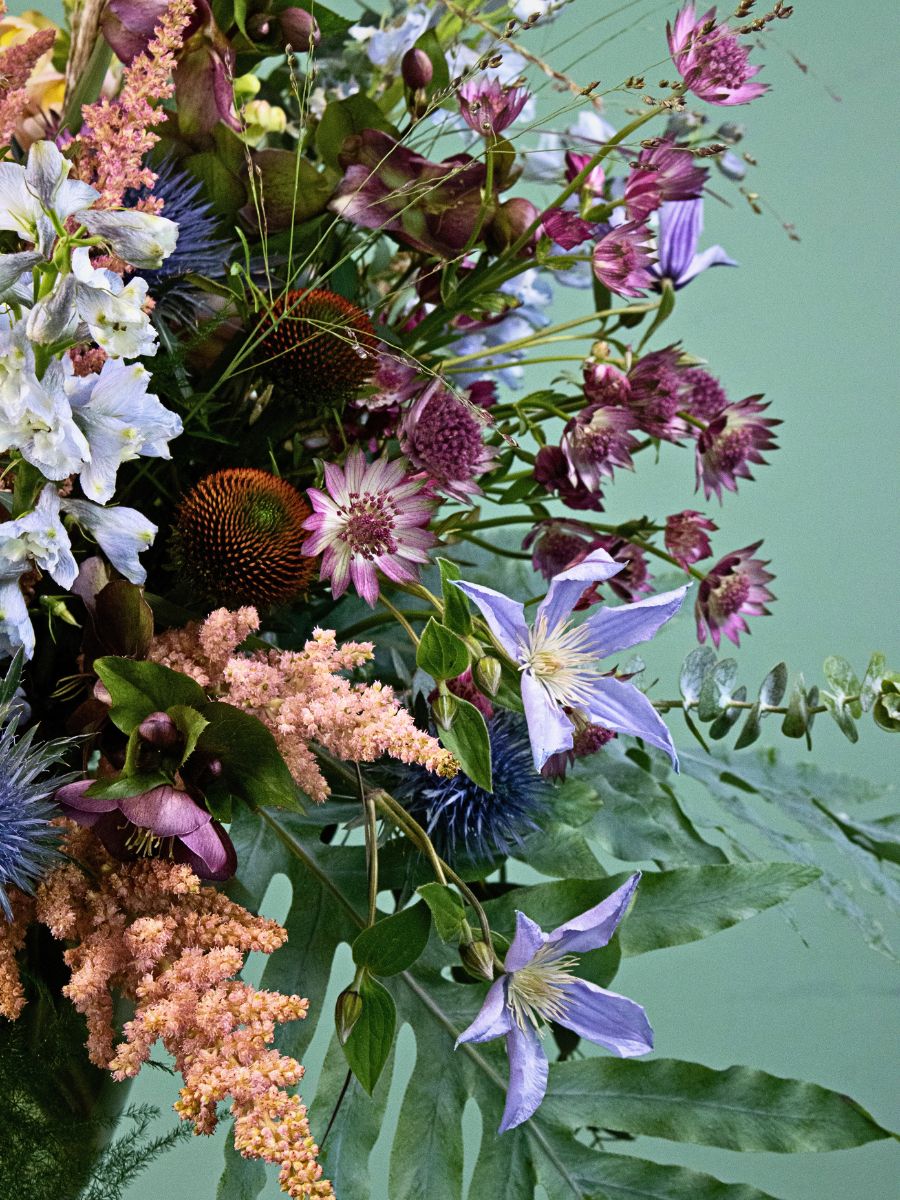
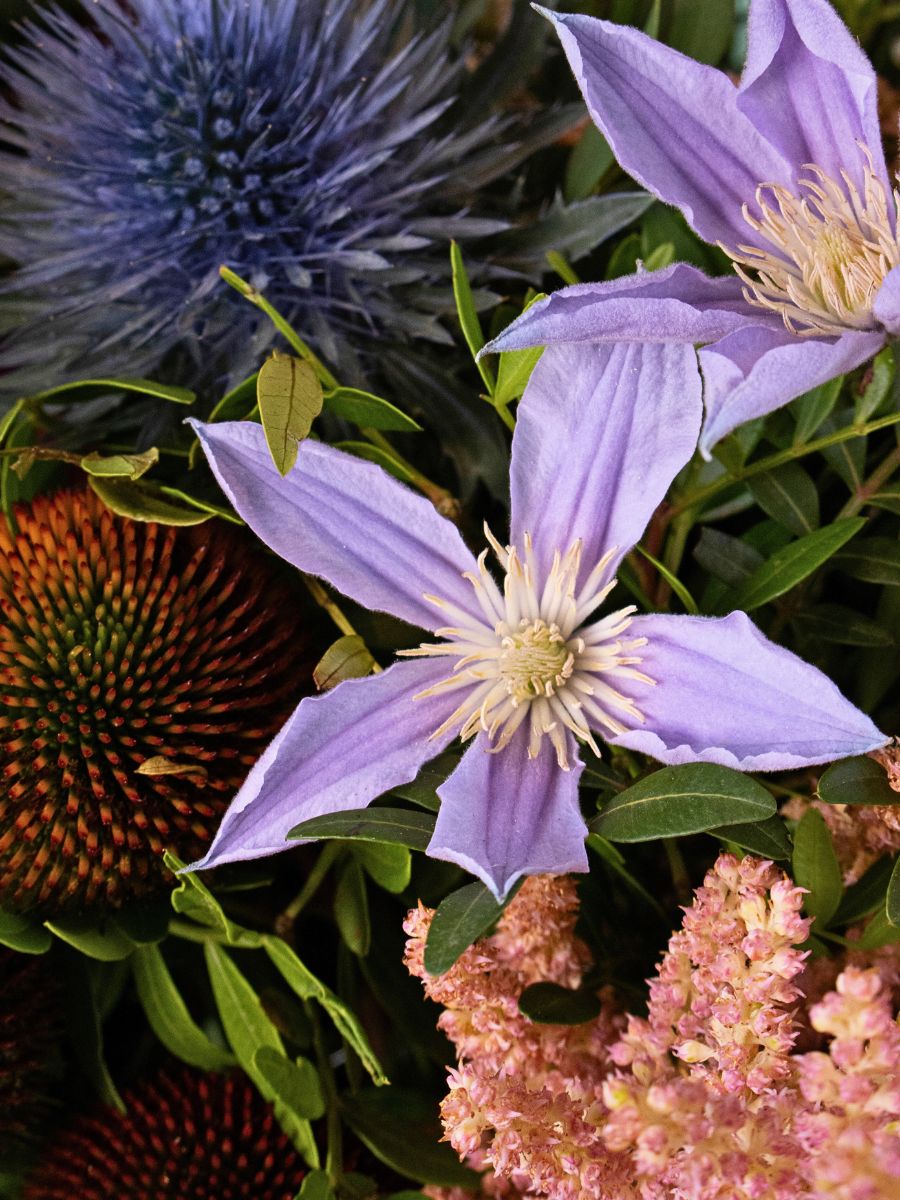
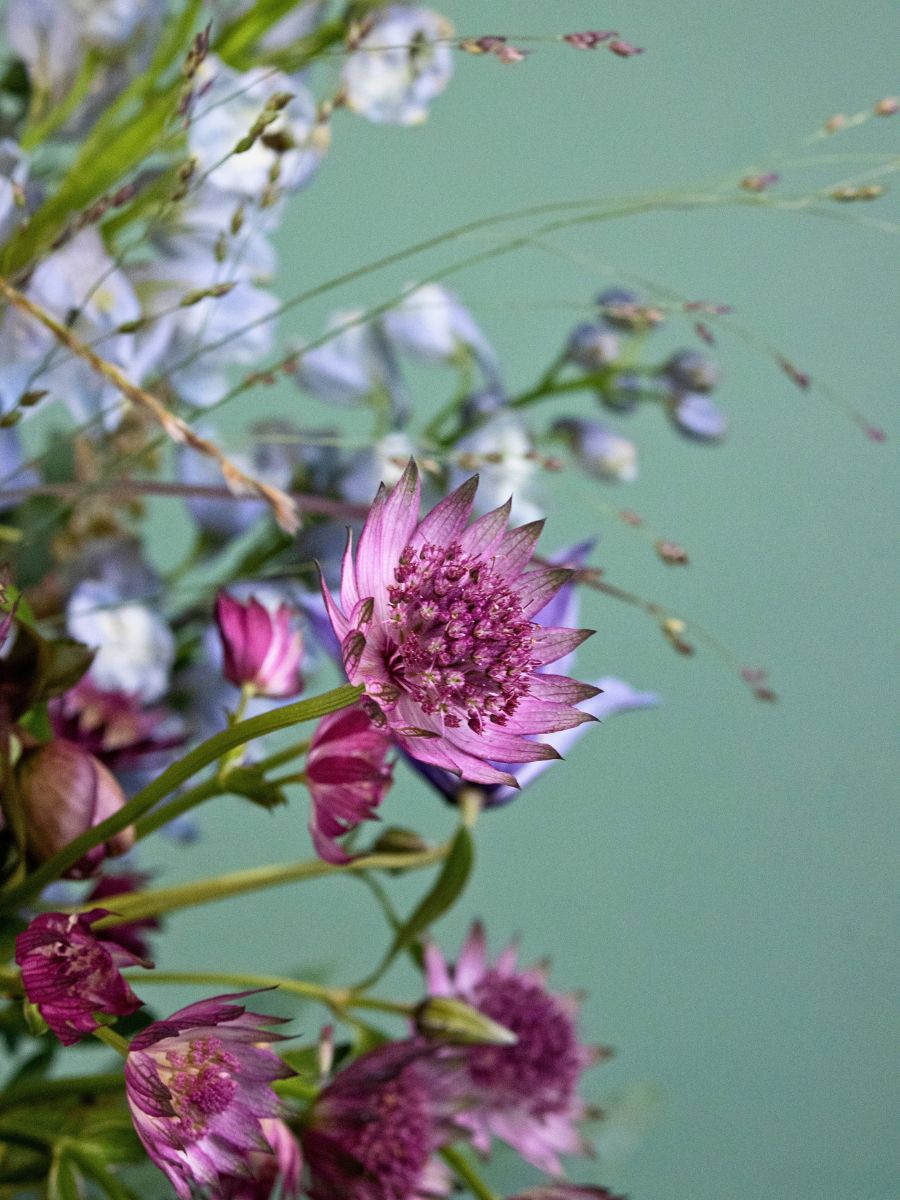
The light blue of Clematis Amazing® Star River further softens it, Echinacea Purpurea adds a rustic charm, Eryngium Magnetar Questar® offers its spiky intrigue, Panicum Heavy Metal gives it poise, and Helleborus Mammoth Pink calms it, while the star-shaped Astrantia Star® of Love fills the gaps perfectly. Miscanthus White Cloud and Astilbe Vision Inferno also interpose in the piece.
While the final result is somewhat busy, full of color and shape variation, the pastel palette calmly balances it. This lively yet relaxed piece is perfect for weddings or installations that favor dynamism over symmetry.
Flowers Grown Sustainably Mean Effective Floral Artistry
For florists, pushing the creative confines of floral design starts with a perfect flower. Yet, Marginpar understands this and ensures a consistent, sustainable year-round supply. The grower’s open secret is their innovation at the source. Their farms near the equator harness twelve hours of daily sunlight for stable, continuous production.
Moreover, they nurture nature, the foundation of their flowers. They ensure healthy soil through nature-first practices that build resilient ecosystems, which means every flower from the grower has strength, longevity, and natural beauty.
For Marginpar, sustainability is a journey of continuous improvement, guided by sustainable practices that ensure, when one lays hands on their flowers, they receive a product produced with respect for nature.
Follow these floral trends on Marginpar's Instagram page, and also check out the entire compilation of the 2026 Floral Trends designs by Mike Boerma IMF at the Marginpar website.
Designs and photos by Mike Boerma IMF for Marginpar.